

Weapon contamination in Ethiopia wrecks limbs and dreams
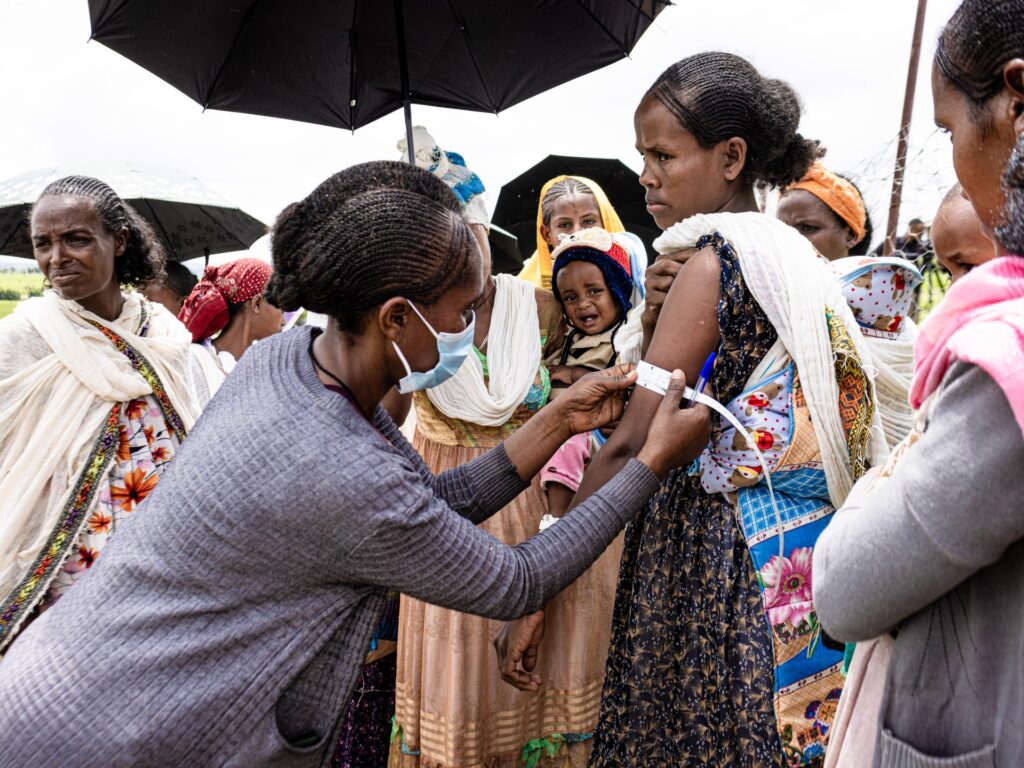
On his way home from the market, Birhane noticed a group of younger kids kicking a piece of scrap metal. He recognised them from when they had gone to school together before COVID-19. That was also before the devastating armed conflict between the Ethiopian defence forces and the Tigray People’s Liberation Front shattered his hopes of getting a complete education. Overcoming the disappointment of quitting school early, the 16-year-old turned to helping his father run the family’s farm and sell produce at the market. He was still determined to realise his ambition of “improving himself and supporting his family” despite the violence and hardship that have racked his community. Coming closer to the children, Birhane realised with a flash of horror that the object they were playing with was not a simple piece of scrap metal, but an explosive. He yelled at the children, telling them to stop. When they did not listen, Birhane pushed several of them to the ground and grabbed the object to throw it away. It exploded in his hands. Advertisement Birhane lost a leg and the fingers on both hands in the explosion. Two years after the peace agreement was reached, towns in Tigray are brimming with hope for lasting stability and economic renewal. Despite the heavy damage the armed conflict caused to the economy, the streets of cities like Mekelle, Shire and Axum, lined with traditional coffee shops, bristle with traffic and revived commerce. But the scars of violence remain visible in rural areas, where metal carcasses of burned vehicles are slowly rusting away on the roadsides, and unexploded remnants of war continue to kill and maim civilians – mostly children. “Since the beginning of last year, we treated 243 people injured by unexploded ordnance,” said Venkatakannan Packirisamy, who runs the physical rehabilitation project for the International Committee of the Red Cross (ICRC) in Ethiopia. “But people we receive make just a fraction of all victims.” Some are killed, and others may not reach ICRC facilities. Still others have injuries that ICRC services simply cannot treat. Eighty percent of the victims the project has received are children. Tucked in the mountains, Birhane’s village has one main street populated by stone houses and shops of corrugated metal. Piles of rusting munitions are scattered throughout, some marked with stones painted red and others swallowed from view by lush vegetation. Until they explode – often taking lives with them. Adblock test (Why?)
Cricket Australia defends Afghanistan boycott after hypocrisy accusation
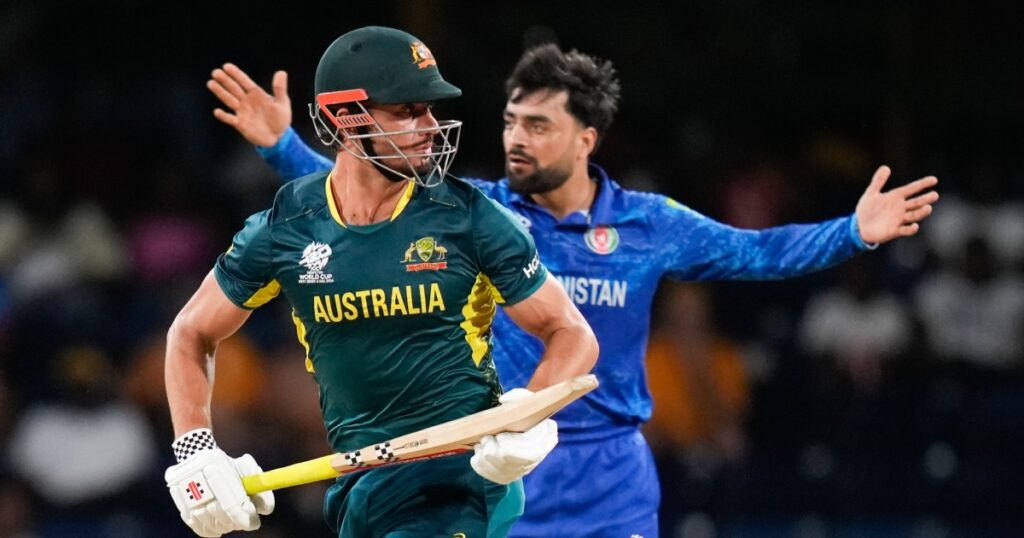
Cricket Australia chief says he is ‘proud’ of the decision to cancel bilateral series against Afghanistan after outgoing ICC chair questions Australia’s ‘principles’. Australia’s top cricket official has defended his country’s decision to play against Afghanistan at the International Cricket Council (ICC) World Cups while cancelling all bilateral series against the South Asian side due to the Taliban’s crackdown on women’s sport. Cricket Australia (CA) chairman Mike Baird said on Thursday he was “very proud of the position we’ve taken” after the departing boss of the ICC accused them of hypocrisy. “We’ve taken a position, and we’re proudly standing up where we think we should,” Baird said. “There’s all types of lines you can draw. We’ve drawn a line.” Former ICC chairman Greg Barclay said Australia should have walked away from World Cup games against Afghanistan if they wanted to take a stand against the Taliban’s clampdown on women’s rights. “If you want to make a political statement, don’t play them in a World Cup,” Barclay told the United Kingdom’s Daily Telegraph newspaper. “Sure, it might cost you a semifinal place, but principles are principles. It’s not about having half a principle,” he added. Advertisement Australia have in recent years refused to play bilateral series against Afghanistan, citing discomfort at the ongoing Taliban’s policies on women’s participation in sport. But they continue to face Afghanistan in major tournaments and have played them at both the ICC’s one-day international World Cup in November 2023 in India and the ICC T20 World Cup in the United States and the Caribbean in June. CA indefinitely postponed a bilateral men’s T20 series against Afghanistan in March citing “deteriorating human rights for women and girls in the country under Taliban rule”. The Afghanistan Cricket Board, in reply, urged CA to “respect and understand its position and look for alternative solutions rather than succumbing to external pressures and/or political influences”. It was the third time since 2021 that Australia refused to play Afghanistan outside of international tournaments. Australia had previously cancelled a one-off Test match and an ODI series for the same reason, but had then said it kept “the door ajar for future bilateral series on the proviso of improved conditions for women and girls in the country”. Before the return of the Taliban, Afghanistan’s cricket board was slowly making progress in growing the game among women, contracting a small number of semi-professional players in 2020. Many of those players eventually fled to Australia when the Taliban took over in 2021. The teams’ last meeting came at the ICC Men’s T20 World Cup on June 22 and ended in a historic triumph for Afghanistan as they beat the then-defending champions by 21 runs in the Super Eight clash. Advertisement The result prompted wild celebrations, both in the Afghanistan camp at the ground and among fans back home. “We have waited for this moment for a long time – at last, we beat Australia,” Gulbadin Naib, Afghanistan’s hero with the ball in the match, exclaimed after the win. Afghanistan had come close to beating Australia at the 50-over World Cup in India on November 7, only for Glenn Maxwell to pull off a stunning heist with a double century and deny the men in blue. Australia went on to win the World Cup by beating India in the final on November 19. The teams could come face-to-face in two months at the ICC Champions Trophy 2025, due to be hosted in Pakistan in February and March. Adblock test (Why?)
LoP Rahul Gandhi, opposition MPs hold protest over Adani issue on Parliament premises: ‘Modi aur Adani…’
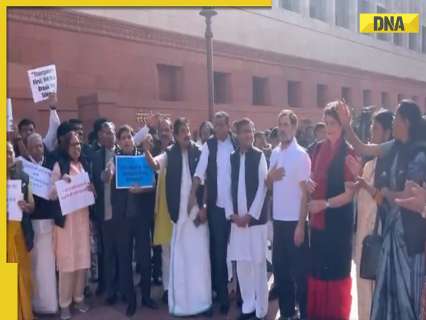
Opposition MPs wore jackets symbolising their protest over the Adani issue and wore jackets mentioned: “Modi Adani Ek Hai, Adani safe hai.”
Maharashtra CM Swearing-in Ceremony LIVE Updates: Fadnvais visits Shree Mumbadevi Temple ahead of oath-taking ceremony
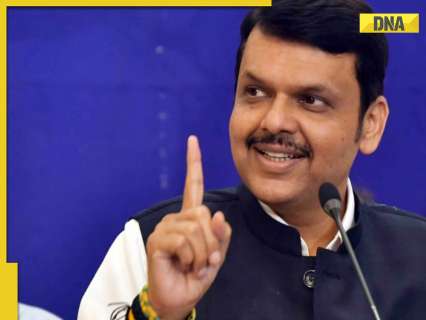
On Wednesday, Fadnavis, joined by Shinde and Pawar, met with state Governor CP Radhakrishnan to formally stake claim to form the government, presenting letters of support from the coalition partners.
Kerala Lottery Result December 5 Today: Karunya Plus KN-550 winners to be announced at 3 pm
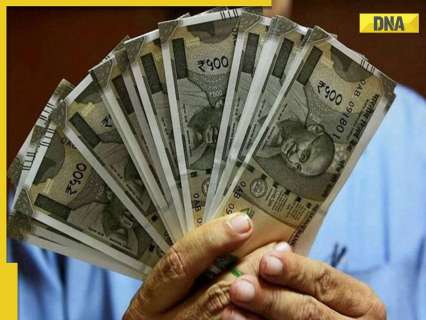
For those who win amounts less than Rs 5,000, prizes can be claimed at any authorised lottery shop in Kerala. For amounts exceeding Rs 5,000, winners must present their tickets along with valid identification at a bank or government lottery office.
Delhi AQI: Air quality improves to ‘moderate’ after weeks of pollution

The data of the CPCB, the AQI at Anand Vihar stands at 178 as of 8 am, 194 at Chandani Chowk, 130 at ITO, 152 at Wazirpur, 147 at Okhla Phase 2, 145 at Jawaharlal Nehru Stadium, 164 at Patparganj, 107 at Aya Nagar, 128 at Lodhi Road, 162 at IGI Airport (T3) and 152 at Punjabi Bagh.
Texas Senate to pursue ban on THC products next year, Lt. Gov. Dan Patrick says

Patrick contends retailers have exploited a law passed in 2019 to sell unregulated and potentially harmful consumable tetrahydrocannabinol products.
Delhi Metro: Blue line services affected due to cable theft between Moti Nagar and Kirti Nagar

Delhi Metro’s Blue Line services affected after cable theft between Moti Nagar and Kirti Nagar
Shillong Teer Result TODAY December 5, 2024 Thursday: Check 1st, 2nd-round lucky winning numbers

The complete list of winning numbers from the various games offered by the Meghalaya Lottery Department is shown below. View the results for the following tests: Shillong Morning Teer, Khanapara Teer, Jowai Ladrymbai, Shillong Teer, and Shillong Night Teer.
Devendra Fadnavis to take oath today along with his deputies Eknath Shinde, Ajit Pawar

Shiv Sena leader Eknath Shinde along with NCP’s Ajit Pawar will take the oath as Deputy Chief Ministers in the new cabinet, sources said.