

Russia-Ukraine war: List of key events, day 927
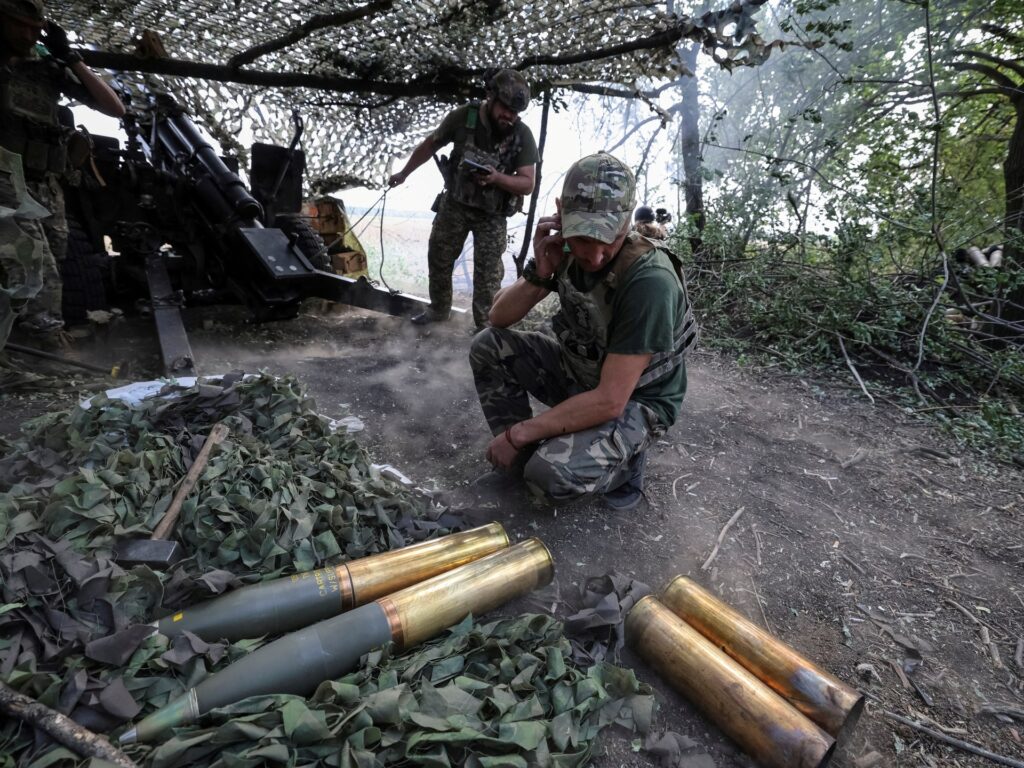
As the war enters its 927th day, these are the main developments. Here is the situation on Monday, September 9, 2024. Fighting At least three people were killed and one injured after Russia struck the village of Cherkaske in the eastern Donetsk region with cluster munitions, Governor Vadym Filashkin said. Two people were killed and four injured, including two children, in a Russian air attack on the Sumy region, the regional military administration said. Sumy borders Russia in northeastern Ukraine. The death toll from a missile attack on a military educational institute in Ukraine’s Poltava city rose to 58 after three more people died from their injuries. Russia said it had taken control of Novohrodivka, some 12km (7 miles) from Pokrovsk, a strategically important town in eastern Ukraine. Novohrodivka had a population of 14,000 people before the war. In its regular update, the General Staff of the Ukrainian military detailed heavy fighting throughout the Pokrovsk sector, including Novohrodivka. It said 29 attempted Russian advances had been repelled, with seven skirmishes continuing. Ukraine’s Air Force said air defence units destroyed 15 of 23 Russian attack drones and one guided air missile. Two of the drones and three other missiles did not reach their targets, the Air Force said. Romania and Latvia, NATO members and allies of Ukraine, said they were investigating breaches of their airspace by Russian drones that then crashed. NATO Deputy Secretary-General Mircea Geoana said the incidents were “irresponsible and potentially dangerous”. Politics and diplomacy German Chancellor Olaf Scholz called for renewed diplomatic efforts to achieve peace in Ukraine “more quickly”. Speaking in an interview with the broadcaster ZDF, Scholz said he and Ukrainian President Volodymyr Zelenskyy had agreed in recent talks on the need for a new peace conference that would include Russia. Zelenskyy appointed former arms production minister Oleksandr Kamyshin as an external adviser for strategic issues, according to a decree published on the president’s website. Kamyshin resigned as minister for strategic industries in a major government reshuffle. Weapons Zelenskyy again urged Ukraine’s allies to relax conditions on the use of Western-supplied weapons against targets inside Russia. “In just one week, Russia has used over 800 guided aerial bombs, nearly 300 Shahed drones, and more than 60 missiles of various types against our people,” he said in a Facebook post. Adblock test (Why?)
NATO members Latvia, Romania say Russian drones breached airspace
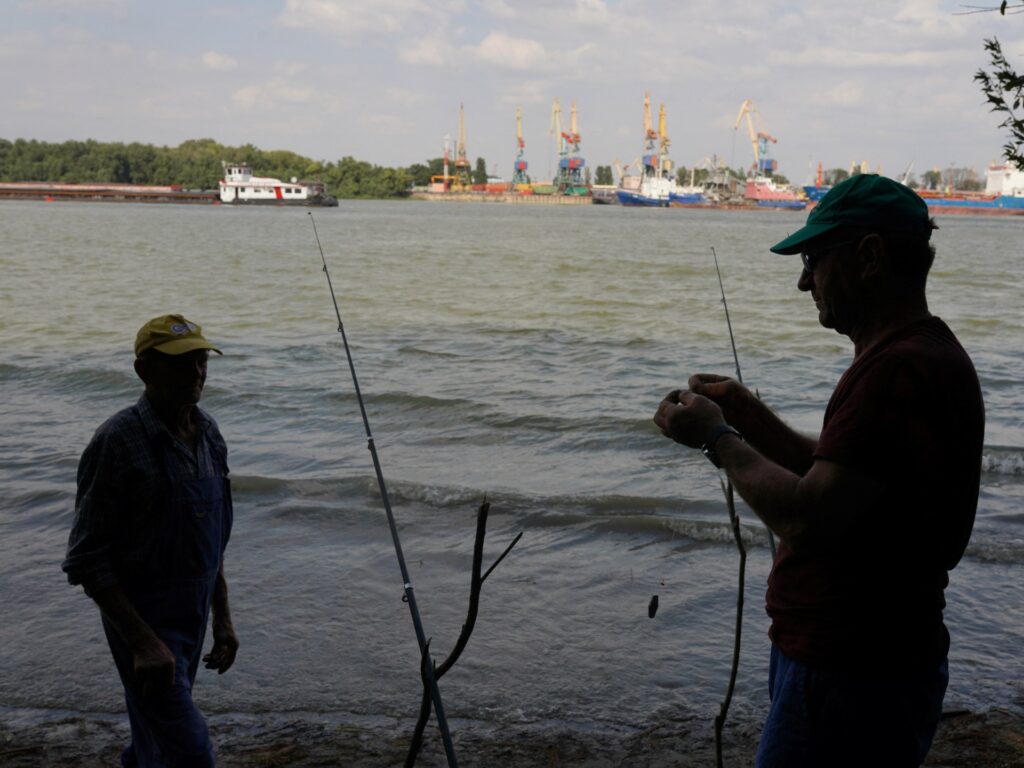
Romania has confirmed drone fragments on several occasions since Russia began its full-scale invasion of Ukraine in February 2022. Latvia and Romania, NATO members who are allies of Ukraine, have said that Russian drones violated their airspace. Romania said a Russian drone entered its airspace during nighttime attacks across the Danube River in neighbouring Ukraine in the early hours of Sunday, while Latvia said one crashed in the eastern part of the country a day earlier. Romania’s Ministry of National Defence said that Bucharest deployed F-16 fighter jets to monitor its airspace and that a search for the weapon’s debris was under way at a potential crash site near the border. There were no immediate reports of casualties or damage. Bucharest strongly condemned the “renewed violation” brought on by Moscow’s “illegal attacks”. Latvia’s President Edgars Rinkevics, meanwhile, said a Russian military drone had crashed in the eastern part of its territory. The Defence Ministry said that the drone had flown into the country’s airspace from Belarus and crashed around Rezekne, a town of about 25,000 people some 55km (34 miles) west of Russia and 75km (47 miles) from Belarus, a close ally of the Kremlin. While the incursion into Latvian airspace appeared to be a rare incident, Romania has confirmed drone fragments on its territory on several occasions since Russia began its full-scale invasion of Ukraine in February 2022. Romania shares a 650km (400 mile) border with Ukraine. Mircea Geoana, NATO’s outgoing deputy secretary-general and Romania’s former top diplomat, said the military alliance condemned Russia’s violation of Romanian airspace. “While we have no information indicating an intentional attack by Russia against Allies, these acts are irresponsible and potentially dangerous,” he wrote on the social media platform X. Russia has carried out repeated nighttime attacks on cities across Ukraine, frequently targeting its Danube River ports, which are just a few hundred metres from Romania. Ukraine’s Minister of Foreign Affairs Andrii Sybiha condemned the breaches of Romanian and Latvian airspace, calling them “a stark reminder that Russia’s aggressive actions extend beyond Ukraine”. He added on X that Ukraine needed concrete action from its allies. “A brave collective decision to use partner air defence to intercept Russian missiles and drones over Ukraine. Stronger and faster military aid for Ukrainian warriors. Lifting restrictions on Ukraine’s use of weapons. Act now,” he said. Poland has also recorded at least two cases of its airspace being violated by Russian missiles or drones attacking Ukraine, most recently in December. Romanian lawmakers plan to consider legislation at their current session on enabling Romania to shoot down drones invading the country’s airspace in peacetime. Adblock test (Why?)
After Brij Bhushan’s ‘cheating’ remark, Vinesh Phogat hits back at former WFI chief, says, ‘will keep…’

Vinesh Phogat and Bajrang Punia’s joining the Congress party ahead of Haryana elections have started a war of words with Brij Bhushan Sharan Singh, the former WFI president and a BJP member
‘They tried to…’: Kolkata rape-murder victim’s parents accuse police of…
The parents have been very vocal on the issue of police unwillingness to cooperate from the time the case was opened
Army foils infiltration bid in poll-bound Jammu and Kashmir, two terrorists killed
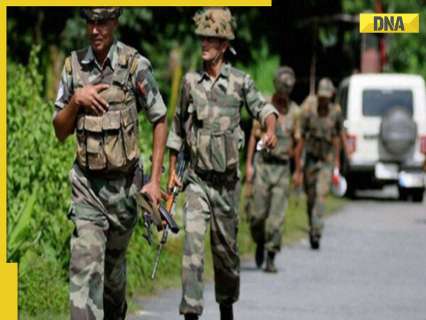
The gunfight broke out late Sunday night in the Laam sector of Nowshera after the troops picked up the movement of a group of terrorists trying to infiltrate from across the border
Austin congressman leads GOP rebuke of Biden administration’s Afghanistan withdrawal
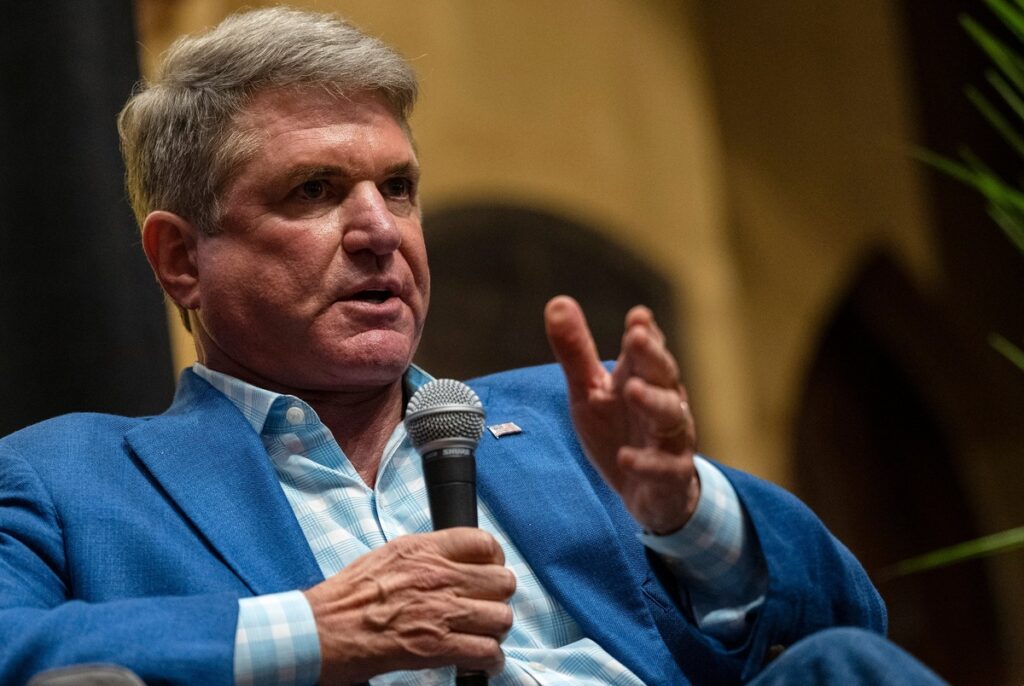
The House Foreign Affairs Committee, which U.S Rep. Michael McCaul chairs, accused Biden of ignoring warnings from his staffers and allies, leaving American interests vulnerable to the Taliban takeover.
Kolkata hit streets again as part of ‘Reclaim the Night’ protests to seek justice for rape-murder of trainee doctor
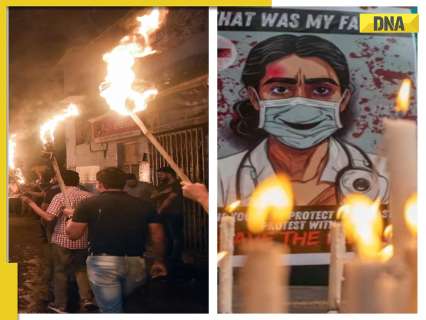
A month after the horrific rape and murder of a trainee doctor at Kolkata’s RG Kar Medical College and Hospital, the ‘city of joy’ again descended to the streets as part of the ‘Reclaim the Night’ protests on Sunday night.
Kolkata doctor rape-murder: SC to hear RG Kar hospital incident case today

While hearing the matter on August 22, the top court tore into the Kolkata Police over the delay in registering the unnatural death of the doctor.
‘Bharat Jodo Yatra introduced idea of love in politics’: Rahul Gandhi says in Texas
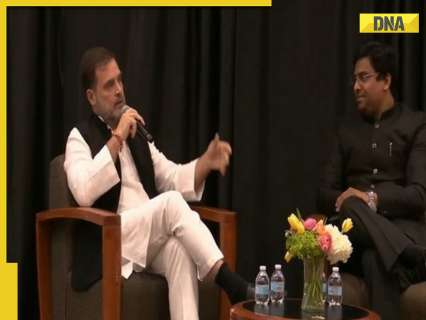
The Congress leader also said that India has to think about the act of production and organising production.
House GOP releases scathing report on Biden’s withdrawal from Afghanistan
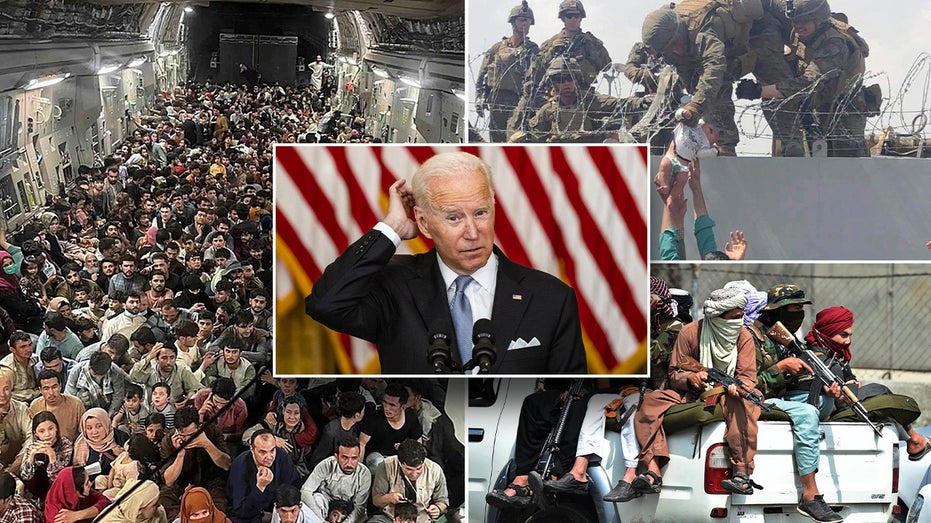
Texas Rep. Mike McCaul, the Republican chair of the House Foreign Affairs Committee, released a scathing report that took a fine-toothed comb to the military’s botched 2021 Afghanistan withdrawal and highlighted areas of serious mismanagement. The Republican-led report opens by harkening back to President Joe Biden’s urgency to withdraw from the Vietnam War as a senator in the 1970s. That, along with the Afghanistan withdrawal, demonstrates a “pattern of callous foreign policy positions and readiness to abandon strategic partners,” according to the report. The report also disputed Biden’s assertion that his hands were tied to the Doha agreement former President Trump had made with the Taliban establishing a deadline for U.S. withdrawal for the summer of 2021, and it revealed how state officials had no plan for getting Americans and allies out while there were still troops there to protect them. Here’s a roundup of the findings of the 600-page report, comprised of tens of thousands of pages of documents and interviews with high-level officials that spanned much of the last two years: The report found that Biden and Vice President Harris were advised by top leaders that the Taliban were already in violation of the conditions of the Doha agreement and, therefore, the U.S. was not obligated to leave. HOUSE COMMITTEE SUBPOENAS BLINKEN OVER AFGHANISTAN WITHDRAWAL The committee also found NATO allies had expressed their vehement opposition to the U.S. decision to withdraw. The British Chief of the Defense staff warned that “withdrawal under these circumstances would be perceived as a strategic victory for the Taliban.” Biden kept on Zalmay Khalilzad, a Trump appointee who negotiated the agreement, as special representative to Afghanistan – a signal that the new administration endorsed the deal. At the Taliban’s demand, Khalilzad had shut out the Afghan government from the talks – a major blow to President Ashraf Ghani’s government. When Trump left office, some 2,500 U.S. troops remained in Afghanistan. Biden himself was determined to draw that number to zero no matter what, according to Col. Seth Krummrich, chief of staff for Special Operations Command, who told the committee, “The president decided we’re going to leave, and he’s not listening to anybody.” Then-State Dept. spokesperson Ned Price admitted in testimony the Doha agreement was “immaterial” to Biden’s decision to withdraw. The report also details numerous warning signs the State Department received to draw down its embassy footprint as it became clear Afghanistan would quickly fall to the Taliban. It refused to do so. At the time of the withdrawal, it was one of the largest embassies in the world. In the end, Americans and U.S. allies were left stranded as the military was ordered to withdraw before the embassy had shuttered. In one meeting, Deputy Secretary of State for Management and Resources Brian McKeon rejected military officials’ warnings, saying “we at the State Department have a much higher risk tolerance than you guys.” Gen. Austin Miler, the longest-serving commander in Afghanistan, confirmed McKeon’s comments and explained that the State Department did not have a higher risk tolerance but instead exhibited “a lack of understanding of the risk” in Afghanistan. Asked why McKeon would make such statements, the officer explained, “The State Department and the president were saying it. Consequently, [Wilson] and others start saying it, thinking that they will make it work.” The report lays blame on former Afghanistan Ambassador Ross Wilson, who instead of shrinking, grew the embassy’s presence as the security situation deteriorated. Revealing little sense of urgency, Wilson was on a two-week vacation on the last week of July and the first week of August 2021. An NEO, a noncombatant evacuation operation to get personnel out, was not ordered until Aug. 15 as the Taliban marched into Kabul. There weren’t enough troops present to begin the NEO until Aug. 19, and the first public message from the embassy in Kabul urging Americans to evacuate wasn’t sent until Aug. 7. And while there weren’t enough military planes to handle the evacuations, it took the Transportation Department until Aug. 20 to allow foreign planes to assist. Wilson fled the embassy ahead of his entire embassy staff, the report found. He reportedly had COVID-19 at the time but got a foreign service officer to take his test for him so that he could flee the country. Acting Under Secretary Carol Perez told the committee the embassy’s evacuation plan was “still in the works” when the Taliban took over, despite months of warning. Wilson testified that he was “comfortable” with holding off on the NEO until Aug. 15, while Gen. Frank McKenzie described it as the “fatal flaw that created what happened in August.” As the Taliban surrounded Kabul on Aug. 14, notes obtained by the committee from a National Security Counsel (NSC) meeting reveal the U.S. government still had not determined who would be eligible for evacuation nor had they identified third countries to serve as transit points for an evacuation. Fewer cases for special immigrant visas (SIVs) to evacuate Afghan U.S. military allies like interpreters were processed in June, July and August – the lead-up to the takeover – than the four months prior. When the last U.S. military flight departed Kabul, around 1,000 Americans were left on the ground, as were more than 90% of SIV-eligible Afghans. The report found that local embassy employees had been de-prioritized for evacuation, with many turned away from the embassy and airport in tears. On the day of the Taliban takeover, the U.S.’ only guidance for those who might be eligible for evacuation was to “not travel to the airport until you have been informed by email that departure options exist.” And since the NSC did not send over guidelines for who was eligible for evacuation and who to prioritize because they were “at risk,” the State Department processed thousands of evacuees with no documentation. The U.S. government had “no idea if people being evacuated were threats,” one State Department employee told the committee. After the final troops left Afghanistan, volunteer groups helped at