

Romania election 2025: Results, who’s standing and what’s at stake?

Romanians will head to the polls on Sunday, May 4, to elect their next president in the first round of a “do-over” election, the second such poll within six months. The Eastern European country previously held a presidential election on November 24, 2024, from which far-right candidate Calin Georgescu, who was polling in single digits during the campaign, surprisingly emerged victorious. That result was annulled after reports emerged of alleged Russian election interference in favour of Georgescu, throwing the country into a political crisis. Romania’s elections authority banned the pro-Moscow independent in March. He is now subject to criminal investigations. Here’s everything you need to know about the redo vote and who the top contenders are: Where and when will polls open in Romania? Polls will open at 7am (04:00 GMT) on Sunday, May 4 and close at 9pm (18:00 GMT). Voters can cast their ballot at any of 18,979 polling stations around the country. An additional 965 stations will be set up in countries with big diaspora communities, including Malta, Italy, Spain, the United Kingdom, Germany, France, Moldova and the United States. Advertisement How do presidential elections work in Romania? The president is elected for a five-year term in a two-round voting system. A president can serve up to two terms. A candidate must secure more than 50 percent of all registered votes to be declared a winner in the first round. If no candidate achieves the 50 percent threshold on May 4, a run-off will be held on May 18 between the two top finishers. The candidate with the most votes will be declared the winner. What are the main issues driving this election? Wages and inflation The rising cost of food and other basics in the country is likely to be the biggest factor in how people choose to vote. The country’s economy has steadily been on the decline for decades, forcing many young people to seek work abroad. Close to one-third of the population faces poverty. Corruption There is deep-rooted anger over how establishment parties have run the country since the fall of the communist government in 1989. Romania scores among the bottom four countries in Europe in terms of corruption, according to Transparency International. Voters generally have little trust in public institutions and politicians. Ideological divide Romania, like several other European nations, faces growing questions from sections of its population about its support for Ukraine in the war against Russia. More right-leaning voters are against additional backing for Kyiv. Overall, voters are split between wanting a government more removed from the West and closer to Russia, and one that’s pro-European Union and NATO. Advertisement This divide is reflected in the makeup of Romania’s parliament. Following parliamentary elections on December 1 last year, Romania’s pro-Europe parties came together to form a majority government in a bid to shut out far-right nationalists. The ruling National Coalition for Romania was formed when the pro-Europe Social Democratic Party (PSD), which topped the polls in the December election but failed to achieve a majority, reached an agreement with the centre-right National Liberal Party (PNL), the reformist Save Romania Union party (USR), and the small ethnic Hungarian UDMR party. Overall, the coalition holds 58 of the 134 seats in the Senate, the upper house, and 135 seats out of 331 in the lower Chamber of Deputies. On the anti-EU side, the most popular party is the far-right Alliance for the Union of Romanians (AUR), which is led by presidential candidate George Simion. It holds 28 seats in the Senate and 61 in the Chamber of Deputies. SOS Romania, also a far-right party, holds another 12 seats in the Senate and 28 seats in the Chamber of Deputies. The far-right Party of Young People (POT) holds 24 lower and seven upper seats. Overall, these euro-sceptic parties hold 113 seats in the Chamber of Deputies – not far behind the ruling coalition’s 135. Given this divide, the EU will have its eyes on this presidential election. Who are the main contenders? George Simion, 38 The right-wing, eurosceptic politician is leader of the Alliance for the Union of Romanians (AUR) and is currently leading the polls with support from 30 percent of voters as of April 26, according to Politico’s Poll of Polls (an average of all the polls). Advertisement Simion, who is perceived as being pro-Moscow – like Georgescu who is a former member of AUR – and is backed by nationalist camps, criticised the decision to annul the controversial November elections. He is opposed to same-sex marriage and is a euro-sceptic. He has also spoken out against sending aid to Ukraine. He has advocated for taking back territory from Ukraine and Moldova that once belonged to Romania. In May 2015, Simion was declared “persona non grata” by Moldova and barred from entering the country for five years on the grounds that he was “endangering national security”. This ban was renewed for a further five years in February 2024. Simion was criticised in 2019 for supporting the election to parliament of two former military officers accused of suppressing revolutionaries in the country’s 1989 overthrow of communist rule. The leader of the radical-right Alliance for the Union of Romanians (AUR) party, George Simion, looks on following initial exit polls at the party’s campaign headquarters on the day of the parliamentary election, in Bucharest, Romania, December 1, 2024 [File: Alkis Konstantinidis/Reuters] Crin Antonescu, 65 The independent candidate and longtime politician is backed by the more centrist governing Social Democratic Party and National Liberal Party alliance (PSD-PNL). According to Politico’s Poll of Polls, Antonescu, who was a one-time acting president and head of the Senate, was polling at 24 percent as of April 26. He supports Romania’s membership of the EU and NATO. He is also in favour of sending more aid to Ukraine. Advertisement Antonescu has highlighted his political experience in his campaigns. Electoral posters are seen in Bucharest before Romania’s presidential elections on April 29, 2025 [Andreea Campeanu/Reuters] Nicusor Dan, 55 The activist
India bans import and transit of all goods from Pakistan after Pahalgam terror attack

The order amends the Foreign Trade Policy (FTP) 2023 to include a provision prohibiting the import or transit of any goods originating in or exported from Pakistan ‘until further orders.’
Indian Railways brings big changes for passengers, here are 5 things you need to know
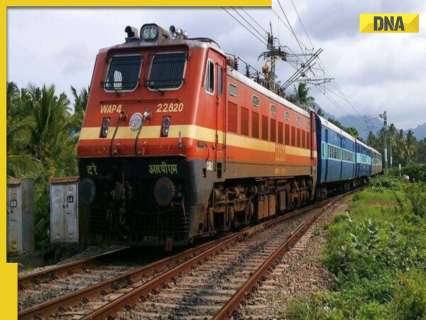
These changes aim to ensure safety, efficiency, and fairness for all passengers. Here are the five most important updates that every train traveller should know.
Rep. Mikie Sherrill suggests third Trump impeachment as she campaigns to be next New Jersey governor
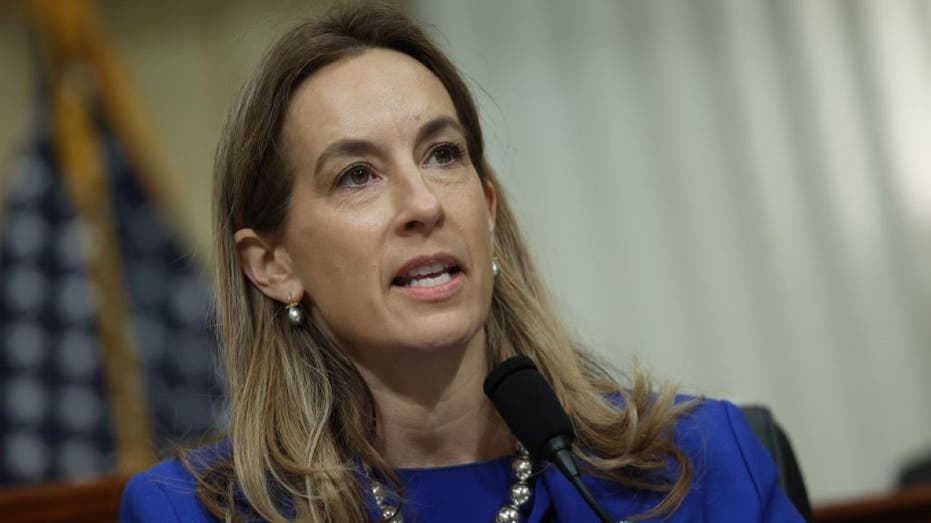
Rep. Mikie Sherrill, D-N.J., suggested impeaching President Donald Trump a third time to stop Republicans following the 2026 midterms, as she seeks to become the next governor of New Jersey. “I think you have to test yourself. I think it’s not enough to take on one tough fight. I think there’s a lot of tough fights going on,” Sherrill told supporters during a campaign event at Ridgeway Volunteer Fire Company Station 34 in Manchester Township on April 26, according to the New York Post. Sherrill, 53, was first elected to the U.S. House in the 2018 midterms, winning the state’s 11th congressional district that had long been considered a Republican stronghold. She voted for both of Trump’s impeachments during his first administration. “When I impeached the president the first time — who knew I would ever be saying–” she was saying at the campaign event last week when an audience member interjected that she should “do it again,” leading to laughter from the rest of the crowd. GOP GOVERNOR HOPEFUL PUSHES ANTI-CHINA POLICY AFTER YEARS OF CHINESE INVESTMENTS “Yeah, exactly. We’ll see,” she replied. “Maybe we’ll go for the trifecta.” The congresswoman added: “But when I impeached him the first time, I thought I would probably lose my seat after that because of my district.” Earlier this week, Rep. Shri Thanedar, D-Mich., filed articles of impeachment against Trump for several alleged high crimes and misdemeanors, including for eliminating federal programs without congressional authorization, violating First Amendment rights and refusing to follow court orders to facilitate the return of Kilmar Abrego Garcia to the U.S. after he was sent to a prison in his home country of El Salvador. The administration purports that Abrego Garcia is a member of the MS-13 gang, although a judge previously granted him a form of protected status known as “withholding of removal” after finding that he would likely be a target of Salvadoran gangs if deported to his native country. Democrat lawmakers, many legal experts and other critics of the move to send Abrego Garcia to the Salvadoran prison say this was done without giving him the opportunity to exercise his due process rights. Trump’s “unlawful actions have subverted the justice system, violated the separation of powers, and placed personal power and self-interest above public service,” Thanedar said in a statement when introducing articles of impeachment against the president. Sherrill explained at her event how Democrat-led states could challenge Trump’s agenda. “I was on the floor on January 6th. And he has no intention of leaving in four years — zero,” Sherrill said, as Trump has floated the idea of bending the constitutional rules to run for a third term. “It’s up to, again, all of us to make sure that we are there, mobilizing, bringing people together as he’s trying to divide us apart, finding ways around and, kind of, to block and tackle in the states,” Sherrill said. GOP CANDIDATE RIPS BLUE STATE DIRECTIVE MEDDLING IN POLICE FORCE’S COOPERATION WITH ICE: ‘HANDCUFFED’ “I have to tell you it’s all down to federalism, in my mind. It’s down to the states — and taking them to court as they’re trying to meddle in our election system,” she added. Others facing Sherrill in the Democrat gubernatorial primary include Rep. Josh Gottheimer, D-N.J., Jersey City Mayor Steve Fulop, Newark Mayor Ras Baraka, former Montclair mayor and president of the New Jersey Education Association Sean Spiller and former state Senate president Stephen Sweeney. Current Democrat Gov. Phil Murphy is term-limited. The New Jersey Democrat primary will be held on June 10.
Weather Update: IMD predicts heavy rainfall along with thunderstorms in Delhi-NCR today, minimum temperature to be…
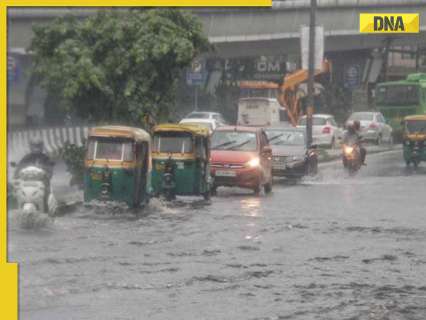
The warning comes on the heels of a record-breaking spell of rain on Friday morning, with Safdarjung – Delhi’s primary weather station – logging 77 mm of rain in just six hours between 2:30am and 8:30am.
Goa Temple Stampede: 6 dead, over 15 injured in Lairai Devi temple in Shrigao
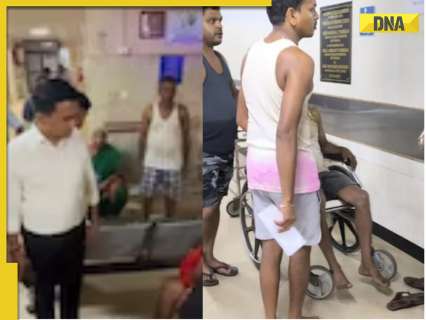
The injured have been admitted to the Goa Medical College (GMC) and the North Goa District Hospital in Mapusa for treatment.
‘Till date I could not find where surgical strikes took place’: Congress MP Charanjit Channi
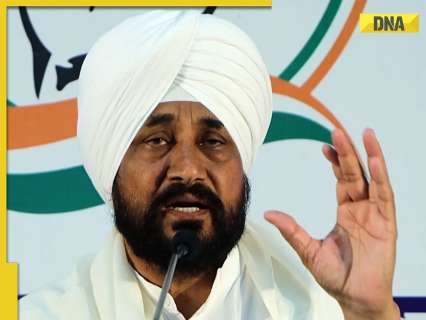
Addressing a press conference after the Congress Working Committee meeting, Channi said the government had done nothing even 10 days after the attack. “We demand concrete steps, and the entire country is watching to see what action will be taken against Pakistan,” he said.
Texas strips protections for teachers, parents who share “obscene” material with children
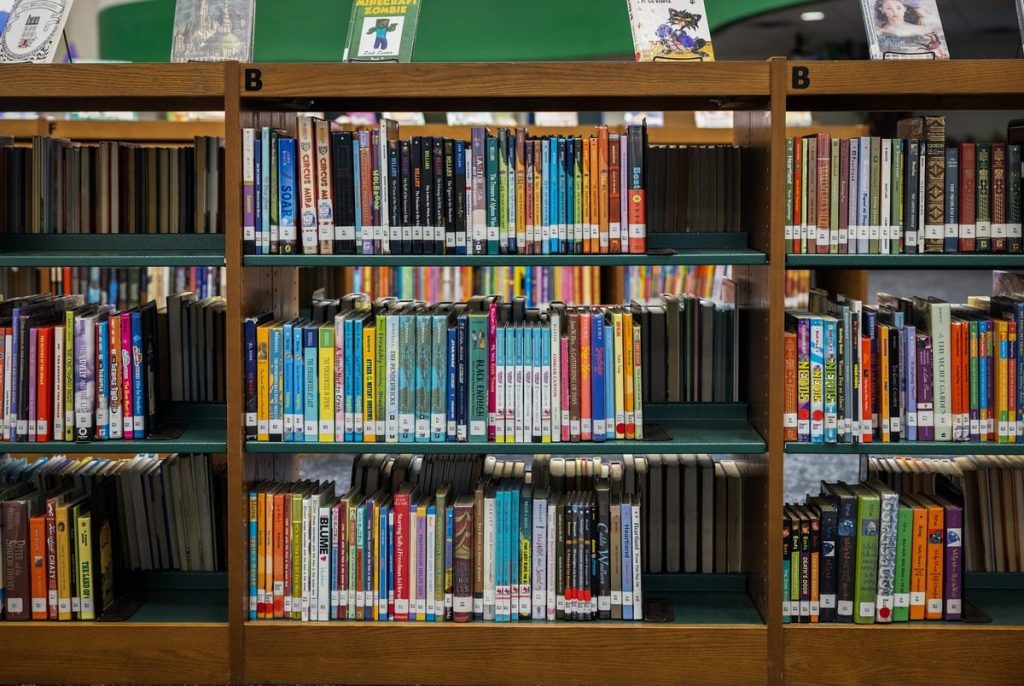
A fiery debate on the House floor Friday gave way to the Senate Bill 412’s final vote. Supporters say it’s needed to protect children.
Former Tunisian PM handed 34-year sentence, rejects ‘terrorism’ charges

Former Prime Minister Ali Larayedh and the opposition Ennahdha party have denounced the trial as politically motivated. A Tunisian court has sentenced former Prime Minister Ali Larayedh to 34 years in prison over accusations he facilitated the departure of fighters to Syria – a charge the opposition figure strongly denies. “I was neither sympathetic, nor complicit, nor neutral, nor lenient towards violence, terrorism,” Larayedh told the judge on Friday, rejecting what he and his Ennahdha party have called a politically motivated prosecution. The ruling is the latest blow to the Ennahdha party, a major opposition force to President Kais Saied. Larayedh, who served as prime minister from 2013 to 2014, has been in detention since 2022. His sentencing comes just a week after the arrest of vocal Saied critic Ahmed Souab and new prison terms handed down to political opponents, media figures and businesspeople on various conspiracy charges. According to state news agency TAP, the sentences apply to eight individuals, with prison terms ranging from 18 to 36 years. The court did not name those convicted alongside Larayedh. Advertisement Ennahdha denies all terrorism-related allegations, arguing that the case is part of a broader campaign against dissent that has intensified since Saied suspended parliament and assumed sweeping powers in 2021. The government maintains that Tunisia’s judiciary is independent, rejecting claims of political interference. Human rights groups, however, say the crackdown on opposition voices – including the jailing of Souab – marks a dangerous escalation. Many warn that democratic gains in the birthplace of the Arab Spring in the years since the 2011 revolution are being steadily rolled back. Growing protests against Tunisian president Saied faced protests on Thursday as opponents took to the streets of Tunis, accusing him of using the judiciary and police to silence dissent. The demonstration, the second in a week, comes amid growing alarm over what critics see as an authoritarian drift in the country that sparked the Arab Spring. Marching down Habib Bourguiba Avenue, anti-Saied protesters chanted slogans including “Saied go away, you are a dictator” and “The people want the fall of the regime” – echoing the calls that fuelled the 2011 uprising that ousted former President Zine El Abidine Ben Ali. Supporters of Saied held a counter-rally on the same boulevard, shouting, “No to foreign interference” and “The people want Saied again”. The opposition accuses Saied of undermining the democracy won in the 2011 revolution, since he seized extra powers in 2021 when he shut down the elected parliament and moved to rule by decree before assuming authority over the judiciary. Advertisement Adblock test (Why?)
Singapore votes as city-state prepares to mark 60 years of independence
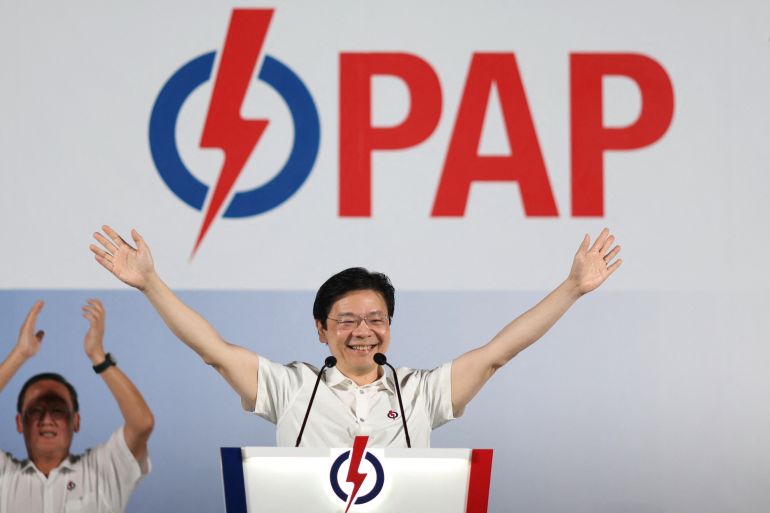
Singapore – David Wee has lived in the same terrace house with his family in the east of Singapore his entire life. But over more than 40 years, the Wee family have been a part of five different electoral constituencies. Singaporean electoral boundary changes occurring shortly before every general election have led government critics to raise accusations of gerrymandering – deliberately manipulating constituency boundaries to favour a particular political party. According to Singapore’s Elections Department, which is overseen by the Prime Minister’s Office, the latest boundary changes – the most extensive in years – were driven by voter growth and future housing developments. Despite the criticism, Saturday’s election in Singapore – where some 2.76 million people are scheduled to vote – is set to return the long-ruling People’s Action Party (PAP) to power. The PAP has won every election in this prosperous global financial centre since declaring independence in 1965. While there is little danger of the PAP losing power, elections here are seen as a test of public sentiment towards the ruling party. This election is also seen as a referendum on Prime Minister Lawrence Wong, who took over from former premier Lee Hsien Loong last year. Singapore’s Prime Minister Lawrence Wong at a People’s Action Party (PAP) rally in advance of the general election in Singapore on April 26, 2025 [Edgar Su/Reuters] Voting is also compulsory in Singapore – where elections are held every five years, and though modelled after the United Kingdom’s Westminster parliamentary system, one of the quirks of Singapore is that voters are either part of a single-member voting constituency or a Group Representation Constituency (GRC). Advertisement People in a GRC, rather than vote for individual candidates, cast their ballots for teams of up to five politicians. Within each team, at least one candidate must be from a minority ethnic group. Authorities say the team vote is to ensure minority representation in the city-state’s parliament, but critics say it is a means of parachuting new candidates into the legislature as part of a group. The vote will see 97 members of parliament elected in 33 constituencies made up of 15 single-member constituencies and 18 GRCs. But with no opposition to contest one of the GRCs, the PAP has already scored a walkover for a five-member team, meaning just 92 seats will be contested today. For David Wee, constituency boundaries are not really an issue. “It’s something that can happen to anybody, especially if you live in a Single Member Constituency, which can be easily absorbed” into a GRC, he told Al Jazeera. What is an issue though, he says, is the rising cost of living, inflation, and other concerns around life and work in one of the world’s richest nations. “I will support whomever I think can serve the residents well,” he said, adding that Singapore’s voters are more discerning now and should not be taken for granted. “Our voters have become more educated,” he said. Singapore, after all, is “a developed country, not a developing country”, he added. The Merlion statue in front of Singapore’s business district in 2019 [Vincent Thian/AP] Singapore bling Singapore is one of the world’s most expensive cities, with some of the highest living standards globally. Advertisement Alongside a world-class public transport system, it also has the most expensive cars in the world, thanks to a licensing system that sees owners shell out tens of thousands of dollars simply for the right to own a vehicle, alongside congestion pricing, road tax and other expenses. “If you can’t afford it, you can’t afford it,” said Lim Meng Wee, 57, a consultant in the local real estate capital field who has owned several cars over the years. “A car is a very expensive luxury. It eats into your balance sheet and you will have to keep working harder. I know of people who bought a car, and within two to three years, they were back to public transport,” he said. Singapore’s economic success, generally low crime and expectation of personal safety for citizens has come in tandem with a low tolerance for dissent. That has been enforced by wide-ranging laws that allow for, among others, penalties for wounding racial and religious feelings, as well as detention without trial. Labour strikes are outlawed too, and a permit is required for demonstrations, which is strictly observed. One prominent dissident who held up a cardboard sign with a smiley face outside the State Courts in 2020 to make a symbolic point about the administration of justice was fined for illegal assembly. In February, six people in their 20s were questioned by police and had their electronic devices seized over a protest at a local university against Israel’s war on Gaza. Attendees hold signs during a protest against the death penalty at Speakers’ Corner in Singapore on April 3, 2022 [Roslan Rahman/AFP] Critics and media outlets have been the subject of defamation lawsuits by government ministers, while many politicians and activists were imprisoned from the 1960s into the 1980s. Advertisement In addition, the mainstream media is solidly pro-establishment while the country is ranked 123rd in the world in terms of press freedom. All media outlets must tread carefully with a government accustomed to taking matters to court when unhappy with coverage. Two ministers recently launched a defamation lawsuit against Bloomberg News – which is continuing – over an article about multimillion-dollar property transactions in the country. Singapore at 60 – the social compact going strong In August, this multicultural, multilingual island nation of about six million celebrates its 60th year of independence. It turns 60 as an economic heavyweight, and one of the cleanest, safest, least corrupt places in the world. Gross domestic product (GDP) per capita in 1965 was about $500. Last year, figures from the International Monetary Fund showed the figure was about $93,000. All this has been accomplished under the PAP, which was co-founded by the country’s first premier Lee Kuan Yew, and which remains the only governing party Singaporeans have ever