

Russia-Ukraine war: List of key events, day 1,134

These are the key events on day 1,134 of Russia’s war on Ukraine. These are the key events from Wednesday, April 2: Fighting One person was killed and two others injured in a Russian overnight attack on southeast Ukraine’s Zaporizhia region, Regional Governor Ivan Fedorov said. A Russian ballistic missile strike on Ukraine’s Kryvyi Rih killed at least four people and injured 14 others, including two children, Ukrainian authorities said. An infant, a seven-year-old boy and six others were also injured in a drone attack on Ukraine’s Kharkiv region, said Oleh Syniehubov, the region’s governor. Kharkiv’s Mayor Ihor Terekhov said 15 drone strikes were carried out in the region. At least 60 people were forced to evacuate from their homes in the Russian city of Kursk after falling debris from intercepted Ukrainian drones hit their apartment buildings, acting governor, Alexander Khinshtein, said. Russia’s state news agencies TASS and RIA Novosti report that Russian forces destroyed 93 Ukrainian drones overnight, most of which were destroyed over the Kursk region. The Ukrainian air force said it shot down 41 of 74 Russian drones launched towards Ukraine overnight. Another 20 drones failed to reach their targets due to electronic jamming measures, the air force said. Advertisement Ukrainian President Volodymyr Zelenskyy said nearly 4,000 people were left without electricity after a Russian drone hit a substation in Ukraine’s northeastern Sumy region, and artillery fire damaged a power line in the central Dnipropetrovsk region. Moscow’s Ministry of Defence also accused Kyiv of hitting Russian energy facilities twice in the past 24 hours despite a mutual moratorium on energy strikes brokered by the United States. Germany’s Deutsche Presse-Agentur (DPA) news agency reported that Russia had destroyed one of its own dams in the Belgorod border region using an aerial bomb. The reason for the dam’s destruction was not given. Oil and Gas Russia said it ordered the closure of the Black Sea port terminal handling Kazakhstan’s oil exports and US giants Chevron and Exxon Mobil, after two inspections on moorings for vessels at the terminals. Ceasefire Russia and Ukraine accused each other of breaching the US-brokered moratorium on energy strikes after both countries reported damage to energy facilities due to alleged violations by both sides. Politics and Diplomacy Eleven Ukrainian children were returned to Kyiv from Russia and Russian-occupied Ukraine under the Bring Kids Back UA initiative, President Zelenskyy’s chief of staff, Andriy Yermak, said. The Kremlin said it is “possible” that Russian envoy Kirill Dmitriev will visit the US and said contact with Washington was ongoing. The Reuters news agency reported that Dmitriev is expected in Washington this week for talks with US President Donald Trump’s administration. Advertisement Adblock test (Why?)
Why is Zimbabwe’s President Mnangagwa facing pressure to resign?
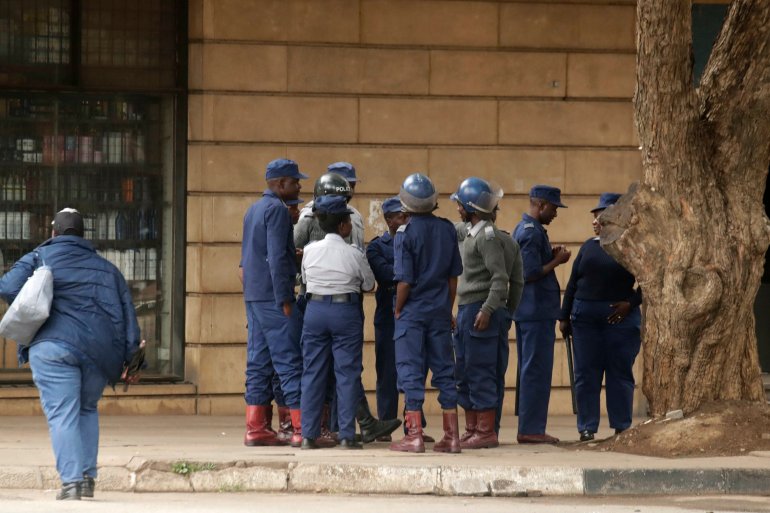
Zimbabwean President Emmerson Mnangagwa is facing what experts say is the biggest threat to his rule yet as a succession battle erupts ahead of general elections scheduled for 2028. Recent manoeuvrings by the president and his supporters to extend his rule to 2030 have led to calls and protests from within his party for the president to step down or be forced to do so. The upheavals have seen the dismissal of top security officials, a move experts say Mnangagwa is taking to avoid being overthrown in a coup. The president has long faced criticism from Zimbabweans, but dissent within his ZANU-PF party is rare, and public calls for demonstrations against him are unprecedented. On Monday, demonstrators took to the streets in protests called by a top ZANU-PF member. Zimbabwe has for decades been mired in political crises that have led to economic stagnation, a dearth of jobs, and general government dysfunction. Hyperinflation over the past two decades has pushed the South African country’s economy to its knees and wiped out the savings of common people. Advertisement “Zimbabweans are tired and need a messiah,” Blessing Vava, director of human rights group Crisis Zimbabwe, told Al Jazeera. Here’s what to know about the latest crisis: Riot police officers gather on a deserted street in downtown Harare, Zimbabwe, on Monday, March 31, 2025, following calls for an antigovernment protest [Aaron Ufumeli/AP Photo] What’s the problem with ZANU-PF? An internal split within the ruling ZANU-PF party, which has held power since Zimbabwe’s independence in 1980, is driving the current crisis. Two main factions are at loggerheads, one supporting a prolonged term for Mnangagwa, 82, and another one supporting the ascendancy of Constantino Chiwenga, his 68-year-old vice president. Mnangagwa came to power in 2017 amid promises of democratic and economic reforms. However, critics say corruption levels have remained high, the opposition has been targeted, and the economy has continued to slide. Can Mnangagwa rule beyond 2028? Zimbabwe’s constitution has a two-term limit for presidents. Mnangagwa is currently in his second elected term, which ends in 2028 when elections are due. However, some members of the ZANU-PF party have been chanting a “2030 agenda” since last year, saying the president should stay in power for a third term to continue his reforms, although that would violate the constitution. At a conference in December, the party officially adopted a motion to extend Mnangagwa’s rule till 2030. That’s subject to the approval of the Senate and a national referendum, but the motion has prompted nationwide debate and controversy. Advertisement Who is Blessed “Bombshell” Geza? Within ZANU-PF, a dissenting faction led by Blessed “Bombshell” Geza, a liberation war veteran and senior party member, has since held conferences to speak out against Mnangagwa. He has accused the government of being corrupt and called on people to protest. In one video published on social media, he regretted supporting the president’s rise to power. “As soon as he [Mnangagwa] had the taste of power, he escalated corruption, forgot the people, and only remembered his family,” Geza said. The politician said Mnangagwa would be forced out and accused him of “surrendering” power to his wife and kids, who he said are powerful behind-the-scene actors in the president’s third term bid. First Lady Auxillia Mnangagwa, alongside her husband and several other government officials, were sanctioned by the United States in March 2024 for alleged involvement in illicit diamond and gold networks. In 2023, an Al Jazeera investigation revealed that Zimbabwean officials were using smuggling gangs to sell the country’s gold to soften the impact of sanctions. However, Geza’s critics point out that he, too, is part of the establishment that has long controlled Zimbabwe. Analyst Takura Zhangazha told Al Jazeera that Geza’s opposition is gaining broader traction only because it comes at a time when the country’s national economy is also struggling – which Zimbabweans blame on the ruling government. Any support that Geza’s calls for Mnangagwa to resign gets is not because people believe he will fight for them, he added. Advertisement “Mr Geza is representative of [the government] in the public eye,” Zhangazha said. “So he does not have an organic or popular authenticity.” ZANU-PF officials, as well as Mnangagwa, have called Geza’s taunts “treasonous”. The politician, who has now reportedly gone into hiding, was ousted from the party on March 7. He is wanted by the police on several charges, including “undermining the authority of the president” and for allegedly inciting public violence. Meanwhile, Mnangagwa has shuffled the country’s national security leadership. General Anselem Sanyatwe, commander of the presidential guard, was fired last week. Earlier, Godwin Matanga, chief of police, and Isaac Moyo, head of the intelligence service, were dismissed. Women walk across a deserted street in downtown Harare, Zimbabwe, on Monday, March 31, 2025, following calls for an antigovernment protest [Aaron Ufumeli/AP Photo] What happened on Monday? Geza had, in recent weeks, called for mass demonstrations this week against President Mnangagwa. By Friday, security officials had poured onto the streets, conducting stop-and-search on vehicles in the capital, Harare. On Monday, some demonstrators gathered at the city’s Robert Mugabe Square, even as social media videos showed armoured tanks rolling down the streets as security was beefed up. Most people, however, chose to stay at home to avoid potential violence. Businesses and offices were completely shut down across the country, as a result, although authorities had urged people to go to work. Vava, of Crisis Zimbabwe, said many Zimbabweans are fed up with ZANU PF’s power struggles, but that they had protested in their way. Advertisement “Zimbabweans feel cheated, and they don’t want to be used again,” Vava said. “But the shutdown was also a success. By choosing to stay at home, what we saw was also Zimbabweans demonstrating, saying that we don’t want to be dragged into your internal battles.” Meanwhile, those who gathered were forcefully dispersed with tear gas. Police also arrested dozens of others. On Tuesday, officials said they had arrested 95 protesters on charges of “public
Barcelona beat Atletico to set up Real Madrid final in Copa del Rey

Barcelona will face Real Madrid in an El Clasico final in Spain’s Copa del Rey after 5-4 aggregate defeat of Atletico. Barcelona won 1-0 at Atletico Madrid to reach its first Copa del Rey final in four seasons, setting up a “Clasico” against Real Madrid. Ferran Torres scored a first-half winner on Wednesday for the Catalan club, which advanced 5-4 on aggregate after a 4-4 draw in the first leg in Barcelona in February. Madrid eliminated Real Sociedad in extra time on Tuesday, also advancing 5-4 on aggregate. The rivals will meet in the Copa decider for the first time since the 2013-14 season, when Madrid won the title. Barcelona’s Ferran Torres scores the only goal of the second leg [Susana Vera/Reuters] It was yet another disappointing home elimination for Atletico after it lost on penalties to Madrid in the round of 16 of the Champions League last month. Barcelona, the Copa’s most successful club with 31 trophies, had not made it to the final since 2021, when it beat Athletic Bilbao. Madrid, in its second final in three seasons, won its 20th title against Osasuna in 2023. The April 26 final in Seville will mark the third Clasico of the season. Advertisement Barcelona won 4-0 in the Spanish league in October and 5-2 in the Spanish Super Cup final in January. The rivals could also meet in the Champions League this season. Barcelona’s Lamine Yamal in action as Atletico Madrid coach Diego Simeone attempts to increase the pressure [Susana Vera/Reuters] Atletico was trying to make it to the Copa final for the first time since 2013, when it defeated Madrid to win its 10th title. Diego Simeone’s team had rallied with two late goals to draw the first leg in Barcelona after squandering a 2-0 lead. Torres scored in the 27th with a nice touch from inside the area after a perfect through ball by Lamine Yamal. Atletico striker Alexander Sorloth had a goal disallowed for offside in the 69th. Adblock test (Why?)
US judge throws out corruption case against NYC Mayor Eric Adams
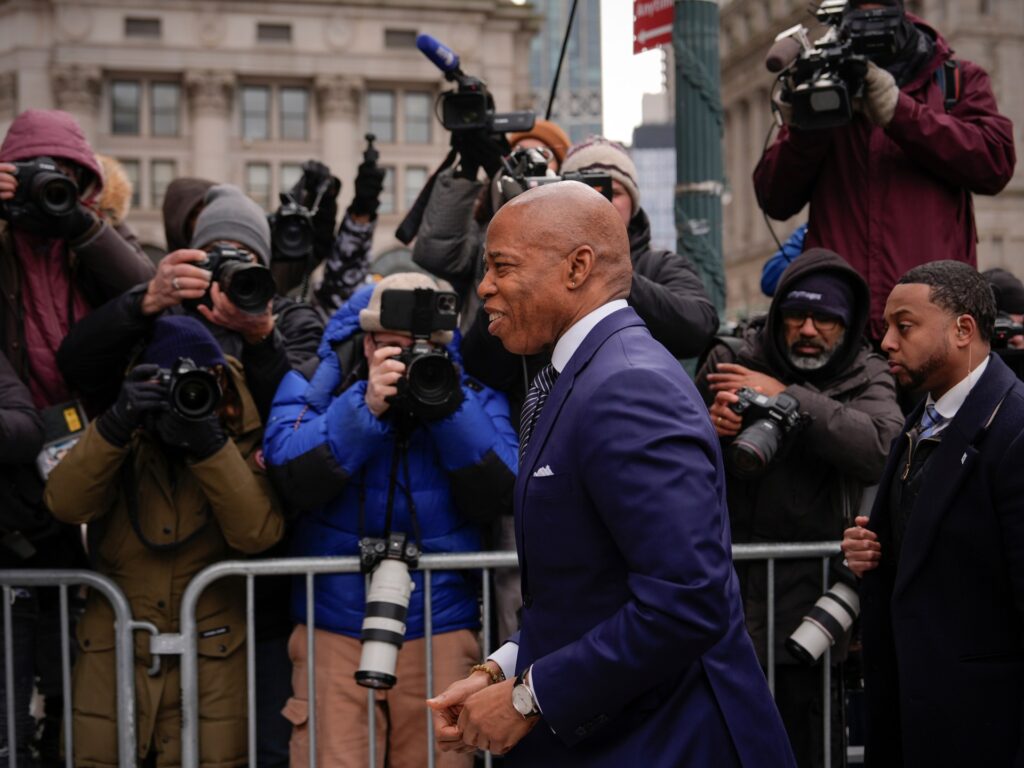
Judge ruled that the case could not be revived, condemning what he described as an apparent quid pro quo arrangement. A United States federal judge has permanently dismissed corruption charges against New York City Mayor Eric Adams, even as he criticised the Trump administration’s argument that the case should be dropped because it was hindering the Democratic politician’s help with an immigration crackdown. The Justice Department’s request in February that the case be dismissed because it was distracting the mayor from helping Republican President Donald Trump step up deportations sent shockwaves through the politics of the most populous US city. It prompted eight federal prosecutors to resign over concerns the administration was violating longstanding norms by allowing political considerations to influence prosecutorial decisions. In a 78-page ruling on Wednesday, US District Judge Dale Ho in Manhattan said he had little choice but to dismiss the indictment because US courts lack the authority to compel prosecutors to pursue charges. The judge ruled that the case could not be revived, condemning what he described as an apparent quid pro quo arrangement. Advertisement “Everything here smacks of a bargain: dismissal of the indictment in exchange for immigration policy concessions,” Ho wrote in his decision. Ho’s decision to dismiss the case “with prejudice” means federal prosecutors cannot refile the charges, removing what legal experts say could have been used as leverage over the mayor’s policy decisions. The mayor had faced allegations of wire fraud, bribery conspiracy and soliciting illegal campaign donations from Turkish sources. “Today, we turn the page,” Adams said in a televised address, calling the case “baseless”. Cooperation with Trump Prosecutors under the Trump administration abruptly sought to drop the case after Adams signalled cooperation with federal immigration enforcement – a reversal for New York, which operates as a sanctuary city, meaning local police and authorities do not assist federal immigration agents in their pursuit of undocumented migrants. In March, Adams signed an order allowing Immigration and Customs Enforcement (ICE) personnel access to the Rikers Island jail complex, a significant policy shift. Critics allege the Trump administration used the prosecution as leverage to secure the mayor’s compliance on immigration. The dismissal prompted several Justice Department lawyers to resign in protest. Ho rejected claims of prosecutorial misconduct but warned against conditioning investigations on political obedience. The argument that probes could be shelved to avoid hindering federal policies was “disturbing”, he said, as it suggested officials might receive “special dispensation” for aligning with White House priorities. Advertisement Adblock test (Why?)
‘A historic moment’: Donald Trump unveils sweeping ‘reciprocal’ tariffs
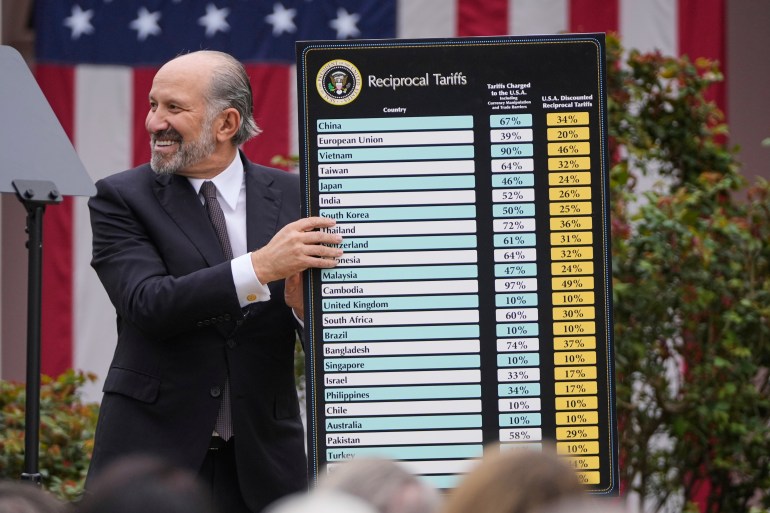
United States President Donald Trump has unveiled his long-anticipated “reciprocal tariffs”, in a move that is expected to rattle global trade relations. On Wednesday, Trump appeared in the White House Rose Garden, where the colonnades had been draped with large US flags, to sign the executive orders authorising the tariffs. He framed the tax hikes as a blow against unfair trade practices, painting a portrait of the US as a country exploited by even its closest allies. “For decades, our country has been looted, pillaged, raped and plundered by nations near and far, both friend and foe alike,” Trump told an audience of manufacturing workers, cabinet members and journalists. “ Foreign leaders have stolen our jobs. Foreign cheaters have ransacked our factories. And foreign scavengers have torn apart our once-beautiful American dream.” But he proclaimed that Wednesday would mark a turning point in US history, marking an end to the “vicious attacks” he said the country had weathered. “ April 2, 2025, will forever be remembered as the day American industry was reborn, the day America’s destiny was reclaimed,” Trump said. Advertisement Invoking the International Emergency Economic Powers Act of 1977, Trump announced a 10-percent tariff on all countries, scheduled to take effect on April 5. Then, he revealed there would be “individualised” tariffs for countries that have the largest trade deficits with the US. Those tariffs would come into effect four days later, on April 9. Trump explained that his team calculated the “individualised” tariffs by taking half of what he claimed those countries had charged the US for its exports. “ We will charge them approximately half of what they are — and have — been charging us. So the tariffs will be not a full reciprocal,” Trump said. “I could have done that, I guess, but it would’ve been tough for a lot of countries. We didn’t want to do that.” Commerce Secretary Howard Lutnick holds a chart as President Donald Trump explains his tariff plan on April 2 [Mark Schiefelbein/AP Photo] He then beckoned Commerce Secretary Howard Lutnick to the Rose Garden podium with a chart that illustrated some of the upcoming tariffs. The graph showed the European Union was headed for 20-percent tariffs. China, meanwhile, had been assigned 34 percent. Vietnam would receive 46 percent, and Thailand 36 percent. Noticeably absent were Mexico and Canada, the US’s two largest trading partners and its immediate neighbours. Those countries, the White House explained, would remain under punitive tariffs, designed to bring them in line with Trump’s policies on border security. All goods not covered under the US-Mexico-Canada free-trade agreement would face a 25-percent tariff, with the exception of energy products. They face 10-percent tariffs instead. Advertisement Wednesday’s announcement, while widely expected, still sent shockwaves across the globe. “Long story short, this is a historic moment,” said Dan Ciuriak, the director of the Canada-based Ciuriak Consulting firm, giving a nod to the isolationist policies of the Trump administration. “I think it will reshape the world. I think we are seeing the possibility of the emergence of something like a ‘Fortress North America’.” He noted that poorer countries in places like Southeast Asia appear to be among the hardest hit by the impending tariffs. “ The developing countries have been hit by very, very high tariffs. And that will have geopolitical ramifications,” Ciuriak said. “These countries are the poorest in the world, and the notion that they have been getting rich on the back of American workers is not very tenable. I don’t think that this is going to play well in the rest of the world. So we will see, I think, tectonic shifts in international relations as a result of that.” A Trump supporter wears a helmet with stickers touting coal mining at the Rose Garden tariff event [Leah Millis/Reuters] Within minutes of Trump’s announcement, the international backlash started to erupt, with world leaders denouncing the sweeping tariffs as unjustified. “The unilateral action that the Trump administration has taken today against every nation in the world does not come as a surprise,” Australian Prime Minister Anthony Albanese said in a news conference. “But let me be clear: They are totally unwarranted.” Advertisement Australia faces 10-percent tariffs from the Trump administration. Like many leaders, Albanese pledged to protect his country’s workers from the repercussions of those taxes. “The administration’s tariffs have no basis in logic, and they go against the basis of our two nations’ partnership. This is not the act of a friend,” he added. Ireland’s Taoiseach Micheal Martin, meanwhile, offered a broad message warning of the damage to both global trade relations and to the US’s own consumers. “I strongly believe that tariffs benefit no one. They’re bad for the world economy. They hurt people. They hurt businesses,” he said. “So I regret deeply the decision of the US administration this evening to levy a tariff of 20 percent on all goods imported from the European Union.” Even Canada, which was exempt from the so-called reciprocal tariffs, chimed in with its outrage over the US’s broader policy of lashing out at longtime trading partners. “During this crisis, we must act with purpose and force,” Canadian Prime Minister Mark Carney wrote on social media. “My government will fight U.S. tariffs, protect Canadian workers and industries, and build the strongest economy in the G7.” Canada is among the countries that have pledged to respond to the Trump administration’s tariffs with retaliatory measures. Other countries, including Mexico, have demurred: Earlier on Wednesday, Mexican President Claudia Sheinbaum said she would avoid pursuing “tit-for-tat” tariffs. Experts say tariffs — a kind of import tax — very often fall on the shoulders of consumers. Advertisement Trump has framed his tariffs as a means of reducing trade deficits and bringing foreign manufacturing back to US shores. He also said he plans to use the tariffs to offset the US debt and pave the way for tax cuts. But critics point out that trade deficits — when the money spent on exports is greater than earnings from
Blagojevich has new job working for ‘Bosnian Bear’ politician with ties to Putin
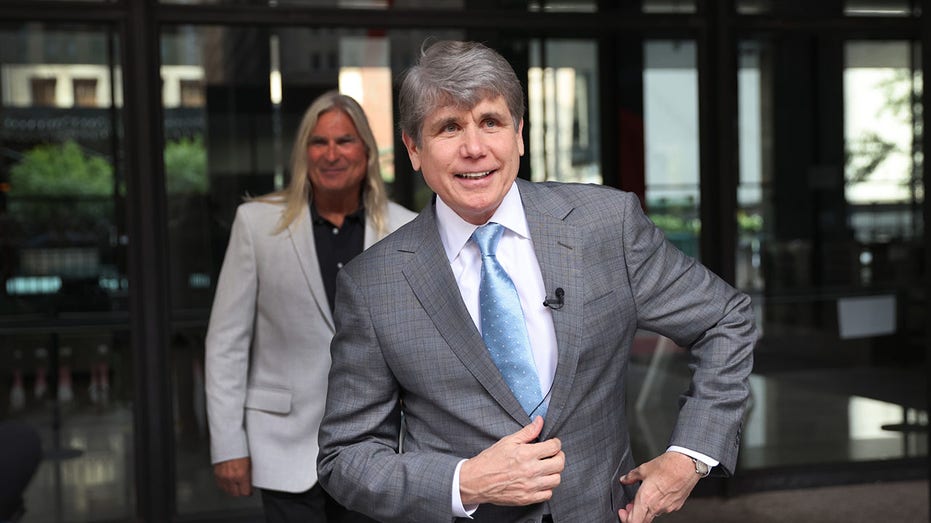
Former Illinois Gov. Rod Blagojevich, fresh off a pardon from President Donald Trump, has a new job representing the interests of a politician known as the “Bosnian Bear,” who also has close ties to Russian President Vladimir Putin. Blagojevich, who was pardoned by Trump in February, has agreed to lobby on behalf of the Republic of Srpska, a Serb-majority territory in Bosnia and Herzegovina, Politico reported. The region has long been mired in ethnic tension. “RRB Strategies LLC will provide communications and public affairs support on behalf of the Republic of Srpska,” according to the registration statement filed by Blagojevich’s firm. Registration is required under the Foreign Agents Registration Act. ROD BLAGOJEVICH RIPS BIDEN, DEMOCRATS FOR LYING ABOUT PARDONING HUNTER: MADE ‘CHUMPS OF THE AMERICAN PEOPLE’ In a post on Wednesday, Blagojevich said Interpol, the global police organization, denied a request from “the unelected Bosnian High Representative to arrest Milorad Dodik, known as the ‘Bosnian Bear’ for his big physique, the duly elected President of the Republic of Srpska.” Interpol’s denial came as Dodik traveled to Israel to meet with Israeli Prime Minister Benjamin Netanyahu and to attend a conference on how to combat antsemitism, the former governor said. Earlier this week, Blagojevich said left-wing courts, prosecutors and officials were trying to “jail populist conservative leaders elected by the people & bar them from holding office.” He cited efforts to push back against Trump, Marine Le Pen in France and Dodik, who has long advocated for Srpska to separate from Bosnia and Herzegovina and join Serbia. TRUMP PARDONS FORMER ILLINOIS GOV. ROD BLAGOJEVICH: ‘HE WAS SET UP BY A LOT OF BAD PEOPLE’ In February, he was sentenced to a year in prison for defying the country’s Constitutional Court. He has since fled to Moscow. In March, Secretary of State Marco Rubio said Dodik was undermining Bosnia and Herzegovina’s institutions and threatening its security and stability. “Our nation encourages political leaders in Bosnia and Herzegovina to engage in constructive and responsible dialogue,” he said. “We call on our partners in the region to join us in pushing back against this dangerous and destabilizing behavior.” Trump reportedly weighed tapping Blagojevich to serve as U.S. ambassador to Serbia before picking former Arizona Attorney General Mark Brnovich.
DOGE uncovers VA’s agreement to pay $380K per month for minor website modifications
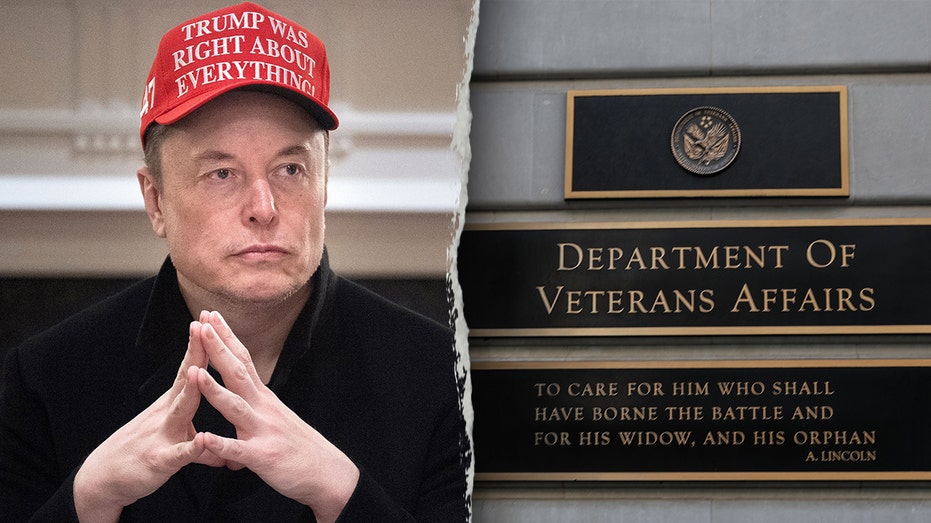
The Department of Veterans Affairs (VA) paid hundreds of thousands of dollars a month for website changes before canceling the contract and having an internal staffer take over, according to the Department of Government Efficiency (DOGE). While combing through loads and loads of data, DOGE discovered a previous contract by the VA for its website maintenance. “Good work by @DeptVetAffairs,” DOGE said in a post on X on Wednesday. “VA was previously paying ~$380,000/month for minor website modifications. That contract has not been renewed, and the same work is now being executed by 1 internal VA software engineer spending ~10 hours/week.” Fox News Digital has reached out to the VA for comment about the former contract. SENATE CONFIRMS DOUG COLLINS TO LEAD THE DEPARTMENT OF VETERANS AFFAIRS VA Secretary Doug Collins has defended DOGE cuts at the VA as part of the new administration’s efforts to reform the department and better serve veterans. In February, the VA announced that the dismissal of more than 1,000 employees would enable the department to redirect over $98 million per year in resources back to health care, benefits and services for VA beneficiaries. Billionaire Elon Musk has been the face of DOGE since President Donald Trump signed an executive order establishing the department on Jan. 20. ‘CHANGES THAT ACTUALLY HELP OUR VETERANS’: VA SECRETARY DEFENDS PROPOSED 15% WORKFORCE REDUCTION Trump tasked the organization with optimizing the federal government, streamlining operations and slashing spending and gave the agency 18 months to do it. Along with discoveries like the former contract VA signed for website maintenance, DOGE continues to find waste and fraud among federal agencies. Last week, DOGE announced the termination of 113 contracts valued at $4.7 billion, including a U.S. Department of Agriculture (USDA) consulting contract for Peru’s climate change activities. WHITE HOUSE ADVISOR LOSES PATIENCE WITH REPORTER OVER QUESTIONS ABOUT TRUMP’S TARIFF STRATEGY DOGE also announced the Department of Labor had canceled $577 million in “America Last” grants, totaling $237 million in savings. The funding that was canceled included $10 million for “gender equity in the Mexican workplace,” $12.2 million for “worker empowerment in South America” and $6.25 million for “improving respect for workers’ rights in agricultural supply chains” in the countries of Honduras, Guatemala and El Salvador. As of April 2, DOGE claims on its site it has saved Americans $140 billion, or $869.57 per taxpayer. CLICK HERE TO GET THE FOX NEWS APP DOGE critics contend the organization has too much access to federal systems and should not be permitted to cancel federal contracts or make cuts to various agencies.
Transportation Sec Sean Duffy slams blue state governor, says criminals ‘continue to terrorize’ city residents
Transportation Secretary Sean Duffy on Wednesday slammed New York Gov. Kathy Hochul and the Metropolitan Transportation Authority (MTA), accusing both of discounting safety risks in New York City subways. “The @MTA & @GovKathyHochul continue to say NYC subways are perfectly safe. Meanwhile, criminals continue to terrorize innocent New Yorkers,” Duffy wrote in a post on X over a news story detailing recent violence on the NYC subway. “We’re fighting to make commuting safe again.” In December, a 57-year-old woman was allegedly burned alive by an illegal migrant from Guatamala in a horrific subway attack. Less than a month later, on New Year’s Eve, a New York City man was charged with attempted murder after allegedly shoving a 45-year-old man onto the subway tracks. GUARDIAN ANGELS RESUME NEW YORK CITY PATROLS AFTER SUBWAY BURNING DEATH: ‘NEVER SEEN IT THIS BAD’ In 2024, subway felony assaults increased and homicides doubled to 10, Fox News Digital previously reported. However, overall, subway crime was down by 5.4%, according to the NYPD. Duffy in March sent a letter to the MTA noting New York City’s transit authority must reduce crime, or it would face federal funding cuts. “The trend of violent crime, homelessness, and other threats to public safety on one of our nation’s most prominent metro systems is unacceptable,” Duffy wrote in the letter. “After years of soft-on-crime policies, our Department is stepping in to restore order.” The letter requested a copy of MTA’s data on fare evasion, worker assaults, customer assaults and police patrols, Fox News Digital previously reported. NYPD INVESTIGATES AFTER HOMELESS MAN CATCHES FIRE IN MANHATTAN SUBWAY STATION It also requested an explanation of how MTA, which is given billions of dollars from the federal government, has used taxpayer funding to address safety and security concerns. “Commuters are sick and tired of feeling like they have to jeopardize their safety to get to work, go to school, or to travel around the city,” Duffy wrote in the letter. “We will continue to fight to ensure their federal tax dollars are going towards a crime-free commute.” The DOT, MTA and Hochul’s office did not immediately respond to Fox News Digital’s request for comment. Fox News Digital’s Anders Hagstrom and Lindsay Kornick contributed to this report.
Ted Cruz clashes with key Democrat over ‘second phase of lawfare’ through federal judges’ orders
Sen. Ted Cruz, R-Texas, and Sen. Amy Klobuchar, D-Minn., sparred during a hearing on federal judges’ nationwide orders against the Trump administration, and the Democrat dismissed her colleague’s claims of “lawfare.” “Understand this is the second phase of lawfare,” Cruz said during the Senate Judiciary Committee’s hearing, “Rule by District Judges II: Exploring Legislative Solutions to the Bipartisan Problem of Universal Injunctions.” “Now that their efforts to indict President Trump and stop the voters from re-electing him have failed, they’re going and seeking out individual radical judges,” the Texas Republican claimed. GOP DEFECTORS HELP SENATE ADVANCE RESOLUTION TO CANCEL TRUMP TARIFFS DESPITE WHITE HOUSE VETO WARNING Klobuchar disputed this, telling Cruz the injunctions from federal judges were a result of President Donald Trump “violating the Constitution.” “Why would Trump-appointed judges …,” the Minnesota Democrat began before being interrupted by Cruz. SENATE DEMS FORESHADOW MORE FORCED VOTES TO BLOCK TRUMP’S EMERGENCY ORDERS “Why don’t you file them in red districts?” Cruz asked. “Why are the Democrat attorneys general seeking out left-wing, blue swing districts?” Klobuchar claimed the spike in nationwide injunctions from district judges halting Trump administration actions are not because “these judges are crooked or lunatics or evil.” And she warned that making such claims could instigate threats and violence against them. SCOOP: LINDSEY GRAHAM AMENDMENT SIGNALS GOP BUDGET BREAKTHROUGH, SETS STAGE FOR TRUMP AGENDA Cruz criticized Democrats for not sufficiently denouncing threats against conservative Supreme Court justices in recent years. But Klobuchar called that a lie, explaining, “We came together and got more funding for the judges and changed things so that they had more protection.” While multiple Democrats criticized “judge shopping” during the hearing, they were careful not to get behind Republican bills to end all nationwide injunctions. “It’s impossible to separate the hearing from President Trump’s record in office,” said ranking member Dick Durbin, D-Ill. TRUMP, SENATE GOP BUDGET LEADERS HUDDLE AT WHITE HOUSE ON RECONCILIATION BILL But ending judge shopping, as Democrats have proposed in the past, wouldn’t completely address the issue, said majority witnesses John N. Matthews, a law professor at Notre Dame Samuel Bray, and Jesse Panuccio, partner at Boies Schiller Flexner. He was previously the acting associate attorney general at the Department of Justice (DOJ), chairman of the DOJ’s Regulatory Reform Task Force and vice chairman of the DOJ’s Task Force on Market Integrity and Consumer Fraud. “I think the incentive for forum shopping is that you think you can get a judge who can be a ruler for the whole nation. So, fix the problem of judges overreaching,” Panuccio.
From desalination to water treatment: Bill that prioritizes creating new water supplies get Texas Senate OK
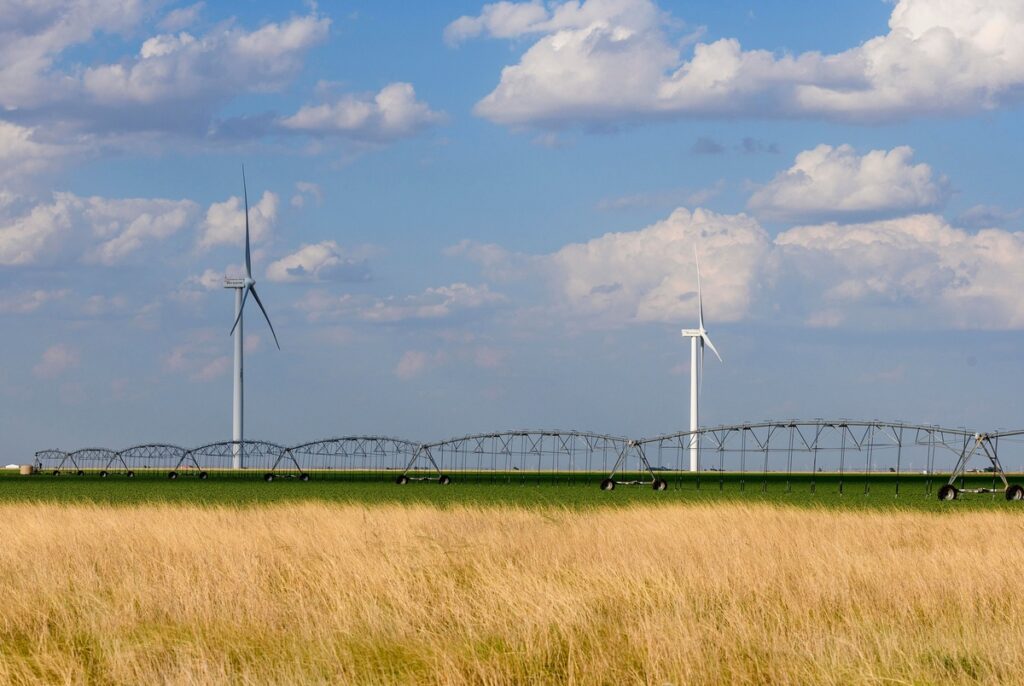
Senate Bill 7, which won unanimous approval, is among legislation that seeks to avert a looming water crisis as the state’s population booms.