

Virginia school districts support for transgender students’ rights in governor’s race spotlight
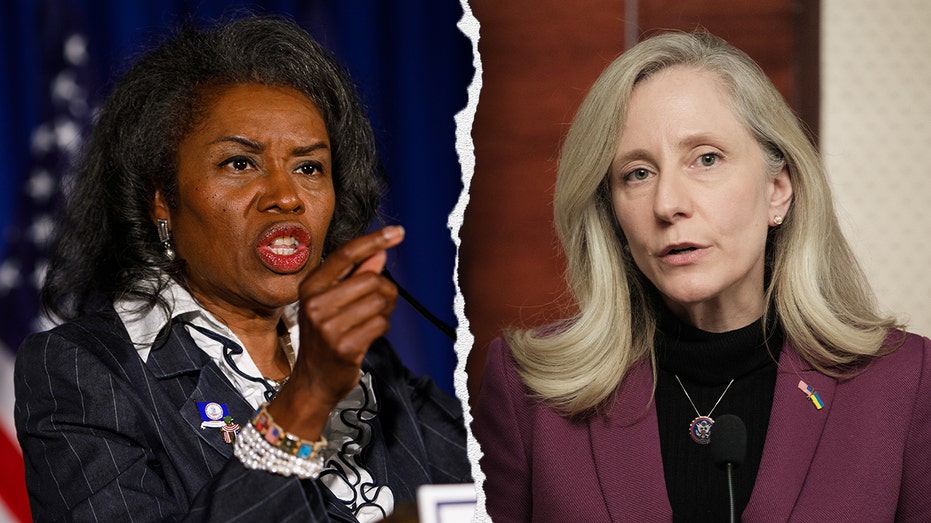
A move this week by the Loudon County, Virginia, school board to continue to support allowing transgender children to use facilities that do not match their biological sex is front-and-center in the state’s gubernatorial election. “This is absolutely unacceptable,” Lt. Gov. Winsome Earle-Sears, the Republican nominee for governor in this year’s election, said in a Fox News Digital interview on Thursday. “Our girl children are simply not safe. Are we erasing women now?” The Justice Department in President Donald Trump’s administration is demanding that Loudon County’s school district repeal the policy, and is threatening to pull $50 million in federal funding if the school board doesn’t act by Friday. But the school board, at a meeting Tuesday evening, voted 6-3 to continue to defy the Justice Department by continuing to support Policy 8040, which provides protections for transgender students. VIRGINIA GOVERNOR’S RACE: SPANBERGER UNVEILS EDUCATION PLAN The Justice Department argues that the policy is in violation of Title IX, which is a half-century-old federal law that prohibits sex discrimination in any education program or activity receiving federal funding. Loudon County is one of five northern Virginia school districts that face the Friday deadline, along with Alexandria City Public Schools, Arlington Public Schools, Prince William County Public Schools, and Fairfax County Public Schools. POTENTIAL YOUNGKIN SUCCESSOR FOCUSED ON MESSAGE IN TOUGH RACE TO KEEP SWING-STATE ‘RED’ The Justice Department charges that the school districts’ policies, which give students the option to use school bathrooms and locker rooms based on gender identity and not their biological sex, violate Title IX. Sears, pointing to the Republican sweep of statewide offices in Virginia elections four years ago, said that the school districts have “gone rogue and apparently, they have learned no lessons since 2021, when we first ran, and they must not understand that parents still matter.” Republican Gov. Glenn Youngkin spotlighted parents’ rights in their children’s education in his 2021 gubernatorial victory in a state that had tilted blue for a dozen years. The Democratic Party 2025 nominee for Virginia governor, former Rep. Abigail Spanberger, took to social media on Wednesday in the wake of the Loudon County school board meeting, to write that “as a mom, I’m so grateful for the hardworking, dedicated Virginians who make sure our children have a safe, positive, and productive school day.” “As Governor, I’ll make sure our educators get the support they need to continue providing a world-class education for our Commonwealth’s kids,” Spanberger, a former CIA officer, pledged. But Sears charged that Spanberger, who is the polling frontrunner in November’s election, is playing both sides of the issue. “What she’s trying to do is have it both ways, because she has supported and voted for biological men in girls’ sports and bathrooms,” as she pointed to a past vote in Congress by Spanberger. “I want parents to know—‘I’m in your corner,’” Sears told Fox News. And she argued that “Abigail Spanberger won’t even step in the ring to fight for you.”
Top Trump official vows to end ‘cycle of government dependency’ in homeless crackdown
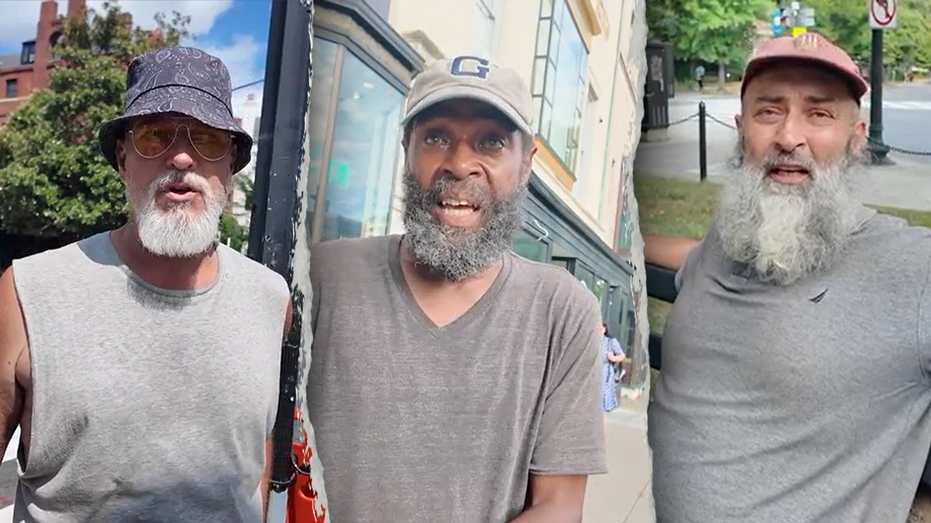
EXCLUSIVE: Housing and Urban Development (HUD) Secretary Scott Turner wants to stop “the cycle of government dependency” for homelessness following President Donald Trump’s order for a federal takeover of Washington, D.C. “President Trump is the law-and-order President and now he is taking necessary action to restore law and order to our nation’s capital,” Turner said in an exclusive statement to Fox News Digital. “Americans who live and work in D.C., and families touring the district, should be able to walk the streets without fear of getting mugged or gunned down.” “Years of failed policies and weak leadership in the district have led to chaos, crime, violence, and homelessness. President Trump is bringing back peace and stability for hardworking, law-abiding Americans,” the secretary continued. TRUMP VOWS TO MAKE DC ‘SAFER’ AND ‘BEAUTIFUL’ AS CAPITAL BATTLES CRIME AND HOMELESSNESS “As part of this vision, HUD is committed to bringing back order by ending the cycle of government dependency that has enabled perpetual homelessness. Helping our nation’s most vulnerable starts with giving them the tools they need to achieve self-sufficiency, not endless government handouts,” he added. In a post earlier this week, Turner noted that “crime halts revitalization in its tracks.” A major part of the federal government’s crackdown in the city is clearing out homeless encampments on land throughout Washington, D.C., that falls under the National Park Service’s purview. White House press secretary Karoline Leavitt explained in a briefing on Tuesday that the options are for people to agree to get assistance, or face time behind bars. “Seventy homeless encampments have been removed by the U.S. Park Police,” Leavitt said. I SUPPORT TRUMP TAKING CONTROL OF DC POLICE — THE CONSTITUTION IS ON HIS SIDE “There are only two homeless encampments remaining in D.C. federal parks under the National Park Service’s jurisdiction, and the removal of those two remaining camps is scheduled for this week,” she added. Meanwhile, there’s been a noticeable increase in federal officers around the capital city in recent days amid the hotly debated effort to curb crime in the area. While many Republicans and others have praised the move, many Democrats have said it’s an overstep in authority. Mayor Muriel Bowser has said that juvenile disorder has been an issue, but has also criticized the federal takeover method. “This is a time where community needs to jump in. We all need to, to do what we can in our space, in our lane, to protect our city and to protect our autonomy, to protect our home rule, and get to the other side of this guy, and make sure we elect a Democratic House so that we have a backstop to this authoritarian push,” Bowser said during town hall on Tuesday, which was livestreamed on X. DC MAYOR REVERSES COURSE ON TRUMP INTERVENTION, DOWNPLAYS CITY CRIME “You’ve heard me talking about youth a lot in the last several months, especially youth who are participating in really destructive, disruptive behavior with these kind of youth takeovers,” the mayor also said this week. “Some of them are our kids. Some of them are coming across the region to descend on places like the Navy Yard. So parents — this is not the first time you’ve heard me say this — so parents, you really need to know where your kids are. I think we really have some kids that are, you know, not criminals, but they are getting together in big groups and causing some really — they’re causing destruction.” The D.C. Police Union backed the Trump administration’s latest actions, saying it could serve as a critical turning point for the city on crime. “Last night, DC suffered the grave milestone of its 100th homicide for 2025. Let’s hope this federal intervention leads to real change to the laws in DC that allow this to happen year after year,” the group posted on August 12.
As Trump splits from India, is the US abandoning its pivot to Asia?
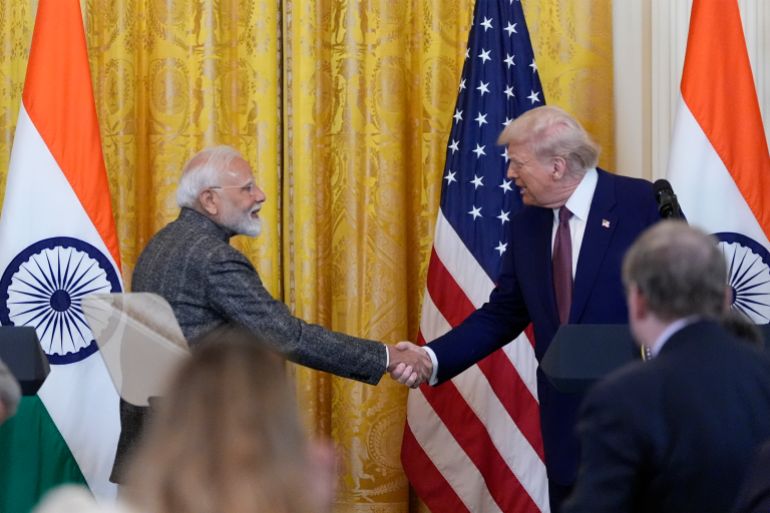
New Delhi, India – When United States President Donald Trump and his Russian counterpart Vladimir Putin meet in Alaska on Friday, their summit will be followed closely not only in both those countries, Europe and Ukraine – but also more than 10,000km (6,200 miles) away, in New Delhi. Since the end of the Cold War, India has juggled a historically strong relationship with Russia and rapidly blossoming ties with the US. New Delhi’s relations with Washington grew particularly strong under the presidencies of George W Bush and Barack Obama, and remained that way during Trump’s first term and under Joe Biden. At the heart of that US warmth towards India, say analysts, was its bet on New Delhi as a balancing force against Beijing, as China’s economic, military and strategic heft in the Asia Pacific region grew. With Soviet communism history, and China, the US’s biggest strategic rival, Washington increased its focus on Asia – including through the Quad, a grouping also including fellow democracies India, Australia and Japan. But a decade after Obama famously described the US and India as “best partners”, they appear to be anything but. Trump has imposed a 50 percent tariff on Indian imports, among the highest on any country’s products. Half of that penalty is for India’s purchases of Russian oil during its ongoing war with Ukraine – something that the Biden administration encouraged India to do to keep global crude prices under control. Meanwhile, China – which buys even more Russian oil than India – has received a reprieve from high US tariffs for now, as Washington negotiates a trade deal with New Delhi. Advertisement That contrast has prompted questions over whether Trump’s approach towards China, on the one hand, and traditional friends like India on the other, marks a broader shift away from the US pivot to Asia. President Donald Trump and India’s Prime Minister Narendra Modi shake hands during a news conference in the East Room of the White House, in Washington, DC, on Thursday, February 13, 2025 [Alex Brandon/AP Photo] Troubles for India, and Modi Since the early 2000s, successive governments in New Delhi have embraced closer ties with Washington, with its stocks rising in the US as an emerging strategic partner in security, trade and technology. Trump made that relationship personal – with Modi. During Trump’s first term, he shared the stage twice in public rallies with Modi, as they also exchanged frequent bear hugs and described each other as friends. But none of that could save New Delhi when Trump hit India with tariffs only matched by the levies issued against goods from Brazil. “The tariff moves have triggered the most serious rupture in the US-India relations in decades,” said Milan Vaishnav, the director of the South Asia Program at the Carnegie Endowment for International Peace. For months after Trump threatened tariffs on Indian imports, New Delhi tried to placate the US president, refusing to get drawn into a war of words. That has now changed, with India accusing the US of hypocrisy – pointing out that it still trades with Russia, and that Washington had previously wanted New Delhi to buy Russian crude. “One thing is clear: Trust in the United States has eroded sharply in recent days, casting a long shadow over the bilateral relationship,” Vaishnav told Al Jazeera. To Praveen Donthi, a senior analyst at the International Crisis Group, the crisis in the relationship also reflects a dramatic turn in the personal equation between Modi and Trump. The state of ties, he said, is “a result of a clash of personalities between President Trump and Prime Minister Modi”. India has previously faced the threat of US sanctions for its close friendship with Russia, when it decided to buy S-400 missile defence systems from Moscow. But in 2022, under the Biden administration, it secured a waiver from those proposed sanctions. “Not long ago, India could avoid sanctions despite purchasing S-400 weapon systems from Russia. However, now, India’s policy of multi-alignment clashes with President Trump’s transactional approach to geopolitics,” said Donthi. To be sure, he pointed out, America’s Cold War history of bonhomie with Pakistan has meant that “a certain distrust of the US is embedded in the Indian strategic firmament”. The Trump administration’s recent cosiness with Pakistan, with its army chief visiting the US this year, even getting a rare meeting with the president at the White House, will likely have amplified those concerns in New Delhi. Advertisement But through ups and downs in India-US ties over the years, a key strategic glue has held them close over the past quarter century: shared worries about the rise of China. “A certain bipartisan consensus existed in the US regarding India because of its long-term strategic importance, especially in balancing China,” said Donthi. Now, he said, “the unpredictable Trump presidency disrupted the US’s approach of ‘strategic altruism’ towards India”. It is no longer clear to Asian partners of the US, say experts, whether Washington is as focused on building alliances in their region as it once said it was. President Donald Trump and Indian Prime Minister Narendra Modi walk around NRG Stadium waving to the crowd during the ‘Howdy Modi: Shared Dreams, Bright Futures’ event in Houston, the US, September 22, 2019 [Evan Vucci/AP Photo] Turn from Asia Under the Obama administration in 2011, the US adopted what was known as the “Rebalance to Asia” policy, aimed at committing more diplomatic, economic and military resources to the Asia Pacific region, increasingly seen as the world’s economic and geopolitical centre of gravity. This meant deeper engagement with treaty allies like Japan, South Korea, and Australia, strengthening security ties with emerging partners such as India and Vietnam, and pushing forward trade initiatives like the Trans-Pacific Partnership (TPP). The idea was to shape a regional order that could balance China’s rise. During Trump’s first term, the economic leg that gave the pivot its weight hollowed out. The US withdrawal from the TPP in early 2017 removed the signature trade pillar,
Trump promises to ‘save’ jailed Hong Kong media tycoon Jimmy Lai
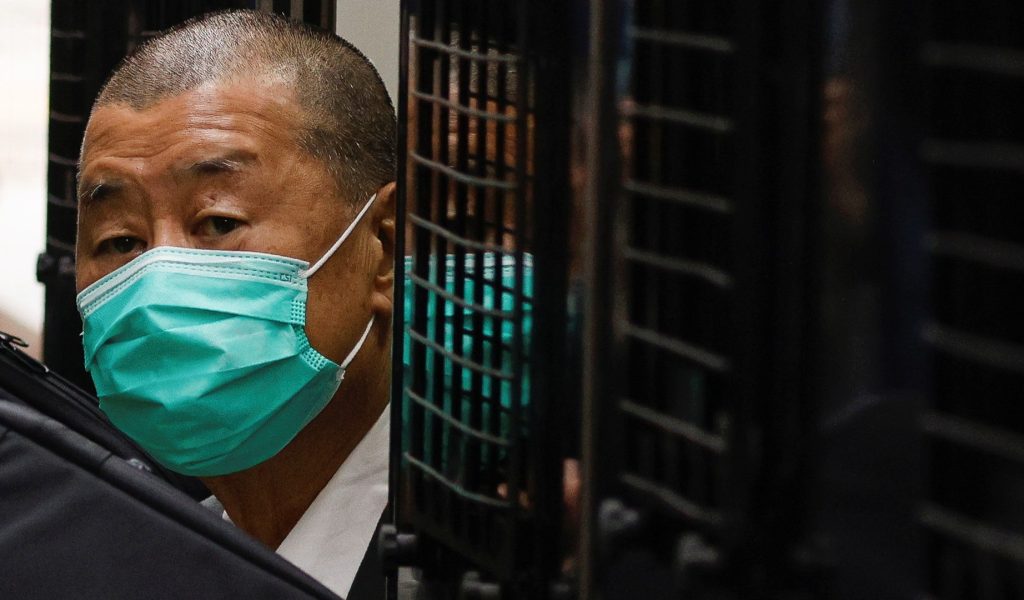
Closing arguments are due to begin in the national security trial of Jimmy Lai, 77, a fierce critic of China’s Communist Party. United States President Donald Trump has renewed his promise to “save” jailed Hong Kong tycoon Jimmy Lai, who is on trial for alleged national security crimes over his pro-democracy activism and antipathy towards China’s Communist Party. “I’m going to do everything I can to save him. I’m going to do everything … His name has already entered the circle of things that we’re talking about, and we’ll see what we can do,” Trump told Fox News Radio in the US. Trump’s remarks came as closing arguments in Lai’s high-profile trial. Closing arguments have been pushed from Friday to Monday after Lai’s lawyer said he had experienced heart palpitations. The delay marks the second in as many days, after Hong Kong courts were closed due to bad weather. Trump previously pledged to rescue Lai during an interview last October, just weeks before his election as president, and had said he would “100 percent get him out”. Lai is one of the most prominent Hong Kongers to be charged under the city’s draconian 2020 national security law, and his cause has made international headlines. The 77-year-old is a longtime opponent of China’s Communist Party thanks to his ownership of Apple Daily, a now-shuttered pro-democracy tabloid newspaper. Thank you, President Trump, for your support for Jimmy Lai at this critical time. “I’m going to do everything I can to save [Jimmy Lai]. I’m going to do everything…His name has already entered the circle of things that we’re talking about, and we’ll see what we can do. I… pic.twitter.com/EmscQHYQmX — #FreeJimmyLai (@SupportJimmyLai) August 14, 2025 Advertisement He is facing two counts of “colluding with foreign forces” and a separate charge of sedition in the long-running national security trial that began in December 2023. If found guilty, he could spend the rest of his life in prison. He has always protested his innocence. Lai was first arrested in 2020, just months after Beijing imposed the new national security law on Hong Kong, which criminalised the city’s pro-democracy movement and categorised public protests as acts of secession, subversion and terrorism. The law was later expanded in 2024 to include further crimes such as espionage and sabotage. Lai has been in detention continuously since December 2020 and is serving separate prison sentences for participating in a banned candlelight vigil and committing “fraud” on an office lease agreement. He has spent more than 1,600 days in solitary confinement, according to the United Kingdom-based Hong Kong Watch, despite his age and health complications. Lai was also denied the lawyer of his choice during trial and access to independent medical care. A verdict in his trial is expected within days. Adblock test (Why?)
Australia finds record meth, cocaine, heroin use in wastewater analysis
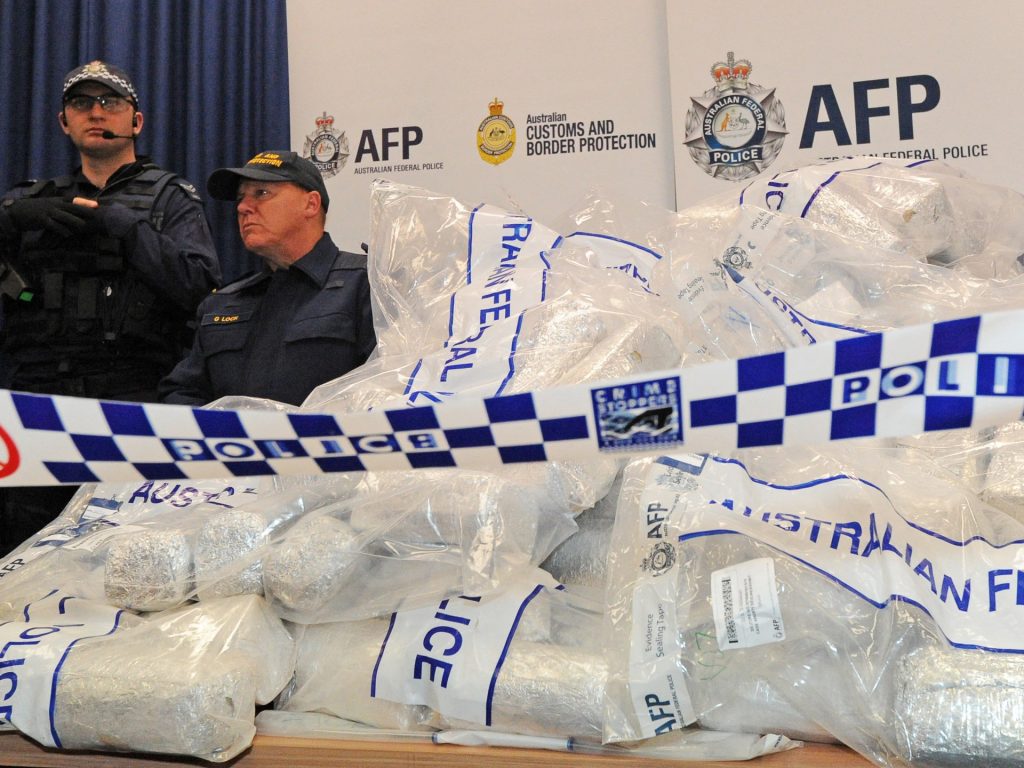
Australians consumed drugs with a street value of about $7.5bn, representing a 34 percent rise in annual consumption. There has been a sharp rise in drug use among Australians, with cocaine, methamphetamine and heroin consumption all hitting record levels, according to the Australian Criminal Intelligence Commission’s (ACIC) latest wastewater analysis. Published on Friday, the ACIC’s annual report revealed that Australians consumed an estimated 22.2 tonnes of methamphetamine, cocaine, heroin and MDMA (commonly known as “ecstasy”) between August 2023 and August 2024. This represents a 34 percent increase on the previous year’s findings, with marked increases in the consumption of cocaine (69 percent), MDMA (49 percent), methamphetamine (21 percent), and heroin (14 percent). The drugs had a combined estimated street value of 11.5 billion Australian dollars (about $7.5bn), according to the ACIC. Meth alone accounted for 8.9 billion Australian dollars (about $5.8bn) – or 78 percent – of that total. Wastewater analysis, the process of testing sewage water for contaminants, is a widely used tool to measure drug use within national populations. The data was collected from Australia’s capital cities and regional sites, covering some 57 percent of the country. The increase in drug consumption reflects the “recovery of these illicit drug markets following the impact of COVID-19 restrictions”, the ACIC report said. It added that “transnational and domestic serious and organised crime groups have rapidly re-established and expanded their operations” following the pandemic. ACIC chief Heather Cook said crime groups are exploiting high demand for illicit drugs in Australia, where they are “maximising profit at the expense of the community’s security and wellbeing”. Advertisement “The 2.2 tonne increase in national meth consumption is concerning because 12.8 tonnes is the highest annual level recorded by the programme and the drug causes significant community harm,” she said. “Similarly, there has been a large increase in national cocaine consumption, also to the highest annual level recorded by our wastewater programme,” Cook added. Wastewater was also tested for alcohol and nicotine – which remained the most consumed lawful drugs – as well as cannabis and ketamine. Cannabis remained the most consumed illicit drug among Australians, with higher average consumption in regional areas than in capital cities. Capital cities, however, recorded higher consumption of cocaine, MDMA, heroin and ketamine. The Northern Territory saw the highest increase in meth, cocaine and MDMA consumption, according to the report, while Tasmania recorded the highest increase in heroin. The increases in meth, cocaine and MDMA consumption are likely to continue up to 2027, according to ACIC data modelling. Adblock test (Why?)
J-K Kishtwar cloudburst: Death toll rises to 45, over 100 injured on Machail Mata pilgrimage route

The cloudburst occurred on Thursday in Chesoti village of Paddar along the Machail Mata Yatra route, which had drawn a large number of devotees.
Independence Day 2025: Delhi Traffic Police issues advisory for August 15, check routes to avoid, diversions, timings and more
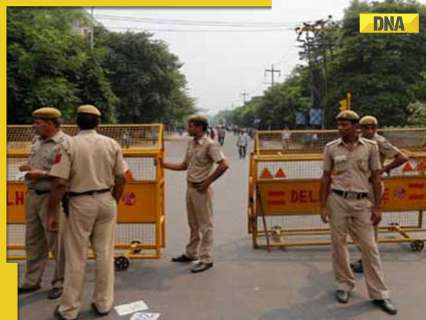
As India is celebrating its 79th Independence Day on August 15, the Delhi police have issued a traffic advisory for today announcing restrictions, alternate routes and road closures. Here’s all yiu need to know,
Independence Day 2025: PM Modi’s stark warning to Pakistan from Red Fort, says, ‘Will not tolerate…’
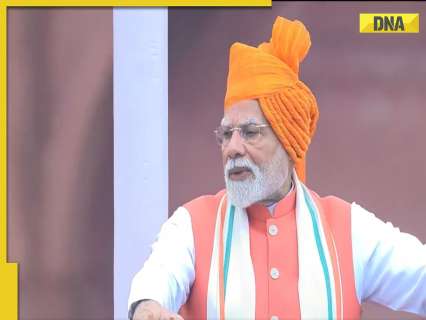
During his address to the nation from Red Fort on Independence Day, Prime Minister Narendra Modi issued a stark warning to Pakistan, saying India won’t give in to nuclear blackmail. The remarks come after Pakistani Army Chief General Asim Munir threatened India of nuclear war.
Independence Day 2025: PM Modi’s BIG Diwali gift promise, announces next-generation GST reform with…
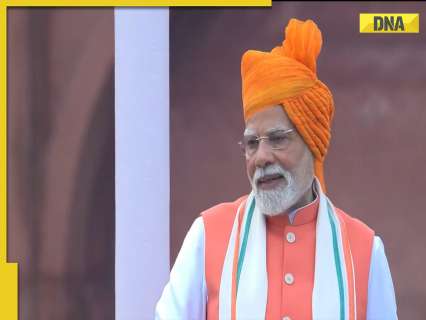
During his address to the nation from Red Fort on the occasion of Independence Day, Prime Minister Narendra Modi announced a major overhaul of the GST system, promising to introduce a next-generation tax regime with significantly lower rates this Diwali. Let’s discuss details.
PM Modi’s BIG employment scheme, announces Rs 1 lakh crore Viksit Bharat Rozgaar Yojna for youth
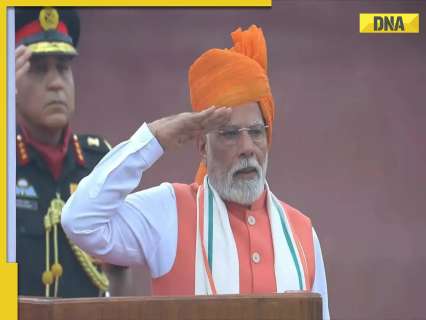
The programme, which comes into effect from today, August 15, will provide Rs 15,000 from the Centre to first-time job seekers once they secure employment in the private sector.