

Union Minister Chirag Paswan receives death threat ahead of Bihar assembly polls

Union Minister and Lok Janshakti Party (Ram Vilas) chief Chirag Paswan received a death threat on social media, his party’s chief spokesperson Rajesh Bhatt said on Friday, i.e., July 11.
Radhika Yadav’s father owns licensed revolver, luxury farmhouse in Gurugram, his monthly income is Rs…., acquaintance says, ‘only people with…’
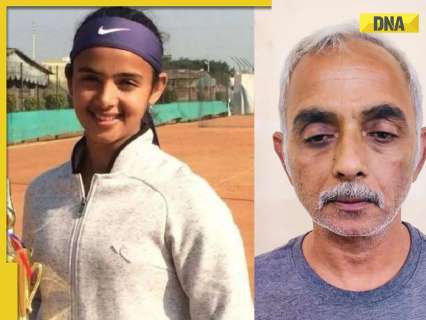
Police have found out that Radhika’s father, Deepak Yadav’s earnings are between Rs 15 lakh to Rs 17 lakh monthly, a luxury farmhouse in Gurugram and a licensed firearm.
Why are mass murderers from the Srebrenica genocide still free?
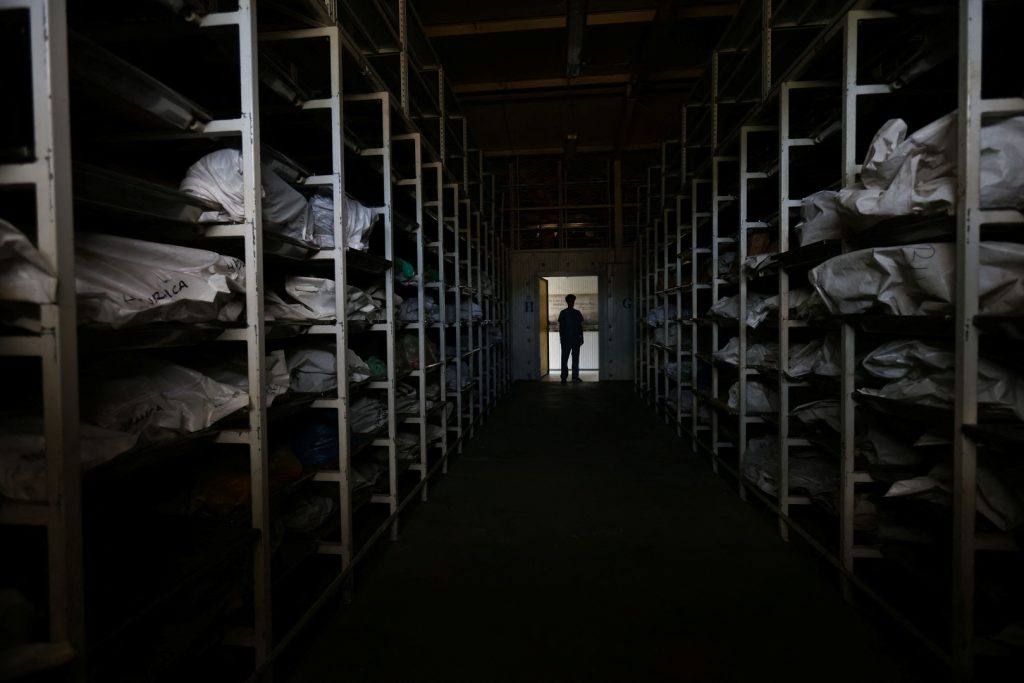
NewsFeed Thousands of Bosnian Serbs participated in the Srebrenica genocide in July 1995, killing more than 8,000 mostly Muslim men and boys in just three days. But only 54 people have ever been convicted. So why are so many killers walking free? Soraya Lennie has the details. Published On 11 Jul 202511 Jul 2025 Adblock test (Why?)
Rohingya refugees in peril in Bangladesh as support wanes: UN
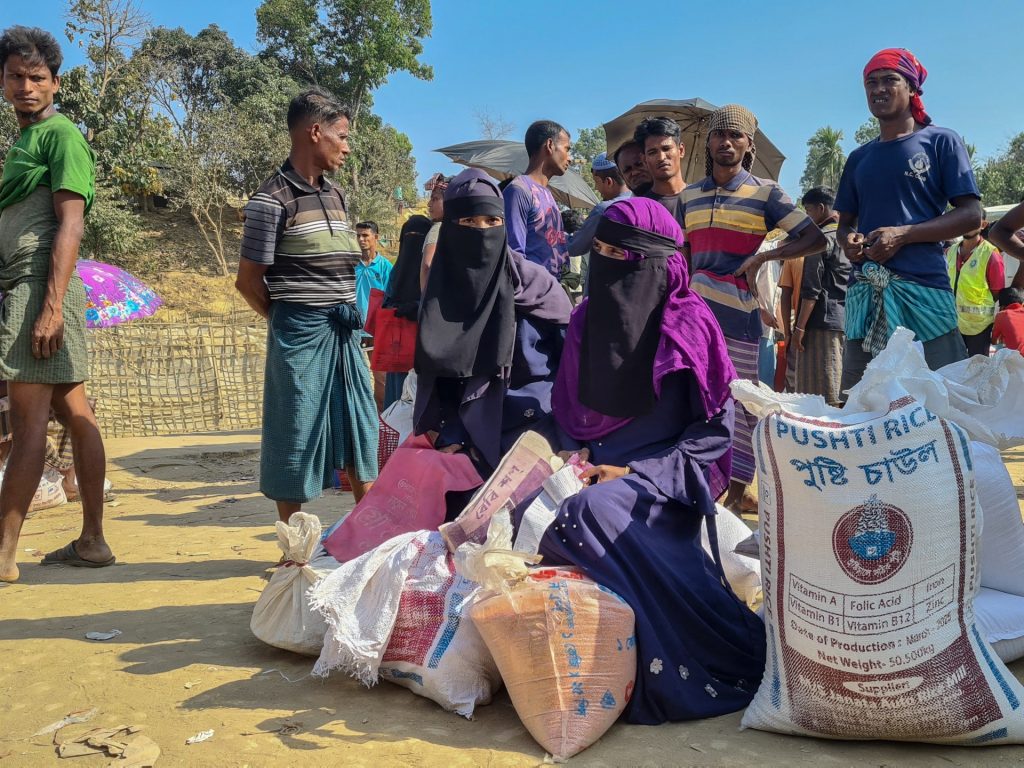
The US and other Western countries have been reducing their funding, prioritising their defence spending instead. The plight of Rohingya refugees in Bangladesh could rapidly deteriorate further unless more funding can be secured for critical assistance services, according to the United Nations refugee agency. Bangladesh has registered its biggest influx of Myanmar’s largest Muslim minority over the past 18 months since a mass exodus from an orchestrated campaign of death, rape and persecution nearly a decade ago by Myanmar’s military. “There is a huge gap in terms of what we need and what resources are available. These funding gaps will affect the daily living of Rohingya refugees as they depend on humanitarian support on a daily basis for food, health and education,” United Nations High Commissioner for Refugees (UNHCR) spokesperson Babar Baloch told reporters in Geneva on Friday. The humanitarian sector has been roiled by funding reductions from major donors, led by the United States under President Donald Trump and other Western countries, as they prioritise defence spending prompted by growing concerns over Russia and China. Baloch added: “With the acute global funding crisis, the critical needs of both newly arrived refugees and those already present will be unmet, and essential services for the whole Rohingya refugee population are at risk of collapsing unless additional funds are secured.” If not enough funding is secured, health services will be severely disrupted by September, and by December, essential food assistance will stop, said the UNHCR, which says that its appeal for $255m has only been 35 percent funded. Advertisement In March, the World Food Programme announced that “severe funding shortfalls” for Rohingya were forcing a cut in monthly food vouchers from $12.50 to $6 per person. More than one million Rohingya have been crammed into camps in southeastern Bangladesh, the world’s largest refugee settlement. Most fled the brutal crackdown in 2017 by Myanmar’s military, although some have been there for longer. These camps cover an area of just 24 square kilometres (nine square miles) and have become “one of the world’s most densely populated places”, said Baloch. Continued violence and persecution against the Rohingya, a mostly Muslim minority in mainly Buddhist Myanmar’s western Rakhine state, have kept forcing thousands to seek protection across the border in Bangladesh, according to the UNHCR. At least 150,000 Rohingya refugees have arrived in Cox’s Bazar in southeast Bangladesh over the past 18 months. The Rohingya refugees also face institutionalised discrimination in Myanmar and most are denied citizenship. “Targeted violence and persecution in Rakhine State and the ongoing conflict in Myanmar have continued to force thousands of Rohingya to seek protection in Bangladesh,” said Baloch. “This movement of Rohingya refugees into Bangladesh, spread over months, is the largest from Myanmar since 2017, when some 750,000 fled the deadly violence in their native Rakhine State.” Baloch also hailed Muslim-majority Bangladesh for generously hosting Rohingya refugees for generations. Adblock test (Why?)
Russia closing Polish consulate in Kaliningrad in tit-for-tat move
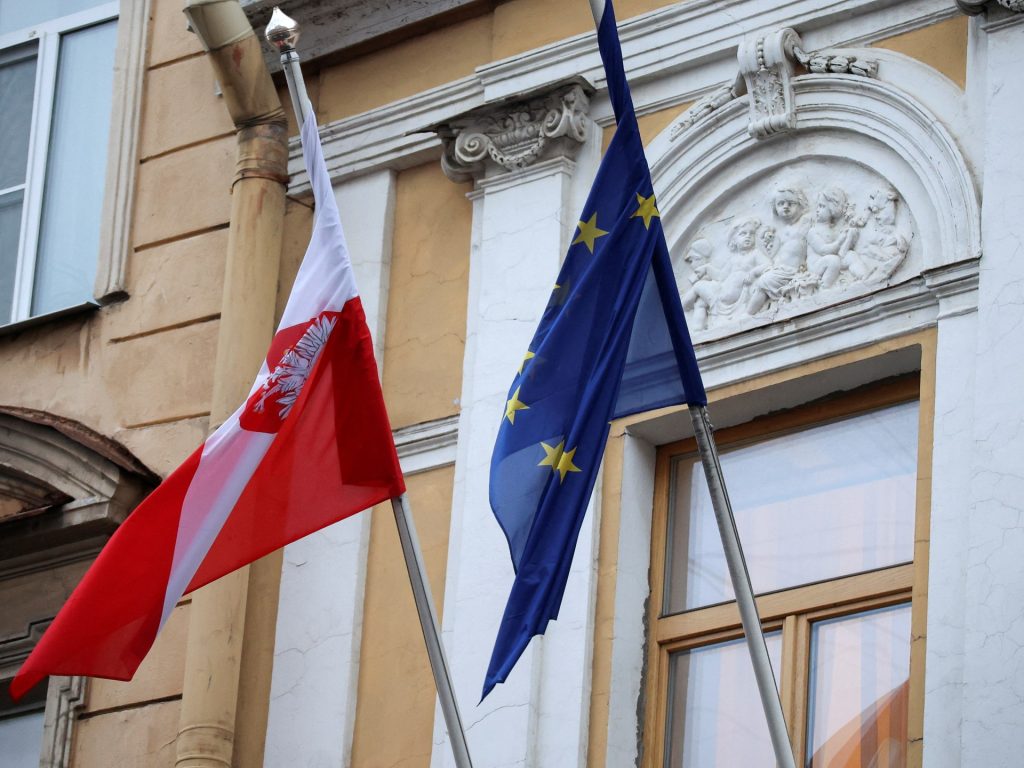
In May, Poland ordered Russia’s consulate in Krakow to shut after accusations Moscow orchestrated fire at Warsaw shopping centre. Russia says it will close Poland’s consulate in Kaliningrad, a Russian exclave between Poland and Lithuania, after Warsaw decided to shut down the Russian consulate in Krakow. The Russian Ministry of Foreign Affairs announced the move on Friday. This follows Poland ordering the Russian consulate in the southern city of Krakow to shut in May after authorities accused Moscow of orchestrating a fire that destroyed a Warsaw shopping centre last year. The May 12, 2024, arson destroyed more than 1,000 shops at the Marywilska 44 centre, but no one was injured. Polish Foreign Minister Radoslaw Sikorski accused Russian special services of involvement, saying there was evidence they had committed a “reprehensible act of sabotage” against the centre. Russia denied any involvement in the attack. In May, Russia promised an “adequate response” to Poland’s move, and on Friday, the Foreign Ministry said it was “withdrawing consent for the functioning of the Consulate General of Poland in Kaliningrad from August 29”. It also said Poland’s charge d’affaires in Russia was summoned and handed a formal note announcing the move, citing “unfriendly” and “unjustified” actions by the Polish government. “This step was caused by the unfounded and hostile actions of the Polish side, expressed in the reduction of the Russian consular presence on the territory of Poland,” it added. Strained ties Polish Ministry of Foreign Affairs spokesperson Pawel Wronski said Russia’s decision to close the consulate was unjustified. Advertisement The possibility of this decision “was taken into account by the Foreign Ministry”, he told reporters on Friday. But he added that this “doesn’t mean that it is a legitimate decision”. “Unlike Russia, Poland does not engage in sabotage, cyberattacks or conduct actions against the Russian state,” he said. He added that Poland would “respond adequately” to the decision, without elaborating. Diplomatic ties between Moscow and Warsaw have been historically strained and have frayed further over Russia’s war in Ukraine. Poland, a NATO and European Union member, is one of the main countries through which Western nations supply weapons and ammunition to Kyiv. In May 2024, Poland imposed restrictions on the movements of Russian diplomats on its soil due to Moscow’s “involvement” in what it called a “hybrid war”. Poland later ordered the closure of Russia’s consulate in Poznan and said it was willing to close the other consulates if acts of “terrorism” continued. In January, Russia closed the Polish consulate in St Petersburg in retaliation. Apart from the embassies, both countries now only have one consulate left on their respective territories. Adblock test (Why?)
Who is Harjeet Singh Laddi? Khalistani terrorist on India’s most wanted terrorist list, who claimed attack on Kapil Sharma’s Kaps Cafe in Canada
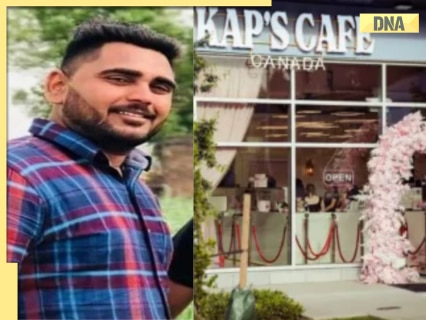
Known as ‘Laddi Khalistani’, he is listed on the National Investigation Agency’s most-wanted list.
Nefarious Chinese design exposed! French firm confirms PLA Navy’s espionage activities in Bay of Bengal, Beijing caught doing…
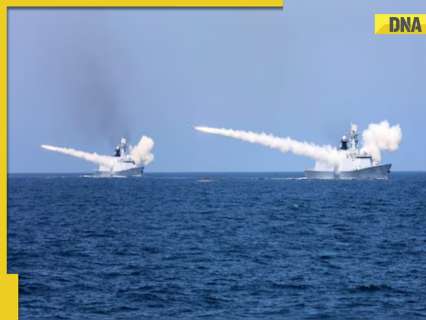
In a startling revelation, a French maritime intelligence company has revealed that a hidden Chinese vessel entered the Indian waters in the Bay of Bengal, switched off its Automatic Identification System (AIS) to conceal itself and carried out an espionage operation against India.
Indian Coast Guard bravely rescues US yacht stranded off Indira Point in Andaman and Nicobar Islands
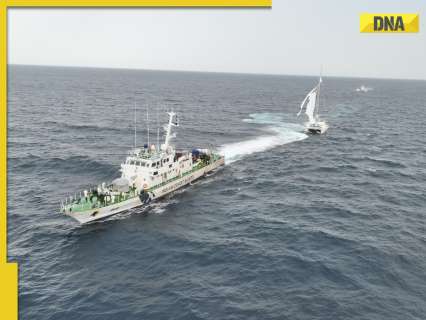
Indian Coast Guard (ICG) MRCC (Maritime Rescue Coordination Centres) Port Blair received a distress alert from the US Consulate in Chennai on July 10 regarding the yacht ‘Sea Angel’ with two crew members — one American and one Turkish — stranded 52 nautical miles south-east of the Indira Point.
NSA Ajit Doval’s big statement on Operation Sindoor, says ‘we hit 9 terror targets in Pakistan with precision, missed…’
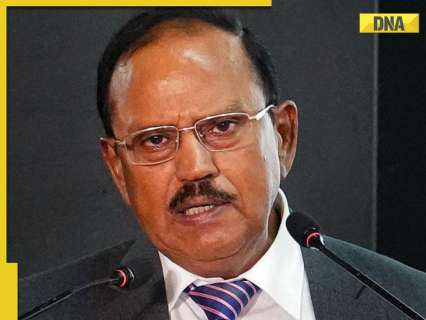
Addressing the 62nd convocation of IIT Madras, Ajit Doval talked about Operation Sindoor, where he highlighted the ‘biasness’ of foreign media. He said that Foreign media reported that “Pakistan did this and that” but images only show damage done by the Indian Air Force on Pakistan’s bases.
Delhi’s Sheesh Mahal now OPEN to tourists after 370 years; check timings, route and more

Delhi, the national capital, is not only famous for its tantalising cuisine but also for its tourist spots that offer glimpses of their rich history and diverse culture. Some prominent tourist spots in Delhi include the Laal Qila, India Gate, Humayun Tomb, Qutubminar and more.