

Walz administration ignored fraud warnings as billions vanished, House oversight report alleges
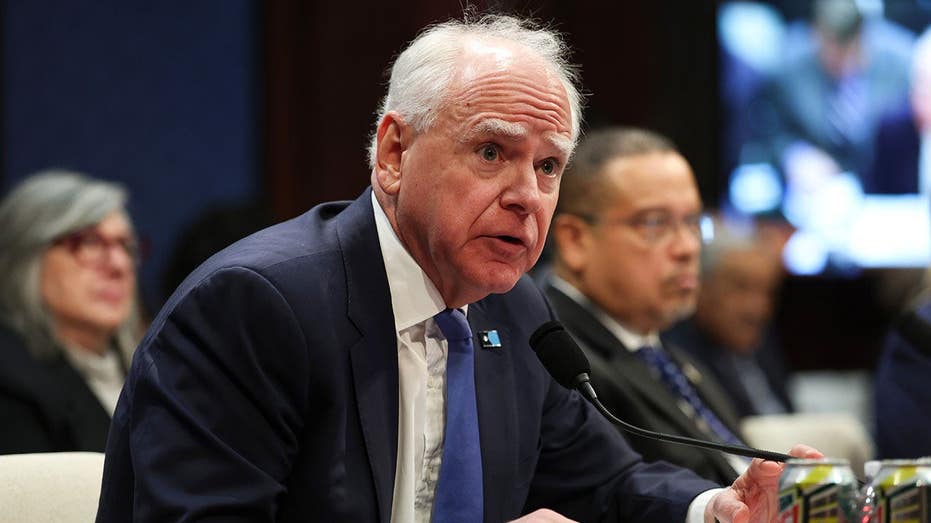
A Republican-led congressional oversight report alleges that senior Minnesota officials, including Gov. Tim Walz, D-Minn., failed for years to act on warnings about fraud in the state’s social services programs, allowing hundreds of millions of dollars in confirmed or alleged losses and placing billions more at risk. The Walz administration had the power to stop fraudulent payments to high-risk entities receiving federal nutrition and Medicaid funds, but the state “repeatedly failed to act” after officials raised concerns, according to a 205-page final staff report released by the House Oversight Committee on Monday. Congressional investigators found that concerns about potential racial discrimination claims — rather than legal constraints — contributed to the Walz administration’s decision to continue paying providers suspected of fraud. The committee also spoke to nearly 30 whistleblowers, some of whom accused the Walz administration of retaliation against state employees for sounding the alarm about potential fraud. “Fraud warnings were elevated to the most senior levels of the Minnesota state government, meaningful corrective action was delayed or avoided, and payments continued long after credible signs of fraud emerged,” the report reads in part. OWNER OF DAYCARE IN VIRAL NICK SHIRLEY VIDEO CHARGED IN $4.6M DAYCARE FRAUD SCHEME, PROSECUTORS SAY The committee found Minnesota is estimated to have lost $300 million in stolen federal nutrition funds intended to feed hungry children during the COVID-19 pandemic and that as much as $9 billion in Medicaid billing may have been fraudulent, an estimate attributed to a federal prosecutor and disputed by Walz administration officials. Walz was allegedly aware of fraud associated with the now-defunct Feeding Our Future nonprofit that operated a constellation of fake meal sites as early as 2020, but payments continued flowing to the group for roughly two more years. The oversight panel also found Walz gave conflicting answers about when he first learned of the sweeping meal fraud. Meanwhile, Ellison met with individuals associated with the Feeding Our Future scheme who were later convicted of fraud, according to a December 2021 audio recording obtained by the committee. According to the report, the group of Somali fraudsters told Ellison they were facing alleged racial discrimination because of the Minnesota Department of Education withholding payments. “The fraudsters pledged the Somali community’s political and financial support to Ellison if he were to intervene on their behalf,” the report reads. “Ellison said he would help ‘fight these people.’” Ellison received campaign contributions from several Feeding Our Future defendants following the meeting, according to the report. His office said he later returned those donations. Spokespersons for Walz and Ellison did not immediately respond to a request for comment. Federal prosecutors have charged more than 110 individuals in connection with various fraud schemes in the state. Many defendants in the Feeding Our Future case have been identified as members of Minnesota’s Somali immigrant community, in connection with various fraud schemes in the state. Some of the convicted fraudsters used the stolen money for luxury purchases and state officials have investigated whether a portion of it was funneled overseas to aid terrorist groups in Somalia and the Middle East. “Minnesota Governor Tim Walz and Attorney General Keith Ellison are responsible for one of the most stunning oversight failures this Committee has ever examined,” Comer said in a statement. “It is now clear the Walz Administration chose to protect the system rather than protect the taxpayer.” The report caps a months long investigation into the Walz administration’s handling of widespread fraud, which began in late 2025 and included hearing testimony from Walz and Attorney General Keith Ellison as well as members of the Minnesota state legislature’s fraud committee. Nine current and former state officials also participated in transcribed interviews with congressional investigators. The panel is also probing alleged health care fraud in California and Ohio as part of Republicans’ ongoing “war on fraud.” MINNESOTA TAXPAYER DOLLARS FUNNELED TO AL-SHABAAB TERROR GROUP, REPORT ALLEGES The committee sent a letter to Vice President JD Vance urging a full review of Minnesota’s social services programs for potential fraud vulnerabilities, following the report’s findings. Vance’s anti-fraud task force has led to the arrest of at least eight people who allegedly participated in health care fraud schemes and the freezing of $1.3 billion in payments to home health and hospice providers suspected of defrauding the government. Earlier this year, the Trump administration suspended nearly $260 million in federal Medicaid funding to Minnesota over the Walz administration’s alleged failure to crack down on fraud. The Trump administration has also required states to show they are aggressively probing potential Medicaid fraud or risk losing federal funding. The report also comes as the House is expected to consider a slate of fraud-prevention bills this week. Republicans have argued that new legislative tools are necessary to prevent fraud at the state level amid alleged inaction. The federal government loses an estimated $233 billion to $521 billion annually to fraud, according to a 2024 Government Accountability Office report.
Powerful earthquake hits Philippines, triggering tsunami alerts across Asia
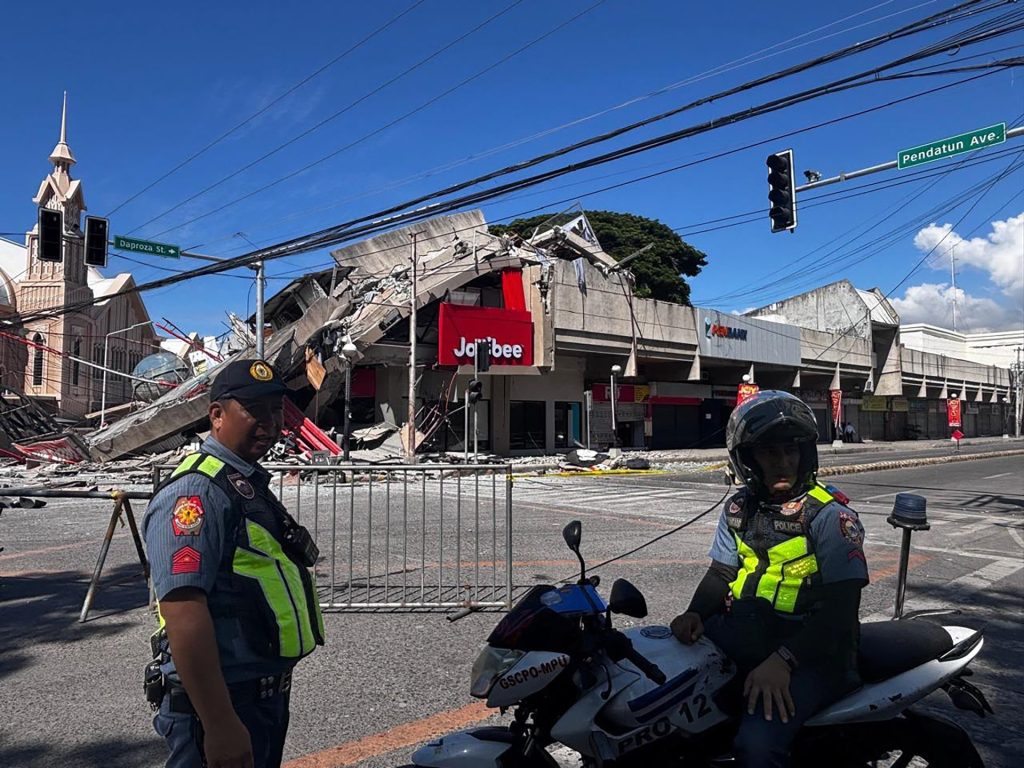
DEVELOPING STORYDEVELOPING STORY, Officials in Indonesia, Philippines and Japan warn of possible tsunami waves after quake off Mindanao. A powerful earthquake has struck the Philippines, destroying buildings and triggering tsunami alerts across Asia. The magnitude 7.8 quake struck off the southern island of Mindanao shortly before 7:40am local time on Monday (23:40 GMT Sunday), according to the United States Geological Survey. Recommended Stories list of 4 itemsend of list The initial earthquake was followed by more than an hour of aftershocks, according to the Philippine Institute of Volcanology and Seismology (PHIVOLCS). Video posted on official social media channels showed a three-storey building that housed a Jollibee restaurant collapsing in a cloud of debris and dust in Mindanao’s General Santos City, startling onlookers. Other images showed extensive damage to buildings, including smashed windows and caved-in roofs. The Philippine seismology authority said the city, which lies in the southern region of Soccsksargen, experienced a 7 out of 10 “very strong” earthquake on its internal intensity scale. The number of potential casualties is yet to be confirmed. Mary Ann Blanco Rhudy, a Catholic nun working for Notre Dame of Dadiangas University in General Santos, said she was travelling to the college when the earthquake struck. “The cars on the road were moving erratically. I am lucky that they didn’t crash against each other,” she told Al Jazeera. “The trees on the side of the road were also swaying violently.” Rhudy said some of the buildings at the college have partially collapsed. Philippine President Ferdinand Marcos said on Monday morning that emergency agencies had been activated, including the Office of Civil Defence and the National Disaster Risk Reduction and Management Council. Advertisement Marcos urged people to follow government advisories about the risk of tsunami waves. “To our kababayans [countrymen] in the affected provinces, please heed the tsunami warning. Move to higher ground now. Do not wait. Your life is more important than anything left behind,” Marcos said. Marcos said schools across several provinces of Mindanao have been closed for the day. The US-based Pacific Tsunami Warning Center said earlier that tsunami waves as high as 3 metres (9.8 feet) could hit coastal areas of the Philippines, and waves of up to 1 metre (3.3 ft) were possible in parts of Indonesia and Malaysia. The first waves were expected to hit the Philippines and parts of Indonesia at about 10am local time (02:00 GMT), followed by southern Japan and Taiwan at about 11am (03:00 GMT), and Micronesia, Papua New Guinea and the Solomon Islands an hour later, according to the Japan Meteorological Agency (JMA). The US National Tsunami Warning Center, which downgraded the quake from an earlier estimate of magnitude 8.2, said the quake posed no threat to coastal areas of the US. Officials in Japan, the Philippines, and Indonesia have issued alerts warning of hazardous waves and advising citizens in coastal areas to get to safety. Philippine authorities said people in nine provinces – including Sarangani, Davao Occidental, Tawi-Tawi and Sulu – should immediately evacuate to higher ground or further inland. “Owners of boats in harbours, estuaries or shallow coastal water of the above-mentioned provinces should secure their boats and move away from the waterfront,” PHIVOLCS said. “Boats already at sea during this period should stay offshore in deep waters until further advised.” Indonesia also issued an immediate evacuation order for parts of northern Sulawesi, northern Gorontalo province and the Sangihe Islands, with residents urged to move to higher ground. A tsunami warning is also in place for Japan’s outlying islands, including Okinawa and the country’s southern coast. Officials in the Northern Mariana Islands and Guam cancelled earlier tsunami warnings, but said there was still a risk of strong currents and dangerous beach conditions. Adblock test (Why?)
Oppenheimer: Trump holds the reins on Netanyahu’s escalation options
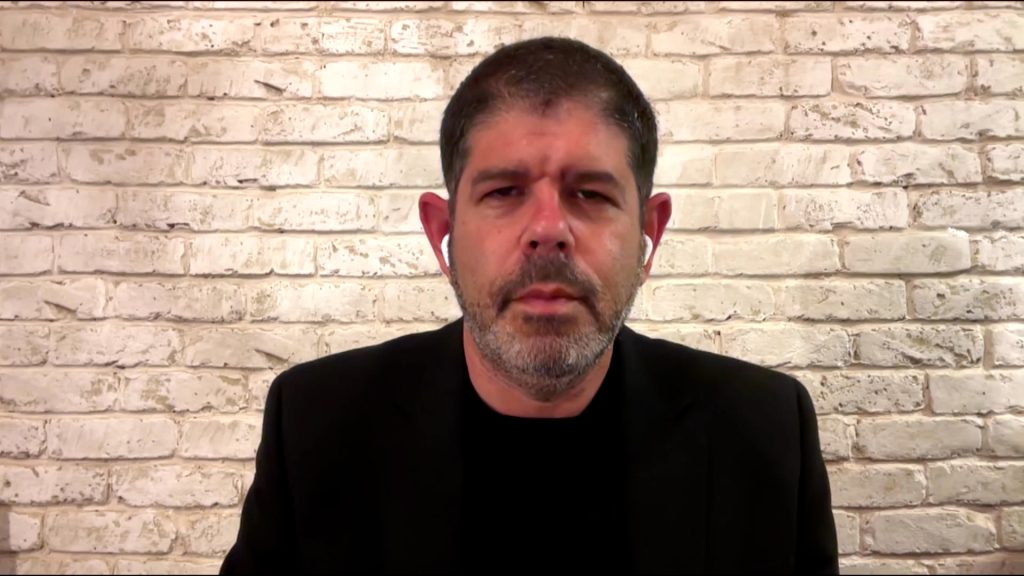
NewsFeed Yariv Oppenheimer told Al Jazeera that Israeli PM Benjamin Netanyahu has incentives to escalate tensions with Iran and Hezbollah but is constrained by US President Donald Trump and US interests. He said Iran’s June 7 response was a warning, not a push for war, and doubts Trump would allow major Israeli retaliation. Published On 8 Jun 20268 Jun 2026 Click here to share on social media share-nodes Share googleAdd Al Jazeera on Googleinfo Adblock test (Why?)
How Mexican cartels turned South African farms into meth production hubs
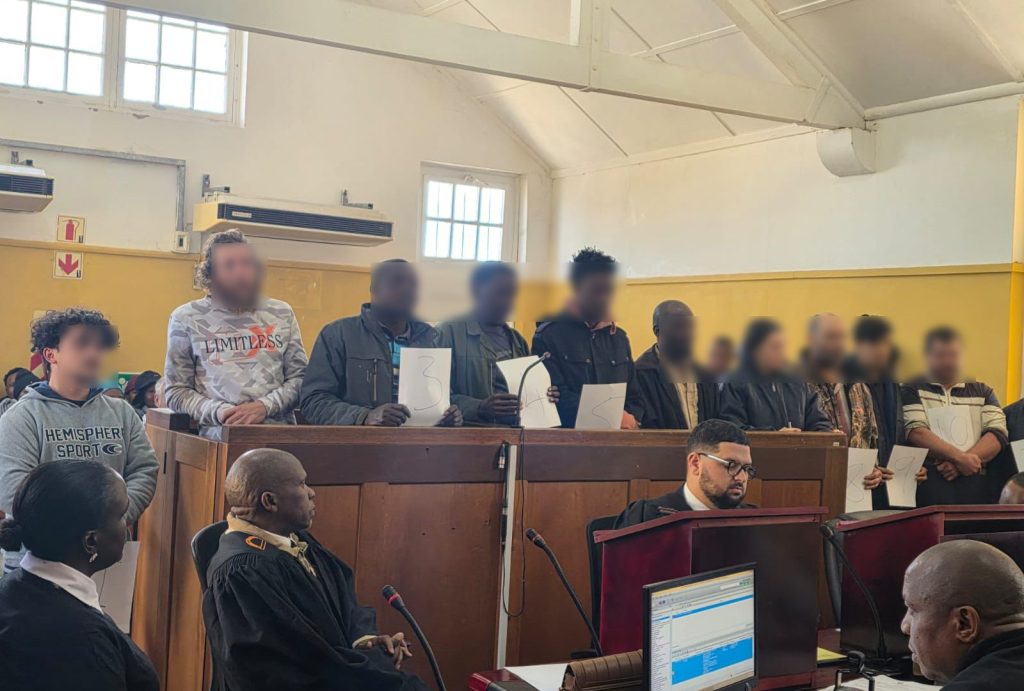
Johannesburg, South Africa – In the quiet mining town of Swartruggens, a small courthouse is preparing to decide whether five Mexicans accused of a major illegal drug operation will be granted bail or remain in custody. Their arrests followed a raid on a remote farm in North West province, where police said they uncovered a large methamphetamine laboratory worth about one billion rand ($60m). The case is one of several pointing to a pattern taking shape in South Africa’s rural interior. The Swartruggens laboratory was not an isolated discovery. It was one of four major meth sites linked to Mexican criminals uncovered in South Africa in just two years, a pattern that has unsettled investigators and organised crime experts. In 2024, police dismantled a large meth facility worth about $105–110 million on a farm near Groblersdal in Limpopo. Later that year, another laboratory worth roughly $5–6 million was discovered near Tshwane, followed by arrests last year in Mpumalanga. Then came Swartruggens. When police moved in on the North West farm in May, they found 481 kilos of methamphetamine, containers of chemicals and firearms. Among those arrested were Mexican nationals Fabian Astorga, Jesus Alonso Medina Astorga, Luis Alberto Ramirez Rios, Jose Andres Medina and Jacquelin Lopez Madrid, alongside co-accused South Africans. All the sites followed the same pattern: remote farmland, long distances from towns and enough isolation for criminal activity to go undetected. For investigators, the pattern is becoming harder to ignore. Advertisement Mexicans are increasingly being found working alongside local collaborators in rural production sites, suggesting a shift from trafficking meth into Africa to producing it there. Organised crime researcher Julian Rademeyer told Al Jazeera the model reflects a deliberate strategy. “It’s quite a unique development where you have members of Mexican drug cartels franchising, moving chemists into remote rural areas and farms,” he said. The approach has been building for more than a decade, he added. The logic is straightforward: produce closer to consumers, cut transport costs and reduce exposure to border and maritime enforcement. How it spread Mexican-linked networks in Africa did not begin in South Africa. Researchers trace early activity back to Nigeria, where local groups were producing meth with Mexican involvement by around 2016. From there, the networks spread through East Africa, then south through Mozambique and Botswana, before reaching South Africa more recently. For years, users on the streets spoke of “Mexican meth”, often assumed to be imported. That supply chain has now shifted inward. “Now, basically, the cartel chemists are being sent here,” Rademeyer told Al Jazeera. Analysts say multiple supply routes now feed the South African market, but the most significant change is the rise of local production. Who looks the other way Methamphetamine dominates parts of South Africa’s illicit drug market because cheaper drugs such as cocaine and heroin remain out of reach for many users, creating steady demand for a cheaper, highly addictive stimulant. Crime expert Willem Els says demand is only part of the story. “The main reason why manufacturing locally is lucrative to cartels is the local conditions that exist, where there is protection from corrupt police and politicians,” he told Al Jazeera. “It is very lucrative. The cartels can make a lot of money because South African conditions result in undetected and protected operations.” A separate commission of inquiry into law enforcement has heard testimony alleging deep corruption within policing structures, including missing drug consignments and suspected inside involvement in major cases. One case under scrutiny involves 541 kilos of cocaine seized in 2021 and later stolen from a police facility, in what investigators believe was an inside job. Former Interpol ambassador Andy Mashiale told Al Jazeera the problem is visible on the ground. “There is no way in which police don’t know those labs,” he said. “So corruption plays a role.” Advertisement He said officers deployed to rural areas were often aware of suspicious activity but failed to act. “What inspires the drug manufacturers or the drug cartels is the willingness of the police to enable the drug trade from happening,” he said. South Africa’s elite Hawks unit says recent raids show progress in disrupting networks, while international partners, including the US Drug Enforcement Administration, have provided intelligence linking some suspects to the Sinaloa Cartel. But investigators warn that the system behind the labs is resilient. A frontier that keeps moving US Africa Command officials have warned that Mexican cartels are now not only moving drugs through Africa, but also producing them on the continent. For South Africa, the challenge is no longer just border control, it is institutional capacity, intelligence and corruption within the system meant to contain it. Without deeper reform, analysts warn, the pattern is likely to continue: new farms, new labs, new chemists arriving quietly in rural provinces. For the five men in Swartruggens, the question is immediate, whether they will be released. For South Africa, the question is larger and more difficult: how to contain a trade that is no longer arriving at its borders, but taking root in the country. Rademeyer says the structure is built to absorb disruption. “It’s a game of whack-a-mole,” he told Al Jazeera. “You seize a meth lab here, you seize a meth lab there. They’ll spring up elsewhere.” Adblock test (Why?)
World’s most expensive mango found in Ayodhya? Meet the farmer growing the rare fruit at home
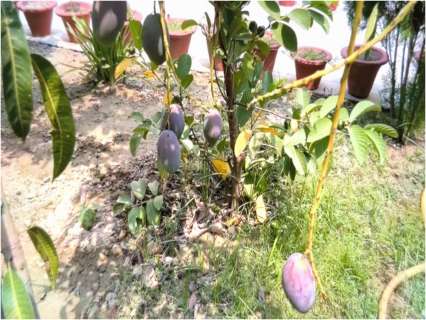
A farmer from Ayodhya has drawn attention for cultivating the world’s most expensive mango variety in his home garden. Know the whole story.
Amit Shah to launch LPMS on June 9: How new platform could transform border governance in India
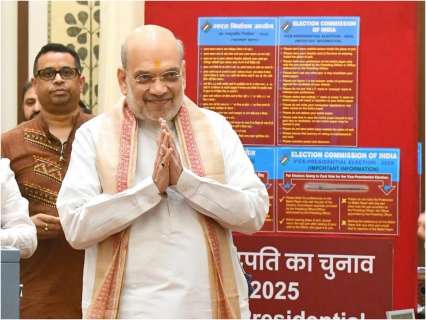
Union Home and Cooperation Minister Amit Shah to launch the Land Port Management System on June 9 to make India’s border management more secure and smarter. Know more about it here.
‘No connection with masses’: Expelled TMC leader launches sharp attack on Abhishek Banerjee
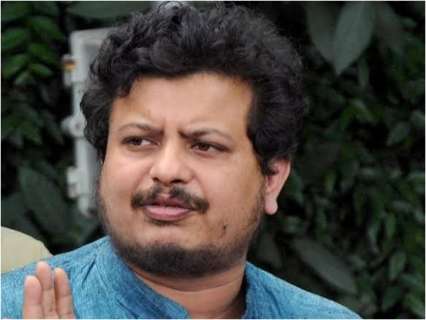
Expelled leader of Trinamool Congress Ritabrata Banerjee launched a sharp attack on Abhishek Banerjee, alleging that he has ‘no connection with the masses’.
3 Air India planes damaged by ground equipment during storm at Delhi airport
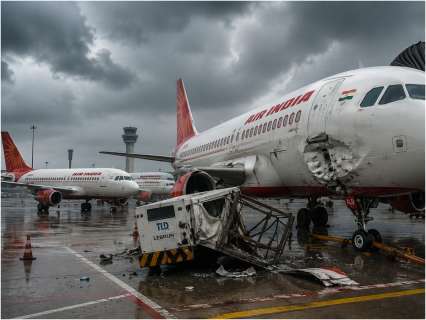
A sudden storm at Delhi’s Indira Gandhi International (IGI) Airport led to damage to three aircraft of Air India after they were reportedly hit by ground handling equipment.
Digital blackout in Jaipur: Mobile internet shut, bulk SMS banned for 24 hours ahead of major action

Starting from midnight of June 7, the mobile internet services and bulk SMS facilities have been suspended for 24 hours in parts of Jaipur as authorities prepare for a large-scale anti-encroachment drive.
Why are INDIA Bloc leaders Rahul Gandhi, Mamata Banerjee, Akhilesh Yadav meeting today? Details inside
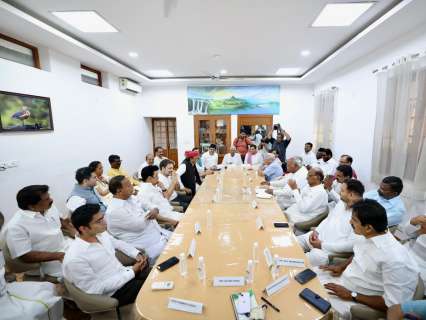
The INDIA bloc’s first formal meeting in over a year will focus on election strategy, electoral reforms, inflation, unemployment and resolving differences among alliance partners.