

This Texas House GOP nominee once urged Republicans to soften their immigration rhetoric. He’s changed his tune.
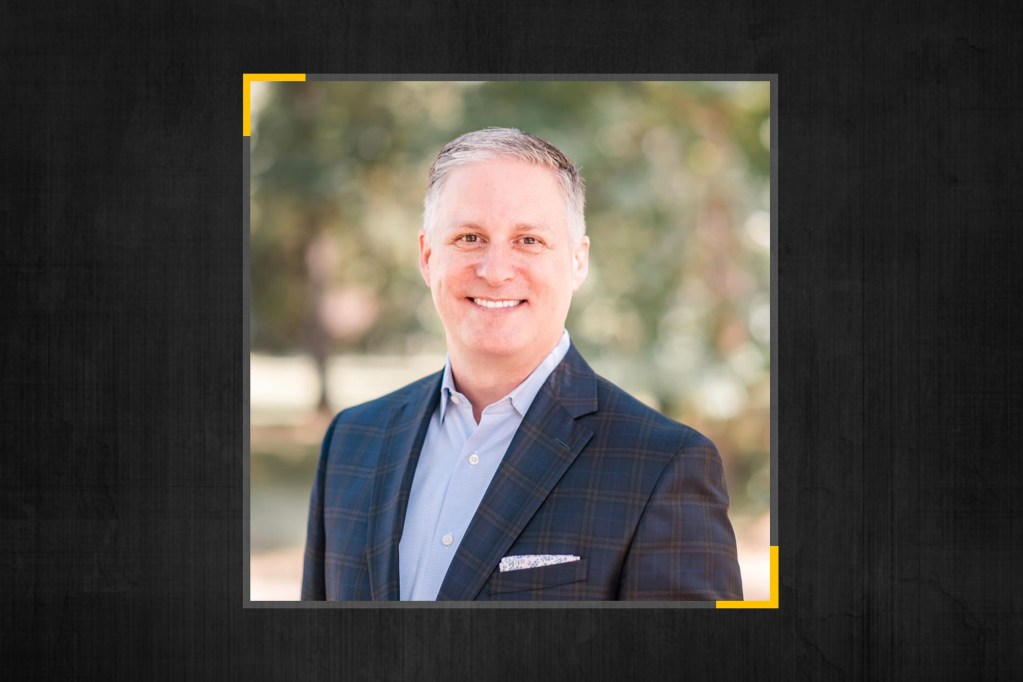
In 2012, the New York Times interviewed Brad Bailey at the Republican National Convention about his efforts to get the party “stop the hatred language and fix the problem.”
Obama Center takes heat as critics cry foul over ID rules for free entry — while Dems blast voter ID laws
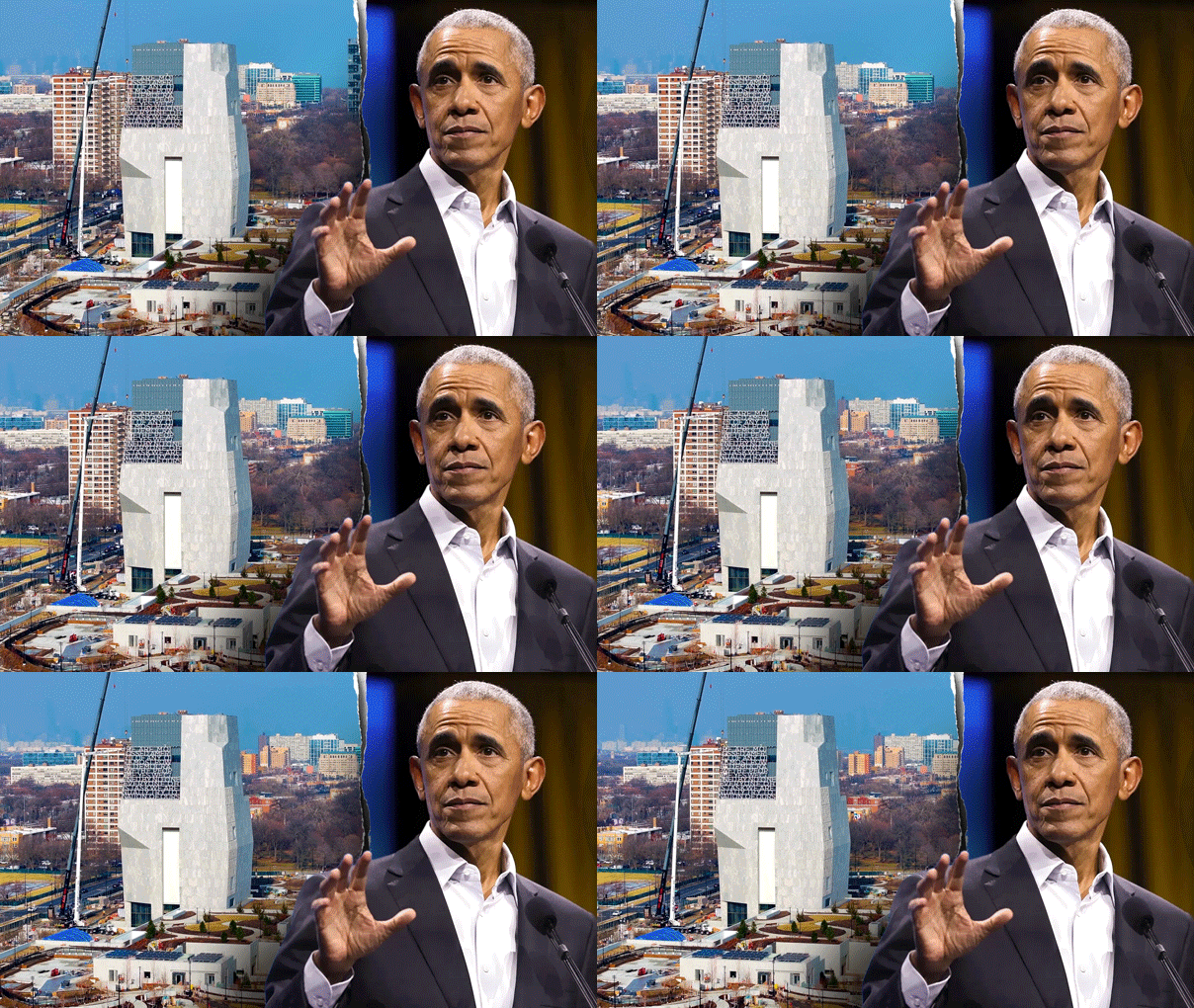
The Obama Presidential Center is facing a wave of backlash ahead of its opening, with critics blasting its admission policies and raising broader concerns about the project’s cost and management. Conservative commentators on social media are taking aim at the center’s requirement that Illinois residents show valid identification to receive free admission on certain days, arguing it contrasts with Democratic opposition to voter ID laws. “They’re making you show ID… to visit the Obama Library… in Chicago. You can’t make this stuff up!” one social media user wrote. “The Obama Presidential Library is making people show an ID for proof of Illinois residency to get in for free,” another posted. “So residents have to prove who they are for this, but not to vote?” VALERIE JARRETT REVEALS THAT PRESIDENT TRUMP ISN’T INVITED TO OBAMA PRESIDENTIAL CENTER OPENING CEREMONY Others echoed the sentiment more bluntly, with one account writing: “It turns out Democrats support requiring ID… but only for free admission into Obama’s library.” Obama’s website clearly states that Illinois residents “must be able to provide proof of residency. Be prepared to show proof of residency at the Museum with a valid photo ID, Illinois driver’s license, state ID, or city-issued ID.” Critics have also pointed to reported restrictions tied to early ticket giveaways, including claims that some promotions are limited to U.S. citizens or lawful permanent residents. The latest controversy builds on a string of prior criticisms surrounding the $850 million project. OBAMA PRESIDENTIAL CENTER SLAMMED FOR PROMOTING ‘FAR-LEFT’ AGENDA ON PUBLIC LAND Earlier this year, the Obama Foundation drew backlash after seeking 75 to 100 unpaid volunteers, dubbed “ambassadors,” to help operate the center, even as top executives collect substantial salaries. Federal filings show CEO Valerie Jarrett has earned roughly $740,000 annually in recent years, while overall compensation at the foundation has climbed significantly. The project has also faced mounting scrutiny over its financial impact on taxpayers. Former President Barack Obama once described the center as a “gift” to Chicago, emphasizing it would be privately funded. While construction of the 19.3-acre campus is being financed through private donations, the surrounding infrastructure needed to support the site, including road redesigns, utility relocations and drainage systems, is being paid for with public funds. Early estimates put those infrastructure costs at roughly $350 million, split between the city and state. But more recent figures show Illinois alone has committed approximately $229 million, while Chicago has allocated more than $200 million in related improvements — though officials have not provided a clear, consolidated total of taxpayer spending tied to the project. GOT A TIP? “No single agency appears to oversee the full scope” of the infrastructure work, and critics say the lack of transparency has made it difficult to determine the true public cost. Illinois Republican Party Chair Kathy Salvi criticized the project, saying taxpayers are being left “on the hook for hundreds of millions of dollars” while accusing state leaders of mismanagement. FOLLOW US ON X The controversy is further fueled by the nature of the site itself. The center sits on nearly 20 acres of historic Jackson Park land transferred under a long-term agreement, with significant roadway changes, including the removal of a major thoroughfare, and utility overhauls required to accommodate the campus. Foundation officials have defended the project, saying the center is funded by $850 million in private investment and will serve as an economic catalyst for Chicago’s South Side, generating jobs, community programs and public amenities. GET BREAKING NEWS BY EMAIL Despite the backlash, the center is pressing ahead with its long-awaited debut. Tickets for the museum will go on sale April 21 for “Founding Members,” with general public sales beginning May 6. Visitors can reserve timed-entry tickets for dates between June 19 and November 30. CLICK HERE FOR MORE US NEWS Admission is set at $30 for adults and $23 for children ages 3 to 11, with discounted rates available for Illinois residents who provide proof of residency. Children 2 and under can enter for free, and Illinois residents will be eligible for free admission on Tuesdays. All entries will be timed, with officials urging guests to arrive within 10 minutes of their scheduled slot. The museum will feature four levels of exhibits, including a replica Oval Office and the Sky Room. Much of the surrounding campus, including gardens, walking trails, a playground, a Chicago Public Library branch and dozens of newly commissioned artworks, will be free and open to the public. Fox News Digital reached out to the Obama Foundation and the Barack Obama Presidential Library for comment. Fox News Digital’s Michael Dorgan contributed to this report.
New poll reveals Spanberger’s popularity is plummeting amid backlash over gerrymandering
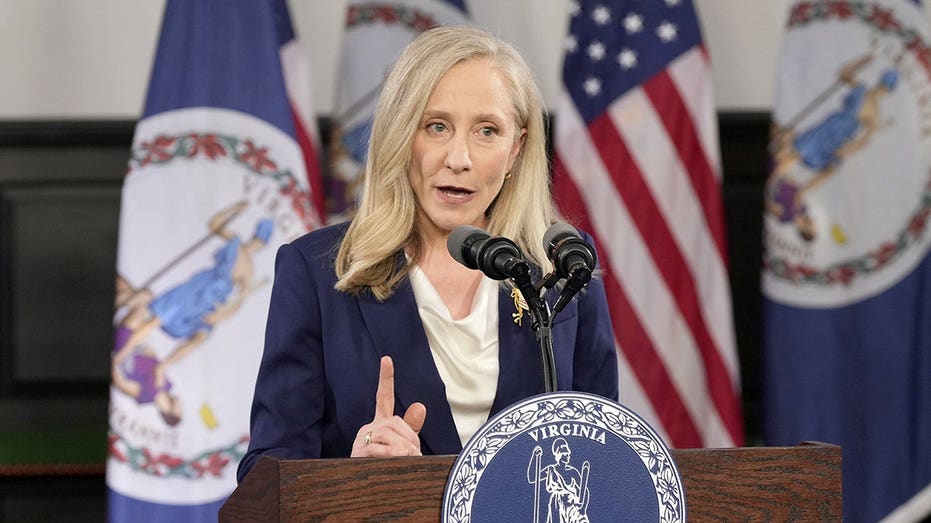
Virginia’s Democratic Gov. Abigail Spanberger was swept into the governor’s mansion on a deep blue wave last November, but has seen her popularity plummet after less than 3 months in office. Forty-six percent of Virginians disapprove of her job performance, while 47% approve. Compared to Virginia governors from both sides of the aisle since 1994, Spanberger has the highest disapproval rating at this point in her term. In contrast, predecessor Gov. Glenn Youngkin saw a 54-39 job approval at this point in his term, with the highest favorability going to Democrat Mark Warner – now Virginia’s senior senator – with a 78-20 rating. ICE PRESSURES SPANBERGER AS FAIRFAX MURDER SUSPECTS TRIGGER NEW DETAINERS IN ‘SANCTUARY’ CLASH Warner’s current counterpart, Sen. Tim Kaine, was at 62-31, GOP Gov. Jim Gilmore III at 63-30, Republican Gov. Bob McDonnell at 59-39 and Democrats Terry McAuliffe and Ralph Northam at 52-30 and 48-37 respectively. RNC SUES TO STOP DEMOCRATS’ VIRGINIA REDISTRICTING PUSH Spanberger defeated then-Lt. Gov. Winsome Sears by 15 points in November and completely flipped statewide offices to Democrats Ghazala Hashmi for lieutenant governor and Jay Jones for attorney general. The Post pointed out that while Spanberger’s favorability was narrow, her win dwarfed that of Youngkin’s over McAuliffe in 2021 – and the Falls Church business executive’s favorability was several points higher than hers. George Mason University Policy & Government Dean Mark Rozell, a co-sponsor of the poll, told the Post that while some bit of political polarization is “baked in,” it was “unusual” to see such a result for Spanberger this early in her term after a campaign on a “centrist image.” PRIMARY PAUSE, POLITICAL FIRESTORM: HIGH-STAKES ELECTIONS THIS MONTH TAKE CENTER STAGE Seven percent of Virginians, however, by contrast, cite her tenure as “too conservative.” Spanberger’s shift on gerrymandering was recently evinced through redistricting referendum critics citing her own 2019 words back to her in recent mailers, according to reports. “Gerrymandering is detrimental to our democracy and it weakens the individual voices that form our electorates. Opposing gerrymandering should be a bipartisan priority,” Spanberger tweeted six years ago when Virginia considered its ultimately successful bid to remove map-redrawing power from the partisan legislature. INSURGENT VIRGINIA DEMOCRAT SAYS HIS PARTY IS ‘COMPLETELY WRONG’ ON GUN RIGHTS AND GERRYMANDERING However, Spanberger’s office recently denied claims that there had been any internal deals made involving her personally to help get more Democrats elected, particularly in the case of the Second Congressional District in Hampton Roads and the Eastern Shore. Spanberger has also received criticism for appearing to pivot on gun control, from a moderate stance while in Congress favoring commonsense reforms and citing her resume as a former gun-toting CIA agent and postal inspector, to a governor poised to sign sweeping gun bans drafted by far-left Fairfax Democrats. “I’m a mother of three girls in Virginia Public Schools. I’m also a former federal agent who carried a gun every single day for my job,” she said at a 2025 rally. “So I come at this issue as someone who cares deeply about the safety of our kids and as someone who understands the responsibilities of owning and of carrying a firearm.” The redistricting referendum has been criticized for unfairly empowering Spanberger’s base counties, as five newly-drawn districts would originate in Fairfax and envelop – and critics say overpower – the voices of rural central and Western Virginia. One such district in particular, unfavorably shaped like a lobster according to critics, already has three notable Democratic candidates – gun control bill sponsor State Del. Dan Helmer of Fairfax, former first lady Dorothy McAuliffe, and former Jack Smith deputy JP Cooney – despite the referendum not being officially decided by the voters until April 21. Fox News Digital reached out to Spanberger for comment.
Mamdani unveils new ‘racial equity plan’ for more ‘equitable future’ that prompts quick DOJ pushback
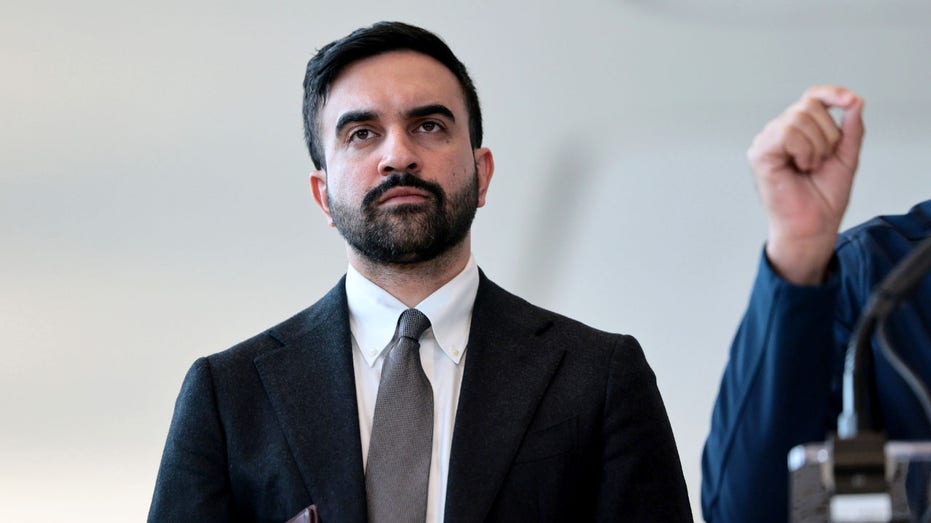
New York City Mayor Zohran Mamdani released his “Preliminary Citywide Racial Equity Plan” on Monday, which quickly prompted pushback from conservatives online and skepticism from President Donald Trump’s Justice Department, with one top official saying she will “review” the move. Mamdani’s office explained in a press release that the preliminary report, which the mayor had promised to release within 100 days in office, shows racial disparities in areas like housing, education, and income, and the new plan aims to “establish a new framework for how New York City measures affordability, understands inequity and plans for a more equitable future.” “The True Cost of Living Measure offers an honest account of what it actually costs to live in this city — and who is being left behind. It shows that this is not a crisis affecting a small minority of New Yorkers. It is a crisis touching the vast majority of our city, in every borough and every neighborhood,” Mamdani said in the press release. “But we know this crisis is not felt equally. Black and Latino New Yorkers — who have been pushed out of this city for decades — are bearing the brunt. The Preliminary Racial Equity Plan is where we begin to reverse that pattern. These reports make one thing clear: we cannot tackle systemic racial inequity without confronting the affordability crisis head-on, and we cannot solve the cost-of-living crisis without dismantling systemic racial inequity.” MAMDANI’S ‘GUN VIOLENCE’ COMMENTS AFTER KILLING OF 7-MONTH OLD BABY SPARK OUTRAGE: ‘ABSOLUTE DISGRACE’ Mamdani’s announcement quickly sparked pushback from conservatives, as well as from the Trump administration, expressing concerns about race-based initiatives and spending which the administration has been working to undo since taking power last year. “Sounds fishy/illegal,” DOJ Assistant Attorney General for Civil Rights Harmeet Dhillon posted on X. “Will review!” “Straight-up racism against White people,” conservative influencer account Libs of TikTok posted on X. “The reality is Mamdani is implementing blatantly racist policies that reward and punish people based on their skin color,” conservative commentator Paul A. Szypula posted on X. The city billed the racial equity plan as the “first time any New York City administration has required major city agencies to examine their work through a racial equity lens and identify and eliminate disparities” and said the plan sets goals across seven domains that include: “Children, Youth, Older Adults and Families; Economy; Housing and Preservation; Infrastructure and Environment; Health and Wellbeing; Community Safety, Rights and Accountability; and Good Governance and Inclusive Decision-Making.” The report cites a sizable gap in the median net worth of white households compared to Black households while reporting that Black New Yorkers also have a lower life expectancy and suggests the way to address those gaps is an expansive framework featuring more than 200 agency-level goals, over 800 proposed strategies, and roughly 600 performance indicators intended to track progress over time. “Inequity has been embedded in the foundation of our city and nation since their inception; dismantling it requires a collective effort,” NYC Chief Equity Officer and NYC Mayor’s Office of Equity & Racial Justice Commissioner Afua Atta-Mensah said in Monday’s press release. NYC LANDLORDS FIRE BACK AT ‘RACIST’ MAMDANI AIDE’S CLAIM THAT TIES HOMEOWNERSHIP TO ‘WHITE SUPREMACY’ “The NYC Preliminary Citywide Racial Equity Plan reflects the city’s commitment to systemic transformation—turning our values into actions. From housing and healthcare to education and infrastructure, every agency plays a pivotal role in reshaping how government serves New Yorkers. This plan outlines measurable goals and actionable strategies to advance racial equity, promote justice and create lasting change.” Fox News Digital reached out to Mamdani’s office and the DOJ for comment. Dating back to his mayoral campaign, Mamdani has faced intense criticism for his focus on race and “equity, including a policy proposal, “Stop the Squeeze on NYC Homeowners,” that outlined his plans to “shift the tax burden from overtaxed homeowners in the outer boroughs to more expensive homes in richer and Whiter neighborhoods.” In February, Mamdani faced criticism over his budget plan that stated the Office of Racial Equity would receive $5.6 million annually, while the Commission on Racial Equity would be allocated $4.6 million, a combined total of $10.2 million. The new figure represents roughly a $3 million increase — or about a 42% jump — from the approximately $7.2 million allocated last year. Fox News Digital’s Amanda Macias contributed to this report.
AI-backed super PAC expands into multiple GOP primaries after claiming early wins

FIRST ON FOX: Fresh off a string of primary wins, a major super PAC network aiming to elect AI-friendly candidates to Congress is intervening in several GOP primaries ahead of November’s midterm elections. Leading the Future, a pro-AI group backed by industry executives with a sizable war chest, is pledging to spend $1.5 million supporting Jim Kingston in Georgia’s 1st Congressional District, Aaron Flint in Montana’s 1st Congressional District and Chris McGowan in Iowa’s 4th Congressional District. The GOP-held districts are reliably Republican, but all three candidates face primary challengers where an outside spending group’s contributions could prove decisive. President Donald Trump has endorsed Flint and McGowan, but has yet to weigh in on the Georgia seat vacated by Rep. Buddy Carter, R-Ga., who is running for Senate. The super PAC network’s new round of spending comes after it claimed victories in North Carolina, Texas and Illinois, where it poured money into key primaries to elect candidates in both parties who oppose a patchwork of state AI regulations and are more supportive of the industry. SCOOP: HOUSE GOP CAMPAIGN ARM LAUNCHES ‘MAGA MAJORITY’ PROGRAM TO BOOST TRUMP-ALIGNED CANDIDATES “Our recent success across other primaries has allowed us to expand our footprint and continue supporting pro-innovation candidates who understand the need for a national regulatory framework on AI,” Zac Moffatt, Leading the Future co-strategist, told Fox News Digital in a statement. “We believe the candidates we’re backing will help deliver real results for a stronger, more prosperous future.” The pro-AI group spent more than $1 million to help Democratic Illinois House candidate Melissa Bean defeat several far-left opponents, while its six-figure ad buy put Republican North Carolina House candidate Laurie Buckhout over a crowded field of challengers. NEW PRO-AI GROUP BACKED BY TRUMP ALLIES PLANS $100M MIDTERM SPENDING PUSH In Texas, Leading the Future spent a combined $1.4 million in support of Republican candidates Jace Yarbrough, Jessica Steinmann, Chris Gober and Tom Sell, who all won or advanced to the runoff in their respective primaries. The group’s aggressive midterm presence comes as the Trump administration is pushing for a single federal AI framework and the buildout of supporting infrastructure, including data centers. The outside spending network is powered by donors including Greg Brockman, president of OpenAI, and his wife Anna, in addition to venture capitalists Marc Andreessen and Ben Horowitz. Leading the Future raised more than $125 million in 2025 and reported more than $70 million in the bank at the beginning of this year. Leading the Future has also targeted candidates who support more guardrails on the industry, which critics argue could stifle innovation and cede growth to China. The group is pledging to spend millions to shut out Democratic New York state legislator Alex Boros from Congress. The group’s latest spending supporting Kingston, Flint and McGowan includes ads running on broadcast, cable and digital, as well as direct mail.
Trump roasts Biden over autopen use in viral interaction with kids at White House Easter Egg Roll

President Donald Trump couldn’t resist turning a fun moment into a roast — and a sales pitch — all at once. The president yucked it up with a group of kids who were coloring pictures at the annual White House Easter Egg Roll on Monday. Trump joked that the kids might as well turn his signature into a side hustle, telling them he could sign autographs for them. “Then tonight, you could sell them for $25,000 on eBay,” Trump joked, drawing laughs from the crowd. But the comedian-in-chief wasn’t done yet. The president rarely passes up an opportunity to shade his predecessor. EXCLUSIVE: TRUMP WHITE HOUSE TORPEDOES BIDEN ATTEMPT TO SHIELD ‘AUTOPEN PRESIDENCY’ FILES “Biden would use the autopen,” Trump said. “He was incapable of signing his name, so they’d follow him around with this big machine. You know what it was called? An autopen!” The roast of Biden wasn’t the only viral moment. At one point, a young boy wandered behind Trump as he sat at a table and blurted out, “Donald Trump, you’re the best president!” To which the president responded: “Thank you, honey. I agree.” WHITE HOUSE MARKS HOLY WEEK, EASTER WITH DAYS OF PRAYER CENTERED ON RELIGIOUS LIBERTY The theme of this year’s Easter Egg Roll was “patriotic spirit.” The South Lawn was packed with kid-friendly attractions, from the traditional egg roll to hands-on stations like military card writing, space-themed activities, egg decorating and even mini golf. According to the Office of the First Lady, the event aimed to bring families together to celebrate Easter while highlighting the values of freedom and tradition central to the American story. There was more fun to be had, including an AI-Creation Station, flower bouquet building, a flight lab, a sensory-friendly egg hunt — and live chickens. America250 hosted an immersive experience celebrating America’s historic monuments through a “George the Star’s Journey” activity. Spotted at the Egg Roll were some of the president’s children, including son Eric Trump and his wife Laura Trump, as well as daughter Tiffany and her husband Michael Boulos. Fox News Digital’s Ashley J. DiMella contributed to this report.
Trump claims he’d win as the president of Venezuela — just needs to ‘quickly’ learn Spanish
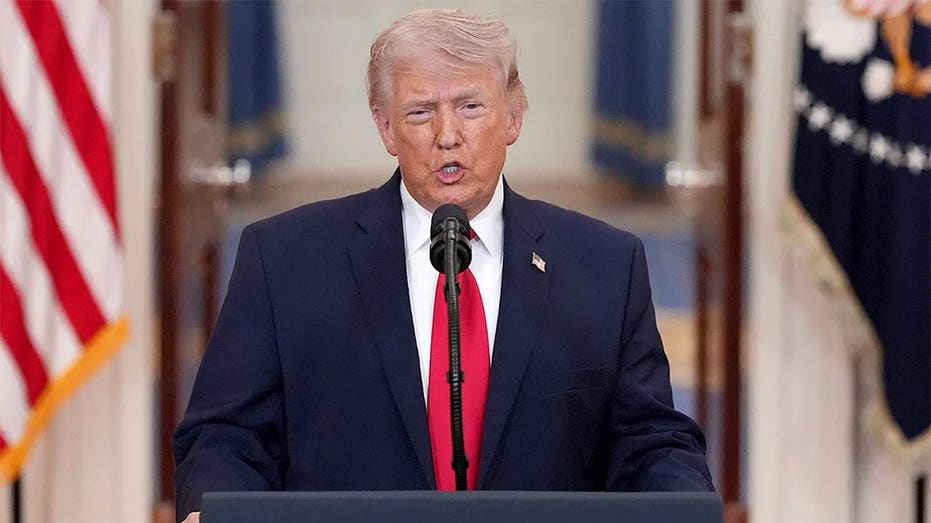
President Donald Trump joked that he might run for president of Venezuela, claiming he polls higher than any other politician in the South American country. Trump made those remarks during a Monday press conference centered on the rescue mission of an Air Force officer who had gone missing after a fighter jet was shot down over Iran. “The people of Venezuela, they say, if I ran for president of Venezuela, I’m polling higher than anybody has ever polled in Venezuela, so after I’m finished with this, I can go to Venezuela,” Trump said. “I will quickly learn Spanish. It won’t take too long. I’m good at language and I will go to Venezuela. I’m going to run for president. But we’re very happy with the president-elect that we have right now.” TRUMP TOUTS AIRMAN RESCUE MISSION, BOASTS IRAN COULD BE ‘TAKEN OUT IN 1 NIGHT’ Trump mentioned Venezuela on several occasions during the press conference. He compared the Easter weekend rescue mission’s success to the Pentagon’s capture of Venezuelan President Nicolás Maduro. He also suggested that the outcome in Iran would be similar to Venezuela. He described the conflict with Venezuela as being “over in 45 minutes,” and boasted that the United States has now taken hundreds of millions of barrels of oil from the country. During a cabinet meeting late last month, Trump joked that he “may run” for president against acting President Delcy Rodriguez, whom he installed as the leader after Maduro was captured. TRUMP TEASES VENEZUELA AS 51ST STATE AFTER TEAM ADVANCES TO WORLD BASEBALL CLASSIC FINAL “The people — actually, I’m the highest polling person. In other words, after the presidency, I think I may go to Venezuela and run for president,” Trump said. Trump described the prospect as a “wonderful option” for him. While Trump boasted his “good” language skills at Monday’s press conference, last month he told Latin American leaders at the inaugural Shield of the Americas Summit that he would not learn a new language. During his address, Trump praised Secretary of State Marco Rubio, who, as the son of Cuban immigrants, speaks fluent Spanish. “He’s got a language advantage over me, ‘cause I’m not learning your damn language,” Trump said. “I don’t have time. I was okay with languages but I’m not gonna spend time learning your language. That much I won’t do.”
Steve Daines’ handpicked Senate successor Kurt Alme vows to keep Montana in Republican hands in 2026
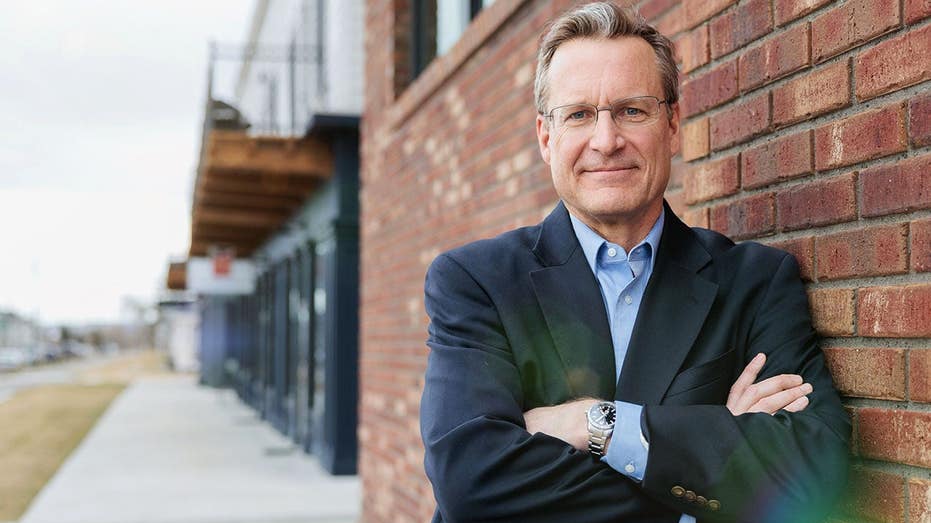
FIRST ON FOX: Montana will again have a new face coming to the Senate, with Sen. Steve Daines, R-Mont., bowing out. His chosen successor knows he was picked to stop Democrats from taking the seat. Former U.S. Attorney Kurt Alme was handpicked by Daines at the last minute to replace him, and he has no qualms about it as Republicans try to maintain their majority in the upper chamber in a midterm election cycle that is historically a referendum on the party — and president — in control. “Knowing how important it was for Republicans to hold the Senate, I told him if he decided to retire, I would be interested,” Alme told Fox News Digital in an interview. TOP TRUMP ALLY STEVE DAINES EXITS MONTANA SENATE RACE, PLANS TO RETIRE Daines, who was seeking a third term in the Senate, dropped out of the race in early March, withdrawing his name just as the registration deadline in Montana was approaching. As he bowed out, Alme leapt in. The move drew heavy criticism from Daines’ opponents in the state and from Democrats in Washington, D.C., but Alme described the plan as one geared toward maintaining the balance of power in the upper chamber. Seth Bodnar, the former University of Montana president who jumped into the race as an independent hours before Daines’ exit, said on X that the lawmaker had “so little respect for Montana Republicans that he withdrew at the last minute to coronate his handpicked successor instead of giving them a voice at the ballot box.” “This is the disgusting arrogance of Washington politicians and their party bosses who trade power back and forth like candy while Montanans are crushed under higher costs and fewer opportunities,” Bodnar said. 10 SENATE RACES THAT COULD DECIDE CONTROL OF THE CHAMBER IN THE 2026 MIDTERMS It’s a move fitting for Daines, given that he has become one of Washington’s savviest political operators and played a key role in clinching Republicans’ Senate majority while serving as National Republican Senatorial Committee chair during the 2024 election cycle. “The way it happened was Senator Daines called me a few days before the filing deadline, and he said he wanted to retire, but he didn’t want to lose the seat and the Senate to the Democrats,” Alme said. “He said he’d only retire if he knew someone like me would step up and keep the seat in Republican hands.” “So then, the morning of the filing deadline, he let me know that he would withdraw if I stepped up. So I resigned as U.S. attorney and entered the race, and now, with President Trump’s endorsement, we’re moving forward full speed with the election,” he continued. Alme quickly racked up endorsements from President Donald Trump, Montana Gov. Greg Gianforte and his possible future colleague Sen. Tim Sheehy, R-Mont. It’s no surprise, considering Trump twice tapped Alme to serve as U.S. attorney in the Treasure State and that he previously served as Gianforte’s budget director. Trump said on Truth Social that “if Kurt didn’t have the highest level of aptitude and talent, Steve would have remained exactly where he is.” SCHUMER, JEFFRIES SUE TRUMP, ACCUSE HIM OF TRYING TO ‘RIG’ MAIL-IN VOTING “But Kurt is exceptional, and I will be giving him, based on Steve’s strongest recommendation, my Complete and Total Endorsement,” Trump said. Though Trump won Montana by nearly 20 points in 2024 and has consistently notched double-digit wins in his three bids for the White House, Alme’s ascension to the upper chamber isn’t guaranteed. He’ll have to prevail in a three-way statewide contest against Bodnar, the independent, and the expected Democratic nominee, former Montana state Rep. Reilly Neill, who believes Daines’ exit will give her a boost. “His stepping down opens the field for the United States Senate, and this is a good development for Montana,” Neill said. Still, Alme is leaning into his bona fides in his pitch to Montana voters, particularly when it comes to bringing back “fiscal discipline” and continuing the Trump administration’s crackdown on crime. “I’ve got to go out and prove who I am, and I’m going to have to earn people’s votes,” Alme said. “We think that the Republican platform — and certainly President Trump’s approach to governing — is a winner in Montana,” he continued. “And we think that if we stick to our conservative roots, we’re going to perform well against anyone.”
Arizona Republicans force probe of county’s anti-ICE policies, putting Democrat AG on the clock

EXCLUSIVE: An Arizona border county considering multiple ordinances targeting ICE will be investigated after State Senate leaders forced the Democratic attorney general to conduct a review, the top Republican in Phoenix told Fox News Digital. Officials in Pima County, which encompasses Tucson, have directed county authorities to deny immigration enforcement agents access to county property unless they have judicial warrants. Arizona Senate President Warren Petersen, R-Gilbert, told Fox News Digital that the chamber’s resolution, SB 1487, will start a 30-day clock for Mayes to respond and ultimately determine whether Pima County has violated state law or the U.S. Constitution. Petersen, who was joined in the move by Senate President Pro-Tempore TJ Shope of Coolidge and Senate Majority Leader John Kavanagh of Fountain Hills, told Fox News Digital that Democrats in places like Pima are putting “radical political agendas ahead of public safety.” “Instead of supporting law enforcement and protecting their citizens from crime, they’re creating barriers that make it harder to enforce the law and easier for criminals to stay in our communities,” he said. STATE TOP COP MOVES TO CRUSH ALLEGED DHS RECORDS RESTRICTION AS COUNTY DENIES ICE-OUT Depending on Mayes’ findings, the county may be required to change the policy, face a loss of state-shared revenue, or the case could be referred to the Arizona Supreme Court, Senate leadership told Fox News Digital. “This is about making sure our laws are applied consistently across Arizona,” Shope said. “When one county decides to go rogue, it creates gaps that undermine enforcement statewide. Arizonans expect coordination between all levels of government, not policies that tie the hands of law enforcement.” Kavanagh also faulted Mayes for taking a similarly confrontational tack with DHS and ICE, saying that she doesn’t get to ignore laws she disagrees with. “Given her record and her public opposition to immigration enforcement, there is a serious question about whether she can review this case objectively. This is not a policy debate. The law is clear, and it must be applied,” Kavanagh said. Mayes made waves in recent months with some of her rhetoric, including conjecture that ICE operations could run afoul of stand-your-ground laws, according to FOX’s Phoenix affiliate. MONTANA GOVERNOR LAUNCHES SANCTUARY CRACKDOWN, PROBES CAPITAL CITY OVER ICE LIMITS “I will not be deterred from speaking out or criticizing the Trump administration for its ongoing abuses of power and its trashing of our sacred Constitution,” Mayes said in response in January. She also released a statement after the DHS-involved shooting deaths of agitators in Minnesota, saying that “right-wing media” has mischaracterized her previous comments, including those regarding the “danger to public safety” posed by ICE. Asked about such criticisms on Monday by Fox News Digital, a Mayes spokesman said, “President Trump promised to go after drug cartels, but in reality, his administration is pulling federal agents off drug cases by the thousands to target immigrant workers.” “Attorney General Mayes will continue to go after the actual threats to public safety: the drug traffickers flooding Arizona communities with fentanyl and other illicit drugs.” When reached for comment on the criticisms, a Pima County official provided text of the resolution to Fox News Digital, which read in part: “Recent arbitrary and unfocused civil immigration activities conducted by the Department of Homeland Security and ICE have trampled on civil and constitutional rights, recklessly endangered citizens and non-citizens alike, and culminated in the deaths of detainees and peaceful protesters.” JONATHAN TURLEY: DEMOCRAT POLITICIANS ARE RISKING LIVES WITH RECKLESS ANTI-ICE RHETORIC Pima County Supervisor Jennifer Allen followed up, telling Fox News Digital, “What is there to criticize? The county’s action is in response to the egregious and abusive behavior of federal immigration agents in Minneapolis, Los Angeles and elsewhere in the country over the past year.” “Americans protesting this outrageous behavior were killed while peacefully exercising their First Amendment rights. Pima County has no interest in allowing property intended for the benefit of the people of Pima County to be used in support of such lawless actions by the federal government,” Allen said. She said that criticism, if any, should be directed at DHS and not at counties trying to prevent alleged abuses. Allen added that any law enforcement with proper warrants can still access Pima property. Supervisor Steve Christy, the lone Republican, voted against the resolution being challenged by the Senate, a representative for the lawmaker told Fox News Digital late Monday. The county also passed a resolution seeking to prevent immigration enforcement agents from wearing face coverings, but details, including an enforcement mechanism, have yet to be ironed out, according to a county official.
Hegseth cuts Ivy League ties in military education shake-up, taps Hillsdale
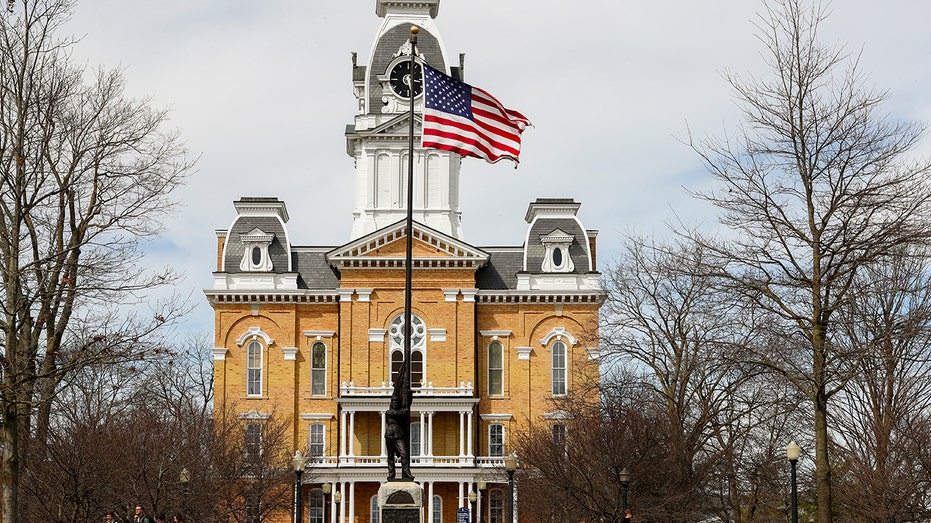
FIRST ON FOX: Hillsdale College told War Secretary Pete Hegseth it would be “honored” to help educate senior U.S. military officers — aligning itself with the administration’s push to cut ties with Ivy League schools over concerns about ideological influence. In a March 30 letter to Hegseth, Hillsdale College President Larry Arnn thanked the Department of War for including the school among institutions selected for the Senior Service College Fellowship Program, which sends senior military officers to civilian universities for advanced education as they prepare for top leadership roles. “Thank you for including Hillsdale College among the institutions qualified to educate America’s military leaders,” Arnn wrote, adding that he supports Hegseth’s goal of equipping the military with “the lethality necessary to protect our national interest.” The letter comes weeks after Hegseth announced the Department of War would end partnerships with several elite universities, including Harvard and Princeton, arguing that “woke” ideology had weakened military education. HEGSETH ENDING MILITARY EDUCATION TIES WITH HARVARD AMID TRUMP FEUD: ‘WE TRAIN WARRIORS, NOT WOKESTERS’ A February memorandum shows the Department of War canceled 93 fellowship positions across 22 institutions, including Harvard, MIT, Georgetown, Columbia and Princeton. “We train warriors, not wokesters,” Hegseth said at the time. Hegseth himself is a graduate of Princeton University and later earned a degree from Harvard University’s Kennedy School. In their place, the Pentagon is steering officers toward a new set of schools, including Hillsdale, Liberty University, George Mason University, Pepperdine University and Texas-based Baylor University, along with large public universities such as the University of Florida, Auburn University and the University of North Carolina. The new list also includes senior military colleges such as The Citadel and Virginia Tech, as well as Pentagon-affiliated programs like the Ted Stevens Center for Arctic Security Studies in Alaska. The institutions were selected based on criteria including “intellectual freedom,” limited ties to foreign adversaries and alignment with the department’s mission, according to the memo. WHY ELITE COLLEGES FEAR TRUMP AND MCMAHON’S NEW ACADEMIC COMPACT TYING FUNDING TO FREE SPEECH In his letter, Arnn pointed to Hillsdale’s curriculum and mission, saying the school emphasizes the U.S. Constitution and the “political philosophy of the West.” He also echoed criticism of higher education, writing that “anti-American ideologies” have “infect(ed) so many of our colleges and universities.” Arnn said Hillsdale “refuses all government money to preserve its independence” and that any role in the program would be funded through private sources. The shift away from traditional academic partners marks a significant change in how senior military officers may receive advanced education, with the administration steering the program toward institutions that more closely align with its views on education and national identity. Hillsdale has also worked with the White House on initiatives tied to America’s 250th anniversary, including contributing historical material for the administration’s “Freedom Trucks” campaign and collaborating on a video series featuring President Donald Trump. It remains unclear when the Department of War will finalize new partnerships under the program or how many officers will ultimately be sent to schools like Hillsdale.