

Study finds toxic benzene emissions along the Texas Gulf Coast are among the highest in the nation
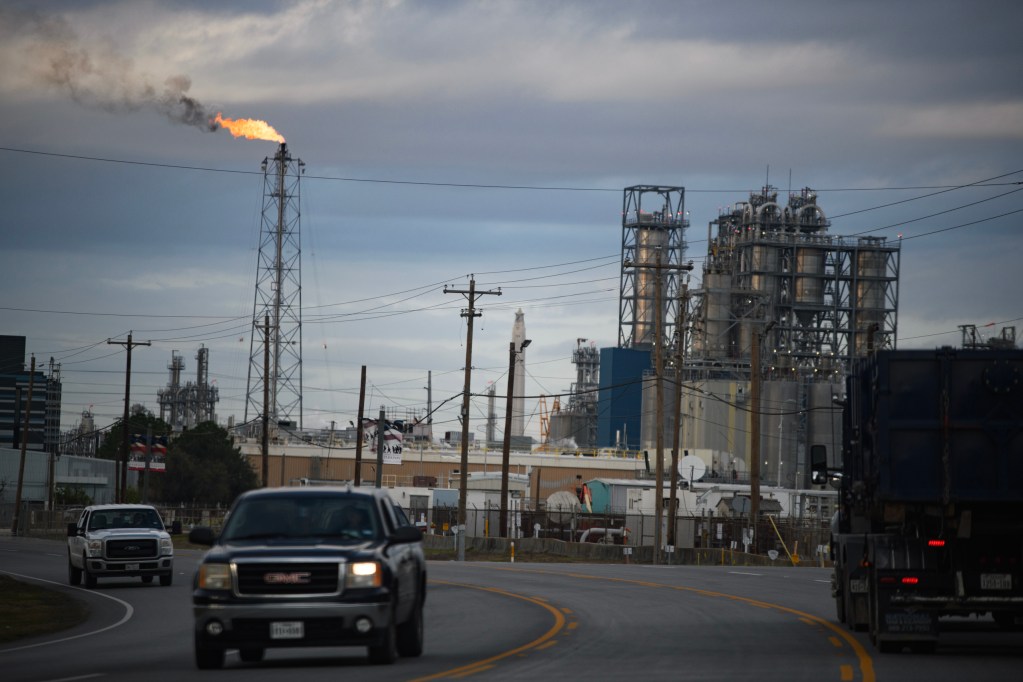
Researchers found that state policy and oil refineries’ failure to fix leaks contributed more to high benzene emissions than the size or capacity of the refineries.
The number of child care deserts in Texas is growing

While East Texas areas are struggling with a chronic lack of care, hope is being seen in the South and West.
TribCast: Greg Abbott battles cities over working with ICE
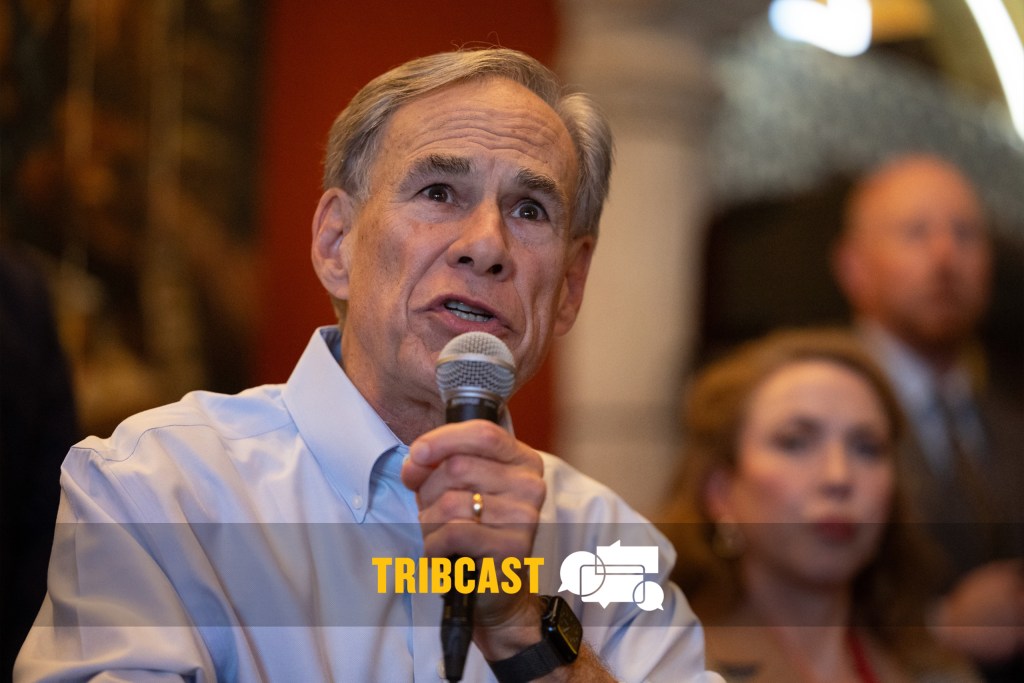
TribCast takes a deeper look at Gov. Greg Abbott’s battle with Houston, Dallas and Austin over the cities’ relationship with federal immigration enforcement.
ICE deported man who says he’s a U.S. citizen after traffic stop in Central Texas

Brian José Morales García has a birth certificate showing he was born in Denver. ICE agents accused him of lying and says he entered the country illegally.
After Virginia’s referendum, the Texas-ignited redistricting war is looking like a wash
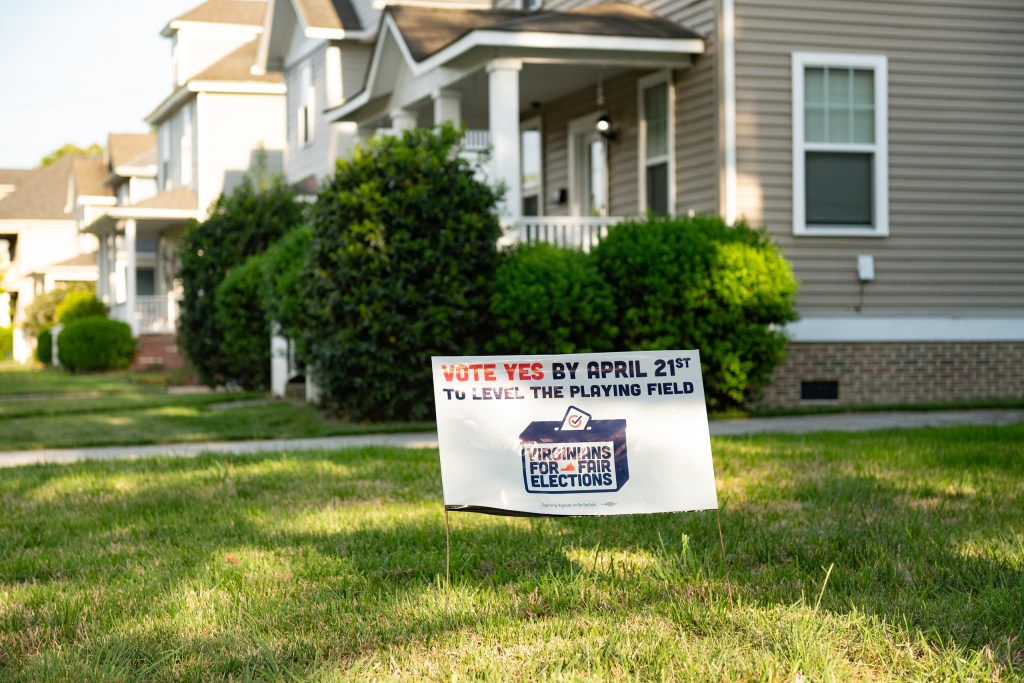
Most Texas Republicans remained supportive of their state’s redraw even as their gains have been wiped out by California and Virginia.
Dallas police revise policy allowing more ICE cooperation after Abbott threatened to cut funding
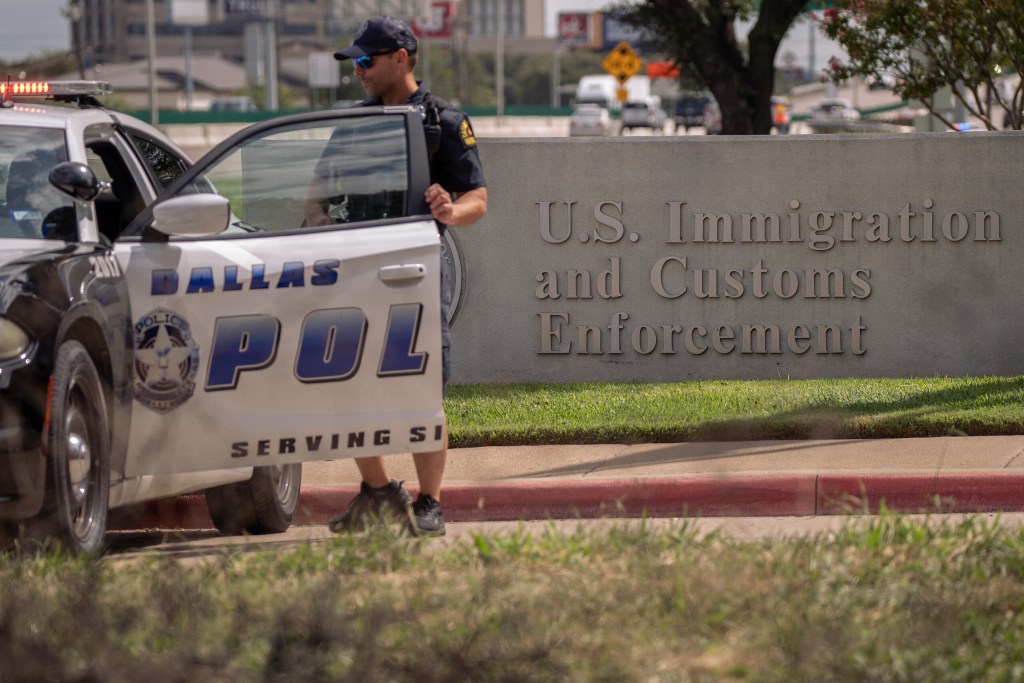
This is the second Texas city to weaken restrictions on police officers’ cooperation with ICE since the governor threatened to pull state funding.
Trump Cabinet member scraps Obama-era gender identity housing rule, cites ‘biological reality’
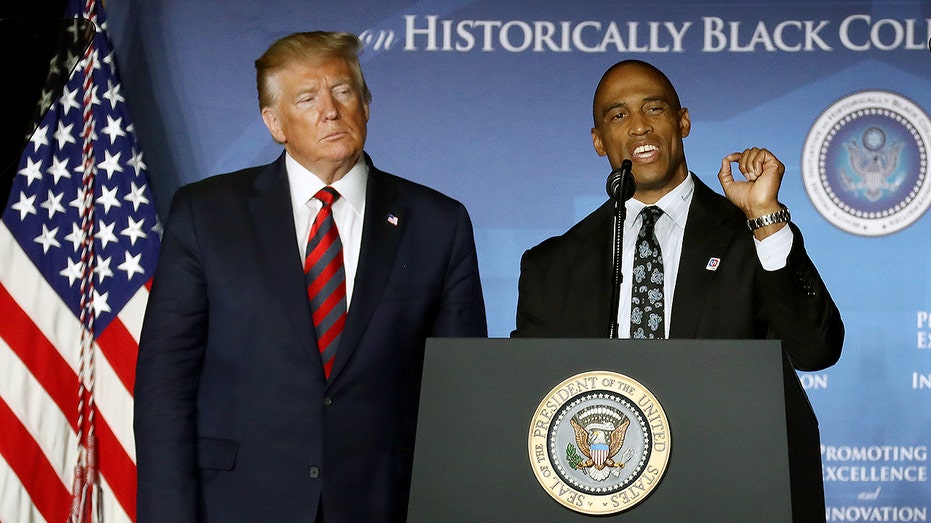
Housing and Urban Development (HUD) Secretary Scott Turner has ordered an immediate halt to enforcement of a key Obama-era housing rule tied to gender identity, directing the agency to operate programs based on biological sex. The directive stops any pending or future enforcement of HUD’s 2016 Equal Access Rule, which expanded gender identity as formally recognized in federally-funded housing programs and shelters. The move marks a significant shift in how shelters and HUD-funded providers operate, particularly those serving women fleeing domestic violence, and implements President Donald Trump’s executive order to restore what the administration calls “biological truth” across the federal government. “I am directing HUD staff to halt any pending or future enforcement actions related to HUD’s 2016 Equal Access Rule, which, in essence, tied housing programs, shelters and other facilities funded by HUD to far-left gender ideology,” Turner said. TRUMP STOPPED BIDEN’S PLAN TO FORCE DEI ON LOCAL COMMUNITIES “We, at this agency, are carrying out the mission laid out by President Trump on Jan. 20 … to restore biological truth to the federal government,” he added. “This means recognizing there are only two sexes: male and female. It means getting government out of the way of what the Lord established from the beginning when he created man in His own image.” The 2016 rule allowed people to self-identify for gender when accessing certain housing services, limiting the ability of shelters to challenge that identification. Critics of the rule argued it restricted the rights of shelters, particularly those serving women impacted by trauma, domestic abuse and violence, by requiring them to admit individuals based on gender identity rather than biological sex. JUDGE FORCES CA HOSPITAL TO KEEP TRANS TREATMENTS FOR MINORS DESPITE TRUMP FUNDING THREAT Turner framed the move as part of a broader overhaul of HUD policy and spending. “Moreover, this is just the first of many examples of how, starting on day one, HUD is going back to work for the American people and being a good steward of taxpayer dollars,” he said. “There will be more where this came from.” The Equal Access Rule was first introduced in 2012, prohibiting discrimination in HUD-funded programs based on sexual orientation, gender identity and marital status. A 2016 update expanded those protections by requiring programs to recognize gender identity as well. Turner’s order does not repeal the rule but halts enforcement tied to the 2016 expansion. “As I have said before, we are going to take inventory of HUD’s programs and ensure every dollar that goes out the door is advancing HUD’s mission, which is to provide quality, affordable homes for communities across the country — urban, rural and tribal — and promote economic investment to build stronger communities and a brighter future for all Americans,” Turner said.
‘Lame duck’: Jeffries rips DeSantis after Florida invitation as redistricting fight heats up
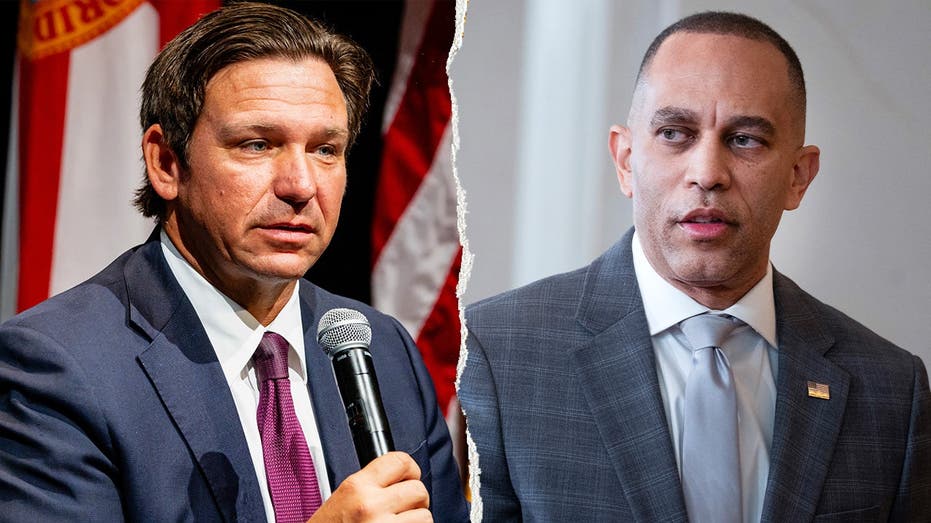
Democratic House Minority Leader Hakeem Jeffries ripped Florida Gov. Ron DeSantis in a Fox News Digital interview Thursday, calling him a “lame duck” after the governor offered to pay for Jeffries’ trip to Florida amid a redistricting push. Jeffries warned DeSantis he could put Republican seats at risk as the Sunshine State remains in the spotlight of a nationwide gerrymandering battle, with parties reshuffling congressional districts for partisan advantages. “Ron DeSantis is putting his own congressional delegation in jeopardy, which probably shouldn’t be surprising because all of them, as I understand it, can’t stand the charismatically challenged lame-duck governor of Florida,” Jeffries said. CALIFORNIA REPUBLICANS SUE TO STOP NEWSOM, DEMOCRATS FROM PUSHING REDISTRICTING PLAN DeSantis extended the invitation to Jeffries at a news conference in Kissimmee, Florida, Wednesday after Jeffries’ “F around and find out” warning on redistricting. “Please. Be my guest. I will pay for you to come down to Florida to campaign,” DeSantis told the crowd. “I’ll put you up in the Florida governor’s mansion. We will take you fishing. “We’ll do all this stuff. There’s nothing that could be better for Republicans in Florida than to see Jeffries, Hakeem Jeffries, everywhere around this state.” Jeffries warned DeSantis earlier this week not to follow the lead of Texas, where Republicans pushed a redistricting map to flip up to five Democratic-held seats. “Our message to Florida Republicans is F around and find out,” Jeffries said. “If they go down the road of a DeSantis dummymander, the Florida Republicans are gonna find themselves in the same situation as Texas Republicans, who are on the run right now. “Under no circumstances are Texas Republicans picking up five seats. They’ll be fortunate if they get two or three. While in California, we are going to get all five.” BATTLE FOR THE HOUSE RUNS THROUGH VIRGINIA AS COURT OKS HIGH-STAKES REDISTRICTING VOTE Multiple states have moved forward with similar redistricting efforts after a push initiated by President Donald Trump. Jeffries added that the redistricting war is not over yet. “The Republicans are dummymandering their way into the minority before a single voter casts a ballot because they started this war, and we’re going to finish it,” he said. With the 2026 midterms approaching, both parties hope to win the House by leveraging gerrymandering. President Trump urged Virginia voters this week to reject the “blatant partisan power grab” in Virginia before voters headed to the polls to vote on the congressional redistricting referendum led by Democratic Gov. Abigail Spanberger. The referendum passed Tuesday night, securing Virginia Democrats a major win and increasing the party’s chances in the midterms. FIRST ELECTION TEST FOR TRUMP’S TERM SURPRISINGLY CLOSE IN FL, GOP LOOKS TO INCREASE RAZOR-THIN HOUSE MAJORITY DeSantis called a special session this week to focus on congressional maps he says will “accurately reflect the population of our state.” Florida’s state constitution bans favoring parties in redistricting. Eight Democratic-held districts are up for redrawing. Republicans hold 20 of Florida’s seats while Democrats hold eight. A redistricting plan has not been revealed. Fox News Digital’s Leo Briceno contributed to this report.
Dems jockeying for Newsom endorsement give passing grades on issue that ignited ‘poop map’ crisis

None of the Democratic candidates running to replace outgoing California Governor Gavin Newsom gave him below a B-minus grade on combating homelessness, a moment that Republicans sharing the debate stage on Wednesday evening called a laughable evaluation of the state’s problem. “My goodness, of course it’s an F,” Republican candidate Steve Hilton, a former Fox News host, said. “It shames our state, the situation with homelessness. We have about 10% of the U.S. population, around 50% of the country’s homeless.” The moment forced the four Democratic candidates to weigh in on efforts to unwind a crisis that has only worsened in recent years despite billions in funding. It also highlighted a reluctance among Democrats to critique Newsom, who has yet to make an endorsement in the race. TRUMP BACKS HILTON AHEAD OF CALIFORNIA GOP VOTE, TESTING BIANCO’S GRIP ON PARTY ENDORSEMENT “I’m a notoriously tough grader, but I would probably give him a B on homelessness,” Katie Porter, a former Democratic congresswoman, said. “I don’t think this has been an easy problem to solve, but I do give him a lot of credit for calling attention to the problem.” Tom Steyer, a billionaire businessman-turned candidate, put Newsom’s performance in the same ballpark. NEWSOM STILL BACKING $114M ‘BRIDGE TO NOWHERE’ FOR MOUNTAIN LIONS AND BUTTERFLIES “So, I’d give the governor a B-minus on this,” Steyer said. But one other Democrat, former U.S. Secretary of Health and Human Services Xavier Becerra, made the case that the grade was too low, citing Newsom’s “effort.” “I would say that the governor has made efforts. We’ve seen him come down to Los Angeles, actually go out and try to clean some of these streets. On effort, I would give him an A,” Becerra said. California reported 161,400 people had experienced homelessness on any given night in 2024, according to the California State Senate Housing Committee. The numbers are higher than when Newsom took office in January 2019. That year, the U.S. Department of Housing and Urban Development put California’s homeless population at 108,400 — 32% less than levels in 2024. The persistently high rates have thwarted billions in funding to bring the numbers down. California has spent roughly $20 billion on homeless initiatives from 2019 to 2025, according to the California Budget and Policy Center, a left-leaning think tank. In a 2023 debate with Newsom on Fox News’ “Hannity,” Florida Gov. Ron DeSantis illustrated the acuteness of the homelessness problem by holding up a map of San Francisco, detailing over 270,000 reported instances of feces found on the streets of the city, which was dubbed the “poop map” on social media. To Republican candidate Chad Bianco, Riverside County’s sheriff, it’s clear the problem has nothing to do with money. “It is an absolute dismal failure, and anyone that says it’s not is fooling themselves — or trying to fool voters,” Bianco said. CALIFORNIA SHERIFF USES ‘TO CATCH A PREDATOR’ PLAYBOOK TO SQUASH BLUE STATE CRIME “We are not dealing with homeless, so stop calling it homeless. It has nothing to do with homes. These people are suffering from drug and alcohol abuse and mental illness.” California will hold its gubernatorial primary June 2. The top two candidates will advance to the general election Nov. 3, according to the California Secretary of State.
Conservative nonprofit investigates Virginia redistricting vote after court blocks certification
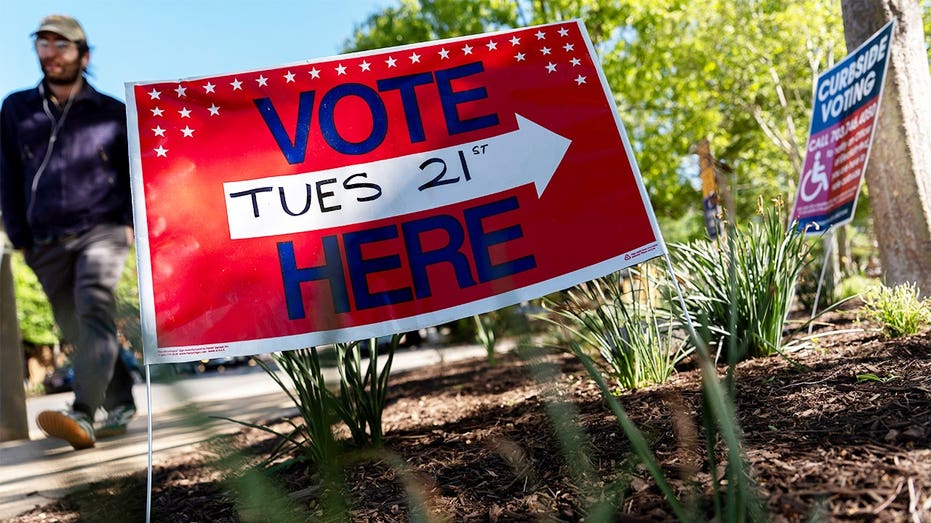
FIRST ON FOX: A conservative policy group is launching an investigation into Virginia’s redistricting amendment vote after a court blocked certification of the results, raising new questions from critics about how the referendum was conducted and whether election procedures were properly followed. The America First Policy Institute (AFPI) is initiating a multipart probe focused on mail-in ballot handling and alleged classroom political influence, Fox News Digital has learned. The move comes as the legal fight over the amendment intensifies, with multiple lawsuits pending and the Virginia Supreme Court set to hear oral arguments Monday. VOTER ROLL SCRUTINY ESCALATES IN MINNESOTA AS BIGGEST COUNTIES FACE SWEEPING RECORDS DEMANDS AFPI’s legal team said the first phase of its investigation will involve records requests to several Virginia counties seeking communications and documentation related to how mail-in and absentee ballots were handled during the election. The requests target how applications were processed, how ballots were distributed and accepted, how they were stored and what guidance election officials were operating under. The group argues those materials are public records required under Virginia law and should clarify whether proper procedures were followed. “The questions we’re asking aren’t complicated,” said Leigh Ann O’Neill, AFPI’s chief legal affairs officer. “Was the election conducted according to state and federal law? Did teachers improperly turn students into a private grassroots army? “And, if so, what will the school district do about it? These are basic questions that demand answers no matter how you voted on Tuesday.” A second component of the investigation focuses on Fairfax County Public Schools, where AFPI is seeking records related to civics class materials and instruction. CARVILLE AND CO-HOST LAMENT THAT TRUMP SPARKED A REDISTRICTING WAR, MAKING BOTH PARTIES LOOK CYNICAL According to the group, some parents have alleged that teachers commented on parents’ political beliefs and encouraged students to persuade their parents how to vote on the referendum. AFPI argues that, if confirmed, such conduct could violate state law, federal law and school district policy governing political activity in publicly funded classrooms. The group said it is also sending a letter to the Fairfax County superintendent urging an internal investigation into what it described as “highly concerning reports of partisan voter influence.” The investigation lands amid a growing legal fight over the amendment. A Virginia court has already moved to block certification of the vote, and the dispute is now moving toward the state’s highest court. VIRGINIA JUDGE VOIDS REDISTRICTING PUSH, RULES LAWMAKERS OVERSTEPPED AUTHORITY There are three legal challenges pending in Virginia courts, including an original lawsuit brought by state Republicans, which the Virginia Supreme Court is scheduled to hear Monday. There is also a separate case filed in Richmond by GOP Reps. John McGuire and Rob Wittman and a challenge in Tazewell County, where Circuit Court Judge Jack Hurley ruled the referendum unconstitutional. An appeal from Virginia Democrat Attorney General Jay Jones is expected. A ruling in the primary case could come within weeks, with courts under pressure to act before Virginia’s August primary and late July deadlines for voter registration and mail-in ballots. AFPI said its investigation is intended to ensure transparency as the legal process unfolds, arguing that if election procedures were properly followed, the records will confirm it, and, if not, Virginia voters deserve answers. The Virginia Supreme Court hearing will be livestreamed, allowing the public to follow arguments as the case moves forward. AFPI said its probe will continue in phases, with additional findings and requests expected in the coming weeks. The Virginia Department of Elections and Fairfax County Public Schools did not immediately respond to Fox News Digital’s request for comment. Fox News’ Bill Mears and Mark Meredith contributed to this reporting.