

Alabama Gov Kay Ivey hospitalized following minor procedure, says she is determined to make speedy recovery
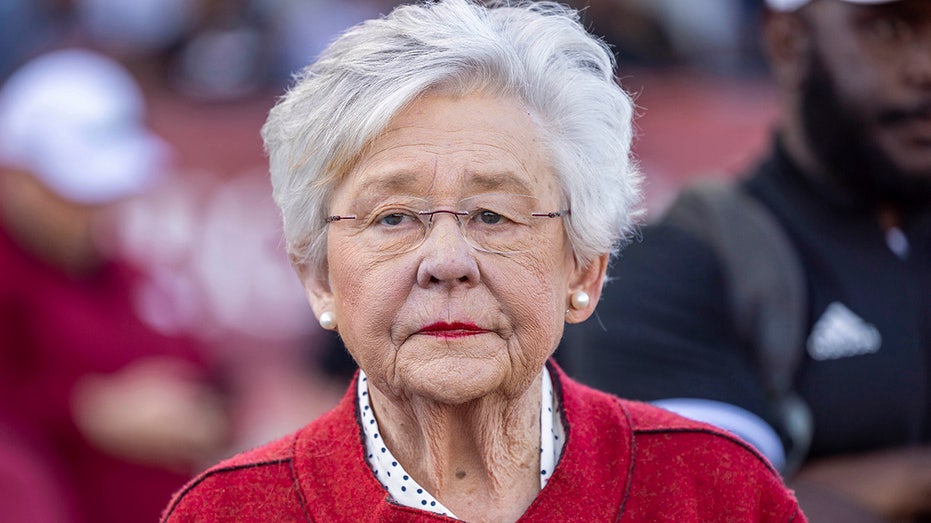
Alabama Gov. Kay Ivey, a Republican, was hospitalized on Tuesday after undergoing a minor procedure to remove fluid that was pressing against her lung, according to her office. Ivey, 81, will be monitored at Baptist Medical Center South in Montgomery in the coming days out of an abundance of caution, a spokesperson for the governor said in a statement. The fluid was discovered on Tuesday when the governor went to her doctor because she was feeling discomfort in her left side and recently experienced some shortness of breath. “For the last three weeks, Governor Kay Ivey has experienced some discomfort in her left side,” the statement said. “After monitoring the pain and recently feeling slightly short-of-breath, she made the decision to be seen again by her primary care physician earlier today.” MCCONNELL RELEASED FROM HOSPITAL AFTER HEALTH SCARE, TO WORK FROM HOME AS KEY DHS VOTE LOOMS While Ivey’s medical issue wasn’t urgent, she wanted it taken care of quickly so she could recover before the legislative session ends. “While it was not emergent, Governor Ivey wanted to get the procedure done as soon as possible so she can quickly get back to 100% to wrap up the 2026 Regular Session,” the statement said. Ivey’s office did not specify how long she would be in the hospital. “We are in touch with Governor Ivey, and she says she is determined to make a very speedy and full recovery,” her spokesperson said. WH CHIEF OF STAFF SUSIE WILES DIAGNOSED WITH EARLY STAGE BREAST CANCER, PROGNOSIS ‘EXCELLENT,’ TRUMP SAYS Officials in Alabama and other states offered support for Ivey as she recovers from the procedure. Alabama Attorney General Steve Marshall, a Republican, said he was thankful Ivey was “receiving excellent care from some of the finest medical professionals. She is in good hands, and I join so many Alabamians in praying for her swift and full recovery.” Georgia GOP Gov. Brian Kemp said he and his family were praying for Ivey and wished her a speedy recovery. “She has always been a fighter and we know she’ll fight through this too,” Kemp wrote. The Alabama governor announced in 2019 that she was undergoing radiation for lung cancer, describing it as a small localized spot. Her office said the following year that scans indicated the treatment was successful, and she was free of disease. Ivey is term-limited and cannot run for re-election this year. The Associated Press contributed to this report.
Census 2027 Phase I begins today: Know self-enumeration process, state-wise dates
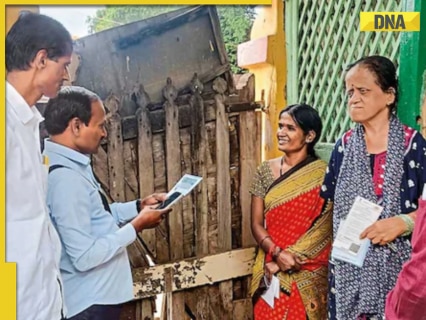
According to an official release, the Census 2027 will be conducted through digital means. Enumerators will collect and submit data directly through the Mobile App, using a smartphone. Check the process here.
LPG Cylinder price hike amid US-Iran war: 19 kg commercial cylinder now at Rs 2078.50 in Delhi, Check state-wise revised price

While the price hike for 19-kg commercial cylinders ranges from Rs 195 to Rs 218, the domestic LPG prices remain unchanged, with a 14.2 kg cylinder costing Rs 913 in Delhi. Check state-wise LPG cylinder prices here.
TribCast: Assessing the rollout of Texas school vouchers
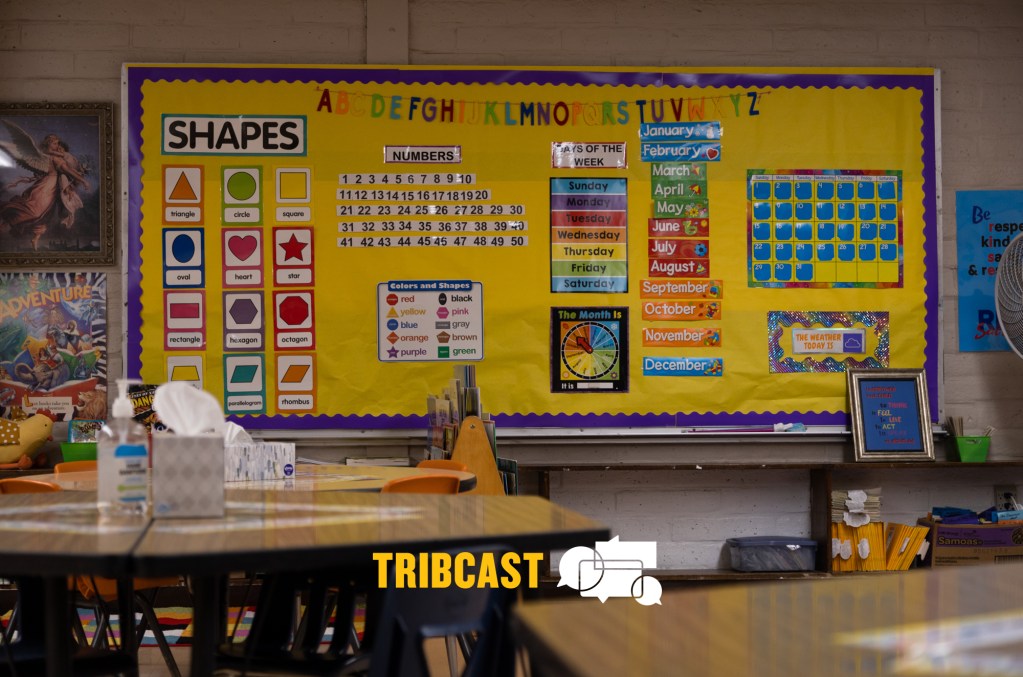
In this week’s episode, hosts Matthew and Eleanor talk with Tribune K-12 education reporter Jaden Edison about who in Texas applied for school vouchers and why Muslim schools were shut out of the program.
Photos: The last day Texas stores can sell smokeable hemp cannabis
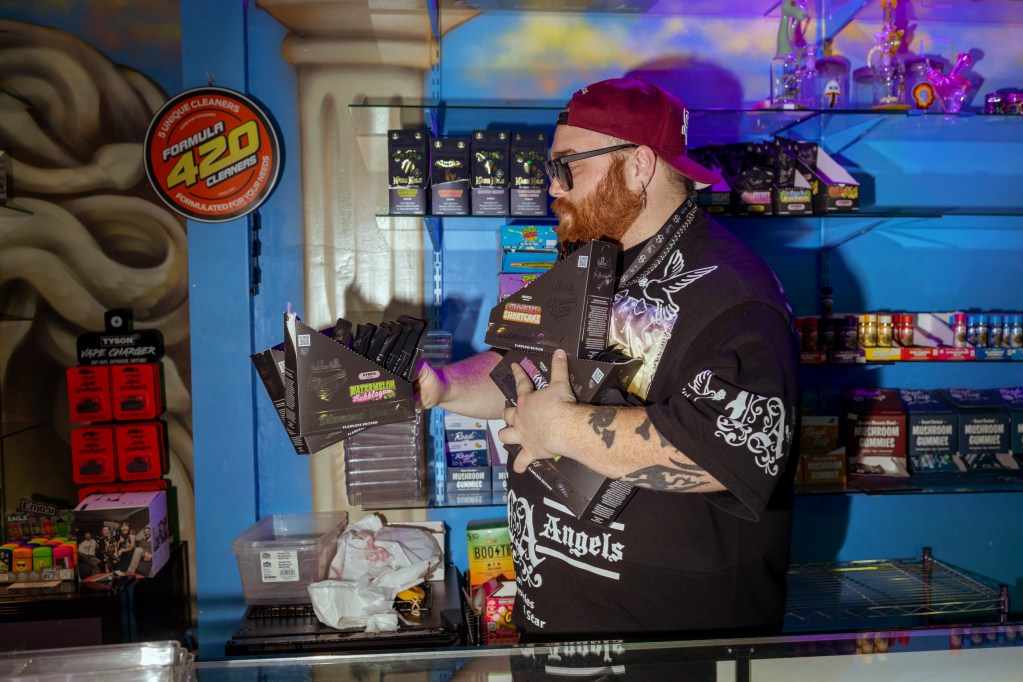
New state rules that went into effect March 31 further restricts the amount of THC that can be found in hemp-derived products, effectively banning smokeables.
Texas judge rejects push to let churches make political endorsements
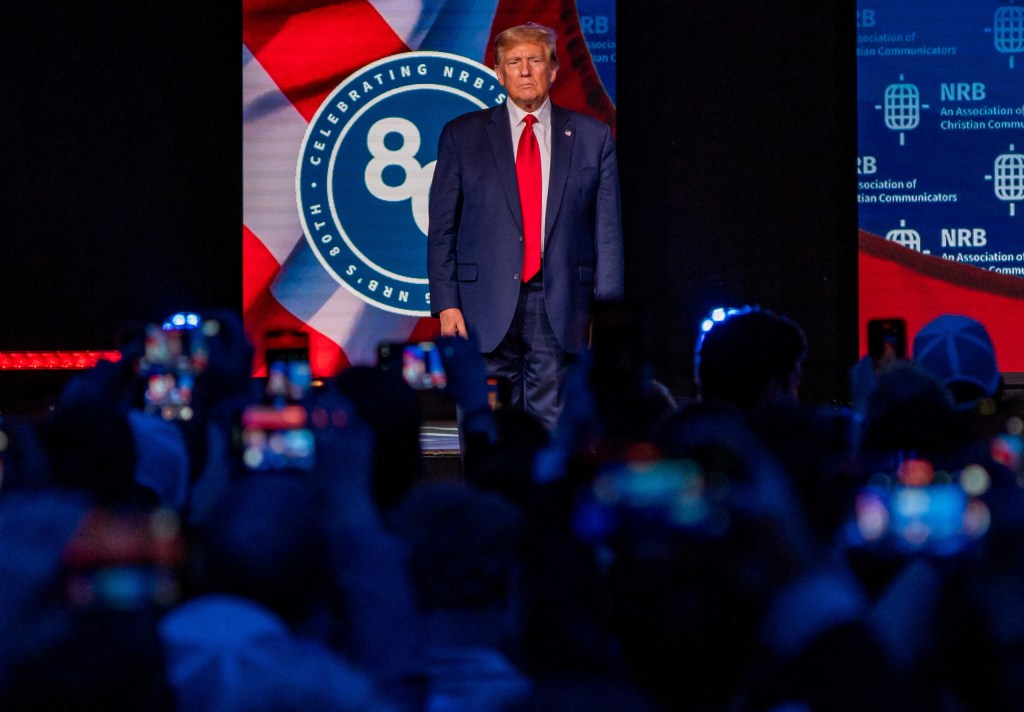
A group of Texas churches and the IRS agreed to nix the Johnson Amendment, which prohibits nonprofits from endorsing candidates. A Trump-appointed judge said no.
Texas will launch its own clinical trials into ibogaine psychedelic after failing to find a drug company to help
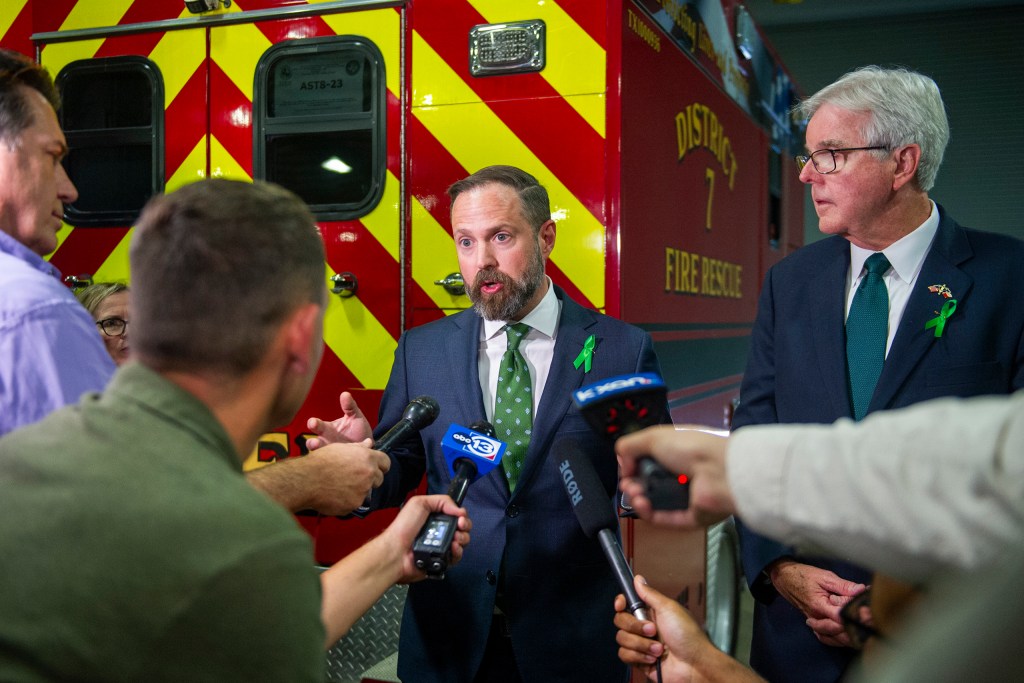
The Legislature last year approved $50 million to research the psychedelic and find a company to develop it into a drug for FDA approval.
Trump issues order to impose new rules on mailing of ballots
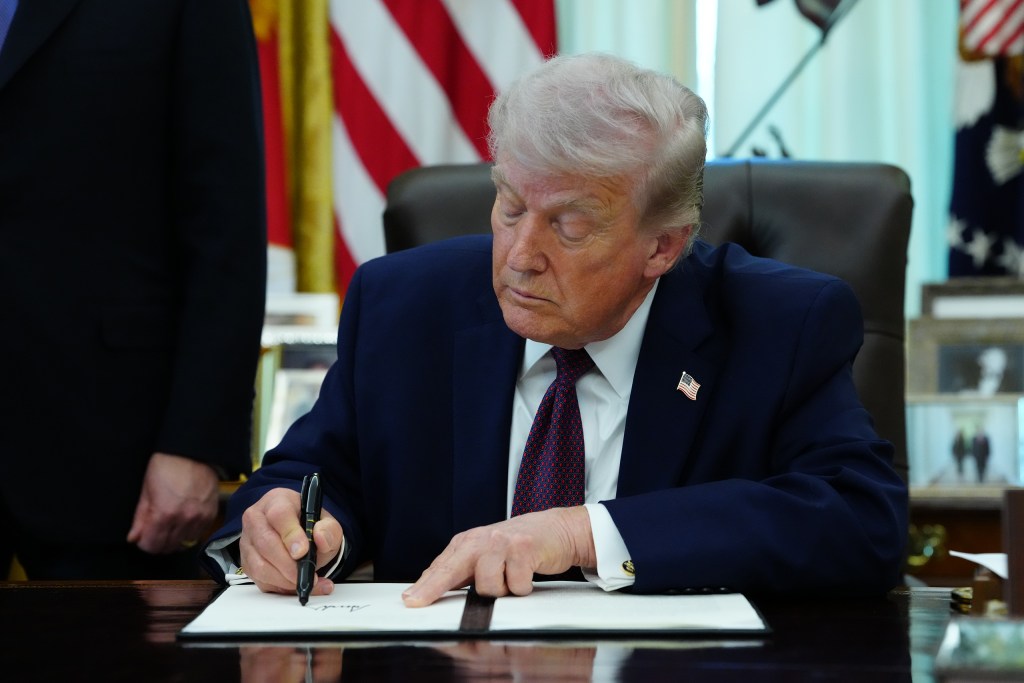
Much of Trump’s first executive order on elections has been blocked in court. Legal challenges are likely for this one, too.
Trump signs executive order overhauling mail-in voting in major election integrity push
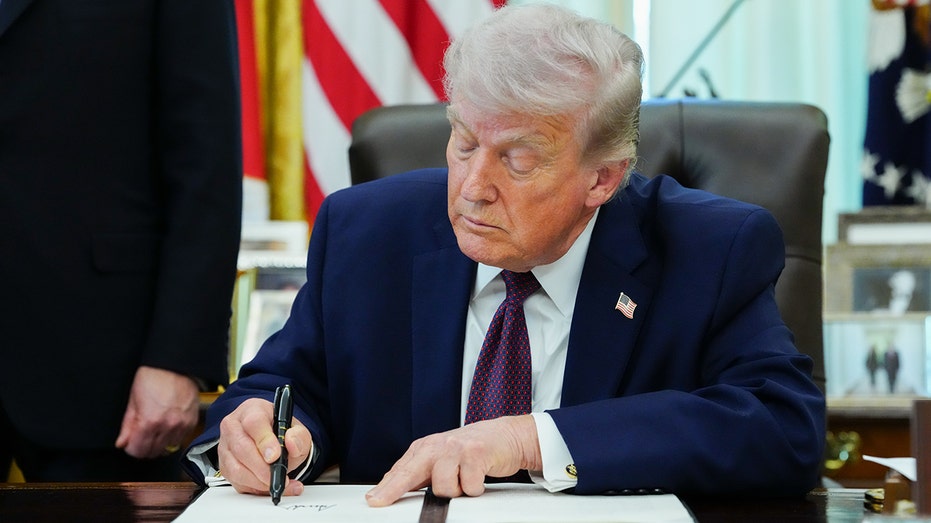
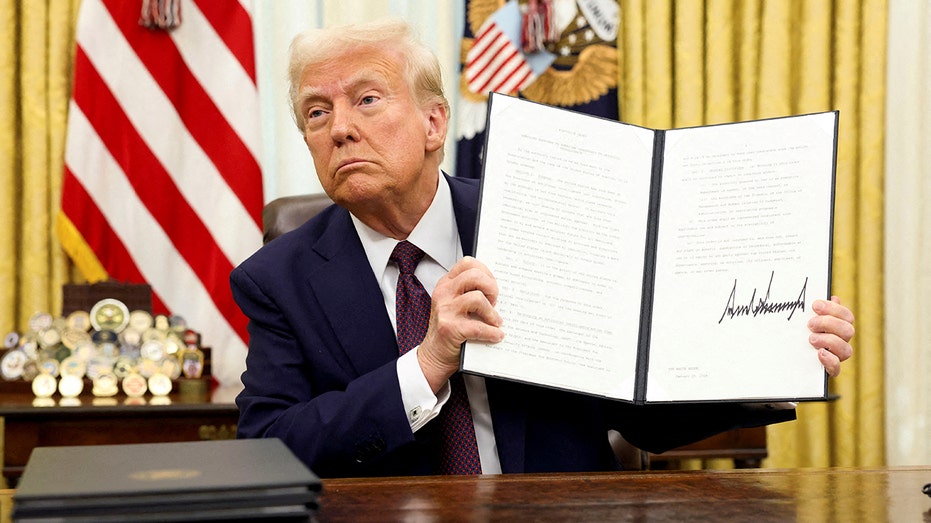
President Donald Trump on Tuesday signed a sweeping executive order targeting mail-in voting and voter eligibility, calling the move a major step toward restoring confidence in U.S. elections. Speaking from the Oval Office, Trump said the order is focused on “voter integrity and Mail-In ballots” and on “stopping the massive cheating that’s gone on.” “We’re going to be signing an executive order,” Trump said. “It’s, I believe it’s foolproof… I think it’s very obvious what’s said.” The order directs federal agencies to work with states to compile lists of eligible voters using federal citizenship and identity data, while also instructing the U.S. Postal Service to develop new safeguards for mail-in ballots, including barcode tracking and verification measures. TRUMP REVEALS TOP ISSUES GOP SHOULD FOCUS ON TO SECURE MIDTERMS VICTORY: ‘I’VE NEVER BEEN MORE CONFIDENT’ Under the order, the Department of Homeland Security (DHS) working with the Social Security Administration and other federal databases, will create and share “State Citizenship Lists” with state election officials. The lists are intended to identify individuals confirmed to be U.S. citizens who will be at least 18 years old by the time of a federal election and who reside in that state. Those lists are to be updated and transmitted to states ahead of federal elections, according to the order. The order also directs the attorney general to prioritize investigations and potential prosecutions involving officials or others who issue ballots to individuals not eligible to vote in federal elections, as well as those involved in the “printing, production, shipment, or distribution of ballots” to ineligible voters. SCOTUS CONSERVATIVES SIGNAL READINESS TO CURB LATE-ARRIVING MAIL BALLOTS On mail ballots, the executive order calls on the postmaster general to initiate a rule-making process within 60 days. Proposed changes include requiring ballots to be clearly marked as official election mail, including a unique Intelligent Mail barcode or similar tracking technology, and undergoing Postal Service design review. The order also outlines a system under which states would notify USPS if they plan to use mail-in or absentee ballots and provide lists of eligible voters, allowing the Postal Service to maintain participation records tied to ballot distribution. Trump framed the changes as a direct response to what he described as longstanding vulnerabilities in voting by mail. NOEM BACKS SAVE AMERICA ACT, SLAMS ‘RADICAL LEFT’ OPPOSITION TO VOTER IDS AND PROOF OF CITIZENSHIP “The cheating on mail-in voting is legendary,” he said. “It’s horrible what’s going on.” Commerce Secretary Howard Lutnick said the administration is pushing for a system that ties each ballot to a trackable envelope. “If you voted by mail, you will have it on the envelope,” Lutnick said. “There’ll be a million envelopes… and you’ll be able to know exactly correctly, that citizens voted.” Trump said additional election-related measures, including voter ID and proof of citizenship requirements, are also under consideration. “We’d like to have voter ID, we’d like to have proof of citizenship… we’re working on that,” he said. He also argued that opposition to such measures is politically motivated. “The only people that don’t want to do voter ID are people that cheat,” Trump said. Trump acknowledged the order could face legal challenges but said he believes it will withstand them. “I don’t know how it can be challenged,” Trump said after signing the order. “You may find a rogue judge… but that’s the only way that could be changed.” The executive order states that voting in federal elections is reserved “exclusively for citizens of the United States” and argues that additional safeguards are necessary to “maintain public confidence in election outcomes.” It also says that ballot identifiers such as barcodes can help ensure that only eligible voters receive and cast ballots. Within minutes of Trump signing the order, top elections officials in Oregon and Arizona pledged to sue, arguing the president was illegally encroaching on states’ authority to run elections, according to The Associated Press. Arizona Secretary of State Adrian Fontes said the state’s vote-by-mail system, originally designed by Republicans, is now used by about 80% of voters. Arizona does not need the federal government to determine voter eligibility, and federal data is not always reliable, Fontes said. Trump cast the issue in much broader terms. “If you don’t have honest voting,” he said, “you can’t have really a nation.”
Trump says he will attend Supreme Court oral arguments on birthright citizenship challenge
President Donald Trump said Tuesday he plans to attend Wednesday’s case before the U.S. Supreme Court about who is entitled to birthright citizenship. The justices will hear arguments in Trump v. Barbara, which is challenging his 2025 executive order ending the birthright citizenship practice. Trump issued the order upon taking office, saying birthright citizenship, a product of the 14th Amendment that has been widely interpreted to guarantee citizenship to anyone born in the U.S., has been widely abused by foreigners, specifically illegal immigrants. NEARLY ALL REPUBLICAN AGS ADD FIREPOWER TO TRUMP’S BIRTHRIGHT CITIZENSHIP PUSH The case has come before the high court after multiple judges blocked the order from taking effect. The Trump administration has argued the 14th Amendment was originally intended to grant citizenship to former slaves, not to children of illegal immigrants or temporary visitors. “This is not about Chinese billionaires or billionaires from other countries who, all of a sudden, have 75 children or 59 children in one case or 10 children becoming American citizens,” Trump told Fox News senior White House correspondent Peter Doocy in the Oval Office on Tuesday. “This was about slaves. And if you take a look, slaves. We’re talking about slaves from the Civil War.” HOW THE SUPREME COURT’S INJUNCTION RULING ADVANCES TRUMP’S BIRTHRIGHT CITIZENSHIP FIGHT The 14th Amendment was ratified in 1898 after the Supreme Court held that children born on U.S. soil are automatically granted citizenship with very few exceptions, such as children of diplomats. Trump noted that people and companies, many from China, have profited off the birth tourism industry by bringing people into the U.S. with the intent of giving birth so their children could be granted American citizenship and, therefore,reap its benefits. “People are making a living, a big living, getting hundreds of thousands and even millions of dollars from bringing people in and saying, ‘Congratulations, your whole family is going to be a citizen of the United States of America,’” he said. “That’s not what it was for. It wasn’t for billionaires bringing people in or family, and it was for the children of slaves.” Critics warn that if birthright citizenship ended, it could create a new class of people born in the U.S. who are not recognized as citizens, while supporters say it would be an incentive for illegal immigration and exploitation. “It is the craziest thing I’ve ever seen,” said Trump. “It’s been so badly handled by legal people over the years. If you look at the original birthright citizenship papers, they all happened right after the Civil War. The reason was it had to do with the babies of slaves. … Our country is being scammed. We’re getting all of these people.”