

Is a threat looming over Akhilesh Yadav’s PDA vote bank? Owaisi’s announcement and Ajay Rai’s meeting with Azam Khan

Samajwadi Party national president Akhilesh Yadav is nurturing the dream of capturing power in the 2027 Uttar Pradesh Assembly elections on the strength of the PDA (Pichhde, Dalit, Alpsankhyak) formula. This strategy has been his main weapon in previous elections as well.
Forced to sell medications at a loss, rural Texas pharmacies seek new survival tactics
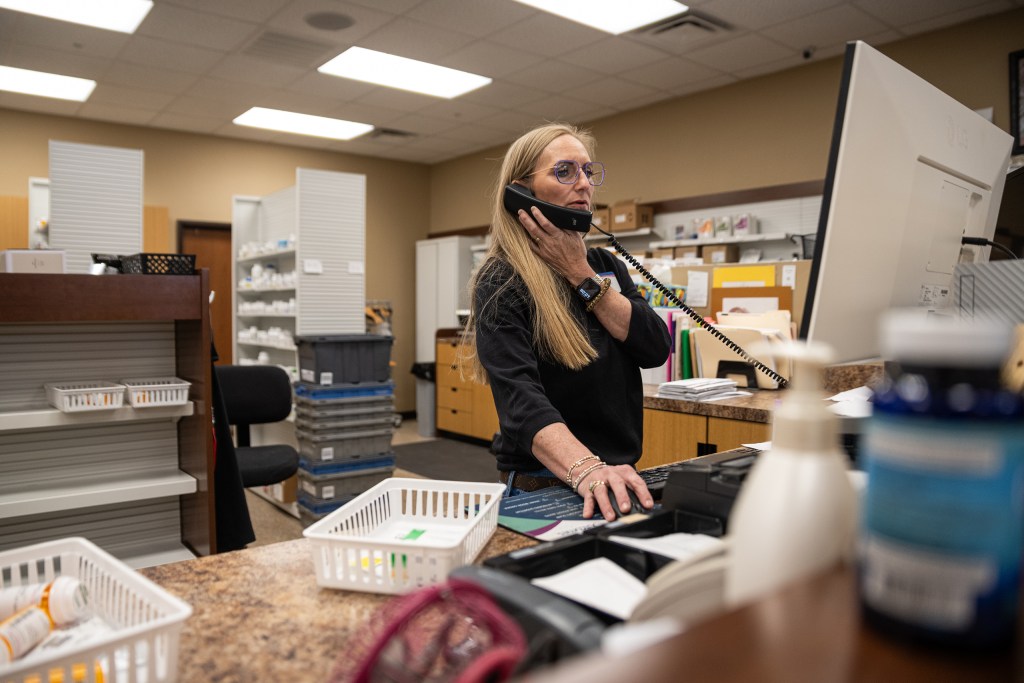
Independent rural pharmacists are starting other businesses or selling baby shower gifts to keep their stores operating. Pharmacy deserts affect 4 million Texans.
Texas suburbs lead U.S. for population growth as international migration slows, census finds

Waller County, near Houston, was the second fastest growing county in the U.S. Another three Texas counties were among the 10 fastest growing in U.S.
Measles spike in federal detention facility reaches the Texas public, records show

Most of the state’s measles cases reported so far this year are inside the West Texas Detention Facility in Hudspeth County, where four infected El Paso residents worked.
Legislators, business leaders highlight Texas policies driving competition with Wall Street
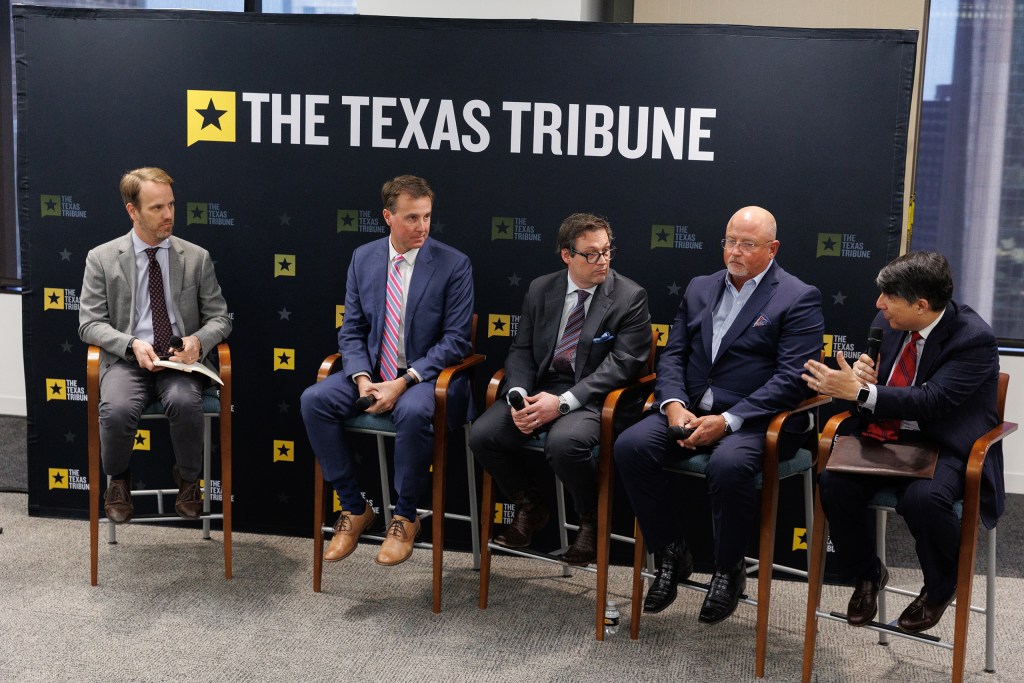
The panelists at the Dallas event hosted by The Texas Tribune said “Y’all Street” is poised to become the nation’s financial capital.
WATCH: Dems go silent, pull Women’s Month resolution after GOP asks for simple definition
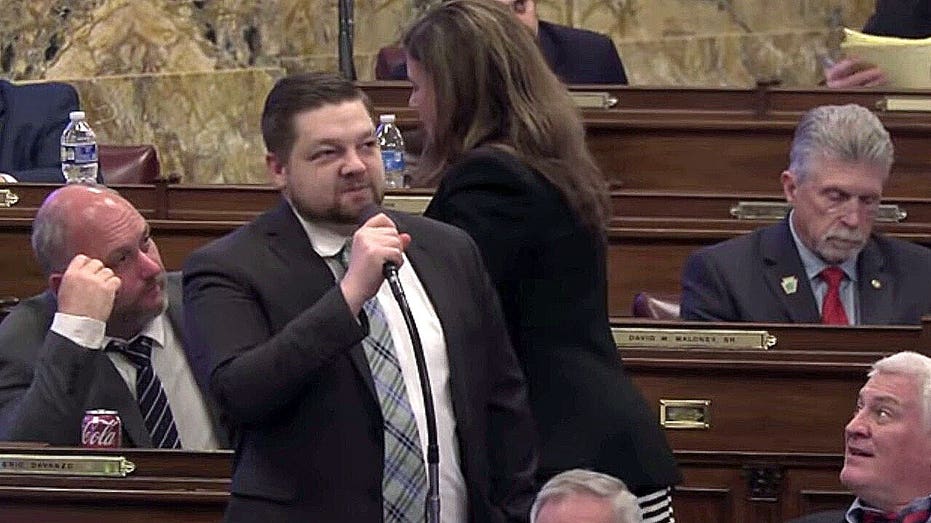
Pennsylvania House Democrats withdrew consideration of a resolution honoring March as “National Women’s Month” after a Republican lawmaker filed an amendment to include the physiological definition of “woman” in the text. What was expected to be a quick, symbolic vote instead turned into a brief but telling floor moment, with Republicans forcing the question into the open and Democrats opting to shelve the resolution rather than define “woman” in legislation — leading to an eruption of laughter on the House floor. House Speaker Joanna McClinton, D-Southwest Philadelphia, was bringing a rapid-fire succession of bills up for consideration late in Tuesday’s session when she asked the clerk to introduce House Resolution 390. The bill, from state Rep. Carol Hill-Evans, D-York, recognized March as Women’s History Month in Pennsylvania. Hill-Evans wrote in her presentation of the bill that it “celebrat[es] the extraordinary accomplishments of women,” which “too often go unacknowledged.” ALITO PRESSES TRANS FEMALE ATHLETE’S LAWYER ON DEFINITION OF WOMAN DURING SCOTUS HEARING “Will the House agree to the resolution?” McClinton asked the 102-100 Democrat-majority chamber. The clerk indicated that state Rep. Aaron Bernstine, R-Ellwood City, had an amendment to offer, and McClinton recognized him to introduce it. “Thank you, Madam Speaker. Madam Speaker, this amendment is very straightforward and clear,” Bernstine announced. “It defines what a woman actually is — because we do know what that is. Thank you,” he said. Audio in the House chamber briefly paused as movement could be seen on the leadership’s dais. “The resolution is temporarily over,” McClinton announced after several seconds, sparking loud laughter from the chamber. McClinton soon turned to the clerk to read the next piece of legislation, “The Fairness Act” from DNC Vice Chair Malcolm Kenyatta, a state representative from North Philadelphia, and moved on with the day’s schedule. NANCY MACE RIPS TRANS ATHLETE’S ATTORNEY FOR REFUSING TO DEFINE SEX AT SCOTUS WOMEN’S SPORTS HEARING The exchange echoed a viral moment from Justice Ketanji Brown Jackson’s confirmation hearing, when Sen. Marsha Blackburn pressed her to define “what is a woman,” a question that became a flashpoint in broader debates over gender and policy. In an interview Wednesday, Bernstine defended his amendment as a common sense measure, saying that defining a woman as having X-X chromosomes shouldn’t be controversial. “Then what happened was the speaker withdrew the resolution… because we would have had people vote on defining what a woman actually is,” he said. 4 HOUSE DEMS VOTE AGAINST WOMEN’S HISTORY MUSEUM BILL OVER BIOLOGICAL WOMEN-ONLY AMENDMENT, REPUBLICAN CLAIMS “So they pulled it because they were scared to define what a woman actually is.” As the resolution was formally considered “temporarily over,” it can still be resurrected. “We’ll see if Democrats can actually step up and define what a woman is. They’re going to consistently put females in a spot that they have throughout recent times.” Jason Gottesman, spokesman for the House Republican Caucus, further told Fox News Digital that “if Democrats want to celebrate what they refuse to define, it is clear they do not take this issue seriously.” Fox News Digital reached out to McClinton and her office for comment but did not receive a response.
Trump lashes out at ‘sick’ Iranian leaders, confirms estimated timeline for ending war
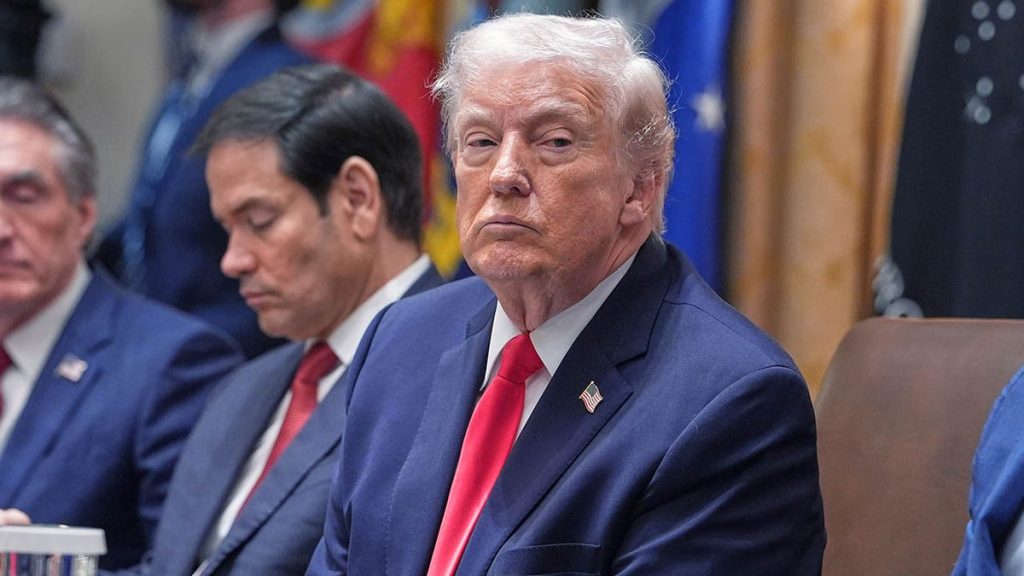
President Donald Trump acknowledged peacemaking with Iran is made difficult because their “sinister, sick” replacement leaders are hiding. “One of the problems they do have when they deal with us is we deal with people and the people aren’t able to communicate with anybody else, because all of their leadership has been gone,” Trump said at the start of his second Cabinet meeting of 2026 on Thursday. “The first level is gone. And they met to pick a new level, and they’re gone. They’re all gone because they didn’t make a deal. “And because they’re sick people, they’re really sick. They’re they’re really sinister, sick people.” NEW IRANIAN SUPREME LEADER ‘LIKELY DISFIGURED,’ HEGSETH SAYS Regardless of the struggle to find a diplomatic off-ramp, Trump is pleased with the progress on the “military operation” against Iran, saying the conflict may end after four to six weeks of fighting. “We estimated it would take approximately four to six weeks to achieve our mission, and we’re way ahead of schedule,” Trump said. “If you look at what we’ve done in terms of the destruction of that country, I mean, we’re way ahead.” While the chokepoint of the Strait of Hormuz remains an issue — despite the removal of the Iranian military commander that had ordered it closed to the U.S. and its allies — Trump lamented the NATO allies are only now vowing to stand with the U.S. WHITE HOUSE WARNS IRAN AGAINST BALKING AT DEAL: TRUMP READY TO ‘UNLEASH HELL’ “I said 25 years ago that NATO’s a paper tiger, but more importantly, that we’ll come to their rescue, but they will never come to ours,” Trump said. “And I want you to remember that we said this.: They didn’t come to our rescue. “Now they all want to help when the other side is annihilated. They said, ‘We’d love to send ships.’ They actually made a statement, a couple of them, that ‘we want to get involved when the war is over.’ “You know, it’s supposed to get involved with the war’s beginning or even before it begins.” TRUMP ORDERS WAR DEPT TO POSTPONE STRIKES ON IRANIAN ENERGY SITES, CITING ‘PRODUCTIVE’ TALKS TO END WAR Ultimately, Trump warned, NATO failed a “test,” something that might loom down the road when peace negotiations in Ukraine and potential aspirations for Greenland resurface after Iran is off the top of Trump’s foreign policy agenda. “Nobody’s a match for the United States,” Trump said, noting Iran’s heavy losses showing “they’re not a match for the United States. It’s small potatoes. “That’s why I’m so disappointed in NATO, because this was a test for NATO. This was a test. You can help us. You don’t have to, but if you don’t do that, we’re going to remember.” “Just remember, remember this in a number of months from now,” he continued. “Remember my statements. They have an expression, a great expression: Never forget. It can never forget.”
Reporter’s Notebook: GOP’s ‘favorite bill’ faces reality check as Senate stalls on SAVE America Act
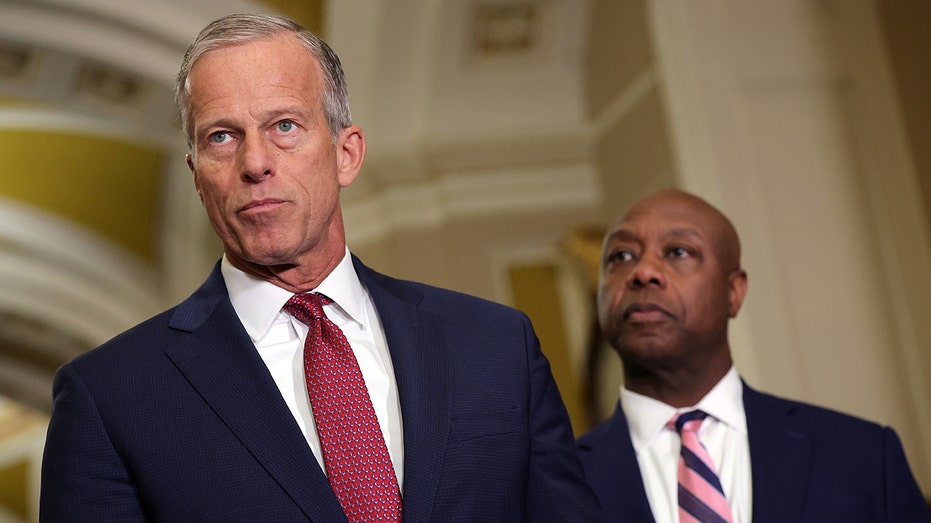
Parents won’t admit that they have a favorite child. But they do. The same is true with lawmakers. They won’t admit they have a favorite bill. But they do. That’s why the SAVE America Act is the favorite bill of Senate Republicans. Until it isn’t. TRUMP DEMANDS SAVE AMERICA ACT BE TIED TO DHS FUNDING AMID AIRPORT CHAOS At some point, lawmakers will forge a deal to fund the Department of Homeland Security (DHS). It could be today. Tomorrow. A week. A month. But it will happen. And until then, the Senate likely squats on the SAVE America Act, which requires proof of citizenship to vote. The Senate is stalled here, partly because it lacks anything else to do. But mostly because the SAVE America Act is the “favorite child” of Republican senators — for now. It’s good optics for the Senate to look like it’s working on the hallmark of President Donald Trump’s legislative agenda — even if it has no viable path to passage. And when the Senate eventually secures that DHS agreement, it will likely ditch its favorite child. The DHS bill will quickly matriculate in status to Republican senators. It’s not that GOP senators loved the SAVE America Act less. But that they loved funding DHS more. So why wouldn’t the Senate quickly revert to the SAVE America Act as soon as it passes DHS funding? Well, that’s because senators will acquire another favorite child: congressional recess. That’s right. If there’s a DHS deal, lawmakers will abandon Washington for about two weeks to observe Easter and Passover. Senators will wrestle with the SAVE America Act again down the road. But the measure is likely relegated to the island of misfit toys for legislation. Something called “budget reconciliation.” More on that in a moment. Yes. Republicans relish talking about the importance of voter ID and securing elections so persons illegally in the country can’t cast ballots. But if enough Republicans really liked the SAVE America Act, they’d have the votes to pass the measure. The Senate has incinerated more than a week of debate on the SAVE America Act. Republicans have little to show for their efforts. That is, unless you include the Senate blocking a proposed amendment to bar men from competing in women’s sports. That test vote secured a paltry 49 yeas Saturday afternoon. Everyone has known where the vote count stands on this for weeks now. “I’m telling you, the SAVE (America) Act is not going to pass,” said Senate Minority Whip Dick Durbin, D-Ill. “They have to change the rules of the Senate for that to happen.” THUNE ACCUSES CRITICS OF ‘CREATING FALSE EXPECTATIONS’ AMID BACKLASH OVER STALLED SAVE AMERICA ACT And, for the record, the Senate lacks the votes to alter the rules, too. It’s not that Republicans didn’t embrace the SAVE America Act. It’s just that lines at the airports and the risk of terrorism worry them. The SAVE America Act has emerged as a messaging exercise for Senate Republicans. They can get Democrats on the record about opposing bans on men in women’s sports and voter ID. The National Republican Senatorial Committee (NRSC) — the panel charged with electing GOPers to the Senate — is more than happy to document Democrats via a roll call vote how they feel about those subjects. However, the GOP simply lacks the votes to pass the bill. Moreover, there is finally an opportunity to end the protracted government shutdown. There are only so many exits on the legislative interstate. You have to be able to read a map. Republicans don’t want to miss this exit. The limited interstate exits also apply to opportunities for congressional recesses. Republicans are about to punt more than Ray Guy. “We have had this battle now for two weeks,” said Sen. Steve Daines, R-Mont., on Fox. “This is going to continue after we get back. After the Easter break.” Some advocates of the bill promise they won’t retreat. “We’re busting our butt to do what the public wants us to do. We’ve got to secure our elections,” said Sen. Rick Scott, R-Fla. “Then why haven’t we seen a 25-hour speech, [Sen.] Cory Booker [D-N.J.] style, by somebody to keep the Senate in session around the clock?” asked yours truly. HOUSE CONSERVATIVES ERUPT OVER SENATE GOP, WHITE HOUSE DEAL AMID SAVE ACT FIGHT “I think we ought to do everything we can,” replied Scott. Some Republicans say their side raised expectations too high. “I think anytime you promise something you can’t possibly deliver, you’ve got to be held accountable,” said Sen. Thom Tillis, R-N.C. “It’s disingenuous to go out to the people and say ‘I’m fighting for you’ when you haven’t even entered the ring.” So Republicans will try to shoehorn every possible component of the SAVE America Act into a “budget reconciliation” bill later this year. “Try” is the key word. Budget reconciliation is a special process, inoculated from a filibuster and only needs a simple majority to pass. Sounds great, right? But budget reconciliation is an elite Senate process for only money and tax matters. Not policy, like voter ID. And voter ID could be a target of the Senate’s umpire — Parliamentarian Elizabeth MacDonough — if GOPers try to stuff it in that bill. “Budget reconciliation, as I’ve said before, you have to have a reason to do it,” said Senate Majority Leader John Thune, R-S.D. “Obviously, the parliamentarian has a role to play in that process. And in the past, we have respected it. And I would expect we would do that.” If they’re being honest, few Republicans think budget reconciliation is feasible to salvage parts of the SAVE America Act. “I don’t think under reconciliation we’re going to be able to pass voter ID,” said Senate Budget Committee Chairman Lindsey Graham, R-S.C. “The SAVE America act is not reconcilable,” said House Freedom Caucus Chairman Andy Harris, R-Md. “It will never fly past the parliamentarian because it really is predominantly a policy issue.” “This is
24 states back challenge to transgender inmate surgery ruling with nationwide stakes

FIRST ON FOX: Idaho and Indiana filed an amicus brief challenging a federal ruling requiring Alaska to provide sex reassignment surgery for prison inmates in a case that could reshape policy nationwide. Alaska is appealing the decision to the Ninth Circuit, seeking to overturn a ruling that found denying sex reassignment surgery to a transgender inmate violated the Eighth Amendment’s protection against cruel and unusual punishment. Twenty-four states now warn that if upheld, the judge’s ruling could force prisons across the country to provide transgender medical procedures. Idaho Attorney General Raúl Labrador said that if the lower judge’s ruling is upheld, it could create a dangerous “precedent.” “A federal court ordered Alaska to refer a prisoner for sex-change surgery consultation, which threatens to set a precedent that forces other states to provide these procedures using taxpayer dollars,” Labrador said. “Idaho supports Alaska in defending state medical decisions against judicial overreach. The Eighth Amendment ensures basic medical care for prisoners, but it doesn’t require states to provide experimental gender transition surgeries.” IDAHO AG SAYS SUPREME COURT TRANSGENDER SPORTS CASE DEFIES ‘COMMON SENSE’ Magistrate Judge Matthew Scoble had argued that Alaska acted with “deliberate indifference” when prisoner Emalee Wagoner, who was diagnosed with gender dysphoria, was barred from receiving surgery. However, Alaska Wagoner is currently serving a 40-year prison sentence for sexual abuse of minors. In a 32-page brief, Labrador, Idaho Solicitor General Michael Zarian, Indiana Attorney General Todd Rokita and Solicitor General James Barta rejected the magistrate judge’s argument that the Alaska Department of Corrections is in violation of the Eighth Amendment because the requested medical procedure is not a “minimal civilized measure of life’s necessities,” meaning it is unnecessary. This assertion is based on the fact the operation “is not available to free citizens in half of the Nation.” “The Eighth Amendment stops cruel and unusual punishment. It doesn’t give prisoners the right to demand risky, optional surgeries when doctors and scientists still strongly disagree about whether they’re safe or even helpful,” said Rokita. “If courts force states to provide these expensive, controversial procedures in one prison, it will open the floodgates everywhere—putting Hoosier taxpayers and families across the country on the hook for hundreds of thousands of dollars per surgery in virtually every state.” PLASTIC SURGEON CITES ‘EMOTIONAL BLACKMAIL,’ POOR EVIDENCE IN WARNING AGAINST YOUTH GENDER SURGERIES In the brief, the state officials also pointed to a lack of consensus among medical professionals over the efficacy of reassignment surgery in treating those with gender dysphoria. They cited a 2016 Centers for Medicare and Medicaid Services review of studies on the effectiveness of sex-change surgeries, finding the selected studies “did not demonstrate clinically significant changes or differences in psychometric test results after” surgery. The amicus brief expressed scrutiny of the World Professional Association for Transgender Health, claiming that the organization “has changed its medical guidance to accommodate external political pressure.” “Despite WPATH’s insistence on surgeries, nothing in the Eighth Amendment’s text or history allows prisoners to demand whatever medical interventions they desire,” the amicus brief stated. “Nor does anything in its text or history require States to provide risky, controversial medical procedures of uncertain benefit to prisoners.” Fox News Digital reached out to WPATH and Wagoner’s legal team for comment. Following Scroble’s ruling in October, Wagoner’s attorney Richard Saenz praised the decision, telling the Alaska Beacon that his client “should not have to continue to wait for the care that the court and her treating doctor and experts have said is medically necessary for her to receive.” Saenz told the outlet the ruling will likely affect a relatively small number of transgender people but that it will be significant for them. “I think that is so important — that gender dysphoria, which is a medical condition that the department itself recognizes needs treatment, should not be treated in an exceptional way. It should be treated like other medical conditions, and that the treatment that clinical guidelines say are needed, should be followed,” he said.
GOP lawmaker aims radical new transparency measures ahead of 2026 election
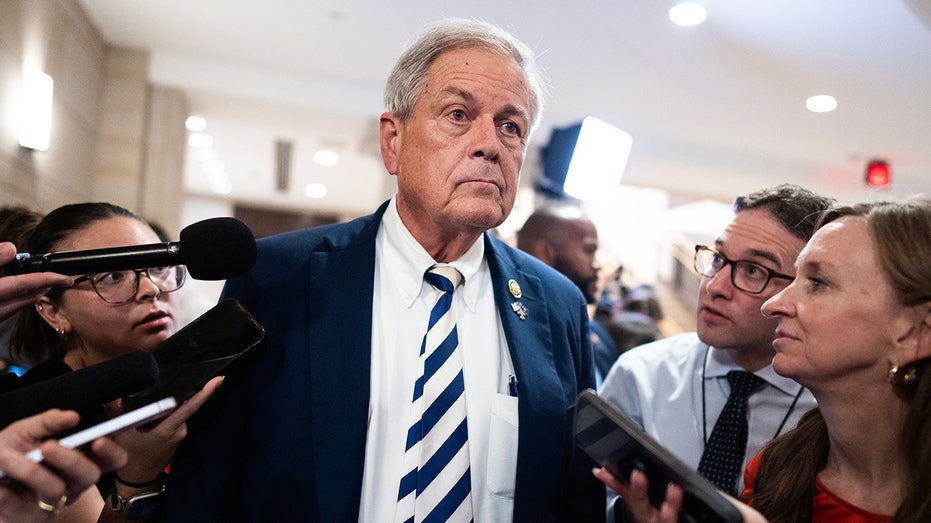
EXCLUSIVE: A conservative House Republican is seeking to enact sweeping new election transparency measures before November’s midterm elections. Rep. Ralph Norman, R-S.C., will introduce legislation Thursday requiring a small federal agency, known as the U.S. Election Assistance Commission, to establish a public database that would disclose basic information about private vendors running federal elections. Norman’s Election Infrastructure Integrity Act would require the new database to report the names of all private election vendors, details of the vendor contracts, and their ownership structures, including the mandatory disclosure of any foreign ties, within 30 days of an election. Norman, who is running to be South Carolina’s next governor, argues his transparency-focused legislation is necessary to combat foreign adversaries attempting to interfere with U.S. elections. Russia, China and Iran all sought to influence the outcome of the 2024 presidential election, according to multiple reports. SEN KENNEDY URGES ‘SMART LAWYERS’ TO REWORK SAVE AMERICA ACT FOR SIMPLE-MAJORITY PATH If a transparency database is not created, proponents of the legislation say lawmakers and election officials could be left in the dark about whether foreign money or potential foreign ties are present among the vendors that make up the country’s election infrastructure. “The American people deserve to know exactly who is involved in administering their elections,” Norman said in a statement. “Foreign adversaries are not sitting on the sidelines. They are actively looking for ways to exploit weaknesses in our system.” The legislation would apply to the 2026 elections and every election cycle in the future. The measure would also cut off federal funding to any state that does not comply. The Election Assistance Commission is a bipartisan agency tasked with certifying voting hardware and distributing election infrastructure grants to states. HOUSE CONSERVATIVES ERUPT OVER SENATE GOP, WHITE HOUSE DEAL AMID SAVE ACT FIGHT Norman’s legislation could face obstacles to being signed into law due to anticipated opposition from Democratic lawmakers, who have repeatedly criticized GOP-authored election integrity measures. House Republicans, however, have floated multiple election-related proposals that could be included in an anticipated budget reconciliation package. Ideas circulated by the House Administration Committee include granting funding to states for verifying voter registration data and conducting post-election audits. The flurry of election integrity and transparency measures comes as congressional Republicans are pushing for the passage of the Trump-backed SAVE America Act. The legislation would require proof of citizenship to vote in federal elections and enact a nationwide voter ID among other provisions. The House-passed measure has stalled in the Senate due to Democratic opposition and is not expected to get the votes to overcome the upper chamber’s 60-vote threshold. Some Republicans have advocated for passing parts of the SAVE America Act in a GOP-only budget reconciliation bill, but the legislative maneuver’s stringent requirements could derail that plan.