

Trump, Harris locked in tight race in critical battleground Pennsylvania, polls find
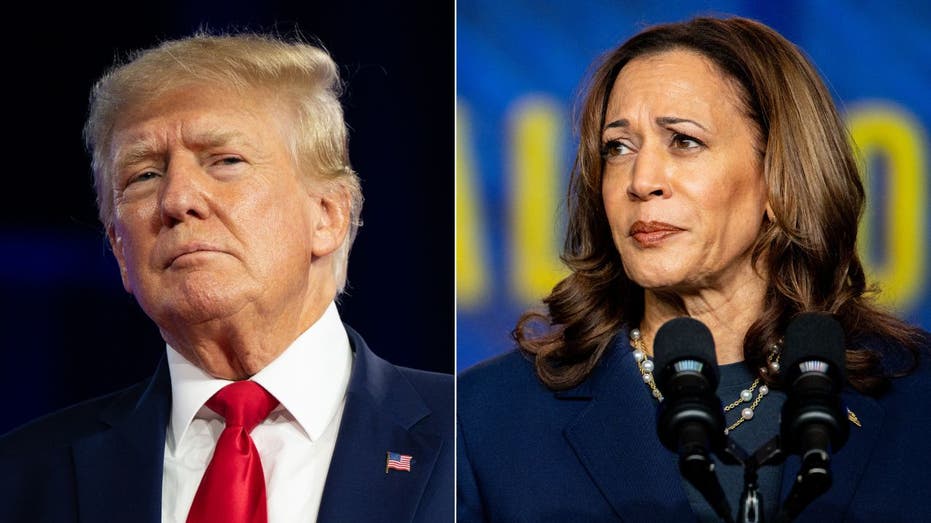
Former President Trump and Vice President Kamala Harris are in a deadlock in the state of Pennsylvania, a virtual must-win state for both candidates, according to a new poll. A Thursday poll from the Washington Post had Harris at 48% support among likely and registered voters, while Trump sits at 47%. A New York Times poll gave Harris a slight edge, however, with Harris sitting at 50% compared to Trump’s 46%. Nationally, however, the Times’ poll had Harris and Trump tied at 47%. Both polls were conducted after last week’s presidential debate, in which most debate watchers said Harris came out on top. 95% NEGATIVE COVERAGE OF TRUMP ON ABC, CBS, NBC AFTER 2ND ASSASSINATION ATTEMPT: REPORT Nevertheless, the Times says the debate does not appear to have had a major impact on voters, regardless of who they supported beforehand. WISCONSIN KICKS OFF ELECTION SEASON WITH FIRST WIDELY AVAILABLE ABSENTEE BALLOTS “Despite a strong debate performance, Vice President Harris did not gain much ground compared with our last polls of the nation and Pennsylvania. The poll is full of evidence that our respondents thought she did well in the debate — and that Mr. Trump did poorly — but it hasn’t made a big difference,” the paper wrote. The Washington Post poll found that Trump maintains his lead when it comes to the top two issues of the election, the economy and immigration. Harris has also maintained her lead on the issues of defending democracy and abortion. SECRET SERVICE TOLD LOCALS THEY WOULD ‘TAKE CARE OF’ BUILDING USED BY THOMAS CROOKS TO SHOOT TRUMP Another Marist poll released Thursday found Trump and Harris tied at 49% in Pennsylvania. “Pennsylvania is attracting the most attention of the Rust Belt states from the presidential candidates and with good reason,” said Dr. Lee M. Miringoff, director of the Marist Institute for Public Opinion. “It’s the biggest prize in the region and the most competitive. Winning Pennsylvania doesn’t guarantee the White House, but it goes a long way.” The close polls come as Trump seems to be losing his edge in two critical states, according to the most recent Fox News Power Rankings. Both North Carolina and Georgia, which were once considered Republican strongholds, are now rated toss-ups in the presidential race. Fox News’ Julia Johnson contributed to this report
Lebanese people talk about fears after pager and walkie-talkie explosions
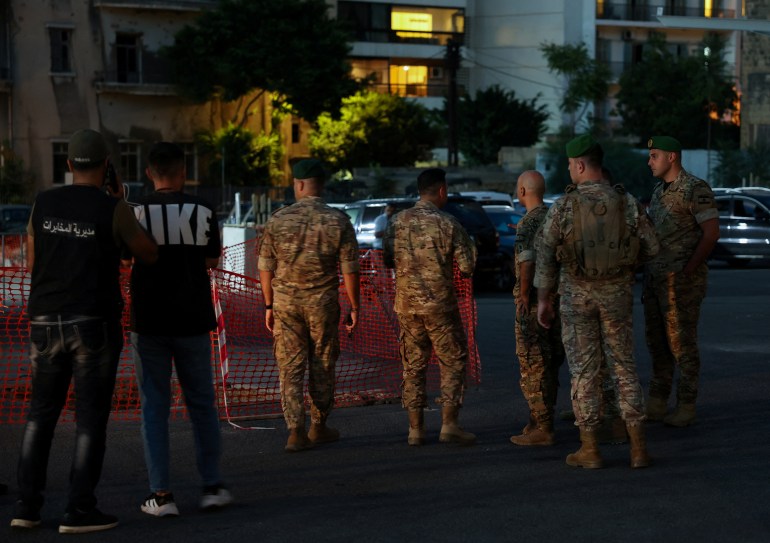
Beirut, Lebanon – Electronic devices exploded in south Beirut and other parts of Lebanon for a second day on Wednesday, resulting in casualties and fires, a second attack blamed on Israel. Twenty people were killed and more than 450 wounded in Wednesday’s attack, according to Lebanon’s Ministry of Public Health. On Tuesday, thousands of Hezbollah pagers exploded, killing 12 people and wounding nearly 3,000. The two attacks coming so close together has left many in Lebanon worried about their use of electronic devices and the state of the country’s security situation. The attack allegedly targeted mobile phones, laptops, solar energy cells as well as walkie-talkie radios that were purchased at a similar time – about five months earlier – as the exploding pagers. Devices exploded in cities including Beirut and its southern suburbs, Hermel, Baalbek, Saida, Nabatieh, Tyre, Naqoura and Marjayoun. ‘We really don’t know’ Officials were still conducting controlled explosions of suspicious devices found in locations around the country on Wednesday evening. Lebanese soldiers prepare to carry out a controlled explosion of a walkie-talkie outside the American University of Beirut Medical Center (AUBMC) on September 18, 2024 [Mohamed Azakir/Reuters] The tension and worry it caused among Lebanese people was heightened, as the devices said to be exploding on Wednesday were more “modern” and used more widely. Event planner Maria Boustany has told her team to ditch the walkie-talkies they use to communicate at weddings and events due to doubts over their safety. “It may not be the same brand but we really don’t know what’s happening,” she said. Instead, Boustany said her team would be using WhatsApp to communicate. “It’s better to be safe,” she said. The team had not been using pagers. Lebanon’s hospitals ‘are managing’ Outside the American University of Beirut Medical Center (AUBMC), relatives or friends of people wounded on Tuesday stood in groups the next day. Neighbours greeted each other and inquired about others’ loved ones inside the hospital’s doors. Many were wearing black. Inside, nurses were turning people away who had come to donate blood, telling them that so many people came to donate on Tuesday that they no longer needed blood on Wednesday. While Tuesday necessitated a “Herculean effort” on the part of Lebanese healthcare, given the massive numbers of injuries, caretaker Lebanese Prime Minister Najib Mikati said the hospitals were “managing” to cope with new injuries on Wednesday. “We still have 140 patients in house and some are still going to surgeries,” Salah Zeineldine, AUBMC’s chief medical officer, told Al Jazeera. “We’ve frozen all elective … cases.” Zeineldine noted that of the 140 patients, several are still critical but none are in life-threatening conditions. “A lot [of them] lost fingers or eyes,” he said. ‘Fear is the furthest thing from our minds’ Many of the people in front of AUBMC on Wednesday did not want to speak to the media. On a nearby kerb, 40-year-old Ali agreed to chat, saying he had come to the hospital to visit a wounded person, without specifing his relationship to them. A day earlier, he said, he had been in Beirut’s southern suburbs when he heard a series of explosions. “Every five to 10 seconds, I heard another,” he said. An ambulance arrives at AUBMC after the incident involving Hezbollah members’ wireless devices in Beirut, Lebanon, on September 17, 2024 [Wael Hamzeh/EPA-EFE] Ali called Tuesday’s attack “stupid”, adding: “The people are strong and fear is the furthest thing from our minds.” At nearby Clemenceau hospital, men lined the area outside the main entrance, waiting to visit loved ones. Witnesses said that, while Beirut’s hospitals were busier than usual, they were much calmer than on Tuesday when all medical personnel were requested to report for duty to help treat the deluge of patients. A doctor who reported for emergency duty at Mount Lebanon Hospital on Tuesday said the roads to the hospital were relatively empty – having been kept empty by authorities – but the vicinity of the hospital was crowded to the extent that they had to abandon their cars wherever they could. By the time he arrived, the most serious life-threatening injuries had already been transferred to the operating rooms, which were at capacity. The hospital was full of admitted patients, he said, three floors with at least 20 patients per floor. He and other doctors began triaging, determining who was in urgent need of surgery to be scheduled, who needed antibiotics or tetanus shots, and who had injuries minor enough that they could be sent home. All the patients he saw were men in or around their 30s with mild to moderate injuries – mostly to the face and hands. “These were not nice injuries,” the doctor said. “They were frightening wounds but the patients were all calm. They were like: ‘Finish up with me and I’ll be OK.’ “They were calm … not scared or anxious.” What happened and what’s next? The attacks have left many Lebanese wondering what will happen next. Social media was roiled with debates over whether the attacks were impressively precise or indiscriminate and a violation of international law. Boy scouts raise the picture of a fellow scout, killed when pagers exploded across Lebanon on Tuesday, during the funeral procession of some victims, in Beirut’s southern suburbs on September 18, 2024 [Anwar Amro/AFP] Hezbollah and Israel have exchanged near-daily cross-border attacks since last October, Hezbollah saying they are fighting in support of Hamas and would cease fire should one be agreed in Gaza. Meanwhile, Israel has intensified discussions about expanding the war against Hezbollah. On Tuesday, Premier Benjamin Netanyahu announced an expansion of Israel’s war goals to include returning families to their homes in the north, which many Israelis believe can only be accomplished through fighting Hezbollah. The Northern Command’s top general was lobbying for a potential invasion into Lebanon, according to Israeli media. Defence Minister Yoav Gallant said on Wednesday the war had entered “a new phase”. For its part, Hezbollah has promised a response. Speaking almost
Russian attacks on Ukraine power grid probably violate humanitarian law: UN
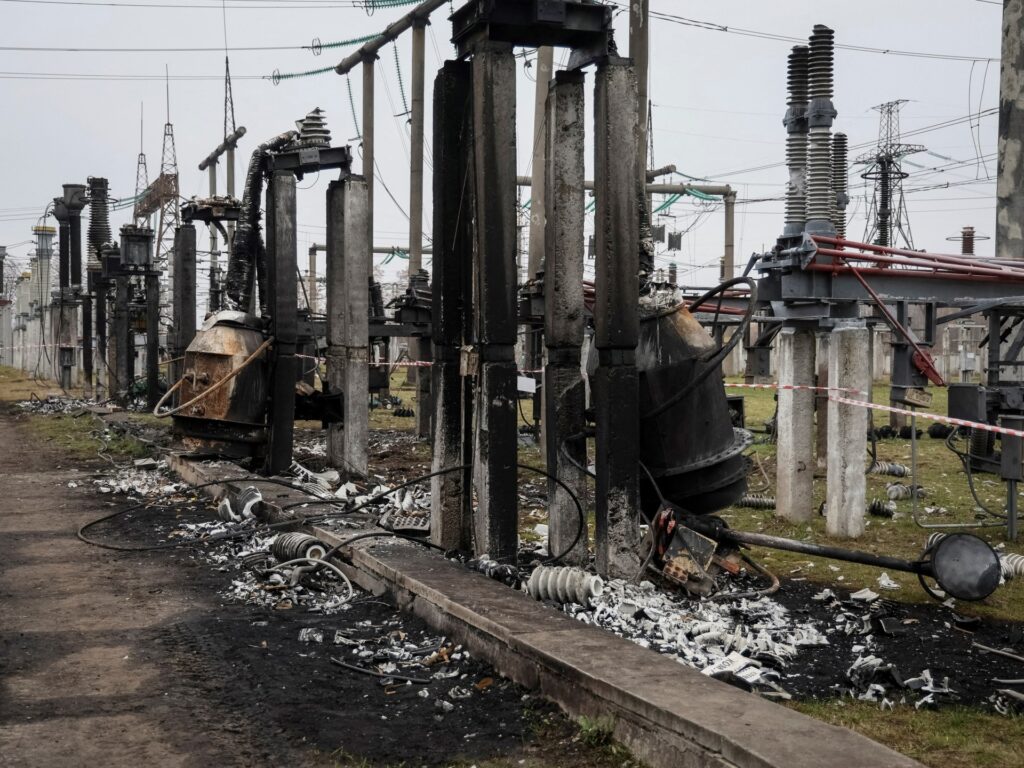
Russian air strikes on Ukraine’s electricity generation, transmission and distribution facilities probably violate international humanitarian law, according to the United Nations Human Rights Monitoring Mission in Ukraine (HRMMU). The report published on Thursday focused on nine waves of attacks between March and August this year. HRMMU said it had visited seven power plants that were damaged or destroyed by attacks, as well as 28 communities affected by the strikes. “There are reasonable grounds to believe that multiple aspects of the military campaign to damage or destroy Ukraine’s civilian electricity and heat-producing and transmission infrastructure have violated foundational principles of international humanitarian law,” the report said. The first big wave of strikes hit in 2022, several months after Russia began its full-scale invasion of Ukraine in February that year. The attacks have continued throughout the war, though Moscow has markedly stepped up its campaign since last March. Each wave of strikes has left Ukrainian cities without power for hours at a time for weeks on end. Ukraine says the targeting of its energy system is a war crime, and the International Criminal Court (ICC) has issued arrest warrants for four Russian officials and military officers for the bombing of civilian power infrastructure. Russia says power infrastructure is a legitimate military target and has dismissed the charges against its officials as irrelevant. “Russia is trying to plunge Ukraine in the dark with targeted attacks on its energy systems,” European Commission President Ursula von der Leyen said on Thursday as she announced that 160 million euros ($178m) from the proceeds of frozen Russian assets will be allocated to meet Ukraine’s urgent humanitarian needs for this winter. Russia has knocked out about 9 gigawatts of Ukraine’s energy infrastructure, which von der Leyen said was the “power equivalent of the three Baltic states”. A fuel power plant is being dismantled in Lithuania and will be rebuilt in Ukraine, where 80 percent of the country’s thermal plants have been destroyed, she said. A third of Ukraine’s hydropower is also out. The HRMMU said the attacks posed risks to Ukraine’s water supply, sewage and sanitation, to the provision of heating and hot water, public health, education and the wider economy. It highlighted a particular problem in urban areas, where most homes are linked to centralised heating and hot water systems. The report said that nearly 95 percent of residents in the Ukrainian capital, Kyiv, relied on centralised basement heating systems whose output required electric pumps to reach the upper floors of the building. “Without emergency electricity supply, millions of urban residents could be left without heat,” it said. HRMMU cited experts as saying that Ukrainians should expect power outages of between four and 18 hours a day this winter. ‘Sternest test yet’ Separately, the International Energy Agency made a similar grim prediction on Thursday, with IEA Executive Director Fatih Birol saying the coming winter would prove the “sternest test yet” for Ukraine’s energy grid. The IEA report said that in 2022 and 2023 “about half of Ukraine’s power generation capacity was either occupied by Russian forces, destroyed or damaged, and approximately half of the large network substations were damaged by missiles and drones”. It warned of a “yawning gap between available electricity supply and peak demand”. The report urged European countries to expedite deliveries of equipment as well as parts to rebuild the damaged facilities and called for measures to protect them from drones. Latest attacks On Thursday, Ukraine’s national grid operator Ukrenergo said Russia attacked energy infrastructure in Sumy overnight, prompting a temporary power cut in the northeastern region. Nine Ukrainian regions were attacked by Russia overnight, according to the war-torn country’s air force, saying it shot down all 42 drones and one of four missiles. Serhiy Lysak, the governor of the central Dnipropetrovsk region, said the air force had shot down one missile over his region, and that no one was hurt there. Kharkiv regional governor Oleh Syniehubov said six people were wounded in a Russian attack on the eastern town of Kupiansk, 8km (five miles) from the front line. Civilian infrastructure, a school, a kindergarten and 10 apartment buildings were damaged in the city of Kharkiv, he said. An educational institution was also damaged in the Cherkasy region, regional governor Ihor Taburets said. One elderly woman was killed and two other women were wounded by Russian strikes in Ukraine’s Zaporizhia region, Governor Ivan Fedorov said on Thursday. Russian forces shelled the region 161 times over the past 24 hours, damaging infrastructure facilities and residential buildings, he said on the Telegram messaging app. ‘Victory Plan’ Meanwhile, Ukraine’s President Volodymyr Zelenskyy said on Wednesday that his “Victory Plan”, intended to bring peace to his country while keeping it strong and avoiding all “frozen conflicts”, was now complete after much consultation. Zelenskyy pledged last month to present his plan to US President Joe Biden, presumably next week when he attends sessions of the UN Security Council and UN General Assembly. While providing daily updates on the plan’s preparation, Zelenskyy has given few clues of its content, indicating only that it aims to create terms acceptable to Ukraine. Zelenskyy said in his nightly video address that there was no alternative to peace, “no freezing of the war or any other manipulations that would simply postpone Russian aggression to another stage”. Adblock test (Why?)
Hong Kong man sentenced to 14 months in jail for ‘seditious’ T-shirt
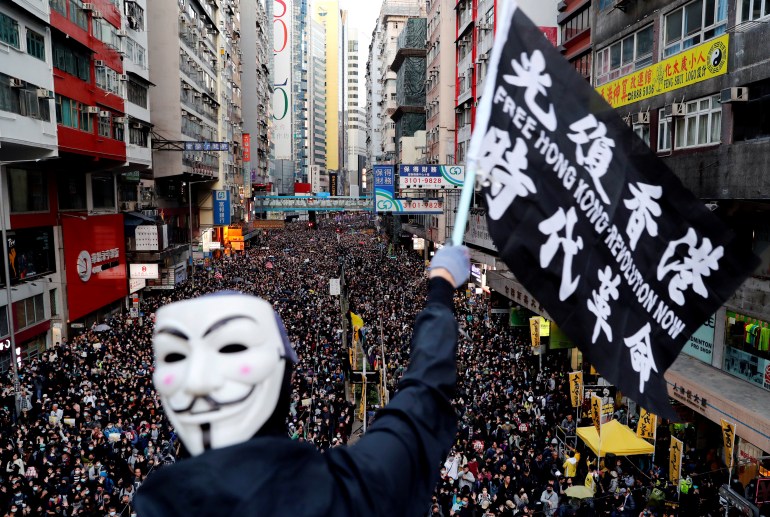
Chu Kai-pong is the first person to be convicted under Article 23, the China-ruled city’s tough new national security law. A Hong Kong man has been sentenced to 14 months in jail for wearing a T-shirt and a mask with protest slogans deemed “seditious”, the first person to be convicted under the city’s tough new national security law. Chu Kai-pong, 27, was sentenced on Thursday at the West Kowloon Magistrates’ Courts, having pleaded guilty earlier in the week to one count of “doing acts with seditious intention”, an offence carrying a maximum penalty of 10 years in jail under the new legislation, known as Article 23. Chu was arrested for wearing a T-shirt reading “Liberate Hong Kong, revolution of our times” and a yellow mask printed with “FDNOL” – shorthand for another pro-democracy slogan, “five demands, not one less” – on June 12, a date marking the fifth anniversary of the city’s huge pro-democracy protests in 2019. The 2019 protest movement was the most concerted challenge to the Hong Kong government since the former British colony returned to Chinese rule in 1997. It waned because of widespread arrests, the exile of democracy activists, the COVID-19 pandemic and China’s imposition of an earlier security law in 2020. Referring to the 2019 protests, Chief Magistrate Victor So – a judge handpicked by the government to hear national security cases – said on Thursday that Chu “took advantage of a symbolic day with the intention to reignite the ideas behind the unrest”. In January, the judge had sentenced Chu to three months in jail for wearing a similar T-shirt at the airport and possessing publications deemed seditious. He noted that Chu’s “subsequent act” showed the “deterrent effect of his previous sentence was insufficient”. Quelling dissent The sedition offence was created under British colonial rule, which ended in 1997, but was seldom used until Hong Kong authorities revived it in 2020 after the protests. With the protests quashed, China imposed a national security law on the city in mid-2020 to quell further dissent. The new national security law – the Safeguarding National Security Ordinance, also known as Article 23 – came into force in March. The revised law augments the offence of sedition to include inciting hatred against China’s communist leadership, upping its jail sentence to a maximum penalty of 10 years if the sedition is conducted in collusion with an “external force”. Critics, including Western nations such as the United States, say Article 23 will further erode freedoms and silence dissent in Hong Kong – a finance hub once considered one of the freest territories in China. As of this month, 303 people have been arrested under the two security laws, with 176 prosecuted and 160 convicted. China introduced a draconian national security law in Hong Kong following mass pro-democracy protests in 2019 [File: Danish Siddiqui/Reuters] Adblock test (Why?)
‘They will also finish….’: Akhilesh Yadav slams BJP over ‘one nation, one election’
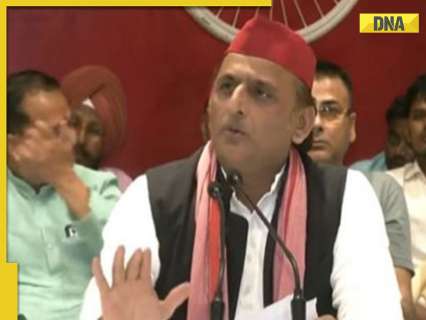
Karnataka Deputy CM DK Shivakumar also opposed the Centre’s move claiming that the Government wanted regional parties to stop existing.
Atishi’s Delhi cabinet: AAP leader to retain four minsters; new face to be included
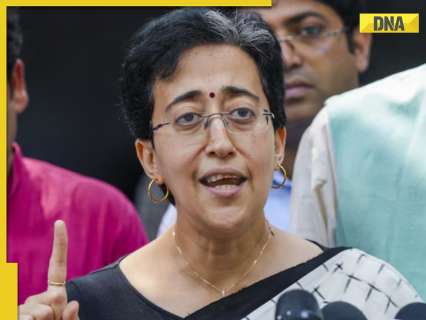
Chief Minister-designate Atishi and her new Cabinet will take the oath of office on September 21.
Centre investigates 26-year-old EY employee’s death amid massive outrage
The CA’s death has raised serious concerns about the pressures of workplace stress and its impact on employees’ well-being.
Doug Emhoff to lead San Antonio rally for Texas Democrats

The second gentleman’s visit will focus on voting rights.
Even as state mental health spending rises, private psychiatric hospitals struggle to stay open
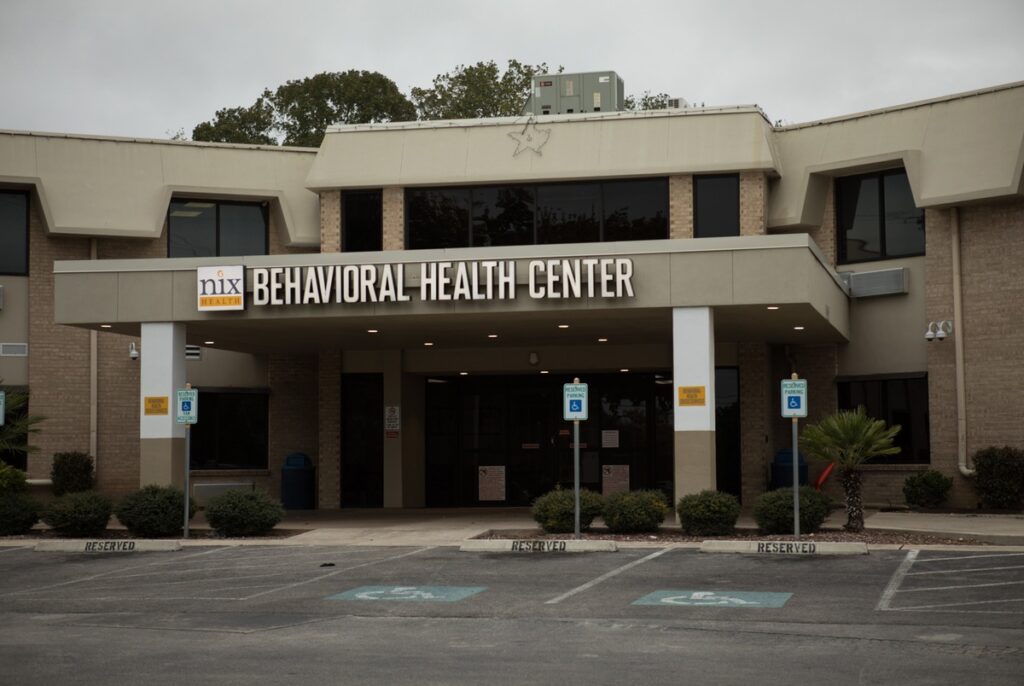
Texas hasn’t increased Medicaid rates for inpatient health care at private hospitals in 16 years, falling behind other states.
‘Under what compulsion…’: JP Nadda takes ‘failed product’ jibe at Rahul Gandhi in letter to Mallikarjun Kharge

Congress president Mallikarjun Kharge had on Tuesday raised with PM Modi the issue of “extremely objectionable” and violent statements by ruling alliance members targeting Rahul Gandhi and urged him to discipline his leaders.