

PM Modi inaugurates Ayodhya Dham Railway Station; flags off Vande Bharat, Amrit Bharat trains
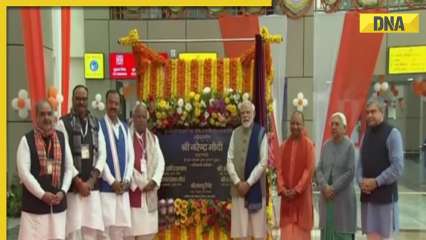
Phase I of the redeveloped Ayodhya railway station — rechristened as the Ayodhya Dham Junction Railway Station — has been developed at a cost of more than Rs 240 crore.
Veiled rebellion: Female medical students go underground in Afghanistan
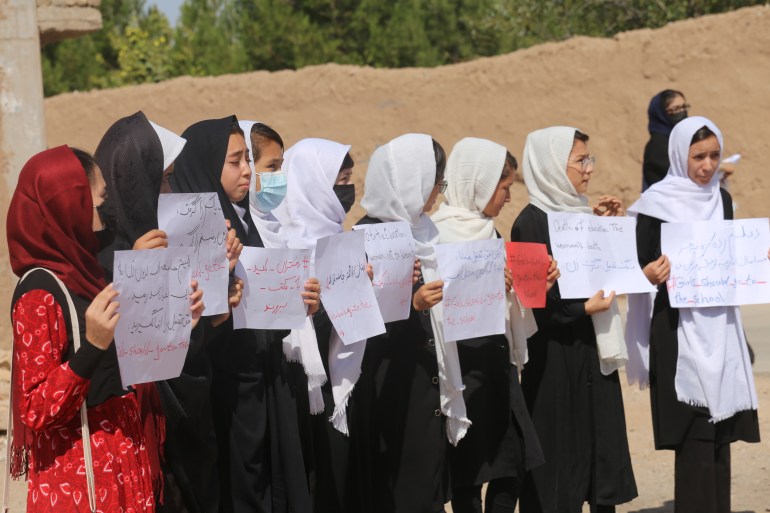
Lima stayed home the last time the Taliban inspected the hospital where she secretly trains as a nurse. After five years of medical training, Lima, 28, should be one year into her residency as a doctor, perfecting her diagnostic skills. Instead, she takes temperatures and administers injections, tasks she has been doing at an emergency room in Kabul for three months now. While this is not the work she expected to be doing at this point in her career, she’s happy to at least be doing this. “Being at the hospital means I can stay close to my field. It helps me to stay connected to it,” Lima told Al Jazeera over the course of several telephone calls. She is identified by her first name only for safety reasons. Lima was just weeks away from graduating from a medical school in Kabul when the Taliban banned higher education for women last December, interrupting her studies and that of thousands of other women. Women already qualified as doctors, nurses and other medical workers are permitted to continue in their jobs, but no new women may enter the field or undertake training. More than 3,000 women who had already graduated from medical schools before the ban were barred from taking the board exams required to practise, depriving the country – already struggling from a dire shortage of female medical workers – of a desperately needed infusion of new doctors. For Lima, medicine has been a lifelong dream. She longs to become a surgeon, partially because she knows there is a shortage of them. “My biggest hope is to help people,” she said. Her family moved home to Afghanistan from Pakistan so she could attend university in Kabul where she thrived – she did well in her classes and was appointed her class’s “leader”, handling administrative tasks. On the day they heard about the new ban on women completing medical studies, Lima and her classmates were having lunch together. They cried together because of what this would mean for their future and because they were worried they would not be able to see each other again. The Taliban’s strict ban on women leaving their homes without a male chaperone makes meeting friends near-impossible. After the news broke, Lima called one of her professors and persuaded him to let her and her classmates take one of the exams they were scheduled to take that week. It was not for an official grade but just for them to know they could do it. The professor agreed, but when Lima and her classmates arrived at the university to take the test, the Taliban, armed with guns, were already guarding the doors. It was no longer safe, the professor told Lima. Girls in Herat gather to stage a demonstration demanding the right to continue their education in schools and universities, on September 20, 2021, in Herat, Afghanistan [Anadolu Agency via Getty Images] A secret internship Almost a year later, many women have refused to give up on their chosen path and have continued studying on their own or online, hoping that they will one day be allowed to study officially at university and medical school again. Some women have managed to work around the restrictions, finding secret internships and residency opportunities. “It’s like a refreshment for my studies, for my knowledge. This is the best way for me to do something for my goals,” says Noor*, whose name has been changed to ensure her anonymity. Like Lima, she was just about to graduate from medical school when the Taliban’s ban brought her studies to an abrupt halt. The order hit her hard. She spent months studying solo, holding on to medicine as “the only goal” she ever had in her life. She reviewed her notes, read thick medical books in English and took online courses, focusing on what she believed to be any gaps in her knowledge. But working alone for weeks on end, she says she fell into a depression and had to listen to motivational speakers for an hour per day just to muster the will to keep going. In September, nine months after the ban, Noor lost hope that the university would reopen and called the hospital that had offered her a two-month internship back in 2020. They agreed to let her come in to complete it. Everyone treats it as a secret. When the two months were up, the hospital allowed her to stay on to continue observing surgeries for as long as she wished. Noor says she is too afraid to even think about what would happen if the Taliban discovered her studying there. It is unclear what would happen if she was discovered, but women found studying medicine or undertaking internships would likely be removed from hospitals and banned from returning, if not worse. There have already been arrests of activists who tried to defy the ban on girls’ education. Whatever the risks, however, women refuse to stop trying to defy the ban on higher education completely. “Never in the history of Afghanistan have we had so many educated, well-aware-of-the-world and well-aware-of-their-duties-and-rights women. It’s impossible to silence them, it’s impossible to push them aside,” says Fatima Gailani, a London-based women’s rights activist and former president of the Afghan Red Crescent Society, in an interview over WhatsApp. Afghan nurses wait to receive their salaries at the Indira Gandhi Children’s Hospital in Kabul, Afghanistan, on February 24, 2022 [Hussein Malla/AP Photo] Women’s healthcare at stake Despite the Taliban’s initial promise to take a moderate approach towards women’s rights after it seized power in August 2021, the ban on higher education is just one of many steps that the armed group has taken to further segregate the country and limit women’s role in society. In the immediate aftermath of August 2021, the Taliban banned girls from going to school beyond the sixth grade and imposed strict rules requiring women to wear hijabs and to travel only with a male chaperone. They closed down
Delhi-NCR weather: Around 80 flights delayed, train services hit by thick fog

The India Meteorological Department (IMD) issued a red alert for dense fog in North India.
Republic Day 2024: Soldiers march to drumbeats in bitter Delhi cold during dress rehearsals
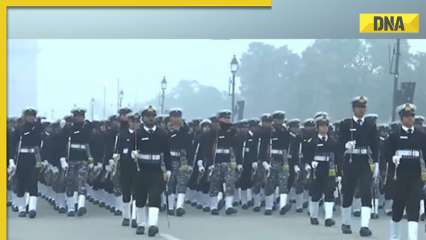
Undeterred by the sharp chill in the air on a day when the city recorded a minimum temperature of 13°C, the soldiers were seen matching steps with characteristic discipline and accord.
ED summons Jharkhand CM Hemant Soren for seventh time in money laundering case

Earlier on December 12, CM Soren was asked to appear before the agency for questioning but the Chief Minister skipped the proceedings. The BJP earlier criticised the Jharkhand CM for continuously skipping the summons.
PM to virtually flag off Jalna-Mumbai Vande Bharat Express today; check fare, train timings

In its regular run from January 1, the train will leave CSMT at 1:10 pm and reach Jalna at 8:30 pm, while from January 2, it will depart from Jalna at 5:05 am and reach CSMT at 11:55 am.
Weather update: IMD issues ‘cold day’ warning in Delhi for 2 days, no respite from fog
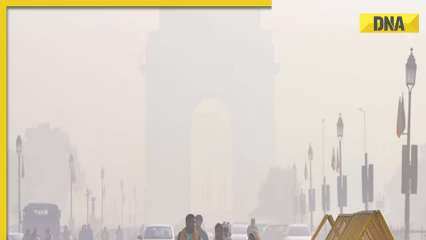
Parts of Uttar Pradesh as well as a few isolated areas in north-west Rajasthan, Punjab, south-east Uttarakhand, Assam, Haryana, and Delhi saw some moderate fog earlier on Friday night.
‘PM’s visit to usher in new era of development in Ayodhya’: CM Yogi
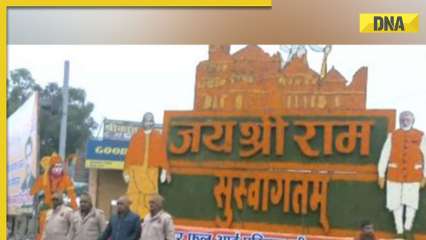
Earlier, on Friday, state Minister Surya Pratap Shahi said Ayodhya has been given a sparkling makeover ahead of the arrival of PM Modi.
Ayodhya airport: Air India Express announces direct flights from Ayodhya to these cities

Air India Express will operate its inaugural flights between Ayodhya and Delhi on December 30, alongside the inauguration of the Maharishi Valmiki International Airport Ayodhya Dham.
New Year’s 2024: Mumbai police issues traffic advisory for Dec 31 and Jan 1; check ‘no parking’ zones, routes to avoid
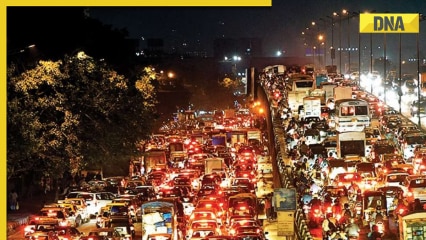
To avoid traffic snarls and congestion on New Year’s Eve, the Mumbai traffic police have issued regulatory and prohibitory orders for areas and roads near Juhu Beach.