

Covid-19 JN.1: 157 cases of new variant recorded in India; highest from Kerala, Gujarat

Several states have been reporting an uptick in Covid cases over the last few weeks. Nine states and Union territories have so far detected the presence of the JN.1 sub-variant of the virus.
Delhi Traffic Advisory for New Year’s Eve: Restrictions, parking facility, routes to avoid on Dec 31; check details
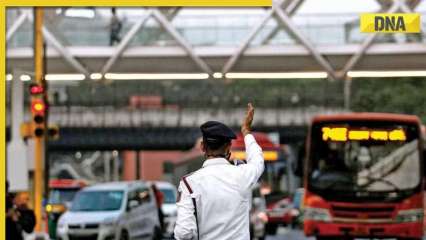
Traffic moving towards Connaught Place will be regulated after 8 pm on Sunday.
‘Govt didn’t follow ‘proper procedure’ while suspending WFI, will challenge in court’: Sanjay Singh
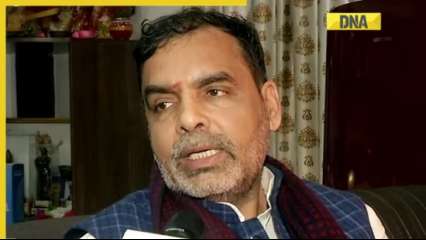
Sanjay said that his “autonomous” and “democratically elected” body could not be suspended by the government without hearing the WFI’s side of the story.
Who is Mrinank Singh, cricketer-turned-conman, posed as IPS officer to dupe five-star hotels, Rishabh Pant?

He also allegedly duped a famous Indian cricketer. He posed as a player for an IPL team and used his ‘stardom’ to dupe women.
China accuses Taiwan of ‘hyping up’ military threat ahead of elections
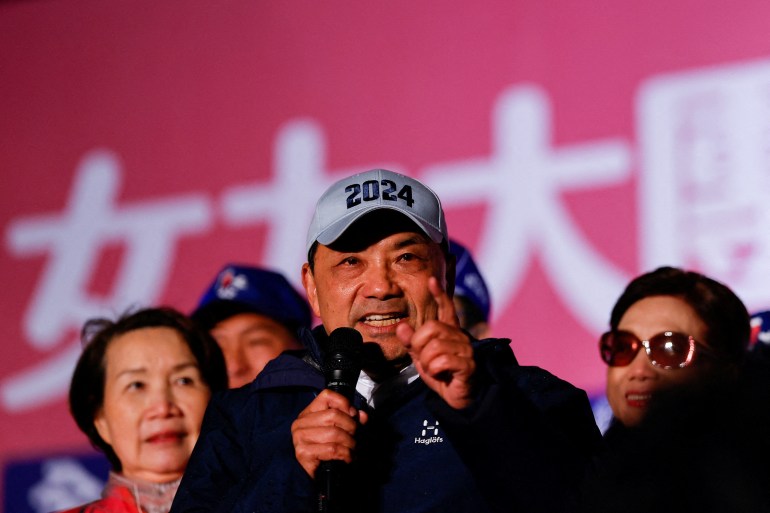
Taiwan’s presidential and parliamentary polls on January 13 are expected to shape the island’s relations with Beijing. China has accused Taiwan of deliberately “hyping up” a military threat from Beijing for electoral gains ahead of the island’s January polls. “The Democratic Progressive Party [DPP] authorities are deliberately hyping up the so-called ‘military threat from the mainland’ and exaggerating tensions,” China’s Ministry of National Defense spokesperson Wu Qian said on Thursday. “This is entirely to seek electoral gain,” he added, accusing Taiwan of using a “familiar electoral playbook to stoke confrontation and manipulate the election”. On Thursday, Taiwan’s Ministry of National Defense said it had detected 12 Chinese military aircraft flying over the Taiwan Strait, the sensitive median line separating Taiwan from China. China has been sending warplanes and vessels around Taiwan on a near-daily basis, with Taipei reporting an uptick in Beijing’s military activity in the Taiwan Strait before the January 13 elections. China claims democratically governed Taiwan as its own territory. The presidential and parliamentary elections are expected to shape the island’s relations with Beijing. One of the main themes in the run-up to the closely watched vote is how the presidential candidates will handle relations with China. The Chinese government dislikes the DPP candidate, current Vice President Lai Ching-te, believing he is a separatist and has rejected his calls for talks. Taiwanese officials have repeatedly raised concerns about election interference and misinformation as Beijing, in the past four years, has intensified military pressure to assert its sovereignty claim. During a televised policy presentation on Tuesday, Lai reiterated warnings of election interference by Beijing. “It is easier to buy or cheat than to rob,” Lai said, accusing the opposition Kuomintang (KMT) of “borrowing China’s power to gain ruling power”. KMT candidate Hou Yu-ih, who has promised to create closer ties to Beijing, has called the election a choice “between war and peace”. Hou Yu-ih, a candidate for Taiwan’s presidency, from the main opposition party KMT, in New Taipei City [Ann Wang/Reuters] Wu, the spokesperson, also said China’s People’s Liberation Army knew Taiwan’s military movements well. “We will, as always, take all necessary measures to resolutely defend national sovereignty and territorial integrity,” he added. Wu declined to comment on the Chinese balloons that Taiwan reported drifting across the strait’s median line, which previously served as an unofficial barrier between the two sides. Adblock test (Why?)
Death sentences of 8 ex-Indian Navy personnel commuted by Qatar’s Court of Appeal

According to the latest news, the family members of these former officials and the Indian Ambassador were also present in the court when the decision was announced.
Diversity offices on college campuses will soon be illegal in Texas, as 30 new laws go into effect

Other new laws make changes to the tax code, criminal justice and health care systems.
Here are the top stories from our data visuals team in 2023
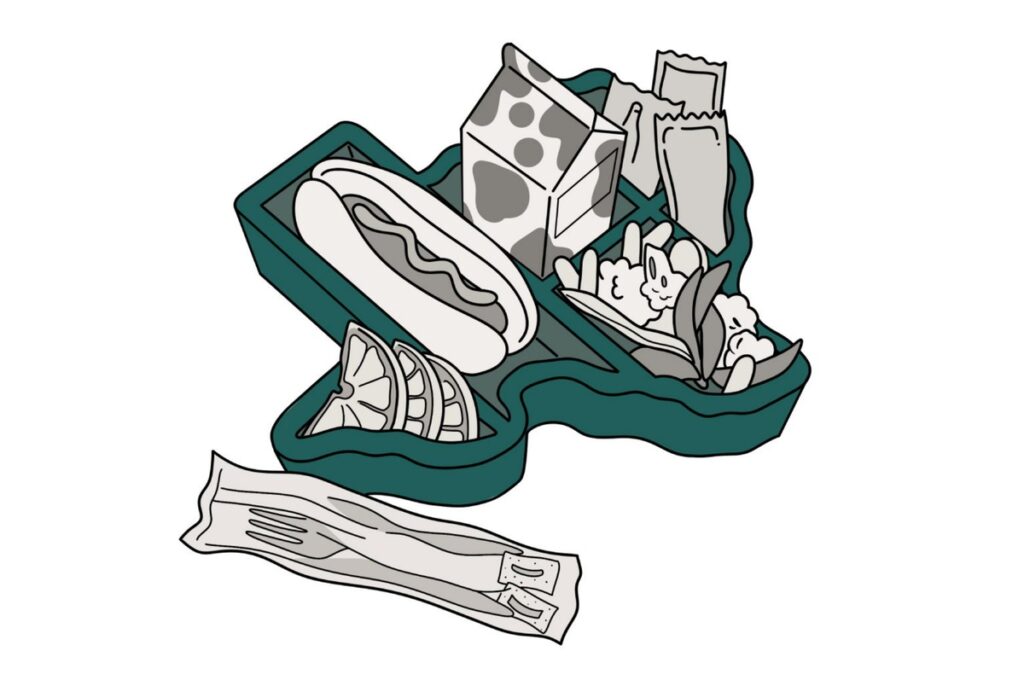
The Texas Tribune’s data visuals team helped contextualize many of the state’s major stories this year. Here’s a look at some of our most memorable work.
Keeping the hope for health alive
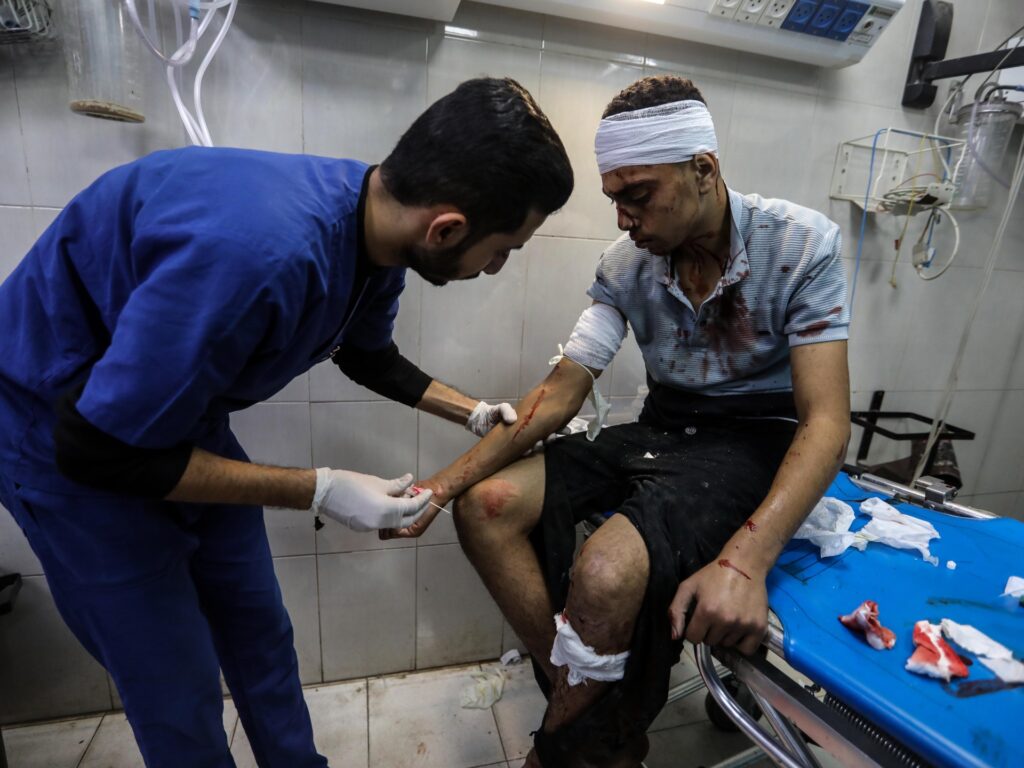
2023 was a year of milestones and challenges in global public health. In May, I declared an end to COVID-19 as a public health emergency of international concern. This marked a turning point for the world following three years of crisis, pain and loss for people everywhere. I am glad to see that life has returned to normal. WHO also announced the Mpox outbreak no longer represented a global health emergency. And we approved new vaccines for malaria, dengue and meningitis, diseases that threaten millions around the world, mainly the most vulnerable. Azerbaijan, Tajikistan and Belize were declared malaria-free, and a range of neglected tropical diseases were eliminated in multiple countries, including sleeping sickness in Ghana, trachoma in Benin, Mali and Iraq, and lymphatic filariasis in Bangladesh and Laos. The path to eradicating another vaccine-preventable disease – polio – has reached its last mile. Thirty more countries introduced the HPV vaccine as the world advances towards eliminating cervical cancer. The need to address the health impacts of the climate crisis were elevated to the highest political levels, with governments, scientists and advocates putting health, for the first time, prominently on the COP28 agenda, and issuing a global declaration on climate and health. Heads of state at the United Nations General Assembly committed to advancing universal health coverage, ending tuberculosis and protecting the world from future pandemics. Each of these achievements, and many more, demonstrated the power of science, solutions and solidarity to protect and promote health. But 2023 has also been a year of immense and avoidable suffering and threats to health. The barbaric attacks by Hamas on Israel on October 7 left around 1,200 people dead and more than 200 taken hostage. Reports of gender-based violence and mistreatment of hostages are deplorable. This was followed by the unleashing of a devastating attack on Gaza, which has killed more than 21,000 people – mainly women and children – and injured over 55,000. At the same time, hospitals and health workers have been repeatedly attacked, while relief efforts are not coming close to meeting the needs of people. As of December 22, only nine of 36 health facilities in Gaza were partially functional, with only four offering the most basic of services in the north. For this reason, we call again for an immediate ceasefire. War and armed hostilities, sadly, have plagued too many other locations around the world, including Sudan, Ukraine, Ethiopia and Myanmar, to name but a few. I saw first-hand the suffering of war-weary people in northwest Syria who, like communities I also visited in neighbouring Türkiye, were devastated by the terrible earthquake in February. Without peace, there is no health, and without health, there can be no peace. Insecurity, poverty and lack of access to clean water and hygiene fanned the spread of infectious diseases in many countries. The resurgence of cholera is especially concerning, with a record number of 40-plus outbreaks around the world. And in terms of emergency preparedness and response, gaps remain in the world’s readiness to prevent the next pandemic. But 2024 offers a unique opportunity to address these gaps. Governments are negotiating the first-ever global agreement to protect communities, countries and the world from the threat posed by pandemics. The Pandemic Accord is being designed to bridge the gaps in global collaboration, cooperation and equity. The accord, and plans to strengthen the International Health Regulations, represent monumental actions by governments to create a safer and healthier world. And as WHO closes out our 75th year as the “world’s” health organisation, I extend by my sincere gratitude to health workers, partners and WHO colleagues, on our shared journey to achieve Health for All. Lastly, during this holiday season, I am sure that everyone will join me in hoping that the New Year will bring peace, health and prosperity for all people around the world. The views expressed in this article are the author’s own and do not necessarily reflect Al Jazeera’s editorial stance. Adblock test (Why?)
‘Nothing for me in Cameroon’: Waiting in Tunisia, one eye on Europe
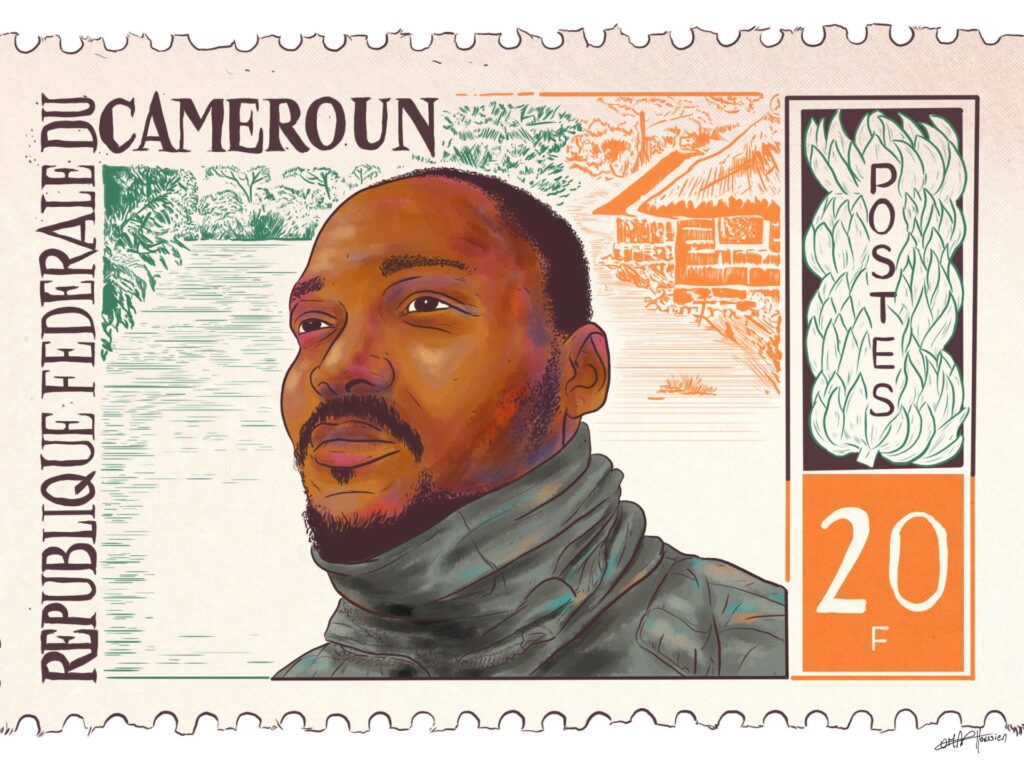
Having lost everything and everyone precious to him, Joseph tries to hold things together, waiting to leave Africa. Joseph Afumbom is a big man who has faced unimaginable tragedy. The conflict in Cameroon between Anglophone separatists and the government killed the 27-year-old’s mother, father and siblings. It also took his home in Bamenda in the country’s northwest. “I was there when the war started. The war took everyone,” he said, “It was three years ago. My brothers and sisters are all gone.” With his home and family destroyed and no jobs available, Joseph felt he had no option but to gather his fiancee, Esther, and their three-year-old daughter and travel the 5,000km (more than 3,000 miles) overland to the Mediterranean coast. They arrived in Algeria, where they considered crossing into Tunisia and from there to Europe. However, both Joseph’s fiancee and daughter died in El Menia. “They are all gone because of the cold,” he says. “That was last month.” “I’m just trying to act normal, you know,” he tells Al Jazeera. “See, I’m smoking. I’m whiling away my thinking, trying to act like a normal person, but I’m not.” He paused, allowing his thoughts to drift back. “We had been together for years. My daughter was three. I called her ‘Little Joy’.” Eventually, Joseph crossed into Tunisia, making his way to the coastal city of Sfax before travelling by shared taxis to the capital, Tunis. He didn’t eat for two days. “There is nothing left for me in Cameroon,” he says. “I will continue to Europe if I have the opportunity.” This article is the third of a five-part series of portraits of refugees from different countries, with diverse backgrounds, bound by shared fears and hopes as they enter 2024. Read the first and second parts here. Adblock test (Why?)