

Lawmakers demand changes to House censure rules after ‘playground nonsense’ embroils Congress
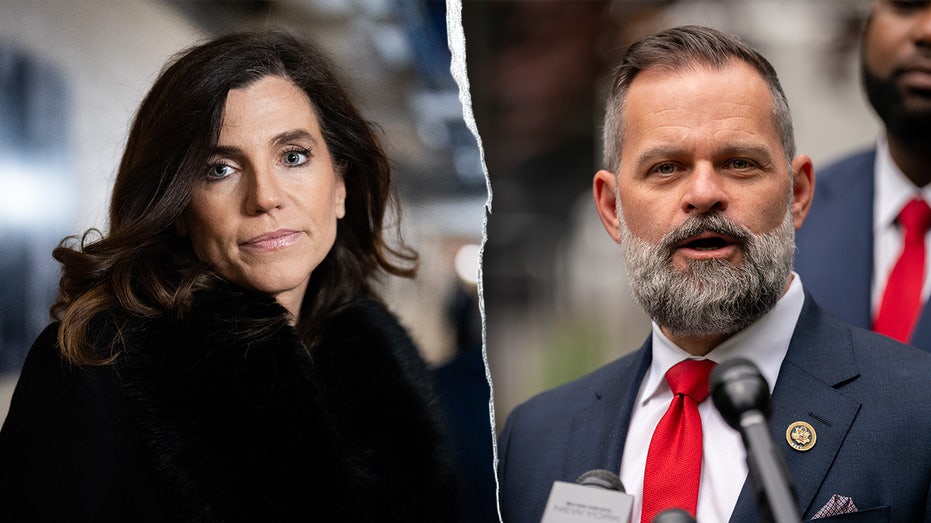
House lawmakers on both sides of the aisle are erupting in frustration after a week full of political bomb-throwing via a congressional procedure that’s traditionally only saved for the most egregious of fouls. The last five days have marked the first week House lawmakers have all been in D.C. together since the 43-day government shutdown began on Oct. 1. And while most of them were anxious to get to work, the chamber was instead forced to reckon with a series of censure threats and forced House-wide votes on rebuking their colleagues via a mechanism called a privileged resolution. “This is ridiculous playground nonsense,” Rep. Greg Murphy, R-N.C., said. “Personally, I’m tired of members of Congress using the chamber as their own personal playground to get attention. People have done some egregious things. But I’ve just had enough of this back and forth nonsense.” Rep. Mike Lawler, R-N.Y., called the slew of censures and privileged resolutions “the biggest load of bulls—” and called for the system to be reformed so that one lawmaker’s wishes were not enough to disrupt the entire House floor. NANCY MACE TO FORCE CENSURE VOTE AGAINST FELLOW HOUSE REPUBLICAN “I mean, if somebody warrants a censure and/or expulsion, it should truly be driven by the consensus of the body and not some individual going on their own crusade to get attention or make a name,” Lawler said. One lawmaker, granted anonymity to discuss the development, said they were even worried the tool could now be misused as an election ploy. “The majority could just [censure] anybody in a tight race. And you don’t want this process to become part of election games and s—” they said. Currently, any one lawmaker can introduce a censure resolution against another. Both Republicans and Democrats have also wielded a mechanism known as a “privileged resolution” three times this week to force an immediate vote on rebuking a colleague — out of five total threats to do so. It spurred conversations by House lawmakers on how to change those rules, including one bipartisan proposal that would raise the threshold to censure someone from a simple majority vote to 60% of the chamber. Some experts fear that change may do little to change the political incentives in place now, however. “Increasing the threshold is useful, but I don’t know that it will deter its use,” Jim Curry, professor of political science at the University of Utah, said. “You still get to have this moment of ‘I have brought a censure resolution against so-and-so, and the House will vote on it because I was brave.’ That doesn’t change that incentive for individual members of Congress to use it to grab headlines.” In its current state, lawmakers voiced concern that censures had been used primarily in a retaliatory manner. “Eye for an eye leaves everyone blind, and we shouldn’t use the House floor to litigate personal grievances, or even legitimate ones that should go through the proper due process,” Rep. Wesley Bell, D-Mo., said. “If someone is found to have committed a violation, and they receive their day in court, or the equivalent of it, then they should be held accountable. But this rush to get a headline, I think it’s childish.” Lawmakers blamed a variety of motivations for the surge in House floor drama, from political angst to a desire for attention. Rep. Mike Haridopolos, R-Fla., told Fox News Digital, “I think there’s a lot of pent-up frustration after the Democratic shutdown of over 40 days. And we all want to get moving on important issues, whether it be the cost of materials that went up during the Biden years, and, of course, how we handle this healthcare issue. And unfortunately, some people want to use some of these procedures to settle scores.” “Some of these folks are running for office and looking for footage to show their supporters or donors that they’re doing something, and some of the media has to own this as well, because you guys cover this stupid s—. It’s clickbait. It’s lame,” Rep. Nick LaLota, R-N.Y., said. DEMOCRAT FOUND TEXTING JEFFREY EPSTEIN FACES HOUSE CENSURE, COMMITTEE REMOVAL THREATS A handful of members said they believed the chamber would be better served by increased use of the House Ethics Committee, the body primarily charged with reviewing possible lawmaker misconduct. Committee Chairman Michael Guest, R-Miss., believes the Ethics Committee can help narrow down which censures are appropriate “so that they can get a clearer picture of the conduct and then be able to have a more informed opinion.” He said this week’s slew of censures “goes against the historical norm.” Rep. Glenn Ivey, D-Md., who also sits on the Ethics Committee, noted that the chamber has other means to police behavior that fall somewhere between a censure and a full-blown Ethics Committee investigation. He added the speaker of the House could strip members of committee assignments. “The complaint about the ethics committee is we take too long and, OK, I get that. But I think part of what you’re hearing is that all these votes come to the floor and a lot of people don’t even know what the issue is or anything.” 4 HOUSE REPUBLICANS VOTE WITH DEMS TO BLOCK RESOLUTION CENSURING ILHAN OMAR FOR CHARLIE KIRK COMMENTS Other members expressed frustration that the chamber had spent a significant amount of time on the censures, diverting time and attention away from more pressing legislative matters. “Issues of affordability are what I’m focused on. And so every time we were kind of veering off into other areas, it frustrates me that we’re not focusing on the issues that were elected to deal with,” Rep. Jim McGovern, D-Mass., said. Rep. Brad Knott, R-N.C., said, “I think that we would all do a little bit better to focus on the broader issues that the American people want us to focus on.” House Speaker Mike Johnson, R-La., told Fox Digital he would be open to reforms to the tool. “I’ve had members from across
Mamdani pledges NYC to remain sanctuary city after chummy Trump meeting
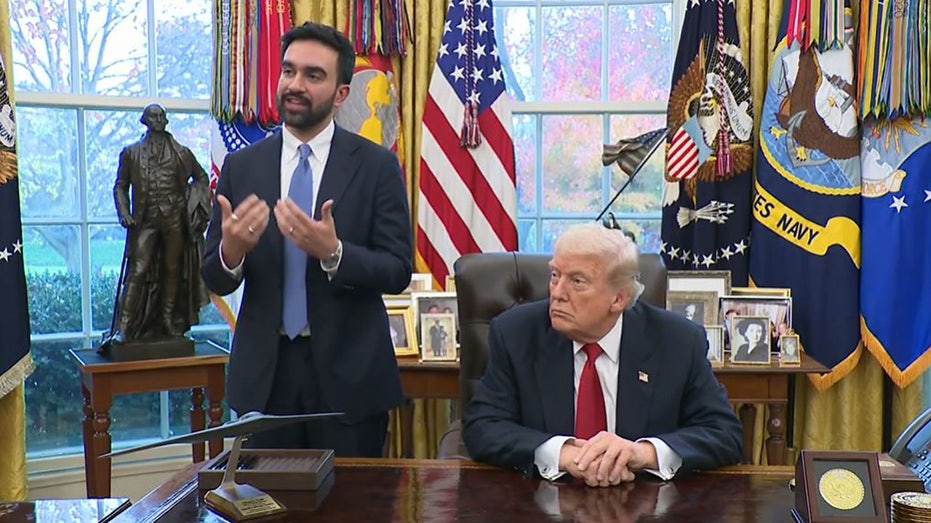
New York City Mayor-elect Zohran Mamdani vowed to keep the city’s status as an immigration sanctuary city on Sunday, just days after his friendly meeting with President Donald Trump at the White House. Mamdani confirmed his stance on the issue during a speech at a church in the Bronx on Sunday, telling parishioners that he and Trump did not see eye-to-eye on the issue. “I shared with the president directly that New Yorkers want to follow the laws of our city, and the laws of our city say that, in our sanctuary city policies, city government can be in touch with the federal government on around 170 serious crimes. The concern comes from beyond those crimes, the many New Yorkers who are being arrested, they’re being detained, they’re being deported for the crime of making a regular court appearance.” “My focus as the next mayor of this city is going to be to protect immigrants who call this city their home,” he added. MAMDANI REVEALS WHICH DEM CITIES ARE ‘MODEL FOR HOW TO FIGHT’ TRUMP ADMIN IN NYC Reporters pressed Mamdani on the issue during a gaggle outside the church Sunday, but the mayor-elect declined to speculate about how Trump would react to his policies. “I’ll let the president speak for himself, but I did make very clear that our focus comes back to public safety, delivering for each and every New Yorker and knowing that there may be disagreements between the president and myself, and there will continue to be,” Mamdani said. “And I will always make the case for each and every person that calls this city home,” he added. DAVID MARCUS: MR. MAMDANI GOES TO WASHINGTON BETWEEN ROCK AND HARD PLACE Mamdani’s statements come after he and Trump appeared to forge a new path for their relationship as they found common ground on affordability issues and improving conditions in New York. Trump admitted that the two had more in common than he thought — despite their different views — and that he would be “cheering” for Mamdani as he leads the city. “I expect to be helping him, not hurting him — a big help,” Trump said Friday. Fox News’ Diana Stancy contributed to this report.
Malaysia says it will ban social media for under-16s from next year
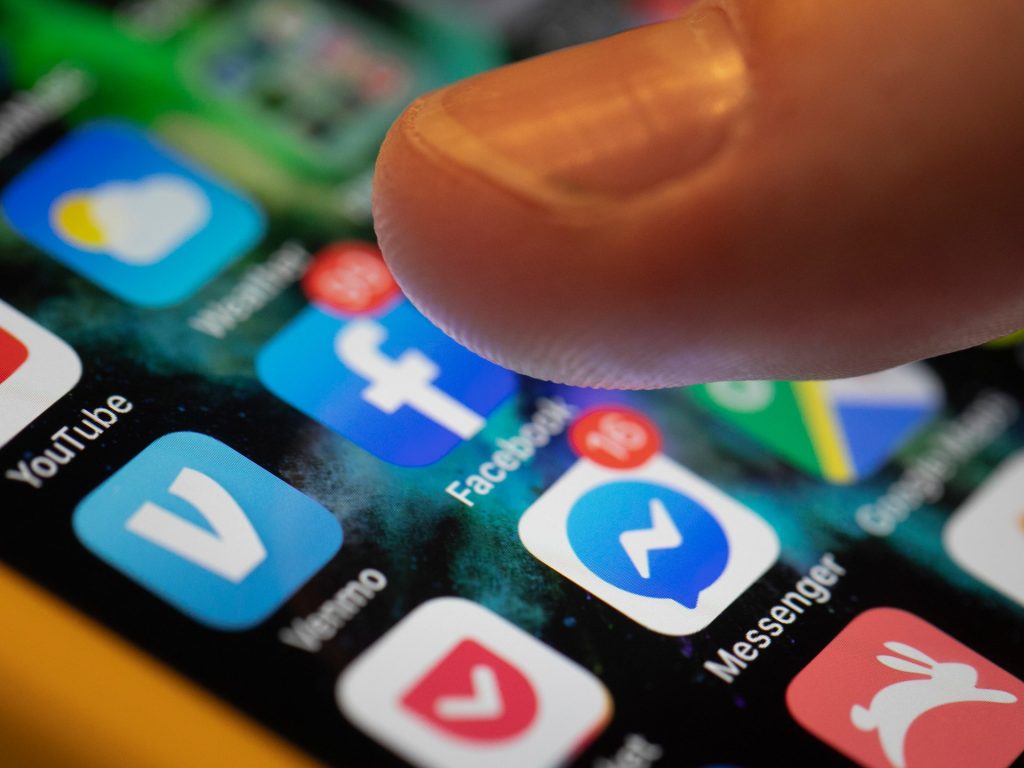
Move comes as a growing number of countries are rolling out measures to limit children’s exposure to digital platforms. By Reuters Published On 24 Nov 202524 Nov 2025 Click here to share on social media share2 Share Malaysia plans to ban social media for users under the age of 16 starting from next year, joining a growing list of countries choosing to limit access to digital platforms due to concerns about child safety. Communications Minister Fahmi Fadzil said on Sunday the government was reviewing mechanisms used to impose age restrictions for social media use in Australia and other nations, citing a need to protect youths from online harms such as cyberbullying, financial scams and child sexual abuse. Recommended Stories list of 4 itemsend of list “We hope by next year that social media platforms will comply with the government’s decision to bar those under the age of 16 from opening user accounts,” he told reporters, according to a video of his remarks posted online by local daily The Star. The effects of social media on children’s health and safety have become a growing global concern, with companies including TikTok, Snapchat, Google and Meta Platforms – the operator of Facebook, Instagram and WhatsApp – facing lawsuits in the United States for their role in driving a mental health crisis. In Australia, social media platforms are poised to deactivate accounts registered to users younger than 16 next month, under a sweeping ban for teenagers that is being closely watched by regulators around the world. France, Spain, Italy, Denmark and Greece are also jointly testing a template for an age verification app. Malaysia’s neighbour Indonesia said in January it planned to set a minimum age for social media users, but later issued a less stringent regulation requiring tech platforms to filter negative content and impose stronger age verification measures. Advertisement Malaysia has put social media companies under greater scrutiny in recent years in response to what it claims to be a rise in harmful content, including online gambling and posts related to race, religion and royalty. Platforms and messaging services with more than eight million users in Malaysia are now required to obtain a license under a new regulation that came into effect in January. Adblock test (Why?)
Gunfire, explosions at paramilitary HQ in Pakistan’s Peshawar: Reports

DEVELOPING STORYDEVELOPING STORY, Gunmen, suicide bomber attacks the Federal Constabulary headquarters in Peshawar, media reports say. Published On 24 Nov 202524 Nov 2025 Click here to share on social media share2 Share Gunmen and at least one suicide bomber have attacked a paramilitary force headquarters in Pakistan’s northwestern city of Peshawar, according to media reports. The Dawn daily reported on Monday that the headquarters of the Federal Constabulary (FC) was “under attack” and that a suicide bomber had detonated their explosives at the gate to the complex. Recommended Stories list of 4 itemsend of list The daily cited police and security sources in Peshawar. It cited the sources as saying that three fighters had been killed and that security forces had cordoned off the area. It added that three FC officers were killed in the attack and that two others were wounded. The Reuters news agency reported that the complex was hit by two suicide bombers and that at least three people had been killed. “The first suicide bomber first carried out an attack on the main entrance of the constabulary, and the other one entered the compound,” a senior official who spoke on condition of anonymity was quoted as saying. “Law enforcement personnel, including the army and police, have cordoned off the area and are carefully handling the situation as we suspect there are some terrorists inside the headquarters,” the official added. The headquarters of the force is located in a crowded area, close to a military cantonment. Adblock test (Why?)
Snapchat starts age checks in Australia ahead of teen social media ban
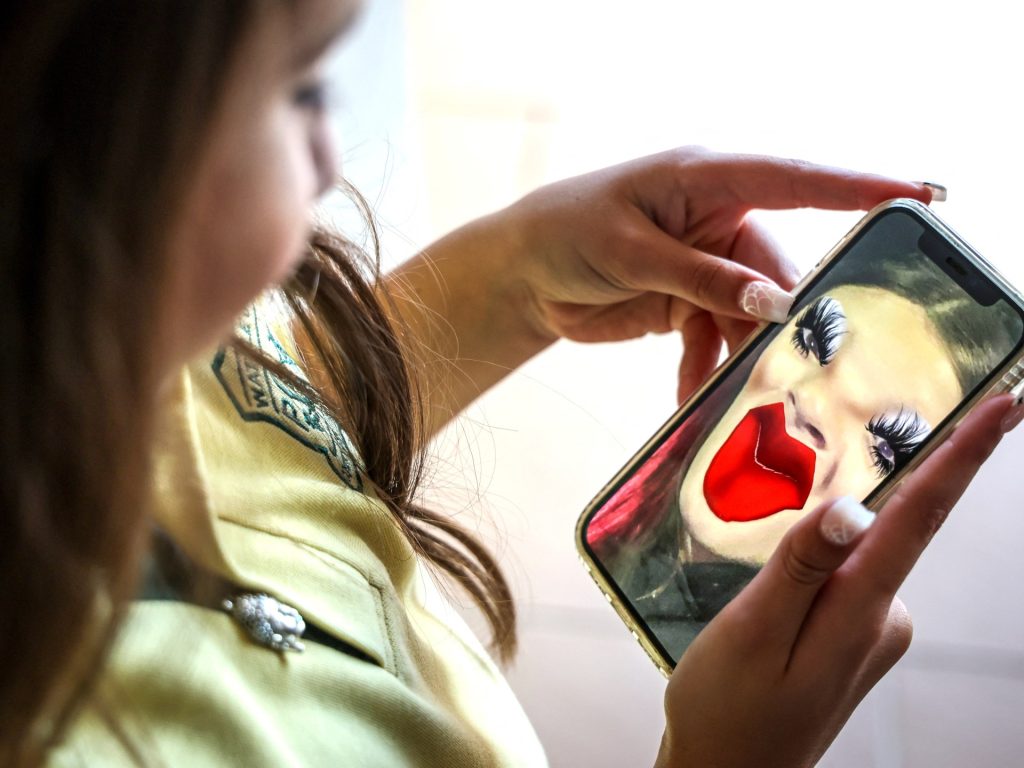
Snapchat has begun asking children and teenagers in Australia to verify their ages, including with software owned by the country’s banks, according to a company spokesperson. The move on Monday comes as Australia prepares to enforce a world-first social media ban for children under the age of 16 starting on December 10. Recommended Stories list of 4 itemsend of list The law, which threatens social media platforms with a fine of up to 49.5 million Australian dollars ($31.95m) for noncompliance, is one of the world’s toughest regulations targeting Big Tech. In addition to Snapchat, the ban currently applies to YouTube, X, Facebook, Instagram, TikTok, Reddit, Twitch and Kick. In a statement on Saturday, Snapchat said users will be able to verify their age through the ConnectID application, which links to their bank accounts, or by using software owned by Singapore-headquartered age-assurance provider, k-ID. ConnectID, which is owned and used by most major Australian banks, said it would send the tech platform a “yes/no” signal about whether the person was over 16 based on their account details, without making them upload sensitive information. “The goal here is to protect young people online without creating new privacy risks,” said ConnectID managing director Andrew Black in a statement. In the k-ID option, users can upload government-issued identification cards to verify their ages or submit photos, which the application will then use to estimate an age range. ‘Keep lines of communication open’ Snapchat has previously said it believes about 440,000 of its users in Australia are aged between 13 and 15. Advertisement Snapchat added that it “strongly disagreed” with the Australian government’s assessment that it should be included in the social media ban, claiming its service provides a “visual messaging app”. “Disconnecting teens from their friends and family doesn’t make them safer – it may push them to less safe, less private messaging apps,” it warned. Some other apps have been able to secure an exception from the ban, including Discord, WhatsApp, Lego Play and Pinterest. But Australian authorities have reserved the right to update the list of banned platforms as required. A number of young people and advocates have expressed concerns about the potential consequences of the new ban, including 18-year-old journalist and founder of youth news service 6 News Australia Leo Puglisi, who told an Australian Senate inquiry that the ban will affect young people’s access to information. UNICEF Australia has also expressed concerns about implementation, saying the changes proposed by the Australian government “won’t fix the problems young people face online”. “Social media has a lot of good things, like education and staying in touch with friends,” UNICEF Australia said in a statement. “We think it’s more important to make social media platforms safer and to listen to young people to make sure any changes actually help.” Katrina Lines, the CEO of children’s therapy provider Act for Kids, said that parents should start having conversations with children as soon as possible about how they can stay connected as the ban comes into effect over the coming weeks. “It’s important to keep the lines of communication open in the lead up to and even long after these changes take effect,” Lines said. Act for Kids said it surveyed more than 300 Australian children aged 10 to 16, and found 41 percent would prefer to connect with family in real life compared to only 15 percent who preferred to spend time online. But Lines said families still need to work out how to improve in-person connections. “One way of starting this conversation could be by asking them how they would like to stay connected to friends and family outside of social media,” she said. Global concern The Australian ban comes amid growing global concern over the effects of social media on children’s health and safety, and companies including TikTok, Snapchat, Google and Meta Platforms – the operator of Facebook, Instagram, and WhatsApp – are facing lawsuits in the United States for their role in fuelling a mental health crisis. Regulators around the world are closely watching whether Australia’s sweeping restrictions can work. Advertisement Malaysia’s Communications Minister Fahmi Fadzil said on Sunday that the Malaysian government also plans to ban social media for users under the age of 16, starting from next year. He said the government was reviewing the mechanisms used in Australia and other nations to impose age restrictions for social media use, citing a need to protect youths from online harms such as cyberbullying, financial scams and child sexual abuse. “We hope by next year that social media platforms will comply with the government’s decision to bar those under the age of 16 from opening user accounts,” he told reporters, according to a video of his remarks posted online by local daily The Star. In New Zealand, Prime Minister Christopher Luxon is also planning to introduce a similar bill to restrict children’s social media use, while Indonesia, too, has said it is preparing legislation to protect young people from “physical, mental, or moral perils”. In Europe, France, Spain, Italy, Denmark and Greece are jointly testing a template for an age verification app, while the Dutch government has advised parents to forbid children under 15 from using social media apps like TikTok and Snapchat. Adblock test (Why?)
IAF Wing Commader Namansh Syal’s last rites in Himachal native village: Wife Wing Commander Afshan salutes, mother bids tearful farewell

The mortal remains of Indian Air Force (IAF) pilot Wing Commander Namansh Syal arrived at his village Patialkar in Himachal Pradesh’s Kangra district. IAF Wing Commader Afshan saluted her husband, Wing Commander Namansh Syal, as she paid her last respects to him.
PM Modi issues BIG statement at G20 Summit in Johannesburg: ‘There can be no room for…’
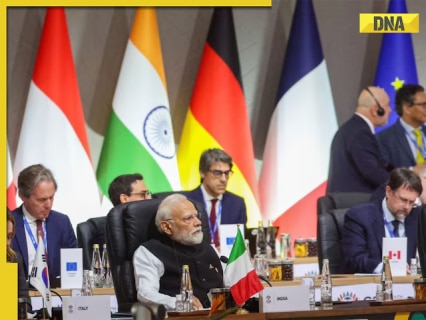
PM Modi also stated the important initiatives taken by the G20 countries over the years. “Today’s IBSA Leaders’ Meeting is both historic and timely. This first G20 Summit on the African continent marks the culmination of four consecutive G20 presidencies led by Global South countries.”
Nagpur SHOCKER: Another teen suicide, upset over parents not giving her mobile phone, 13 year-old takes extreme step when alone at home

In a tragic case from Nagpur, a 13-year-old girl died by suicide on Sunday after her parents declined her request to buy a mobile phone. The incident, occurred in a slum colony near the Hanuman Temple in Chankapur.
Good News for Passengers: Namo Bharat trains to give THIS special service for birthdays, pre-wedding shoots, check timings, booking prices and more

Namo Bharat trains, which hold the title of being the fastest train in the country, is now offering a special service for passengers. Read here to know details.
India, Canada target USD 50 Billion trade by 2030, PM Modi invites Carney to New Delhi
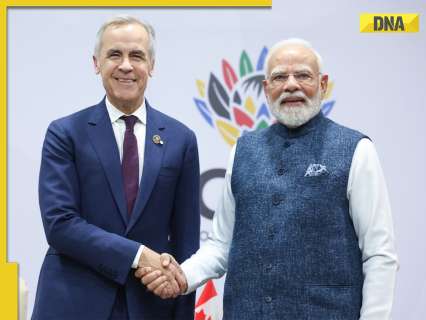
The two Prime Ministers discussed cooperation in the fields of trade and investment, defence, education, space, science and technology, and energy. Prime Minister Carney expressed support for the AI Summit to be hosted by India in February 2026, as per the MEA.