

G7 slams Russian attacks on energy as Ukraine decries ‘nuclear terrorism’
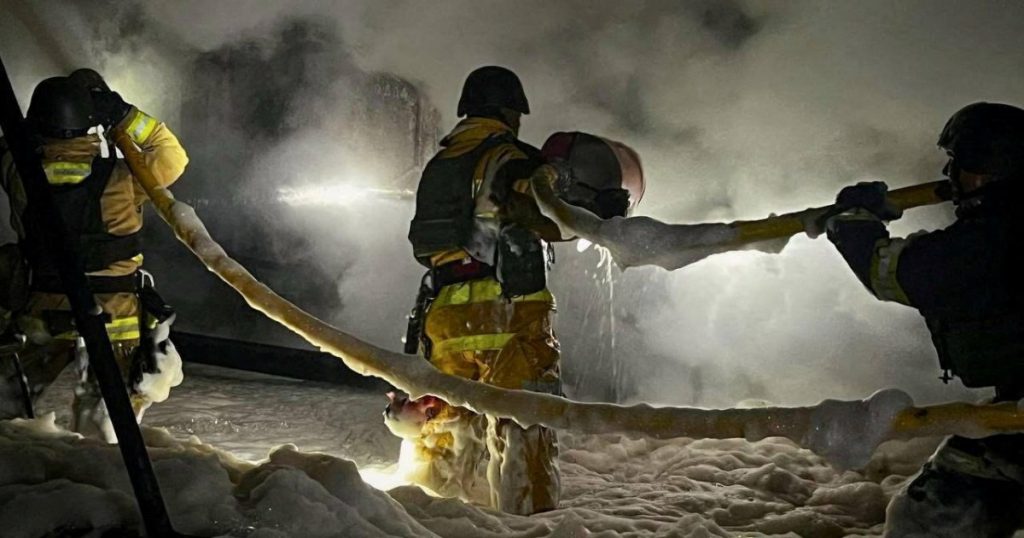
The group said Russian attacks are inflicting ‘devastating social, environmental, and economic consequences’ on Ukraine. The energy ministers of the Group of Seven nations (G7) have issued a joint statement condemning Russia’s attacks on Ukraine’s energy system, after authorities in Kyiv described Moscow’s most recent barrage as akin to “nuclear terrorism”. In a Friday statement, the G7 energy ministers – representing Canada, France, Germany, Italy, Japan, the United Kingdom and the United States – said Russia’s attacks “continue to inflict devastating social, environmental, and economic consequences on the Ukrainian people”. Recommended Stories list of 3 itemsend of list “Russia’s recent attacks on Ukraine’s natural gas infrastructure have created risks to communities and human lives, weakening civilian infrastructure and the energy security of the Ukrainian people,” it said. The G7 statement said it continues to support the reconstruction of Ukraine’s energy sector “through direct financial assistance, credit facilities, risk insurance, policy and resource alignment, as well as setting conditions for long-term private sector investment”. Over recent weeks, Ukraine has accused Russia of repeatedly attacking critical civilian energy infrastructure ahead of the bitterly cold winter months in order to inflict suffering on its population. Most recently, Ukrainian Prime Minister Yulia Svyrydenko said Moscow’s “goal is to plunge Ukraine into darkness”, after a wave of Russian attacks hit energy facilities in central, western, and southeastern regions of the country on Thursday, killing seven people. “Russia continues its systematic energy terror – striking at the lives, dignity, and warmth of Ukrainians on the eve of winter,” Svyrydenko said. Advertisement “To stop the terror, we need more air defence systems, tougher sanctions, and maximum pressure on the aggressor,” she added. On Friday, Ukraine’s Ministry of Foreign Affairs denounced what it said were “targeted strikes” by Russian forces on substations critical to supplying external power for Ukraine’s nuclear power stations. “Deliberate strikes on civilian energy facilities that directly affect the safe operation of nuclear installations bear the hallmarks of nuclear terrorism and constitute a grave violation of international humanitarian law,” it said. Kyiv announced nationwide limits on electricity supplies to retail and industrial consumers following Thursday’s attacks, while water supplies and heating were also disrupted in some regions. The United Nations’ International Atomic Energy Agency (IAEA) also said three Ukrainian nuclear power plants were forced to reduce output due to the assault. “The dangers to nuclear safety continue to be very real and ever-present,” IAEA Director General Rafael Grossi warned. “I once again call for maximum military restraint in the vicinity of nuclear facilities,” he added. Moscow denies it targets civilians. It claims its strikes are simply a response to Ukraine’s attacks on Russian civilian infrastructure. Moscow and Kyiv regularly accuse each other of targeting one another’s energy sites, as well as engaging in military activity that compromises safety at Ukraine’s four working nuclear plants. The Zaporizhzhia nuclear power plant, seized by Russian forces in the early weeks of Moscow’s February 2022 invasion of Ukraine, has become a prime concern for the IAEA as fighting rages nearby. On October 23, the Russian-installed administration of Zaporizhia said it had repaired a damaged high-voltage line and restored external power to the plant. It had been without external electricity for 30 days and relying on backup diesel generators since September 23, when its last remaining external power line was severed in attacks that each side blamed on the other. Europe’s largest nuclear plant, with six reactors, Zaporizhzhia, currently produces no electricity, but needs external power to cool the nuclear fuel and avoid any catastrophic nuclear incidents. Adblock test (Why?)
Trump says not planning US strikes on Venezuela
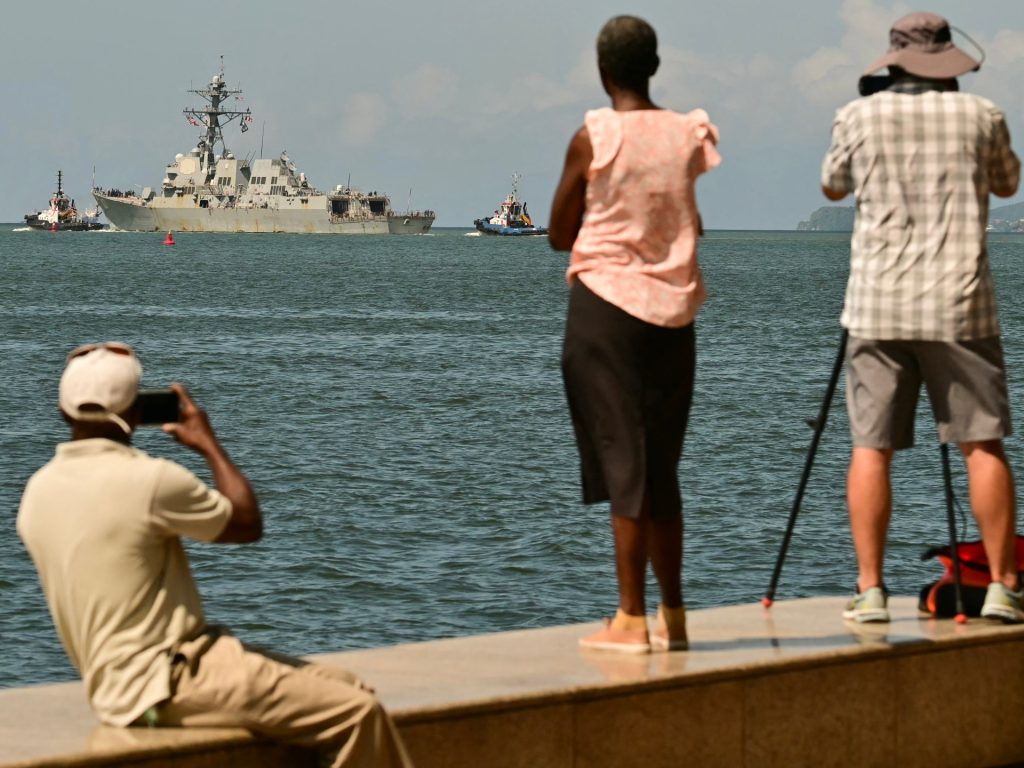
United States President Donald Trump has said he is not considering strikes within Venezuela, appearing to contradict his own comments earlier this month, amid a major US military build-up in the region. The US has now deployed fighter jets, warships and thousands of troops to the Caribbean, with the world’s largest warship, aircraft carrier USS Gerald R Ford, on its way towards the Venezuelan coast. Recommended Stories list of 4 itemsend of list When asked by reporters on board Air Force One on Friday if media reports that he was considering strikes within Venezuela were true, Trump answered: “No.” US Secretary of State Marco Rubio delivered the same message as he responded to an article in the Miami Herald that said Washington’s forces were poised to hit Venezuela. “Your ‘sources’ claiming to have ‘knowledge of the situation’ tricked you into writing a fake story,” Rubio said in a post on X. Trump’s brief response on Friday appeared to contrast with remarks he has made about Venezuela on at least two occasions earlier this month. The US president said last week he would not “necessarily ask for a declaration of war” to proceed, saying, “I think we’re just going to kill people that are bringing drugs into our country. OK? We’re going to kill them.” “Now they [drugs] are coming in by land … you know, the land is going to be next,” he added. The US military has launched a string of strikes on vessels in the Caribbean and eastern Pacific since early September, killing at least 62 people and destroying 14 boats and a semi-submersible. Advertisement The Trump administration has said the attacks are targeting alleged drug smuggling, but has yet to present any evidence to the public to substantiate its claims. United Nations High Commissioner for Human Rights Volker Turk decried the attacks “and their mounting human cost” as “unacceptable” in a statement on Friday. “The US must halt such attacks and take all measures necessary to prevent the extrajudicial killing of people aboard these boats, whatever the criminal conduct alleged against them,” Turk said. Meanwhile, a new YouGov poll published on Friday found that fewer Americans approve of the US Navy’s presence around Venezuela than in September. In the most recent poll, just 30 percent of people surveyed said that they strongly or somewhat approved of the naval deployment, while 37 percent disapprove. By contrast, slightly more people, 36 percent, approved in September, while 38 percent disapproved. Venezuelan President Nicolas Maduro has responded to the US escalation by accusing the US government of “fabricating a new eternal war” against him. He has also denied the US claims about drugs. “Venezuela is a country that does not produce cocaine leaves,” he said last week, while experts say that most drugs are smuggled into the US via the Mexican land border – by US citizens. Trinidad and Tobago puts military on alert Despite the comments by Trump and Rubio, Trinidad and Tobago, which neighbours Venezuela and has been hosting a US warship, put its military on alert on Friday and recalled all personnel to their bases. Trinidadian forces have been placed on “STATE ONE ALERT LEVEL,” a message sent by the army said, according to the AFP news agency. Police said that “all leave is restricted” until further notice. The Trinidad and Tobago Guardian newspaper also confirmed that soldiers had been ordered to report to duty. On Tuesday, Venezuela suspended a major gas deal with neighbouring Trinidad and Tobago, citing the island nation’s reception of the USS Gravely US warship. Trinidad and Tobago has said the warship was there for regular, planned joint military exercises with the United States. US senators seeking answers on ‘anti-drug’ strategy Leaders of the US Senate Armed Services Committee from both the Republican and Democratic parties have said that their requests for information on the legal basis of the US attacks on vessels in the Caribbean have gone unanswered. In a rare bipartisan action, Republican Senator Roger Wicker and Democrat Jack Reed released a statement on Friday, alongside two letters requesting more information on the strikes, addressed to US Defense Secretary Pete Hegseth, dated September 23 and October 6. Advertisement Wicker, who is also the chair of the committee, and Reed, who is the top Democrat, said that to date, the requested documents have not been provided. Adblock test (Why?)
Delhi Pollution: Govt introduces new restrictions on vehicles from Nov 1; what’s allowed, what’s banned
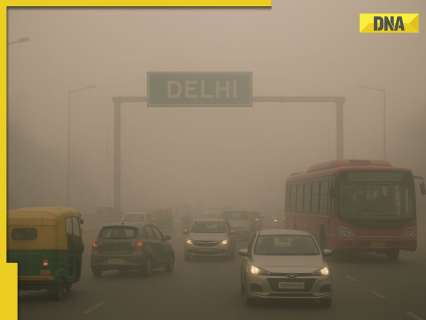
In view of the worsening air quality in the national captital, the Commission for Air Quality Management (CAQM) on Friday announced a ban on the entry of all non-Delhi-registered BS-III and below standard commercial goods vehicles into Delhi starting from November 1
BJP MP Ravi Kishan files complaint after receiving death threats, abusive phone calls, caller gives BIG warning

BJP MP and actor Ravi Kishan has filed a police complaint in Gorakhpur after receiving death threats and abusive phone calls. These threats were given after finding his speeches during the Bihar election campaign inappropriate.
Who was Tejpal Singh? 25-year-old Kabaddi player shot dead in Punjab’s Ludhiana

Police said the murder appeared to be linked to an old rivalry. “The accused have been identified, and teams have been dispatched to arrest them,” said SSP Ankur Gupta. He added that CCTV footage from the area of the incident was being examined.
EAM Jaishankar issues BIG statement on India-UK ties: ‘Look forward to continuing…’
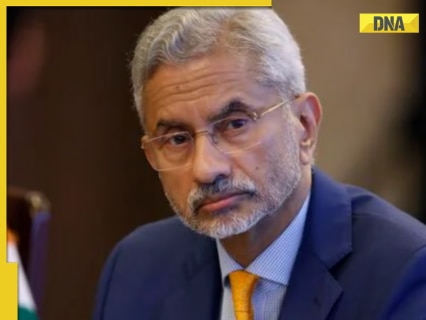
Jaishankar celebrated the National Day of the United Kingdom at an event in New Delhi, highlighting the evolving ties between the two nations. He noted that the relationship has evolved from a complex historical association to a dynamic and forward-looking partnership.
Piyush Goyal gives BIG update on India’s trade deals with US, EU: ‘We are at…’
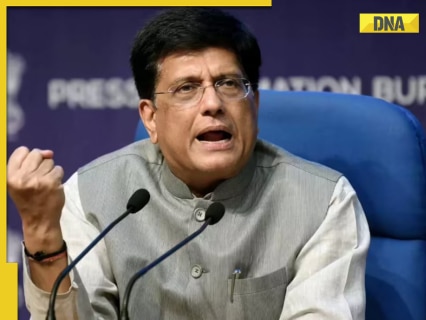
Goyal said that India today negotiates with advanced countries and is keen to contribute to their future as we would like them to contribute to our future for a Viksit Bharat. “Every agreement stands on the comparative advantage India will have vis-a-vis its trading partner,” he stated.
PM Modi slams Congress in Gujarat speech: ‘They laid the foundation of…
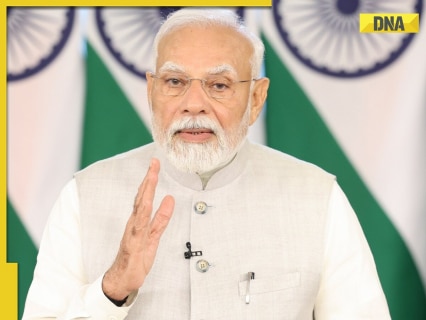
Congress president Mallikarjun Kharge, who interacted with the media in the national capital, hit back and accused the BJP and the RSS of trying to appropriate Sardar Patel and his legacy “when he had banned the organisation after the assassination of Mahatma Gandhi.”
48 migrant workers from Jharkhand stranded in Tunisia for three months, forced to work for….; know what happened

As many as 48 migrant workers from Jharkhand’s Giridih, Bokaro, and Hazaribagh districts are reportedly stranded in North African country, Tunisia, facing dire conditions for three months. They’ve appealed to the Indian government for assistance in returning home through a video message.
Delhi-NCR AQI today: Air quality further improves but remains in ‘poor’ category, GRAP Stage II in effect

Delhi’s air quality saw a marginal improvement on Saturday(November 1, 2025), with the Air Quality Index (AQI) remaining a “poor” category at 233 at 6 am, according to the Central Pollution Control Board (CPCB). This is a drop from Friday, when the AQI was recorded at 288. The improvement is attributed to the combined efforts of the Delhi government, municipal agencies, and favorable weather conditions. However, the city still experiences pollution-related challenges, and authorities are working to sustain the improvement.