

Haley Stevens shreds Abdul El-Sayed: ‘We don’t need a celebrity candidate’
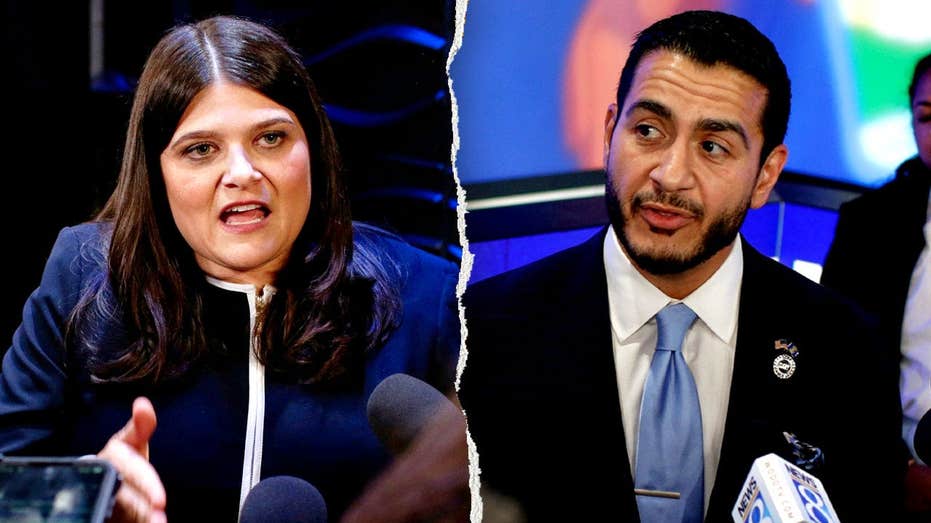
Rep. Haley Stevens, D-Mich., repeatedly called Abdul El-Sayed the “celebrity” candidate in the Michigan Senate race during Monday’s Senate Democratic debate, arguing that El-Sayed’s podcast, books and political activism pale in comparison to her time in Congress. The race between Stevens and El-Sayed has become a microcosm of the battle over the Democratic Party’s future. On Aug. 4, Democratic voters will decide whether to back Stevens, who has the support of the Democratic establishment, or El-Sayed, a socialist-supported challenger who has called for abolishing ICE and is strongly critical of the United States’ support for Israel. In her opening remarks, Stevens rattled off her qualifications as the Democratic Party’s best chance of winning the Senate race, pointing to flipping her seat in 2018, being named Michigan’s most effective Democratic lawmaker by the Center for Effective Lawmaking in 2025 and being endorsed by Democratic Michigan Democratic Gov. Gretchen Whitmer. “My only focus is you,” Stevens said. “Abdul is running for celebrity. Republicans are propping up his campaign, and Mike Rogers, just the other day said in a secret phone call that he made it easier for him to win, that he’s the one he wants to run against.” DEM CIVIL WAR HITS PRIMARY DEBATE STAGE IN FIERY BATTLEGROUND SHOWDOWN: ‘WHAT ARE YOU HIDING?’ Stevens was referring to a phone conversation Republican candidate Mike Rogers had with supporters last month in which he said his campaign would be in “good shape” if El-Sayed were the nominee. “Look, this isn’t about the D.C. or New York influencer crowd,” Stevens said. “This is about putting Michigan first.” Later in the debate, Stevens said she is standing up to Trump’s “abuses of powers,” while taking a dig at Abdul by saying she’s doing so without “shouting into a bullhorn, not getting in front of the first camera I see, but doing the hard work.” SWING-STATE POLL SPELLS TROUBLE FOR FAR LEFT AS SCHUMER-BACKED CANDIDATE DOMINATES WITH CRITICAL VOTING BLOCS “Look, my opponent here, Abdul, he is such a talented guy,” Stevens said, referring to his three books and his podcast America Dissected. “He’s had all this attention, but the deal is, we don’t need a celebrity candidate. We don’t need a celebrity.” Stevens then pointed to her six years in the House of Representatives, saying she has been committed to “hard, unglamorous work.” “That’s going to stand up to this junk that is wreaking havoc and causing chaos right before our very eyes,” Stevens said. Stevens suggested that Abdul’s Senate campaign is just another “rung on the ladder” for him, pointing to his failed 2018 gubernatorial bid. “It didn’t work out, so he started the podcast, he wrote the books, and now he’s running for Senate, and he’s already bought the website for president,” Stevens said. In response, El-Sayed accused Stevens of “cowardice” over her past votes to increase ICE funding, saying the agency should be completely abolished. MICHIGAN SENATE CANDIDATE ABDUL EL-SAYED DODGES QUESTION ON WHETHER HE STILL SUPPORTS DEFUNDING THE POLICE “So yeah, I’m going to take the bullhorn and I’m going to say that I think we need to abolish ICE because I am not afraid of what they’re going to say about me,” he said. He also suggested that Stevens’ focus on his public health podcast was a distraction from the issues that matter most to voters, such as affordability. “Congresswoman, if you enjoy podcasts about public health, I welcome you to take a listen. You seem very concerned about that,” El-Sayed said. “I’m more concerned about the fact that people can’t pay for their gas, they can’t pay for their groceries.” The open Senate race in Michigan has garnered national attention, with outside groups spending more than $52 million on the race through mid-July, most of it in support of Stevens, according to an OpenSecrets analysis of FEC reports. SIGN UP TO GET THE POLITICS NEWSLETTER El-Sayed, who is backed by Sen. Bernie Sanders, D-Vt., has painted Stevens as the candidate of large super PACs such as AIPAC, while saying he has not received a single dollar from corporate interests or super PACs. Before running for Congress, El-Sayed served as Wayne County director of Health and Human Services. Meanwhile, the Republican Party has deemed Michigan to be one of best pickup opportunities in its effort to maintain control of the Senate. Fox News Digital reached out to El-Sayed and Stevens’ campaigns for comment.
Trump’s war on fraud expands as Treasury launches new site with whistleblower incentives
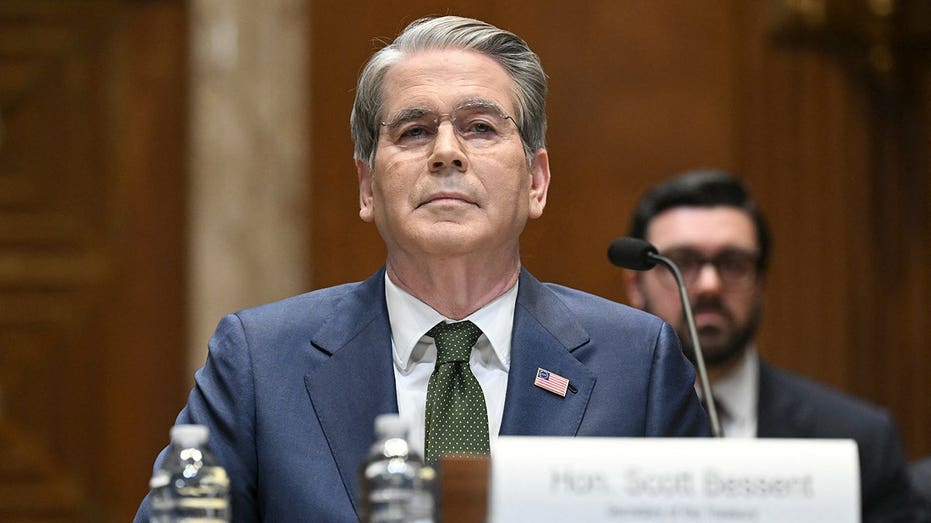
FIRST ON FOX: Americans could soon cash in on exposing fraud as President Donald Trump’s Treasury Department prepares to launch a program paying whistleblowers, Fox News Digital has learned. The Treasury Department has created an online tip line that incentivize Americans to bring allegations of fraud directly to the administration in an effort to increase transparency and crack down on abuse of taxpayer dollars. The website encourages people to “blow the whistle on fraud, money laundering and sanctions/tax violations.” And those who report explicit details of legitimate fraudulent transactions could see a pay day for their information. “Whistleblowers play a critical role in protecting the integrity of our financial system,” Treasury Secretary Scott Bessent told Fox News Digital. THE WAR ON FRAUD IS HERE, AND VICE PRESIDENT VANCE IS LEADING IT FROM THE FRONT “Today, on National Whistleblower Day, Treasury launched a new webpage that brings our whistleblower programs together in one place, making it easier to find information and navigate the reporting process,” he continued. Awards for whistleblowers could range between 10% and 30% of the total amount in penalties recovered from successful enforcement operations carried out by the Departments of Treasury and Justice. The rollout marks the latest step in the Trump administration’s broader campaign to root out fraud across federal programs after officials argued billions in taxpayer dollars have been lost to waste, abuse and organized criminal schemes. The program works alongside the Task Force to Eliminate Fraud — a federal initiative led by Vice President JD Vance that President Donald Trump established by executive order earlier this year. It also mirrors a similar program that was used to root out illicit money movements in Minnesota in the midst of the Feeding Our Futures fraud scandal. The new website consolidates Treasury’s existing whistleblower programs into a single public portal, allowing for fraud report submissions to go through one website that routes tips to the department’s various enforcement bureaus. FEDERAL GOVERNMENT’S LANDLORD JOINS VANCE FRAUD CRACKDOWN AS WHITE HOUSE WIDENS HUNT: ‘CRITICAL FORCE’ It also serves as a hub for Treasury’s broader anti-fraud campaign, with initiatives ranging from Internal Revenue Service (IRS) fraud investigations and sanctions enforcement to financial institution alerts, whistleblower protections and the White House Task Force to Eliminate Fraud, led by Vance. “Fighting fraud is a core national security and taxpayer protection mission for Treasury,” a Treasury spokesperson told Fox News Digital. “Secretary Bessent has directed the Department to modernize its tools, strengthen partnerships with financial institutions and law enforcement, and aggressively pursue those who steal from the American people. Treasury is committed to preventing fraud before it occurs, disrupting criminal networks that exploit government programs, and holding bad actors accountable.” Both the new whistleblower program and anti-fraud task force were created in response to the massive fraud scandal in Minnesota that triggered investigations that later exposed taxpayer dollar abuse statewide. The exposed fraud included allegations that the state’s Somali community was exploiting social services to send millions of dollars to those unqualified to receive financial assistance, including al Qaeda-linked terror groups. “President Trump has been clear that Americans have a right to know that their tax dollars are not being diverted to fund acts of global terror or to fund luxury cars for fraudsters,” a statement from Bessent featured on the new website reads. “At Treasury, we follow the money.” JACOB FREY PRAISES SOMALI COMMUNITY AS MINNESOTA FACES RENEWED SCRUTINY OVER FRAUD INVESTIGATIONS “We did it with the mafia, we have done it with all the cartels, and we’re doing it with the Somali fraudsters,” he went on in the public statement. “We are going to offer whistleblower payments to anyone who wants to tell us the who, what, when, where and how this fraud and money laundering occurred.” The portal provides direct reporting links to Treasury bureaus including the Financial Crimes Enforcement Network, the IRS and the Office of the Comptroller of the Currency, allowing tips to be routed to the agency best equipped to investigate them. Treasury has not yet specified how whistleblower payments will be calculated or which cases would qualify for financial rewards.
Acting DNI touts ‘approximately 30% Staff Reduction from Weeks Ago’ as Senate poised to confirm Trump nominee
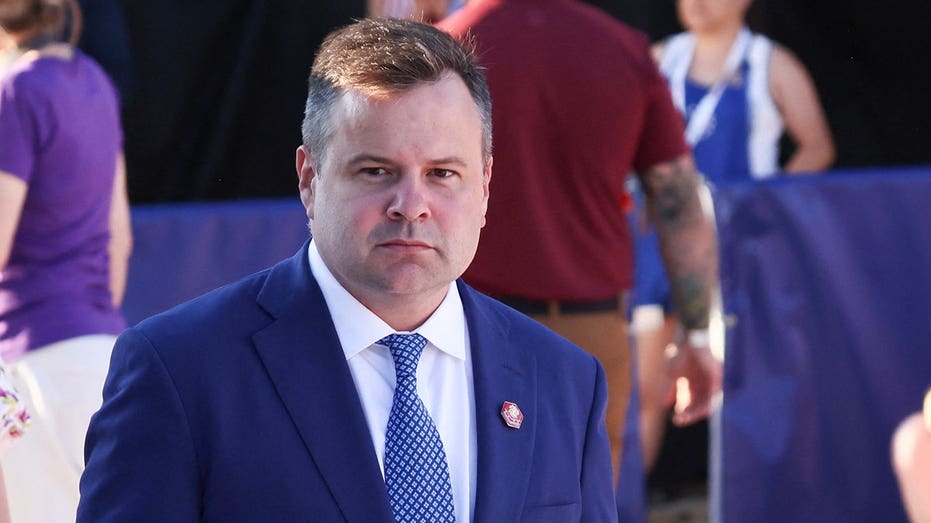
Acting Director of National Intelligence William Pulte has announced a fifth wave of office downsizing. “Good News! In addition to the Historic DECLASSIFICATIONS (Transparency!) by the President, we are, this morning, Executing a 5th and Near Final Round of TERMINATIONS, an approximately 30% Staff Reduction from Weeks Ago,” he wrote in a Tuesday post on X. “The Intelligence Community must protect the American people, NOT the political whims of the bloated and corrupt elite class,” he added. ACTING DIRECTOR OF NATIONAL INTELLIGENCE ANNOUNCES 4TH WAVE OF LAYOFFS Pulte on Sunday had announced the completion of a fourth batch of layoffs from the Office of the Director of National Intelligence (ODNI). “Since becoming Acting Director of National Intelligence, our team has been smartly, and carefully, reducing the size of ODNI, re-focusing ODNI on national security, the law, and the statute. As of this evening, we just finished a 4th round of thoughtful, measured layoffs. Thank you!” he declared in a Sunday night post on X. In a July 10 post, he had stated, “U.S. National Intelligence is operating more efficiently and effectively than ever before, and today, we started a third round of reducing redundant, or non-critical, personnel. DNI’s future is exceptionally bright, and will be focused on following the law and the statute.” Pulte, the director of the Federal Housing Finance Agency, took on the role of acting DNI last month as Tulsi Gabbard, who had been serving as DNI, departed the role due to her husband’s cancer battle. TRUMP’S DNI PICK JAY CLAYTON LOCKS HORNS WITH DEMOCRATIC SENATOR IN FIERY CONFIRMATION HEARING CLASH Prior to when Pulte took the helm at ODNI last month, The Wall Street Journal reported that during an interview, President Donald Trump said he had informed Pulte that he thought the ODNI was “unnecessary and/or too big.” “I’d like to see it smaller. I think there are a lot of people in there that shouldn’t be there,” the president said, pointing to Obama and Biden administration carryovers, according to the Journal. Asked if he was calling on Pulte to terminate workers, the president stated that he wanted Pulte to “start the process,” noting that the eventual DNI nominee should carry on that effort, the outlet reported. In part of a June Truth Social post, Trump declared, “I have named William Pulte to be Acting Director of National Intelligence, who will take over on June 19th, and have asked him to execute the immediate and needed downsizing of the office, reverting staff to their home agencies.” Fox News Digital reached out to ODNI on Tuesday asking for clarification on the reported 30% staffing reduction. SENATE CLEARS WAY FOR TRUMP’S TOP SPY AS KEY ANTI-TERROR PROGRAM REMAINS IN LIMBO Sen. Tom Cotton, R-Ark., said during a Senate floor speech last month that he had spoken with the acting DNI, who he says agreed “that we need to return the ODNI to its original size, scope, and mission by spinning off some of these functional… centers and sending intelligence officers who have been detailed there back to their home agencies so they can do actual intelligence work.” “He informed me that yes, a small handful of front office personnel are leaving federal employment, which is not at all uncommon when a senior leader leaves an agency or one comes into an agency,” Cotton said. “He also said that a few dozen, around 45 or 50, career officers are, in fact, returning to their home agencies.” Trump last month announced that he was tapping U.S. District Attorney for the Southern District of New York Jay Clayton as his DNI nominee. The Senate is slated to vote on confirming Clayton on Tuesday night.
House committee passes Foreign Funding Transparency Act to expose foreign donations to nonprofits
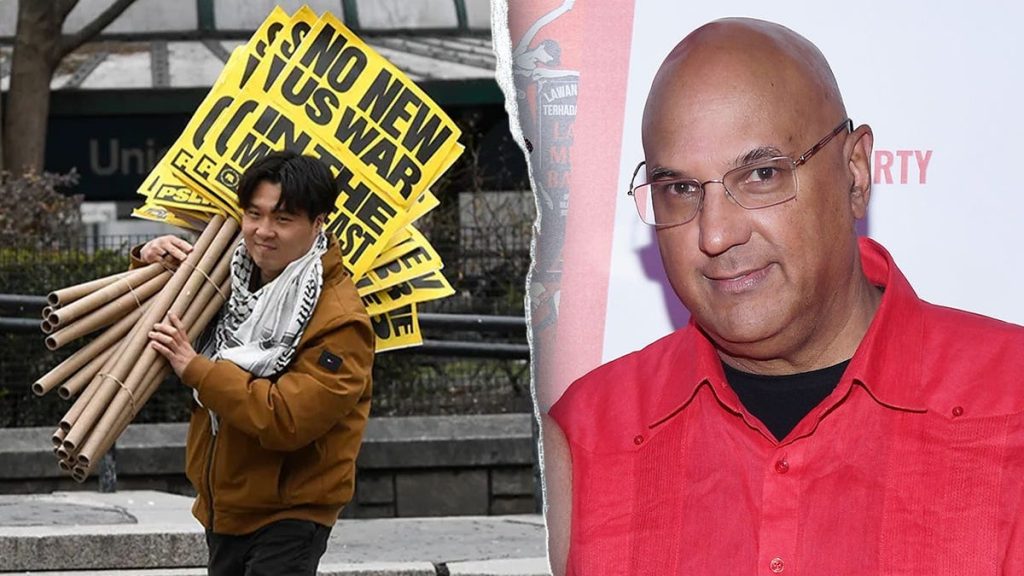
Lawmakers are seeking to expose foreign nationals who may be funneling money and donations through tax-exempt organizations to political committees as the House Ways and Means Committee passed a bill that would revise reporting requirements for tax-exempt groups. The Foreign Funding Transparency Act, which passed 23-18 in the committee last Wednesday, would require tax-exempt organizations to collect and report to the Internal Revenue Service (IRS) donations received from foreign nationals. “For far too long, foreign influence and interference have plagued our tax-exempt sector,” committee Chairman Jason Smith, R-Mo., said in a statement. “Foreign donations have no place in American politics, particularly when the sole goal is to manipulate our public discourse, promote propaganda and support violence.” Smith noted that many of the protests and demonstrations that take place across the U.S. appear to be grassroots but are actually well-organized and well-funded, often by groups within what he described as “shadowy networks.” “As the Ways and Means Committee conducted its investigation into the nation’s tax-exempt sector, it became clear that shadowy networks of well-funded organizations have been enjoying lucrative tax benefits for decades, while simultaneously accepting donations and direction from foreign nationals,” Smith added. “From the outside, it looks like a movement, but once you see how the money flows, it becomes clear that this is a machine,” he added. The bill’s passage came just a week after Secretary of State Marco Rubio called for global cooperation at a summit in Washington to combat far-left political terrorism. SHANGHAI SABOTAGE: INSIDE SINGHAM’S SECRET STRATEGY TO DEMONIZE AMERICA “For far too long, however, our counterterrorism doctrine has had a blind spot – a blind spot when it comes to extremist violence from the political left,” Rubio said. “Even today, the very idea that far-left terrorism could be a serious threat is treated as a right-wing fever dream, or worse, as a dangerous fascist conspiracy.” While Rubio didn’t mention any organizations or individuals by name, the House Ways and Means Committee noted Marxist Neville Roy Singham in a statement about the bill’s passage. Singham, a 72-year-old American now based in Shanghai and who sold his tech company for $785 million in 2017, is known to fund pro-Chinese Communist Party groups operating in the U.S. He has funneled $278 million into the broad network of nonprofits since 2017, according to a Fox News Digital investigation. The funneling of funds through nonprofit networks has been a key point of concern for lawmakers and the Trump administration. Major contributors, including Singham, often have dispersed funds through shell 501(c)(3) nonprofits, which subsequently contributed to various tax-exempt organizations. RUBIO’S CALL TO COMBAT GLOBAL FUNDERS OF FAR-LEFT TERRORISM COULD PUT SINGHAM IN CROSSHAIRS During his address to more than 60 countries earlier this month, Rubio noted that networks have been coordinating across multiple countries, providing training instructions and using encrypted communication to facilitate unrest. He said international cooperation was critical to disrupting the financing of dangerous organizations, some of which were working with hostile foreign states. Singham did not respond to Fox News Digital’s requests for comment.
READ THE DIARIES: Documents unveil Fauci’s thoughts on the lab-leak debate, mask doubts and testing failures
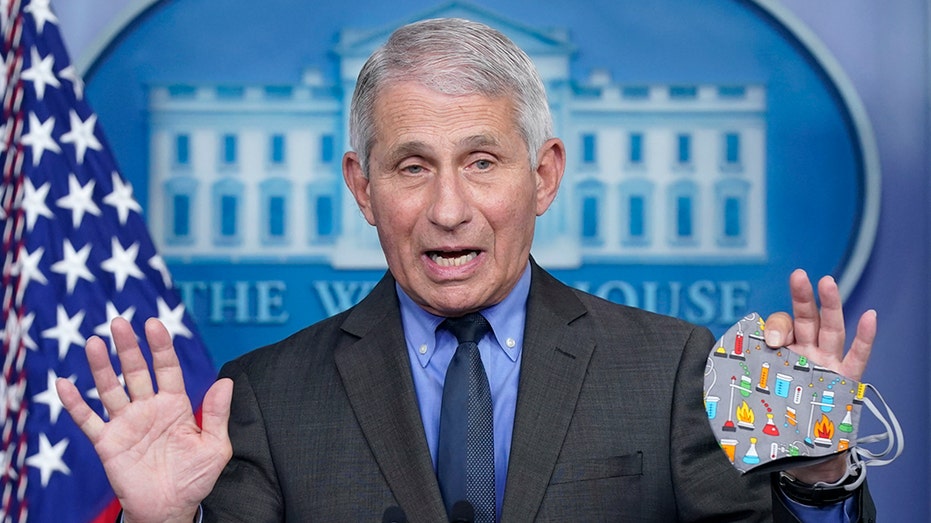
Sen. Rand Paul, R-Ky., on Tuesday released the private diaries of Dr. Anthony Fauci, the controversial former director of the National Institute of Allergy and Infectious Diseases (NIAID) and chief government spokesperson during the COVID-19 pandemic. The released documents show Fauci privately confronted possibilities about the virus’s origins that he publicly downplayed. On Jan. 31, 2020, he recorded that scientists considered deliberate insertion of the virus possible and agreed it required further expert review, despite later public recommendations suggesting the contrary. He later privately questioned CDC and FDA competence, admitted officials had overstated mask ineffectiveness and repeatedly described testing and supply failures. FAUCI’S NEWLY RELEASED COVID DIARIES REVEAL BIZARRE FIXATION ON FAME AS PANDEMIC DEATHS MOUNTED Throughout his time as NIAID director, he made note of conversations, decisions and his thoughts about actions taken by politicians and other officials. What Paul released is Fauci’s historical record containing almost-daily entries. “Later in the pandemic, he gloried in the positive attention he was receiving from legacy media and demonized those who questioned his official narrative — like me,” Paul said — alluding to heated exchanges during congressional hearings when Paul grilled Fauci over his pandemic response. “Many entries in Fauci’s daily historical account completely undermine the official narrative that Fauci and other public health officials espoused,” Paul wrote in his introduction to the documents. SLACK MESSAGES RELEASED BY RAND PAUL APPEAR TO SHOW AUTHORS OF KEY COVID-19 ORIGIN PAPER HELD PRIVATE DOUBTS SIGN UP TO GET THE POLITICS NEWSLETTER Paul said the “first alarm” went straight to the octogenarian immunologist, as he and two other medical experts examined the furin cleavage site in the virus and deliberated about the aforementioned genomic insertion and whether it truly escaped from a Chinese lab. “Before most Americans knew there was an origins debate, the government’s top infectious-disease official was already confronting the lab scenario,” Paul said. READ THE FAUCI DIARIES FROM 2001-2015. APP USERS: CLICK HERE READ THE COVID-ERA FAUCI DIARIES BELOW. APP USERS: CLICK HERE
DEI hiring boost for one blue state’s Muslim commission initiative flies in face of Trump’s anti-woke push
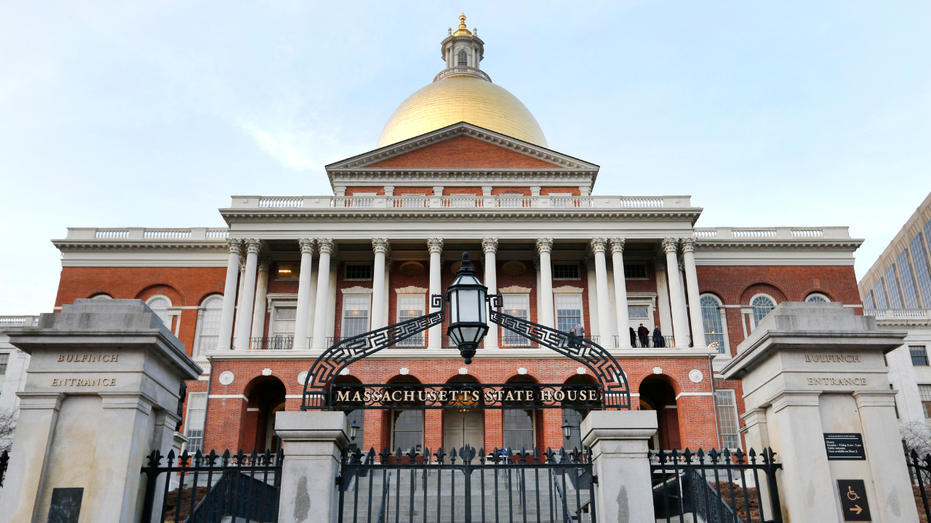
Massachusetts lawmakers are taking steps toward prioritizing the hiring of American Muslims for state government positions under a permanent so-called Muslim commission. The group would help recommend Americans who practice Islam to appointed government positions in the New England state at the same time the Trump administration is moving to dismantle such diversity, equity and inclusion (DEI) programs nationwide — teeing-up a standoff between local leaders and the president. A proposed bill would create a panel of 11 Muslims appointed by Democratic Gov. Maura Healey and other state officials to represent the Islamic faith on issues such as business, economy, healthcare and other concerns. DEMOCRATIC SOCIALIST ACTRESS CYNTHIA NIXON HANDED POWERFUL ROLE IN HELPING CHOOSE NEW YORK TOP JUDGES The Muslim commission would influence government recruiting and, “Identify and recommend qualified American Muslims for appointive positions at all levels of government, including boards and commissions, as the commission considers necessary and appropriate,” according to language in the bill. “Massachusetts has always prided itself on being a leader in equality and civil rights, a legacy this bill builds upon,” said Democratic state Sen. Jamie Eldridge, the bill’s primary sponsor. “American Muslims in my district and across the Commonwealth enrich our communities as students, healthcare workers, educators, small business owners, and civic leaders,” Eldridge added in the press release on the proposal. “This commission will help the state better understand and address the challenges they face, while strengthening inclusion and civic participation. “ Senate Bill S.2134 currently sits in the state’s Senate Ways and Means Committee after clearing initial committee markups and votes. Muslims account for an estimated 2% to 3% of Massachusetts’ population, according to approximate figures from Pew Research Center and the U.S. Census. COAST GUARD ENDING RACE-BASED ADMISSIONS FOR OFFICER COMMISSIONING PROGRAM UNDER TRUMP DEI CRACKDOWN Massachusetts’ push comes as President Donald Trump has made it a mission of his administration to cut back on DEI programs in the private sector, as well as in the federal government. “President Trump was resoundingly elected with a mandate to end divisive, racist policies and restore merit and efficiency,” White House spokesperson Allison Shuster told Fox News Digital. “DEI ran rampant during the Biden Administration, and Americans ultimately paid the price for these destructive policies with a restricted labor pool, higher operational costs, and workforce inefficiencies,” Shuster added. “The Trump Administration will always promote equal treatment under the law for every American, regardless of race or ethnicity.” The president’s team has terminated federal DEI-related contracts and eliminated DEI federal government programs. Part of Trump’s initiative during his first 100 days with the Elon Musk-led Department of Government Efficiency (DOGE) was to put an end to programs that prioritized hiring and representation in the workplace based on applicants’ protected classes. Many Republicans, including the president and Musk, claimed that DEI was “reverse discrimination” that provided unfair preferences against majority groups in the U.S. Gov. Healey’s office did not respond to Fox News Digital’s request for comment on the legislation.
Iran rejects Trump frozen funds plan, warns ships of Hormuz transit ban
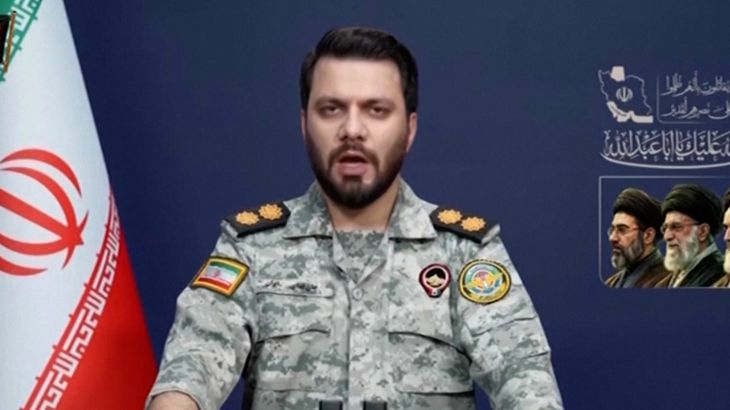
Iran rejects Trump frozen funds plan, warns ships of Hormuz transit ban NewsFeed Iran rejected US President Donald Trump’s claim that ships damaged by Iran in the Gulf would be compensated from frozen Iranian funds. IRGC spokesperson Ebrahim Zolfaghari warned that any vessel taking such money will be banned from transiting the Strait of Hormuz. Published On 28 Jul 2026 Adblock test (Why?)
Trump expresses frustration with Netanyahu before White House meeting
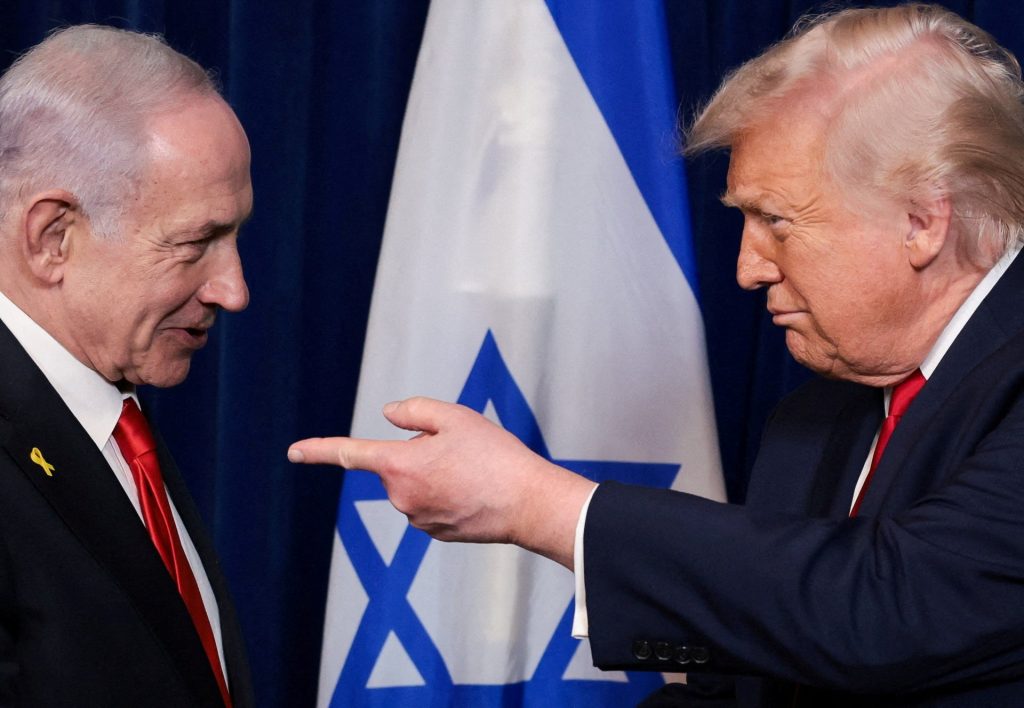
US president says Iran talks progressing, reups threats if diplomacy fails before sit down with Israeli prime minister. United States President Donald Trump has appeared to express frustration with Israeli Prime Minister Benjamin Netanyahu before their meeting at the White House. Trump made the comments to Fox News on Tuesday, just hours before he and the Israeli prime minister were set to meet in the Oval Office, their first such meeting since they jointly launched the war with Iran on February 28. Recommended Stories list of 3 items list 1 of 3Israel’s approval of limited Gaza force a calculated manoeuvre, experts say list 2 of 3Are the US and Iran heading towards a forever war? list 3 of 3Trump calls protester ‘communist’ after Michigan speech interruption end of list The US president pushed back when asked about reports that Netanyahu planned to discuss alleged intelligence related to Iran’s Pickaxe Mountain, an underground nuclear site. “I don’t need Bibi to tell me that,” Trump said, using Netanyahu’s nickname He added that Netanyahu is “telling me that because he wants me to stay involved”. “I said: ‘Why didn’t you just tell it to me, why did you have to announce it to the world?’” he said, referring to the report. “I know exactly what’s going on at Pickaxe. It’s not a big problem,” Trump said. Tuesday’s meeting with Netanyahu comes at a precarious time for Trump, who has said the US and Iran are engaged in a new diplomatic push following a 13-day escalation. He has repeatedly threatened new attacks, including on Pickaxe Mountain and Iran’s civilian infrastructure, if the talks fail. That fighting followed the breakdown of a memorandum of understanding (MoU) signed by the US and Iran in June, which saw a halt to fighting, the reopening of the Strait of Hormuz, and the lifting of the US naval blockade on Iran. Netanyahu’s government had opposed that deal and has favoured continued military operations aimed at regime change. US media reports, meanwhile, have fuelled public perception that Netanyahu has repeatedly influenced Trump to take military action against Iran, including in the run-up to the 12-day war last year and the current war, which has stretched on for five months. The conflict has remained widely unpopular in the US, and increasingly, within segments of Trump’s Republican party. Still, Trump downplayed the differences on Iran when speaking to reporters on Monday. “We have a little difference,” Trump said of Netanyahu, “but pretty close, yeah.” During that exchange, Trump also pushed back on Israel’s opposition to the US resuming its F-35 programme with Turkiye. “Frankly, we’re being very nice to a lot of countries that would not survive without us. And you know who wouldn’t survive without us? Israel.” Despite Trump and, notably, his vice president, JD Vance, showing more willingness to criticise Israel in recent weeks, Washington’s policy of staunch military support has remained unchanged. Netanyahu’s visit comes as lawmakers continued to mull a defence budget that would integrate parts of the US and Israel’s militaries, with the package already passed by the US House of Representatives. For his part, Netanyahu, speaking on Fox News Channel’s “Sunday Morning Futures” over the weekend, said he hoped to sit down with Trump “to hear what he has in mind” for Iran. Analysts have said the Israeli prime minister is acutely aware of his tanking popularity in the US, and will likely try to shed the perception he is trying to push the US into further war. On Trump, Netanyahu said it’s largely “his decision” on how to move forward. “If he can do so without returning to intense military fighting, that’s fine. Why not?” he said, before reiterating his government’s zero-tolerance approach to Iran’s civilian nuclear programme. “But one way or the other, they have to end their nuclear program,” he said. Adblock test (Why?)
Is Netanyahu’s Trump card losing its power in Israel?
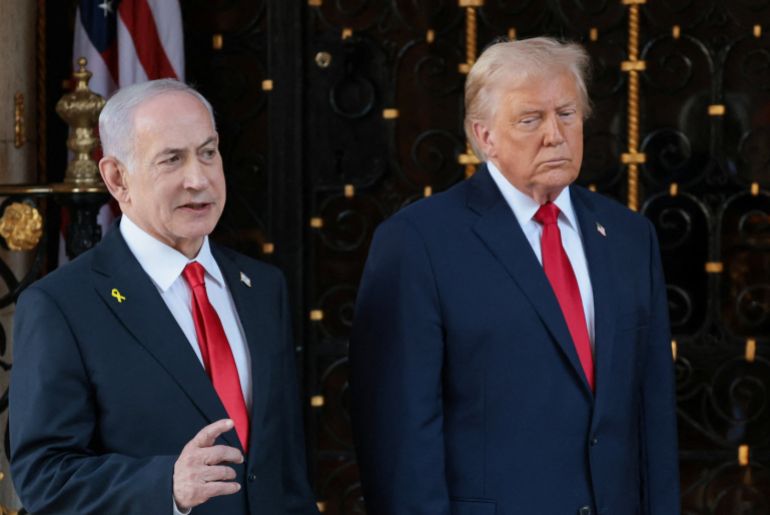
Prime Minister Benjamin Netanyahu has long presented his closeness to the United States – both politically and personally – as evidence of his indispensability to Israel. Arriving with a camera-ready American accent after spending a large portion of his youth in the country, Netanyahu is said to have used his unique understanding of US politics to charm and cajole numerous presidents into maintaining their unflagging support of Israel and his personal political projects. Recommended Stories list of 4 items list 1 of 4Israeli ex-generals urge Trump to push Netanyahu on ‘settler terror’ list 2 of 4‘War criminal’: Protesters confront Netanyahu motorcade in Washington DC list 3 of 4Netanyahu meets Trump at the White House: What’s on the agenda, what’s next list 4 of 4Trump flouts political risk to host Netanyahu’s seventh White House visit end of list For a time it appeared as though US President Donald Trump was the most amenable of all past presidents to Israel and to Netanyahu, particularly after he became the first US leader to agree to participate in a joint war with Israel against Iran. And yet, with that war stalling, Trump appearing more willing to make deals in the Middle East without Israeli input, and increasing criticism of Israel in the US, there is a sense in Israel that Netanyahu’s Trump card may not be as useful as it once was. That has come at a bad time for Netanyahu, who faces an election at home in late October and an ongoing trial for corruption, as well as several unresolved conflicts in the region. Netanyahu’s visit to Washington on Tuesday to meet Trump – his first since the war on Iran began – therefore is an opportunity for a refresh – and a photo opportunity to remind the Israeli public of his ties to the US president. The optics Strains in Netanyahu’s relationship with Trump have been growing since the start of the war on Iran, after reporting emerged that it was the Israeli prime minister who convinced the US president of the feasibility of the mission, and the potential for the Iranian state to be overthrown. Concern has also grown within the US Congress over Netanyahu’s apparent indulgence of Israel’s increasingly violent settler movement – which included the extrajudicial detention of a US senator by settlers – alongside friction over Washington’s decision to consider selling F-35s to Israel’s regional rival Turkiye and agreeing a nuclear cooperation deal with Saudi Arabia. “The real reason Netanyahu’s got this visit [to Washington] is purely cynical,” Alon Pinkas, a former Israeli ambassador and consul general in New York, told Al Jazeera. “He’s claimed that he’s flying all the way to the US to attend the wake of his apparently great friend [deceased Republican Senator] Lindsey Graham.” Israeli Prime Minister Benjamin Netanyahu speaks to the media as he is welcomed by US President Donald Trump for meetings at the Mar-a-Lago club in Palm Beach, Florida in December [File: Jonathan Ernst/Reuters] “Supposedly there’s an agenda, supposedly they’re going to talk about Iran, F-35s and Saudi Arabia’s potential nuclear deal,” said Pinkas. “But really this is about two things: hoping to assure allies and critics within Israel that the relationship with Trump holds and, separately, hoping that Trump will again call for his pardon in the corruption trial,” he added, referring to Trump’s unorthodox intervention in Israel on Netanyahu’s behalf in November 2025. However, while Netanyahu may be hoping that a good meeting with Trump may help him in the polls, he arrives at a time when his stock in the US is potentially at its lowest. Netanyahu has received widespread criticism from figures on the American right, such as podcast host Tucker Carlson and the former Republican US Representative Marjorie Taylor Greene. Vice President JD Vance has also been critical of “some” Israelis, using an interview with US podcaster Joe Rogan to suggest that figures within the Israeli government were trying to derail the agreement he was brokering with Iran to end the war. Analysts have suggested that the Trump-Netanyahu meeting will combine public flattery with private cynicism on the US president’s part. Asked about Netanyahu’s public resistance to the F-35 sale to Turkiye on board Air Force One on Monday, Trump told reporters, “Nobody tells me what we should be selling”. President Trump used a press conference on board Air Force One on Monday to push back against Israeli concerns over the potential sale of fighter jets to Turkiye, telling reporters, ‘Nobody tells me what we should be selling’ [Evan Vucci/Reuters] Burnt bridges “Netanyahu arrives in Washington at a time when even many around [Trump] are suspicious of him. He has become toxic in the US,” Ahron Bregman, an Israeli security analyst and senior teaching fellow in the Department for War Studies at King’s College London. “He is regarded in the US – rightly or wrongly – as the one who dragged Trump into a war of choice that has turned into a strategic catastrophe. Nobody, not even Trump, will let him pretend to be the cleverest guy in the room. Those days are gone.” While few expect any overt signs of disharmony from the visit in public, Netanyahu’s ability to present himself as uniquely positioned to manage the country’s relationship with the US – a key factor in the upcoming election – may be limited. “Netanyahu’s had a tremendous track record with the US, but he’s burned a lot of bridges,” Mitchell Barak, an Israeli pollster and a former Netanyahu aide in the 1990s, told Al Jazeera, adding that the criticism of Netanyahu was not isolated to figures within the nationalist wing of the Republican Party, but included Israel’s traditional allies within the party’s centre right. “We’ve seen tension through Trump’s comments on the various F-35 sales, including most recently to Turkiye, as well as US criticism of Netanyahu at the start of the Iran war, so I’m not too sure if Trump’s going to be stumping for Netanyahu for all that much longer,” Barak said.
IMD Weather Update: Rain lashes parts of National Capital, Gurgaon on orange alert; Check latest travel advisory

IMD has forecast widespread rain in Delhi-NCR today. Gurgaon is on an orange alert for heavy to very heavy rain till Wednesday.