

Angel mom, GOP blame Spanberger after illegal immigrant with 30 arrests charged in killing
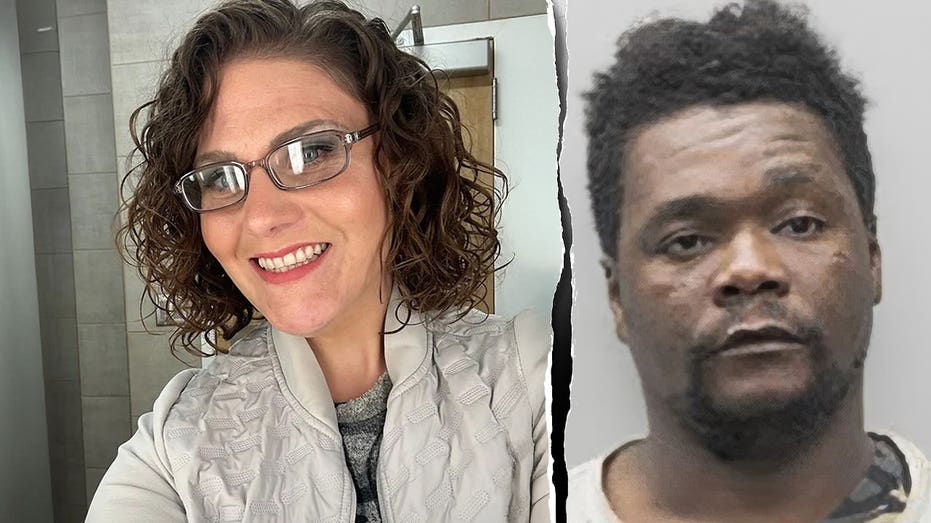
A Virginia murder case is fueling a political fight over immigration enforcement, as the victim’s family and Republican officials blame Democratic Gov. Abigail Spanberger’s policies and a progressive local prosecutor for failing to stop a suspect with dozens of prior arrests and a standing removal order. Former Virginia Attorney General Jason Miyares, the victim’s mother, Cheryl Minter and local officials said failures by prosecutors, Fairfax County policies and federal immigration enforcement allowed the suspect to remain free. They spoke at a Tuesday press conference hosted by The American Border Story in Richmond. At a State Capitol vigil, Miyares blamed liberal leaders in the Old Dominion, including Fairfax County Commonwealth’s Attorney Steve Descano, for creating the environment that led to the murder of Stephanie Minter of Fredericksburg at a Hybla Valley bus stop. “A federal judge had issued a final order for his removal six years ago. A detainer was lodged, and Fairfax County refused to honor it. Police warned Steve Descano not once, but twice, writing repeatedly that this man would kill someone. They were right. He was a ticking time bomb, and that time bomb went off, and Stephanie was the casualty,” Miyares said, listing other similar cases. CRITICS SLAM CHICAGO’S ‘REVOLVING DOOR’ AS LOYOLA STUDENT KILLING SPARKS OUTRAGE Miyares, now a partner at William Barr’s Torridon Law Firm, said Jalloh has 30 prior arrests and that Fairfax police remain stymied by Descano, who has refused to honor ICE detainers. He also criticized Spanberger for revoking Youngkin-era cooperation between state, local, correctional and federal authorities, arguing the administration is forcing rural departments to follow Fairfax’s lead. “The sheriff of Bedford, or the sheriff in Galax, or Grayson County, or Washington County, have to adopt the same criminal-first, victim-last mindset adopted in Fairfax that has harmed so many innocent Virginians,” he said. Fox News Digital reached out to Spanberger for comment. Miyares called Cheryl Minter “one of the bravest people that we’ve all ever seen to talk about her pain and the loss of her daughter among total strangers.” Minter’s daughter, Stephanie, and her accused killer, Abdul Jalloh, both exited a Fairfax Connector bus at the same stop on U.S. 1 near George Washington’s Mount Vernon on Feb. 23, according to surveillance footage obtained by the Fairfax County Police Department. The next day, officers responded to a suspicious person call on Route 1 and charged Jalloh with larceny. He was charged with Minter’s murder the following day after being identified, according to FCPD. HOUSE PANEL SUMMONS SOROS-BACKED FAIRFAX PROSECUTOR OVER RELEASES TIED TO VIOLENT ILLEGAL IMMIGRANT CASES In her remarks Tuesday, Cheryl Minter fought back tears as she cried, “I miss her so much,” speaking of Stephanie. “I had her for 41 years. And I don’t know what I’m going to do without her. She was [a] joy to my life. She was a joy to everybody. Family, friends; she loved so many things and had so many goals.” Minter said Stephanie was an artist and loved to cook and serve food for people. “Always that smile, that amazing smile could just lift anybody up no matter how down they were. She did it to me a lot. I wish I could see it now,” Minter said before turning her attention to elected officials in Virginia. “Change has got to happen — I don’t know where all these political people are. They stopped serving citizens. They just stopped. I’m not quite sure how they get voted in.” “It’s got to stop from a court level up, all of it. Judges are part of it, lawyers are part of it, and it goes up the ladder. I couldn’t even name them all because I don’t know them.” Nicole Kiprilov, director of The American Border Story, who was hosting the vigil, then read a statement from the lone Republican official remaining on the Fairfax County Board of Supervisors. Pat Herrity, supervisor for the Springfield District, condemned Stephanie Minter’s murder and blamed the Fairfax County Commonwealth’s Attorney and the Board of Supervisors Democratic majority. “My heart goes out to the family of Stephanie Minter. The Fairfax County Commonwealth’s Attorney and the Board of Supervisors majority failed her,” his statement said. VIRGINIA PROSECUTOR’S RECORD ON VIOLENT OFFENDERS SCRUTINIZED AFTER ILLEGAL IMMIGRANT CHARGED IN MOM’S MURDER He also criticized the county’s Trust Policy, saying it undermined efforts to remove repeat offenders. The Trust Policy, enacted in 2021, is intended to ensure “immigrant residents” can access county services without fear of information sharing with federal officials. Fairfax County Board of Supervisors Chairman Jeffrey McKay told Fox News Digital, in response to criticism, that the situation has “nothing to do with the Trust Policy.” “Any loss of life is tragic, and my thoughts are with Ms. Minter’s loved ones,” McKay said. “Our police department, which is under the purview of the Board of Supervisors, and the independent Sheriff’s Office did their jobs by arresting this individual multiple times and advocating that the judicial system keep him in custody.” McKay said ICE had Jalloh in custody in 2018 after a felony conviction and allowed him to remain in the U.S. “The focus of ICE needs to be on violent individuals, yet recent evidence shows it appears to be more focused on apprehending nonviolent individuals,” McKay said. “We should all be asking why enforcement actions did not result in removal by ICE when this dangerous offender was in their custody, not questioning a policy designed to build trust between law enforcement and the community. That trust is one of the many reasons Fairfax County is the safest jurisdiction of its size in the United States.” Descano’s office declined comment, citing the open criminal case against Jalloh. Descano has been criticized for lax prosecution of illegal immigrant suspects and has also been summoned to Capitol Hill in April by Reps. Tom McClintock, R-Calif., and Jim Jordan, R-Ohio, to testify on systemic criminal justice issues in Fairfax.
Senate confirms DOJ fraud chief as Minnesota daycare scandal draws national scrutiny
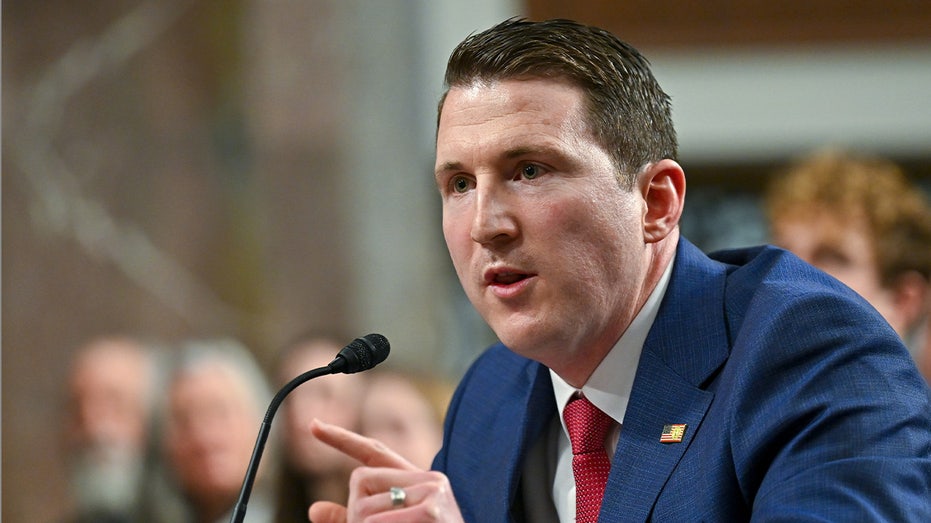
The Senate confirmed Colin McDonald on a 52–47 vote to serve as the Justice Department’s first assistant attorney general for national fraud enforcement on Tuesday, as the Trump administration ramps up efforts to crack down on abuse of taxpayer-funded programs. The confirmation comes as federal officials continue investigating large-scale fraud schemes, including a Minnesota daycare fraud probe involving millions in taxpayer-funded federal dollars, while House Oversight Committee Chairman James Comer has alleged whistleblowers warned state leaders about the issue for years. President Donald Trump created the new National Fraud Enforcement Division to target systemic fraud across federal programs, pointing to cases such as Minnesota, which officials say have both exposed widespread abuse and helped shape the federal government’s response. “My Administration has uncovered fraud schemes in states like Minnesota and California, where these thieves have stolen hundreds of billions of taxpayer dollars,” Trump said. “Together, we will end the fraud and restore integrity to our federal programs.” EXCLUSIVE: SENATE BILL TARGETS MINNESOTA-STYLE ‘RUNAWAY FRAUD’ TO FORCE SCAMMERS REPAY TAXPAYERS The new role is intended to centralize enforcement efforts and expand the Justice Department’s ability to investigate and prosecute complex fraud schemes tied to public assistance programs. During his confirmation hearing, McDonald said the work in Minnesota had been “pivotal” spotlighting fraud in taxpayer-funded programs and that the new division would seek to “scale” similar efforts nationwide. Attorney General Pam Bondi called McDonald an “experienced, skilled, and tough prosecutor” who will “continue doing incredible work to root out fraud across America.” FEDERAL FRAUD FACES SENATE SHOWDOWN AS THUNE TAPS ERNST TO LEAD REFORMS AFTER MINNESOTA SCANDAL Deputy Attorney General Todd Blanche described McDonald as “one of the most effective attorneys” he has worked with and said the American people should have confidence in his leadership of the new division. Vice President JD Vance said McDonald has an “exceptional prosecutorial track record” and is well positioned to take on the role. McDonald currently serves as an associate deputy attorney general at the Justice Department, where he has worked on major enforcement initiatives under Blanche. GOP SENATOR PUSHES TO CREATE ANTI-FRAUD SPECIAL INSPECTOR GENERAL AFTER MINNESOTA FRAUD REVELATIONS During his testimony, McDonald emphasized the scale of the problem, citing estimates that hundreds of billions of dollars are lost to fraud annually, and said the Justice Department would work with federal, state and local partners to investigate and prosecute cases, adding that “no fraud is too big” and “no fraud is too small” for enforcement. The Minnesota daycare fraud investigation has drawn particular scrutiny as part of the broader crackdown, with federal investigators and lawmakers examining allegations that funds intended for childcare and meals for children were diverted or misused. CLICK HERE TO DOWNLOAD THE FOX NEWS APP A recent state audit found Minnesota officials failed for years to properly investigate fraud-related allegations, concluding the Department of Human Services had the authority to pursue cases but did not act, according to the report. Fox News Digital’s Landon Mion, Andrew Mark Miller, Emma Colton and Max Bacall contributed to this reporting.
Minnesota sues Trump admin to access evidence in federal shootings, including Alex Pretti, Renee Good cases
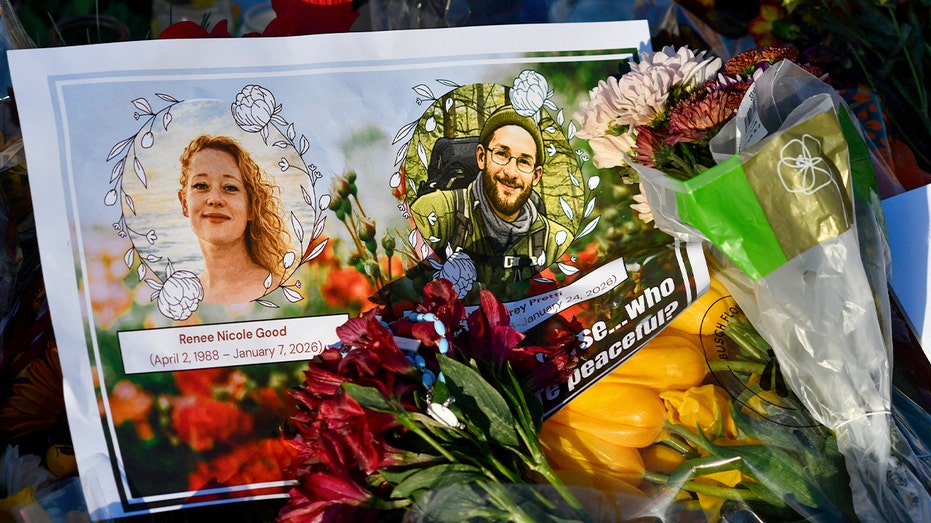
The state of Minnesota is suing the Trump administration for access to evidence related to a series of shootings involving federal agents that sparked condemnation from Democrats during a federal crackdown on illegal immigration. The lawsuit, filed in Washington D.C., by the Hennepin County Attorney’s Office (HCAO), the state, and the Minnesota Bureau of Criminal Apprehension, names the Justice Department, U.S. Attorney General Pam Bondi, as well as the United States Department of Homeland Security (DHS) and DHS Secretary Kristi Noem as defendants. The suit seeks evidence related to the fatal shootings of Renee Good and Alex Pretti and non-fatal shooting of Julio Sosa-Celis, an illegal immigrant, saying federal authorities are intentionally withholding the materials. TRUMP CONFIRMS FEDERAL REVIEW OF MINNEAPOLIS SHOOTING THAT KILLED NURSE: ‘REVIEWING EVERYTHING’ Federal and local authorities have sparred over information about the shootings, which occurred during the administration’s massive crackdown. “It is extraordinary that we need to file this lawsuit at all,” Minnesota Attorney General Keith Ellison said. “Cooperation between federal and state law enforcement in Minnesota is entirely routine: local, state, and federal law enforcement agencies on the ground in Minnesota have decades of relationships with each other and share a desire to solve crime and keep people safe.” “It should go without saying that we share jurisdiction with the federal government in this case: these incidents happened in Minnesota and fall under state law, regardless of the fact that federal agents are involved,” he added. Minnesota officials have blamed federal agents for the shootings, despite immigration authorities facing opposition from anti-ICE agitators while trying to arrest criminal illegal immigrants. “These shootings are just three examples of the violent actions committed by federal agents in Minnesota during the Surge,” the complaint said. “Federal agents also carried out illegal stops, sweeps, arrests, and dangerous raids in sensitive public spaces. The Surge created widespread fear among Minnesota residents, both citizens and noncitizens.” GOP SEN. CASSIDY BREAKS WITH TRUMP OVER DEADLY SHOOTING BY BORDER PATROL AGENT IN MINNEAPOLIS Good was shot and killed on Jan. 7 when she attempted to ram her vehicle into a U.S. Immigration and Customs Enforcement agent, DHS said. Pretti was fatally shot on Jan. 24 while confronting agents, which sparked outrage among critics of the surge. Sosa-Celis was shot on Jan. 14 after authorities said he attacked them with a shovel. However, charges against the Venezuelan national were dismissed after video evidence suggested the officers involved may have made “untruthful statements,” ICE Director Todd Lyons said at the time. Operation Metro Surge ended soon after the Pretti shooting and federal agents were pulled out of Minnesota in February. The lawsuit alleges that the federal government’s policy of withholding evidence is unlawful and prevents local authorities from fulfilling a core duty to the people of Minnesota. “That responsibility rests primarily with Minnesota’s law enforcement and prosecutorial authorities — in this case, Plaintiffs — who must gather the evidence, evaluate the facts, and decide whether Minnesota criminal law was violated,” it states.
UN experts urge Israel to free Gaza doctor amid reports of ‘severe torture’

Dr Hussam Abu Safia ‘systematically denied’ medical treatment in Israeli detention, UN special rapporteurs warn. Published On 24 Mar 202624 Mar 2026 United Nations experts are calling on Israel to immediately release Dr Hussam Abu Safia, warning that the Palestinian physician from Gaza has been subjected to “severe torture” and other abuses in Israeli detention. In a statement on Tuesday, UN special rapporteurs Tlaleng Mofokeng and Ben Saul said they had received reports that Abu Safia’s health condition “remains dire”. Recommended Stories list of 3 itemsend of list “He has been systematically denied critical medical examination and treatment, and deprived of essential care to such an extent that his life, health, and wellbeing have been gravely endangered,” they said. Abu Safia, the former director of Kamal Adwan Hospital in northern Gaza, was detained by Israeli forces in December 2024 amid Israel’s genocidal war against Palestinians in the coastal enclave. He was arrested after refusing to leave the hospital, which was the last functioning health facility in Gaza’s north, amid Israeli attacks. Like many other detainees from the Gaza Strip, Israel has held Abu Safia without charge or trial, prompting widespread condemnation. His arrest and detention are “a reflection of Israel’s systematic targeting of Palestinian health workers and the decimation of the healthcare system in Gaza in order to inflict conditions of life calculated to bring about the physical destruction of Palestinians”, Amnesty International said. In Tuesday’s statement, the UN experts said Abu Safia “has suffered an arbitrary deprivation of liberty, violation of his human rights, including the right of every human being to be free from torture and ill treatment, and his right to health is being eroded”. Advertisement They urged the international community, including countries “with influence on Israel”, to take action “to ensure prevention, recourse and justice”. “Israel must release Dr Abu Safiya and all health care workers, and ensure they have access to appropriate medical care,” they said. More than 900 attacks on healthcare sector Gaza’s healthcare network has been decimated by Israel’s war on the enclave, with more than 930 attacks on the sector recorded since October 2023, according to World Health Organization (WHO) figures from last month. All 36 hospitals in the Strip have suffered damage due to Israeli attacks, the WHO said, while only half of all hospitals are partially functional. Palestinian healthcare workers have also been targeted throughout the war. Humanitarian group Medical Aid for Palestinians (MAP) said at least 1,722 medical workers were killed between October 2023 and October 2025 – an average of more than two killed every day. Adblock test (Why?)
Moment rescuers find man alive under the rubble in Tehran
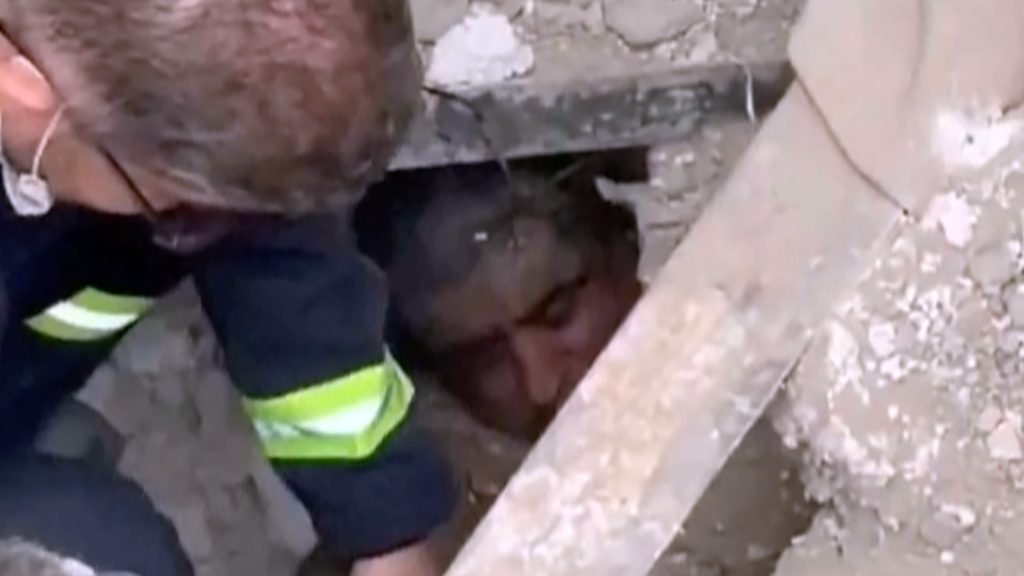
NewsFeed Rescuers have pulled a man alive from the rubble after US-Israeli strikes hit a residential area on the outskirts of Tehran, the Iranian Red Crescent said. The US and Israel have continued to strike Iran, despite President Trump’s claims of diplomatic progress. Published On 24 Mar 202624 Mar 2026 Click here to share on social media share2 Share googleAdd Al Jazeera on Googleinfo Adblock test (Why?)
Israeli strike hits Tyre during Al Jazeera report
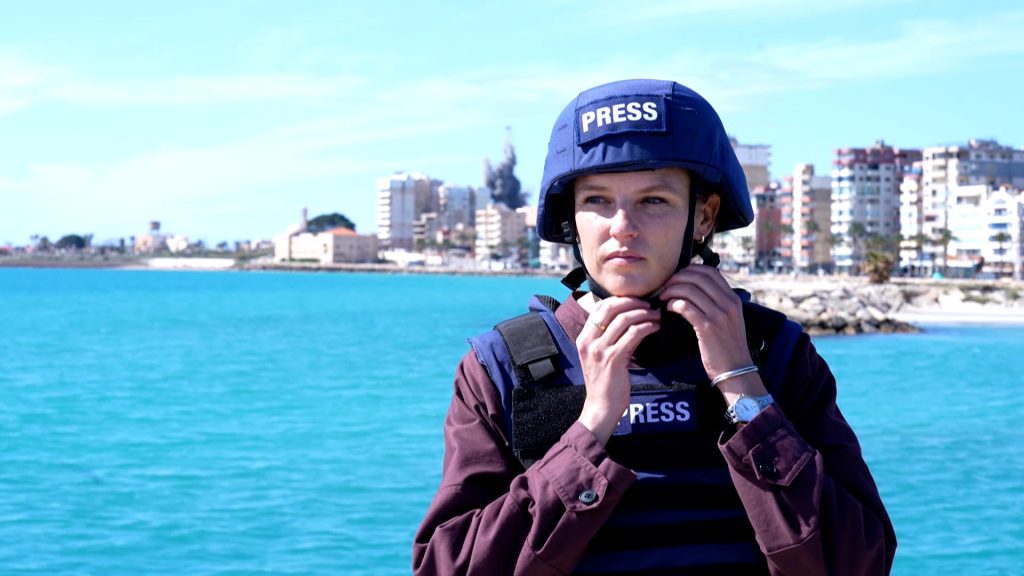
NewsFeed An Al Jazeera journalist’s report was disrupted by an Israeli missile striking a waterfront building in Lebanon’s Tyre. Heidi Pett says Israel has offered no explanation for the target, as it continues to strike civilian infrastructure across Lebanon. Published On 24 Mar 202624 Mar 2026 Click here to share on social media share2 Share googleAdd Al Jazeera on Googleinfo Adblock test (Why?)
Ahead of Budget Session, Delhi Assembly and Speaker Vijender Gupta gets bomb threat email
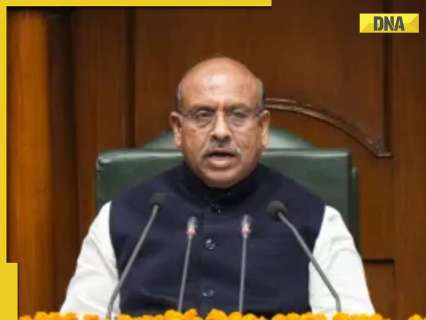
Authorities said a threat was sent warning of blowing up the Assembly premises.
Delhi CM Rekha Gupta announces free cylinder on Holi, Diwali amid LPG crisis, allocates Rs 1352 crore for dust-free roads

Addressing the Budget session, CM Gupta said, “I am pleased to announce that we have made some special efforts to meet the needs of Delhi. This time, we have presented Delhi’s budget as a ‘green budget.’
PM Modi says ‘In touch with US, Israel and Iran, India has sufficient oil reserves’ on West Asia conflict in Rajya Sabha

Prime Minister Narendra Modi on Tuesday said that India has sufficient crude oil reserves and robust arrangements for continuous supply amid the ongoing West Asia conflict. He also said that the government is in constant touch with many countries including US, Israel and Iran.
Harish Rana, India’s first passive euthanasia case, dies after 13 years in coma

Harish Rana, the first person in India who received permission for passive euthanasia, died on Tuesday at AIIMS-Delhi after fighting for life for 13 years in a state of coma. Rana had been in coma since 2013 and was moved from his Ghaziabad home to AIIMS.