

U.S. Rep. Vicente Gonzalez takes steps to prevent renaming Boca Chica Beach
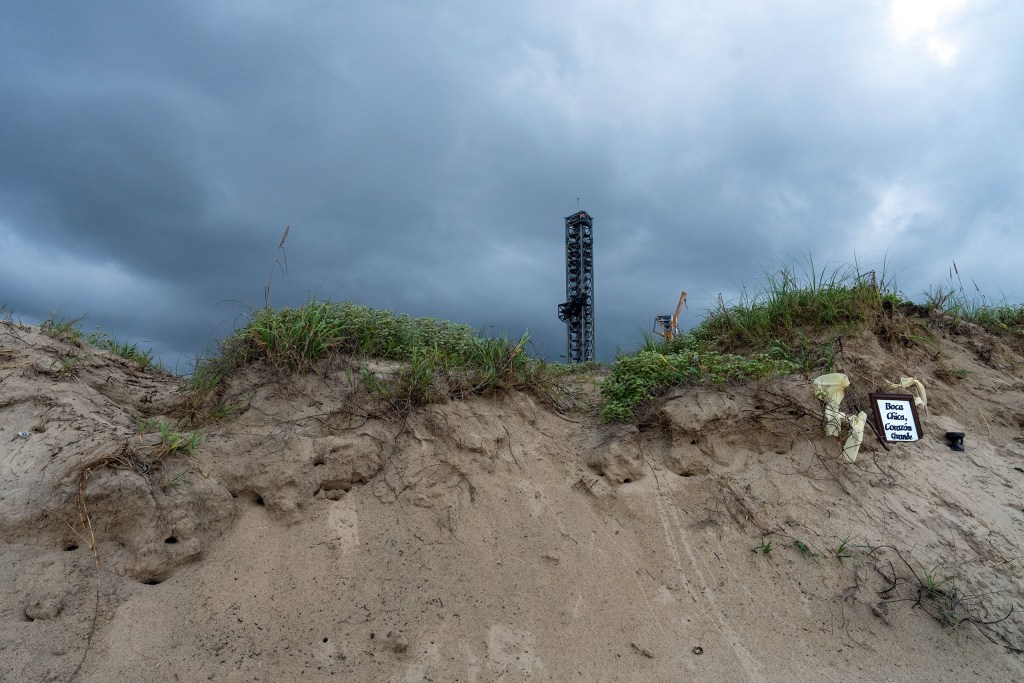
A SpaceX superfan proposed changing Boca Chica Beach’s name to reflect its significance to space travel.
ICE is arresting relatives who come forward to take custody of migrant children in federal shelters
Attorneys say the federal agencies are using children as “bait” to detain sponsors, leaving kids waiting in shelters for months.
Biden’s fight to keep Hur interview tapes under wraps suffers fresh court blow
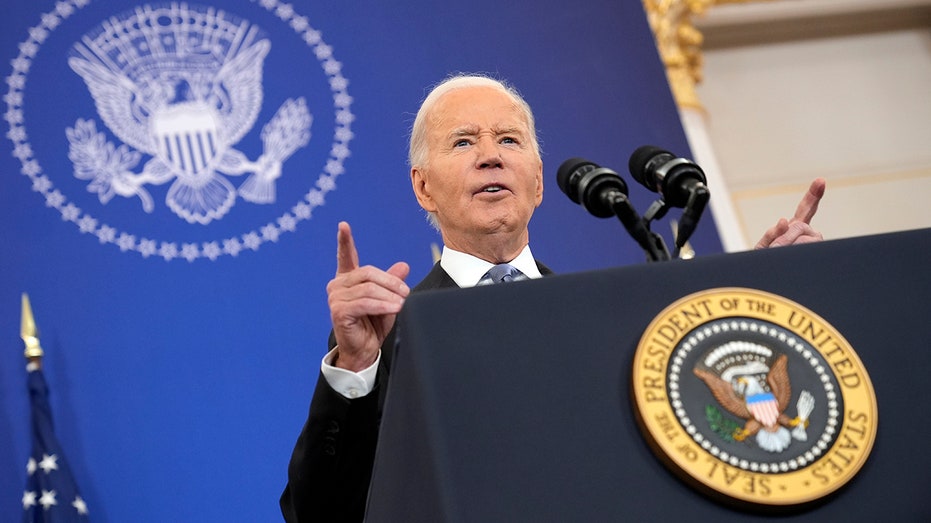
Former President Joe Biden’s emergency request to block the release of audio recordings and transcripts of his interviews with a memoir ghostwriter — materials obtained during special counsel Robert Hur’s classified-documents investigation — was rejected by a federal appeals court Monday. “We conclude that any remaining incursion on personal privacy from disclosure of the now-redacted materials likely does not outweigh the public interest in disclosure,” a divided three-judge panel of the U.S. Court of Appeals for the District of Columbia Circuit wrote in its ruling. The court kept an existing temporary block on disclosure in place through Aug. 3, allowing Biden time to seek further review. The Justice Department obtained recordings of Biden’s 2016 and 2017 conversations with Mark Zwonitzer, his ghostwriter for the memoir “Promise Me, Dad,” and Hur’s team prepared transcripts during its investigation into Biden’s handling of classified information. BIDEN SCORES TEMPORARY COURT VICTORY AS TRUMP-APPOINTED JUDGE DELAYS RELEASE OF HUR INVESTIGATION MATERIALS Hur investigated Biden’s handling of classified documents dating from his time as vice president in the Obama administration and as a U.S. senator from Delaware. He declined to pursue criminal charges because he concluded prosecutors could not prove beyond a reasonable doubt that Biden willfully retained or disclosed the material, and said Biden could appear to a jury as a “sympathetic, well-meaning, elderly man with a poor memory.” The plaintiff, conservative think tank Heritage Foundation, has fought for over two years to retrieve the materials through FOIA requests, arguing the public has an interest in reviewing the recordings and transcripts that Hur based his decision on. Biden’s attorneys have argued the conversations during the memoir interviews were personal and intended to remain private. TRUMP LASHES OUT AT BIDEN OVER SUING DOJ TO HIDE INTERVIEW AUDIO FILES His team has been fighting to keep the recordings under wraps and has noted Biden is now a private citizen not seeking public office. Dissenting Judge Florence Pan, a Biden nominee, wrote that Biden “has shown a substantial privacy interest” in the conversations, The Associated Press reported. Hur’s report repeatedly referenced Biden’s recorded conversations with Zwonitzer and described some exchanges as “painfully slow.” WATCH: BIDEN APPEARS CONFUSED ABOUT WHERE TO EXIT STAGE AFTER DEMOCRATIC GALA REMARKS He said Biden at times struggled to recall events and relay information, observations that fueled scrutiny of Biden’s cognitive abilities during an election year. The Justice Department reversed its earlier position in February and said it intended to disclose redacted versions of the recordings and transcripts to the plaintiffs and the House Judiciary Committee. Biden filed a lawsuit to stop the disclosure and claimed private conversations should remain protected under the Privacy Act. Fox News reached out to Biden’s attorneys and the Heritage Foundation for comment. Fox News Digital’s Elaine Mallon contributed to this report.
Long-hidden UFO information at center of Trump push to free former officials
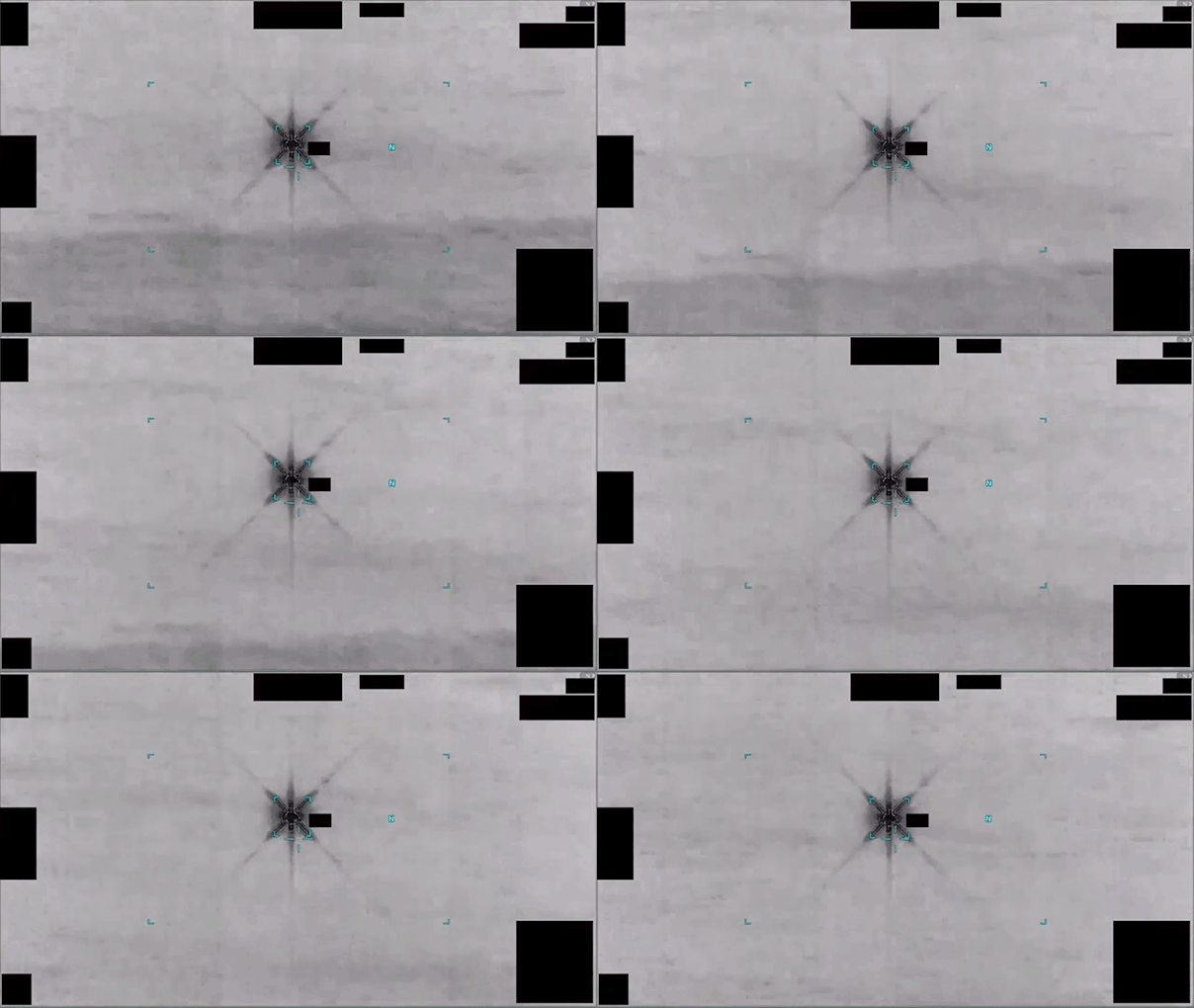
EXCLUSIVE: President Donald Trump has directed federal agencies to waive prior nondisclosure agreements (NDAs) for former government employees and contractors cooperating with unidentified anomalous phenomena investigations, Fox News Digital has learned. “President Trump recently directed the Department of War and the intelligence community to allow former government employees or contractors, that have relevant information about the disclosure of UAP, to come forward to meet with designated government representatives — AARO or the President’s UAP taskforce, ‘PURSUE’ — and have their prior NDAs abrogated,” a senior administration official said, with AARO referring to the All-domain Anomaly Resolution Office, the Pentagon office established to investigate UFOs and other unidentified anomalous phenomena (UAPs). Another senior administration official emphasized the move was not a “declassification directive” and only allowed employees to come forward through government channels. Officials say years of congressional inquiries, whistleblower allegations and newly declassified records have raised questions about whether additional witnesses have remained silent because they believed prior nondisclosure agreements prevented them from cooperating with government investigations. NEW TRUMP UFO FILE DUMP INCLUDES MILITARY FOOTAGE OF MYSTERIOUS STAR-SHAPED OBJECT UFO WHISTLEBLOWER CLAIMS BILLIONS IN SECRET SPENDING HIDDEN FROM CONGRESS “People who believe that they have information have expressed reluctance in coming forward,” the official said. “We are eliminating that source of reluctance.” Like other government employees and defense contractors with access to classified information or sensitive national security programs, many witnesses would have signed nondisclosure agreements as a condition of receiving security clearances or access to restricted information. Those agreements generally prohibit unauthorized disclosure of classified or otherwise protected information and typically remain in effect even after an individual leaves government service. Former officials and contractors who disclose protected information without authorization risk losing security clearances, facing civil penalties or, in some circumstances, criminal prosecution if classified information is improperly disclosed. Under the new process, former government employees and contractors who believe they possess relevant UAP information would first meet with designated officials at the Pentagon’s All-domain Anomaly Resolution Office (AARO) or the president’s UAP task force, PURSUE, who hold the appropriate security clearances. During those authorized discussions, any applicable nondisclosure agreements could be waived, allowing witnesses to share information without fear of violating prior agreements. Information provided through the process would be reviewed through the administration’s existing declassification procedures. “Any information that is received that sheds light on the UAP mystery will ultimately be made public,” the official said. The official said the administration does not know whether potential witnesses actually possess significant new information, but wants to remove any perceived legal barriers so investigators can determine whether previously undisclosed information exists. “You don’t know what you don’t know,” the official said. The official said the focus is on incidents that remain unexplained, rather than known foreign technology, classified U.S. programs or natural phenomena. The latest directive builds on the Trump administration’s broader effort to declassify decades of government records related to unidentified anomalous phenomena. Previous releases have included FBI and Pentagon records describing unexplained sightings reported by military personnel, law enforcement and astronauts, including accounts of glowing “mother orbs” that witnesses said released smaller objects near a sensitive U.S. national security site, mysterious orange spheres observed during military operations, and Apollo-era transcripts in which astronauts described unexplained lights and “jagged, angular fragments” drifting outside their spacecraft. The latest tranche of UAP records included expanded details and imagery from a 2015 incident involving an unidentified object over the Pantex nuclear weapons facility in Texas, along with newly declassified infrared footage showing a mysterious six-pointed star-shaped object tracked by a U.S. military sensor over the Yellow Sea on Jan. 1, 2025. The official said the next tranche of files will be made available “very soon.” The directive follows years of complaints from some lawmakers and whistleblowers that former officials with firsthand knowledge were reluctant to come forward because of secrecy obligations. Secretary of State Marco Rubio, then the vice chairman of the Senate Intelligence Committee, said in 2023 that multiple individuals with firsthand knowledge had approached the committee but were hesitant to speak publicly because of potential repercussions. “Some of these people still work in the government and frankly, a lot of them are very fearful — fearful of their jobs, fearful of their clearances, fearful of their career, and some, frankly, are fearful of harm coming to them,” he said on News Nation in June 2023. “Grant immunity to anyone who has already come forward, and everyone who will come forward. Open the door and let them speak,” Rep. Eric Burlison, R-Mo., demanded during a June 9 press conference on Capitol Hill. Public interest in UAPs accelerated in 2017 after The New York Times revealed the Pentagon had quietly operated a secret program to investigate unexplained aerial encounters and published Navy cockpit videos showing objects exhibiting unusual flight characteristics. Since then, Congress has held multiple bipartisan hearings on the issue, lawmakers have pressed intelligence agencies for greater transparency, and former intelligence officer David Grusch’s allegations that the government had concealed information about UAP programs renewed calls for additional disclosure, despite the government’s denial of his central claims. During the same event, former Air Force intelligence officer Grusch renewed his allegations that secret UAP programs had operated outside normal congressional oversight, calling it “a real fraud, waste and abuse issue” and claiming his investigation uncovered “slush funds to the tune of billions of dollars per annum for these activities.” The Pentagon has disputed Grusch’s central claims, and AARO has said its investigations found no verified evidence of extraterrestrial technology or credible evidence that the government has secretly recovered or reverse-engineered craft of non-human origin.
Trump admin pausing over $1B in Medicaid payments to Minnesota, California over fraud, compliance concerns
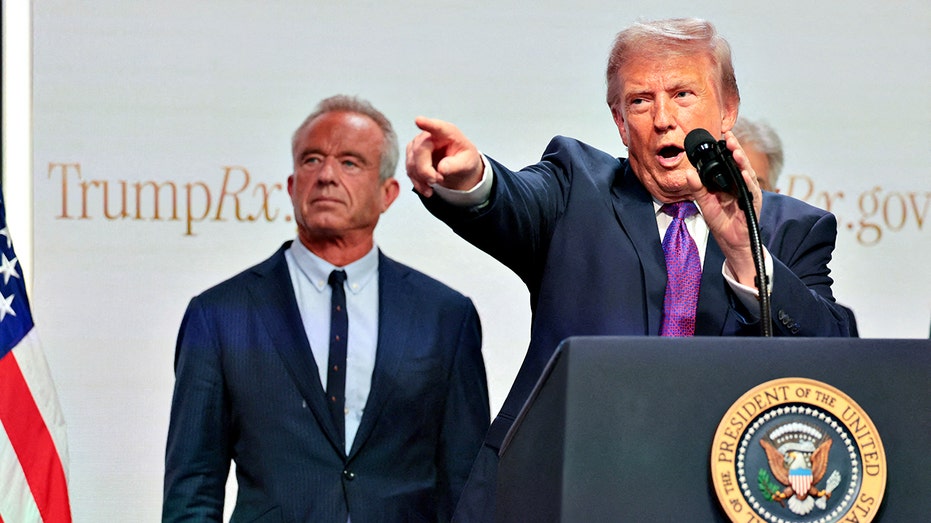
The Trump administration is freezing more than $1 billion in federal Medicaid funding to California and Minnesota over suspected fraud, with HHS Secretary Robert F. Kennedy Jr. warning Tuesday that states won’t receive another taxpayer dollar until they prove the payments were legitimate. “If Governor Gavin Newsom or Governor Tim Walz wants this funding released, all they have to do is provide basic documentation showing that these services are legitimate and not fraudulent. And that’s common sense,” Kennedy said Tuesday during a press conference on the announcement. The Centers for Medicare & Medicaid Services (CMS) is withholding roughly $867 million from California and more than $200 million from Minnesota while federal officials review what they described as high-risk Medicaid claims and documentation deficiencies. TREASURY INTERCEPTS NEARLY $99M IN FEDERAL PAYMENTS TO DECEASED INDIVIDUALS UNDER TRUMP FRAUD ORDER Kennedy said the Trump administration is using artificial intelligence, advanced analytics and traditional financial reviews to identify suspicious spending, adding that states seeking federal Medicaid funding must demonstrate the payments comply with federal law. “We are not sending Medicaid and Medicare dollars out the door until we have confidence that they are being spent lawfully and appropriately,” Kennedy said. CMS Administrator Dr. Mehmet Oz said the administration’s review uncovered repeated irregularities in both states, including claims submitted for deceased beneficiaries, providers previously flagged through fraud detection systems and spending patterns federal officials said were significant outliers. “If it smells like fraud, we’re not paying for it anymore,” Oz said. According to CMS, California accounted for the largest share of the funding freeze, with roughly $646 million tied to in-home supportive services and another $221 million associated with claims involving individuals with what Oz described as “unsatisfactory immigration status.” Oz said California’s spending on in-home supportive services increased 24% over the past two federal fiscal years — roughly double the national average — and said the state has yet to adequately document hundreds of millions of dollars in claims. WATCH: DR. OZ SAYS NEWSOM, OTHER BLUE STATES HAVE TURNED MEDICAID FRAUD INTO A ‘FEATURE’ In Minnesota, officials said the state was asked to review providers participating in 14 high-risk Medicaid service categories, including personal care and home-based services. Oz said Minnesota recently disenrolled roughly 3,000 providers after failed background checks, failed site visits and other compliance issues, prompting CMS to review nearly $200 million in claims tied to those providers. Federal officials also cited millions of dollars in claims billed for services allegedly provided to beneficiaries after their deaths, calling such payments a major red flag. Kennedy also announced that HHS is expanding exclusion authority, allowing both CMS and the HHS Office of Inspector General to remove individuals and entities found to have committed fraud from federal healthcare programs, with some offenders facing permanent bans. Kennedy sharply criticized the Biden administration’s oversight of Medicaid, arguing former HHS Secretary Xavier Becerra weakened anti-fraud efforts by reducing program integrity staffing and allowing questionable payments to continue while attempting to recover the money later. “The scammers got paid. The taxpayers got stuck with these enormous bills,” Kennedy said. The administration said California and Minnesota can receive the withheld funding if they provide documentation showing the payments were legitimate. “We have a duty to stop the payments, demand answers, and then follow the evidence wherever it leads,” Kennedy said.
‘Misleading voters’: Ossoff warns donors he’s falling behind despite leading Senate fundraising
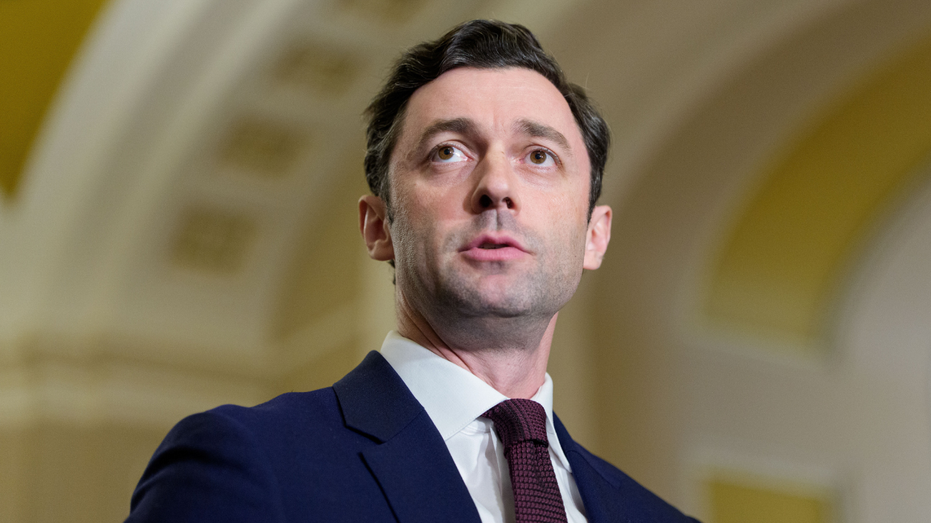
Sen. Jon Ossoff is warning supporters that his campaign is falling behind and needs more money to keep its ads on the air, despite having one of the largest campaign war chests in the country. The Georgia Democrat has raised $68.7 million since 2025, slightly more than Texas Democratic Senate candidate James Talarico, the next highest fundraiser, who brought in $65.9 million after launching his campaign in September 2025. While securing massive donation hauls, Ossoff’s campaign has simultaneously told prospective donors that it needs money to keep ads running and that it is consistently behind on its fundraising goals. In July alone, the Ossoff campaign — which the most recent available disclosures show to have $42.6 million in cash on hand — sent multiple emails to supporters claiming that it urgently needs money to keep its advertising push going. FOX NEWS POLL: AN EARLY LOOK AT THE GEORGIA SENATE RACE “$5 to keep us on the air,” the subject line of a July 2 email reads, according to archive records. “And the more donations we receive right now, the further we can spread our message to persuade and turn out the voters we need to win big in November,” the body of the email reads. “So I need your help — not just to keep this ad on the air, but to spread our message even further. Will you contribute $5 or whatever you can afford to keep our ad on the air and defeat Trump puppet, Mike Collins?” A campaign spokeswoman told Fox News Digital when asked about the fundraising that Ossoff faces an extraordinary level of Republican spending because he is the only Democratic senator seeking re-election in a state President Donald Trump won in 2024. “As the only Democratic Senator up for re-election in a state Trump won in 2024, Senator Ossoff is already facing millions of dollars of Republican spending against him, including an initial $44 million from the leading Republican Super PAC and countless more to come from Republican dark money groups empowered by a recent Supreme Court decision that allows them to open the floodgates for unlimited sums of money to prop up candidates, including scandal-ridden Mike Collins,” the spokeswoman said. WATCH: CORY BOOKER UNLEASHES FIERY CALL FOR ‘FOOT SOLDIERS’ AT MICHIGAN DEM CONFERENCE Google ad records show that Ossoff is spending millions of dollars on messaging in states besides Georgia — including early presidential primary states such as Iowa and South Carolina as well as swing states like Pennsylvania and Michigan. The behavior, which is abnormal for Democrats in high-profile Senate races, is fueling speculation that Ossoff may launch a run for the presidency in 2028. In a June 18 email, Ossoff’s campaign told supporters that “it’s looking like we’re on pace to miss our fundraising goals for the month.” The campaign made similar claims in April and March, according to archived emails. Despite these lamentations, a short time later, the campaign said it has an “unstoppable grassroots momentum” after its fundraising numbers were publicly released. “Jon Ossoff is misleading voters as he prepares to ditch Georgia for a shot at the White House,” National Republican Senatorial Committee press secretary Bernadette Breslin told Fox News Digital. “But no amount of out-of-state ad spending can erase his failed record — from enabling Joe Biden’s reckless spending agenda to supporting open-border policies that allowed Laken Riley’s killer to roam free.” DEMOCRATS BUILD MIDTERM MOMENTUM, BUT REPUBLICANS STILL IN DRIVER’S SEAT IN SENATE MAJORITY BATTLE While Ossoff has raised over 10 times more than GOP Senate nominee Rep. Mike Collins has this year, national Republican committees, such as the NRSC, have brought in significantly more cash than their Democratic counterparts. These national committees have already pledged tens of millions of dollars to defeating Ossoff. Outside groups spent over $170 million against Ossoff and in support of his GOP opponent during the 2020 general and 2021 runoff elections in Georgia, leaving some expecting a similarly expensive race in 2026. A recent Supreme Court case has also granted political parties greater leeway in coordinating their spending with individual candidates, which has been characterized as a victory for Republicans. JON OSSOFF SILENT ON SPLC INDICTMENT AFTER TAKING MORE THAN $700K FROM AFFILIATE OF INDICTED GROUP The fundraising emails reviewed by Fox News Digital for this story appear in the Archive of Political Emails, a project run by the right-of-center Defending Democracy Together Institute. Screenshots of fundraising texts from the Ossoff campaign have also circulated on social media, attracting criticism from some given the significant financial resources already available to it. GEORGIA REPUBLICANS HAMMER OSSOFF OVER SILENCE AFTER ICE DETAINER IN ALLEGED CHILD RAPE CASE “This Ossoff mf texted me two days ago that he had no money,” one anonymous X user posted, responding to a screenshot showing the nearly $100 million he has raised since 2021. The user then posted a screenshot of a text message they reportedly received from the Ossoff campaign where it claimed to be behind on its fundraising goals. “Jon you have a bajillion dollars what are you talking about,” the user texted back. “He was BEGGING too,” another user responded, posting a picture of a separate reported fundraising text they received from Ossoff’s campaign. Beyond emails to supporters, the Ossoff campaign has also publicly complained that it needs more money. Most polls for Georgia’s Senate election, including those funded by Republicans, show Ossoff leading Collins.
Joe Biden mandated all new vehicles come installed with a ‘kill switch.’ This Republican wants to repeal it
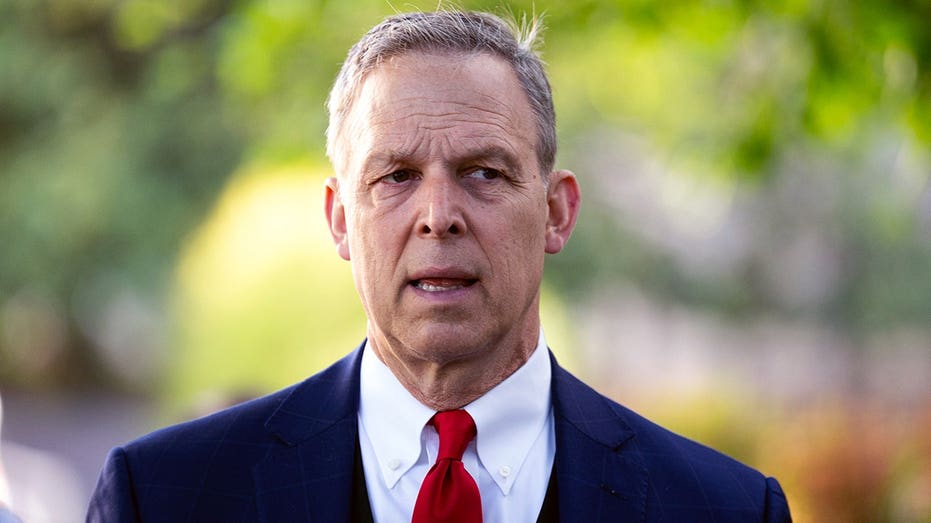
Rep. Scott Perry, R-Penn., wants to kill the kill switch. A bill Perry is seeking to push through Congress would rescind a provision in former President Joe Biden’s Infrastructure Investment and Jobs Act that mandates all new cars to come preinstalled with technology that ostensibly monitors whether a driver’s blood alcohol levels are above the legal limit and can shut their vehicle off remotely. “If you don’t know what a kill switch is,” Perry explained in an interview with Fox News Digital, “it’s exactly what it sounds like. It kills your vehicle. The vehicle itself decides whether it appreciates and approves of your driving based on a series of algorithms, computer metrics, etcetera, about how it thinks you should be driving. And if you’re not comporting with that, it shuts the vehicle off.” The two-paragraph No Kill Switches In Cars Act, shorter than the law it seeks to repeal, would nix the Biden-era provision that mandates all new cars contain technology which “monitors a driver’s performance to identify driver impairment” and which “must also prevent or limit vehicle operation if the system determines the driver may be intoxicated or impaired.” Perry argued the law was an encroachment on the civil liberties of Americans, and that it would violate the Constitution’s Fourth Amendment and make vehicles unnecessarily expensive. DAVID MARCUS: WHY I’LL TAKE MY CLUNKER OVER ANY NEW CAR WITH A GOVERNMENT KILL SWITCH “Cars are expensive and one of the reasons they’re expensive is because we have all these systems on them. I’m a person that uses my mirrors to back up,” Perry explained. “I’ve never had an accident backing up or parking, but yet, if I buy a new car, I don’t have an option whether I get a camera in the car or not. Maybe I want a new car, but I can’t afford the camera and the lane assist, and now all these other features that are in the car monitoring me. I’m not allowed to buy that car. My goodness, this is America. We should be able to buy what we want. If you can’t afford that stuff or don’t want that stuff, it should be your choice. Perry explained that he was all for efforts to mitigate drunk and impaired driving, even admitting that he’s had family members affected by the phenomenon, but explained that the Biden-era provision was “a bridge too far.” TRUMP ADMIN INVESTIGATING 75 TRUCK DRIVER SCHOOLS FOR FRAUD, HELPING NON-CITIZENS GET LICENSES “We’ve had impaired driving incidents within my own family. So we’re well aware of the consequences, the pain, and the potential bad, catastrophic results of driving impaired. Whether it’s drinking or something else, we get that. And that’s why I think that we are supportive of other measures and enforcement of those measures, but not trying to seek to punish every single person that drives a car for the sake of the few that abuse that.” Perry imagined a number of scenarios in which a kill switch could improperly result in a driver who wasn’t under the influence of alcohol losing access to their vehicle. “My wife was pregnant at one time, and we did leave to go deliver the baby. And I can just tell you, as a guy that’s had a pregnant wife, they’re very intensively interested in getting to the hospital in a timely fashion,” Perry joked wryly. “And I just picture somebody that they’re trying to, maybe they’re trying to get themselves to the hospital, maybe they are the husband, or the father of the child is not around, and they’re driving differently than they have been in the past and the car just shuts off. Or another circumstance that I’ve envisioned where some young lady is leaving a store or some establishment and someone is following her, and she’s scared, and she decides, ‘Well, I think I’m just going to go to the police station. I’ve got to find the police station.’ So while you’re driving, You’re trying to look it up. Where is it? And the car decides you’re driving erratically and shuts off, that’s the worst time for the car to shut off,” he said. “I live in central Pennsylvania, but it’s hot in Arizona right now. I’ve been there. There are long stretches of highway. It’s over 100 degrees. Your car decides to shut off, and you’re left walking out in 100 degrees, maybe you’re impaired, maybe the heat affects you physically. And, you know, there’s a million scenarios that haven’t been envisioned right now, where Americans’ rights are being taken away, and the nanny state is forcing itself upon us.” “The intentions are fine,” he continued. “We all want to stop drunk driving. But you don’t punish everybody else for the sake of the few that violate the law. We don’t do that in the United States of America, but yet we’re choosing to do it here.” To Perry, the kill switch law is not simply about mitigating drunk driving, but indicative of a broader encroachment of corporate and biometric surveillance into the civil liberties of Americans everywhere. DUFFY UNLEASHES ON BUTTIGIEG WITH SWIPE OVER WHICH ADMIN HAS ACCOMPLISHED MORE: ‘MOVED LIKE A SLOTH’ “Couple it with all the other things that are happening at the same,” Perry said. “Consider artificial intelligence, with facial recognition software, with gait analysis… with central bank digital currency,” he continued. “One of the major car companies just applied for patents to monitor while you’re driving your pupils, your respiration, your breathing, your heart rate, your conversation… and then the censorship of people online for their opinions. All that is part of the same conversation. I took an oath to uphold and defend the Constitution. And the constitution says that American citizens are not subject to unlawful search and seizure, and I think that this is a pretty good indication that there is unlawful search.” Perry again noted that “nobody is for drunk driving” but argued that mitigation efforts should be focused on enforcing
Blue state mocked after ‘Sex and the City’ actress tapped to recommend top judges
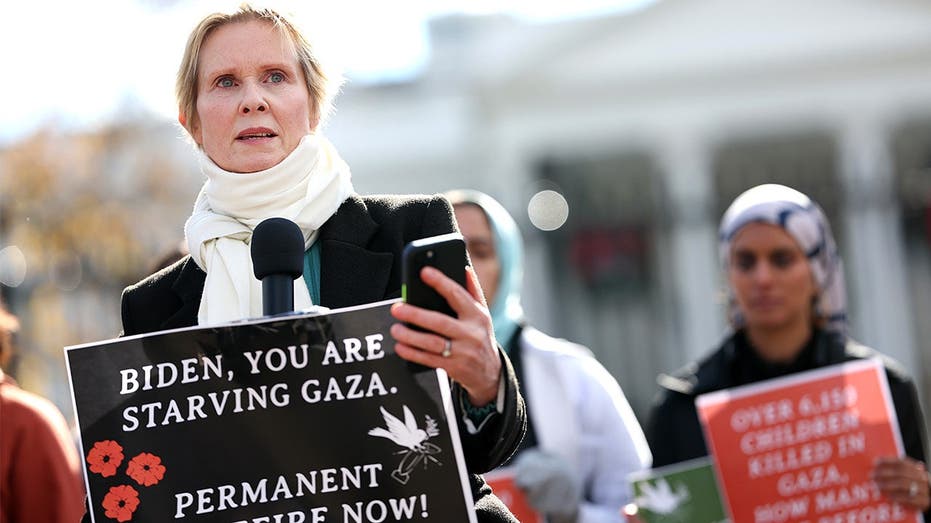
New York State is drawing mockery after the chief judge of its highest court appointed “Sex and the City” actress Cynthia Nixon to a commission that screens and recommends candidates for the state’s top judicial posts. Nixon, who played attorney Miranda Hobbes on the 2000s hit series, will be one of four members of the 12-seat Commission on Judicial Nomination that are required to not be licensed members of the New York State Bar to practice law in the Empire State. She was appointed Thursday by Chief Judge Rowan Wilson. “Only in Kathy Hochul’s New York could playing a lawyer on HBO qualify you to pick the judges on our state’s highest court,” Rep. Michael Lawler, R-N.Y., told Fox News Digital on Monday. DEMOCRATIC SOCIALIST ACTRESS CYNTHIA NIXON HANDED POWERFUL ROLE IN HELPING CHOOSE NEW YORK TOP JUDGES “Selecting far-left activist actress Cynthia Nixon to help select New York’s top judges will not bring ‘Justice In The City,’” remarked the National Review’s John Fund in a tweet. George Washington University law professor Jonathan Turley added on X that the move is the latest in a pattern wherein the “New York legal system continues to make a parody of itself.” SOCIALISM’S RISE INSIDE THE DEMOCRATIC PARTY NOW THREATENS THE AMERICAN DREAM Other online critics mocked the fact Nixon’s character was a lawyer but that she is not one in real life. One posted an image of “ER” actor Noah Wyle – who played a doctor — riffing that he could be the next Surgeon General. “I played the part of an astronaut in a school play when I was maybe 10 years old. Should I prepare my resume for NASA?” another wrote. Saritha Komatireddy, the Republican challenging state Attorney General Letitia James, said that appointing a “celebrity activist with zero legal background to help shape the future of our judiciary sends the wrong message entirely.” SOCIALIST SURGE: MAMDANI FLEXES GROWING POLITICAL MUSCLE AS HE TAKES ON DEM ESTABLISHMENT “This is part of a broader trend in New York: politics increasingly taking precedence over public safety and common sense,” Komatireddy told the New York Post. Nixon is aligned with the Democratic Socialists of America and unsuccessfully ran for governor in 2018 in a primary against Andrew Cuomo. She campaigned for former Mayor Bill de Blasio in 2013 and current Mayor Zohran Mamdani in 2025. At least one Democrat also sounded off against Nixon’s appointment, appearing to blame farther-left members of his party for dispensing with Gov. Kathy Hochul’s original nominee to Rowan’s seat. “The price New Yorkers will pay for the bigots and haters who took out the immensely qualified Justice LaSalle is that Cynthia Nixon now gets to vet the judiciary. Excelsior!” tweeted Assemb. Kalman Yeger, D-Borough Park, riffing on the state’s “Ever Upward” slogan at the end. Hochul settled on Wilson after New York State Senate Democrats torpedoed her nomination of fellow Democrat Hector LaSalle to lead the court’s highest bench for appearing too conservative and amid opposition from activist and labor groups. Republicans will also get their shot at appointing a member to the commission alongside Nixon. SIGN UP TO GET THE POLITICS NEWSLETTER State Senate Minority Leader Rob Ortt, R-Niagara Falls, has been allotted one appointment following a recent retirement vacancy, according to the Albany Times-Union. Fox News Digital reached out to Nixon via the Commission and the Senate Republicans’ office for comment. The top Republican on the New York Senate Judiciary Committee told Fox News Digital that Nixon’s pick should “alarm every New Yorker” that political activism appears to be “a requirement for consideration to serve on the bench.” “The appointment of a far-left, non-lawyer, Hollywood actress to the Commission on Judicial Nomination further reinforces the fact that the courts of New York have become entirely partisan,” said Sen. Anthony Palumbo of Suffolk. “We should all be outraged by the abuse of this branch of government that is supposed to be immune from politics.” With Nixon now serving on the commission, she will help evaluate and recommend future Court of Appeals nominees to the governor, a role that could allow progressive critics’ objections to LaSalle to continue influencing the state’s highest court long after that confirmation fight ended.
House Republican calls for yanking student visas of Chinese nationals
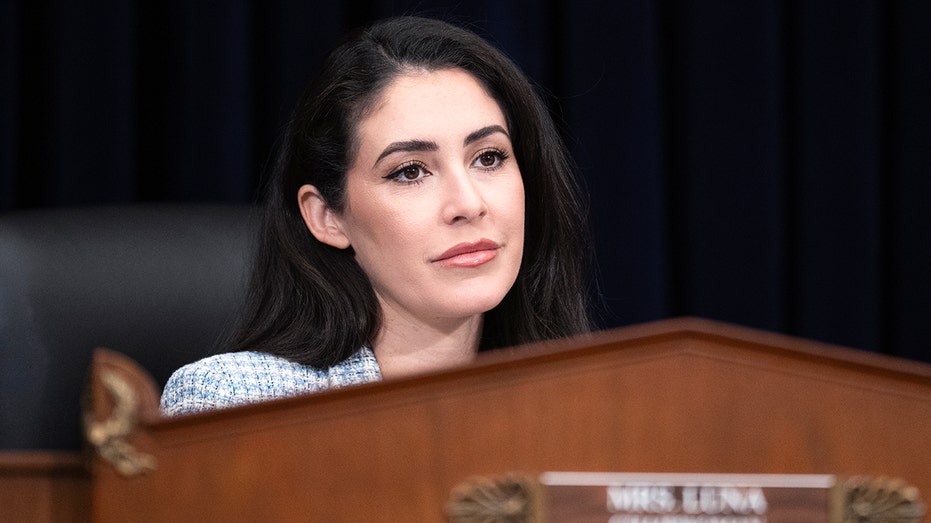
Rep. Anna Paulina Luna, R-Fla., is pressing the State Department to yank F-1 and J-1 visas issued to Chinese students. “I write today to urge the immediate suspension and cancellation of all F-1 and J-1 student visas held by Chinese nationals currently studying at institutions of higher education across the United States, considering recently declassified intelligence detailing the Chinese Communist Party’s efforts to interfere in American elections,” she wrote in a July 20 letter to Secretary of State Marco Rubio. Fox News Digital reached out to the State Department on Tuesday: “We generally do not comment on congressional correspondence,” a department spokesperson noted. “The Trump Administration is protecting our nation and its citizens by upholding the highest standards of national security and public safety through our visa process.” CHINA DISMISSES TRUMP ELECTION INTERFERENCE ACCUSATIONS AS ‘ENTIRELY FABRICATED,’ THREATENS COUNTERMEASURES President Donald Trump delivered an address to the nation last week in which he said documents “show that over a period of years, starting during the 2020 election cycle, the People’s Republic of China carried out what is believed to be the largest compromise of election data in history — resulting in China’s illicit acquisition of 220 million U.S. voter files. “That information includes names, addresses, phone numbers, political party preferences, and other sensitive data that would be needed to register to vote, and engage in other nefarious activities, which is exactly what was happening,” he said. TRUMP RELEASES DECLASSIFIED ELECTION INTELLIGENCE, SAYS IT REVEALS ‘SHOCKING VULNERABILITIES’ In her letter to Rubio, Luna wrote, “As I stated publicly following the President’s address: every single Chinese student visa needs to be canceled immediately. This is a necessary and proportionate response to a documented state-sponsored effort to undermine the integrity of American elections.” ‘SHADOW GOVERNMENT’: TRUMP CLAIMS INTEL COMMUNITY BRAGGED ABOUT HIDING CHINESE MEDDLING “We urge the Department of State to immediately review and revoke all active Chinese national student visas, and to halt the issuance of new visas to Chinese nationals pending a full accounting of the extent of this infiltration and a comprehensive review of vetting procedures at our institutions of higher education,” she wrote.
Trump faces Republican rebellion over Daylight Saving Time as Senate bill nears dead end
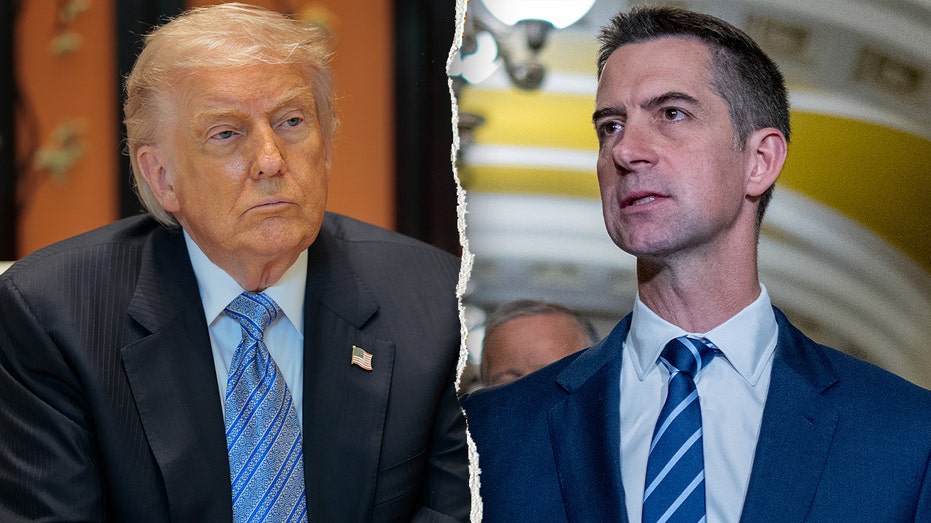
President Donald Trump wants Congress to pass legislation that would give Americans a break from a twice-yearly nuisance, but the sun will likely set on the push in the Senate, where the issue is deeper than politics. The House passed its bill, the Sunshine Protection Act, last week to allow states to voluntarily observe Daylight Saving Time year-round, but the legislation is hitting a brick wall in the Senate. And it’s not the party aisle that’s defining the debate, it’s a horizontal line running through the United States that divides northern states versus southern states. TIME ENOUGH AT LAST: WHAT’S NEXT AFTER THE HOUSE PASSES BILL TO DO AWAY WITH DAYLIGHT SAVING TIME? “That is an issue in which there are passionate views on both sides,” Senate Majority Leader John Thune, R-S.D., said on whether the Senate would consider the bill. “So we’ll see,” he continued. “I mean, the House having acted on it now, we’ll see what the interest level is in the Senate. But I know that there are people who are willing to really slow things down over that issue.” Proponents argue that it’s an inconvenience in their states and are hungry for more daylight in the evening, while opponents say that it would force school-aged children to be in the dark for the beginning of the day. One of the most vocal opponents of the legislation is one of Trump’s own allies on Capitol Hill, Sen. Tom Cotton, R-Ark., who last year declared that he would “always oppose” efforts for permanent Daylight Saving Time. HOUSE PASSES DAYLIGHT SAVING TIME REFORM AS TRUMP SIGNALS SUPPORT FOR ENDING CLOCK CHANGE A source in Cotton’s orbit told Fox News Digital that the lawmaker was “far from the only one who objects” to the bill, and noted that the legislation is more of a grandfather clause that requires states to have already passed an observance of permanent standard time before the Sunshine Protection Act becomes law. Hawaii and Arizona are the only two states that, by their own laws, observe permanent standard time, while no states observe a permanent Daylight Saving Time. It’s not the only time Congress has tried, either. “Congress has already tried changing to permanent Daylight Saving Time before,” the source said. “It was so thoroughly hated that Congress reversed course the following year — but almost no one knows that.” In the 1970s, lawmakers did enact a year-round Daylight Saving Time. But Americans rapidly soured on the change, especially parents whose children had to wait in the dark for the school bus. It was repealed about a year later. GOP CIVIL WAR ERUPTS OVER TRUMP’S LATEST AGENDA PUSH AS KEY REPUBLICANS THREATEN TO SINK MEGABILL “I can’t support a motion to go to Daylight Saving Time, because it means that the kids in South Dakota ended up going to school in the dark for about the first hour of classes for more than six months out of a year,” Sen. Mike Rounds, R-S.D., said. “So we can’t do that.” Proponents argue, however, that it’s a long-needed change. Sen. James Lankford, R-Okla., who originally introduced the Sunshine Protection Act alongside then-Sen. Marco Rubio, R-Fla., a decade ago, contended the push was “not a partisan issue, it’s a preference issue” that often fell along geographic lines. Still, he acknowledged resistance from parents concerned about their kids going to school in the dark. “This is left over from World War I when America was trying to save lamp oil. We’re doing OK on lamp oil now, so that’s not the issue on it,” Lankford said. “With streetlights, with different power and things, we have — we’re in a very different situation. And I talk to a lot of folks that say they are just sick of the time change. They want to be able to lock the clock.” And Sen. Rick Scott, R-Fla., who introduced the legislation last year, cheered the House passing the bill. “It’s one of the most popular things in my state,” Scott said. “You wouldn’t believe how much I get asked about this.” Still, he acknowledged the resistance coming from the North. He argued that he couldn’t understand how “anybody could vote against it when the state could make their own decision.” “Give me the chance — I mean, look, in my state, the ability, we want to do it,” Scott said.