

Reporter’s Notebook: Senate Republicans brace for tough lunch with Trump amid legislative clashes
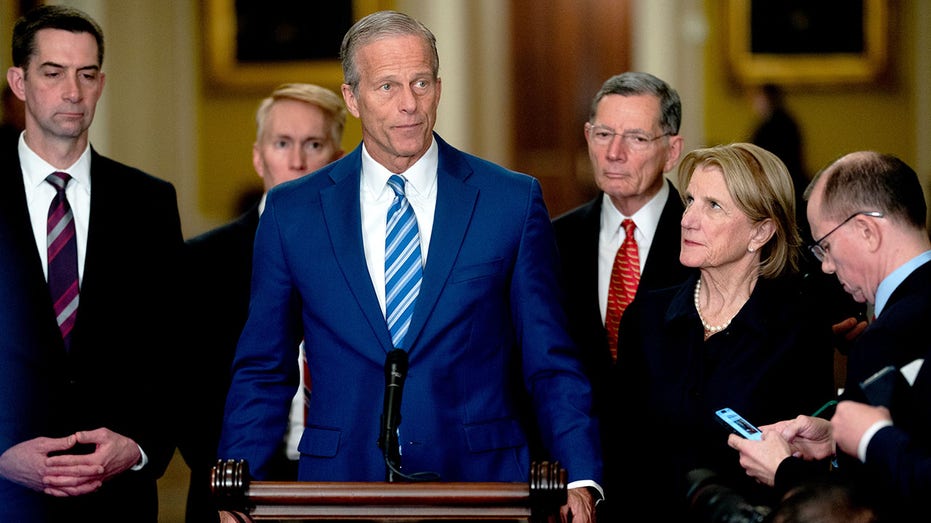
Hope they have Maalox and Pepto-Bismol on hand when President Donald Trump visits Capitol Hill to meet with Senate Republicans over lunch. Senate GOP Steering Committee Chairman and Sen. Rick Scott, R-Fla., invited Trump for the luncheon Wednesday. Some Senate Republicans may wonder if they’re the ones on the menu. Both Sens. Bill Cassidy, R-La., and John Cornyn, R-Texas, are out after the president refused to endorse them and they lost their primaries. Trump has also sparred with Senate Majority Leader John Thune, R-S.D., exasperated that he can’t execute his legislative agenda. Scott is a close ally of the president. He lost to Thune and Cornyn in the race to become majority leader in late 2024. In fact, Scott didn’t even request a blessing from the top Senate GOP leadership team to invite the president. Scott’s teamed up with Sen. Mike Lee, R-Utah, advocating that the Senate approve the SAVE America Act. It requires proof of citizenship to vote. This advocacy is driving Thune and other members of the GOP brass batty since the bill failed twice. Scott and Lee want the Senate to get onto the SAVE America Act and stay on it until the measure passes. But few understand how exhaustion somehow conjures a majority of senators to suddenly support the bill. GOP TRIGGERS MARATHON SENATE FIGHT TO EXPOSE DEMS’ OPPOSITION TO TRUMP-BACKED VOTER ID BILL Moreover, the president demands that they eliminate the filibuster. If the SAVE America Act doesn’t have the necessary votes to pass, there’s no way it commands 60 yeas to break a filibuster. Simple solution, right? Not really. Thune has said repeatedly that there aren’t the votes to alter the filibuster, either. It’s about the math. So expect some intense discussions Wednesday over what the president wants the Senate to do. Thune has tried to tell the president repeatedly what the Senate is capable of, based on the various parliamentary equations. And there’s fear among Republicans that the president may attempt to sow discord about the midterm election outcomes if Democrats flip the House and/or Senate — and Republicans never passed the SAVE America Act. Trump sports plenty of supporters in the Senate, but he’s frustrated Senate Republicans by repeatedly yanking the legislative rug out from under his own party for weeks now. The Senate was on the precipice of beginning a “vote-a-rama” to finally pass funding for ICE and Border Patrol in May. Then the administration announced its weaponization fund. A meeting between Acting Attorney General Todd Blanche and GOP senators devolved into pointed conversations. Blanche continued to defend the fund. Some Republicans threatened their own amendments during the vote-a-rama to either block the fund or shield themselves from political fallout. Thune pulled the bill from the floor and sent everyone home for more than a week. SENATE GOP ERUPTS OVER TRUMP DOJ ‘ANTI-WEAPONIZATION’ FUND, PUNTS ICE, BORDER PATROL FUNDING Then there was a carefully crafted bipartisan agreement to renew FISA Section 702, the nation’s most effective program to track terrorists. Its authorization ran out after the president sidetracked the nomination of Jay Clayton, his own pick to become Director of National Intelligence (DNI). Republicans couldn’t pass the FISA authorization on their own, so they engineered a bipartisan compromise with Democrats. But Democrats withdrew their support for the bill once the president announced that housing czar Bill Pulte would take over as acting DNI for former Director of National Intelligence Tulsi Gabbard, who resigned. Democrats viewed Pulte as a partisan who had no experience in intelligence. Senate Intelligence Committee Chairman Tom Cotton, R-Ark., quickly scheduled a confirmation hearing for Jay Clayton once Trump tapped him as the nominee. It was believed that the Senate may be able to confirm Clayton within a matter of days after his confirmation hearing. That would limit time on the job by Pulte. So, once Clayton was in place, the Senate could prospectively return to the bipartisan FISA deal and pass it. But Trump detonated all of that last week. He insisted that Senate Republicans cancel Clayton’s confirmation hearing and not advance his nomination until it has confirmed Jamie McDonald as U.S. Attorney for the Southern District of New York. That’s the position Clayton held. The president made those demands at 3:59 a.m. ET Wednesday — all without consulting Thune. He then made his signature on the FISA renewal conditional on passage of the SAVE America Act. “That tells me he’s not very serious about FISA or intelligence,” said one senior congressional Republican about Trump. “And Pulte is a big middle finger to the intelligence community.” So Senate Republicans aren’t enamored with all of these demands. Some began to lose faith in the president once he ditched support for Cassidy and Cornyn. Now they believe he’s being unreasonable, jerking around Thune, moving the goalposts for critical national security legislation and expecting the impossible on the SAVE America Act and the filibuster. For his part, Scott believes he and the president can change minds. Trump has criticized Senate Republican leaders generally of late. But he’s tiptoed around potentially calling out Thune by name. Thune is well-liked by his GOP colleagues and, like most congressional leaders, has an impossible job. That is why former Senate Majority Leader Trent Lott, R-Miss., likened the job to that of “herding cats.” THUNE ‘ADAMANT’ ABOUT TRUMP SUPPORT, DRIVING MAGA AGENDA DESPITE TENSE PAST RELATIONSHIP It’s clear that the president has better relations right now with House Speaker Mike Johnson, R-La., compared to Thune. But turning on Thune by name would truly infuriate many of the president’s best allies in the Senate. Trump routinely excoriated former Senate Majority Leader Mitch McConnell, R-Ky., for not ditching the filibuster. But it was McConnell who delivered Trump three of the most lasting legacies: Supreme Court Justices Neil Gorsuch, Brett Kavanaugh and Amy Coney Barrett. McConnell established a new Senate precedent for the method he used to confirm Gorsuch. Gorsuch would have faced an unprecedented filibuster for an associate justice on the High Court and never scored
Mitch McConnell will not vote in the Senate this week as recovery continues
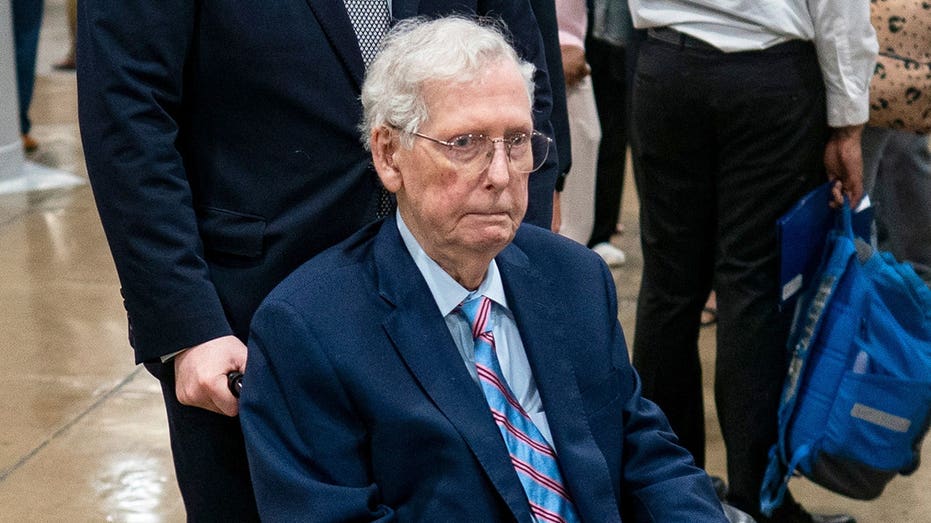
Sen. Mitch McConnell, R-Ky., is continuing to recover and will not vote this week, spokesman David Popp noted. “Senator McConnell is still working closely with staff on Senate business and Kentucky matters as he continues his recovery. However, he will not be voting this week,” he said in a statement. McConnell was hospitalized earlier this month, though the reason has not been disclosed. SEN MITCH MCCONNELL HOSPITALIZED, ‘RECEIVING EXCELLENT CARE,’ HIS OFFICE SAYS Fox News Digital reached out to request more information on Tuesday, but Popp did not provide any additional details regarding the senator’s situation. McConnell, the longest-serving Senate party leader in U.S. history, was previously hospitalized for eight days earlier this year after experiencing “flu-like symptoms.” The long-serving lawmaker has been in office since early 1985. FOUR SENATE REPUBLICANS AGAIN UNITE WITH DEMS TO BLOCK TRUMP’S SAVE AMERICA ACT McConnell is 84 years old. He announced last year that he would not run for an eighth Senate term. BLUEGRASS DEMOCRATS MAKE THEIR CHOICE TO REPLACE MCCONNELL, TAKE ON TRUMP-BACKED BARR U.S. Rep. Andy Barr, R-Ky., is the Republican candidate running in the Kentucky U.S. Senate general election contest this year, and former Kentucky state Rep. Charles Booker is the Democratic candidate. McConnell has dealt with a series of health episodes in recent years. He fell and sprained his wrist while walking out of a GOP luncheon in December 2024. He was hospitalized with a concussion in March 2023 and missed several weeks of work after falling in a Washington hotel. After he returned, he twice froze up during news conferences that summer, staring vacantly ahead before colleagues and staff came to his assistance. McConnell had polio in his early childhood, and he has long acknowledged some difficulty as an adult walking and climbing stairs. In addition to his 2023 fall, he also tripped and fell in 2019 at his home in Kentucky. He had surgery for a fractured shoulder. Fox News’ Tyler Olson and Eric Mack contributed to this report
Top Republican pitches Trump plan to stop shutdowns, expose ‘bad guys’ blocking voter ID law
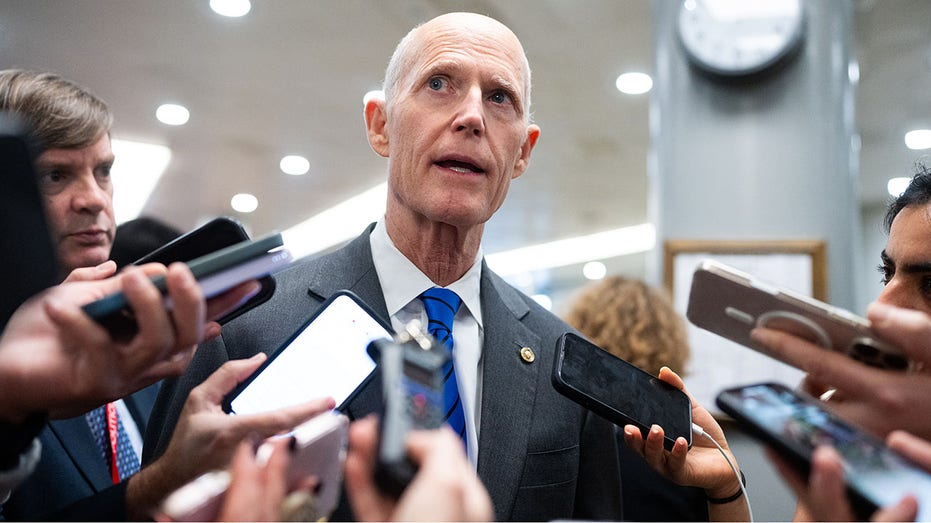
Sen. Rick Scott, R-Fla., wants to show “who the good guys are and who the bad guys are” with a legislative wish-list he wants to pitch to President Donald Trump in Republicans’ meeting with the president this week. In a letter to fellow Senate Republicans obtained by Fox News Digital, Scott laid out a plan for the next six months that would take away Democrats’ ability to shut the government down ahead of the midterm elections and possibly find a path to pass the Safeguarding American Voter Eligibility (SAVE) America Act. “We need to make a clear distinction as to who the good guys are and who the bad guys are,” Scott wrote. “We have to demonstrate what Republicans stand for and what Democrats stand for through action, not rhetoric.” His roadmap comes ahead of Trump’s scheduled meeting with Senate Republicans on Wednesday. Trump accepted an invitation to attend the weekly Senate Republican Steering Committee lunch from Scott last week. TOP SENATE REPUBLICAN RIPS INTO TRUMP’S IRAN DEAL, SAYS $300B MAKES OBAMA DEAL LOOK LIKE ‘A PITTANCE’ Republicans are readying for their face-to-face meeting with Trump following a series of decisions that have thrown roadblocks on their march to advance key policy priorities, and they await a briefing from the administration on the recently signed memorandum of understanding with Iran. “I think it’ll be a lot of different things,” Senate Majority Leader John Thune, R-S.D., said of what to expect at the meeting. “Hopefully, celebrating some of our successes, talking about the path forward, but I wouldn’t be surprised if the SAVE Act, the SAVE America Act, whichever version of it, might come up,” he continued. TRUMP’S DNI PICK WILL HAVE TO WAIT FOR HIS CONFIRMATION HEARING AFTER TRUTH SOCIAL BOMB The SAVE America Act, in particular, has proven a difficult lift in the Senate. While a paired-down version of the voter ID and citizenship verification legislation cracked 50 votes earlier this month, united opposition from Senate Democrats and Republicans unwilling to back the bill have sidelined it. Still, Trump has continued to demand that Republicans pass the SAVE America Act, calling for it to be attached to a reauthorization of the nation’s controversial spy powers or rammed through with the pargyline budget reconciliation process. Scott argued that Senate Democrats would likely again shut down the government ahead of the elections to gain a political edge, given their track record of record-breaking shutdowns in the last year. He also acknowledged that while the SAVE America Act was Trump’s top priority, “Republicans are not united in eliminating the filibuster to pass Republican priorities.” Included in his pitch to lawmakers is a plan to pass a funding extension to keep the government open “at least until after the November election,” and putting the current version of the SAVE America Act or portions of it such as voter ID or requiring proof of citizenship before registering to vote.” REPUBLICANS EYE ENDING GOVERNMENT SHUTDOWNS FOREVER OVER FEARS DEMS WILL DO IT AGAIN Other agenda items included passing anti-shutdown legislation, like Sen. Ron Johnson’s, R-Wis., bill to pay federal workers during a closure, and Sen. James Lankford’s, R-Okla., measure to pass automatic short-term funding extensions in the event of a shutdown. Scott also wants to pass legislation that would crack down on fraud, reduce government waste, reduce government spending, add a balanced budget amendment to the Constitution, bills aimed to make the country safer and further legislation to lower taxes. “We need to show voters that we are listening to them and will fight for their priorities whether any Democrats vote with us or not,” Scott wrote.
Cruz says Mamdani, AOC, Platner show Democrats’ leftward shift: ‘That’s where the energy is’
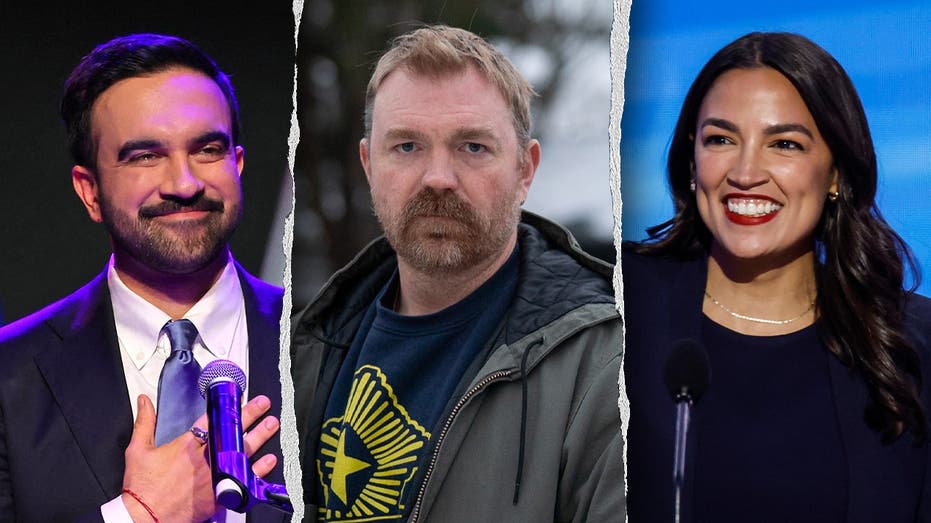
SUMTER, S.C. — Sen. Ted Cruz, R-Texas, said the Democratic Party has been “radicalized,” pointing to New York City Mayor Zohran Mamdani, Maine Senate hopeful Graham Platner and Rep. Alexandria Ocasio-Cortez, D-N.Y., as signs of where the party is headed. “Look, unfortunately, I think that’s the base of the Democrat Party,” Cruz told Fox News Digital. “If you look at who the Democrats are, they are Comrade Mamdani, they are AOC, they are Graham Platner, this communist Nazi oyster farmer. Who knew that even was a thing?” “That is where the energy is in the Democrat Party. That’s where the money is. They’ve been radicalized.” While on the campaign trail with South Carolina Attorney General Alan Wilson ahead of Tuesday’s closely watched Republican gubernatorial runoff against Lt. Gov. Pamela Evette, Cruz accused Democrats of drifting away from the political center, saying the party is “motivated” by opposition to President Donald Trump. DEM SOCIALIST’S NYC PRIMARY UPSET SIGNALS ‘GENERATIONAL’ SHIFT IN DEMOCRATIC PARTY, STRATEGISTS SAY “Much of it is that they just hate President Trump,” Cruz said. “It’s really tragic to see that President Trump has been an extraordinary president, and yet the Democrats, all they are motivated by is hatred for him.” Cruz added the Democratic Party has lost touch with the priorities of everyday Americans, who prefer “common sense” policies. LIZ PEEK: DEMOCRATS’ IDENTITY CRISIS SHOWS NO SIGN OF GETTING BETTER. IT’S ACTUALLY GETTING WORSE “I don’t think that’s where most Americans are,” Cruz said. “I know it’s not where the people of South Carolina are, and I think people want common sense, and that ain’t the Democrat Party today.” Cruz highlighted Platner, Mamdani and Ocasio-Cortez as evidence of a shift. Platner secured the Democratic Senate nomination in Maine this month despite a series of scandals, including inflammatory online comments made on Reddit, a well-publicized and now-covered chest tattoo that resembled a Nazi symbol, reports that he exchanged sexually explicit messages with several women while married, and allegations from ex-girlfriends involving rape fantasies, heavy drinking and violent episodes. DEMOCRATS BREAK WITH SCANDAL-PLAGUED GRAHAM PLATNER, WARN OF ‘CIVIL WAR’ IN PARTY The Marine Corps veteran, backed by prominent Democrats, including Senate Minority Leader Chuck Schumer, D-N.Y., Sen. Elizabeth Warren, D-Mass., as well as Sen. Bernie Sanders, I-Vt., denied the allegations and will now take on five-term Republican Sen. Susan Collins in November. Mamdani’s rise began with his victory over Andrew Cuomo in New York City’s mayoral race last year, where the self-described democratic socialist campaigned on free bus service, city-owned grocery stores and taxing the wealthy, while drawing national attention for his criticism of Israel and support for Palestinian causes. Now, Mamdani is using his influence to back socialist and progressive candidates Claire Valdez, Brad Lander and Darializa Avila Chevalier in New York primaries, testing whether his popularity can help push the Democratic Party further left. Former bartender and democratic socialist Ocasio-Cortez defeated former Rep. Joe Crowley in New York’s 2018 Democratic primary and remains one of the party’s leading voices. The comments come as South Carolina Republicans head to the polls Tuesday in a high-stakes runoff that will determine the GOP nominee to succeed term-limited Gov. Henry McMaster.
Iran war’s price tag hits $80B — more than double what Congress was told
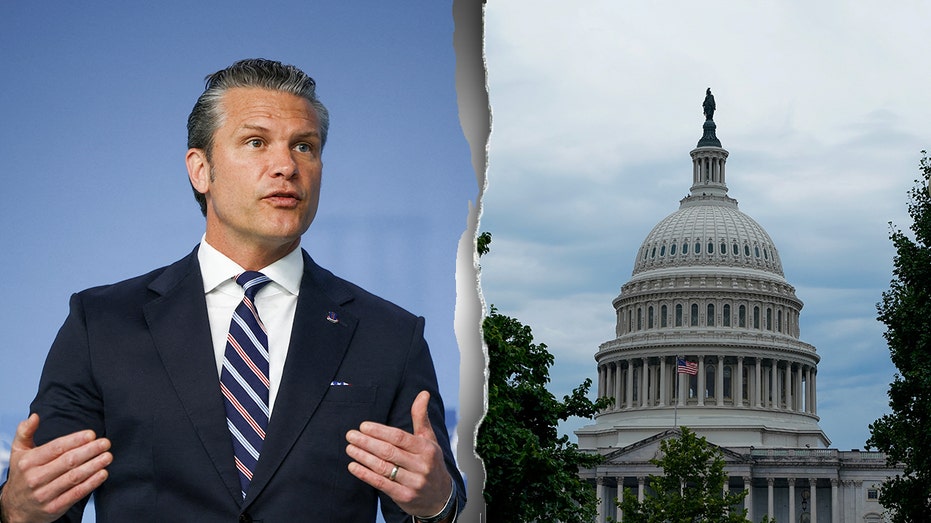
The Trump administration is prepping a long-awaited, multibillion-dollar request to resupply munitions drained during the Iran war as Congress wrestles with another eye-popping funding request from the Pentagon. The Pentagon is expected to request roughly $80 billion in supplemental funding to cover the cost of the war in Iran, a source familiar confirmed to Fox News Digital. That figure is double what War Secretary Pete Hegseth and Pentagon Comptroller Jay Hurst testified before lawmakers earlier this year. Lawmakers have been waiting since the war began for a request from the administration with little insight on what the actual price tag would be. TRUMP’S PUSH FOR $350 BILLION ‘ARSENAL OF FREEDOM’ HITS GOP SKEPTICISM Whether the request can pass muster in the upper chamber remains to be seen, especially with the backlash among several Democrats and Republicans over President Donald Trump’s memorandum of understanding (MOU) that has temporarily paused the war. Senate Majority Leader John Thune, R-S.D., contended, “We need to make sure we’re doing everything we can to replenish, resupply a lot of our munitions that have been depleted, not only just with what’s happening in Iran but prior to that.” “I think there’s a good interest in doing some things that would help ensure that, from a National Security standpoint, we’re prepared to deter and defeat any threat that comes up,” Thune said. “And so we’ll see if and when it gets here, we’ll work through it. We’ll see where the votes are at some point.” The expected request comes after Hegseth made the rounds on Capitol Hill last week, pitching senators for more funding for the Pentagon, and after Deputy War Secretary Steve Feinberg spoke with lawmakers pushing for an $80 billion supplemental, which was first reported by the Wall Street Journal. HEGSETH TESTIFIES AT SENATE AS IRAN WAR’S $25B PRICE TAG AND 60-DAY WAR POWERS DEADLINE LOOM Hegseth and Hurst recently told Congress that the war had cost $29 billion, but many lawmakers believe that figure underestimates the cost given the number of SM3, Patriot, THAAD missiles and Tomahawks used to bomb Iran. Trump is set to meet with top executives at defense contractors at the White House on Wednesday, following up on a March 6 meeting where Lockheed Martin, Raytheon parent RTX, BAE Systems, Boeing, Honeywell Aerospace, L3Harris and Northrop Grumman promised to quadruple production on their “exquisite” munitions systems. On June 16, Trump invoked the Defense Production Act to speed up production due to “systemic constraints in the munitions industrial base, including limited production capacity, fragile supply chains, long-lead dependencies, and related production bottlenecks.” Analysts at the Center for Strategic and International Studies have warned that inventories of several key weapons systems used during the war could take years to restore to pre-war levels. Their analysis found that Patriot and THAAD missile interceptors, as well as Tomahawk cruise missiles, could require three or more years to fully replenish under current production rates. Defense industry officials and outside experts have argued that substantially increasing output would require Congress to appropriate additional funding, allowing the Pentagon to place large replenishment orders and provide manufacturers with the long-term demand signals needed to expand production. “The United States Military has more than enough munitions, ammo, and stockpiles to serve all of President Trump’s strategic goals and beyond, and Operation Epic Fury has exposed what happens when you mess with the United States,” White House spokesperson Anna Kelly said. “Even still, the president has urged our defense contractors to constantly produce more ‘made-in-America’ weapons, which are the best in the world. Democrats destroyed our military, but President Trump rebuilt it.” TRUMP UNVEILS $1.5T DEFENSE SURGE, DEEP DOMESTIC CUTS — WHAT’S ON THE CHOPPING BLOCK The bombing campaign against Iran, known as Operation Epic Fury, began on Feb. 28. A tenuous ceasefire has been in place since April 7, and now senior officials from both countries are negotiating on a longer-term peace deal after signing an MOU last week that established a framework for talks. Meanwhile, it’s not the only eye-popping request the Pentagon and Trump have asked of lawmakers. Trump earlier this month demanded that Republicans immediately begin work on a third budget reconciliation package loaded with $350 billion in defense funding tied to his highly sought-after Safeguarding American Voter Eligibility (SAVE) America Act. The figure, in part, is to make up the difference between his initial $1.5 trillion defense budget request, which lawmakers aren’t anywhere close to in their funding negotiations. “This is a GENERATIONAL Investment in our Military, even bigger than President Reagan’s! Recon 3.0 is the ONLY path to the full $1.5 TRILLION DOLLAR Military Budget our Warriors need in order to build THE ARSENAL OF FREEDOM,” Trump said on Truth Social. But the request has already hit early roadblocks among Republicans in the upper chamber, and it comes as few Republicans want to circumvent the typical appropriations process to fund the Pentagon. Earlier this month during a contentious Senate Appropriations hearing, Sens. Susan Collins, R-Maine, and Mitch McConnell, R-Ky., agreed that another reconciliation bill was unlikely to happen, particularly as a dumping ground for billions in additional defense spending. Collins, who chairs the Senate Appropriations Committee, said, “Reconciliation is not the best approach.” “It would be very difficult to get the reconciliation bill approved,” Collins said.
FBI reveals why Trump White House UFC event went ahead despite alleged terror plot
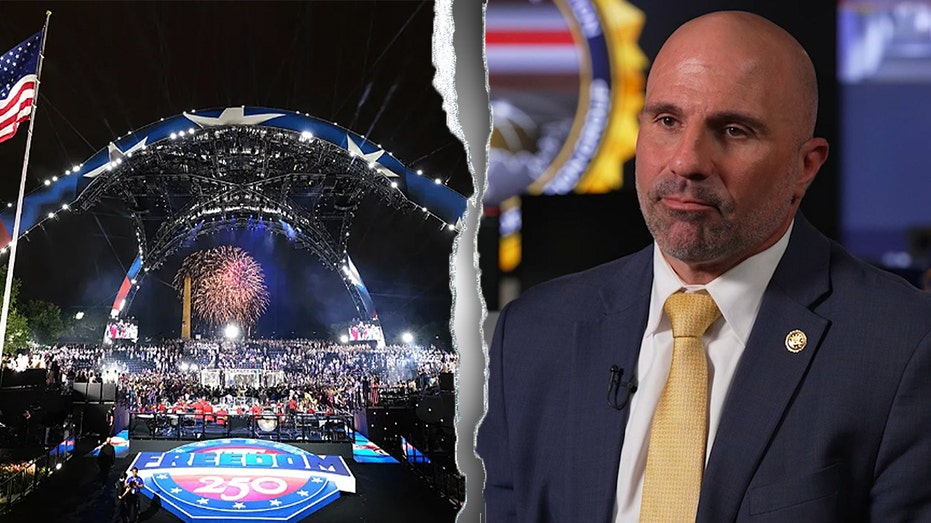
EXCLUSIVE: As federal agents raced to dismantle an alleged plot targeting President Donald Trump’s UFC Freedom 250 event, investigators were simultaneously making another critical determination: whether the White House event itself could safely go forward. In a Monday interview with Fox News Digital, FBI Deputy Director Chris Raia said investigators believed they had sufficiently disrupted the alleged conspiracy before the event took place, arguing that agents were monitoring suspects and knew none were in the Washington area when the UFC event was held. “We absolutely felt very comfortable moving (the UFC event) forward,” Raia said. “We were confident that we had disrupted that main plot.” The FBI initially arrested five people accused of participating in the plot to kill lawmakers and attendees at the June 14 event. Since then, prosecutors have publicly identified two additional defendants, raising questions about why the event was allowed to proceed while investigators continued pursuing other alleged participants. 5 CHILLING DETAILS FROM THE ALLEGED WHITE HOUSE ATTACK PLOT TIED TO UFC EVENT Raia said the additional defendants were “followers” rather than leaders of the conspiracy. “We were confident that we had the leaders, the main plotters of that, so the rest of the folks were more of the followers that you’re seeing now.” “There was a lot of security there,” Vice President JD Vance said during a June 16 appearance on Fox News’ “The Five.” “And it turns out the plot was like, not that advanced. They weren’t in town.” The issue reportedly sparked tensions between federal agencies. Two senior U.S. officials previously told Fox News that Secret Service leadership wanted to delay publicly disclosing the investigation until additional arrests could be made, fearing that revealing the probe could alert other subjects and complicate the ongoing case. Raia said the FBI did not share those concerns, arguing that investigators were already monitoring both the alleged ringleaders and other suspected participants. FBI NAMES SIXTH SUSPECT IN ALLEGED PLOT TO USE DRONES AND SNIPERS TO TARGET UFC FREEDOM 250 EVENT “We had that contained or what I would call mitigated very early on even though we didn’t do the arrests,” he said. “We were watching the folks that were planning it. We had them under surveillance. And so we knew that nobody was even close to the DC area at the time that was happening.” Despite reported disagreements over when to publicly disclose the investigation, Raia emphasized that the FBI and Secret Service worked closely throughout the case. “That was a joint case with us and the Secret Service,” Raia said. The agencies jointly assessed the threat before deciding the event could proceed, according to Raia. “We all talked about that as a group and made that decision to move forward with the UFC 250 event,” he told Fox News Digital. Deputy Secret Service Director Matthew Quinn, responding to questions about the case at an unrelated event, emphasized that the Secret Service had “led that investigation from the beginning” and suggested investigators intentionally avoided public disclosure while the case remained active. “In order to maintain the integrity of the investigation and the security plan we chose not to leak it,” Quinn said during a June 16 press conference. Raia, a career FBI agent and former head of the bureau’s New York Field Office, was appointed FBI co-deputy director in January after the departure of former Deputy Director Dan Bongino. Before leading the New York office, Raia served as one of the FBI’s top counterterrorism officials and has been with the bureau since 2003. According to court records, the alleged conspirators first connected through a TikTok community known as “Vanguard of the Old” before moving their discussions to encrypted messaging platforms including Signal, Telegram and SimpleX. Investigators say members organized themselves into tiered roles that included frontline operators, drone operators, recruiters, logistics personnel and technical support. Court records indicate the network extended well beyond the suspects initially charged. After obtaining a warrant for the phone of Ohio defendant Tycen Proper, investigators allegedly discovered a primary Signal chat containing approximately 19 participants, along with smaller operational chats organized by role and location. Raia said the case is far from closed: 14 to 15 FBI field offices are assisting in the investigation. “We’re going to continue to work that case aggressively,” he said. “You uncover one layer, and you see four more layers.” The case also underscored one of the FBI’s biggest investigative challenges: encrypted communications platforms. “That is a gap for us in encrypted communications platforms,” Raia said. Raia said investigators attempt to penetrate those networks through confidential human sources, undercover employees and other lawful investigative techniques. “We try to infiltrate, obviously, with CHSs, UCEs, again, inside the bounds of the Constitution,” he said, referring to “confidential human sources” and “undercover employees.” But Raia acknowledged the FBI does not have visibility into every encrypted chat where criminal activity may be occurring. In the UFC case, he pointed to Proper’s mother as the catalyst who helped investigators uncover the alleged conspiracy before it could advance further. “We had a concerned parent that really launched this entire UFC 250 case off,” Raia said. “Concerned parent called in on her son.” The tip ultimately led investigators to Proper’s phone and the alleged network of encrypted chats that prosecutors say contained discussions about drones, sniper positions, escape routes and attack planning. Without that initial call, Raia suggested, the alleged plot may have remained hidden inside encrypted platforms that continue to challenge law enforcement visibility. The UFC case also reflects what FBI officials say is a broader shift in the threat landscape. Rather than large, hierarchical terrorist organizations, investigators are increasingly concerned about lone actors and small groups that can organize online, acquire commercially available technology and develop attack plans with little outside support. “I’m less concerned about a mass 9/11 style attack than I am a lone single person, a single attacker,” he said. While discussing security preparations for the FIFA World Cup, he described drone-based attacks as one of the
US sanctions five Cuban entities, Castro family member in latest pressure campaign, Rubio says
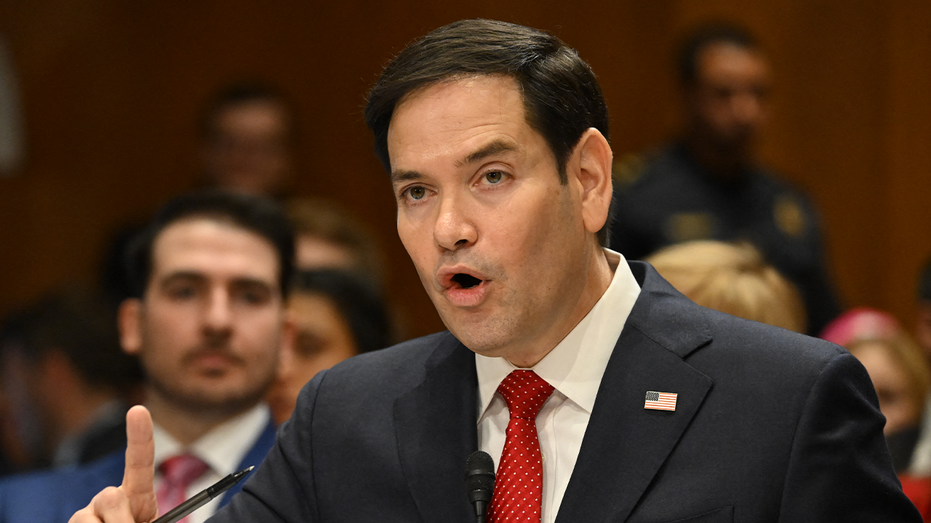
Secretary of State Marco Rubio announced a fresh round of sanctions on the Cuban regime on Tuesday. Rubio designated five entities generating revenue for the current Cuban regime, including three associated with the previously designated Grupo de Administración Empresarial S.A. (GAESA), and one member of the extended Castro family. “Today, I am designating five Cuban entities generating revenue for the Cuban regime, including three associated with the previously designated Grupo de Administración Empresarial S.A. (GAESA), and one member of the extended Castro family pursuant to President Trump’s Executive Order (E.O.) 14404 of May 1, 2026, “Imposing Sanctions on Those Responsible for Repression in Cuba and for Threats to United States National Security and Foreign Policy,” Rubio said in a statement. “GAESA continues to operate as the financial muscle behind the Cuban regime’s repressive security apparatus. Two of the entities designated today are GAESA-linked financial institutions associated with moving money on the regime’s behalf, and one is a GAESA-linked logistics company that executes the regime’s bidding across the island,” Rubio continued. CUBA’S DICTATORSHIP HAS LONG BEEN A THREAT TO AMERICA. NOW, IT’S FINALLY TEETERING “I am also designating two additional entities generating revenue for Cuba through the exploitation of the island’s mineral and metal reserves, including Cuba’s state-owned GeoMinera. Finally, I am designating the wife of Alejandro Castro Espín, who himself was previously designated pursuant to E.O. 14404. These entities and actors fund, facilitate, or benefit from the regime’s malign activities, both in Cuba and across our hemisphere,” Rubio’s statement concluded. GAESA, a military-controlled conglomerate, has repeatedly redirected aid meant for the Cuban people to the Cuban regime, Rubio has previously charged. RESTAURANTS CHEF WHO FLED COMMUNIST COUNTRY OPENS WORLD’S FIRST MICHELIN-STARRED CUBAN RESTAURANT Rubio’s Tuesday announcement expands upon what was already the most significant package of U.S. sanctions on Cuban entities in decades. In early June, the Trump Administration levied broad secondary sanctions against businesses and banks that do business with GAESA and other Castro regime-linked entities. The move came under a framework established by an executive order President Donald Trump signed in May. Rubio, in a Tuesday post on X, detailed what he described as a “devolving situation” in Cuba. “The situation in Cuba is devolving as the island’s corrupt, brutal and anti-American Communist regime continues to prioritize its own total control over the freedom, opportunity and basic wellbeing of the Cuban people,” he wrote. “The Cuban military-controlled conglomerate GAESA has persistently served as the main vector for regime elites to steal the island’s few resources, diverting them for repression, anti-American subversion and spying instead of schools, power plants, and basic necessities for the Cuban people. Today, I designated additional GAESA network entities associated with moving both its money and its physical assets, as well as entities responsible for exploiting Cuba’s mineral and metal reserves for ill-gotten profit,” Rubio continued. “Anyone providing services to these sanctioned actors is at risk of being sanctioned themselves. Foreign banks and other companies that provide services to these entities should freeze those activities immediately,” he concluded. This is a developing story. Please check back for updates.
Social media erupts over Mamdani’s silence after Brooklyn coffee shop bans Jewish congressman
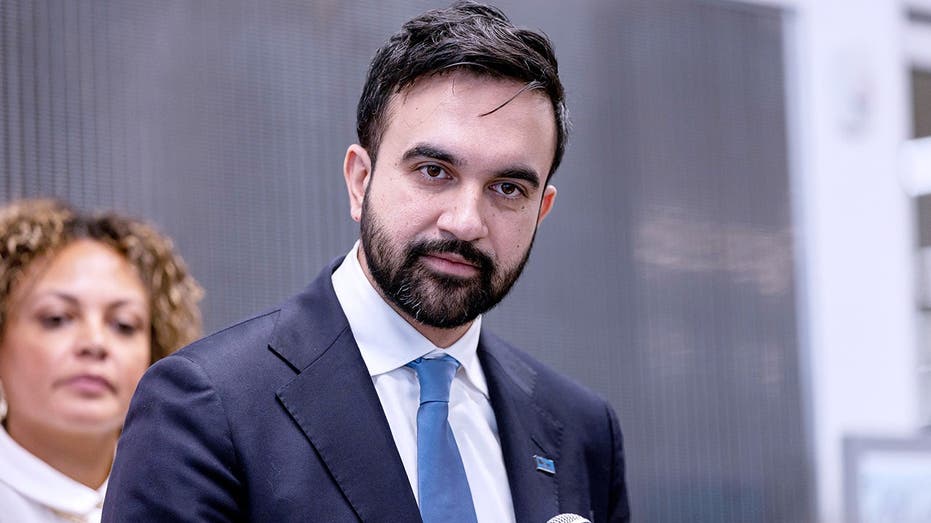
New York City Mayor Zohran Mamdani is facing swift backlash after declining to condemn a local coffee chain that told a Jewish congressman with pro-Israel views that he was not welcome. Mamdani has remained silent after the Williamsburg, Brooklyn-based Poetica coffee shop posted — and later deleted — a message on social media telling Rep. Dan Goldman, D-N.Y., not to return after he stopped by the shop with his daughter Monday. The mayor declined to comment through a spokesman when contacted by The New York Times on Monday. “Shameful,” Fox News Radio analyst Josh Kraushaar wrote on social media in response to a section of The Times story detailing that Mamdani declined to comment. “Well folks, we’ve reached the stage of antisemitism where Jews are being publicly barred from businesses,” the CEO and co-founder of the antisemitism-focused nonprofit Boundless Israel said on X. “A coffee shop in Mamdani’s New York City told Jewish Congressman Dan Goldman he wasn’t welcome in their store.” MAMDANI SKIPS ISRAEL DAY PARADE DESPITE JOINING OTHER CULTURAL CELEBRATIONS “The café is implementing Mamdani’s wishes,” journalist Melissa Braunstein said. Fox News Digital reached out to Mamdani’s office for comment but did not immediately hear back. In a since-deleted social media post, Poetica Coffee said it would have declined to serve Goldman had staff recognized him in the store. Goldman has notably declined to characterize Israel’s war in Gaza as a genocide and has received financial contributions from the pro-Israel lobby AIPAC, drawing criticism from some on the progressive left. “Hey Congressman Dan Goldman, we see that you stopped by our shop today for a coffee. Do you see how it doesn’t taste like genocide juice? Or are you still having a hard time telling the difference?” the post said. “See, here at Poetica, we don’t serve racists, fascists, homophobes, genocide enablers, or anyone in between,” the post continued. “Too bad we didn’t recognize you right away, or we would have turned you away. We issued you a refund—we don’t need your money (it’s probably coming from AIPAC anyways). Enjoy your loss on Tuesday. Don’t ever come to Poetica.” The coffee chain has since deleted its Instagram page amid social media backlash. Mamdani’s silence comes as he is working to unseat Goldman, despite the incumbent lawmaker being a leading Trump critic and embracing an array of leftist legislative proposals. Goldman notably did not endorse Mamdani’s mayoral campaign, citing concerns about how his administration would approach Jewish New Yorkers. The mayor publicly backed former New York City Comptroller Brad Lander to represent Goldman’s district, which spans Lower Manhattan and deep-blue, wealthy pockets of Brooklyn. Democratic voters will decide whether to hand Goldman a third House term during the Empire State’s primary elections on Tuesday. NY DEM WOULDN’T BACK MAMDANI FOR MAYOR — NOW MAMDANI IS BACKING HIS CHALLENGER Since both men largely hold the same policy stances, the bruising primary battle has revolved around support for Israel — with Lander vowing to elevate the Palestinian cause if elected to the House. Goldman has notably supported military aid to Israel following Hamas’ Oct. 7, 2023, attacks and distanced himself from inflammatory rhetoric used by some on the left to criticize Israel. Goldman offered a tempered response after the coffee chain effectively banned him from their storefronts. “I’m sorry to see this post,” he said. “The barista could not have been nicer to my 7-year-old daughter and me—allowing her to use the bathroom even though we had not purchased anything. I made sure to buy a coffee in return for her kindness. I hope you at least make sure she gets the tip that she deserved.” Assistant Attorney General for Civil Rights Harmeet Dhillon said Tuesday her office has opened an investigation into the matter. “Federal law prohibits public accommodations such as coffee shops from discriminating against patrons based on their race, religion, or national origin,” Dhillon wrote. “These actions are not only reprehensible, they’re potentially illegal.”
Swalwell pal accused of using campaign cash to bankroll ‘luxury lifestyle’ — including Super Bowl tickets
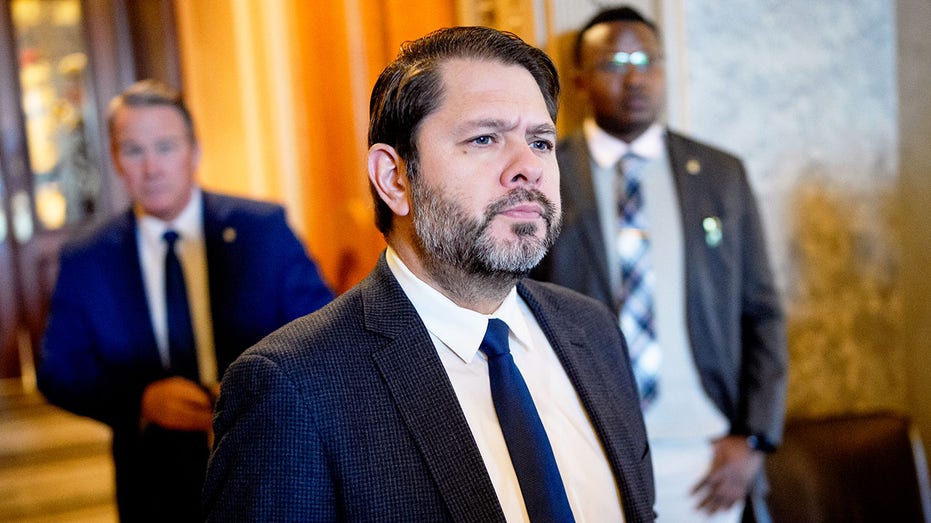
Sen. Ruben Gallego, a Democrat from Arizona who was a key ally of disgraced former Rep. Eric Swalwell, used campaign cash to fund luxury trips with his family and to cover his childcare expenses, according to campaign finance filings and a source familiar with his finances. Gallego, through his leadership PAC, has paid for trips to the Caribbean island getaway of Saint Barthélemy, Disneyland, Disney World, Miami and Chicago, finance filings show. A source familiar with Gallego’s spending told Politico that the lawmaker would often bring his family along for the luxury jaunts, and use donor cash to pay for babysitting services. “He just spends his campaign account like it’s his personal slush fund,” the source said. “He’s using campaign cash to live a luxury lifestyle.” Campaign finance records show that Gallego’s leadership PAC and his campaign have collectively paid over $18,000 to cover childcare costs, including a $400 payment to his wife’s mother. FAR-LEFT FIREBRAND SPENDS EYE-POPPING AMOUNT OF CAMPAIGN CASH ON LUXURY HOTELS, ‘TOP-TIER’ LIMO SERVICES “This is not breaking news,” he told Politco of expenses for childcare and family travel. “With the rising costs of childcare and the burden it has on the budgets of American families, Democrats and Republicans in Congress and the White House alike regularly travel with their wives and children, as is permitted by the FEC.” In one campaign expense, Gallego and Swalwell established a joint fundraising committee that they then used to pay for tickets to watch Super Bowl LVII in 2023. The event, which cost over $37,000, was billed as a fundraising operation where they recruited donors to attend the game and have brunch with them in exchange for a sufficiently high campaign contribution. The duo of lawmakers each profited just under $8,000 from the event, effectively shuttering the joint committee after the game. A Gallego spokesperson told Politico that the “tickets were purchased at fair market value” and that “hosting donors and supporters at sporting events in their areas is a common, bipartisan practice.” SENATE HOPEFUL WITH DEEP DEM TIES HAS PAID FAMILY OVER $350K FROM HIS CAMPAIGN COFFERS The source familiar with Gallego’s finances told Politico that the trip to Saint Barthélemy was for his wife’s boss’ birthday and that the trip to Miami, where he racked up $9,000 in charges at a beachfront hotel, was to commemorate his wife’s birthday. A Gallego spokesperson explained to Politico that the travel to Saint Barthélemy was part of “a multi-stop political and fundraising swing — as senators regularly do,” and that on the Miami trip the senator and his wife “attended several widely attended political events and fundraisers.” Federal lawmakers are barred from using funds donated to their primary campaign committees for “personal use,” or expenses that are not related to their campaigns for office. Leadership PACs, however, are held to a looser standard wherein expenditures are allowed so long as they serve some kind of fundraising purpose. There is nothing that suggests any of Gallego’s leadership PAC expenditures were made unlawfully. TALARICO TOUTS TEXAS ROOTS AS OUT-OF-STATE CASH POWERS SENATE CAMPAIGN Gallego is far from the only legislator to use his leadership PAC in this way, with many lawmakers using their committees to fund pricey trips to exclusive locations. Transparency advocates have argued that the permissive spending rules surrounding how politicians can use funds donated by leadership PACs allow corporate interests to more easily accrue influence with lawmakers by contributing to what is effectively an account for their luxury expenses. About half of the donations to Gallego’s leadership PAC have come from corporate sources, according to campaign finance records. Gallego is reportedly exploring a 2028 presidential run, with many seeing him as a progressive with significant crossover appeal following his 2024 Arizona Senate victory. Some in the senator’s inner circle, however, have doubts that he could make it through vetting, according to the source who spoke with Politico. SWALWELL’S ‘BEST FRIEND’ IN CONGRESS TURNS ON HIM AFTER BOMBSHELL ALLEGATIONS TORPEDO HIS POLITICAL CAREER His longtime friendship with Swalwell, who suspended his campaign for California governor and resigned from Congress following multiple allegations of sexual assault, is seen as one potential vulnerability. Additionally, Rep. Anna Paulina Luna, R-Fla., has pressed the Senate to investigate Gallego over alleged sexual misconduct and campaign finance infractions. The senator has dismissed the allegations. IRS records show that he established a legal defense fund last month. “Any person close to Gallego would know that he is one of the most vetted candidates after his tough 2024 campaign where millions of dollars were spent against him,” Jacques Petit, Gallego’s communications director, told Politico. “Despite that, he overperformed the top of the ticket. Now he is focused on delivering for Arizonans and electing Democrats in 2026.” Gallego did not respond to a request for comment when reached by Fox News Digital on Monday.
Trump backs both South Carolina GOP rivals as runoff tests his endorsement grip
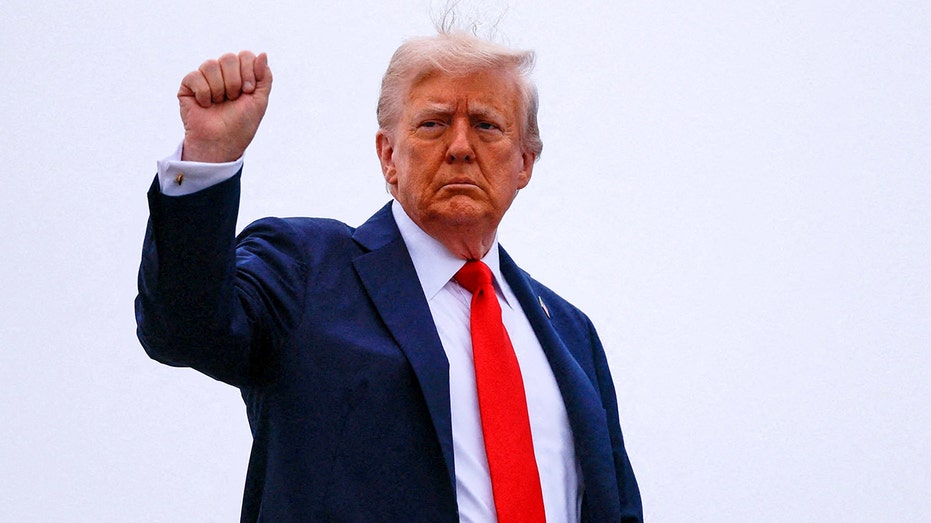
PELZER, South Carolina — Both candidates in Tuesday’s Republican gubernatorial runoff election in this solidly red southeastern state have President Donald Trump’s blessing. Trump, seemingly aiming to cover his bases, made an 11th-hour endorsement ahead of the runoff and is now backing both contenders in the showdown to succeed term-limited Republican Gov. Henry McMaster. The South Carolina runoff had been viewed as the latest test of Trump’s immense grip over the GOP and the power of his endorsements in Republican nominating contests. But on Friday, just three days after the candidate Trump was backing in neighboring Georgia’s Republican gubernatorial runoff lost, the president took to social media to say that he was supporting longtime state Attorney General Alan Wilson as well as Lt. Gov. Pamela Evette in the battle for the GOP gubernatorial nomination. TRUMP WINS TWO, LOSES ONE AS GEORGIA BILLIONAIRE DELIVERS RARE BLOW TO ENDORSEMENT MACHINE “I can’t hurt one of them by only Endorsing the other, so, therefore, I am going to Endorse, for Governor of South Carolina, both Pam Evette and Alan Wilson!” Trump wrote, adding: “With either one you can’t go wrong.” The endorsement of Wilson appeared to be a move by Trump to hedge his bets, because Trump was already backing Evette, who is also supported by McMaster, a longtime top ally of the president. Trump’s decision to support both Evette and Wilson wasn’t the first time he’s made dual endorsements in the same Republican race. Most famously, Trump endorsed “ERIC” in the 2022 GOP Senate primary in Missouri, where the two major candidates were Eric Schmitt and Eric Greitens. Both candidates claimed the endorsement, with Schmitt ultimately winning the nomination. In South Carolina, Trump endorsed Evette late last month, a week and a half before the gubernatorial primary. Evette finished on top of a crowded field of contenders in the primary election, with Wilson second. The field also included Reps. Nancy Mace and Ralph Norman, and multimillionaire businessman Rom Reddy. Since no candidate won a majority of the vote, as the top two finishers, Evette and Wilson advanced to the June 23 runoff. DEMOCRACY ’26: STAY UP TO DATE WITH THE FOX NEWS ELECTION HUB Mace and Norman endorsed Wilson after failing to advance to the runoff. And Wilson was also backed — and joined on the campaign trail on the eve of the runoff by Sen. Ted Cruz, the conservative firebrand from Texas. Mace, reacting to Trump’s endorsement of both Evette and Wilson, wrote on social media, “LMAO,” which is a common abbreviation for the phrase “laughing my a– off.” The runoff between Evette and Wilson turned combustible, and in last week’s final debate, both candidates launched personal attacks and accused each other of lying and misrepresenting their records. Wilson worked to contrast his tenure as attorney general with what he’s argued is Evette’s largely ceremonial role as lieutenant governor. And he has spotlighted his experience as a combat veteran, prosecutor and the state’s top law enforcement official. Evette showcased herself as an outsider and a Trump-endorsed businesswoman, while casting Wilson as a career politician. “The president had a lot of confidence in me when it was a crowded field, and I won it for him on June 9. I’m going to win it for him again on June 23,” Evette told Fox News Digital on the eve of the runoff. “I have always been very loyal to the president. I’ve traveled wherever he’s asked me to help stump for him, fundraise for him.” Wilson, campaigning with Cruz, pointed to Trump and said in a Fox News Digital interview, “I’ve been fighting and defending his agenda for the better part of a decade, and to have the president reflect that understanding in his endorsement a few days ago means so much to me.” Cruz, who endorsed Wilson a week ahead of Trump’s backing, told Fox News Digital, “I was very glad to see the president endorsing Alan Wilson… My philosophy, as you know, is that I support the strongest conservative who can win, and I think in the governor’s race that’s Alan Wilson.” The brute force of the president’s endorsement power has been on display in GOP primaries over the past two months, with his candidates ousting incumbents he targeted in showdowns in Indiana, Louisiana, Kentucky and Texas that grabbed plenty of national attention. But Trump’s endorsement streak in statewide and congressional Republican primaries was snapped three weeks ago when his 11th-hour endorsement of Republican Rep. Randy Feenstra of Iowa in the race to succeed retiring GOP Gov. Kim Reynolds wasn’t enough to propel the three-term congressman to victory. Feenstra was narrowly edged by Zach Lahn, a businessman, farmer and former political strategist who was backed by the political wings of MAHA — the acronym for the Make America Healthy Again movement aligned with Trump Health Secretary Robert F. Kennedy Jr. — and Turning Point USA, the powerful conservative organization co-founded by the late Charlie Kirk. Trump rebounded two weeks ago, as Evette finished first and advanced to Tuesday’s runoff. Meanwhile, longtime Trump ally Sen. Lindsey Graham did win a majority of the vote in the Republican Senate primary, and avoided a runoff. Graham, who was endorsed by Trump, was facing primary challenges from five candidates, including conservative businessman Mark Lynch, who took aim at the senator over his support for the war in Iran. Lynch was backed by some MAGA leaders who have been critical of the president. Last week, Trump-backed candidates won two of the three top races. Rep. Barry Moore, a House Freedom Caucus member and longtime Trump supporter who was endorsed by the president, comfortably defeated rival Jared Hudson, a former Navy SEAL sniper who was supported by some top names on the right, in solidly red Alabama’s GOP Senate runoff. In battleground Georgia’s Republican Senate runoff, an 11th-hour endorsement by Trump this past weekend helped boost Rep. Mike Collins, a MAGA champion, to victory over former college football coach Derek Dooley, who was backed by popular