

Blue cities U-turn on distributing drug supplies to addicts after progressive policies fail to stem epidemic
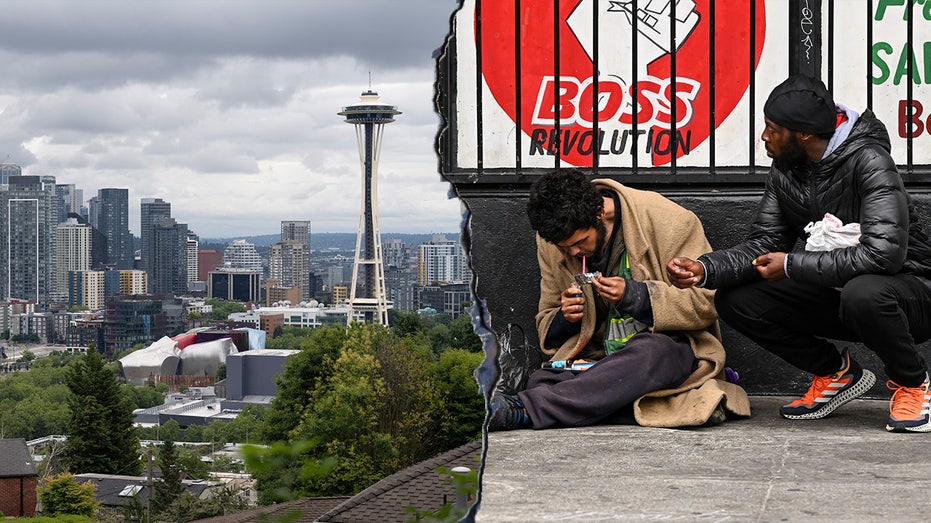
At least two major West Coast cities are rethinking their so-called harm reduction policies that have sought to address addiction, signaling that these areas are overhauling their strategy to combat the drug crisis as addiction challenges persist. While cities including San Francisco and Seattle have previously adopted policies to distribute “safer” drug supplies like clean foil and pipes that could be used to smoke fentanyl or other substances, these cities are now implementing a new approach that imposes new limitations on the distribution of these supplies. Seattle’s City Council passed its 2026 budget in November and included a provision that will “preclude any City support for the purchase or distribution of supplies for the consumption of illegal drugs, with the exception of needles.” The provision was championed by City Council Member Sara Nelson, who said that while she supports needle exchange programs because they reduce the spread of diseases like HIV and Hepatitis C, she said she doesn’t see the benefit in using public resources to “help people get high” by distributing certain drug supplies. BLUE CITY DA SAYS REPEAT DRUG OFFENDERS ‘WILL NOT RESPECT THE LAW’ UNDER CURRENT SYSTEM “I fail to see, however, the harm that’s being reduced by distributing supplies such as pipes and foil that are used to consume deadly drugs like meth and fentanyl,” Nelson said during a Nov. 16 budget committee meeting. “To me, it feels like it’s giving a loaded gun to somebody who is suicidal.” Seattle isn’t the only city taking such steps to scale back how it distributes “safe” drug supplies to its community. Earlier in 2025, San Francisco unveiled a new policy that would require individuals to receive treatment counseling — or be connected with such services to receive treatment options — before receiving any drug use supplies from the city or city-funded programs. Additionally, the new policy barred providing these supplies in public spaces. TRUMP UNLEASHES ‘TOUGHEST FENTANYL CRACKDOWN IN HISTORY’ AS GOP VOWS ‘CONSEQUENCES’ FOR CHINESE PRODUCERS The policy went into effect April 30, and applied to any city-funded public health program that provided drug use supplies like sterile syringes and smoking kits. “We can no longer accept the reality of two people dying a day from overdose. The status quo has failed to ensure the health and safety of our entire community, as well as those in the throes of addiction. Fentanyl has changed the game, and we’ve been relying on strategies that preceded this new drug epidemic, which ends today,” San Francisco Mayor Daniel Lurie said in a statement in April. “Our new policy will connect individuals to treatment quickly, and that is a big step toward reclaiming our public spaces.” Seattle’s City Council elections and San Francisco’s mayoral races are officially nonpartisan. However, both cities have strongly backed Democrats in state and local elections. TRUMP POSTPONES FEDERAL TROOP DEPLOYMENT TO SAN FRANCISCO Meanwhile, these drug policy changes aren’t popular with proponents of “harm reduction” policies. For example, Laura Guzman, executive director of the National Harm Reduction Coalition, said there may not be enough resources to comply with San Francisco’s new rule. “It’s mandating or putting as a condition for people to receive life-saving supplies, to actually have long conversations about treatment that may not be available,” Guzman said in April, according to CBS News. “People who know in the field — researchers, doctors — are saying this is not good policy. We’re actually going against the grain because what we’re trying to do is have the perception that there is no drug use on the streets. But it’s not public health, it’s not science-based. It’s exactly the opposite of what we know works.” Although both Washington’s King County, which includes Seattle, and San Francisco had fewer drug overdose deaths in 2024 than in 2023, the numbers for both cities are higher in comparison to 2019 before the COVID-19 pandemic. For example, 635 people died due to accidental drug overdoses in 2024 in San Francisco — down from the 810 that died in 2023, but up from the 441 that died in 2019, according to the San Francisco Office of the Chief Medical Examiner. Drug overdose deaths are also down nationwide. The Centers for Disease Control and Prevention reported in February a nearly 24% decline in drug overdose deaths in fiscal year 2024, in comparison to the previous fiscal year. Meanwhile, the Trump administration has taken an aggressive approach to combat the influx of drugs into the U.S. For example, President Donald Trump signed an executive order in December designating illicit fentanyl a “weapon of mass destruction.”
Treasury targets oil traders, tankers accused of helping Maduro evade U.S. sanctions
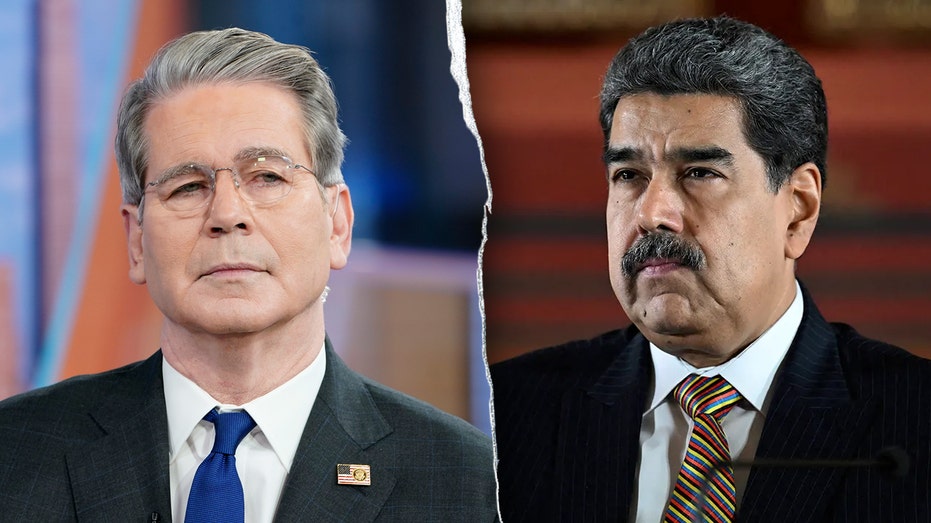
The U.S. Department of the Treasury on Wednesday sanctioned four companies operating in Venezuela’s oil sector and identified four oil tankers as blocked property, saying the move targets oil traders involved in alleged sanctions-evasion that helps finance Nicolás Maduro’s regime. Treasury said the vessels, some described as part of a “shadow fleet” serving Venezuela, “continue to provide financial resources that fuel Maduro’s illegitimate narco-terrorist regime” in Tuesday’s press release. “President Trump has been clear: We will not allow the illegitimate Maduro regime to profit from exporting oil while it floods the United States with deadly drugs,” Treasury Secretary Scott Bessent said. “The Treasury Department will continue to implement President Trump’s campaign of pressure on Maduro’s regime,” he added. Treasury said the sanctions block property and interests in property of the designated entities within U.S. jurisdiction and generally prohibits Americans from transactions involving them. VENEZUELA ACCUSES US OF ‘PIRACY’ AFTER SEIZING MASSIVE OIL TANKER The action follows U.S. measures against Venezuela’s state-run oil company Petroleos de Venezuela, S.A. (PDVSA). OFAC designated PDVSA in January 2019 under Executive Order 13850, and President Trump later took additional steps to block PDVSA in August 2019 under Executive Order 13884, Treasury said. Treasury said Wednesday’s move also complements actions announced Dec. 11 and Dec. 19 targeting PDVSA-linked officials, associates and vessels. SECOND TANKER SEIZED NEAR VENEZUELA AS US ENFORCES OIL BLOCKADE OFAC designated Corniola Limited and Krape Myrtle Co LTD and identified the tanker NORD STAR as blocked property. OFAC also designated Winky International Limited and identified ROSALIND, also known as LUNAR TIDE, as blocked property. OFAC designated Aries Global Investment LTD and identified the tankers DELLA and VALIANT as blocked property, Treasury said. Treasury said blocked property within U.S. jurisdiction must be reported to OFAC, and warned that violations of U.S. sanctions may result in civil or criminal penalties. Treasury said the goal of sanctions is to bring about a positive change in behavior, noting there is a formal process for seeking removal from an OFAC list consistent with U.S. law.
DEI and woke ideology are on life support under Trump’s return to DC, but could come roaring back with rebrand
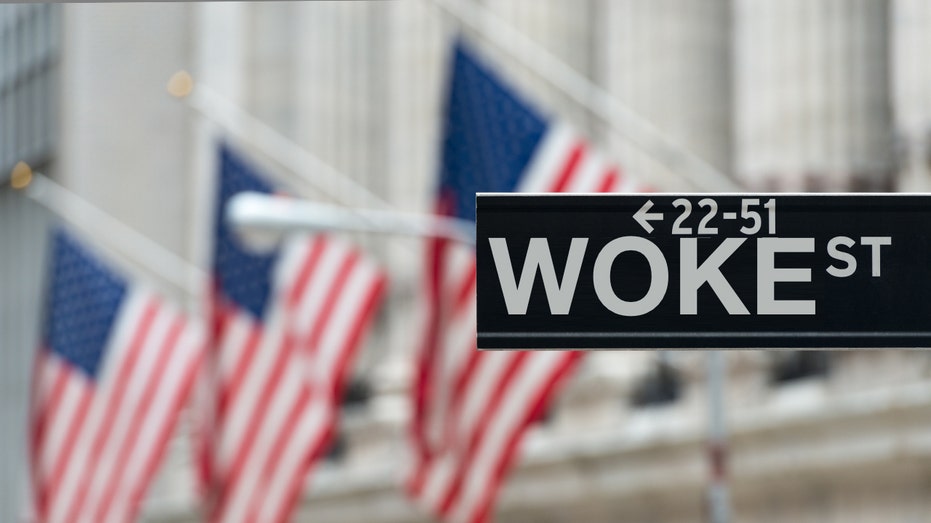
President Donald Trump’s early second-term blitz against “woke” ideology, including diversity, equity and inclusion (DEI) initiatives, have rippled far beyond Washington, D.C., as companies roll back such policies. But the left-wing credos could come roaring back to public view under a rebranding, the president of American Principles Project (APP) told Fox News Digital. “DEI is still alive. It’s not dead yet. It’s bleeding, right? We’ve got blood here, but we know it’s vulnerable,” Terry Schilling, the president of conservative nonprofit and advocacy group the American Principles Project, told Fox News Digital in a December Zoom interview. “But they’re still in charge of the admissions offices and colleges. They’re still in charge of HR departments, and they’re still largely a part of Silicon Valley.” American Principles Project has documented the cultural shifts in recent years to embrace DEI initiatives, which conservatives argue replace merit with race and identity preferences that effectively penalize some Americans at work and at school through the expansion of bureaucracy and ideological pressure. Schilling said that while the “woke” push seen under the Biden era is retreating under the Trump administration, it is still alive and could make a return. FEDERAL WATCHDOG URGES WHITE MEN TO REPORT POSSIBLE WORKPLACE DISCRIMINATION; VANCE BOOSTS MESSAGE “DEI is retreating,” Schilling said in the interview. “But I think that it’s important that we recognize that DEA is not disbanding, it’s rebranding.” Trump swiftly moved to drop the hammer on DEI and woke initiatives upon his return to office in January, including signing an executive order on day one, titled “Ending Radical and Wasteful Government DEI Programs and Preferencing,” which directed federal agencies to stamp out DEI-style programs across the federal government. The following day, Trump signed a second order aimed at “restoring merit-based opportunity,” including changes for federal contracting and related compliance. “We’ve ended the tyranny of so-called Diversity, Equity and Inclusion policies all across the entire federal government and indeed the private sector and our military. And our country will be woke no longer,” Trump said from the dais in Congress in March, celebrating his administration’s achievement just a few months into the job. Schilling said Trump turned DEI on its head upon his return to the Oval Office, pointing to his executive orders as death knells heard at the highest echelons of corporate America down to public school classrooms. “Trump winning the election had a lot to do with this,” Schilling said. “You’re seeing all these CEOs of major tech companies and companies abroad coming to the White House, kissing the ring. They know who’s in power and they’re willing to make deals to get their projects over the finish line. And that’s all great. We should use that. We should us that momentum to further cement opposition to DEI.” WASHINGTON POST PRAISES BONDI FOR ROLLING BACK WOKE RACIAL ELEMENT AT DOJ, SLAMS ‘BOGUS’ CRITICISM OF MOVE Silicon Valley has long been viewed and criticized as a powerful weapon used to silence conservatives — such as when social media platforms suppressed news reports on former first son Hunter Biden’s laptop ahead of the 2020 election — with top tech CEOs signaling a Trump-era pivot this year as they work to ink deals to expand their businesses amid the artificial intelligence boom. “President Trump’s executive orders did so much to cut back against DEI, banning DEI throughout the entire federal workforce, banning schools from using and tying federal funds to whether or not schools are implementing racist policies like DEI has done a lot to curb it,” Schilling said. “However, these guys are lying in wait,” he added. US CHAMBER OF COMMERCE ACCUSED OF LEADING ‘WOKE CORPORATE AMERICA’ AS TRUMP DISMANTLES DEI AGENDA Massive American staple company Target announced the conclusion of DEI goals after a three-year initiative, while Disney also made changes such as removing DEI-related terms from its annual business reports. Cracker Barrel, after a bruising backlash to its branding overhaul earlier in 2025, scrapped remodel plans and reverted to its old logo, with Fox Digital previously reporting the chain eliminated DEI programs as part of its latest changes. “DEI is an employment issue,” Schilling said. “It’s keeping a large amount of Americans who deserve to have good lives and good incomes out of the workforce simply because they have the wrong color of skin.” Democrats generally support DEI policies as they see them as a way to expand opportunity and reduce discrimination in hiring, promotion and education, especially for groups they argue have faced historic barriers. Left-wing lawmakers stretching from members of the Congressional Black Caucus to Democrat 2025 political candidates, such as New York City Mayor-elect Zohran Mamdani, have slammed or campaigned against Trump’s roll-back of DEI policies. Schilling warned that upcoming elections could undo the progress Trump has made in eliminating DEI policies at the federal level, pointing to the 2028 presidential election. MELINDA GATES SAYS BUSINESSES ENDING DEI PROGRAMS ARE ‘AFFECTING FAMILIES’ “They are lying in wait for the next Democrat president like Gavin Newsom, like JB Pritzker. There’s really no doubt that if another Democrat gets into office, they’re not just going to undo everything President Trump did to curb all the racism through DEI programs. They going to ramp it up. They gonna do it even more so than Barack Obama did and Joe Biden did. So we’ve got to continue to fight this,” Schilling said. The American Principles Project president continued that ending DEI and woke ideology for good requires conservative Republicans winning elections and conservative voters to talk with their feet with boycotts if a corporation leans into promoting left-wing policies, underscoring DEI is an economic issue, in addition to a cultural one. “If we really want to save the future, DEI must be killed, because it’s not just about the culture, it’s just not about racism,” he said. “It’s so much more. It’s the economy, it’s the future of America, it’s our families, it is our children, and so we really need to remain eternally vigilant until it’s
Jack Smith says key Jan 6 witness relied on hearsay, lacked firsthand evidence

Former special counsel Jack Smith undercut claims made by Cassidy Hutchinson, a former White House aide and Jan. 6 Committee witness, while testifying in a recent deposition to Congress. Smith told the House Judiciary Committee this month that he evaluated Hutchinson’s explosive claims as part of his investigation and prosecution of President Donald Trump related to the 2020 election, according to a transcript published Wednesday. Smith said they had deficiencies because Hutchinson did not offer firsthand information. Asked during the deposition how he would have approached cross-examining Hutchinson, Smith said he would have moved to prohibit a portion of her testimony from being used. JACK SMITH DENIES POLITICS PLAYED ANY ROLE IN TRUMP PROSECUTIONS AT HOUSE HEARING “If I were a defense attorney and Ms. Hutchinson were a witness, the first thing I would do was seek to preclude some of her testimony because it was hearsay, and I don’t have the full range of her testimony in front of me right now, but I do remember that that was a decent part of it,” Smith said. Smith was also asked about specific claims Hutchinson had made, including that Trump was aware that some of his supporters would be armed at his rally and that Trump attempted to grab the steering wheel of his driver out of anger. Hutchinson “was a second or even thirdhand witness,” Smith said, adding that other witnesses gave “different perspectives” than her. “We interviewed, I think, the people she talked to, and we also interviewed, if my recollection is correct, officers who were there, including the officer who was in the car,” Smith said. “And that officer, if my recollection is correct, and I want to make sure I’m right about this, said that President Trump was very angry and wanted to go to the Capitol, but the version of events that he explained was not the same as what Cassidy Hutchinson said she heard from somebody secondhand.” Smith noted that “a number of the things that she gave evidence on were secondhand hearsay, were things that she had heard from other people and, as a result, that testimony may or may not be admissible, and it certainly wouldn’t be as powerful as firsthand testimony.” Hutchinson became a key witness in the Democrat-led Jan. 6 Committee’s investigation into the U.S. Capitol attack, testifying privately several times and publicly. Her testimony dominated headlines, but her claims became a point of scrutiny for Republicans, who found the committee’s work lacked credibility because its only Republican members were two vocal anti-Trump lawmakers. Hutchinson served as a top aide to White House chief of staff Mark Meadows in the final months of Trump’s first presidency, giving her an inside look at internal discussions among White House officials in the aftermath of the 2020 election. JACK SMITH SUBPOENAED FOR DEPOSITION WITH HOUSE JUDICIARY COMMITTEE In a highly publicized hearing in June 2022, Hutchinson testified under oath about what she said were warnings inside the White House about the possibility of violence on Jan. 6 and Trump’s alleged awareness that some supporters attending his rally would be armed. In another claim that was later disputed by other witnesses, Hutchinson also recalled conversations about how Trump attempted to grab the steering wheel from a U.S. Secret Service agent because he wanted to go to the Capitol and not the West Wing. Hutchinson testified that she was told that the president “said something to the effect of, ‘I’m the effing president, take me up to the Capitol now,’ to which [the agent] responded, ‘Sir, we have to go back to the West Wing.’ The president reached up towards the front of the vehicle to grab at the steering wheel.” Hutchinson had not mentioned that particular story in any of her prior interviews with the committee. She later said she withheld it at the direction of her former lawyer, Stefan Passantino. Smith was asked about Hutchinson as part of a more than eight-hour closed-door deposition this month that centered on his investigations and prosecutions of Trump related to the 2020 election and Trump’s alleged retention of classified material. Smith defended his investigative practices, including subpoenaing Senate and House lawmakers’ phone data. He also defended some of his prosecutorial decisions, including seeking gag orders against Trump and bringing an unusually slimmed-down superseding indictment against Trump after the Supreme Court ruled that Trump had some presidential immunity protections.
DOJ says lawyers working ‘around the clock’ to prep Epstein files for release after missed deadline

Officials with the Attorney General’s Office said Wednesday they are working relentlessly over the holidays to review and redact troves of documents in the Epstein files, prior to their mandated public release. Deputy Attorney General Todd Blanche released a statement on X noting Department of Justice (DOJ) lawyers from Main Justice, FBI, SDFL and SDNY are “working around the clock” through Christmas and New Years to review documents, ensuring sensitive victim information is redacted from the impending release. “It truly is an all-hands-on-deck approach and we’re asking as many lawyers as possible to commit their time to review the documents that remain,” Blanche wrote in the post. “Required redactions to protect victims take time but they will not stop these materials from being released.” Blanche’s update comes amid recent threats of legal action after the department missed the Epstein Files Transparency Act’s Dec. 19 deadline to publish all of its documents related to disgraced financier Jeffrey Epstein. CLINTON TEAM DEMANDS TRUMP DOJ RELEASE ‘ANY REMAINING’ DOCS RELATED TO FORMER PRESIDENT, EPSTEIN He previously argued there was “well-settled law” supporting the missed deadline, as other legal requirements in the bill must be met prior to release, including redacting victim-identifying information. “The Attorney General’s and this Administration’s goal is simple: transparency and protecting victims,” Blanche wrote Wednesday. The Epstein Files Transparency Act, signed Nov. 19 by President Donald Trump, required the DOJ to withhold information that could identify potential victims or compromise ongoing investigations or litigation. DOJ RESTORES TRUMP PHOTO TO EPSTEIN FILES AFTER DETERMINING NO VICTIMS DEPICTED It also allowed officials to exclude material deemed sensitive to national defense or foreign policy. While it remains unclear how many files still need to be reviewed, the DOJ last week confirmed the FBI and the U.S. Attorney’s Office in the Southern District of New York recently submitted more than 1 million additional pages of potentially responsive documents related to Epstein and Ghislaine Maxwell’s sex trafficking cases. Officials said the “mass volume” of material could take weeks to examine, further delaying their release, which was promised by Blanche on a “rolling basis,” Fox News Digital previously reported. Fox News Digital’s Ashley Oliver contributed to this report.
Trump says ‘Triumphal Arch’ monument construction to begin within 2 months in DC: report
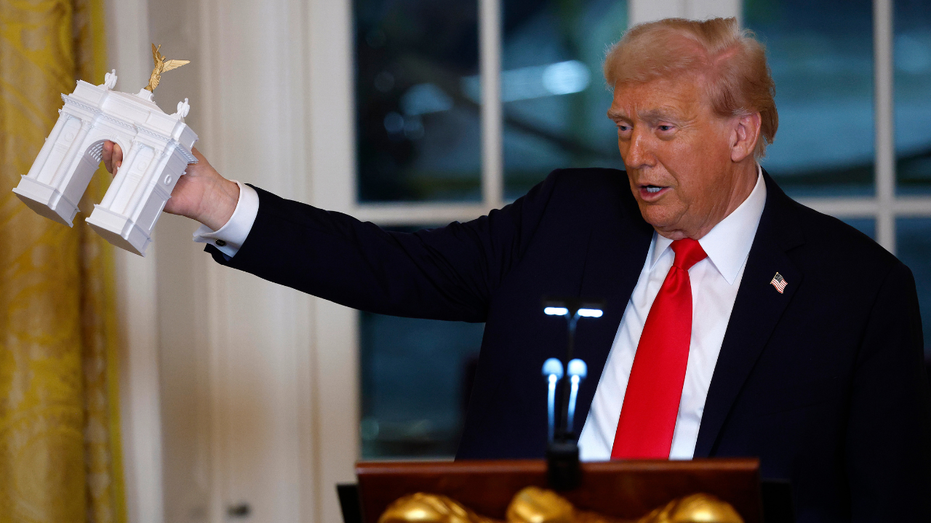
President Donald Trump revealed Wednesday how soon an Arc de Triomphe-style monument will be constructed in the nation’s capital to commemorate America’s 250th anniversary in 2026. Trump on Wednesday said the construction of the monument, nicknamed the “Arc de Trump,” will begin “sometime in the next two months,” according to a report from Politico. “It hasn’t started yet. It starts sometime in the next two months. It’ll be great. Everyone loves it,” Trump reportedly told the outlet during a phone call from Mar-a-Lago in Palm Beach, Fla. “They love the ballroom too. But they love the Triumphal Arch.” The newest monument, which resembles Paris’ historic Arc de Triomphe, will be bankrolled privately, with funds left over from the new White House ballroom project, Fox News Digital previously reported. TRUMP ADMIN FIGHTS IN COURT TO KEEP WHITE HOUSE EAST WING DEMOLITION, $300M BALLROOM BUILD ON TRACK The exact location of the new landmark has not yet been confirmed, though the report notes it may be situated near the Lincoln Monument. Details about the amount of time it will take to build, the cost of construction, the funding amount and who is heading the project have not yet been released by the White House. Trump signed Public Law 116-217 in December 2020 authorizing the Women’s Suffrage National Monument to be built on federal land in Washington, D.C., leading to the subsequent signing of the Women’s Suffrage National Monument Location Act during former President Joe Biden’s final week in office. TRUMP PUSHES BACK AFTER MICHELLE OBAMA KNOCKS EAST WING RENOVATION, CALLING OLD ARRANGEMENT ‘A DISASTER’ The Women’s Suffrage National Monument Foundation (WSNMF) announced Dec. 4 it received final and unanimous approval from the National Capital Planning Commission for a permanent two and a half acre site on the National Mall in Constitution Gardens, according to the foundation’s website. Foundation leaders noted the women’s suffrage monument went through a “multi-step, rigorous review process,” including gaining approval from the National Capital Memorial Advisory Commission and the Commission of Fine Arts. The foundation also completed a public comment period with the National Park Service as part of the public scoping process, according to its website. TRUMP TAPS NEW ARCHITECT TO RESHAPE WHITE HOUSE AS $300M BALLROOM BUILD ACCELERATES It is unclear if Trump’s newest proposed monument received similar approval. The Women’s Suffrage National Monument will be located at the intersection of 19th St. and Constitution Avenue NW, and the next project phase will focus on creative development and design. “The enthusiasm behind this project has been inspiring,” WSNMF President and CEO Anna Laymon wrote in a Dec. 4 statement announcing final approval. “We are so grateful for the dedicated support from so many who made this possible, including President Trump; President Biden; our honorary chairs Mrs. Melania Trump, Dr. Jill Biden, Mrs. Michelle Obama, Mrs. Laura Bush, and Secretary Hillary Clinton; our bipartisan and bicameral Congressional sponsors, Senator Blackburn, Senator Baldwin, Congresswoman Lesko, Congressman Neguse and their dedicated staffs; our incredible Board of Directors; and all our partners and supporters.” TRUMP BREAKS GROUND ON MASSIVE WHITE HOUSE BALLROOM PROJECT WITH PRIVATE FUNDING FROM ‘PATRIOTS’ The most recent major monument built on the National Mall was the Martin Luther King, Jr. Memorial, which was completed in 2011. The granite memorial was inspired by a line from King’s “I Have a Dream” speech, delivered nearby on the steps of the Lincoln Memorial during the “March on Washington for Jobs and Freedom” in 1963. The White House did not immediately respond to Fox News Digital’s request for comment. Fox News Digital’s Amanda Macias contributed to this report.
Appeals court sides with Trump on budget provision cutting Planned Parenthood funds
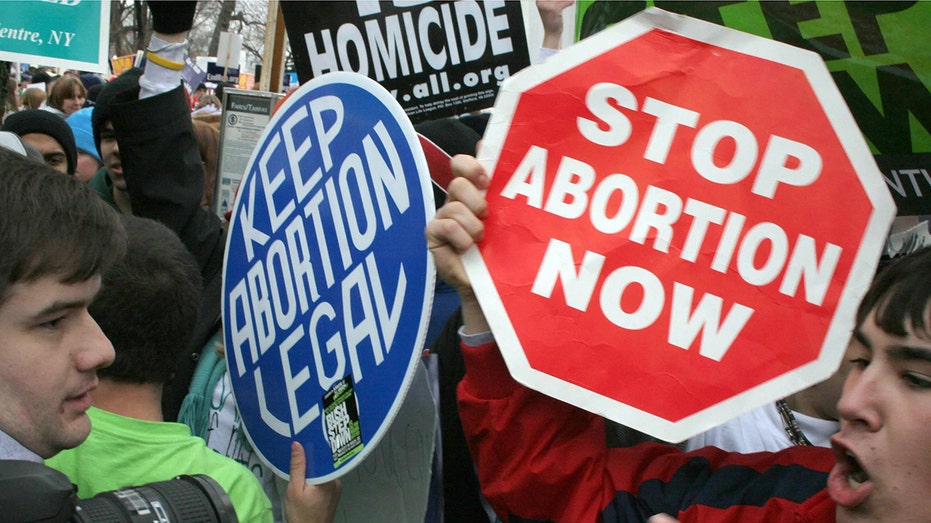
An appeals court on Tuesday cleared the way for the Trump administration to enforce in 22 Democrat-led states a provision of a budget bill that cuts off Medicaid funding to Planned Parenthood clinics that provide abortions. The U.S. Court of Appeals for the 1st Circuit’s decision came in response to Judge Indira Talwani, a federal judge in Massachusetts, blocking the provision of the bill. A three-judge panel on the circuit court, comprising all Democratic appointees, paused Talwani’s decision, marking at least the second time that the judge has been overruled after siding with Planned Parenthood. The states, led by California, had argued in a complaint that the funding cuts amounted to “retribution” for Planned Parenthood’s “constitutionally protected advocacy” of abortion access. DOJ WALKS BACK BIDEN-ERA ABORTION POLICY, BARS VA FROM FUNDING PROCEDURES The states’ lawsuit turned on the argument that Congress did not provide enough specifics about the Medicaid cuts in the One Big Beautiful Bill Act, in violation of the Constitution’s spending clause. Talwani, an Obama appointee, was persuaded enough to grant an injunction, but the appeals court paused it, saying the argument was likely to fail. The lawsuit was one of several that stemmed from Congress passing the One Big Beautiful Bill Act’s funding cuts to certain Medicaid recipients who provide abortions. Trump signed the bill into law on July 4, and the cuts were set to last for one year. Planned Parenthood, the nation’s largest abortion provider, said in a separate lawsuit in the summer that the provision unconstitutionally aimed to punish the nonprofit for its views, pointing to celebrations from Republican lawmakers about defunding Planned Parenthood specifically. PRO-LIFE GROUP CELEBRATES PLANNED PARENTHOOD’S CLOSING OF REMAINING LOUISIANA FACILITIES: ‘HUGE SUCCESS’ Lawyers for Planned Parenthood said that stripping their client’s Medicaid funding would force it to close a portion of its roughly 600 facilities and deprive more than 1 million people, about half of its customers, of services that do not include abortion. Talwani sided with Planned Parenthood and was overruled by the appeals court in that case as well. Medicaid does not typically cover Planned Parenthood’s abortion services, and the abortion giant has repeatedly emphasized that its clinics also provide other services, including screening for certain cancers and sexually transmitted infections and offering contraception. In the case brought by the states, the Trump administration argued that the bill’s budget restrictions were standard and approved by the legislative and executive branches. “Congress enacted a routine restriction on the use of federal funds—something it does in every budget cycle,” Trump Department of Justice lawyers wrote. “The Medicaid statute contains dozens of limits on how States may use federal funds. … When the States agreed to participate in Medicaid, they knew that they would have to abide by such conditions.” Fox News Digital reached out to the California attorney general’s office for comment.
How is Trump’s Big Beautiful Bill changing US taxes and healthcare in 2026?
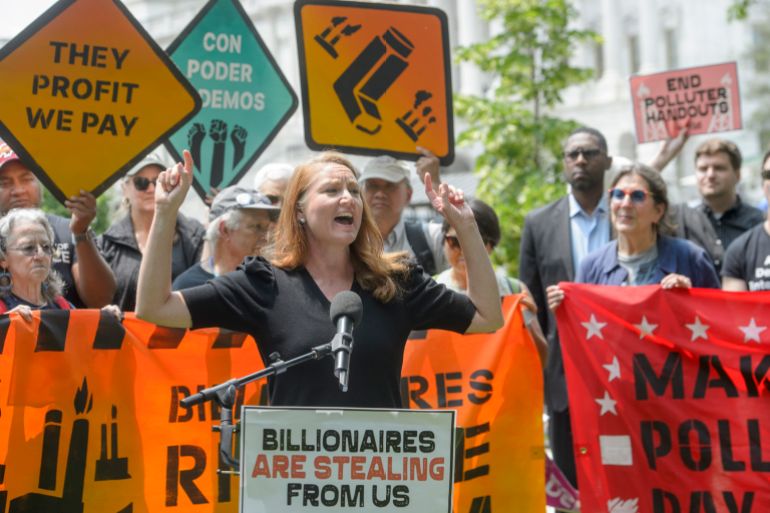
Residents in the United States are set to experience significant changes to the country’s tax code, healthcare system and government benefits at the start of 2026. That’s because, on Thursday, certain provisions of President Donald Trump’s signature tax and spending package are scheduled to take effect. Recommended Stories list of 3 itemsend of list Known as the One Big Beautiful Bill Act (OBBBA), the package was signed into law in July, amid bipartisan pushback. Fiscal conservatives feared it would add to the country’s deficit, while critics on the left warned that the changes it heralded would leave millions of US citizens without health insurance or food assistance. Notably, the OBBBA passed without extensions to the COVID-era healthcare subsidies that are slated to expire on Thursday. Democrats have warned that, without those subsidies, health insurance premiums purchased under the Affordable Care Act (ACA) are set to skyrocket. What changes should Americans expect heading into 2026, and how will they be affected? We break down the new policies for the start of the new year. What is the One Big Beautiful Bill Act? Even before Trump took office for a second term in January 2025, he floated the idea of creating one sweeping bill that would capture many aspects of his platform. “Members of Congress are getting to work on one powerful Bill that will bring our Country back, and make it greater than ever before,” he wrote on January 5. That idea became the foundation for the OBBBA, which Trump signed into law on July 4, the Independence Day holiday. Advertisement It contains hundreds of provisions, ranging from policies that incentivise fossil fuel production to the permanent adoption of Trump’s 2017 tax cuts. Democrats, including Representative Melanie Stansbury of New Mexico, rallied against the passage of the One Big Beautiful Bill Act earlier this year, outside the US Capitol [Rod Lamkey, Jr/AP Photo] What changes are coming to the price of healthcare? Prices are set to increase for US citizens who get their health insurance through the Affordable Care Act’s marketplace, an online exchange that helps connect households and small businesses with insurance plans. The One Big Beautiful Bill Act did not extend the ACA healthcare subsidies put in place as part of the 2021 American Rescue Plan Act, under then-President Joe Biden. Those subsidies expire on December 31. “The healthcare issue is a big one because people typically have their health insurance premium deducted from their account on the first, second, or third of the month,” said Daniel Hornung, the former deputy director of the National Economic Council during the Biden administration. “So, in the next few days, we’re likely to see people in many cases have their health insurance premiums double.” Why hasn’t Congress extended the healthcare subsidies? Congress has been in gridlock over the issue of whether to extend the ACA subsidies. Democrats refused to pass budget legislation in September until Congress acted to extend the healthcare subsidies. But Republican leaders said they would only vote on the subsidies after the budget legislation was signed. That impasse led to a 43-day government shutdown, the longest in US history. The gridlock ended when a handful of Democrats broke ranks with their party members to pass the budget legislation, on the understanding that there would be a December vote to extend the subsidies. But rival proposals from Democrats and Republicans to address the subsidies both failed earlier this month. The expiration takes effect on New Year’s Day, but Congress does not return from recess until January 5. How many people will be affected by the subsidies’ expiration? Approximately 2.2 million Americans are projected to lose healthcare coverage because of the increased cost, according to analysis from the Congressional Budget Office. Hornung, the former Biden administration official, said that many more stand to be affected by healthcare premium increases. “We’re talking about roughly 20 million or so Americans who are on the ACA exchanges, either the national exchanges or the state exchanges, so that’s a major issue,” Hornung said. Critics fear changes in 2026 will reduce accessibility to programmes like the Supplemental Nutrition Assistance Program (SNAP), which provides food to low-income households [File: Kaylee Greenlee/Reuters] What are the new work requirements for federal food assistance? Under the One Big Beautiful Bill Act, there are new work requirements to qualify for Supplemental Nutrition Assistance Programme (SNAP) benefits, which help low-income households afford groceries. Advertisement Able-bodied adults between the ages of 18 and 64 must now work or participate in school or a training programme for at least 80 hours per month to remain eligible. The policy applies to new applicants and renewals, beginning on January 1. For current SNAP recipients, implementation timing varies by state. Some states have already notified existing beneficiaries of the pending changes, while others will begin enforcement later. In New York, for example, the new rules are not expected to take effect until March 2026. Critics have told Al Jazeera that the new rules may place an additional burden on service-industry workers, many of whom have irregular schedules that make it difficult to guarantee 80 hours every month. How will inheritances be affected? Among the changes is an expanded estate tax exemption. Under the new policy, individuals inheriting an estate worth less than $15m are exempt from the federal estate tax. For couples, that threshold is $30m. Prior to the 2017 law, the cap for untaxed estate inheritances was about $5.5m ($7.2m in 2025, adjusted for inflation) for individuals and $11m ($14m when adjusted for inflation) for couples. Critics point out that the higher thresholds allow significant generational wealth transfers without taxation. As a result of the new provision, fewer than 1 percent of taxpayers ever face the estate tax. How will deductions change during the US tax season? January 1 will make several provisions of the 2017 Tax Cuts and Jobs Act — tax cuts enacted during Trump’s first term — permanent. Many of these provisions benefit higher-income households. One of the 2017 provisions that has
A marriage of three: Will Mali, Niger, Burkina Faso bloc reshape the Sahel?

“Bienvenue a Bamako!” The fixer, the minder and the men linked to the Malian government were waiting for us at the airport in Bamako. Polite, smiling – and watchful. It was late December, and we had just taken an Air Burkina flight from Dakar, Senegal across the Sahel, where a storm of political upheaval and armed violence has unsettled the region in recent years. Recommended Stories list of 3 itemsend of list Mali sits at the centre of a reckoning. After two military coups in 2020 and 2021, the country severed ties with its former colonial ruler, France, expelled French forces, pushed out the United Nations peacekeeping mission, and redrew its alliances Alongside Burkina Faso and Niger, now also ruled by military governments backed by Russian mercenaries, it formed the Alliance of Sahel States (AES) in September 2023. Together, the regional grouping withdrew from the wider Economic Community of West African States (ECOWAS) bloc, accusing it of serving foreign interests rather than African ones. This month, leaders from the three countries converged in Bamako for the Confederal Summit of Heads of State of the AES, the second such meeting since the alliance was formed. And we were there to cover it. The summit was a ribbon-cutting moment. Leaders of the three countries inaugurated a new Sahel Investment and Development Bank meant to finance infrastructure projects without reliance on Western lenders; a new television channel built around a shared narrative and presented as giving voice to the people of the Sahel; and a joint military force intended to operate across borders against armed groups. It was a moment to celebrate achievements more than to sign new agreements. Advertisement But the reason behind the urgency of those announcements lay beyond the summit hall. In this layered terrain of fracture and identity, armed groups have found room not only to manoeuvre, but to grow. Jama’at Nusrat al-Islam wal-Muslimin (JNIM), an al-Qaeda affiliate, has expanded from rural Mali, launching attacks across the region and reaching the coast of Benin, exploiting weak state presence and long-unresolved grievances. As our plane descended toward Bamako, I looked out at an endless stretch of earth, wondering how much of it was now under the control of al-Qaeda affiliates. From the airport, our minders drove us fast through the city. Motorbikes swerved around us, street hawkers peddled their wares, and Malian pop blared from speakers. At first, this did not feel like a capital under siege. Yet since September, armed groups have been operating a blockade around Bamako, choking off fuel and goods, the military government said. We drove past petrol stations where long queues stretched into the night. Life continued even as fuel grew scarce. People sat patiently, waiting their turn. Anger seemed to have given way to indifference, while rumours swirled that the authorities had struck quiet deals with the very fighters they claimed to be fighting, simply to keep the city moving. Motorcycles line up near a closed petrol station, amid ongoing fuel shortages caused by a blockade imposed by al Qaeda-linked fighters in early September, in Bamako, Mali [Stringer/Reuters] ‘To become one country, to hold each other’s hand’ Our minders drove us on to the Sahel Alliance Square, a newly created public space built to celebrate the union of the three countries and its people. On the way, Malian forces sped past, perhaps toward a front line that feels ever closer, as gunmen linked to JNIM have set up checkpoints disrupting trade routes to the capital in recent months. In September 2024, they also carried out coordinated attacks inside Bamako, hitting a military police school housing elite units, nearby neighbourhoods, and the military airport on the city’s outskirts. And yet, Bamako carries on, as if the war were taking place in a faraway land. At Sahel Alliance Square, a few hundred young people gathered and cheered as the Malian forces went by, drawn by loud music, trivia questions on stage and the MC’s promise of small prizes. The questions were simple: Name the AES countries? Name the leaders? A microphone was handed to the children. The alliance leaders’ names were drilled in: Abdourahamane Tchiani of Niger. Ibrahim Traore of Burkina Faso. Assimi Goita of Mali. Repeated again and again until they stuck. Advertisement Correct answers won a prize: a T-shirt stamped with the faces of the alliance leaders. Moussa Niare, 12 years old and a resident of Bamako, clutched a shirt bearing the faces of the three military leaders. “They’ve gathered together to become one country, to hold each other’s hand, and to fight a common enemy,” he told us with buoyant confidence, as the government’s attempt to sell the new alliance to the public appeared to be cultivating loyalty among the young. France out, Russia in While Mali, Burkina Faso and Niger went through separate political transitions, the paths that brought them into a shared alliance followed a similar pattern. Between 2020 and 2023, each country saw its democratically elected leadership removed by the military, the takeovers framed as necessary corrections. In Mali, Colonel Goita seized power after months of protest and amid claims that President Ibrahim Boubacar Keita had failed to curb corruption or halt the advance of armed groups. In Burkina Faso, the army ousted President Roch Marc Christian Kabore in early 2022 as insecurity worsened; later that year, Captain Traore emerged from a counter-coup, promising a more decisive response to the rebellion. In Niger, soldiers led by General Tchiani detained President Mohamed Bazoum in July 2023, accusing his government of failing to safeguard national security and of leaning too heavily on foreign partners. What began as separate seizures of power have since become a shared political project, now expressed through a formal alliance. The gathering in Bamako was to give shape to their union. One of the key conclusions of the AES summit was the announced launch of a joint military battalion aimed at fighting armed groups across the Sahel. This follows months of escalating violence, as regional armies assisted
Four reasons why Benjamin Netanyahu may not want a Gaza ceasefire to hold

Israeli Prime Minister Benjamin Netanyahu has reached the end of his latest trip to the United States and appears to have gained what he wants from President Donald Trump. Trump hailed Netanyahu after their meeting on Monday, calling him a “hero” and saying Israel – and by extension its prime minister – had “lived up to the plan 100 percent” in reference to the US president’s signature Gaza ceasefire. Recommended Stories list of 4 itemsend of list That is despite reports emerging last week that US officials were growing frustrated over Netanyahu’s apparent “slow walking” of the 20-point ceasefire plan – imposed by the US administration in October – suspecting that the Israeli prime minister might be hoping to keep the door open to resuming hostilities against the Palestinian group Hamas at a time of his choosing. Under the terms of that agreement – after the exchange of all captives held in Gaza, living and dead, aid deliveries into the enclave and the freezing of all front lines – Gaza would move towards phase two, which includes negotiations on establishing a technocratic “board of peace” to administer the enclave and the deployment of an international security force to safeguard it. US President Donald Trump, right, called Israeli Prime Minister Benjamin Netanyahu a ‘hero’ during his visit to Trump’s Florida estate on December 29, 2025, saying he had lived up to Trump’s ceasefire plan ‘100 percent’ [Jonathan Ernst/Reuters] So far, Netanyahu has not allowed in all of the required aid that Gaza desperately needs and is also maintaining that phase two cannot be entered into until Hamas returns the body of the last remaining captive. He has also demanded that Hamas disarms before Israel withdraws its forces, a suggestion fully endorsed by Trump after Monday’s meeting. Advertisement Hamas has repeatedly rejected disarmament being forced upon it by Israel, and officials have said that the question of arms was an internal Palestinian matter to be discussed between Palestinian factions. So is Netanyahu deliberately trying to avoid entering the second phase of the agreement, and why would that be the case? Here are four reasons why Netanyahu might be happy with things just as they are: He’s under pressure from his right Netanyahu’s ruling coalition is, by any metric, the most right wing in the country’s history. Throughout the war on Gaza, the support of Israel’s hardliners has proven vital in shepherding the prime minister’s coalition through periods of intense domestic protest and international criticism. Now, many on the right, including National Security Minister Itamar Ben-Gvir and Finance Minister Bezalel Smotrich, oppose the ceasefire, protesting against the release of Palestinian prisoners and insisting that Gaza be occupied. Netanyahu’s defence minister, Israel Katz, has also shown little enthusiasm for honouring the deal his country committed to in October. Speaking at a ceremony to mark the expansion of the latest of Israel’s illegal settlements in the occupied West Bank, Katz claimed that Israel’s forces would remain in Gaza, eventually clearing the way for further settlements. Katz later walked his comments back, reportedly after coming under pressure from the US. Israeli Defence Minister Israel Katz [Menahem Kahana/AFP] He doesn’t want an international force in Gaza Allowing an international force to deploy to Gaza would limit Israel’s operational freedom, constraining its military’s ability to re-enter Gaza, conduct targeted strikes or pursue Hamas remnants within the enclave. So far, despite the ceasefire, Israeli forces have killed more than 400 people in the enclave since agreeing to halt fighting on October 10. Politically, agreeing to an international stabilisation force, particularly one drawn from neighbouring states, would broaden what Israel has often seen as a domestic war into an international conflict with many of the strategic, diplomatic and political decisions over that conflict being made by actors outside of its control. It could also be framed domestically as a concession forced by the US and international community, undermining Netanyahu’s repeated claims of maintaining Israeli sovereignty and strategic independence. “If Netanyahu allows a foreign military force into Gaza, he immediately denies himself a large degree of his freedom to operate,” Israeli political analyst Nimrod Flaschenberg said from Berlin. “Ideally, he needs things to remain exactly where they are but without alienating Trump.” Smoke rises from an Israeli strike on Gaza’s Bureij refugee camp on October 19, 2025, in one of the near-daily attacks Israel has carried out since the ceasefire went into effect [Eyad Baba/AFP] He wants to resist any progress towards a two-state solution While not explicitly mentioning a two-state solution, the ceasefire agreement does include provisions under which Israel and the Palestinians commit to a dialogue towards what it frames as a “political horizon for peaceful and prosperous co-existence”. Advertisement Netanyahu, however, has been arguing against a two-state solution since at least 2015 when he campaigned on the issue. More recently, at the United Nations in September, he branded the decision to recognise a Palestinian state “insane” and claimed that Israel would not accept the establishment of a Palestinian homeland. Israeli ministers have also been at work ensuring that the two-state solution remains a practical impossibility. Israel’s plan to establish a series of new settlements severing occupied East Jerusalem – long considered the future capital of any Palestinian state – from the West Bank would make the establishment of a feasible state impossible. This isn’t just an unfortunate consequence of geography. Announcing the plans for the new settlements in August, Smotrich said the project would “bury the idea of a Palestinian state”. Israeli Finance Minister Bezalel Smotrich holds a map near the settlement of Maale Adumim showing a land corridor known as E1, in which Israel plans to build thousands of settler homes and which Smotrich says would ‘bury the idea of a Palestinian state’ [Menahem Kahana/AFP] A resumption of war would benefit him Netanyahu faces numerous domestic threats, from his own corruption trial to the potentially explosive issue of forcing conscription on Israel’s ultra-religious students. There is also the public reckoning he faces for his own failures before and during the Hamas-led attacks on southern