

Russia-Ukraine war: List of key events, day 1,242
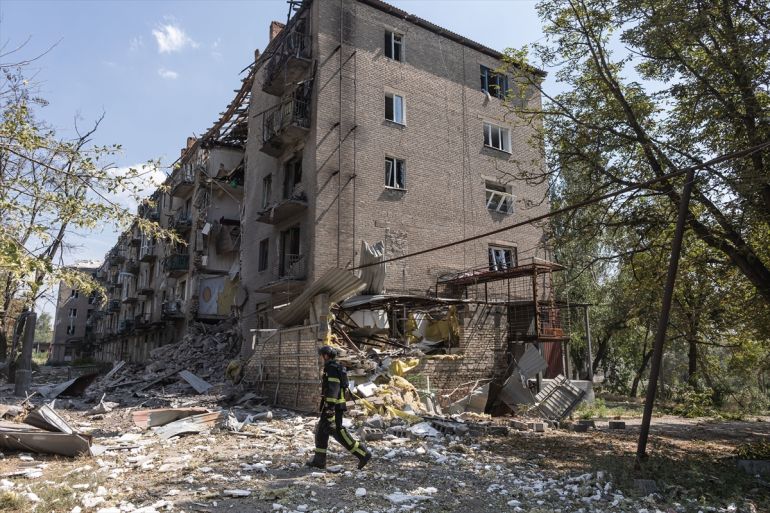
Here are the key events on day 1,242 of Russia’s war on Ukraine. This is how things stand on Sunday, July 20: Fighting Russian forces launched a missile attack on Ukraine’s Dnipropetrovsk region, killing two people and damaging “an outpatient clinic, a school and a cultural institution”, according to the central region’s governor, Serhiy Lysak. Another Russian missile attack on the Black Sea port of Odesa killed at least one person overnight and wounded six others, including six children, officials said. Ukrainian President Volodymyr Zelenskyy said Russian forces launched “more than 300 strike drones and over 30 missiles” against Ukrainian cities during the overnight attack. The attacks also damaged critical infrastructure in the Sumy region, “leaving several thousand families without electricity”, the Ukrainian president added. In Russia, the Mayor of Moscow, Sergei Sobyanin, said early on Sunday that Russian air defences downed at least 15 Ukrainian drones heading for the capital. Russia’s Ministry of Defence said early on Sunday that its air defence units destroyed 40 Ukrainian drones, including 21 over the Bryansk region, on the Ukrainian border. This came hours after the ministry said its air defence units shot down six missiles and 349 drones over Russian territory on Saturday. Earlier, Russia had to suspend trains for about four hours overnight in the southern Rostov region when it came under a Ukrainian drone attack, which injured one railway worker. The acting governor of the Rostov region, on Ukraine’s eastern border, said Ukrainian drones had also caused fires and knocked down power lines. Ukrainian emergency service workers extinguish a fire in a residential building after Russian shelling, in Kostiantynivka, Ukraine, on Saturday [Diego Herrera Carcedo/Anadolu] Politics and diplomacy Zelenskyy said Ukraine sent Russia a proposal offering a new round of peace talks to take place next week, after negotiations stalled last month. Ukrainian Foreign Minister Andrii Sybiha accused Russia of deporting Ukrainians to Georgia and leaving them stranded there without proper documents, hundreds of miles from their home. He said Ukraine has brought back 43 people so far, but more people remain in “difficult conditions” at the border. Earlier, Volunteers Tbilisi, an aid group, said at least 56 Ukrainians, mostly prisoners who completed their sentences and were subsequently ordered to leave Russia, were being held in “inhumane” conditions in a basement near the Russian-Georgian border. India said it did not support “unilateral sanctions” by the European Union, after Brussels imposed penalties on Russia that included a Rosneft oil refinery in the western Indian state of Gujarat. Adblock test (Why?)
Syria clears fighters from Druze city of Suwayda, declares halt to clashes
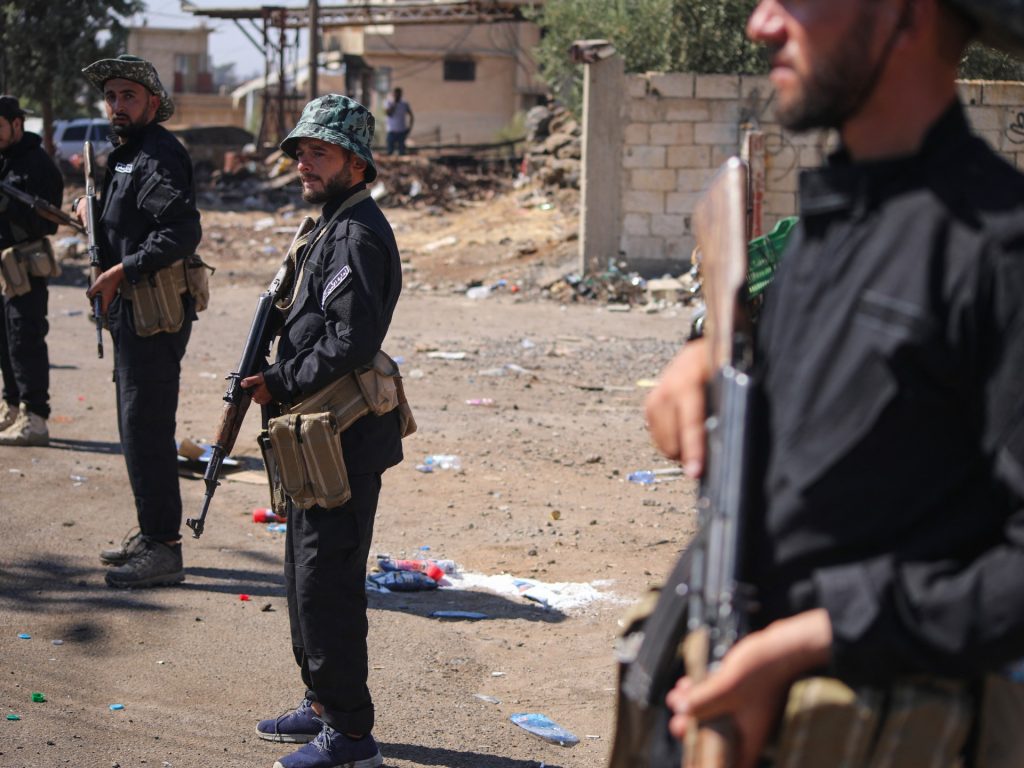
Syria’s government says it has cleared Bedouin fighters from the predominantly Druze city of Suwayda and declared a halt to the deadly clashes there, hours after deploying security forces to the restive southern region. The announcement on Saturday came after Syrian President Ahmed al-Sharaa ordered a new ceasefire between Bedouin and Druze groups, following a separate United States-brokered deal to avert further Israeli military intervention in the clashes. Shortly before the government’s claim, there were reports of machinegun fire in the city of Suwayda as well as mortar shelling in nearby villages. There were no immediate reports of casualties. Nour al-Din Baba, a spokesman for the Syrian Ministry of Interior, said in a statement carried by the official Sana news agency that the fighting ended “following intensive efforts” to implement the ceasefire agreement and the deployment of government forces in the northern and western areas of Suwayda province. He said the city of Suwayda, located in the province’s west, has now been “cleared of all tribal fighters, and clashes within the city’s neighbourhoods have been brought to a halt”. Israeli intervention The fighting broke out last week when the abduction of a Druze truck driver on a public highway set off a series of revenge attacks and resulted in tribal fighters from all over the country streaming into Suwayda in support of the Bedouin community there. The clashes drew in Syrian government troops, too. Israel intervened in the conflict on Wednesday, carrying out heavy air attacks on Suwayda and Syria’s capital, Damascus, claiming it was to protect the Druze community after leaders of the minority group accused government forces of abuses against them. Advertisement Syrian government troops withdrew from Suwayda on Thursday. At least 260 people have been killed in the fighting, and 1,700 others have been wounded, according to the Syrian Ministry of Health. Other groups, however, put the figure at more than 900 killed. More than 87,000 people have also been displaced. The fighting is the latest challenge to al-Sharaa’s government, which took over after toppling President Bashar al-Assad in December. Al-Sharaa, in a televised statement on Saturday, called on all parties to lay down arms and help the government restore peace. “While we thank the [Bedouin] clans for their heroic stance, we call on them to adhere to the ceasefire and follow the orders of the state,” he said. “All should understand this moment requires unity and full cooperation, so we can overcome these challenges and preserve our country from foreign interference and internal sedition.” He condemned Israel’s intervention in the unrest, saying it “pushed the country into a dangerous phase that threatened its stability”. After the president’s announcement, the Syrian government began deploying troops to Suwayda and Bedouin groups said they would withdraw from the city of Suwayda. “Following consultations with all members of Suwayda’s clans and tribes, we have decided to adhere to the ceasefire, prioritise reason and restraint, and allow the state’s authorised institutions the space to carry out their responsibilities in restoring security and stability,” the Bedouin factions said in a statement. “Therefore, we declare that all our fighters have been withdrawn from the city of Suwayda,” they added. Al Jazeera’s Mohamed Vall, reporting from Damascus, said the Druze, too, seemed to have accepted the truce. “Hikmat Al Hajri, a prominent spiritual leader, has called for all Bedouin fighters to be escorted safely out of Suwayda,” he said. “Security forces from the interior ministry have been deployed to help separate rival groups, and oversee the implementation of the ceasefire. But there are still reports of ongoing fighting in the city, with some Druze leaders voicing strong opposition to the cessation of hostilities,” he said. “So while there is hope, there is also doubt that this conflict is over,” Vall added. World welcomes truce Jordan, meanwhile, hosted talks with Syria and the US on efforts to consolidate the ceasefire in Suwayda. Jordanian Foreign Minister Ayman Safadi, his Syrian counterpart Asaad al-Shibani and the US special envoy for Syria, Thomas Barak, “discussed the situation in Syria and efforts to consolidate the ceasefire reached around Suwayda Governorate to prevent bloodshed and preserve the safety of civilians”, according to a readout by the Jordanian government. Advertisement The three officials agreed on “practical steps” to support the ceasefire, including the release of detainees held by all parties, Syrian security force deployments and community reconciliation efforts. Safadi also welcomed the Syrian government’s “commitment to holding accountable all those responsible for violations against Syrian citizens” in the Suwayda area, the statement said. US Secretary of State Marco Rubio also commented on the developments in Syria in a post on X, urging Syrian government troops to prevent fighters from entering Suwayda and “carrying out massacres”. “They must hold accountable and bring to justice anyone guilty of atrocities including those in their own ranks,” he said. “Furthermore the fighting between Druze and Bedouin groups inside the perimeter must also stop immediately.” Countries around the world also called for the truce to be upheld. The United Kingdom’s foreign secretary, David Lammy, said in a post on X that he was horrified by the violence in southern Syria and that “a sustainable ceasefire is vital”. France’s Ministry for Europe and Foreign Affairs stressed the need for “Syrian authorities to ensure the safety and rights of all segments of the Syrian people”, and called for investigations into abuses against civilians in Suwayda. Japan also expressed concern over the violence, including the Israeli strikes, and called for the ceasefire to be implemented swiftly. It added that it “strongly urges all parties concerned to exercise maximum restraint, preserve Syria’s territorial integrity and national unity, and respect its independence and sovereignty”. Adblock test (Why?)
Bus crash in southern Iran kills at least 21, injures 34
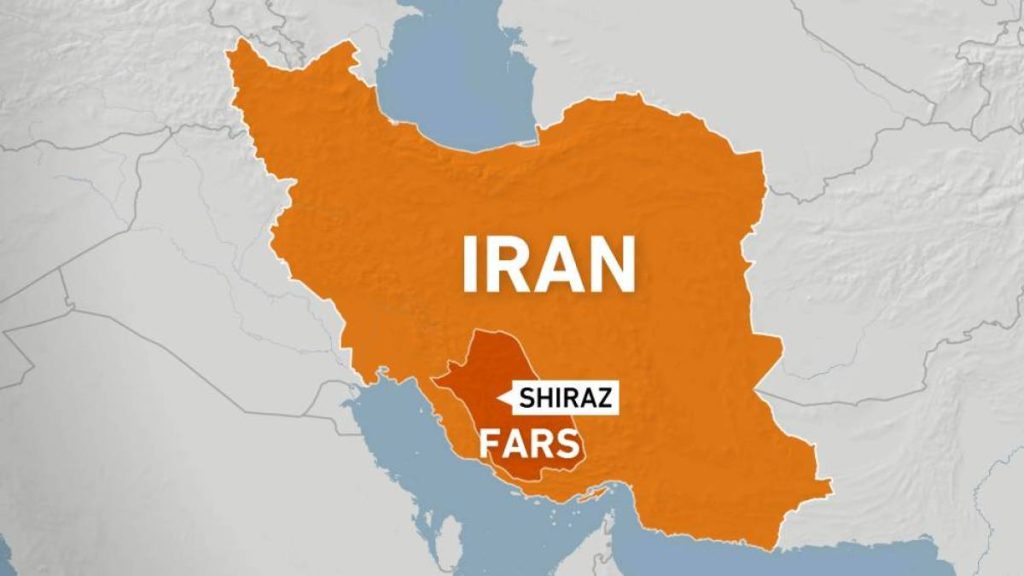
Rescue operations are ongoing south of Shiraz, in Fars province. At least 21 people have been killed after a bus overturned in the south of Iran, state media has reported. Masoud Abed, the head of Fars province’s emergency organisation, said 34 other people were injured in the accident on Saturday south of Shiraz, the province’s capital. Abed said rescue operations are ongoing, and additional information and final figures will be released to the public after the operation is complete and detailed investigations have been carried out. The cause of the incident is under investigation. With nearly 17,000 casualties annually, Iran is among the countries most affected by road and street accidents. The high toll is attributed to lax application of safety measures, the widespread use of old vehicles and depleted emergency services. Adblock test (Why?)
Fact check: Does ICE have higher detention standards than prisons in US?

Democratic members of Congress who saw Florida’s new immigration detention centre, Alligator Alcatraz, said they witnessed dozens of people in metal enclosures, bugs and mosquitos in bunk areas, indoor temperatures above 80 degrees and people screaming for help. Republicans who also toured the facility tell a different story, describing the space as safe, clean and well-run. The federal Homeland Security Department, which oversees immigration detention, has called characterisations of inadequate conditions at the state-run Alligator Alcatraz “false”. Homeland Secretary Kristi Noem was asked about Democrats’ accounts during a July 13 interview on NBC’s “Meet the Press”. She said the Florida-run facility is “held to the highest levels of what the federal government requires for detention facilities”. “Our detention centres at the federal level are held to a higher standard than most local or state centres and even federal prisons,” Noem said. “The standards are extremely high.” White House border tsar Tom Homan also touted the nation’s immigration detention standards as being a cut above those for prisons and jails. When a reporter asked Homan about a 75-year-old Cuban man who had been living in the US for 60 years before he died in detention in Miami in June, Homan defended federal facilities. “People die in ICE [Immigration and Customs Enforcement] custody,” he said, before saying ICE has “the highest detention standards in the industry. I’ll compare an ICE detention facility against any state prison against any federal facility. I’ll go head-to-head with any of them. … People say, ‘The detention centres are horrendous.’ Go look for yourself then come back and talk to me.” Advertisement Isidro Perez was the 11th person to die in ICE custody, almost six months into Trump’s second term. Twelve people died during former President Joe Biden’s last fiscal year in office. ICE detention centres have standards akin to prisons. But it’s difficult to assess blanket statements about the standards of immigration detention compared with state, local or other federal facilities for a few reasons. ICE detention standards aren’t codified into law, so it’s difficult to enforce them. Different ICE detention centres are upheld to different standards based on the terms of their individual contracts. There isn’t one set of standards for local, state and federal prisons and jails. Some standards are mandatory or codified into law, others aren’t. Several government watchdog agencies, advocacy organisations and news reports have long documented inadequate conditions at immigration detention centres. In May, human rights group Amnesty International reported “physical abuse by guards, use of solitary confinement, unsanitary and overcrowded living spaces including dysfunctional toilets, inadequate medical care and poor-quality, expired food” at an El Paso detention centre. Lauren Brinkley-Rubinstein, a Duke University associate professor who studies the health impacts of the criminal legal system, called Homan’s statement “very misleading”. “In most respects, ICE facilities operate with less consistent oversight and legal accountability than state or federal prisons or local jails,” Brinkley-Rubinstein said. “ICE detention facilities and people that run them tend to be much less transparent about their operations.” ICE has detention standards, but they aren’t set in law or universally applied Several federal agencies and private companies run immigration detention facilities. ICE, the main agency tasked with immigration detention, has standards that all its detention centres are supposed to abide by. For example, facilities have to be sanitary and have potable water. Detainees must have access to medical and mental healthcare, including getting prescription medications. Physical force should only be used when “necessary and reasonable” and not as a punishment. And detainees must be able to meet with their attorneys confidentially. There are different sets of standards for facilities that hold immigrant detainees and other non-immigration-related detainees, such as local prisons, and for facilities that exclusively hold immigrants. The standards for centres that also hold non-immigrant detainees “were based on jail standards in use by many jails”, University of Michigan law professor Margo Schlanger said, describing them as “the most stripped down version of jail standards”. Advertisement It’s unclear what standards Alligator Alcatraz is held to. The centre is state-run even though courts have repeatedly held that immigration enforcement is a federal responsibility. However, in a court declaration, Thomas P Giles, an ICE official, said the agency had toured the facility “to ensure compliance with ICE detention standards”. Both sets of immigration standards are periodically updated, but there’s no timing coordination between ICE standards’ updates and other facilities’ updates. Standards are individually negotiated and implemented in separate contracts leading “to varying degrees of protection across detention facilities”, a 2021 Harvard Law Review article about immigration detention said. Additionally, detention standards aren’t codified into law, making their enforcement difficult. Detainees’ complaints about the facilities’ conditions have little legal support to stand on because the industry is largely self-regulated, one immigration scholar argued. “Standards are often merely guidelines and largely unenforceable. They are pliable and weak,” David Hernández, a professor at Mount Holyoke College who specialises in detention and deportation policy, said. “Very few facilities lose their contracts due to failing standards, or even deaths of detainees.” Government watchdogs, nonprofit organisation, news reports detail inadequate conditions at detention centres The Homeland Security Department is largely responsible for conducting inspections to ensure detention centres are meeting ICE’s standards. However, for years, government watchdog agencies and advocacy organisations have questioned the efficacy of these investigations, pointing to several instances of facilities not complying with ICE standards. In 2020, Congress created the Office of the Immigration Detention Ombudsman to conduct unauthorised investigations of detention centres and to allow immigrants to file individual complaints for the office to review. In March, the Trump administration tried to close the office. A civil rights group sued the administration. In response, DHS said in a declaration that the office would stay open but with a smaller staff. Immigration experts said this decision has severely limited oversight of detention centres. News outlets and advocacy organisations have warned of inadequate immigration detention conditions, including overcrowding. The Trump administration is currently detaining about 60,000 people – that’s 20,000 more people than it has congressional
The Epstein Crisis: A MAGA mess of Trump’s making
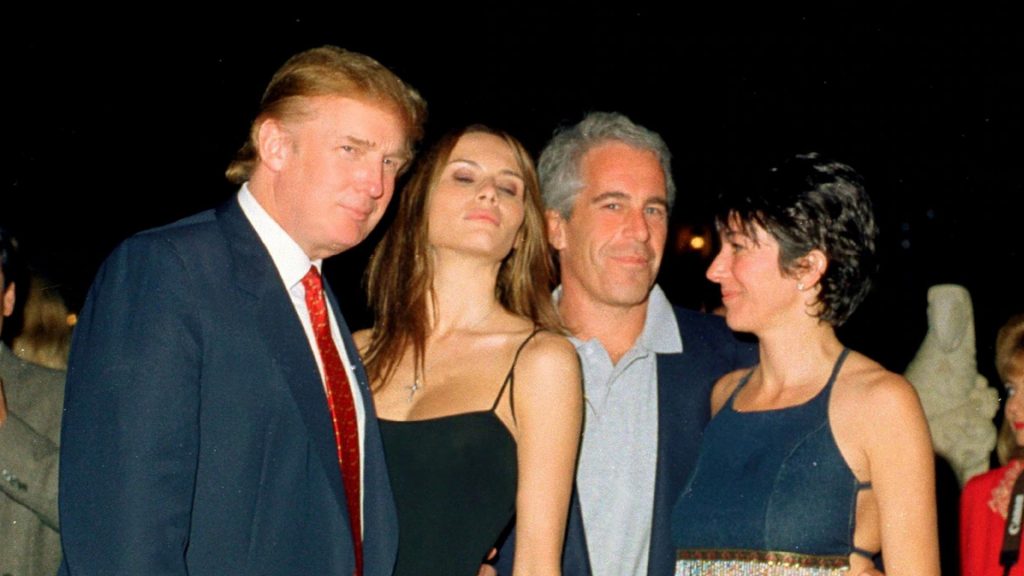
The Epstein saga has flipped the script within the MAGA movement. Having spent years accusing the Democrats of an establishment cover-up, many right-wing influencers are now turning against their idol, President Trump, as he resists calls to release the files. Contributors:Joan Donovan – Director, CriticalNetMehdi Hasan – Editor-in-chief, Zeteo NewsMiles Klee – Culture writer, Rolling StoneDanielle Moodie – Host, The Danielle Moodie Show On our radar: For 21 months, mainstream media outlets have avoided calling Israel’s assault on Gaza a genocide. But this past week has seen a notable shift – prompted not by Palestinian voices, but by an Israeli scholar. Tariq Nafi reports on The New York Times, the breaking of a media taboo, and why, for many, it’s too little, too late. Mass surveillance, a crackdown on protest, and a media unwilling to question power: In Germany, pro-Palestinian voices are being silenced. Nicholas Muirhead reports from Berlin on the mounting assault on free expression. Featuring:Wael Eskander – Berlin-based journalistMartin Gak – Former Deutsche Welle journalistSabine Schiffer – Director, Media Responsibility Institute Adblock test (Why?)
US attorney general paves way for more convicted criminals to own guns
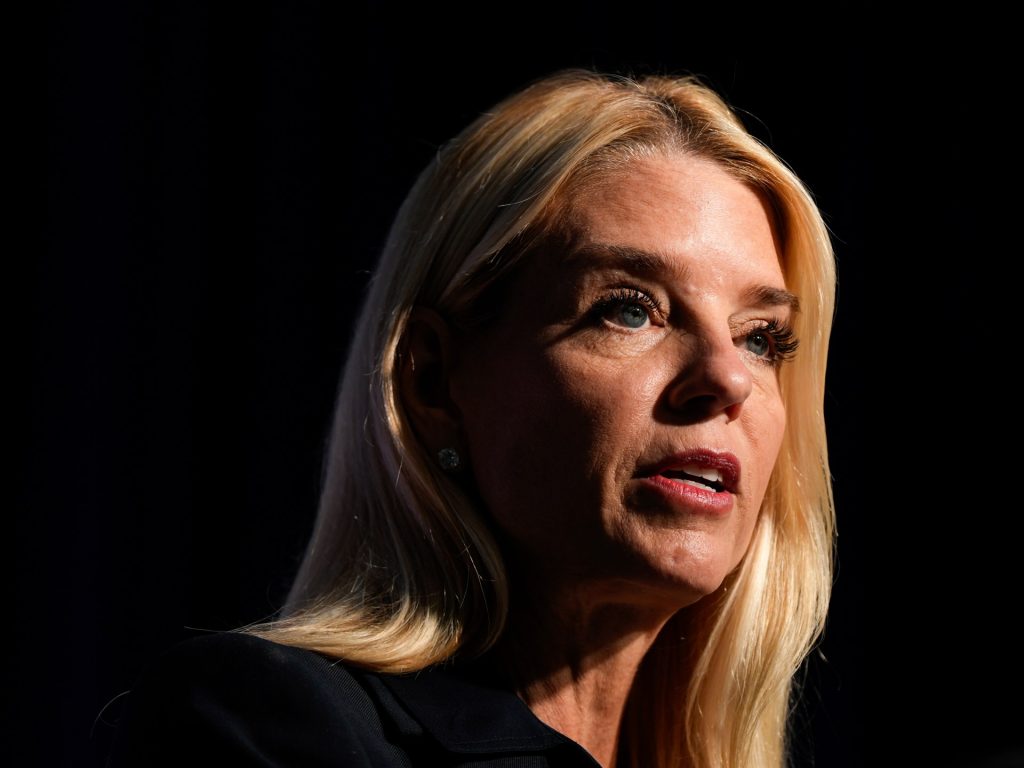
Pam Bondi says the proposed change will give her discretion over who can own firearms, in a move opposed by gun control groups. Washington, DC – United States Attorney General Pam Bondi has begun a process to make it easier for individuals with criminal convictions to own guns. The move on Friday comes amid a wider push by the administration of President Donald Trump to make good on campaign promises to gun rights groups, which criticise restrictions on firearm ownership as violations of the Constitution’s Second Amendment. Trump ordered a review of government gun policies in February. Gun control advocates, meanwhile, have voiced concerns over the administration’s ability to adequately assess which convicted individuals would not pose a public safety risk. In a statement released on Friday, Bondi said individuals with serious criminal convictions have been “disenfranchised from exercising the right to keep and bear arms — a right every bit as constitutionally enshrined as the right to vote, the right to free speech, and the right to free exercise of religion — irrespective of whether they actually pose a threat”. “No longer,” she added. Under the plan, Bondi seeks to return the power to determine which individuals convicted of crimes can own firearms directly to her office. That exemption process has currently been overseen by the Bureau of Alcohol, Tobacco, Firearms and Explosives. However, Congress has, for decades, used its spending approval powers to stem the processing of exemption requests. The Department of Justice said the proposed change “will provide citizens whose firearm rights are currently under legal disability with an avenue to restore those rights, while keeping firearms out of the hands of dangerous criminals and illegal aliens”. Advertisement The US attorney general would have “ultimate discretion to grant relief”, according to the department. It added that, “absent extraordinary circumstances”, certain individuals would be “presumptively ineligible” for the restoration of their gun rights. They include “violent felons, registered sex offenders, and illegal aliens”. The plan was outlined in a “proposed rule” submitted to the Federal Register on Friday. It will undergo a final public comment period before it is adopted. In Friday’s statement, US Pardon Attorney Edward Martin Jr said that his team was already developing a “landing page with a sophisticated, user-friendly platform for Americans petitioning for the return of their gun rights, which will make the process easier for them”. When details of Bondi’s plan initially emerged in March, the gun control group Brady was among those who voiced opposition. “If and when gun rights are restored to an individual, it needs to be through a robust and thoughtful system that minimizes the risk to public safety,” the group’s president, Kris Brown, said in a statement. She added that Trump’s restoration of gun rights to those who were convicted — and later pardoned — for their role in the storming of the US Capitol on January 6, 2021, raised concerns over how the administration would exercise its discretion. “This would be a unilateral system to give gun rights back to those who are dangerous and high risk, and we will all be at greater risk of gun violence,” she said. Adblock test (Why?)
Syria, Israel agree US-brokered ceasefire amid Suwayda clashes, envoy says
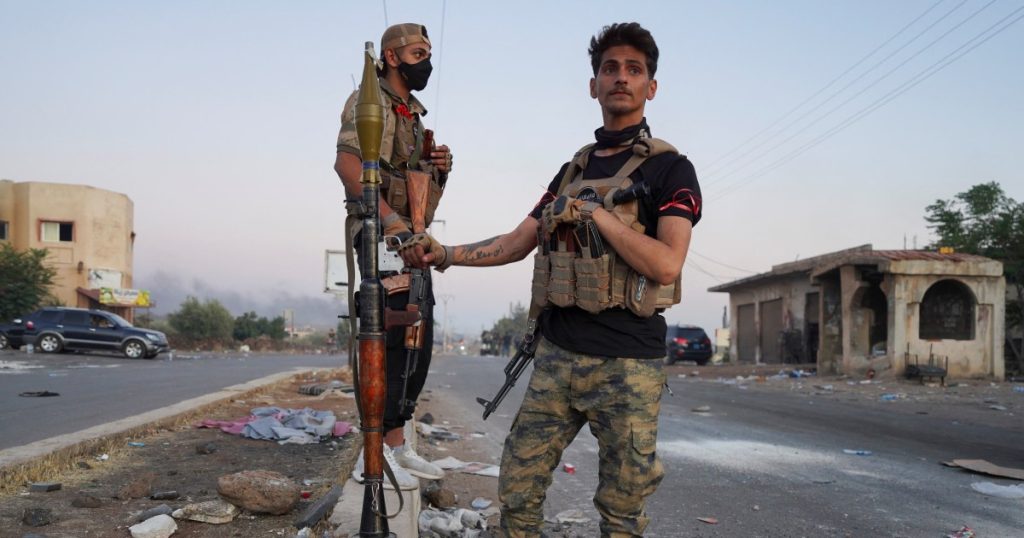
US ambassador says truce was ‘supported’ by the US and ’embraced’ by Turkiye, Jordan and Syria’s neighbours. Syria and Israel have agreed to a ceasefire, US ambassador to Turkiye, Tom Barrack, has announced, drawing an uneasy truce between the neighbours after days of air strikes and sectarian bloodshed in Syria’s southwestern Suwayda region. Barrack said in a post on X early on Saturday that the ceasefire between Syria and Israel was “supported” by Washington and “embraced” by Turkiye, Jordan and Syria’s neighbours. In his post announcing the ceasefire, Barrack said the US called “upon Druze, Bedouins, and Sunnis to put down their weapons and together with other minorities build a new and united Syrian identity in peace and prosperity with its neighbors “. There has been no comment yet from Syrian or Israeli officials. An Israeli official, who declined to be named, told reporters on Friday that in light of the “ongoing instability in southwest Syria”, Israel had agreed to allow the “limited entry of the [Syrian] internal security forces into Suwayda district for the next 48 hours”. On Wednesday, Israel launched heavy air strikes targeting Syria’s Ministry of Defence in the heart of Damascus, and also hit Syrian government forces in the country’s Suwayda region. Israel claims it has launched attacks to protect Syria’s Druze minority in Suwayda, where ethnically charged clashes between Druze and Bedouin armed groups and government forces have reportedly left hundreds dead. Israeli Prime Minister Benjamin Netanyahu has described the Druze, who number about one million in Syria – mostly concentrated in Suwayda – and 150,000 in Israel, as “brothers”. Advertisement A ceasefire agreement mediated by the US, Turkiye and Arab countries was reached between Druze leaders and the Syrian government on Wednesday. Israel, however, launched air strikes on Syria the same day, killing at least three people and wounding 34 others. Following the Israeli attacks, Syrian interim President Ahmed al-Sharaa said in a televised speech early on Thursday that protecting the country’s Druze citizens and their rights was a priority, and though Syria would prefer to avoid a conflict with Israel, it was not afraid of war. Al-Sharaa added that Syria would overcome attempts by Israel to tear the country apart through its aggression. Heavy fighting again flared up between the Druze and Bedouin tribes in Suwayda on Friday, and Damascus has redeployed a dedicated force to restore calm in the Druze-majority governorate. Adblock test (Why?)
Trump sues Wall Street Journal, Rupert Murdoch for $10bn over Epstein story
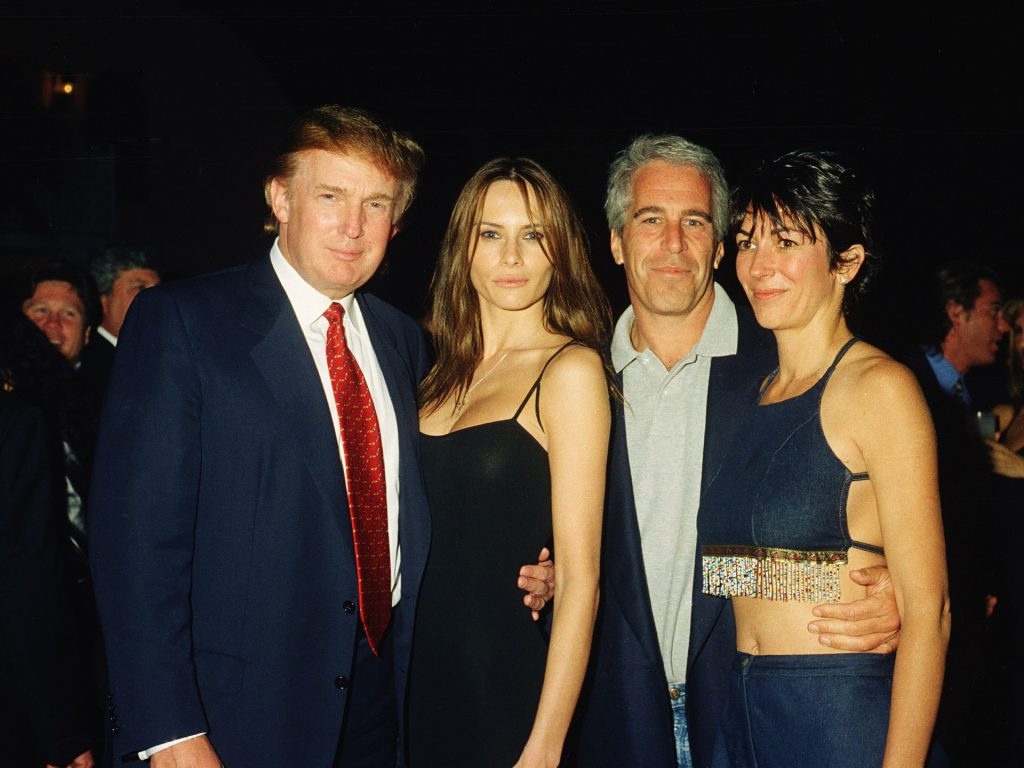
US Justice Department files a motion in Manhattan federal court to unseal grand jury transcripts in the Epstein cases. United States President Donald Trump has filed a defamation lawsuit against The Wall Street Journal publication and its owners, including media magnate Rupert Murdoch, seeking at least $10bn in damages over the publication of a bombshell report on the president’s friendship with the infamous high-society sex offender Jeffrey Epstein. Trump filed the lawsuit in federal court in the Southern District of Florida on Friday, as he attempts to prevent a growing scandal around the Epstein case from spreading further and threatening to cause him serious political damage. Trump also instructed the US Justice Department to file a motion in Manhattan federal court to unseal grand jury transcripts in the Epstein case and that of his former associate, Ghislaine Maxwell, who in 2021 was convicted of five federal charges related to her role in Epstein’s sexual abuse of underage girls. In the defamation lawsuit, Trump accuses Dow Jones, News Corp, Murdoch and two Wall Street Journal reporters of acting with malicious intent that caused him overwhelming financial and reputational harm. Dow Jones, the parent company of the newspaper, is a division of News Corp. Before filing the case, Trump wrote on Friday morning on his social media platform Truth Social: “I look forward to getting Rupert Murdoch to testify in my lawsuit against him and his ‘pile of garbage’ newspaper, the WSJ. That will be an interesting experience!!!” Representatives of Dow Jones, News Corp and Murdoch have yet to comment on the case. Advertisement Trump once considered Epstein a friend, and the controversy surrounding the now deceased high-profile figure, who took his own life in prison, has prompted conspiracy theories, especially among the far-right supporters of the US president. Trump supporters were enraged last week when US Attorney General Pam Bondi reversed course on the president’s election campaign pledge to release court documents that some believed contained damning revelations about Epstein and his alleged elite clientele. Trump denies penning lewd Epstein birthday message On Thursday, the Wall Street Journal reported that a letter bearing Trump’s signature was sent to Epstein for one of his birthday celebrations. The newspaper said the letter contained a lewd handwritten reference to a woman, with the message: “Happy Birthday – and may every day be another wonderful secret,” and featured the signature “Donald”. Following publication, Trump denied sending the letter to Epstein and lashed out at the newspaper. Epstein died by suicide in a New York jail cell in 2019. Many among Trump’s base of supporters believe the government is covering up Epstein’s ties to the rich and powerful, and some do not believe he died by his own hand. A Justice Department memo released on July 7 concluded that Epstein killed himself and said there was “no incriminating client list” or evidence that Epstein blackmailed prominent people. However, Bondi, the US attorney general, had pledged months ago to release major revelations about Epstein, including “a lot of names” and “a lot of flight logs”, before reversing course. On Friday, Bondi’s Deputy Attorney General Todd Blanche said public interest in the Epstein case had prompted the Justice Department to file a request with the court to unseal transcripts of the case. Trump, who was photographed with Epstein multiple times in social settings in the 1990s and early 2000s, told reporters in 2019 that he ended his relationship with Epstein before his legal troubles became apparent. Adblock test (Why?)
Why is Taiwan training for war with China?
[unable to retrieve full-text content] The increase in Taiwan’s annual drills against invasion from mainland China is crossing paths with civilian life.
Analysis: PKK recalibrates from armed struggle to politics in Turkiye
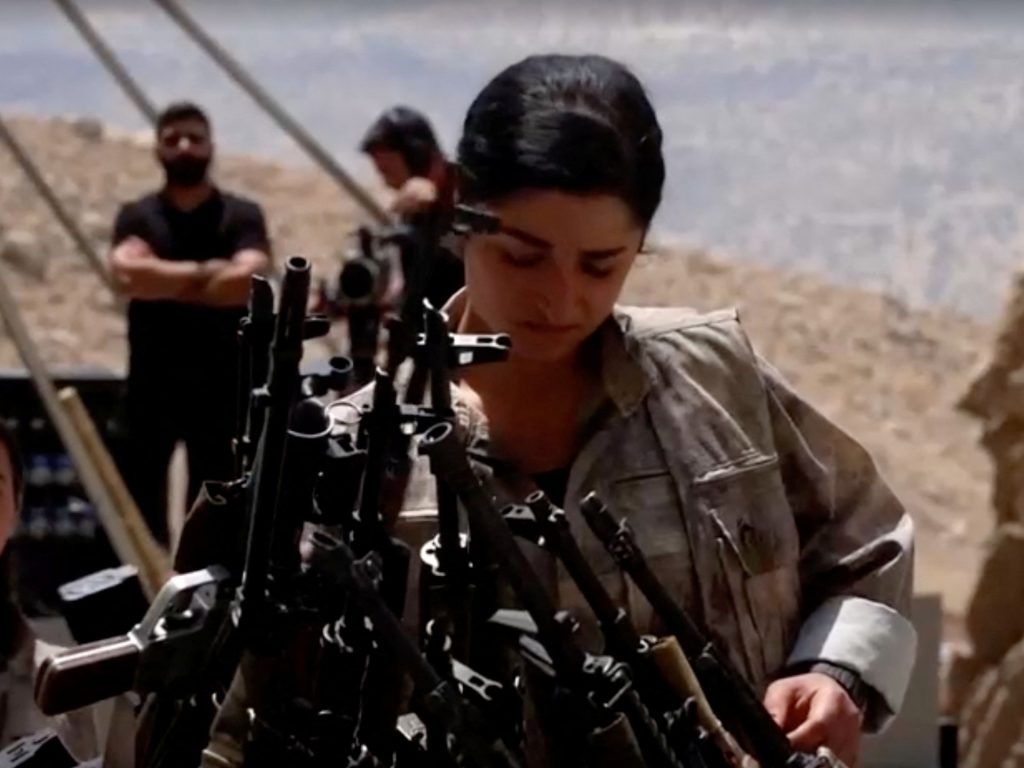
“We voluntarily destroy our weapons … as a step of goodwill and determination,” said senior Kurdistan Workers’ Party (PKK) leader Bese Hozat, speaking in front of a gathering of the group’s fighters. The footage, filmed last Friday in the northern Iraqi city of Sulaimaniyah, then shows the fighters – about 30 of them – placing their weapons inside a cauldron, where they were set alight. The ceremony may have been symbolic, but it capped what might be one of the most consequential periods in Turkiye’s recent political history. It wraps up a carefully planned sequence of gestures and messages, and shows that both sides are not just coordinating symbolically, but are also politically aligned in their intent to move from armed conflict to political dialogue. The choreography of the build-up to the ceremony unfolded with remarkable precision, revealing both political coordination and calculated restraint. Such an alignment would have been impossible without mutual recognition between the PKK and Turkiye of the importance of what was about to happen, as well as the consequences of any failure. On July 7, Turkish President Recep Tayyip Erdogan received his country’s pro-Kurdish DEM Party delegation for the second time in four months. A smiling group photo from the meeting was widely circulated, signalling both the normalisation of dialogue and the symbolic approval of the process at the highest level. Two days later, on July 9, Abdullah Ocalan – the imprisoned PKK leader and founder – appeared in a seven-minute video released by ANF, the PKK’s affiliated media outlet. It marked his first public visual appearance in 26 years and carried a simple but historic message: The time for arms has ended. Advertisement In it, Ocalan emphasised that the movement’s original aim, the recognition of Kurdish identity, had been achieved, and that political engagement must now replace armed resistance. The message was as much to the PKK as it was to the public. Lastly, on July 13, Erdogan addressed the governing AK Party’s retreat, reaffirming his commitment to the disarmament process and announcing that a parliamentary commission would be established to address its legal framework. His message aimed to reassure the broader public, especially his supporters, that the process would strengthen national untiy and benefits all of Turkiye’s citizens, whatever their ethnicity. Message to the Kurdish public Ocalan’s rare video message aimed to reassure his Kurdish supporters that this was not a defeat, but a recalibration: a shift from armed struggle to political engagement. The message was carefully measured and stripped of triumphalism; it sought to redefine the past, rather than glorify it. The dignified tone of the weapons-burning ceremony allowed both the PKK and state narratives to coexist. It did not alienate those who had sacrificed for the PKK’s struggle – activists, politicians in prison or exile, and the families of the disappeared. Instead, it signalled that their voices had been heard. Despite his years of isolation, Ocalan’s words still carry weight. Not only because of his symbolic authority, but because his message reflects what many Kurds now seek: dignity without martyrdom, a voice without violence, and a future beyond armed struggle. Public support for disarmament is growing, even among those long sceptical of the state’s intent. Recent surveys show that more than 90 percent of DEM voters, as well as those who identify as Kurdish or Zaza (a Kurdish-adjacent minority group) in Turkiye, support the process. Belief that the PKK will fully disarm is also significantly higher than the national average. The PKK’s decision to disarm is not a retreat but a recalibration. Since its founding in 1978, the group has waged a protracted armed struggle against the Turkish state, demanding autonomy and rights for Kurds. But after decades of rebellion, the regional landscape has changed. In northern Iraq and Syria, the PKK’s operational space has altered. While the Syrian Democratic Forces (SDF), a key PKK-linked actor, remains active in northeastern Syria, its future hinges on shifting US commitments and delicate understandings with the new government in Damascus, an ally of Turkiye. Advertisement At the same time, Iran’s weakening regional influence, sustained Turkish military pressure, and a quiet but growing preference among Western actors for a stable Turkiye have all contributed to reshaping the group’s strategic calculus. Crucially, this recalibration does not conflict with the United States and Israel’s core interests in curbing Iranian influence and maintaining a manageable status quo in Syria. Against this backdrop, a disarmed and politically engaged Kurdish movement in Turkiye is not an isolated anomaly. In this context, the PKK has opted to step off the battlefield and into the political arena. As Ocalan expressed in his July 9 message, “I believe in the strength of peace, not the force of arms.” The weapons-burning ceremony is not the end of the disarmament process. A Turkish parliamentary commission is expected to define the conditions for the reintegration of PKK fighters into civilian and political life in Turkiye, while a verification mechanism involving the Turkish Armed Forces and intelligence agency will monitor disarmament and issue a report to guide further steps. Hozat, the PKK senior leader, framed the ceremony as a political milestone, and reaffirmed the group’s ambition to enter civilian politics, expressing an aim to become “pioneers of democratic politics in Amed [Diyarbakir], Ankara, and Istanbul” – a deliberate reference to key centres of Kurdish representation in Turkiye and national political power. Yet this transition hinges on comprehensive legal reforms and credible guarantees that are both socially and politically viable, and civil society groups and humanitarian organisations in Turkiye are likely to play an active role in the forthcoming stages of full disarmament. Turkish political support In Turkiye, there is broad buy-in for the peace process with the PKK from across the political spectrum. This is largely because the process benefits nearly all political actors by reducing the securitised political climate, easing judicial pressure, and offering a chance to reset deeply polarised governance. With “terrorism” charges having been used expansively in recent years, even members of the opposition