

Iran increases stockpile of enriched Uranium by 50 percent, IAEA says
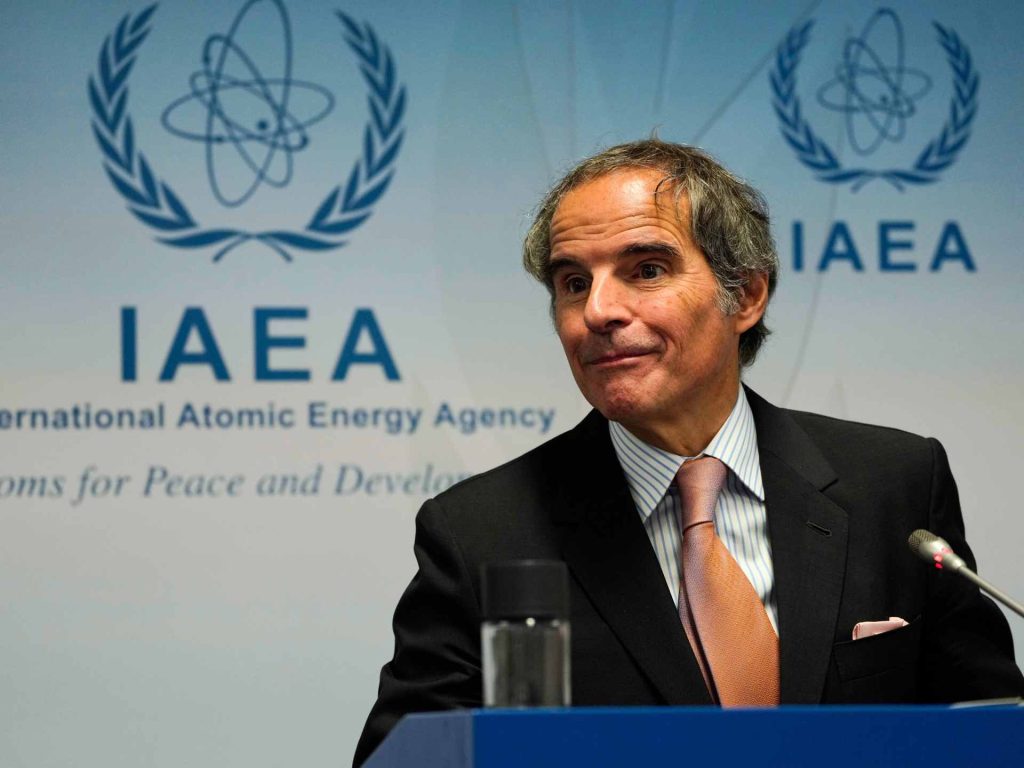
The UN nuclear watchdog warns Tehran could be close to weapons-grade enriched uranium, as negotiations with the US continue. The United Nations nuclear watchdog says Iran has increased its stockpile of highly enriched, near weapons-grade uranium by 50 percent in the last three months. The report by the International Atomic Energy Agency (IAEA) on Saturday comes as nuclear deal negotiations are under way between the United States and Iran, with Tehran insisting its nuclear programme is for peaceful purposes only. The IAEA said as of May 17, Iran had amassed 408.6kg (900.8 pounds) of uranium enriched up to 60 percent – the only non-nuclear weapon state to do so, according to the UN agency – and had increased its stockpile by almost 50 percent to 133.8kg since its last report in February. The wide-ranging, confidential report seen by several news agencies said Iran carried out secret nuclear activities with material not declared to the IAEA at three locations that have long been under investigation, calling it a “serious concern” and warning Tehran to change its course. Iranian Foreign Minister Abbas Araghchi, however, reaffirmed the country’s longstanding position, saying Tehran deems nuclear weapons “unacceptable”. Advertisement “If the issue is nuclear weapons, yes, we too consider this type of weapon unacceptable,” Araghchi, Iran’s lead negotiator in the nuclear talks with the US, said in a televised speech. “We agree with them on this issue.” ‘Both sides building leverage’ But the report, which was requested by the IAEA’s 35-nation board of governors in November, will allow for a push by the United States, Britain, France and Germany to declare Iran in violation of its non-proliferation obligations. On Friday, US President Donald Trump said Iran “cannot have a nuclear weapon”. “They don’t want to be blown up. They would rather make a deal,” Trump said, adding: “That would be a great thing that we could have a deal without bombs being dropped all over the Middle East.” In 2015, Iran reached a deal with the United Kingdom, US, Germany, France, Russia, China and the European Union, known as the Joint Comprehensive Plan of Action. It involved the lifting of some sanctions on Tehran in return for limits on its nuclear development programme. But in 2018, then US President Trump unilaterally quit the agreement and reimposed harsh sanctions. Tehran then rebuilt its stockpiles of enriched uranium. In December last year, the IAEA said Iran was rapidly enriching uranium to 60 percent purity, moving closer to the 90 percent threshold needed for weapons-grade material. Western nations say such intensive enrichment should not be part of a civilian nuclear programme, but Iran insists it is not developing weapons. Advertisement Hamed Mousavi, professor of political science at Tehran University, told Al Jazeera the IAEA findings could indicate a possible negotiation tool for Iran during its ongoing nuclear talks with the US. “I think both sides are trying to build leverage against the other side. From the Iranian perspective, an advancement in the nuclear programme is going to bring them leverage at the negotiation table with the Americans,” he said. On the other side, he said, the US could threaten more sanctions and may also refer the Iranian case to the UN Security Council for its breach of the 2006 non-proliferation agreement. However, he added that Iran has not made the “political decision” to build a possible bomb. “Enriching up to 60 percent [of uranium] – from the Iranian perspective – is a sort of leverage against the Americans to lift sanctions,” Mousavi said. Adblock test (Why?)
Trump says US will lift steel tariffs to 50 percent at Pennsylvania rally
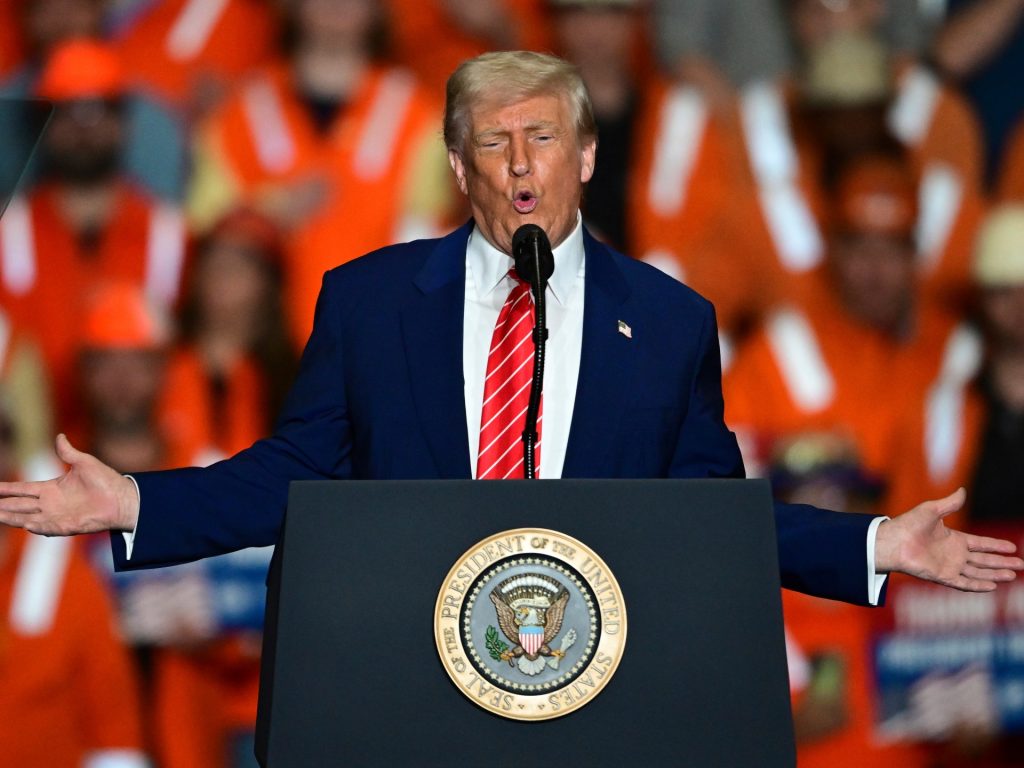
United States President Donald Trump has announced his administration is raising tariffs on steel imports from 25 percent to 50 percent. Speaking to steelworkers and supporters at a rally outside Pittsburgh, Pennsylvania, Trump framed his latest tariff increase as a boon to the domestic manufacturing industry. “We’re going to bring it from 25 percent to 50 percent, the tariffs on steel into the United States of America, which will even further secure the steel industry in the United States,” Trump told the crowd. “Nobody’s going to get around that.” How that tariff increase would affect the free-trade deal with Canada and Mexico – or a separate trade deal struck earlier this month with the United Kingdom – remains unclear. Also left ambiguous was the nature of a deal struck between Nippon Steel, the largest steel producer in Japan, and the domestic company US Steel. Still, Trump played up the partnership between the two companies as a “blockbuster agreement”. “ There’s never been a $14bn investment in the history of the steel industry in the United States of America,” Trump said of the deal. Advertisement A tariff hike on steel Friday’s rally was a return to the site of many election-season campaign events for Trump and his team. In 2024, Trump hinged his pitch for re-election on an appeal to working-class voters, including those in the Rust Belt region, a manufacturing hub that has declined in the face of the shifting industry trends and greater overseas competition. Key swing states like Pennsylvania and Michigan are located in the region, and they leaned Republican on election day, helping to propel Trump to a second term as president. Trump, in turn, has framed his “America First” agenda as a policy platform designed to bolster the domestic manufacturing industry. Tariffs and other protectionist policies have played a prominent part in that agenda. In March, for instance, Trump announced an initial slate of 25-percent tariffs on steel and aluminium, causing major trading partners like Canada to respond with retaliatory measures. The following month, he also imposed a blanket 10-percent tariff on nearly all trade partners as well as higher country-specific import taxes. Those were quickly paused amid economic shockwaves and widespread criticism, while the 10-percent tariff remained in place. Trump has argued that the tariffs are a vital negotiating tool to encourage greater investment in the US economy. But economists have warned that attempting a “hard reset” of the global economy – through dramatic tax hikes like tariffs – will likely blow back on US consumers, raising prices. Advertisement Rachel Ziemba, a senior fellow at the Center for a New American Security, said the latest tariff hike on steel also signals that negotiating trade deals with Trump may result in “limited benefits”, given the sudden shifts in his policies. Further, Friday’s announcement signals that Trump is likely to continue doubling down on tariffs, she said. “The challenge is that hiking the steel tariffs may be good for steel workers, but it is bad for manufacturing and the energy sector, among others. So overall, it is not great for the US economy and adds uncertainty to the macro outlook,” Ziemba explained. Trump’s tariff policies have also faced legal challenges in the US, where businesses, interest groups and states have all filed lawsuits to stop the tax hikes on imports. On Thursday, for instance, a federal court briefly ruled that Trump had illegally exercised emergency powers to impose his sweeping slate of international tariffs, only for an appeals court to temporarily pause that ruling a few hours later. A deal with Nippon Steel Before the tariff hike was announced, Friday’s rally in Pittsburgh was expected to focus on Nippon Steel’s proposed acquisition of US Steel, the second largest steel producer in the country. “We’re here today to celebrate a blockbuster agreement that will ensure this storied American company stays an American company,” Trump said at the outset of his speech. But the merger between Nippon Steel and US Steel had been controversial, and it was largely opposed by labour unions. Advertisement Upon returning to the White House in January, Trump initially said he would block the acquisition, mirroring a similar position taken by his predecessor, former US President Joe Biden. However, he has since pivoted his stance and backed the deal. Last week, he announced an agreement that he said would grant Nippon only “partial ownership” over US Steel. Speaking on Friday, Trump said the new deal would include Nippon making a “$14bn commitment to the future” of US Steel, although he did not provide details about how the ownership agreement would play out. “Oh, you’re gonna be happy,” Trump told the crowd of steelworkers. “There’s a lot of money coming your way.” The Republican leader also waxed poetic about the history of steel in the US, describing it as the backbone of the country’s economy. “The city of Pittsburgh used to produce more steel than most entire countries could produce, and it wasn’t even close,” he said, adding: “If you don’t have steel, you don’t have a country.” For its part, US Steel has not publicly communicated any details of a revamped deal to investors. Nippon, meanwhile, issued a statement approving the proposed “partnership”, but it also has not disclosed terms of the arrangement. The acquisition has split union workers, although the national United Steelworkers Union has been one of its leading opponents. In a statement prior to the rally, the union questioned whether the new arrangement makes “any meaningful change” from the initial proposal. Advertisement “Nippon has maintained consistently that it would only invest in US Steel’s facilities if it owned the company outright,” the union said in a statement, which noted firmer details had not yet been released. “We’ve seen nothing in the reporting over the past few days suggesting that Nippon has walked back from this position.” The rally on Friday comes as Trump has sought to reassure his base of voters following a tumultuous start to his second term. Critics point out
Russia-Ukraine war: List of key events, day 1,192
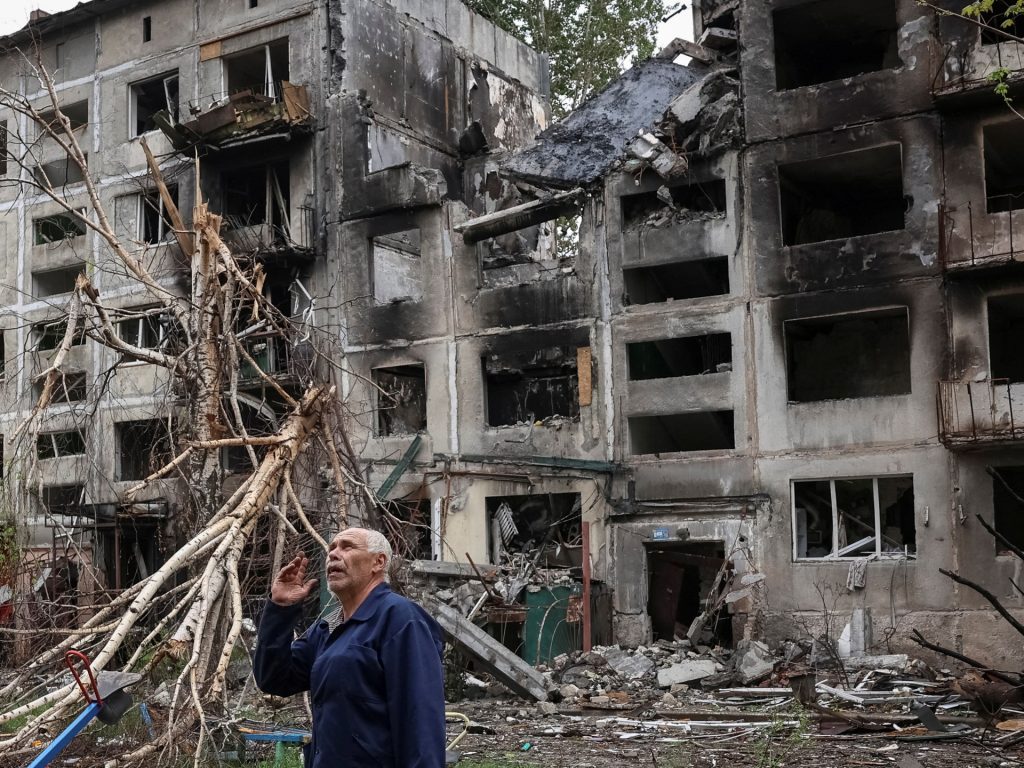
Here’s where things stand on Saturday, May 31: Fighting Eight people, including two teenagers, were injured in a Russian attack on the village of Vasyliv Khutir in Ukraine’s northeastern Kharkiv, regional Governor Oleh Syniehubov said. The Ukrainian Air Force said that Russia launched 90 drones and two ballistic missiles against Ukraine that targeted the country’s Kharkiv, Odesa and Donetsk regions. The Kharkiv region’s main city came under Russian drone attack, which targeted a trolleybus depot and injured two people, the city’s Mayor Ihor Terekhov said. He said more than 30 nearby apartment buildings were damaged, while one trolleybus was completely destroyed, and 18 others sustained varying degrees of damage. Ceasefire Ukraine has resisted US and Russian pressure to commit to attending another round of peace talks in Istanbul on Monday, saying it first needs to see Russian proposals for a ceasefire. Ukrainian President Volodymyr Zelenskyy said Russia “is doing everything it can to ensure that the next potential meeting brings no results”. Turkish President Recep Tayyip Erdogan said the planned second round of talks between Ukraine and Russia will pave the way for peace in a phone call with Zelenskyy, according to a readout issued by the Turkish presidency. Erdogan said it is important that both parties join the talks with strong delegations. Ukrainian Foreign Minister Andrii Sybiha also said Kyiv needed to see the Russian ceasefire proposals in advance for the talks to be “substantive and meaningful”, without spelling out what Kyiv would do if it did not receive the Russian document or a deadline for receiving it. Russia’s Ministry of Foreign Affairs said Kremlin aide Vladimir Medinsky will again head Russia’s delegation in Istanbul for the second round of Russia-Ukraine talks and will bring a memorandum and other ceasefire proposals to the meeting. Russia’s UN ambassador, Vassily Nebenzia, told the UN Security Council that Moscow was ready to consider a ceasefire, provided Western states stopped arming Ukraine and Kyiv stopped mobilising troops. Advertisement Influential US Republican Senator Lindsey Graham said on a visit to Kyiv that the Republican-led US Senate is expected to move ahead with a bill on sanctions against Russia next week. Graham, who met Zelenskyy in Kyiv on Friday, said he had talked with Donald Trump before his trip and the US president expects concrete actions now from Moscow. Trump told reporters that both Putin and Zelenskyy were stubborn and that he had been surprised and disappointed by the Russian bombing of Ukraine while he was trying to arrange a ceasefire. Trump’s special envoy for Ukraine, Keith Kellogg, said Russia’s concern over the eastward enlargement of NATO was fair and Washington did not want to see Ukraine in the US-led military alliance. Commenting on Kellogg’s statement, Kremlin spokesperson Dmitry Peskov said Moscow was pleased, adding that a Russian delegation would be travelling to Istanbul and ready for talks with Ukraine on Monday morning. Turkish Foreign Minister Hakan Fidan told reporters in Kyiv that the next step after talks in Istanbul would be to try to host a meeting between Trump, Putin, and Zelenskyy. Economy Ukraine’s finance ministry has announced that it would not be paying more than half a billion dollars due to holders of its GDP warrants – fixed income securities indexed to economic growth – marking the first payment default since it created the financial instruments in 2015. Ukraine owes $665m on June 2 to holders of the $3.2bn worth of warrants, based on 2023 economic performance. Advertisement Adblock test (Why?)
‘Unfriendly and meddling’: Cuba reprimands US diplomat amid rising tensions
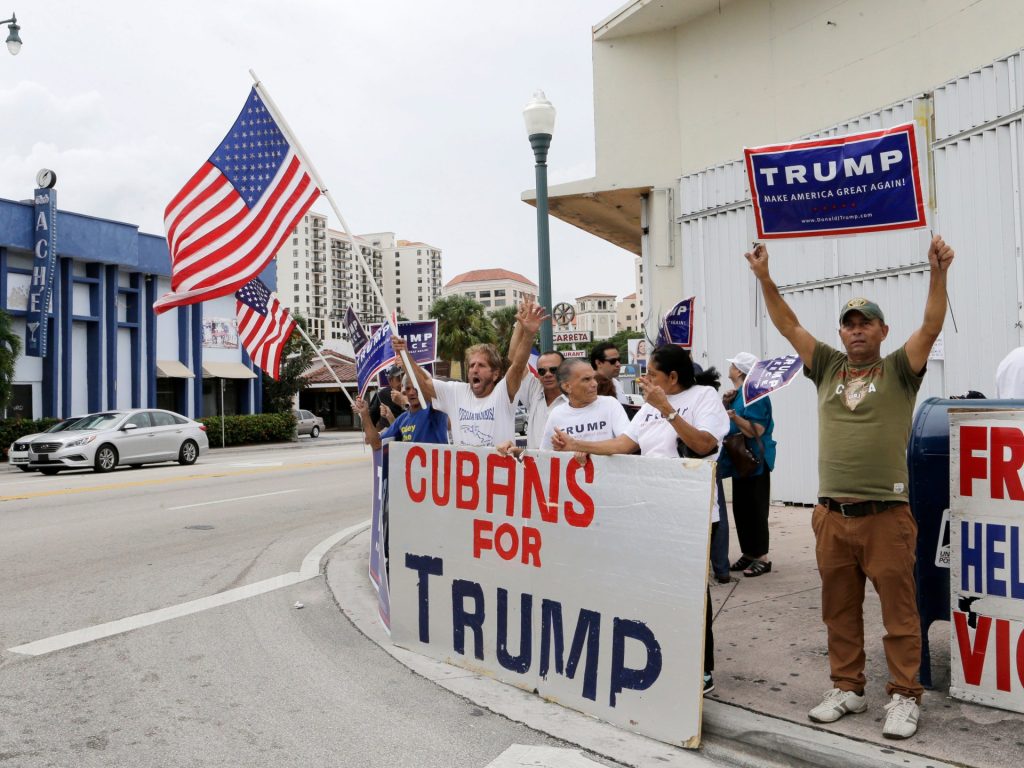
Cuba’s Foreign Ministry has issued a statement of protest against the head of the United States mission to the island, Michael Hammer. In a news release published on Friday, the Foreign Ministry accused Hammer, a career diplomat, of “unfriendly and meddling behaviour” since his arrival to Cuba in late 2024. “By inciting Cuban citizens to commit extremely serious criminal acts, attacking the constitutional order, or encouraging them to act against the authorities or demonstrate in support of the interests and objectives of a hostile foreign power, the diplomat is engaging in provocative and irresponsible conduct,” the Foreign Ministry wrote. “The immunity he enjoys as a representative of his country cannot be used as cover for acts contrary to the sovereignty and internal order of the country to which he is assigned, in this case Cuba.” The Foreign Ministry said the message was delivered by its director of bilateral affairs with the US, Alejandro Garcia del Toro. Friday’s statement is the latest indication of increasingly rocky relations between Cuba and the US, particularly since President Donald Trump began his second term in January. Advertisement A history of tensions Diplomatic ties between the two countries, however, have been icy for decades, stretching back to the Cold War in the 1960s. After the Cuban Revolution of 1959, the US government imposed strict trade restrictions on the island and backed efforts to topple the newly established Communist government. But there have been efforts to ease the tensions, notably during the administrations of Democratic presidents like Barack Obama and Joe Biden in the US. In 2016, for instance, Obama sought to normalise relations with Cuba, only to see those efforts rolled back during the first Trump administration, starting in 2017. Likewise, President Biden — who formerly served as Obama’s vice president — removed Cuba from the US’s list of “state sponsors of terrorism” in the waning days of his term in January. But upon taking office for his second time on January 20, Trump reversed course once more, putting Cuba back on the list that very same day. Trump also included in his presidential cabinet several officials who have taken a hardline stance towards Cuba, most notably former Secretary of State Marco Rubio. Born to Cuban immigrants, Rubio is an outspoken supporter of continuing the trade embargo against the island. The Cuban government, meanwhile, has continued to accuse the US of attempting to destabilise its leadership. In Friday’s statement, the Cuban Foreign Ministry accused Hammer of “public and insulting manipulation” for his recent visit to the tomb of a 19th-century national hero, Jose Marti. Advertisement The US Embassy to Cuba posted a video of the visit with a voiceover of Marti’s words, “Respect for the freedom and thoughts of others, even of the most unhappy kind, is my passion: If I die or am killed, it will be for that.” Critics have interpreted that citation as an implied endorsement of dissent on the island. Ramping up pressure In recent months, there have also been signs that Trump plans to once again tighten the screws on the Cuban government, in a return to the “maximum pressure” campaigns that typified foreign policy during his first term. In February, for instance, the Trump administration announced it would yank visas from anyone who works with Cuba’s medical system, which sends thousands of healthcare workers abroad each year, particularly in the Caribbean region. Critics have criticised the healthcare programme for its low pay and hefty restrictions on its employees. Trump and Rubio, meanwhile, have claimed the medical system amounts to a form of “forced labour” that enriches the Cuban government. But leaders in Havana have denied that allegation. Then, in April, the US government condemned Cuba for re-arresting a group of dissidents, among them prominent figures like Jose Daniel Ferrer and Felix Navarro. Cuba had initially agreed to release Ferrer and Navarro as part of a bargain brokered by the Vatican earlier this year. Cuba was expected to release 553 prisoners, many of whom were swept up in anti-government protests, and in exchange, the US was supposed to ease its sanctions against the island. The sanctions relief, however, never came. Advertisement An additional measure was taken against Cuba just this month. The State Department, under Rubio’s direction, determined that “Cuba did not fully cooperate with U.S. counterterrorism efforts in 2024”. It accused Cuba of harbouring 11 fugitives, some of whom faced terrorism-related charges in the US. “The Cuban regime made clear it was not willing to discuss their return to face justice in our nation,” the State Department wrote in a news release. “The United States will continue to promote international cooperation on counterterrorism issues. We also continue to promote accountability for countries that do not stand against terrorism.” As punishment, Cuba was labelled as a “not fully cooperating country” under the Arms Export Control Act, a designation that limits its ability to purchase weaponry and other defence tools from the US. Furthermore, Hammer had recently signalled that new sanctions were on the way for the island. But in the face of Friday’s reprimand, the US. State Department indicated it was undeterred and would continue to support dissidents against Cuba’s “malign influence”. Adblock test (Why?)
Can we reverse the obesity epidemic?
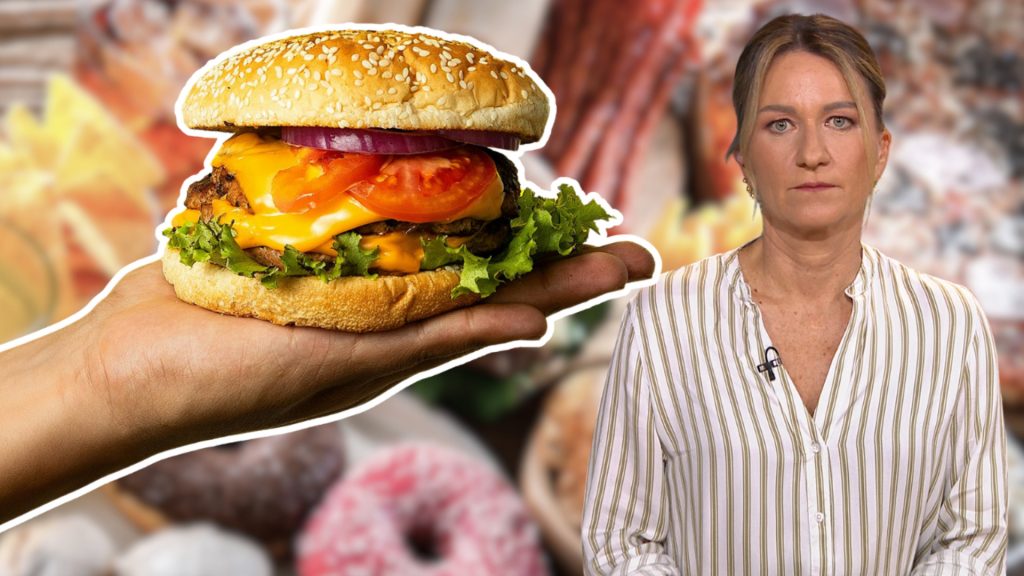
We look at why our waistlines are expanding at an alarming rate. Obesity has become one of the most rapidly escalating health crises of our time. The World Obesity Federation says one billion people will be overweight by 2030, twice as many as in 2010. This epidemic goes far beyond individual choices or diet. It is fuelled by entrenched social inequalities, the far-reaching influence of the food industry and systemic obstacles that make healthy living increasingly difficult. Presenter: Stefanie Dekker Guests:Ogweno Stephen – World Obesity FederationDr Rocio Salas-Whalen – EndocrinologistAdrian Scarlett – Content Creator Adblock test (Why?)
Israel forces north Gaza’s last functioning hospital to close

NewsFeed Israeli forces have issued evacuation orders for five areas of northern Gaza including the Al Awda hospital. The hospital’s director told Al Jazeera that Israel had threatened to kill everyone in the building if it wasn’t evacuated. Published On 30 May 202530 May 2025 Adblock test (Why?)
What to know about Mexico’s first-of-its-kind judicial elections
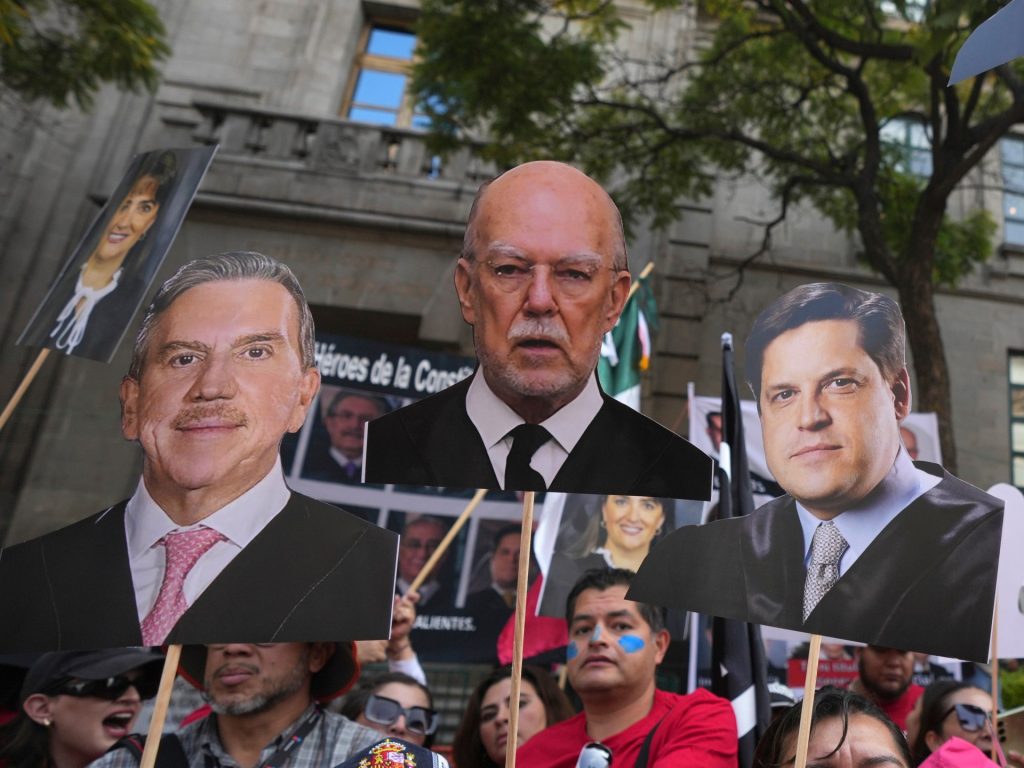
NewsFeed Mexico will hold its first nationwide judicial elections on Sunday, becoming the first country with judges selected entirely by public vote. What are the advantages and dangers? Al Jazeera’s John Holman explains. Published On 30 May 202530 May 2025 Adblock test (Why?)
Ending the “unjustified violence” in Gaza is a “US political decision”
[unable to retrieve full-text content] Israeli onslaught in Gaza is shattering the medical system.
Republicans plan to tax US college endowments: Who will that hurt?
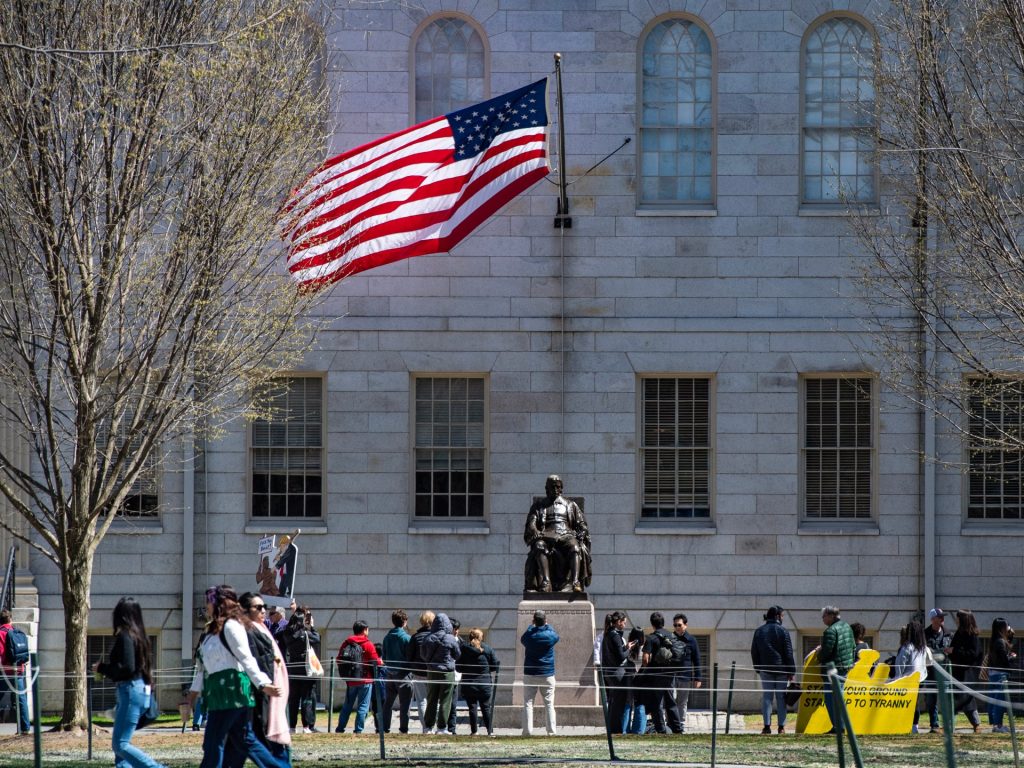
Republicans in the United States Congress are pushing for an increase in taxes on US universities, under a new bill that narrowly passed in the House of Representatives last Thursday. The bill’s supporters argue that a provision relating to higher educational institutions is crafted to target “woke” universities. Universities have taken a hit from US President Donald Trump’s executive orders and decisions aimed at changing education and immigration in the country, alongside cracking down on pro-Palestine protests that took place on US college campuses last year. The new tax plans aim to increase taxes on what US universities earn from their endowments. So, what exactly is an endowment? An endowment refers to funds or assets donated to a university to keep it financially sustained in the future. Endowments typically comprise charitable donations from alumni, other donors and companies. The bill before the US Congress sets tax rates for universities based on their effective endowments per student – by dividing their total endowments by the number of full-time students at the institution. Advertisement Earnings from investments made from endowments will be taxed, if the bill becomes law. Have universities been taxed so far? Most colleges have not been taxed on their endowments for centuries. The Revenue Act of 1909 exempted educational institutions as nonprofits which operate for public interest “exclusively for religious, charitable, or educational purposes”. As a result, educational institutions did not pay taxes on their investment gains. This changed during Trump’s first presidential term. In 2017, the US Congress passed the Tax Cuts and Jobs Act, which introduced a 1.4 percent tax on colleges with per-student endowments of at least $500,000, and at least 500 students who paid tuition. Hence, the tax applies only to some of the wealthiest institutions in the country. This endowment tax generated approximately $380m in 2023, from 56 universities that met the taxation bar. What do Republicans want to do now? On May 22, the Republican-controlled House of Representatives passed, with a 215-214 vote, what Trump and the legislation’s authors have called the One Big Beautiful Bill. Within this bill is a proposal to raise taxes on elite universities. The proposal is tiered, and aims to levy a tax of: 1.4 percent on investment returns of institutions that have a per-student endowment of more than $500,000 but less than $750,000. 7 percent on institutions that have a per-student endowment of more than $750,000 but less than $1,250,000. 14 percent on institutions that have a per-student endowment of more than $1,250,000 but less than $2,000,000. 21 percent on institutions that have a per-student endowment of more than $2,000,000. Advertisement These percentages apply to universities that had at least 500 tuition-paying students in the previous taxable year and where 50 percent of their full-time tuition paying students are in the US. Universities identified as “qualified religious institutions” are exempt from this tax. The proposal was drafted by Republican legislators in the Ways and Means Committee, the oldest tax-writing body in the House. “For too long, universities have received beneficial treatment from our tax code while disregarding the interest of taxpayers,” Jason Smith, Missouri Republican and chairman of the House Ways and Means Committee, said shortly after the bill passed. A fact sheet released by Smith says the tax “holds woke, elite universities that operate more like major corporations and other tax-exempt entities accountable”. The bill is now headed to the Senate, where Republicans hold 53 seats and Democrats hold 47. It is unclear when the vote will take place, but Trump is urging Republican senators to promptly pass it. On May 22, Trump wrote on his Truth Social platform: “Thank you to every Republican who voted YES on this Historic Bill! Now, it’s time for our friends in the United States Senate to get to work, and send this Bill to my desk AS SOON AS POSSIBLE!” How many colleges could be affected by this? An investigation by The New York Times found that at least 58 schools could potentially be affected by this. Major universities could fall under the highest tax slab. In the 2024 fiscal year, Harvard University’s total endowment was worth approximately $53.2bn – the largest of any university. There are 24,596 students at Harvard, which means the per-student endowment is $2.16m. That means it will have to pay a 21 percent tax if the bill becomes law. Advertisement Yale University’s endowment is valued at $41bn and the university has 15,490 students, bringing the per-student endowment to about $2.7m. While the institute currently pays the 1.4 percent tax, it too will have to pay a 21 percent tax if the bill becomes law. Likewise, Stanford’s endowment is $36.5bn and it has 17,529 students, making the per-student endowment about $2.1m. While the institute currently pays the 1.4 percent tax, it will have to pay a 21 percent tax if the bill becomes law. By contrast, University of Pennsylvania’s total endowment was $22.3bn as of June 2024 and the institute has 24,219 full-time students, making the per-student endowment $920,764. While the institute currently pays the 1.4 percent tax, it will have to pay a 7 percent tax if the bill becomes law. But because the bill determines which universities are taxable based on per-student endowments, it isn’t just big schools that will be affected: Even smaller private institutions, that previously paid 1.4 percent tax, might now have to pay much more. Pomona College in Claremont, California, had a total endowment of $3bn in 2024, of which the institute uses 5 percent each year. The university says 60 percent, or $36m, of financial aid at Pomona is covered by endowment, which also covers about half the institute’s operating budget. It has 1,747 students, which means Pomona has a per-student endowment of $1.7m. Until now, it paid a tax worth 1.4 percent of the endowment; if the bill passes, it will be taxed at 14 percent. Advertisement Can this be enforced? If the bill passes in the Senate, Trump is almost certain to sign it. But
China sets up international body in Hong Kong to rival World Court
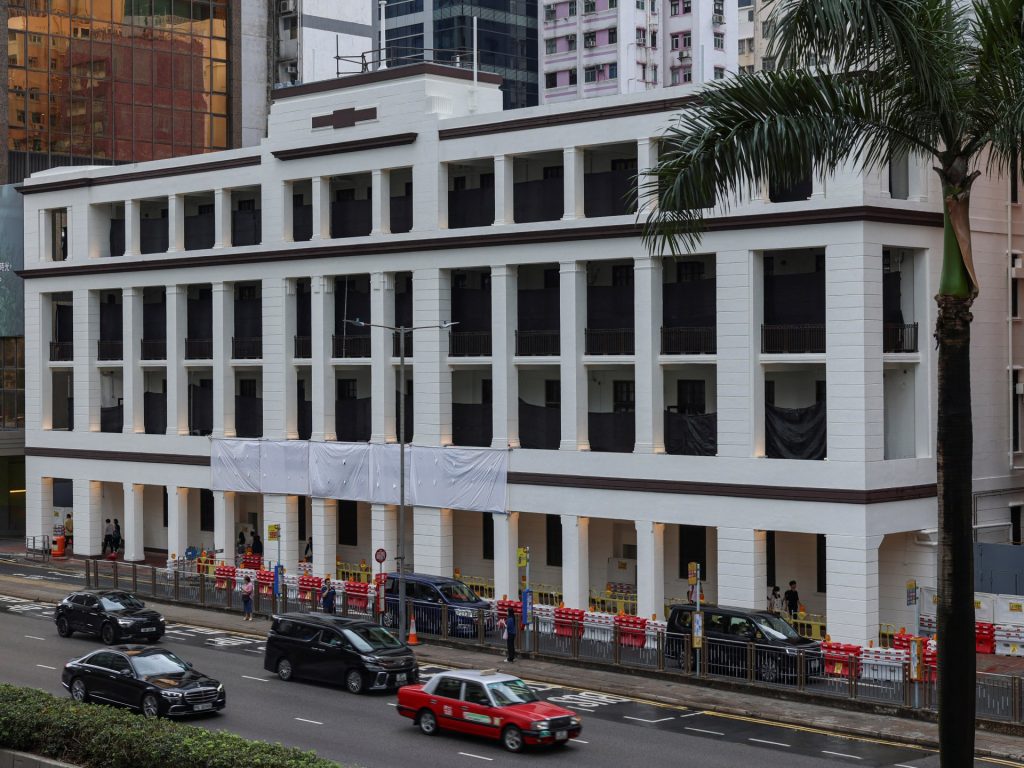
Hong Kong leader John Lee Ka-chiu said the body’s status would be on par with the UN’s International Court of Justice. The Chinese government has signed a convention establishing an international mediation organisation located in Hong Kong, with Beijing hoping it will rival the International Court of Justice (ICJ) as the world’s leading conflict resolution body. The Convention on the Establishment of the International Organisation for Mediation (IOMed) was signed into law on Friday, in a ceremony presided over by Chinese Minister of Foreign Affairs Wang Yi in Hong Kong. The ceremony was attended by representatives from several countries, including Indonesia, Pakistan, Laos, Cambodia and Serbia. Representatives from 20 international bodies, including the United Nations, also attended the ceremony, according to Hong Kong’s RTHK public broadcaster. A video shown at the signing ceremony said the scope of cases handled by the body would include disputes between countries, between a country and nationals of another country, and between private international entities. Beijing plans for the body to cement Hong Kong’s presence as a top global mediation hub, as it hopes to bolster the city’s waning international credentials. Advertisement In an un-bylined opinion piece published in China’s state-run Global Times newspaper, IOMed was described as the “world’s first intergovernmental international legal organisation dedicated to resolving international disputes through mediation”. IOMed would fill a “critical gap in mechanisms focused on mediation-based dispute resolution”, it said. “The establishment of the International Organisation for Mediation marks a milestone in global governance and highlights the value of resolving conflicts in an ‘amicable way’,” it added. The ICJ – the principal judicial organ of the UN, also known as the World Court – is currently the top body for solving legal disputes between member states in accordance with international law. It also provides advisory opinions on legal questions referred to it by UN bodies. Hong Kong Chief Executive John Lee Ka-chiu said this week that IOMed’s status would be on par with the UN bodies the ICJ and the Permanent Court of Arbitration in The Hague. Lee said it would also help bring “substantial” economic benefits and job opportunities, as well as stimulate various sectors including hospitality and transport, to Hong Kong. Hong Kong has experienced sustained economic stagnation since its handover back to Chinese rule in 1997 after more than a century and a half as a British colony. Investor confidence has been rocked by Beijing’s increasing control over all aspects of life in the territory – including the economy – while gloom also persists about the state of China’s post-pandemic recovery. Advertisement In an opinion piece published in the South China Morning Post, Hong Kong’s Justice Secretary Paul Lam said IOMed would help Hong Kong cope with challenges presented by “hostile external forces” that are “attempting to de-internationalise and de-functionalise” it. “To cope with such a challenge, Hong Kong needs to make good use of the IOMed headquarters as a focus for strengthening the city as an international dispute resolution centre, so as to give full play to its institutional advantages under the ‘one country, two systems’ framework,” Lam said, referring to China’s model of governing Hong Kong, which nominally allows it a level of autonomy. The IOMed headquarters, due to open by the end of this year or in early 2026, will be located at a former police station in Hong Kong’s Wan Chai district. Adblock test (Why?)