

Palestine and the decline of the US empire
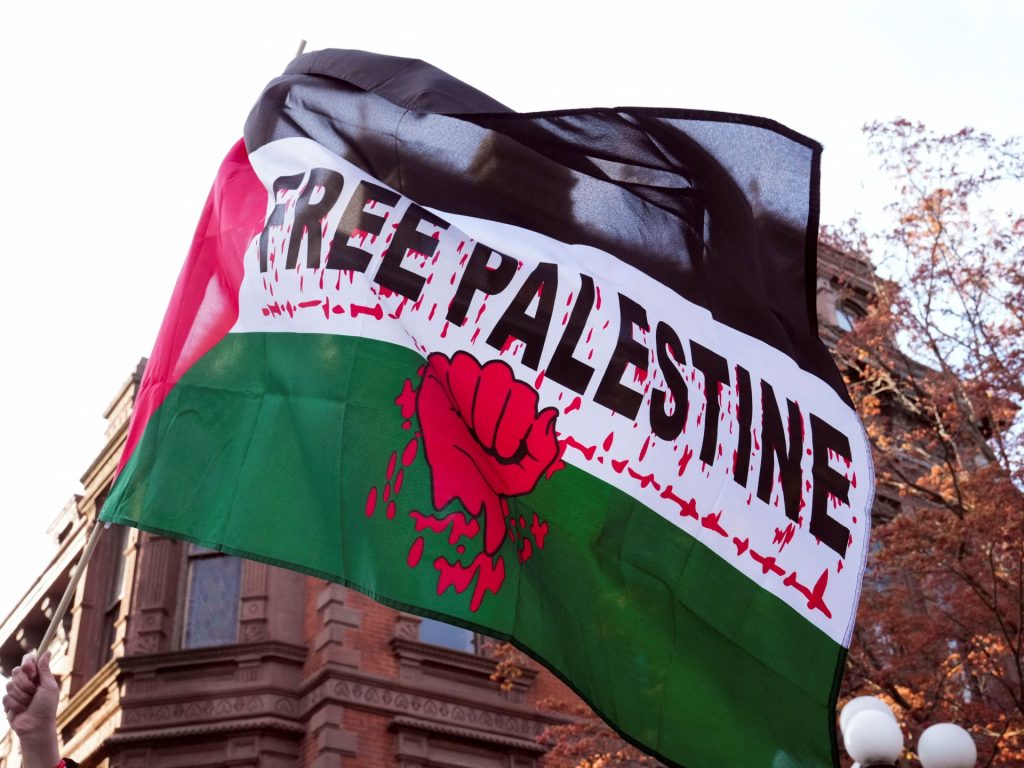
It has been 19 months now since the start of the Israeli war on Gaza. The International Court of Justice is investigating a “plausible genocide”, while the International Criminal Court has issued arrest warrants for Israeli Prime Minister Benjamin Netanyahu and his former Defence Minister Yoav Gallant for war crimes. Scholars of genocide, major human rights organisations, and United Nations experts have identified what is going on in Gaza as genocide. People across the world have marched to call on their governments to act to stop it. There is a single power that stands in the way of putting an end to this genocide: the United States. One administration has handed over to another, and yet there has been no change in policy. Unconditional support for Israel seems to be a doctrine that the US political establishment is unwilling to touch. Various analyses have suggested that at the root of this “special relationship” are Judeo-Christian values and a shared democratic path; others have argued that it has to do with the two-party system and the donor class dominating US politics. Advertisement But the reality is far simpler. The US views Israel as a critical ally because it helps promote US global supremacy at a time when it is facing inevitable decline. Israel’s survival in its current settler-colonial form – the US elites believe – is closely tied to maintaining US supremacy. The supremacy of US empire Since the collapse of the Soviet Union and the end of the Cold War, the US has been leading a unipolar world as the sole superpower. As a continuation of Western imperial global dominance, the US empire holds much sway over global economic, political, and cultural matters, often with devastating consequences for the lives of millions of people around the world. Like all empires, the US solidifies and expands its position of supremacy and hegemony in the world through its overwhelming military force. Through the US infrastructure of organised imperial violence, it is able to secure access to and control of resources, trade routes, and markets. This, in turn, guarantees continuous economic growth and dominance. But in recent years, we have seen signs that US supremacy is being challenged. The momentum to do so built up in the aftermath of the 2008-2009 US financial crisis, which turned into a global one. It demonstrated the negative impact of US supremacy on the world economy and motivated powers such as China and India to take action to protect themselves from it. The BRICS coalition of economies emerged as their shared response on the economic front. In the following years, various US foreign policy mishaps, including the US failure in Afghanistan, its waning influence in Africa and its inability to prevent the Russian invasion of Ukraine, also demonstrated the limits of US global power. Advertisement The rise of US President Donald Trump and far-right populism in the United States reflected the fact that cracks were appearing in the very core of the US-led so-called liberal order. No empire has ever easily accepted its decline, and neither will the US. It intends to hold onto its status as the unquestionable superpower, and for that, it needs imperial outposts to stand loyally by its side. Israel – the most reliable imperial ally Throughout the Cold War, Western Europe and Israel stood as the US’s junior partners in its confrontation with the Soviet Union in Europe and the Middle East. Today, while the decades-old transatlantic alliance seems to somewhat falter, the US-Israeli relationship appears as strong as ever. Israel has demonstrated loyalty as an imperial outpost. It has played a key role in supporting US imperialism in two ways. First, Israel helps the US secure its access to and control over one of the most critical markets for any empire: the energy market. The Middle East is an important force in the global energy trade, and its oil and gas policies can have a tremendous impact on the world economy. What the US fears the most is losing its dominance in the global energy markets to a competing power, which is why it wants to secure its interests by establishing a regional order in the Middle East that overwhelmingly favours its imperial power. This new order is about giving the US a major advantage over any competitor seeking to make inroads into the region, namely China. Advertisement For the administration of former US President Joe Biden and its successor, the Trump administration, the Israeli genocide of Palestinians and aggression against neighbouring countries are about establishing this new security reality in the region by eliminating hostile groups and governments. That is why US support for them has not stopped. Second, Israel plays a critical role in advancing US military supremacy. The US provides Israel with billions of dollars in aid, which is in fact a form of self-investment in developing military capabilities and expanding sales. The Israeli state uses these funds to buy weapons from US arms manufacturers, which then use Israel’s deployment of that weaponry in the Middle East as testing and marketing tools. The US military-industrial complex is thus able to sell more weapons and continue to innovate and grow to ensure the US has a military edge over its rivals. In this sense, Israel is one of the most critical parts of the US imperial machinery. Without it, the US would find it challenging to maintain its imperial power in the Middle East. It is for this reason that Biden once famously proclaimed that if Israel did not exist, the US would have to invent it. Free Palestine and global decolonisation Over the past year, we have witnessed an unprecedented attack on the Palestine solidarity movement in the US, which has affected all public spheres, including education and healthcare. We have also seen an intensification of US threats against states, such as South Africa, for their support for Palestine. Advertisement Based on the magnitude of the resources and energy that the US empire expends on the elimination
Activist reportedly held by Uganda’s military chief shows signs of torture
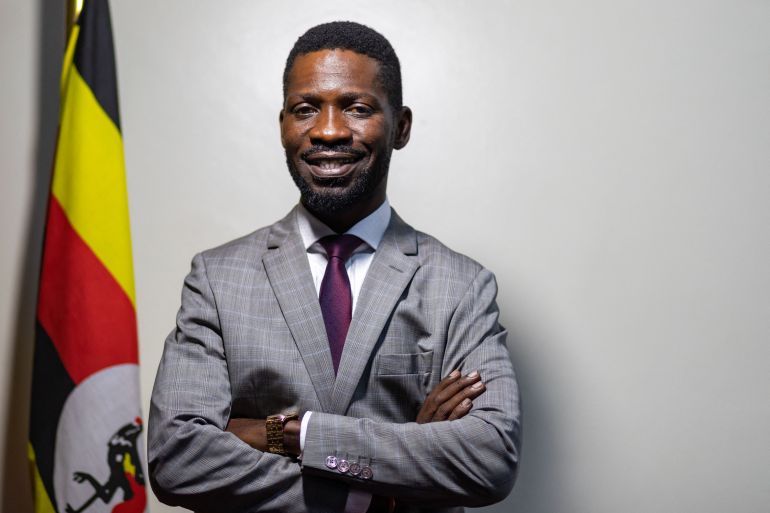
Justice minister says Eddie Mutwe shows signs of abuse at court appearance, and his lawyer says he was tortured daily. An opposition activist whom Uganda’s military chief, Muhoozi Kainerugaba, claimed to have held captive in his basement has appeared in court “visibly weak” and showing signs of torture, according to the justice minister. Eddie Mutwe, who acts as the chief bodyguard for Uganda’s leading opposition figure, Bobi Wine, went missing on April 27 after being grabbed near the capital, Kampala, by armed men, according to Wine’s National Unity Platform (NUP) party. Chief of Defence Forces Kainerugaba, longtime President Yoweri Museveni’s eldest child, said last week that he had detained Mutwe, writing on X that he had captured him “like a grasshopper” and was “using him as a punching bag”. Kainerugaba also alluded to Mutwe being tortured, saying he had beaten him and shaved his head. “If they keep on provoking us, we shall discipline them even more,” he said of the opposition. Facing robbery charges Mutwe was presented in court on Monday and remanded into custody on robbery charges, his lawyer said. In a statement released late on Monday, Justice Minister Norbert Mao said Mutwe appeared in court “in a visibly weak condition and showing signs of having been tortured”. “Bringing illegally detained, brutalised and tortured suspects before the courts of law is an abuse of judicial processes,” said Mao, the leader of an opposition party who was appointed justice minister in 2022. Advertisement Mao did not say who was responsible for Mutwe’s condition but called on the courts to deal swiftly with the opposition figure’s case. Mutwe’s lawyer, Magellan Kazibwe, told reporters outside court on Monday that his client had been tortured daily and electrocuted while being detained. He is in my basement. Learning Runyankore. You are next! https://t.co/8pMgdGCru2 — Muhoozi Kainerugaba (@mkainerugaba) May 1, 2025 Opposition crackdown The court case comes amid an escalating crackdown on the Ugandan opposition as Wine has been preparing to launch a “protest vote” campaign in advance of a general election in January. On Friday, Wine – a former singer whose real name is Robert Kyagulanyi and who has become Museveni’s leading opponent – said on X that security forces had “just raided and cordoned off our headquarters”. He also condemned the abduction of Mutwe, telling the AFP news agency that it was “a reminder to the world as to how law and order has broken down in Uganda”. Ugandan musician-turned-politician Robert Kyagulanyi, also known as Bobi Wine [File: Badru Katumba/AFP] Kainerugaba, who is widely viewed as being groomed to succeed his 80-year-old father, frequently makes incendiary comments on social media and has written on X that he wanted to behead Wine. The Ugandan government has faced international condemnation over the abduction of opposition figures, including veteran leader Kizza Besigye, who was seized in Kenya last year and forcibly returned to face treason charges. Advertisement Museveni, who has ruled since 1986 and plans to seek re-election in January, has denied allegations of human rights abuses. But the Uganda Law Society said the abduction of Mutwe was not an isolated incident. Instead, it is “part of a systematic campaign to silence dissent and crush the aspirations of young people yearning for freedom”, the group said in a statement. The Uganda Human Rights Commission, which is tasked with investigating abuses and monitoring the government’s human rights record, said it issued an order on Friday directing the authorities to release Mutwe. Adblock test (Why?)
How much of what’s inside a US home is actually “Made in America”?
[unable to retrieve full-text content] The average US home is packed with products from around the world. Trump’s tariffs would hit nearly all of them.
What we know about Israel’s new plan for Gaza
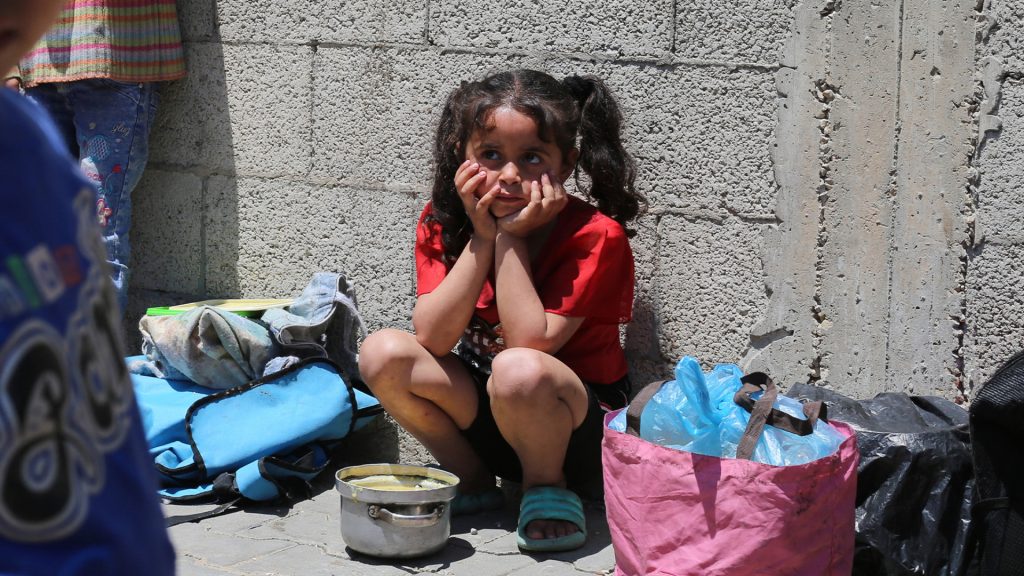
NewsFeed Israeli Prime Minister says Palestinians in Gaza will be relocated to the south during a ‘new phase’ of intense military operation, with reports suggesting that Israel is considering occupying the entire enclave and taking control of aid distribution. Published On 6 May 20256 May 2025 Adblock test (Why?)
Trump administration bars Harvard from future research grants
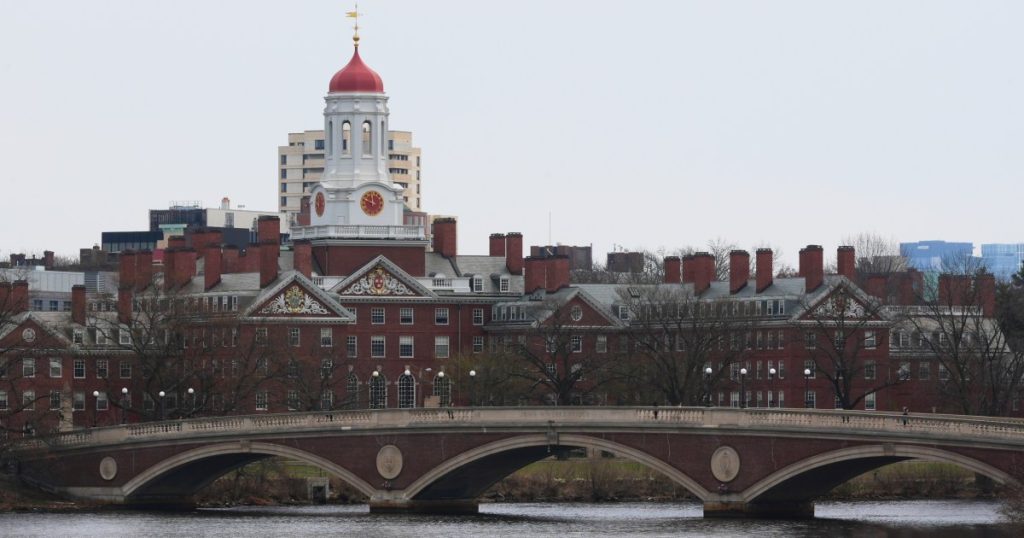
US Education Department Secretary Linda McMahon halts funding in escalation of dispute centred around anti-Semitism claims. The administration of United States President Donald Trump has announced that Harvard University will no longer receive public funding for research in a sharp escalation of its dispute with the top university. In a letter to Harvard on Monday, US Education Department Secretary Linda McMahon said the elite university had made a “mockery” of higher education and should no longer seek federal grants, “since no will be provided”. “Harvard will cease to be a publicly funded institution, and can instead operate as a privately-funded institution, drawing on its colossal endowment, and raising money from its large base of wealthy alumni,” McMahon wrote in the letter. The move comes after the Trump administration last month froze nearly $2.3bn in federal funding to Harvard over what it claimed was its failure to tackle rampant anti-Semitism on campus. The administration announced the freeze after Harvard rejected a series of demands that it said would subject the university to undue government control, including that it accede to external audits of faculty and students to ensure “viewpoint diversity”. Advertisement In her letter, McMahon, the former CEO of World Wrestling Entertainment, outlined a series of grievances often made by conservatives against the university, including that it had fostered lax academic standards and admitted foreign students who “engage in violent behaviour and show contempt toward the United States of America”. “Where do many of these ‘students’ come from, who are they, and how do they get into Harvard, or even into our country – and why is there so much HATE?” McMahon wrote in the letter, emulating Trump’s use of all-capital letters to emphasise certain words. “These are questions that must be answered, among many more, but the biggest question of all is, why will Harvard not give straightforward answers to the American public?” Harvard, which is fighting the Trump administration’s earlier funding freeze in court, said in a statement that McMahon’s latest demands would have “chilling implications for higher education”. “Today’s letter makes new threats to illegally withhold funding for lifesaving research and innovation in retaliation against Harvard for filing its lawsuit on April 21,” a university spokesperson said. “Harvard will continue to comply with the law, promote and encourage respect for viewpoint diversity, and combat antisemitism in our community. Harvard will also continue to defend against illegal government overreach aimed at stifling research and innovation that make Americans safer and more secure.” US universities have faced controversy over alleged anti-Semitism on their campuses since the eruption last year of nationwide student protests against Israel’s war in Gaza. Advertisement In two reports released last month, separate Harvard task forces said that students and staff had faced both anti-Jewish and anti-Muslim bias on campus. In response to the reports, Harvard President Alan Garber expressed concern that some students had been pushed “to the periphery of campus life because of who they are or what they believe”, and pledged to redouble efforts to ensure the university was a place where “mutual respect is the norm”. Trump and prominent conservatives in the US have also long accused Harvard and other universities of propagating extreme left-wing views and stifling right-wing perspectives. Adblock test (Why?)
US Defense Secretary Hegseth orders 20% cut in ranks of top officers
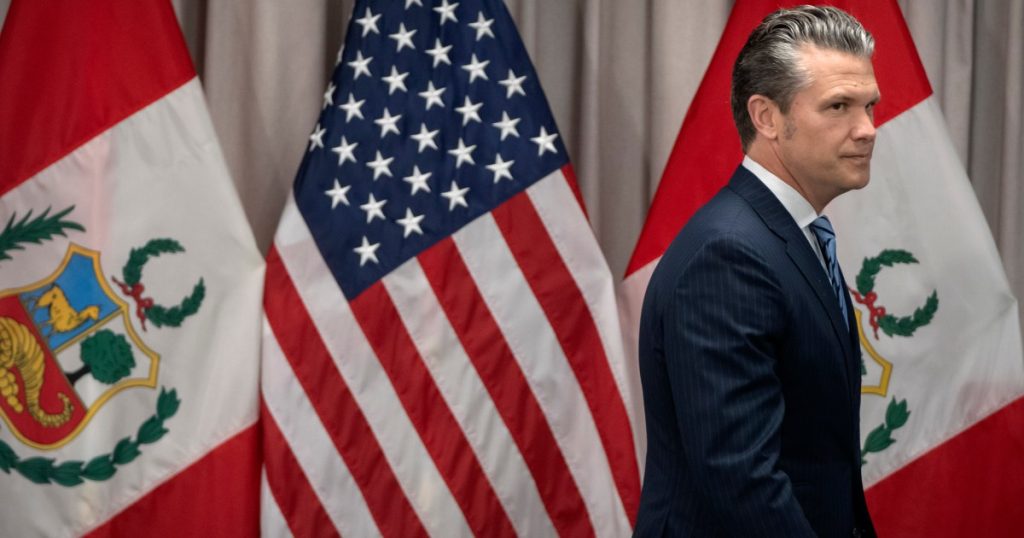
Pentagon chief says cuts will maximise ‘strategic’ and ‘operational readiness’. United States Secretary of Defense Pete Hegseth has announced steep cuts in the number of top-ranked officers in his latest move to streamline the world’s most powerful military. In a memo on Monday, Hegseth ordered a 20 percent reduction in the number of four-star generals and admirals – currently the highest-ranked personnel in the US military – as well as a 10 percent reduction in the number of general and flag officers. Hegseth’s memo also ordered a 20 percent cut in the number of general officers in the National Guard. The US military had 38 four-star generals or admirals as of March 31, 2025, according to US Department of Defense data. In a video explaining the “Less Generals More GIs Policy”, Hegseth said the US military currently has one general for every 1,400 troops, compared with one for every 6,000 during World War II. “More generals and admirals does not equal more success,” Hegseth said in the video posted on X. “Now this is not a slash-and-burn exercise meant to punish high-ranking officers. Nothing could be further from the truth. This has been a deliberated process, working with the Joint Chiefs of Staff, with one goal: maximising strategic readiness and operational readiness by making prudent reductions in the general and flag officer ranks.” Advertisement Hegseth did not specify which positions would be cut. The nearly 40 active four-star generals in the US military include the chairman of the Joint Chiefs of Staff, the chief of staff of the army, the chief of naval operations, and the chief of staff of the Air Force, as well as the heads of US Africa Command, US European Command and US Forces Korea. The cuts come as part of a broader drive by President Donald Trump’s administration to reduce the size of the federal government and purge perceived political enemies. Since returning to the White House in January, Trump or his underlings have fired several top military leaders, including Chairman of the Joint Chiefs of Staff Charles Q Brown and Navy chief Admiral Lisa Franchetti. Adblock test (Why?)
Michigan drops charges against pro-Palestine US student protesters
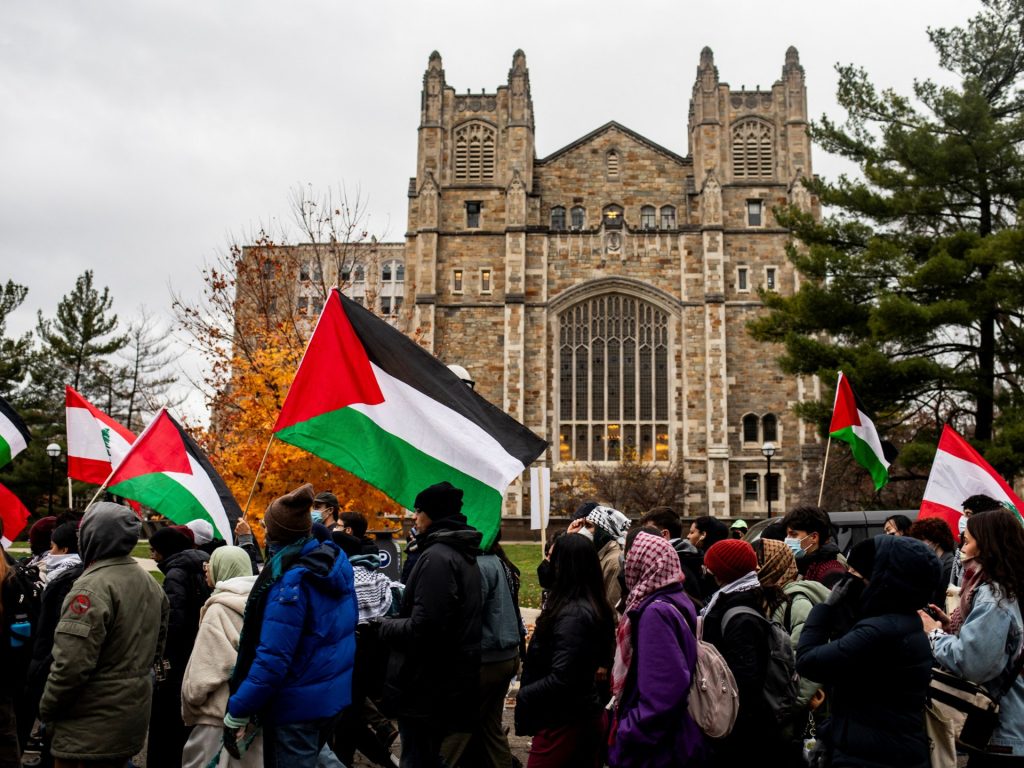
Michigan Attorney General Dana Nessel has dropped charges against seven student protesters from the University of Michigan, citing legal delays and controversies surrounding the US case, which she said has become a “lightning rod of contention”. The decision on Monday puts an end to the case that started in May 2024 when the students, who pleaded not guilty, were charged with trespassing and resisting a police officer while attending a pro-Palestinian campus protest. “We feel vindicated that the case was dismissed,” said Jamil Khuja, a member of the defence team for the students. “These individuals committed no crime whatsoever. They were exercising their right to protest and engage in political speech on public property.” Despite dropping the charges and growing criticism of the case, Nessel on Monday defended her decision to pursue felony charges against the students, saying “a reasonable jury would find the defendants guilty of the crimes alleged”. However, Nessel added in a statement that she dropped the charges nearly a year later because she did not believe “these cases to be a prudent use of my department’s resources”. Advertisement While hundreds of students were arrested during the wave of pro-Palestine campus encampments that swept the United States last year amid Israel’s war on Gaza, most were immediately released. The case in Michigan gained national attention and became symbolic of the nationwide crackdown on pro-Palestine demonstrations, with Palestinian rights advocates arguing that the Nessel case was an attack on freedom of speech and assembly. Defence lawyers for the accused had filed motions for Nessel to recuse herself from the case, citing accusations of bias – assertions that the attorney general dismissed as “baseless and absurd”. “These distractions and ongoing delays have created a circus-like atmosphere to these proceedings,” the attorney general said in her statement. Khuja, the defence lawyer, said the team was “absolutely confident” of winning the case, either by judicial dismissal or not-guilty jury verdict, and criticised Nessel’s characterisation of the pretrial proceedings as “circus-like” as untrue. He said requesting Nessel’s removal from the case was warranted, adding that the charges should have been brought by the county and not the state’s attorney general, according to Michigan’s prosecution procedures. Free speech ‘under attack’ To underscore the alleged bias, the defence lawyer also noted that weeks before filing the charges last year, Nessel had clashed with Congresswoman Rashida Tlaib, “the only Palestinian in Congress”, for defending the chant “from the river to the sea, Palestine will be free”, which has been used by student protesters. Advertisement Soon after Nessel charged the students, Tlaib accused the attorney general of “possible biases” within her agency, underscoring that other protest movements did not face a similar legal crackdown. The attorney general responded by accusing Tlaib of anti-Semitism, although the congresswoman made no mention of the attorney general’s religion or Jewish identity. “Rashida should not use my religion to imply I cannot perform my job fairly as Attorney General. It’s anti-Semitic and wrong,” Nessel wrote in a social media post in September. The controversy stretched for weeks, with CNN and pro-Israel outlets echoing Nessel’s anti-Semitism allegations against Tlaib without evidence. Khuja said the attorney general ultimately wanted to “make an example out of those protesting for Palestine”. He added that the case was larger than the students and politicians involved. “The First Amendment applies to all speech, but it’s been under attack in order to shield Israel from criticism lately,” Khuja told Al Jazeera. “And this case proved that those who believe in Palestinian rights, their views are just as legitimate as anybody else’s, and the First Amendment protects those views and your right to express them.” Adblock test (Why?)
Pro-Palestine protestors disrupt Dutch WW2 anniversary event
[unable to retrieve full-text content] 5 pro-Palestine protestors were arrested after disrupting a World War II anniversary event in Wageningen, Netherlands.
Palestinian author Mosab Abu Toha wins Pulitzer Prize for commentary
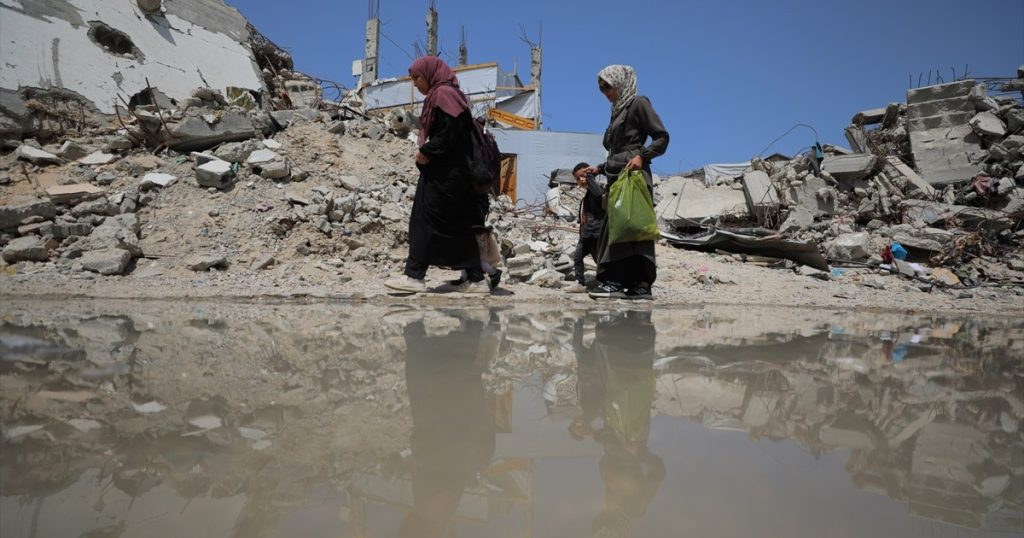
The poet gets the prestigious award for New Yorker essays ‘on the physical and emotional carnage in Gaza’ amid war. Palestinian poet Mosab Abu Toha, who has been targeted by pro-Israel groups in the United States for deportation, has won a Pulitzer Prize for commentary. Abu Toha received the prestigious award on Monday for essays published in The New Yorker “on the physical and emotional carnage in Gaza that combine deep reporting with the intimacy of memoir to convey the Palestinian experience” of the war. “I have just won a Pulitzer Prize for Commentary,” Abu Toha wrote on social media. “Let it bring hope. Let it be a tale.” The comment appears to be a tribute to his fellow Palestinian poet Refaat Alareer, was killed in an Israeli attack in Gaza in December 2023. Alareer’s final poem was titled, “If I must die, let it be a tale”. Abu Toha was detained by Israeli forces in Gaza in 2023 before being released to Egypt and subsequently moving to the US. “In the past year, I have lost many of the tangible parts of my memories – the people and places and things that helped me remember,” Abu Toha wrote in one of his New Yorker essays. Advertisement “I have struggled to create good memories. In Gaza, every destroyed house becomes a kind of album, filled not with photos but with real people, the dead pressed between its pages.” In recent months, right-wing groups in the US have called for deporting Abu Toha amid a campaign by President Donald Trump cracking down non-citizens critical of Israel. The author cancelled events at universities in recent months, citing fears for his safety. I have just won a Pulitzer Prize for Commentary. Let it bring hopeLet it be a tale pic.twitter.com/VP6RsPY6vz — Mosab Abu Toha (@MosabAbuToha) May 5, 2025 The Palestinian poet told Al Jazeera’s The Take podcast in December that the feeling of inability to help people in Gaza has been “devastating”. “Imagine that you are with your parents, with your siblings and their children in a school shelter in Gaza,” Abu Toha said. “You are unable to protect anyone. You are unable to provide them with any food, with any water, with any medicine. But now you are in the United States, the country that is funding the genocide. So, it is heartbreaking.” In other Pulitzer categories, New York Times won prizes for explanatory reporting, local reporting, international coverage and breaking news photography on Monday. With the four awards, the New York-based newspaper received the most prizes from Pulitzer’s 14 journalism contests this year. Winners of the award, named after the Hungarian-American newspaper publisher Joseph Pulitzer, are selected by a board of journalists and academics and announced at Columbia University annually. Advertisement The New York Times received the international reporting prize for its coverage of the conflict in Sudan, edging out The Washington Post, which was a finalist in the category for its “documented Israeli atrocities” in Gaza, including investigations into the killings of Palestinian medics and journalists. The Post won the breaking news prize for its coverage of the Trump assassination attempt during a campaign rally last year. The Reuters news agency took the investigative reporting award for a “boldly reported expose of lax regulation in the US and abroad that makes fentanyl”. Adblock test (Why?)
Top UN court dismisses Sudan’s genocide case against UAE
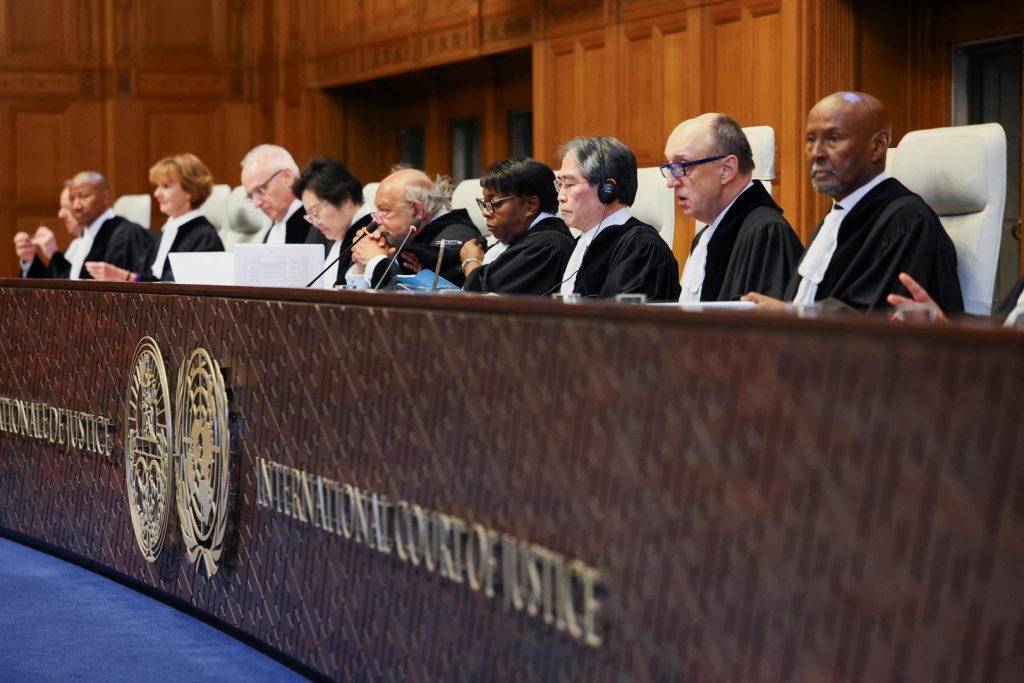
NewsFeed The International Court of Justice dismissed Sudan’s case accusing the United Arab Emirates of enabling genocide in Darfur by supplying the paramilitary forces with weapons. The ICJ said it lacked jurisdiction, rejecting Sudan’s request for emergency measures and ordered the case be removed from its docket. Published On 5 May 20255 May 2025 Adblock test (Why?)