

Elon Musk backs ‘free trade zone’ between US and Europe
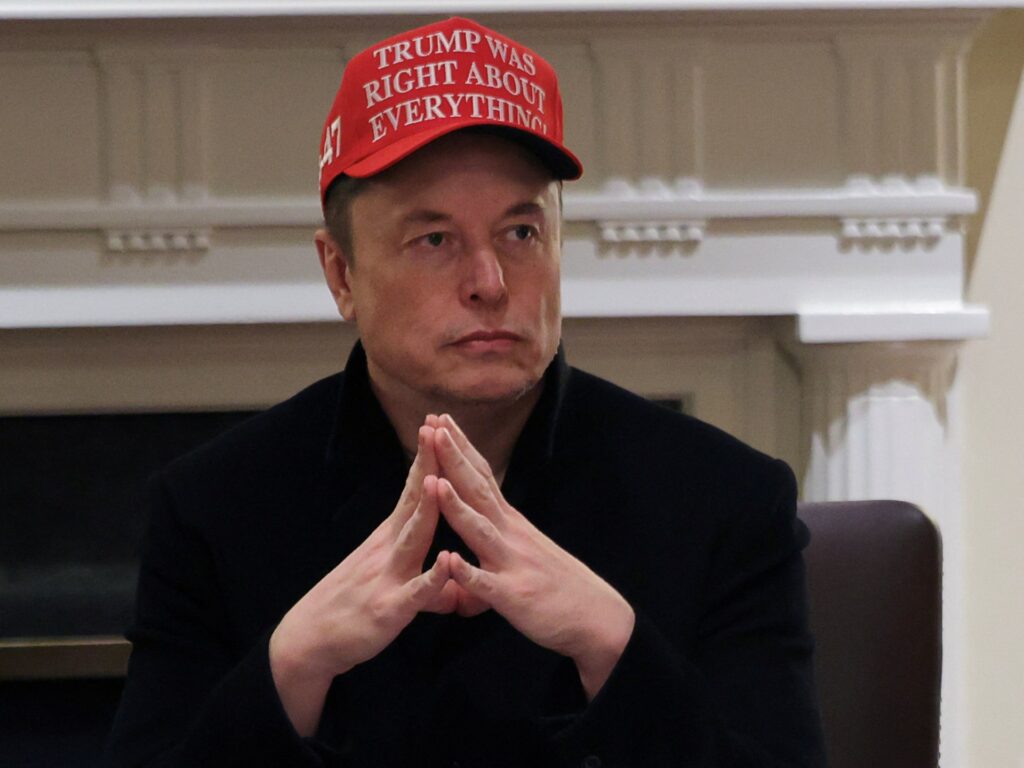
Elon Musk calls for a US-Europe free-trade zone with zero tariffs while EU plans a response to US import duties. Tech billionaire Elon Musk has called for unrestricted trade between the United States and Europe, advocating for a tariff-free economic zone. The adviser to US President Donald Trump said he supported eliminating trade barriers during a video appearance at a conference hosted by Italy’s far-right League party in Florence on Saturday. His comments came days after Trump announced an array of tariffs on imports to the US, including plans to impose 20-percent tariffs on imports from EU members, including Italy, which has a significant trade surplus with the US. “Ideally, both Europe and the United States should move to a zero-tariff situation, effectively creating a free trade zone between Europe and North America,” he said. Speaking to League leader Matteo Salvini, Musk also endorsed greater freedom of movement between the two regions. “If people wish to work in Europe or wish to work in North America, they should be allowed to do so in my view,” he said, noting that he had shared this stance with Trump. Advertisement Musk has previously voiced support for right-wing European parties, including Salvini’s League and Italian Prime Minister Giorgia Meloni’s Brothers of Italy and the Alternative for Germany (AfD). Earlier on Saturday, Italy’s Economy Minister Giancarlo Giorgetti, a League member, urged de-escalation with Washington over the tariffs, cautioning against retaliatory measures. The European Union has pledged to respond “in a calm, carefully phased, unified way” to US tariffs on its goods, EU Trade Chief Maros Sefcovic said. Trump has described the latest tariffs as an “economic revolution” and claimed that the measures would bring industry and jobs back to the United States. In the wake of the tariff announcement, US stock markets recorded their worst two-day stretch since COVID pandemic, and international markets were also routed. Several nations have said they would retaliate, raising the risk of a global trade war marked by tit-for-tat tariffs. Adblock test (Why?)
AI and doxxing sites: Trump vs antiwar activists

Over the past month, hundreds of international students in the US have either been detained, deported, or stripped of their visas for protesting Israel’s war on Gaza. The Trump administration’s crackdown is being described as an assault on political dissent – one that has been enabled by mainstream news outlets and pro-Zionist pressure groups. This story is about more than just visas. It’s about who gets to speak in Trump’s America. Contributors:Adolfo Franco – Republican strategist and lawyerEric Lee – Immigration lawyerYumna Patel – Editor-in-chief, MondoweissPrem Thakker – Reporter, Zeteo News On our radar: The German government is attempting to deport four foreign students – none of whom have been charged with a crime – over their pro-Palestinian activism. Ryan Kohls reports. For the past five months, Serbia has been in the grip of historic protests against President Aleksandar Vucic’s government. Young people have led the way, demanding political reform. But in doing so they’ve faced a powerful adversary – not only in government, but in its collection of loyalists in the media. Meenakshi Ravi reports from Belgrade on the narrative they have been spinning and the pushback they are getting from Serbian citizens. Advertisement Featuring:Snjezana Milivojevic – Professor, University of BelgradeVesna Radojevic – Reporter, KRIKSuzana Vasiljevic – Media adviser to the president of Serbia Adblock test (Why?)
Demonstrators rally across Spain to protest against housing crisis

Demonstrators have returned to the streets in anger over high housing costs with no relief in sight. Hundreds of thousands of people have marched in cities across Spain to protest against soaring rents and a lack of affordable homes in a country that enjoys Europe’s fastest economic growth and yet suffers from a housing shortage exacerbated by a tourism boom. The housing crisis across Europe has hit particularly hard in Spain, where there is a strong tradition of home ownership and scant public housing for rent. Spain’s centre-left government has struggled to find a balance between attracting tourists and keeping rents affordable for average citizens, as short-term rentals have mushroomed in major cities and coastal destinations. “No matter who governs, we must defend housing rights,” activists shouted on Saturday as they rattled keychains in Madrid, where tens of thousands of protesters marched through the capital’s centre, according to the local tenants’ union. Average Spanish rents have doubled and house prices swelled by 44 percent over the past decade, data from property website Idealista showed, far outpacing salary growth. Advertisement Meanwhile, the supply of rentals has halved since the 2020 pandemic. A man crosses the street amid the demonstration against high housing costs in Madrid [Paul White/AP] Influx of tourists Spain does not have the public housing that other European nations have invested in to cushion struggling renters from a market that is pricing them out. Spain is near the bottom end of Organization for Economic Co-operation and Development countries, with public housing for rent making up under 2 percent of all available housing. The OECD average is 7 percent. In France, it is 14 percent, the UK is 16 percent and the Netherlands is at 34 percent. “They’re kicking all of us out to make tourist flats,” Margarita Aizpuru, a 65-year-old resident of the popular Lavapies neighbourhood, told the Reuters news agency. Nearly 100 families living in her block were told by the building’s owners that their rental contracts would not be renewed, she said. Homeowners associations and experts say that current regulations discourage long-term rentals, and landlords find that renting to tourists or foreigners for days or a couple of months is more profitable and safer. Spain received a record 94 million tourists in 2024, making it the second most-visited country in the world. According to official data, only about 120,000 new homes are built in Spain every year – a sixth of the level before the 2008 financial crisis, worsening the already acute supply shortage. Adblock test (Why?)
Iran currency falls to record low against dollar as tensions with US mount
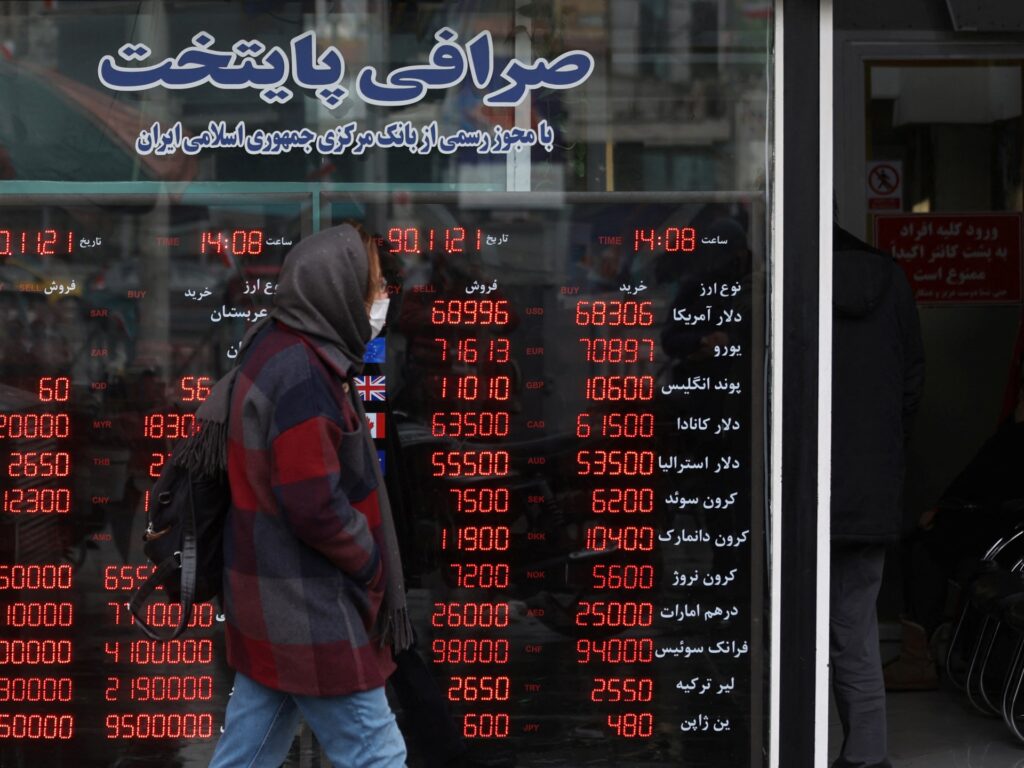
As traders opened on Saturday, the exchange rate fell to 1,043,000 rials to the dollar. Iran’s rial currency has hit a record low against the US dollar amid growing tensions between Tehran and Washington over Iran’s nuclear programme. The exchange rate had plunged to more than 1 million rials during festivities for Persian New Year, Nowruz, as currency shops closed and only informal trading took place on the streets, creating additional pressure on the market. As traders resumed work Saturday, the rate fell even further to 1,043,000 to the dollar. Some traders in Tehran even switched off electronic signs showing the going rate as uncertainty loomed over how much further the rial could drop. Iran’s economy has been severely affected by international sanctions, particularly after President Donald Trump unilaterally withdrew the US from Tehran’s nuclear deal with world powers in 2018. After Trump returned to the White House for his second term in January, he restarted his so-called “maximum pressure” campaign targeting Tehran with sanctions and again went after firms trading Iranian crude oil, including those selling at a discount in China. Advertisement Trump wrote to Iran’s Supreme Leader Ayatollah Ali Khamenei trying to jumpstart direct talks between Tehran and Washington. So far, Iran has maintained it is willing to hold indirect talks. Iranian President Masoud Pezeshkian on Saturday said his country was willing to engage in dialogue with the US as equals, without clarifying whether Tehran would participate in direct talks. “Today, America is not only humiliating Iran, but also the world,” Pezeshkian added, in an apparent reference to recent policies adopted by Trump, including imposing tariffs on imported goods. “If you want negotiations, then what is the point of threatening?” he said. Western countries, led by the US, have for decades accused Tehran of seeking nuclear weapons. Iran rejects these allegations and maintains that its nuclear activities exist solely for civilian purposes. In 2015, the country reached a landmark deal with the permanent members of the UN Security Council, namely the US, France, China, Russia, and the United Kingdom, as well as Germany, to regulate its nuclear activities. In 2018, during Trump’s first term in office, Washington withdrew from the agreement and reinstated sanctions. In response, Iran rolled back on its commitments under the agreement and accelerated its nuclear programme. On Monday, Ali Larijani, a close adviser to the supreme leader, warned that while Iran was not seeking nuclear weapons, it would “have no choice but to do so” in the event of an attack against the country. Advertisement Adblock test (Why?)
Trump’s 10 percent tariff takes effect, raising fears of global trade war
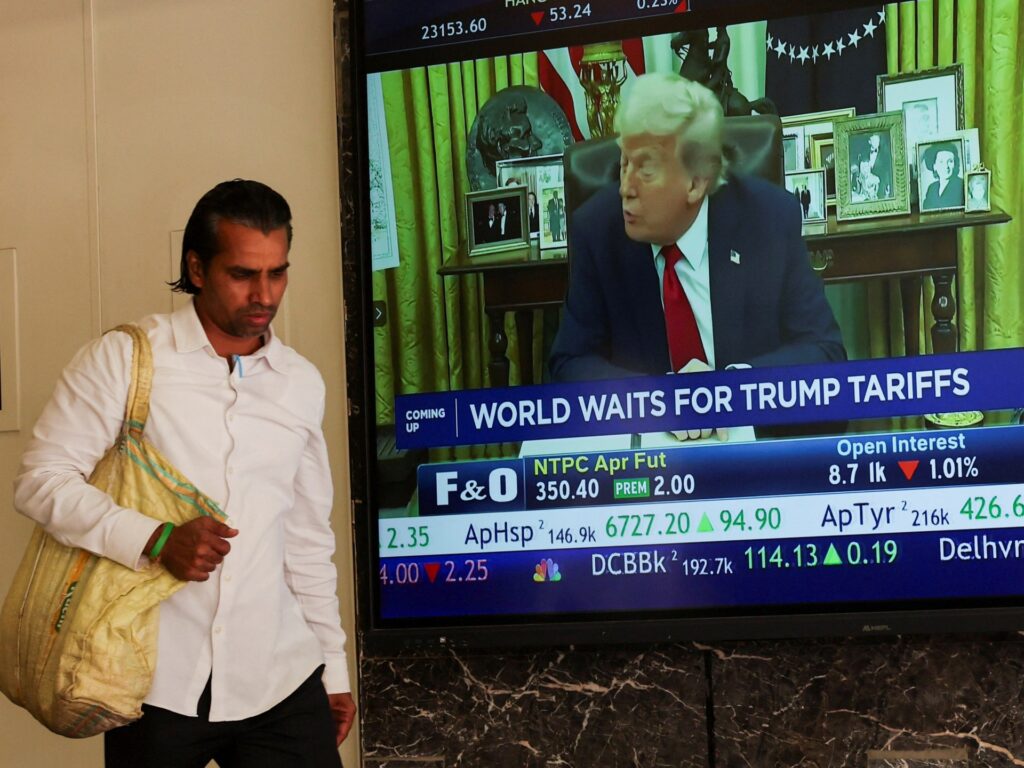
US President Donald Trump’s widest-ranging tariffs to date have come into effect – a move that may trigger retaliation and escalate trade tensions, upsetting the global economy. The initial 10 percent “baseline” tariff took effect at United States seaports, airports and customs warehouses at 12:01am ET (04:01am GMT) on Saturday, ushering in Trump’s full rejection of the post-World War II system of mutually agreed tariff rates. Among countries first hit with the 10 percent tariff are Australia, Britain, Colombia, Argentina, Egypt and Saudi Arabia. The trade gaps, said the White House, were driven by an “absence of reciprocity” in relationships and other policies like “exorbitant value-added taxes.” A US Customs and Border Protection bulletin to shippers indicates no grace period for cargoes on the water at midnight on Saturday. But a US Customs and Border Protection bulletin did provide a 51-day grace period for cargoes loaded onto vessels or planes and in transit to the US before 12:01am ET on Saturday. These cargoes need to arrive by 12:01 am ET (4:01am GMT) on May 27 to avoid the 10 percent duty. Advertisement Moreover, on April 9, Trump’s higher “reciprocal” tariff rates of 11 percent to 50 percent are due to take effect. European Union imports will be hit with a 20 percent tariff, while Chinese goods will be hit with a 34 percent tariff, bringing Trump’s total new levies on China to 54 percent. Vietnam, which benefitted from the shift of US supply chains away from China after Trump’s first-term trade war with Beijing, will be hit with a 46 percent tariff. The country, however, agreed on Friday to discuss a deal with Trump. Canada and Mexico are both exempt from Trump’s latest duties because they are still subject to a 25 percent tariff related to the US fentanyl crisis for goods that do not comply with the US-Mexico-Canada rules of origin. ‘Pretty seismic’ Michael Strain, director of Economic Policy Studies at the American Enterprise Institute, told Al Jazeera that the US tariffs have been greeted quite poorly by the investors. “This would have a really bad effect on the economic outcome of workers and households and businesses,” he said, adding that the move “would constitute a tax increase of 400-500 billion dollars this year on American households and on businesses”. “The combination of big increase in taxes and the tariffs would increase the prices of these imported goods that households face [and] would mean that households would very likely see negative income growth… That alone would risk a recession in the US,” he said. On Friday, China announced that it will impose its own 34 percent tariff on US products from April 10. Beijing also said it would sue the US at the World Trade Organization (WTO) and restrict exports of rare earth elements used in high-end medical and electronics technology. Advertisement Trump warned on Friday on social media that “China played it wrong,” saying this was something “they cannot afford to do”. Other major trading partners have held back as they continue to digest the unfolding international standoff and fears of a recession. Trump’s Wednesday tariff announcement shook global stock markets to their core, wiping out $5 trillion in stock market value for S&P 500 companies by Friday’s close, a record two-day decline. Prices for oil and commodities plunged, while investors fled to the safety of government bonds. Economists have also warned that the tariffs could dampen growth and fuel inflation. Kelly Ann Shaw, a trade lawyer at Hogan Lovells and former White House trade adviser during Trump’s first term told a Brookings Institution event on Thursday that she expected the tariffs to evolve over time as countries seek to negotiate lower rates. “This is the single biggest trade action of our lifetime,” she said. “But this is huge. This is a pretty seismic and significant shift in the way that we trade with every country on earth.” Trump said on his Truth Social platform that his “policies will never change”. However, his latest tariffs have notable exclusions. They do not stack on recently imposed 25 percent tariffs hitting imports of steel, aluminium and automobiles. Also temporarily spared are copper, pharmaceuticals, semiconductors and lumber, alongside “certain critical minerals” and energy products, the White House said. But Trump has ordered investigations into copper and lumber, which could lead to further duties soon. Advertisement He has threatened to hit other industries like pharmaceuticals and semiconductors as well, meaning any reprieve might be limited. Adblock test (Why?)
Russia-Ukraine war: List of key events, day 1,136
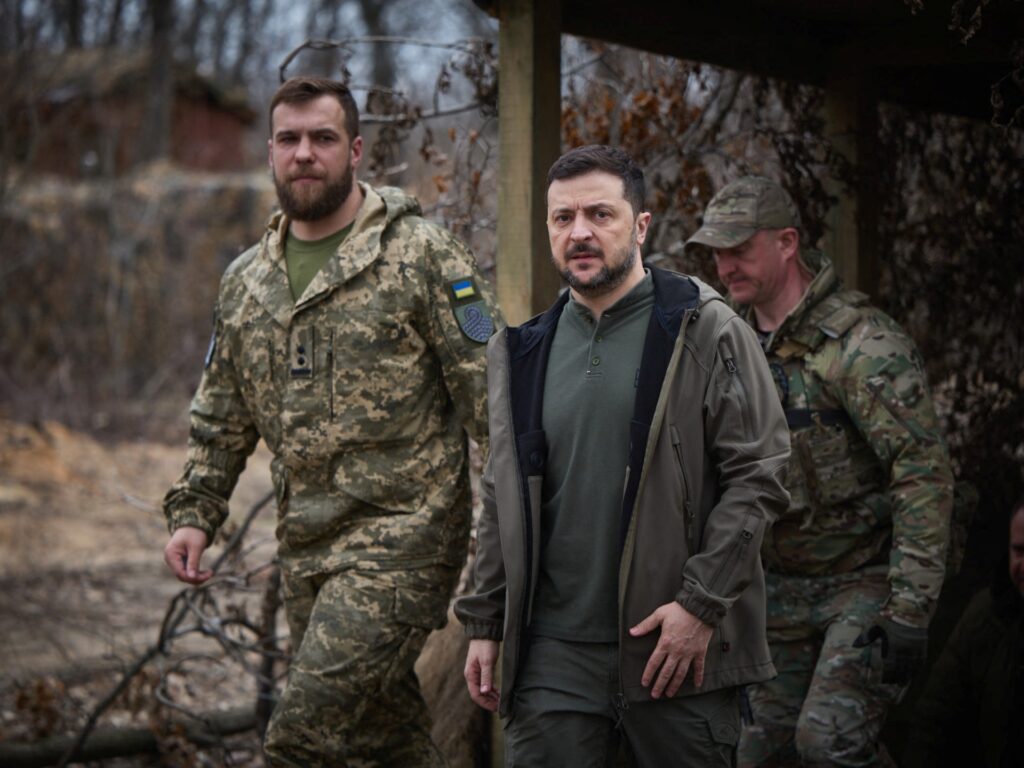
These are the key events on day 1,136 of Russia’s war on Ukraine. These are the key events from Saturday, April 5: Fighting A Russian missile attack has killed at least 18 people, including nine children, in a residential area of the Ukrainian city of Kryvyi Rih, local officials said, but Russia’s Ministry of Defence said it targeted a military gathering there. Ukrainian President Volodymyr Zelenskyy says European military planners could be ready within a month with details of a foreign troop contingent in Ukraine seen as critical to ending the war with Russia. Russia launched a drone attack at a thermal power plant in Ukraine’s city of Kherson, accusing Moscow of violating a United States-brokered energy ceasefire. Russia claimed its forces captured two more villages in Ukraine’s eastern Donetsk region in the past 24 hours. According to a statement from the Russian Defence Ministry, Russian forces now control the settlements of Panteleimonivka and Rozivka in Donetsk. Ukraine said an official in the central city of Dnipro died in hospital after a blast rocked his car. Russian commander Apti Alaudinov was quoted by the state RIA news agency as saying the situation in Russia’s Belgorod region is “under control” after the Ukrainian army tried to break through the border. Germany has been paying for Ukraine’s access to a satellite internet network operated by France’s Eutelsat, as Europe seeks alternatives to Elon Musk’s Starlink. Advertisement Ceasefire Zelenskyy said the deadly strike on his home city of Kryvyi Rih showed that Russia did not want a ceasefire. The Kremlin said Russian President Vladimir Putin and United States President Donald Trump had no plans to talk after a visit to Washington by Putin’s investment envoy. US Secretary of State Marco Rubio said “there is a lot that has to happen” in the coming weeks to reach a ceasefire in Ukraine and that negotiations will not continue forever. NATO Secretary General Mark Rutte said the ball regarding a Ukraine ceasefire is in the Russian court, after meeting with NATO foreign ministers in Brussels. The United Kingdom and French foreign ministers accused Putin of dragging his feet in ceasefire talks and demanded a swift response from Russia after weeks of US efforts to secure a truce. Turkish Foreign Minister Hakan Fidan told Reuters news agency any potential peace agreement between Ukraine and Russia would be “difficult to digest” but would still be better than the alternative of more death and destruction. Politics and diplomacy European NATO allies and Canada said they are willing to ramp up defence spending but are cool on American demands for the size of their military budgets. US allies have spent billions of dollars more on defence but almost a third still don’t meet NATO’s target of at least 2 percent of their gross domestic product. The Ukrainian team will head to the US in the near future for discussions on a new framework on the minerals deal, public broadcaster Suspilne reported, citing Foreign Minister Andrii Sybiha. A former Russian defence official was convicted of taking bribes and sentenced to seven years in a penal colony, as Putin continues a drive to punish corruption in the armed forces, leading to a rash of prosecutions. The EU proclaimed a “new era” in ties with Central Asia at a major summit in Uzbekistan, as Russia’s invasion of Ukraine accelerates the region’s drift from Moscow’s orbit and Brussels presses its influence in the region in the face of Russian and Chinese competition. NATO members Poland, Finland and all three Baltic states have queued up over the past few weeks to withdraw from the Ottawa Convention banning antipersonnel landmines, in the face of what they say are growing military threats from Russia. The Vatican’s Foreign Minister Archbishop Paul Gallagher held a phone call on Friday with Russian counterpart Sergey Lavrov to discuss the war in Ukraine and plans to stop the fighting. Germany said it would buy explosive drones for the first time as Berlin boosts investments in its armed forces to counter the threat from Russia. Advertisement Adblock test (Why?)
India’s Modi visits Sri Lanka to shore up defence and energy ties
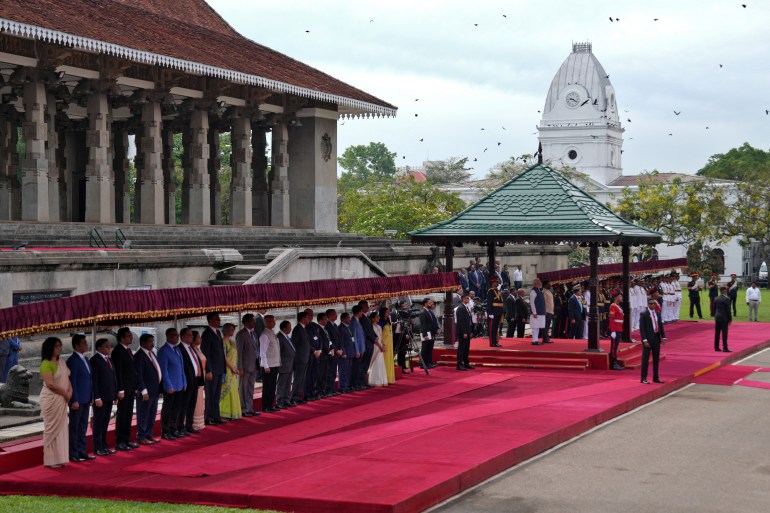
The Indian leader is the first foreign dignitary to visit the island nation since the leftist Dissanayake swept elections last year. Indian Prime Minister Narendra Modi is in Sri Lanka to strengthen historical defence and energy ties as Colombo balances ties with its powerful neighbour and biggest lender, China. Sri Lankan President Anura Kumara Dissanayake rolled out the red carpet for Modi and welcomed him with a 19-gun salute in the capital’s Independence Square on Saturday. The Indian leader is the first foreign dignitary to visit the island since the leftist Dissanayake swept elections last year. Modi was also conferred with Mithra Vibhushan, Sri Lanka’s highest civilian honour, by Dissanayake. The Indian leader thanked the Sri Lankan president and said the honour was “not just mine but it belongs to the 140 crore [1.4 billion] people of India.” Modi and Dissanayake listen to the national anthems of their countries during a ceremony at Colombo’s Independence Square, April 5, 2025 [Thilina Kaluthotage/Reuters] “We believe that our security interests are aligned,” Modi said during a televised ceremony from Dissanayake’s office in Colombo. “Our security is interdependent and interconnected.” Advertisement The two nations signed a five-year defence cooperation agreement for the training of Sri Lankan military personnel in India as well as information and technology sharing. Dissanayake applauded what he called “India’s rise as a world power, not just a regional power”. “I have reiterated our position to Prime Minister Modi that Sri Lankan territory will not be allowed to be used by anyone to undermine India’s security,” he added. India has previously objected to Chinese submarines and research vessels which have called at the main seaport in Colombo. Sri Lanka has not allowed Chinese submarines to dock since 2014, after India raised concerns over two such visits. Last year, Colombo imposed a ban on foreign research vessels following New Delhi’s accusations that Chinese ships were being used to spy on India. But the visit’s highlight was the launch of a 120-megawatt solar power plant in Sampur in the island’s northeastern Trincomalee district. The plant had been stalled for years but was reinvigorated with New Delhi’s backing as a joint project. Reporting from Colombo, Al Jazeera’s Minelle Fernandez said Dissanayake was also expected to discuss the issue of fishermen from the southern Indian state of Tamil Nadu allegedly encroaching into Sri Lankan territorial waters. “Hundreds of Indian trawlers are carrying away fish using a mechanised system called bottom trawling, which is also destroying the environment,” she said. Balancing act Modi’s visit came as Colombo grapples with the competing interests of New Delhi and Beijing. Advertisement India has been concerned about China’s growing sway in Sri Lanka, which it considers to be within its sphere of geopolitical influence. Dissanayake’s first foreign visit as president was to New Delhi in December, but he followed that with a visit to Beijing in January, underscoring Sri Lanka’s delicate balancing act. China has emerged as Sri Lanka’s largest single bilateral creditor, accounting for more than half of its $14bn bilateral debt at the time the island defaulted on its sovereign debt in 2022. Beijing was the first to restructure its loans to Sri Lanka, a move that cleared the way for the island to emerge from that year’s worst-ever economic meltdown. Colombo also signed an agreement in January with a Chinese state-owned company that will invest $3.7bn in an oil refinery in the island’s south. It would be Sri Lanka’s largest single foreign investment and is seen as crucial for the island’s economy. Modi arrived in Sri Lanka late on Friday from a summit in Thailand and a string of meetings with leaders of regional nations as he sought to shore up India’s relations with neighbours. On the sidelines of the Bangkok BIMSTEC meeting – the grouping of the seven nations on the Bay of Bengal – Modi held a rare face-to-face meeting with Myanmar’s military government chief Min Aung Hlaing. Modi also held talks with Muhammad Yunus, the interim leader of neighbouring Bangladesh – the first such meeting since a revolution in Dhaka removed New Delhi’s long-term ally Sheikh Hasina. Advertisement India was the biggest benefactor of Hasina’s government and her overthrow sent cross-border relations into a tailspin, culminating in Yunus choosing to make his first state visit last month to China. Modi also met on Friday in Bangkok with his Nepali counterpart KP Sharma Oli, the first since Kathmandu’s leader returned to power last year, as well as Tshering Tobgay of Bhutan. Adblock test (Why?)
Ukraine says children among 14 killed in Russian attack on Kryvyi Rih
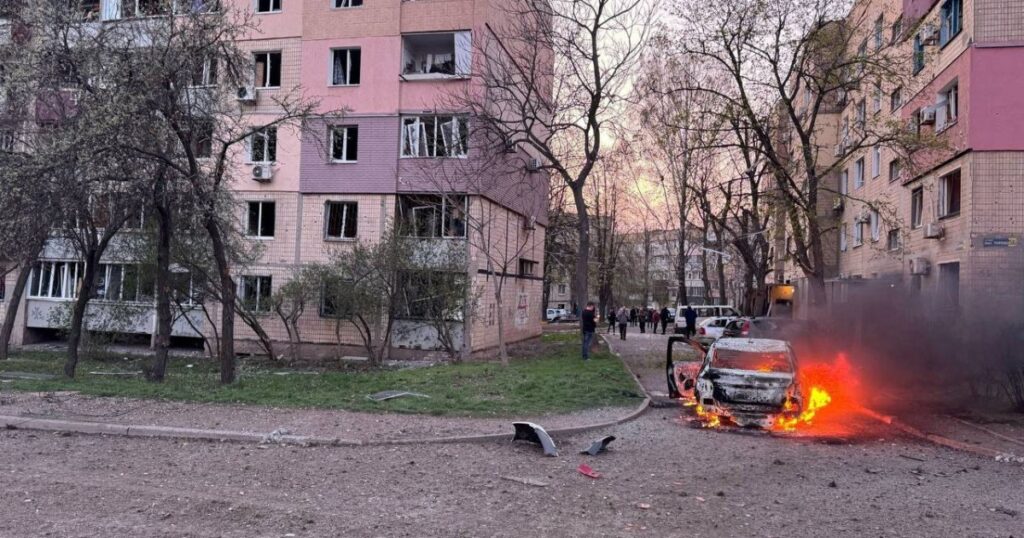
At least 50 people have been wounded in ballistic missile attack on residential area, local authorities say. At least 14 people, including six children, have been killed in a Russian missile attack on a residential area of the central Ukrainian city of Kryvyi Rih, according to President Volodymyr Zelenskyy, making it one of Moscow’s deadliest strikes this year. Friday’s attack on Zelenskyy’s hometown, which comes as United States President Donald Trump is pushing for a ceasefire in the war, damaged residential blocks and caused fires, Dnipropetrovsk Governor Serhiy Lysak wrote on the Telegram messaging app. The dead and wounded could be seen lying on the pavement, one of them by a playground, in unverified videos circulating on Telegram as grey smoke rose into the sky. At least 50 people were wounded, the emergency services said, adding that the figure was growing. More than 30 people, including a three-month-old baby, were admitted to hospital, Lysak said. Russian forces used a ballistic missile for the strike, according to human rights ombudsman Dmytro Lubinets. Such weapons take just minutes to reach their targets and are difficult to shoot down for all but high-end air defences. Advertisement “Not a single military facility – just civilian infrastructure,” Lubinets wrote on Telegram. Russia’s Defence Ministry said it had launched a missile at a gathering of Ukrainian servicemen and foreign instructors in the city. “As a result of the strike, enemy losses total up to 85 servicemen and officers of foreign countries, as well as up to 20 vehicles,” the ministry said on Telegram. Zelenskyy said on Friday that the rescue effort was under way and called on the West to exert greater pressure on Moscow. “The whole world sees it. Each missile, every attack drone proves that Russia seeks only war,” he wrote on Telegram. Earlier, Russia launched a barrage of drones in an overnight attack, killing at least four people and injuring 35 in the northeastern city of Kharkiv, regional officials said. In the fourth such strike on the city so far this week, Russian drones hit residential quarters, damaging several multistorey apartment blocks and causing multiple fires. Zelenskyy also said Russia had launched a drone attack at a thermal power plant in the southern city of Kherson, accusing Moscow of violating a US-brokered moratorium on attacks on energy infrastructure. Later on Friday, Russian drones staged another “massive” attack on Kryvyi Rih, local officials aid, adding that the strikes caused fire at four different areas in the city. The United States said last week that it had agreed with Russia and Ukraine that they would cease strikes on each other’s energy infrastructure, the first such step since Trump took office in January. Advertisement Both sides have since accused each other of flouting the agreement. Kyiv said it had earlier agreed to a US proposal for a full, unconditional 30-day ceasefire, but Russia rejected such a step in separate talks with US officials. Adblock test (Why?)
Barcelona vs Real Betis: LaLiga – team news, kickoff, how to follow, stream
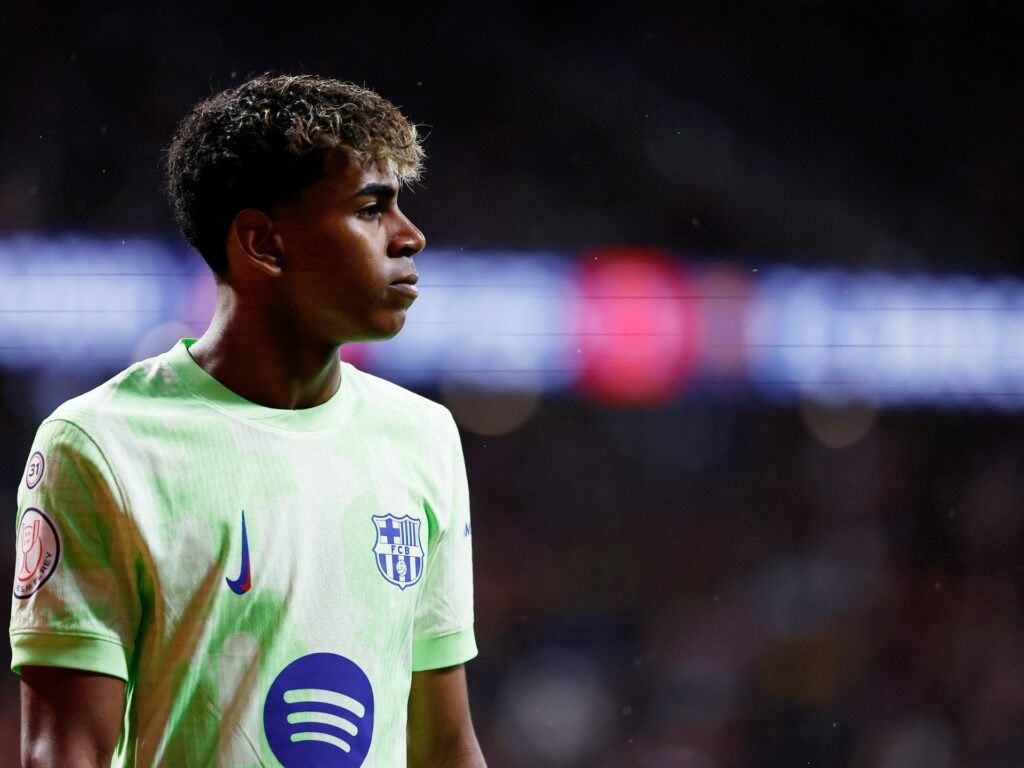
Al Jazeera’s preview as Barcelona attempt to move six points clear in LaLiga when they face Real Betis on Saturday. Who: Barcelona vs Real BetisWhat: Spanish LaLigaWhere: Estadi Olimpic Lluis Companys, Barcelona, SpainWhen: Saturday at 8pm (18:00 GMT) Follow Al Jazeera Sport‘s live text and photo commentary stream. LaLiga leaders Barcelona’s 21-game unbeaten run will face a test on Saturday when they host Real Betis – a side who have already stunned the Catalans’ Madrid title rivals Real and Atletico. Al Jazeera takes a look at a match that could upset Barca’s form book. How are Barcelona and Real Madrid faring? Barca are top on 66 points, three ahead of Real Madrid and nine clear of Atletico. Real and Barca are both chasing three trophies but the pacesetters are favourites to win LaLiga as the only team in Europe’s top-five leagues yet to lose in 2025. Why do people think Betis can upset Barca? Barca’s next opponents Betis are on a six-game LaLiga winning streak and have been the surprise package this term. They denied Real Madrid a chance to go top with a 2-1 win in March after ending Atletico’s 10-game unbeaten run in October. Advertisement Barcelona were held 2-2 at Betis in the reverse fixture in December but thrashed Manuel Pellegrini’s side 5-1 to knock them out of the Copa del Rey in January. Sixth-placed Betis are level on 47 points with Villarreal in fifth and trail fourth-placed Athletic Bilbao by six as they push for a European spot while also bidding to win the Conference League. Hansi Flick when asked about the treble ☘ pic.twitter.com/qHPNS6s7Ou — FC Barcelona (@FCBarcelona) April 3, 2025 What do Barcelona say before Betis test? “We are not unbeatable because we have lost some matches (before),” Barcelona midfielder Pedri said. “There are things to improve, and we must be self-critical. But we are in great form and full of confidence. “I think high pressing is something that defines us. That forward line, the intensity we play with, staying calm on the ball … The attackers make the difference, and it shows.” What are Barca’s treble chances? Barcelona’s attacking prowess stands out as they top LaLiga’s scoring chart with 82 goals – 20 more than Real Madrid. If Barca are to claim a treble – in boss Hansi Flick’s debut season – they will likely need to beat Madrid at least twice, in the Copa del Rey final on April 26 and in LaLiga in May. There is also the potential of a “Clasico” in the Champions League final. Real have failed to beat their rivals in LaLiga so far this season, drawing both of their fixtures with Atleti and suffering a 4-0 humiliation at home to Barca. They had to go through the playoffs to reach the Champions League knockout rounds. 🔥 @lewy_official is the first #LALIGAEASPORTS player to score 25 goals in the first 28 games of a season since Lionel messi for @fcbarcelona in 2018/19 campaign (29 goals). pic.twitter.com/dYXwP3uIiy — LALIGA English (@LaLigaEN) April 4, 2025 Advertisement Flick plays down Barca’s treble chances “I know everyone wants us to talk about the final, it’s a ‘Clasico’, I get that, but I don’t live in the past or in the future and our focus should be Betis, who are our next opponents in LaLiga,” Flick told a news conference. “Yes, we are in a great moment but I’ve been in this business enough time to know how everything can change in a heartbeat, so we need to keep focused. “Dreaming is allowed but first we need to work really hard and stay focused so we can keep that dream alive.” Who are Real Madrid and Atletico playing? With nine league games remaining, second-placed Real will look to keep pace on Saturday when they host 15th-placed Valencia, who sit four points above the drop zone. Third-placed Atletico will try to rediscover their early-season form when they visit mid-table Sevilla on Sunday. Atletico’s Champions League exit to Real Madrid was followed this week by defeat in the Copa del Rey by Barcelona as Diego Simeone’s side’s winless run stretched to three matches, with fans fearing a fourth straight season without a trophy. Barcelona team news Lamine Yamal faces a late fitness test due to a cut suffered to his foot in the win against Girona. Dani Olmo, Marc Casado, Andreas Christensen, Marc Bernal and Marc-Andre ter Stegen all remain absent due to injuries. Real Betis team news Isco is suspended due to his accumulation of yellow cards this season. Marc Roca is set to miss out once more due to a foot injury. Adblock test (Why?)
Trump again extends deadline for TikTok sale to avoid US ban

President Donald Trump pauses enforcement of law requiring Bytedance to divest from TikTok or face ban in the US. United States President Donald Trump has again extended a deadline for owners of the popular video app TikTok to sell to non-Chinese buyers or be banned in the US. The executive order announced on Friday would extend the deadline by 75 days. Trump had previously extended a January deadline set out in the law passed by the US Congress last year. “My Administration has been working very hard on a Deal to SAVE TIKTOK, and we have made tremendous progress,” Trump posted on the Truth Social network, which he owns. He added “the deal requires more work to ensure all necessary approvals are signed.” “We look forward to working with TikTok and China to close the Deal,” Trump said. The 2024 law, passed with bipartisan support, had mandated that the platform be divested from Chinese technology company ByteDance or barred in the US, citing data harvesting and national security concerns. Earlier this year, the US Supreme Court ruled that the national security concerns outweighed freedom of speech concerns and allowed the law to stand. Advertisement But on his first day in office, Trump signed an executive order pausing the ban. The order said the delay would allow the Trump administration “the opportunity to determine the appropriate course forward in an orderly way that protects national security while avoiding an abrupt shutdown of a communications platform used by millions of Americans”. The Trump administration has since received an array of offers from US businesses seeking to buy the platform, but ByteDance has so far publicly insisted it has no plans to sell the app. The Reuters news agency has reported the administration is coalescing around a plan for the largest non-Chinese investors in ByteDance to increase their stakes and acquire the app’s US operations. That would entail creating a new US entity for TikTok and diluting Chinese ownership to below the 20 percent threshold required by US law, according to the report. For its part, TikTok, which has headquarters in Singapore and Los Angeles, has said it prioritises user safety, and China’s Ministry of Foreign Affairs has said China’s government has never and will not ask companies to “collect or provide data, information or intelligence” held in foreign countries. In response to Trump’s announcement, ByteDance confirmed it was in talks with the US government, but warned that there remained “key matters” to solve. “An agreement has not been executed,” the company said. Trump has also floated reducing tariffs on China, which will reach 54 percent on April 10, following Wednesday’s reciprocal tariff announcement, to push through a deal with ByteDance. Advertisement TikTok is not owned by China’s government and its leaders have denied influence, although critics have pointed to Beijing’s increased controls on the country’s tech industry. About half of the US population uses TikTok, making it one of the most popular social media platforms in the country. Adblock test (Why?)