

Uruguay squad lands in US after flight delay ahead of World Cup opener

Uruguay will reportedly arrive in the US less than 24 hours before the kickoff time for their game against Saudi Arabia. Published On 15 Jun 202615 Jun 2026 Uruguay’s national team have arrived in Miami after enduring a travel ordeal ahead of their opening World Cup match in the United States. The squad and support staff landed in Miami on Sunday, less than 24 hours before kickoff in their Group H match against Saudi Arabia. Recommended Stories list of 4 itemsend of list Uruguay pinned the blame for their troubles flying from Mexico to the US on FIFA. They also reportedly faced the threat of sanction if their head coach and captain could not make it to a mandatory news conference on the eve of the match. The original flight was reportedly not allowed to depart due to administrative issues, including some missing paperwork, and officials had to scramble to line up a new flight. FIFA is in charge of all travel related to the 48-team World Cup. Uruguay are training in Playa del Carmen, Mexico, and held a practice there on Sunday. When the traveling delegation reached the airport in Cancun, approximately 72km (45 miles) away, they learned that the group was not authorised to enter the US. The Uruguay Football Association (AUF) said that a second plane from South Florida was en route to pick up the squad, while the players waited at a resort outside Cancun until its arrival. “Due to problems beyond the control of the AUF, the departure from Mexico has been delayed,” the association said in a statement. “The squad is resting at the hotel. The new departure time set by FIFA is 4:15pm [21:15 GMT].” FIFA later released a statement, saying: “Due to an airline permitting error in Mexico, the Uruguay national team’s departure from Cancun to Miami was delayed. Advertisement “The airline has apologised for the inconvenience caused. FIFA remained in close contact with the Uruguay national team throughout their delay and worked alongside airport and operational partners to help expedite the process and minimize disruption to the team’s travel arrangements.” Uruguay coach Marcelo Bielsa and team captain Jose Maria Gimenez missed Sunday’s originally scheduled news conference in South Florida due to the issue. The news conference was pushed back to 8pm Eastern Time (00:00 GMT), and the coach and captain were in attendance. “The trip went well; we made the most of it and saw it in a positive light,” Gimenez said in Spanish. “We took the chance to rest at the hotel [in Cancun].” Bielsa was asked what sort of disruption the flight snafu caused his team. “No, the flight doesn’t cause any complications,” Bielsa said, before changing the subject to his team’s preparation in both the Uruguayan capital of Montevideo and Mexico’s Playa del Carmen. “In Montevideo, the players had constant obligations, but they also had family time, which I felt was necessary.” Uruguay and Saudi Arabia will play their first match of Group H at Miami Gardens at 6pm (22:00 GMT), giving them less than 24 hours to settle in before kickoff. The other members of the group, Spain and Cape Verde, will play in Atlanta on Monday. Uruguay were the latest to face travel issues at the World Cup. Top Somali referee Omar Artan was denied entry into the US this week after he was “determined to be inadmissible due to vetting concerns”. Meanwhile, the Iranian team were granted US visas just 10 days before their first match in Los Angeles. And Iraqi striker Aymen Hussein was interrogated for hours at Chicago’s airport before eventually being allowed entry. The team’s photographer, however, was denied. Adblock test (Why?)
Lebanese remain sceptical despite US-Iran ceasefire announcement
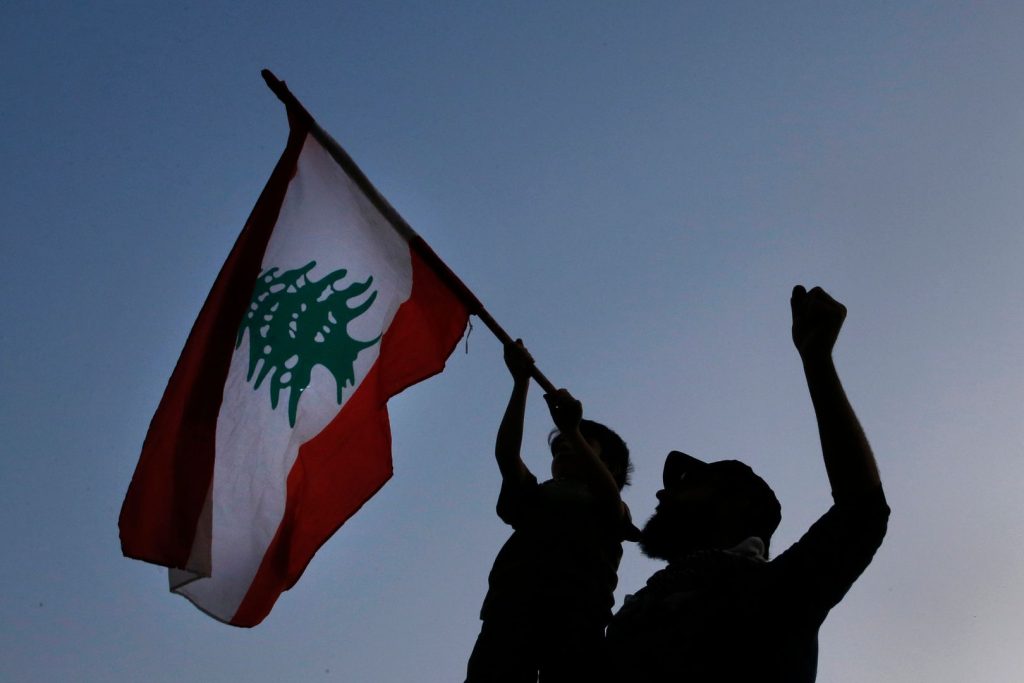
NewsFeed The US-Iran ceasefire announcement has raised hopes in Lebanon, after Pakistani mediators claimed it included an end to Israel’s war on the country. But as Al Jazeera’s Heidi Pett explains, we’ve been here before. Published On 15 Jun 202615 Jun 2026 Click here to share on social media share-nodes Share googleAdd Al Jazeera on Googleinfo Adblock test (Why?)
Trump condemns Israel attack on Beirut, says Iran deal still close
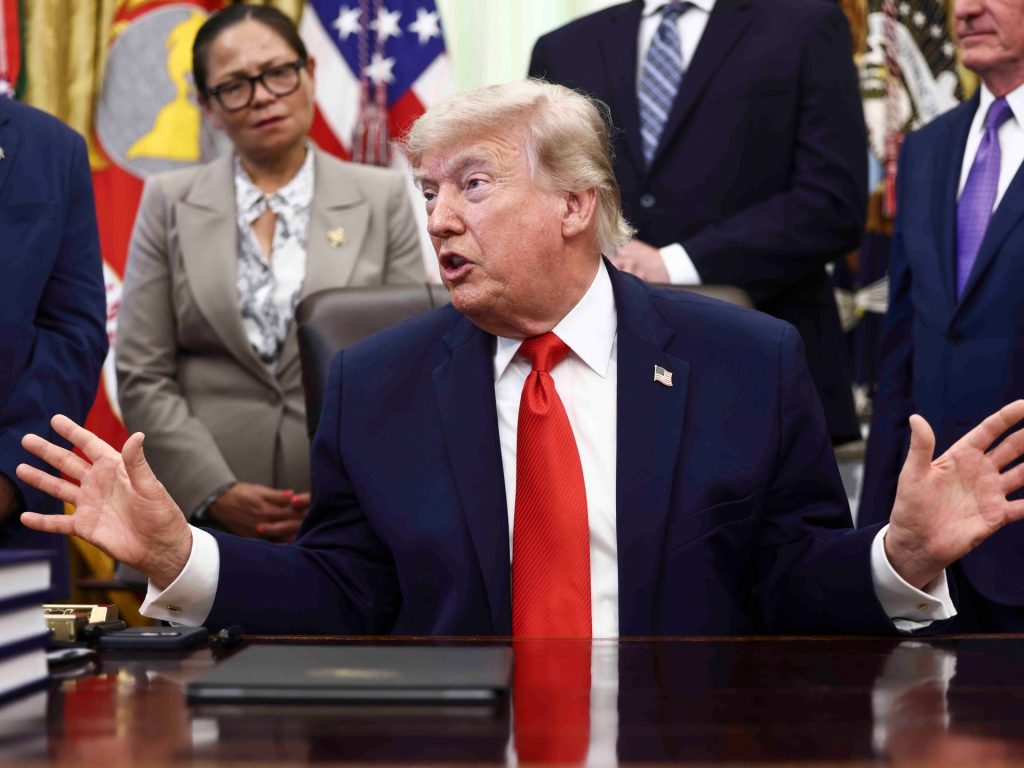
United States President Donald Trump has criticised Israel for launching an attack on Lebanon’s capital, Beirut, on the day he has said a deal to end the US-Israel war with Iran could be signed. In a post on Truth Social on Sunday, Trump said the Israeli attack on Beirut “should not have happened, particularly on a special day when we are so close to a Peace Deal with Iran”. Recommended Stories list of 3 itemsend of list “We are very close to a Deal that will bring peace to the region, including to Lebanon, and all sides should stand down,” he said. “There should be no more attacks by Israel anywhere in Lebanon, but there should also be no more attacks by any other party, including Hezbollah, against Israel,” he said. “This could be the beginning of a long and beautiful peace — Let’s not blow it!” The statement came shortly after Iran’s top negotiator and parliament speaker, Mohammad Bagher Ghalibaf, said Israel’s attacks had again drawn US trust into question. The US and Israel twice launched attacks against Iran – sparking the 12-day war in 2025 and the current war on February 28 – amid ongoing indirect talks over Iran’s nuclear programme. In a post on X, Ghalibaf said the US “either lacks the will to fulfil its commitments or the ability to do so”. “If you lack the will and ability to fulfil your commitments, speaking of continuing the path is not possible,” he added. Authorities have said at least three people have been killed in the Israeli strikes on the Dahiyeh area of Beirut. Israeli Prime Minister Benjamin Netanyahu had said the military launched the strikes in response to Hezbollah firing projectiles towards northern Israel. Advertisement In his post on Truth Social, Trump questioned the justification. “Israel has the right to defend itself against threats, but the attack it was responding to was very small and meaningless, nobody was hurt, injured, or killed, and should not disrupt this important process,” he said. US says signing close Trump on Saturday said that a deal with Iran was “scheduled” to be signed on Sunday, with top mediator Pakistan indicating the signing would be digital. But Iranian officials have offered a slightly different timeline, with Esmaeil Baghaei, a spokesperson for Iran’s Ministry of Foreign Affairs, saying on Saturday that the signing could take days. Still, both sides have broadly indicated that a signing of a memorandum of understanding to end fighting on all fronts, including in Lebanon, was closer than ever. While no official terms of that initial agreement have been released, both sides have indicated that the Strait of Hormuz would be open, the US naval blockade lifted, and fighting would be immediately halted. Questions over the deeply entrenched issues of the future of Iran’s nuclear programme, frozen Iranian assets and sanctions relief were expected to be addressed in a 60-day period following the initial signing. Speaking to Al Jazeera, Sami Nader, the director of the Levant Institute for Strategic Affairs, called Israel’s attacks on Sunday a “strategic test” for both sides. Israel has repeatedly pushed for Lebanon to be decoupled from any deal with Iran, he explained. “There is also a domestic intention, given the current upcoming election in Israel. Netanyahu has been criticised that he is not doing enough against Hezbollah, that he is very deferential, lenient to Trump,” Nader said during a television interview. US officials have publicly said that US and Israeli objectives for the war diverge. Obama weighs in While fighting between the US and Iran has been largely paused since April 8, barring a handful of flare-ups, efforts to reach a more lasting ceasefire have remained elusive. Trump has repeatedly vowed to reach a deal more stringent than the Joint Comprehensive Plan of Action (JCPOA) signed in 2015. Under the deal, reached between Iran, the US, the United Kingdom, Russia, Germany, France, China and the European Union, Tehran agreed to limit its nuclear programme and allow for unprecedented inspections in exchange for sanctions relief. Critics said the timelines of the agreement were not strict enough, with Trump unilaterally withdrawing in 2018. Iran has for years denied seeking a nuclear weapon. Speaking during an interview on the ABC News programme “This Week” released on Sunday, former US President Barack Obama said it was unlikely a better deal on Iran’s nuclear programme could be negotiated than the one his administration negotiated. Advertisement “It is doubtful that any agreement that arises is going to be significantly different or a significant improvement from the deal that we had in the first place,” he said. Obama added that the US can not “just bully our way or bomb our way to solutions”. “You’d think we would have learned that lesson by now,” he said. Adblock test (Why?)
UK forces seize suspected Russian oil tanker accused of funding Ukraine war
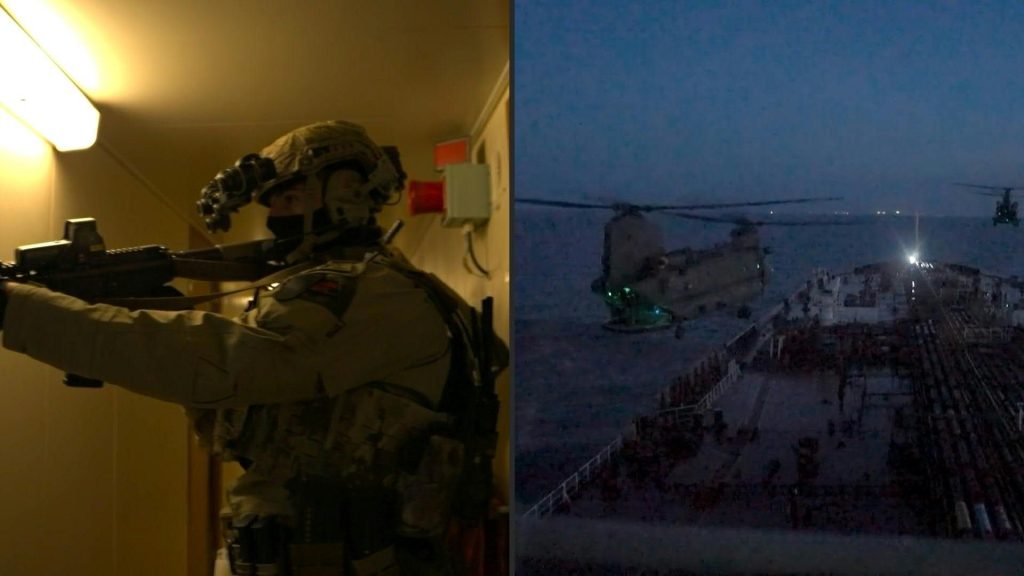
NewsFeed British armed forces intercepted an oil tanker believed to be part of Russia’s sanctioned shadow fleet. The oil tanker ‘SMYRTOS’ was taken in an first-ever operation by the British military in the English Channel. Published On 14 Jun 202614 Jun 2026 Click here to share on social media share-nodes Share googleAdd Al Jazeera on Googleinfo Adblock test (Why?)
Trump makes endorsement in key Georgia Republican US Senate run-off
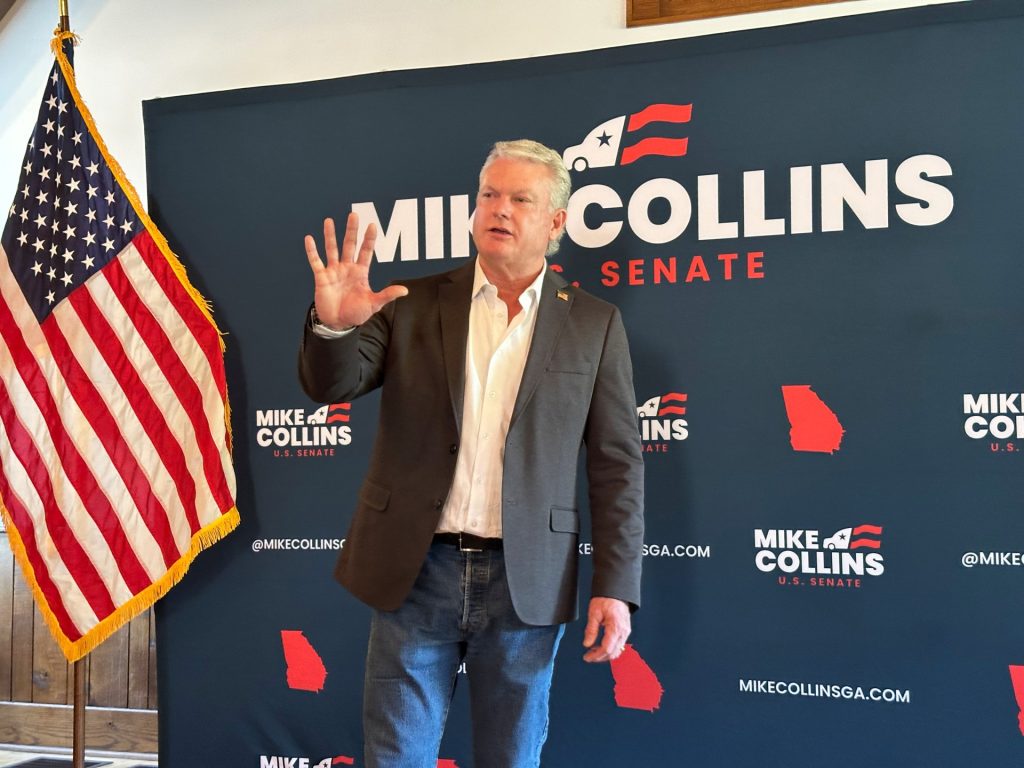
Donald Trump picks Mike Collins over Derek Dooley in race to determine who will face Democrat Jon Ossoff in November midterms. Published On 14 Jun 202614 Jun 2026 United States President Donald Trump has made a late endorsement in a Republican run-off for a key US Senate race in Georgia ahead of the US midterm elections. In a post on his Truth Social account, Trump threw his support behind US Representative Mike Collins over former football coach and political newcomer Derek Dooley. Recommended Stories list of 3 itemsend of list Collins and Dooley will face off in a Republican run-off race on Tuesday to determine who will challenge incumbent Senator Jon Ossoff, a Democrat, in the midterm election in November. In a post on Truth Social, Trump praised Collins for being a staunch supporter of his Make America Great Again (MAGA) movement and a “true friend, fighter, and WARRIOR”. Ossoff entered office in 2021 as part of a blue wave in Georgia that saw the majority of the state vote for former US President Joe Biden, as well as his fellow Democrat, Senator Raphael Warnock. Georgia, which had for decades been dominated by Republicans, swung back towards Trump in the 2024 vote. Defeating Ossoff is seen as one of the Republicans’ best chances at claiming a new seat in the 100-member chamber, where they are hoping to hold on to their slim 53-seat majority. Democrats are hoping to win control of both the House and the Senate in November, which would create a major bulwark against Trump’s agenda during his final two years in office. Republican divides Trump’s endorsement pits Collins against Georgia’s Republican Governor Brian Kemp, who has supported Dooley. Kemp has remained generally supportive of Trump, but has faced off with him on several issues, notably Trump’s evidence-less claims that the 2020 election in Georgia was marred by fraud. Advertisement Dooley has said he did not vote in 2016 or 2020 when Trump was on the ballot, and has maintained that the election results in Georgia were legitimate. Collins carried about 40 percent of the vote during Georgia’s Republican primary on May 19, with Dooley taking about 30 percent. Representative Buddy Carter, who did not advance to the run-off, came in a close third. It remains unclear how big of an impact Trump’s endorsement will have. He made the announcement after early voting had already ended for the run-off. Trump’s endorsements have seen mixed results in the primary season. Trump’s decision to back Texas Attorney General Ken Paxton was seen as aiding in the MAGA loyalist’s defeat of US Senator John Cornyn in Texas’s primary run-off. Cornyn had widely been viewed as the strongest Republican candidate to take on Democratic challenger James Talarico in the general election. In Iowa, Trump’s late endorsement of US Representative Randy Feenstra did not give him the bump needed to defeat fellow Republican Zach Lahn in the gubernatorial primary race. Beyond the run-off in Georgia, Alabama will also hold several primary run-offs on Tuesday. That includes a Republican race for the solidly red seat of US Senator Tommy Tuberville, who is running for governor. Oklahoma and the federal district of Washington, DC, will also hold primary votes. Adblock test (Why?)
From colony to cell: Sexual violence in Israeli prisons

NewsFeed This testimony is part of a wider pattern documented in reports, witness accounts, and research describing sexual abuse in Israeli prisons and beyond. Al Jazeera’s Marah Rayan explains how perpetrators can operate with impunity. Published On 13 Jun 202613 Jun 2026 Click here to share on social media share-nodes Share googleAdd Al Jazeera on Googleinfo Adblock test (Why?)
Workers remove Trump’s name from Kennedy Center after court ruling

Judge says Trump-backed board’s move to add president’s name unlawful, requires Congressional approval. Published On 13 Jun 202613 Jun 2026 Workers have begun removing the name of United States President Donald Trump from the John F Kennedy Center for the Performing Arts in Washington, DC following a court ruling. On Saturday, workers were seen on scaffolding in front of the iconic building, with white awning obscuring the removal process. Recommended Stories list of 3 itemsend of list A day earlier, US District Judge Christopher Cooper rejected a last minute appeal by the center’s Trump-aligned board to block an earlier ruling calling for the president’s name to be removed. On May 29, Cooper ruled that the building had been illegally renamed, noting that only the US Congress has the authority to pass legislation to make such a change. He set a 14-day deadline for the removal. In his decision on Friday, Cooper said that the public interest “is rarely served by the ‘perpetuation’ of ‘unlawful’ governmental action”. The John F Kennedy Memorial Center for the Performing Arts in Washington, DC with work to remove Trump’s name blocked from public view [Ken Cedeno/Reuters] Trump, a real estate and development heir, built his career on the ubiquitous branding of his name, which remains emblazoned across apartment buildings, casinos and golf courses in various parts of the world. He has taken a similar approach to the presidency, renaming the since defunct US Institute of Peace, the Donald J Trump US Institute of Peace. The White House is pushing to put Trump’s image on a $250 bill marking the 250th anniversary of the signing of the US Declaration of Independence. The US State Department has said it will issue special passports with Trump’s image and signature to mark the event. Advertisement Trump has also pursued several controversial construction projects in the US capital, including knocking down the east wing of the White House to build a sprawling ballroom. A legal challenge to the project by the National Trust for Historic Preservation was making its way through the federal courts. Workers prepare to remove the name of US President Donald Trump at the John F Kennedy Center for the Performing Arts in Washington, DC [Matt Kaminsky/EPA] Trump stacked the governing board of the Kennedy Center with loyalists upon taking office. They voted in December to change the name, with ‘Donald J Trump’ added to the building’s facade shortly after. Several artists cancelled performances after the change. Judge Cooper has also temporarily blocked Trump’s plan to close the center for two years for renovations. Trump responded to that ruling by saying he had “no interest in continuing” his involvement with the institution. Adblock test (Why?)
Iranians divided on peace prospects after US-Iran say a deal is near
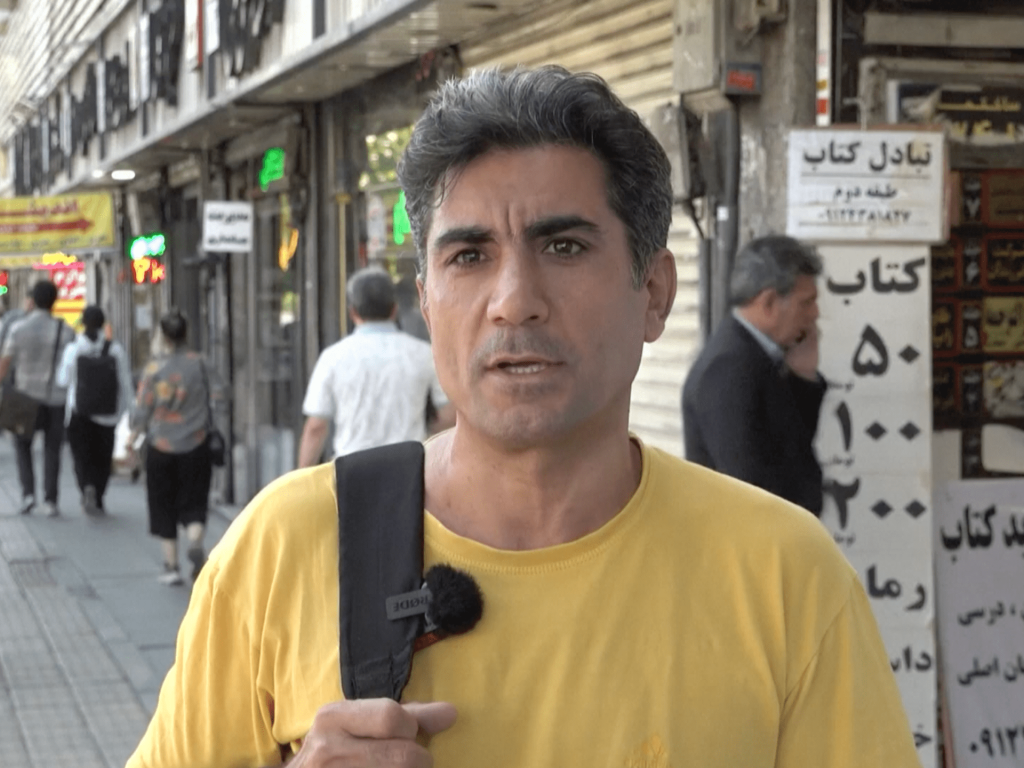
NewsFeed Iranians gave mixed reactions as Iran and the US said they were close to an interim agreement to end the war. Iranian Foreign Minister Abbas Araghchi said a memorandum of understanding “has never been closer”, while Benjamin Netanyahu said Israel would not be party to the deal. Published On 13 Jun 202613 Jun 2026 Click here to share on social media share-nodes Share googleAdd Al Jazeera on Googleinfo Adblock test (Why?)
US to cut air and naval assets deployed for NATO operations in Europe
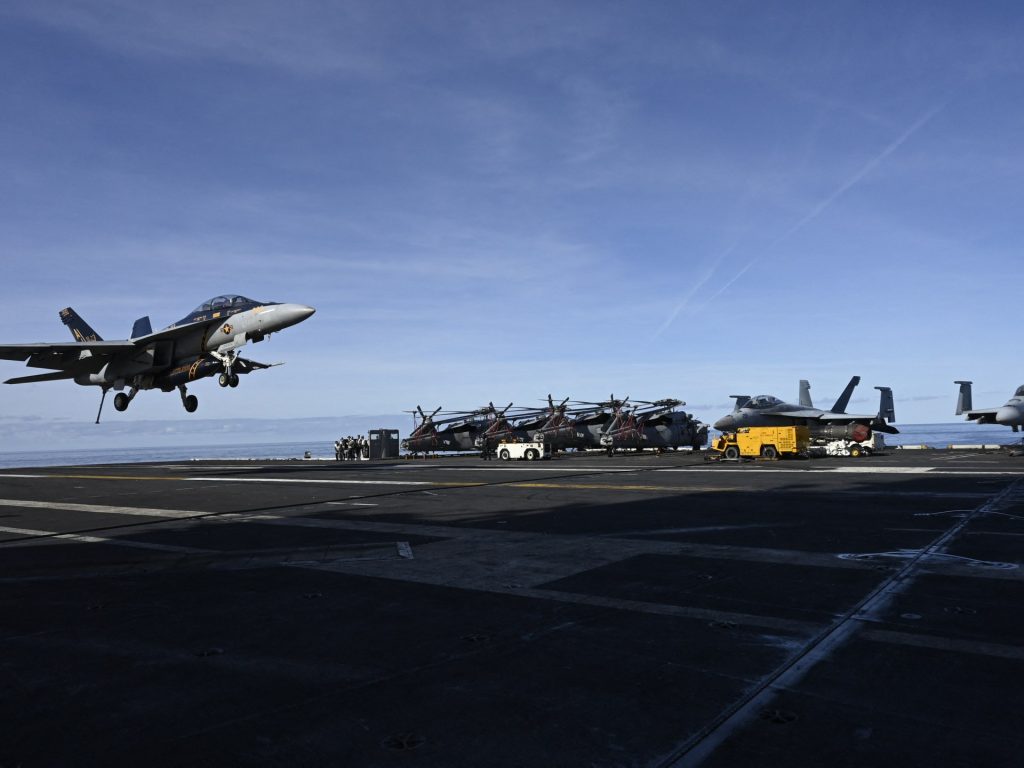
Plans include cutting 50 fighter jets, while restationing aircraft carrier, bomber task force group, reports NY Times. By AFP, Anadolu, Reuters and The Associated Press Published On 12 Jun 202612 Jun 2026 The United States plans to cut air and naval assets designated to NATO operations in Europe, in another hit to confidence concerning Washington’s commitment to the military alliance. European officials on Friday backed up a report in The New York Times that the administration of President Donald Trump is set to sharply reduce the deployment of NATO-assigned fighter jets and maritime reconnaissance aircraft, and relocate a submarine, aircraft carrier and several warships. Recommended Stories list of 3 itemsend of list The plan comes as part of a broader US strategy to draw down its military presence in Europe as it focuses resources on the Middle East, Asia, and the Americas. Major movements of troops along NATO’s eastern flank have been announced, introducing instability to cross-Atlantic security at time when Europe is increasingly focused on potential Russian military threats. NATO officials said on Friday that the alliance is aware of some planned US reductions and sought to frame them positively, insisting the pullback will be good for long-term sustainability. “This change strengthens NATO’s defence plans by reducing over-dependence on one ally and is a reflection of a broader shift happening within the alliance,” NATO spokesperson Allison Hart told the Anadolu news agency. “This is about putting NATO on a more sustainable footing for the decades to come,” Hart added. Alternative defence plans According to the NYT, the US intends to decrease the number of F-16 and F-15E fighter jets allocated to NATO from about 150 to 100, while dropping maritime surveillance aircraft from 26 to 15. Eight aerial refuelling aircraft are also expected to be withdrawn completely. Advertisement The report said one of two bomber task force groups previously assigned to European defence would be redeployed to another region, while a missile-capable submarine and an aircraft carrier would also be stationed elsewhere. The expected cuts – which would affect NATO’s reconnaissance and long-range strike capacity – and further US disengagement have forced NATO to weigh alternative plans for Europe’s defence in the event of a Russian attack. However, Washington’s erratic plans are making it more complicated for the alliance’s European member states to identify priorities. “We need to focus on things that we can acquire quickly, that we can field quickly, and that we can scale rapidly and sustain over time, and that goes for long-range fires” as well as drones, said NATO’s supreme allied commander, US General Alex Grynkewich, at an airshow in Berlin on Thursday. “Those sorts of things can help us mitigate the near-term risk should we find ourselves needing to deter and defend,” he said. Trump has repeatedly lashed out at NATO, including for what he deems insufficient support for the US-Israeli war on Iran, and described the alliance as a “paper tiger”. The US president has also accused European governments of underinvesting in their militaries and relying too heavily on US protection, while urging both Europe and Asian allies to boost defence spending to 3.5 percent of GDP. Trump is expected to attend a NATO summit in Turkiye on July 7-8. His secretary of state, Marco Rubio, described the summit as “probably the most important meeting in NATO’s history, because there’s some things that need to be cleared up and fixed.” Adblock test (Why?)
US judge extends block on Trump’s $1.8bn ‘anti-weaponisation’ fund

Justice Department had walked back controversial plan after meeting backlash from lawmakers and lawsuits. Published On 12 Jun 202612 Jun 2026 A federal judge in the United States has indefinitely blocked the Trump administration from moving forward with plans for a $1.8bn “anti-weaponisation” fund, meant to offer payments to those who experienced alleged “lawfare” and “weaponisation” of the government. The ruling on Friday represents another setback for the scheme, which has faced heavy resistance from lawmakers and has been walked back by the Department of Justice previously. Recommended Stories list of 3 itemsend of list Judge Leonie Brinkema of the US District Court for the Eastern District of Virginia had issued a temporary halt to the fund last week and issued a preliminary injunction as it was set to expire on Friday. The fund was the product of a settlement between Trump and the Justice Department of a $10bn lawsuit the president had brought against the Internal Revenue Service (IRS). The Justice Department set up a $1.776bn fund that would have been helmed by a five-member commission to distribute funds to those they deemed victims of “weaponisation”, a term that Trump has used to describe investigations and criminal cases into himself and his allies. Attorney General Todd Blanche walked back the plans earlier this month amid growing criticism, and government attorneys have argued that lawsuits challenging the scheme are now irrelevant. Even before the administration announced it was dropping the fund, the Justice Department did not form the five-member commission to decide on payout criteria, so no money was paid out or claims accepted. Many of the Republican president’s allies are opposed to compensating rioters who stormed the US Capitol on January 6, 2021. In May, however, Blanche would not rule out the possibility that Capitol rioters who engaged in violence could be eligible to apply for payments from the fund. Advertisement Trump issued mass pardons to Capitol rioters on his first day back in the White House last year. More than 1,500 people were charged in the January 6 attack before Trump erased every case with his sweeping act of clemency. Plaintiffs who sued to block the plan argued that the scheme diverted taxpayer funds into what was essentially a slush fund and have expressed doubt about Blanche’s assurances that the fund will not move forward. While the administration has moved away from the scheme, Trump himself has not endorsed its cancellation and has continued to discuss it positively in comments to the press. Adblock test (Why?)