

Journalist Sami Hamdi arrives in London after 2 weeks in ICE detention
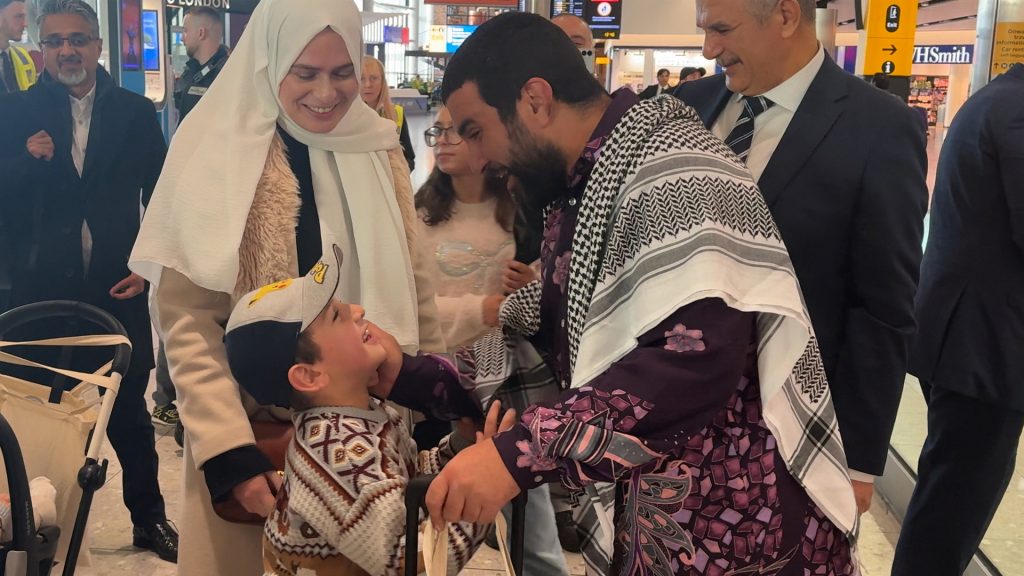
NewsFeed British Muslim journalist and political commentator Sami Hamdi has arrived in London after being held in a US immigration detention centre for more than two weeks. He had been on a speaking tour in the US when his visa was revoked. Supporters say the Trump administration targeted him for his pro-Palestinian advocacy. Published On 13 Nov 202513 Nov 2025 Click here to share on social media share2 Share Adblock test (Why?)
Iraqi PM al-Sudani’s coalition comes first in parliamentary election
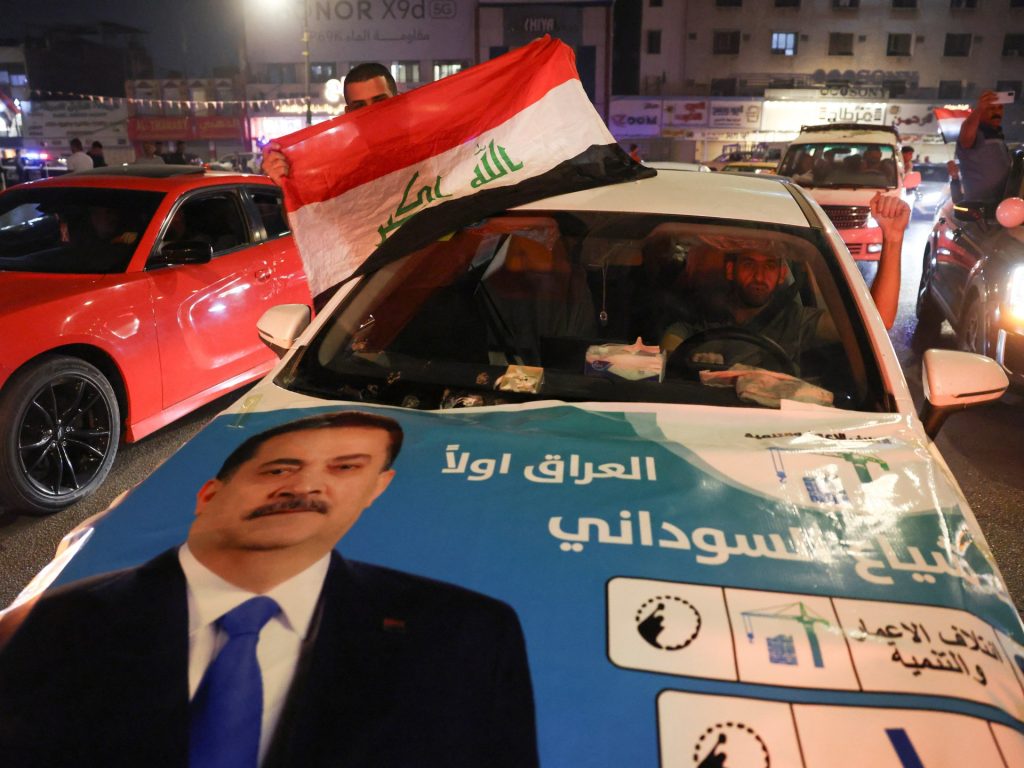
With no clear majority, formation of next government will require intensive deal-making among strongest blocs. A coalition led by Iraqi Prime Minister Mohammed Shia al-Sudani has emerged as winner in Iraq’s parliamentary election, according to electoral authorities. The Independent High Electoral Commission said on Wednesday that al-Sudani’s Reconstruction and Change coalition received 1.3 million votes in Tuesday’s election, about 370,000 more than the next closest competitor. Recommended Stories list of 3 itemsend of list Speaking after the initial results were announced, al-Sudani hailed the voter turnout of 56 percent, saying it was “clear evidence of another success” that reflected the “restoration of confidence in the political system”. However, while al-Sudani, who first came to power in 2022, had cast himself as a leader who could turn around Iraq’s fortunes after decades of instability, the poll was marked by disillusionment among weary voters who saw it as a vehicle for established parties to divide Iraq’s oil wealth. Turnout was lower in areas like Baghdad and Najaf after populist Shia leader Muqtada al-Sadr, leader of the Sadrist Movement, called on his vast numbers of supporters to boycott the “flawed election”. As expected, Shia candidates won seats in Shia-majority provinces, while Sunni candidates secured victories in Sunni-majority provinces and Kurdish candidates prevailed in Kurdish-majority provinces. But there were some surprises, notably in Nineveh, a predominantly Sunni Arab province, where the Kurdistan Democratic Party (KDP) secured the highest number of seats. Meanwhile, in Diyala province, which has a significant Kurdish minority, no Kurdish candidates won seats for the first time since 2005. Advertisement No party can form a government on its own in Iraq’s 329-member legislature, so parties build alliances with other groups to become an administration, a fraught process that often takes many months. Back in 2021, al-Sadr secured the largest bloc before withdrawing from parliament following a dispute with Shia parties that refused to support his bid to form a government. “None of the political factions or movements over the past 20 years have been able to gain a total majority … that allows one bloc to choose a prime minister, so at the end, this is going to lead to rounds of negotiations and bargaining among political factions,” said Al Jazeera’s Ali Hashem, reporting from Baghdad. The poll marked the sixth election held in Iraq since a United States-led invasion in 2003 toppled longtime ruler Saddam Hussein and unleashed a sectarian civil war, the emergence of the ISIL (ISIS) group and the general collapse of infrastructure in the country. The next premier must answer to Iraqis seeking jobs and improved education and health systems in a country plagued by corruption and mismanagement. He will also have to maintain the delicate balance between Iraq’s allies, Iran and the US, a task made all the more delicate by recent seismic changes in the Middle East. Adblock test (Why?)
White House explores $2,000 tariff dividend; budget experts are sceptical
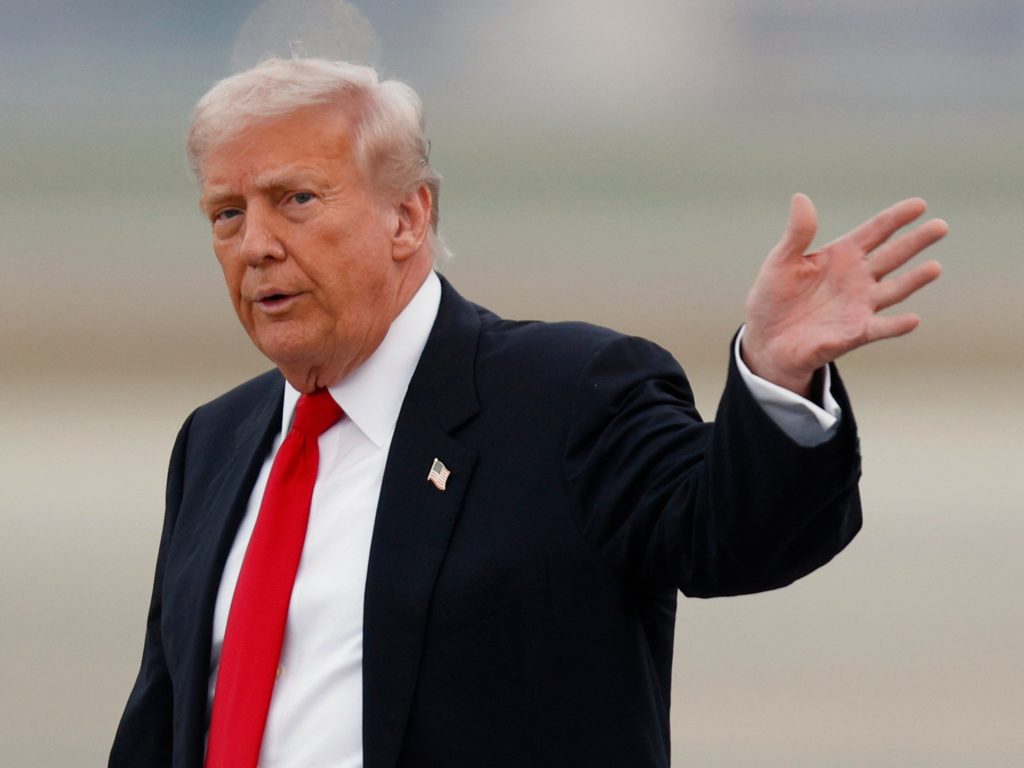
United States President Donald Trump is committed to providing Americans with $2,000 cheques using money that has come into government coffers from Trump’s tariffs. On Wednesday, White House press secretary Karoline Leavitt told reporters that Trump’s staff is exploring how to go about making the plan a reality. Recommended Stories list of 4 itemsend of list The president proposed the idea on his Truth Social media platform on Sunday, five days after his Republican Party lost elections in Virginia, New Jersey and elsewhere largely because of voter discontent with his economic stewardship — specifically, the high cost of living. A new AP-NORC poll finds that 67 percent of Americans disapprove of Trump’s handling of the economy, while 33 percent approve. The tariffs are bringing in so much money, the president posted, that “a dividend of at least $2000 a person (not including high income people!) will be paid to everyone.’’ “Trump has taken to his favorite policymaking forum, Truth Social, to make yet another guarantee that Americans are going to receive dividend [cheques] from the revenues collected by tariffs,” Alex Jacquez, who served on the National Economic Council under former US President Joe Biden, said in a statement provided to Al Jazeera. “It’s interesting that Trump’s arguments—which he has been pushing forward for several months now on Truth Social—do not match the arguments that his lawyers are making in court. It seems he is trying to pressure the Justices by implying that this will be some massive economic disaster if they rule against the tariffs.” Advertisement Budget experts have scoffed at Trump’s tariff dividend plan, which conjured memories of the Trump administration’s short-lived plan for Department of Government Efficiency (DOGE) dividend cheques financed by billionaire Elon Musk’s federal budget cuts. “The numbers just don’t check out,″ Erica York, vice president of federal tax policy at the nonpartisan Tax Foundation, told the Associated Press. Details are scarce, including what the income limits would be and whether payments would go to children. Even Trump’s US Treasury secretary, Scott Bessent, sounded a bit blindsided by the audacious dividend plan. Appearing on Sunday on the ABC News programme This Week, Bessent said he hadn’t discussed the dividend with the president and suggested that it might not mean that Americans would get a cheque from the government. Instead, Bessent said, the rebate might take the form of tax cuts. The tariffs are certainly raising money — $195bn in the budget year that ended September 30, up 153 percent from $77bn in fiscal 2024. But they still account for less than four percent of federal revenue, and have done little to dent the federal budget deficit, a staggering $1.8 trillion in fiscal 2025. Budget wonks say Trump’s dividend math doesn’t work. John Ricco, an analyst with the Budget Lab at Yale University, reckons that Trump’s tariffs will bring in $200bn to $300bn a year in revenue. But a $2,000 dividend — if it went to all Americans, including children — would cost $600bn. “It’s clear that the revenue coming in would not be adequate,” Ricco said. The analyst also noted that Trump couldn’t just pay the dividends on his own. That would require legislation from Congress. Legal challenges Moreover, the centrepiece of Trump’s protectionist trade policies — double-digit taxes on imports from almost every country in the world — may not survive a legal challenge that has reached the US Supreme Court. In a hearing last week, the court’s justices sounded sceptical about the Trump administration’s assertion of sweeping power to declare national emergencies to justify the tariffs. Trump has bypassed Congress, which has authority under the US Constitution to levy taxes, including tariffs. If the court strikes down the tariffs, the Trump administration may be refunding money to the importers who paid them, not sending dividend cheques to American families. Trump could find other ways to impose tariffs, even if he loses at the Supreme Court, but it could be cumbersome and time-consuming. Mainstream economists and budget analysts note that tariffs are paid by US importers who then generally try to pass along the cost to their customers through higher prices. Advertisement The dividend plan “misses the mark,” the Tax Foundation’s York said. “If the goal is relief for Americans, just get rid of the tariffs.” Adblock test (Why?)
Why France is ready to pull the plug on Shein
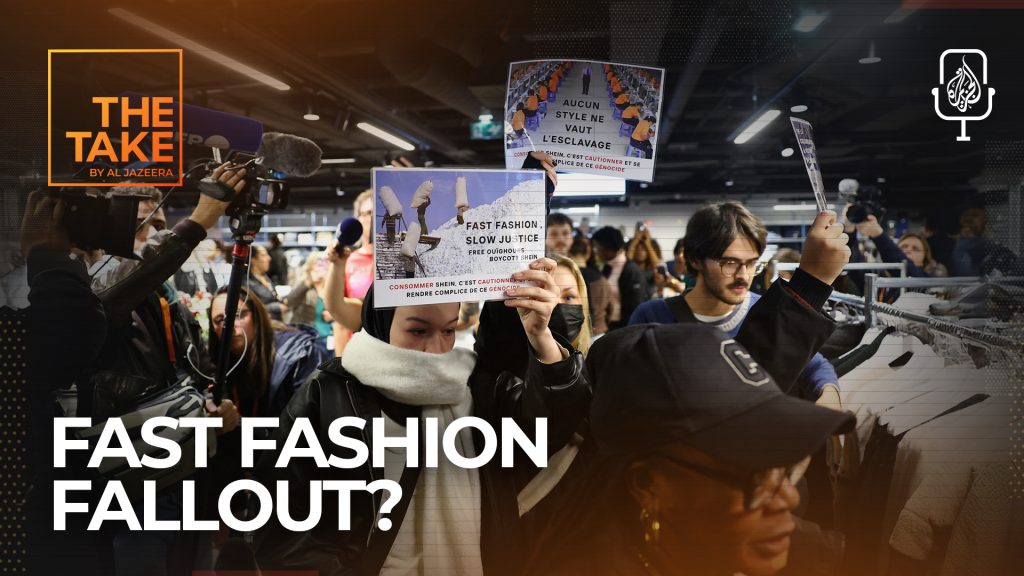
Days after Shein opened its first location in Paris, France, is threatening to ban the Chinese fast-fashion giant. The threat follows months of hand-wringing over Shein’s growing footprint in France, topped off by the discovery of child-like sex dolls and weapons from third-party sellers on its website and on its third-party online marketplace. With the growing backlash, will the controversial company survive in Europe’s fashion capital? Published On 12 Nov 202512 Nov 2025 Click here to share on social media share2 Share Adblock test (Why?)
Trump ‘spent hours’ with victim at Epstein’s house, email alleges
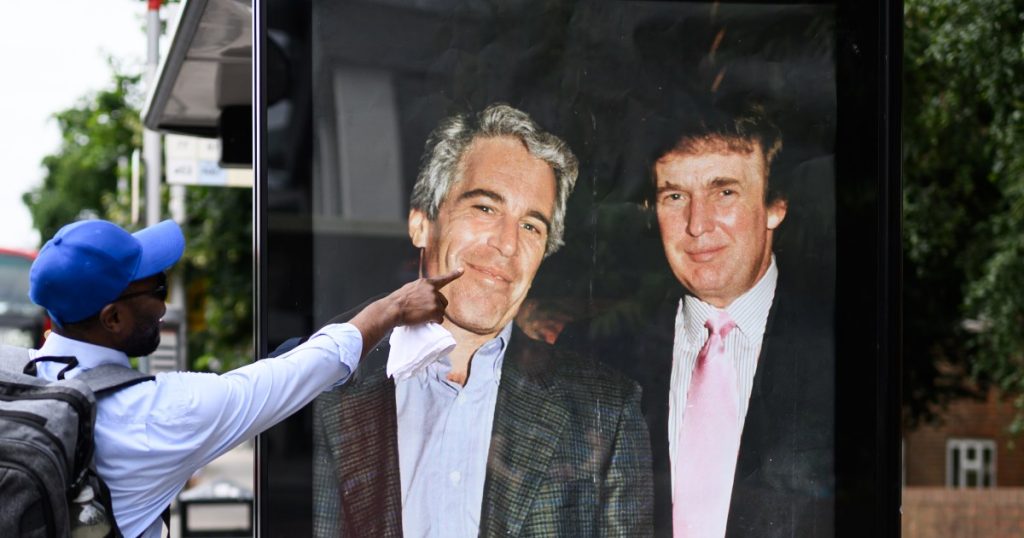
A 2011 email sent by convicted sex offender Jeffrey Epstein says that United States President Donald Trump “spent hours” with one of the victims – an allegation that is likely to further fuel calls for releasing files relating to the late, disgraced financier. The email, made public by Democrats on the House Oversight Committee on Wednesday, was sent to Epstein’s former girlfriend, Ghislaine Maxwell, who is currently serving a 20-year jail sentence for sex trafficking. Recommended Stories list of 3 itemsend of list “i want you to realize that that dog that hasn’t barked is trump. [Victim] spent hours at my house with him ,, he has never once been mentioned,” Epstein wrote according to the email, which was shared with the victim’s name redacted. It is not clear what Epstein was referring to. The email was sent to Maxwell two years after Epstein had spent 13 months in prison for his sex crimes. Maxwell responded, “I have been thinking about that…” In another email, sent in 2019, Epstein says Trump “knew about the girls”. White House spokeswoman Karoline Leavitt dismissed the emails on Wednesday, saying that they were “selectively released”. “The ‘unnamed victim’ referenced in these emails is the late Virginia Giuffre, who repeatedly said President Trump was not involved in any wrongdoing whatsoever and ‘couldn’t have been friendlier’ to her in their limited interactions,” Leavitt said in a statement. “The fact remains that President Trump kicked Jeffrey Epstein out of his club decades ago for being a creep to his female employees, including Giuffre.” Trump has previously acknowledged that he had issues with Epstein because the late sex offender recruited – or as the US president put it, “stole” – young women who worked at his Mar-a-Lago resort in Palm Beach, Florida. Advertisement The US president had personal ties to Epstein – a millionaire who was connected to powerful figures in politics, popular culture, finance and academia – and later became known for his rampant sex abuse against girls and young women. Epstein first pled guilty to charges of solicitation of prostitution with a minor in 2008 and was given a lenient sentence that critics describe as a sweetheart deal that did not match the severity of the offence. After the Miami Herald investigated the prosecution against Epstein, federal authorities reopened the case against him, arrested him and charged him with sex trafficking of minors in 2019. Two months later, he was found dead in his jail cell in New York City. His death was ruled a suicide. Epstein’s associates included former Israeli Prime Minister Ehud Barak, the United Kingdom’s Prince Andrew, and former US President Bill Clinton. The scandal and the manner in which Epstein died have fuelled conspiracy theories and speculations that he may have been working for foreign or domestic intelligence services. Some activists – including many Trump supporters – have been calling for years for the release of all government documents relating to Epstein. But the Trump administration has refused to make the so-called Epstein files public, citing the privacy of the victims. Earlier this year, the Justice Department and FBI also dismissed claims that Epstein may have used his sex trafficking operation to blackmail people who frequented his home and private island, reasserting that he died by suicide. “Through this review, we found no basis to revisit the disclosure of those materials and will not permit the release of child pornography,” they said in a memo in July. “One of our highest priorities is combating child exploitation and bringing justice to victims. Perpetuating unfounded theories about Epstein serves neither of those ends.” The US president also scolded commentators who are focused on Epstein, calling the issue a “waste of time”. But many of the president’s supporters were not satisfied with that explanation, especially after leaks and allegations raised questions about Trump’s own relationship with Epstein. Earlier this year, The Wall Street Journal published what it said was a birthday card with sexual connotations that Trump sent to Epstein with a message written inside of a drawing of a naked woman. Trump denied writing or drawing the card and sued the newspaper over the allegation. In June, after former White House billionaire aide Elon Musk fell out with the US president, he said, “the real reason” Trump has not released the “Epstein files” is that he is mentioned in them. Advertisement Adblock test (Why?)
Will South Africa’s Biko inquest finally yield justice for struggle icon?
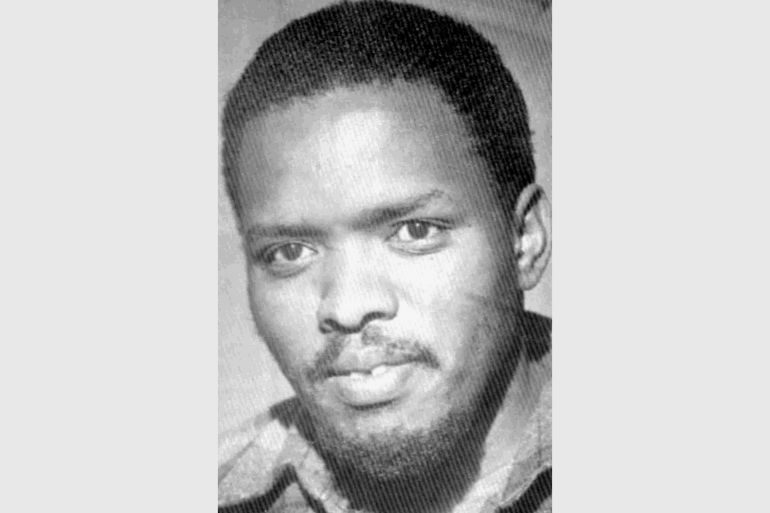
Cape Town, South Africa – On an August evening in 1977, 30‑year‑old Steve Biko was on his way back from an aborted secret meeting with an anti-apartheid activist in Cape Town, taking the 12‑hour drive back home to King William’s Town. But it was a journey the resistance fighter would never finish, for he was arrested and, less than a month later, was dead. Against the backdrop of increasingly harsh racist laws in South Africa, Biko, a bold and forthright youth leader, had emerged as one of the loudest voices calling for change and Black self-determination. Recommended Stories list of 3 itemsend of list A famously charming and eloquent speaker, he was often touted as Nelson Mandela’s likely successor in the struggle for freedom after the core of the anti-apartheid leadership was jailed in the 1960s. But his popularity also made him a prime target of the apartheid regime, which put him under banning orders that severely restricted his movement, political activities, and associations; imprisoned him for his political activism; and ultimately caused his death in detention – a case that continues to resonate decades later, largely because none of the perpetrators have ever been brought to justice. On September 12 this year, 48 years after Biko died, South Africa’s Justice Minister Mmamoloko Kubayi ordered a new inquest into his death. The hearing resumed at the Eastern Cape High Court on Wednesday before being postponed to January 30. There are “two persons of interest” implicated in Biko’s death who are still alive, according to the country’s National Prosecuting Authority (NPA), which aims to determine whether there is enough evidence that he was murdered, and therefore grounds to prosecute his killers. Advertisement While Biko’s family has welcomed the hearings, the long wait for justice has been frustrating, especially for his children. “There is no such thing as joy in dealing with the case of murder,” Nkosinathi Biko, Biko’s eldest son, who was six at the time of his father’s death, told Al Jazeera. “Death is full and final, and no outcome will be restorative of the lost life.” The Biko inquest is one of several probes into suspicious apartheid-era deaths that South Africa’s justice minister reopened this year. The inquiries are part of the government’s plan to address past atrocities and provide closure to families of the deceased, the NPA says. But analysts note that the inquest comes amid growing public pressure on the government to bring about the justice it promised 30 years ago, as a new judicial inquiry is also probing allegations that South Africa’s democratic government intentionally blocked prosecutions of apartheid-era crimes. Anti-apartheid activist Steve Biko is seen in an undated image. He died in police detention in 1977 [File: AP Photo/Argus] Biko: ‘The spark that lit a fire’ Steve Biko was a medical student and national youth leader who, in the late 1960s, pioneered the philosophy of Black Consciousness, which encouraged Black people to reclaim their pride and unity by rejecting racial oppression and valuing their own identity and culture. The philosophy inspired a generation of young activists to take up the struggle against apartheid, pushed forward by the belief that South Africa’s future lay in a socialist economy with a more equal distribution of wealth. In his writings, Biko said he was inspired by the African independence struggles that emerged in the 1950s and suggested that South Africa had yet to offer its “great gift” to the world: “a more human face”. By 1972, Biko’s student organisation had spawned a political wing to unify various Black Consciousness groups under one voice. A year later, he was officially banned by the government. Yet, he continued to covertly expand his philosophy and political organising among youth movements across the country. In August 1977, despite the banning order still being in effect, Biko had travelled to Cape Town with a fellow activist to meet another anti-apartheid leader, though the meeting was aborted over safety concerns, and the duo left. According to some reports, Biko heavily disguised himself for the road journey back east, but his attempts at going unnoticed were to no avail: When the car reached the outskirts of King William’s Town on August 18, police stopped them at a roadblock – and Biko was discovered. Advertisement The two were taken into custody separately, with Biko arrested under the Terrorism Act and first held at a local police station in Port Elizabeth before being transferred to a facility in the same city where members of the police’s “special branch” – notorious for enforcing apartheid through torture and extrajudicial killings – were based. For weeks in detention, he was stripped and manacled and, as was later discovered, tortured. On September 12, the apartheid authorities announced that Biko had died in detention in Pretoria, some 1,200km (746 miles) away from where he was arrested and held. The minister of justice and police alleged he had died following a hunger strike, a claim immediately decried as false, as Biko had previously publicly stated that if that was ever cited as a cause of his death, it would be a lie. Weeks later, an independent autopsy conducted at the request of the Biko family found he had died of severe brain damage due to injuries inflicted during his detention. Following these revelations, authorities launched an investigation. But the inquest cleared the police of any wrongdoing. Saths Cooper, who was a student activist alongside Biko, remembers the moment he found out about his friend’s death. Cooper was in an isolation block on Robben Island – the prison that also held Mandela – where he spent more than five years with other political prisoners who had taken part in the 1976 student revolt. “The news stilled us into silence,” the 75-year-old told Al Jazeera, recalling Biko’s provocatively “Socratic” style of engagement and echoing Mandela’s description of Biko as an inspiration. “Living, he was the spark that lit a veld fire across South Africa,” Mandela said in 2002. “His message to the youth and students was simple and clear: Black is Beautiful! Be proud
Trump sends letter to Israel’s president requesting pardon for Netanyahu
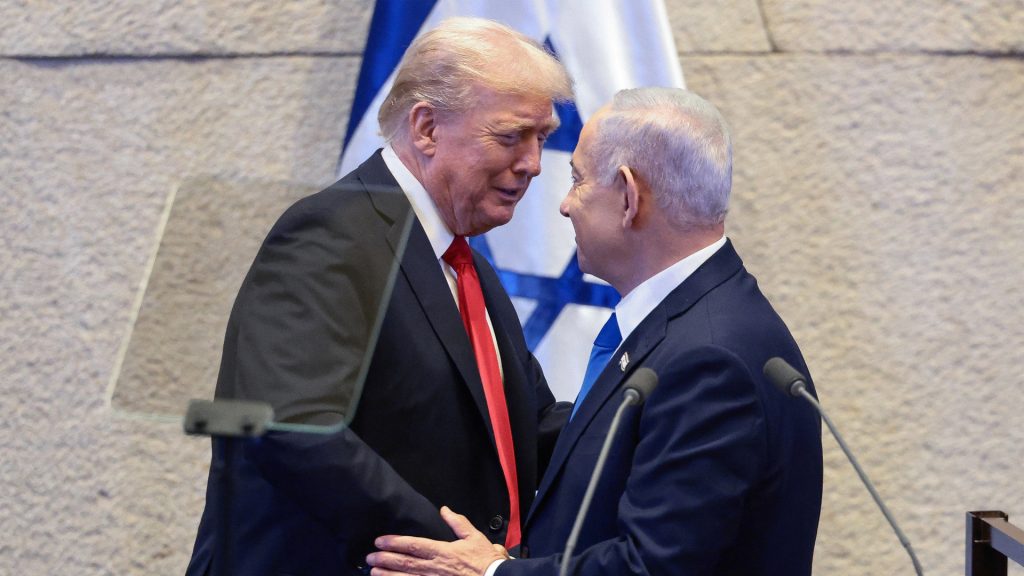
NewsFeed US President Donald Trump called the corruption trial against Israeli Prime Minister Benjamin Netanyahu a ‘political, unjustified prosecution’ as he requested the country’s president pardon him. However, under Israeli law, such a request can only be made by the person accused of wrongdoing, a legal representative, or a family member. Published On 12 Nov 202512 Nov 2025 Click here to share on social media share2 Share Adblock test (Why?)
UK sentences Chinese scammer after record-breaking Bitcoin seizure

Police seized 61,000 Bitcoin from Zhimin Qian, 47, as part of a years-long money laundering investigation. The United Kingdom has sentenced a Chinese woman to 11 years and eight months in prison for a years-long scheme to launder investment scam proceeds into Bitcoin, luxury property, and other assets now worth about 4.8 billion British pounds ($6.3bn). Zhimin Qian, 47, was sentenced by the Southwark Crown Court in London on Tuesday, in a case that saw UK police seize a record-breaking 61,000 Bitcoin as part of their investigation. Recommended Stories list of 4 itemsend of list Qian, who is also known by the alias Yadi Zhang, was found guilty of money laundering and possessing illegally obtained cryptocurrency. Will Lyne, the Metropolitan Police’s head of Economic and Cybercrime Command, described the case as “one of the largest and most complex economic crime investigations ever undertaken by the Met”. “This is currently the largest cryptocurrency seizure by law enforcement in the UK and is the largest money laundering case in UK history by value,” he said in a statement. UK authorities allege that Qian helped mastermind an investment scam in China between 2014 and 2017 that defrauded 128,000 people out of roughly £4.6bn, according to sentencing remarks from Judge Sally-Ann Hales. Much of the funds were later recovered by police in China, but Hales said that a “sizeable amount was siphoned off and used by” Qian, and transferred into 70,000 Bitcoin stored on a laptop wallet. Qian fled China in 2017, spending the next seven years on the run, and travelling between the UK and other countries without an extradition agreement with China. Advertisement Qian and an accomplice, who has since been sentenced, came to the attention of UK authorities in 2018, when Qian tried to buy three London properties worth 40.5 million pounds ($53.2m) but failed “know your customer” regulations, according to the Crown Prosecution Service. Qian disappeared from the UK in 2020, but not before police seized items from a safe deposit box, including a laptop smuggled from China. Hales said that documents found during the search “give an indication of the level of the defendant’s monthly expenditure, and the grandiose ambitions she held for her future using the proceeds of her criminal conduct”. Qian returned to police attention last year, when she began to use a dormant wallet with the help of a second accomplice, Senghok Ling, 47, a Malaysian national based in the UK. When police arrested Ling and Qian in April 2024, the pair was living a “lavish” lifestyle in the UK, according to Hales. At the time, Qian was found in possession of 62 million pounds ($81.4m) worth of cryptocurrency, a large quantity of cash, and two false passports. Ling was separately sentenced to four years and 11 months in prison. Richard Hermer, Attorney General for the UK and Wales, on Tuesday praised the sentencing of “two prolific fraudsters”, who together “caused misery upon thousands of victims to fund their lavish lifestyles”. Adblock test (Why?)
Ukrainian forces pull back under fierce Russian pressure in Zaporizhia
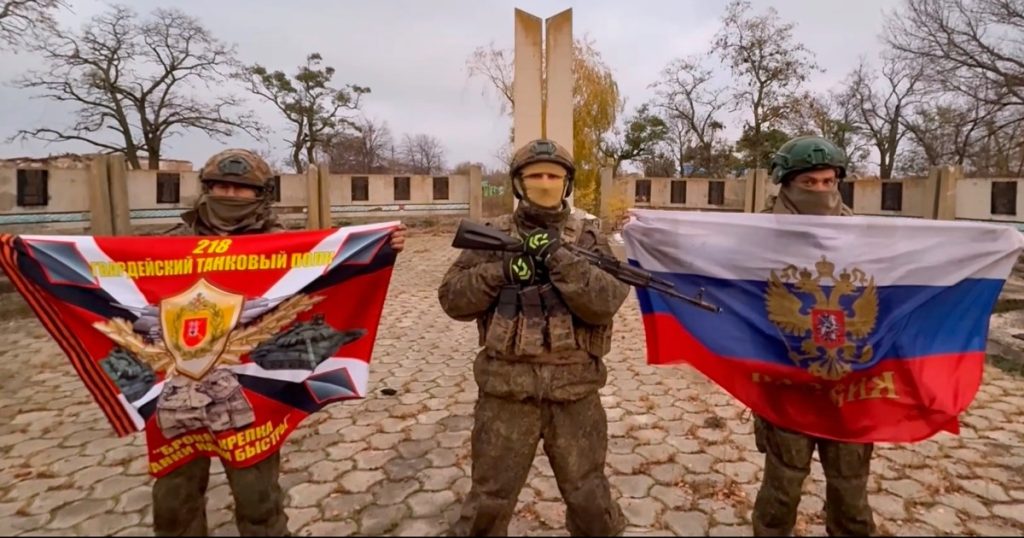
Ukrainian Army reports thousands of artillery shells fired as Russians advance in southeastern Zaporizhia region. Published On 12 Nov 202512 Nov 2025 Click here to share on social media share2 Share Ukraine’s top military commander has conceded that the army’s situation has “significantly worsened” in parts of the southern Zaporizhia region, where Ukrainian forces have withdrawn from five villages after intense fighting against Russian troops. News of the setback in Zaporizhia in southeastern Ukraine comes as Russia said earlier on Tuesday that its forces had pushed deeper into the eastern Ukrainian cities of Pokrovsk and Kupiansk. Recommended Stories list of 4 itemsend of list Video footage published by Russian war bloggers shows Moscow’s troops riding motorcycles, travelling in battered cars and sitting on top of military vehicles as they poured into Pokrovsk, which Russian media has dubbed “the gateway to Donetsk” due to its strategic location. “Using its numerical superiority in personnel and materiel, the enemy advanced in fierce fighting and captured three settlements,” the commander-in-chief of the Ukrainian Armed Forces, Oleksandr Syrskii, said of the fighting in Zaporizhia on Tuesday. “The situation has significantly worsened in the Oleksandrivka and Huliapole directions,” Syrskii said in a statement. The Ukrainian Army said earlier that orders to withdraw from five villages in Zaporizhia were given after the “de facto destruction of all shelters and fortifications” following intensive Russian artillery strikes. An estimated 2,000 shells were launched at the Ukrainian positions. Control of three other villages is also being hotly contested between Russian and Ukrainian forces northeast of the town of Huliapole in Zaporizhia, according to the Ukrainian Army. Advertisement Syrskii said that Russian forces in Zaporizhia had used poor weather conditions to their advantage, advancing under heavy fog to infiltrate between Ukrainian positions in the region. But he added that Russian forces suffered heavy losses during their attacks. “Every metre of our land costs Russia hundreds of military lives,” he said. Ukrainian President Volodymyr Zelenskyy, who was visiting the parts of the southern Kherson region not occupied by Russia on Tuesday, described the situation in Pokrovsk and Zaporizhia as “difficult, in part because of weather conditions that favour the attacks”. The battlefield situation in Kupiansk was “somewhat easier”, he said, adding that Ukrainian forces had “achieved results there”. Russia has been threatening Pokrovsk for more than a year, using a pincer movement to attempt to encircle it and threaten supply lines. Syrskii told US media that Russia has concentrated an estimated 150,000 troops in a drive to take Pokrovsk. Russia and Ukraine have given conflicting accounts of the battle in recent days, with Moscow claiming for days that it had encircled Pokrovsk, while Kyiv has denied the claims and asserted that it still had supply lines to neighbouring Myrnohrad. Russia also said its forces have taken full control of the eastern part of Kupiansk in Ukraine’s Kharkiv region, located to the northeast of Zaporizhia and Pokrovsk. A Russian commander, who gave his call sign as Hunter, said his forces had taken control of an oil depot on Kupiansk’s eastern edge. In a video statement issued by Russia’s Ministry of Defence, the commander said his forces had also taken control of a series of train stops south of Kupiansk. Military observers have noted a thinning of Ukraine’s front lines due to a severe shortage of soldiers and massive Russian drone superiority, which has led to advances in several locations along the front line in the more than three and a half years of war. Adblock test (Why?)
Indigenous activists storm COP30 climate summit in Brazil, demanding action
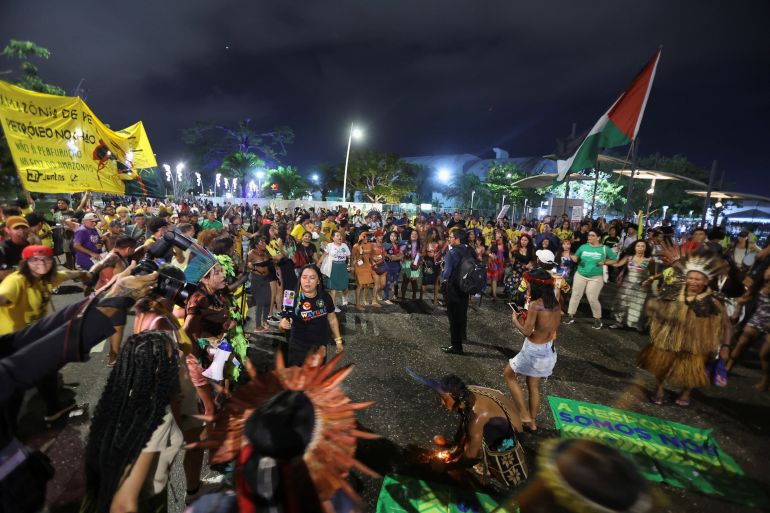
Hundreds of people have joined an Indigenous-led protest on the second day of the UN climate summit in the Brazilian city of Belem, highlighting tensions with the Brazilian government’s claim that the meeting is open to Indigenous voices. Dozens of Indigenous protesters forced their way into the 30th annual United Nations Climate Change Conference (COP30) on Tuesday evening after hundreds of people participated in a march to the venue. Recommended Stories list of 4 itemsend of list “We can’t eat money,” said Gilmar, an Indigenous leader from the Tupinamba community near the lower reaches of the Tapajos River in Brazil, who uses only one name, referring to the emphasis on climate finance at many of the meetings during the ongoing summit. “We want our lands free from agribusiness, oil exploration, illegal miners and illegal loggers.” A spokesperson from the UN, which is responsible for security inside the venue, said in a statement that “a group of protesters breached security barriers at the main entrance to the COP, causing minor injuries to two security staff, and minor damage to the venue”. The protest came as Brazilian President Luiz Inácio Lula da Silva has highlighted Indigenous communities as key players in this year’s COP30 negotiations, even as several industries continue to further encroach on the Amazon rainforest during his presidency. Lula told a leaders summit last week that participants at the COP30 would be “inspired by Indigenous peoples and traditional communities – for whom sustainability has always been synonymous with their way of life”. Advertisement However, Indigenous participants taking part in rolling protests in and around the climate change meeting say that more needs to be done, both by Lula’s left-leaning government at home and around the world. A joint statement ahead of the summit from Indigenous Peoples of the Amazon Basin and all Biomes of Brazil emphasised the importance of protecting Indigenous territories in the Amazon. As “a carbon sink of approximately 340 million tons” of carbon dioxide, the world’s largest rainforest, “represents one of the most effective mitigation and adaptation strategies”, the statement said. Protesters, including Indigenous people, participate in a demonstration on the sidelines of the UN Climate Change Conference (COP30), in Belém, Brazil, on Tuesday [Anderson Coelho/Reuters] The statement also called for Indigenous territories to be excluded from mining and other activities, including “in particular, the Amazon, Congo, and Borneo-Mekong-Southeast Asia basins”. Leo Cerda, one of the organisers of the Yaku Mama protest flotilla, which arrived at the summit after sailing 3,000km (1,864 miles) down the Amazon river, told Al Jazeera that Indigenous peoples are trying to secure nature not just for themselves but for humanity. “Most states want our resources, but they don’t want to guarantee the rights of Indigenous peoples,” Cerda said. As the flotilla sailed towards COP30, Brazil’s state-run oil company, Petrobras, received a licence to begin exploratory offshore oil drilling near the mouth of the Amazon River. “You cannot make climate policies without indigenous people at the negotiation table.” This Indigenous activist flotilla just sailed the entire length of the Amazon River to take their message to the #COP30 climate conference. pic.twitter.com/55YjlZgJct — AJ+ (@ajplus) November 11, 2025 Cerda also said it was important for Indigenous people to be present at the conference, considering the fossil fuel industry has also participated in the meetings for several decades. According to The Guardian newspaper, some 5,350 fossil fuel lobbyists participated in UN climate summits over the past four years. Representatives from 195 countries are participating in this year’s summit, with the notable absence of the United States. Under President Donald Trump, the US has fought against action on climate change, further cementing its role as the world’s largest historical emitter of fossil fuels. Most recently, Trump has torpedoed negotiations to address emissions from the shipping industry. Advertisement Notably, this year’s meeting is the first to take place since the UN’s top court, the International Court of Justice (ICJ), ruled that countries must meet their climate obligations and that failing to do so could violate international law. Adblock test (Why?)