

Doctors try to save girl as father was killed in Gaza Israeli attack

NewsFeed Doctors in a hospital in Gaza try to save a girl who sustained severe injuries in an Israeli attack that hit her and killed her father. Published On 7 Mar 20267 Mar 2026 Click here to share on social media share2 Share plus2googleAdd Al Jazeera on Googleinfo Adblock test (Why?)
Massive explosions, fires from US-Israeli strikes on Tehran
[unable to retrieve full-text content] Massive explosions and fires were seen across Tehran as US-Israeli strikes pummelled targets in the Iranian capital.
Anti-aircraft fire seen in eastern Lebanon amid Israeli incursion
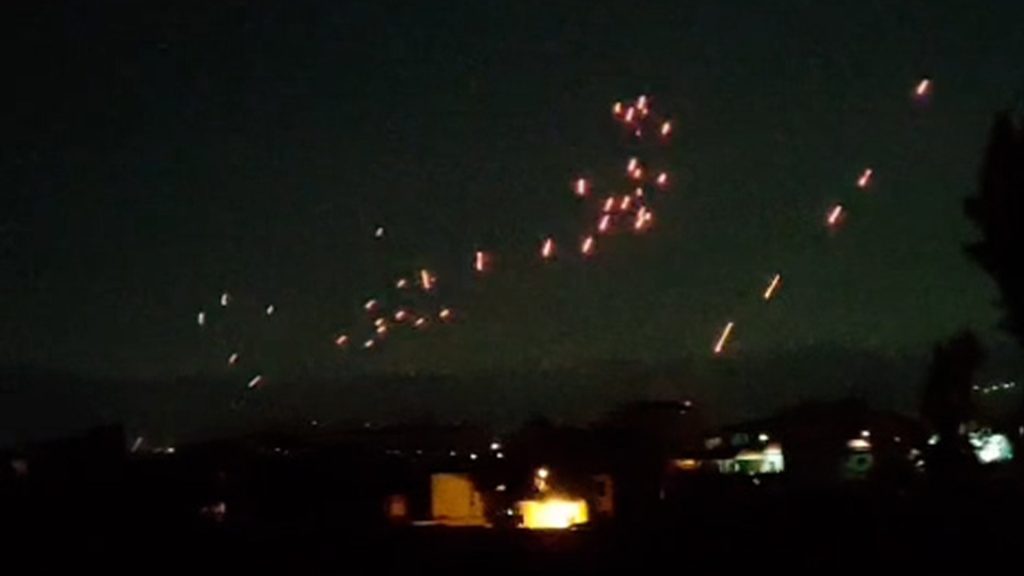
NewsFeed Apparent anti-aircraft fire was seen in the Bekaa Valley of eastern Lebanon amid reports of an attempted landing by Israeli forces. Clashes have been reported between Israeli commandos and Hezbollah fighters in the town of Nabi Chit. Published On 7 Mar 20267 Mar 2026 Click here to share on social media share2 Share plus2googleAdd Al Jazeera on Googleinfo Adblock test (Why?)
Why Yemen’s Houthis are staying out of Israel-US fight with Iran – for now
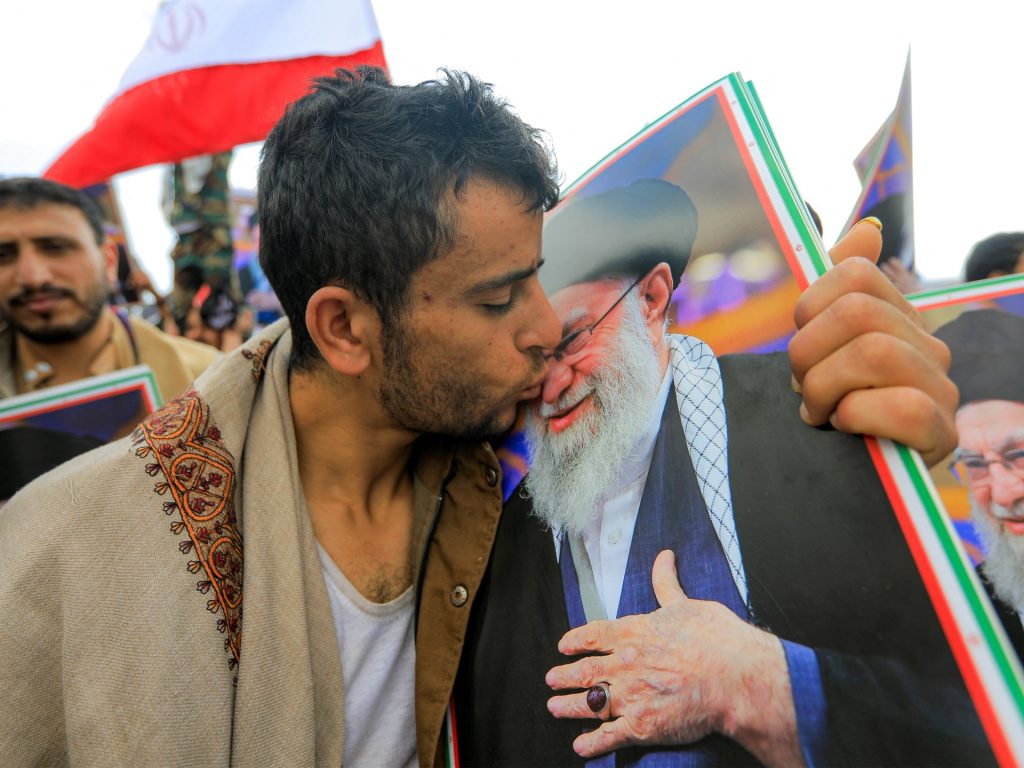
Sanaa, Yemen – The Israel-US attacks on Iran have plunged the wider Middle East region into turmoil. From Tehran, tensions have spread, affecting multiple Arab cities, including Abu Dhabi, Doha, Kuwait City, Manama, and Beirut. Amid this wave of military escalation hitting several countries, Yemen has remained – perhaps surprisingly – quiet. The Houthi movement, the Iran-allied de facto authority in northwestern Yemen, has made repeated attacks on US and Israeli targets since the start of Israel’s genocidal war on Gaza in October 2023. Recommended Stories list of 3 itemsend of list But in the week since the US-Israeli attacks on Iran began on February 28, the Houthis have limited their support for Tehran to rhetoric and a mass protest denouncing the strikes. Whether they will continue to remain detached from the conflict remains uncertain. Analysts say the rebel group’s involvement is still possible, and its current restraint appears part of a strategy of patience. “Houthi intervention remains a possibility, and it could take the form of a phased escalation,” Luca Nevola, senior analyst for Yemen and the Gulf at the ACLED conflict monitor, told Al Jazeera. “At the current stage, the main Houthi priority remains avoiding direct US and Israeli retaliation.” Last August, Israeli strikes killed at least 12 Houthi high-ranking government members, including Prime Minister Ahmed al-Rahawi and chief of staff Mohammed al-Ghumari, in air strikes in Sanaa. The losses were among the heaviest the group has endured during its confrontation with the US and Israel. Advertisement That incident, coupled with other attacks last year, has left the Houthi leadership more careful and wary of risking a heavy aerial campaign on areas under its control. “The group seems to fear Israeli intelligence and the possibility of leadership decapitation,” Nevola said. Despite the losses the Houthi group endured last year, it is not entirely incapacitated, and it could launch assaults on adversaries. Nevola explained, “The Houthis would likely resume attacks if they were directly drawn into the conflict, either through US or Israeli strikes or through a renewed domestic advance by anti-Houthi forces in Yemen.” Houthi chief Abdel-Malik al-Houthi said this week that “Yemen stands clearly with the Islamic Republic of Iran and the Muslim Iranian people.” He emphasised that “hands are on the trigger” regarding military escalation, adding that his group’s engagement in the war could occur at any moment depending on developments. Holding a card in reserve Sadam al-Huraibi, a Yemeni political commentator, said Yemen’s Houthis will enter the war if Iran requests it to. “Tehran does not want to use all its cards at once, and it aims to save the Houthi group for the coming phase,” Huraibi told Al Jazeera. “I believe that the Houthis’ entry into the war is only a matter of time,” he added. “If the Israeli-American attacks on Iran do not stop, the Yemeni group will not stand idly by endlessly. The Houthis are preparing for war in Sanaa and the provinces they control.” The Houthis are still capable of creating chaos in the Red Sea – where they have launched repeated attacks on shipping as part of a campaign they say was in support of Gaza – and can launch drones and missiles towards Israel, said Huraibi. “This move will likely materialise, and this depends on the timing set by the Houthis and Iran.” Nevola agreed with Huraibi, saying, “Now that all axis [of resistance, or pro-Iran regional groups] actors are under direct attack, ensuring long-term operational continuity from Yemen – and preserving the Houthi regime as a safe haven – may have become a strategic priority.” Adel Dashela, a Yemeni researcher and non-resident fellow at Mesa Global Academy, said that the Houthis do not want to officially declare war at the present time in order to portray themselves as an independent faction, not subject to Tehran’s directives. Dashela told Al Jazeera, “In practice, the group is part of the axis of resistance, and the war could reach it. The Houthi leadership is still waiting to see how the situation develops. It does not want to take rash decisions on the involvement in the US-Israel war on Iran.” Possible targets The Houthis are capable of striking multiple targets with missiles and drones. Advertisement “Should the conflict persist, and the Houthis feel threatened by direct attacks, they could expand their target set to include Israeli territory, US warships and military assets in the region, and Israel’s partners in the region, such as the UAE and Somaliland,” said Nevola. The continued barrage of Iranian missiles on Israel and the Gulf states may have compromised interception systems over the past week. Houthi attacks could therefore become more destructive. Nevola explained, “Houthi long-range drone and missile attacks against Gulf states and Israel could prove more effective at a later stage of the conflict, when air defence systems may face resupply constraints. The opening of an additional southern front could place further strain on Israel’s air defence.” From late 2023 to 2025, the Houthis carried out a military campaign of attacks on ships through the Red Sea corridor. The campaign killed at least nine mariners and sank four ships, disrupting shipping in the Red Sea, through which about $1 trillion of goods passed each year before the war. The US-Israel strikes have wiped out many of Iran’s political and military leaders within a few days. The killing of senior figures could weaken the Iranian regime, whose fall remains a priority for US and Israeli leadership. Whether weakened or ousted, the fallout would be “detrimental” to the Houthi group in Yemen, said al-Huraibi. He added, “The group will be militarily affected as the flow of smuggled Iranian weapons to Yemen will shrink or entirely cease. This is a formidable challenge for the group.” In 2022, the United Nations found thousands of weapons seized in the Arabian Sea likely came from a single port in Iran. A report by a UN Security Council panel of experts on Yemen indicated that boats and land transport were used
Thousands of Syrian refugees flee Lebanon after Israeli strikes
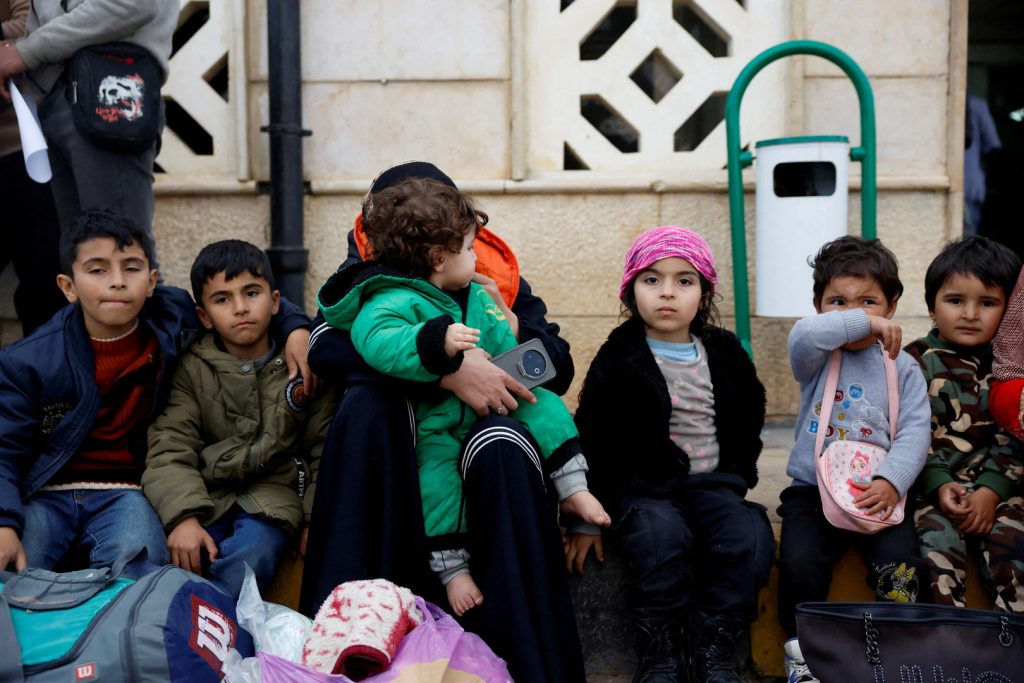
NewsFeed Thousands of Syrian refugees are fleeing Israeli strikes across Lebanon and trying to return to Syria. Al Jazeera’s Obaida Hitto is at the border, where there are growing fears of a humanitarian crisis. Published On 6 Mar 20266 Mar 2026 Click here to share on social media share2 Share plus2googleAdd Al Jazeera on Googleinfo Adblock test (Why?)
Israel extending ‘Gaza playbook’ to Lebanon, charity warns

Medical Aid for Palestinians accuses Israel of ‘deliberately terrorising civilian populations’ across Lebanon. Listen to this article Listen to this article | 3 mins info Published On 6 Mar 20266 Mar 2026 Click here to share on social media share2 Share plus2googleAdd Al Jazeera on Googleinfo Israel is exporting its “Gaza playbook” to Lebanon, a nonprofit group has warned, as the Israeli military continues to attack the country after ordering the forced displacement of hundreds of thousands of Lebanese civilians. Medical Aid for Palestinians (MAP) said on Friday that Israel’s bombings and forced displacement orders for all of southern Lebanon and the southern suburbs of the capital, Beirut, “are instilling widespread fear among civilians”. Recommended Stories list of 3 itemsend of list “What we are witnessing in Lebanon is the unmistakable extension of the Israeli military playbook used in Gaza,” said Steve Cutts, CEO of the UK-based charity. That includes “collective punishment, forced displacement, and the deliberate terrorising of civilian populations, including already traumatised Palestinian communities,” Cutts said in a statement. The Israeli military issued a forced displacement order on Wednesday for all of southern Lebanon, prompting tens of thousands of residents to flee their homes and communities under threat of attack. A day later, it issued a similar order for the southern suburbs of the Lebanese capital, Beirut, as Israel expanded its intensified air and ground offensive in the country. Intensified fighting between Israel and Hezbollah resumed on Monday after the Lebanese group launched rockets towards Israeli territory following the assassination of Iran’s Supreme Leader Ayatollah Ali Khamenei in attacks by the United States and Israel on Iran. At least 217 people have been killed and 798 others wounded in Israeli attacks across Lebanon since Monday, according to the latest figures from the Lebanese Ministry of Health. Advertisement Human rights groups have raised the alarm over the Israeli forced displacement orders, stressing that many families have nowhere to go as Lebanon’s shelters are full. “We’ve seen people sleeping on the street, sleeping on the Corniche [in Beirut], sleeping in schools that have been converted into reception centres,” Al Jazeera’s Bernard Smith reported from the Lebanese capital on Friday. “People want to know how long they’re going to have to do this, [how long they’ll have] to be away from home, and the authorities have not been able to tell them.” The Israeli military has routinely issued similar orders in its genocidal war against Palestinians in the Gaza Strip, forcing hundreds of thousands of people to move multiple times throughout Israel’s more than two-year bombardment of the enclave. In September last year, the Israeli army issued a forced displacement order for the entirety of Gaza City, prompting international condemnation. “The order … is cruel, unlawful, and further compounds the genocidal conditions of life that Israel is inflicting on Palestinians,” Human Rights Watch said at the time. Israeli leaders have also compared the country’s escalating offensive in Lebanon this week with its war on Gaza. On Thursday, after the forced evacuation order was issued for the southern suburbs of Beirut, far-right Israeli Finance Minister Bezalel Smotrich said Israel planned to make the Dahiyeh area “like Khan Younis”. A city in southern Gaza, Khan Younis – like most of the Strip – has been decimated in Israel’s war. Adblock test (Why?)
In a bid to counter China, Trump hosts a summit for Latin America leaders
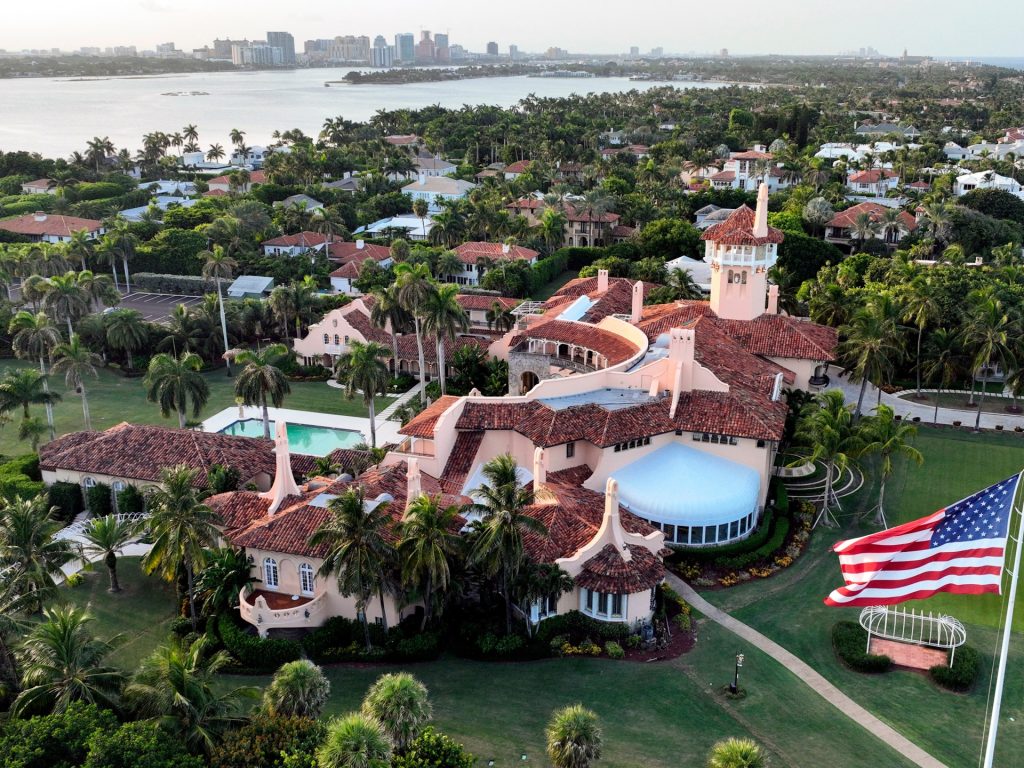
Over the past two decades, China has quietly eclipsed the United States as the dominant trading partner in parts of Latin America. But since taking office for a second term, United States President Donald Trump has pushed to reverse Beijing’s advance. Recommended Stories list of 3 itemsend of list That includes through aggressive manoeuvres directed at China’s allies in the region. Already, the Trump administration has stripped officials in Costa Rica, Panama and Chile of their US visas, reportedly due to their ties to China. It has also threatened to take back the Panama Canal over allegations that Chinese operatives are running the waterway. And after invading Venezuela and abducting President Nicolas Maduro, the US forced the country to halt oil exports to China. But on Saturday, Trump is taking a different approach, welcoming Latin American leaders to his Mar-a-Lago estate for an event dubbed the “Shield of the Americas” summit. How he plans to persuade leaders to distance themselves from one of the region’s largest economic partners remains unclear. But experts say the high-level meeting could signal that Washington is prepared to put concrete offers on the table. Securing meaningful commitments from Latin American leaders will take more than a photo op and vague promises, according to Francisco Urdinez, an expert on regional relations with China at Chile’s Pontifical Catholic University. Even among Trump’s allies, Urdinez believes significant economic incentives are required. “What they’re really hoping is that Washington backs up the political alignment with tangible economic benefits,” he said. Advertisement ‘Reinforcing the Donroe Doctrine’ Already, the White House has confirmed that nearly a dozen countries will be represented at the weekend summit. They include conservative leaders from Argentina, Bolivia, Chile, Costa Rica, Ecuador, El Salvador, the Dominican Republic, Honduras, Panama, Paraguay, and Trinidad and Tobago. Mexico and Brazil, the region’s largest economies, have been notably left out. Both are currently led by left-leaning governments. In a post on social media, the Trump administration framed the event as a “historic meeting reinforcing the Donroe Doctrine”, the president’s plan for establishing US dominance over the Western Hemisphere. Part of that strategy involves assembling a coalition of ideological allies in the region. But rolling back Chinese influence in a region increasingly reliant on its economy will not be an easy feat, according to Gimena Sanchez, the Andes director at the Washington Office on Latin America (WOLA), a US-based research and advocacy group. The US “is trying to get countries to agree that they’re not going to have China be one of their primary trading partners, and they really can’t at this point”, Sanchez said. “For most countries, China is either their top, second or third trading partner.” China, after all, has the second-largest economy in the world, and it has invested heavily in Latin America, including through infrastructure projects and massive loans. The Asian giant has emerged as the top trading partner in South America in particular, with bilateral trade reaching $518bn in 2024, a record high for Beijing. The US, however, remains the biggest outside trade force in Latin America and the Caribbean overall, due in large part to close relations with its neighbour, Mexico. As of 2024, US imports from Latin America jumped to $661bn, and its exports were valued at $517bn. Rather than choosing sides, though, many countries in the region are trying to strike a balance between the two powers, Sanchez explained. Still, she added that the US cannot come empty-handed to this weekend’s negotiations. “If the US is very boldly telling countries to cut off strengthening ties with China”, Sanchez emphasised that “the US is going to have to offer them something.” What’s on the table? Trump has already extended economic lifelines to Latin American governments politically aligned with his own. In the case of Argentina, for instance, Trump announced in October a $20bn currency swap, meant to increase the value of the country’s peso. He also increased the volume of Argentinian beef permitted to be imported into the US, shoring up the country’s agricultural sector, despite pushback from US cattle farmers. Advertisement Trump has largely tied those economic incentives to the continued leadership of political movements favourable to his own. The $20bn swap, for instance, came ahead of a key election for Argentinian President Javier Milei’s right-wing party, which Trump supports. Isolating China from resources in Latin America could also play to Trump’s advantage as he angles for better trade terms with Beijing. A show of hemispheric solidarity could give Trump extra leverage as he travels to Beijing in early April to meet with Chinese President Xi Jinping, Urdinez pointed out. Then there’s the regional security angle. The US has expressed particular concern about China’s control of strategic infrastructure in Latin America and the critical minerals it could exploit in the region to bolster its defence and technology capabilities. Bolivia, Argentina and Chile, for instance, are believed to hold the world’s largest deposits of lithium, a metal necessary for energy storage and rechargeable batteries. The Trump administration referenced such threats in its national security strategy, published in December. “Some foreign influence will be hard to reverse,” the strategy document said, blaming the “political alignments between certain Latin American governments and certain foreign actors”. But Trump’s security platform nevertheless asserted that Latin American leaders were actively seeking alternatives to China. “Many governments are not ideologically aligned with foreign powers but are instead attracted to doing business with them for other reasons, including low costs and fewer regulatory hurdles,” the document said. It argued that the US could combat Chinese influence by highlighting the “hidden costs” of close ties to Beijing, including “debt traps” and espionage. ‘More aspiration than reality’ Henrietta Levin, a senior fellow at the Center for Strategic and International Studies in Washington, believes that many Latin American countries would prefer to deepen economic engagement with the US over China. But in many cases, that hasn’t been an option. She pointed to Ecuador’s decision to sign a free trade agreement (FTA) with China in
How US sinking of Iranian warship blew hole in Modi’s ‘guardian’ claims
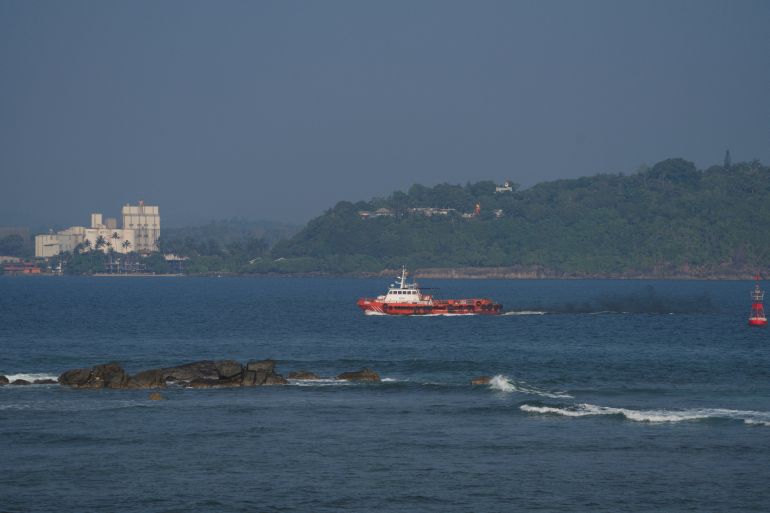
New Delhi, India — Dressed in a blue Navy uniform and sleek sunglasses, Indian Prime Minister Narendra Modi, in late October, addressed a gathering of the country’s sea warriors. He listed out the strategic significance of the Indian Ocean — the massive volumes of trade and oil that pass through it. “The Indian Navy is the guardian of the Indian Ocean,” he then said, to loud, proud chants of “Long Live Mother India” from his audience. Less than five months later, India has been shown up as a “guardian”, unable to protect its own guest. On Wednesday, the Iranian warship, IRIS Dena, was torpedoed by a US submarine just 44 nautical miles off (81km) southern Sri Lanka, as it was returning home from naval drills hosted by India. During the “Milan” biennial multilateral naval exercise, Indian President Droupadi Murmu had posed with sailors from the Dena. Yet it took the Indian Navy more than a day after the Iranian warship was struck to respond formally to the attack, which US officials made clear was a sign of how the Donald Trump administration was willing and ready to expand its war against Iran. “An American submarine sank an Iranian warship that thought it was safe in international waters,” US Defense Secretary Pete Hegseth said at the Pentagon on Wednesday. “Instead, it was sunk by a torpedo. Quiet death.” Tehran is furious over the attack on its warship hundreds of miles away from home. And Iran made sure to note that the IRIS Dena warship was “a guest of India’s navy”, returning after completing the exercise it joined upon New Delhi’s invitation. Advertisement “The US has perpetrated an atrocity at sea, 2,000 miles [3,218km] away from Iran’s shores,” Iran’s foreign minister Abbas Araghchi said, referring to the sinking of the frigate. “Mark my words: The US will come to bitterly regret [the] precedent it has set.” Now, the IRIS Dena is at the bottom of the Indian Ocean, and more than 80 Iranian sailors, who marched during joint parades and posed for selfies with Indian naval officers during their two-week visit, are dead. What has also fallen, said retired Indian naval officers and analysts, is India’s self-image as a net security provider in the Indian Ocean. Instead, they said, the US attack on the Dena has exposed the limits of India’s power and influence in its own maritime back yard. A vessel sails off the Galle coast after a submarine attack on the Iranian military ship, Iris Dena, off Sri Lanka, in Galle, Sri Lanka, March 4, 2026 [Thilina Kaluthotage/Reuters] ‘War reaches India’s backyard’ After participating in the naval exercises, IRIS Dena left Visakhapatnam on India’s eastern coast on February 26. It was hit in international waters, just south of Sri Lanka’s territorial waters, in the early hours of March 4, local time. In response, Sri Lankan Navy rescuers recovered more than 80 bodies and picked up 32 survivors, reportedly including the commander and some senior officers from the warship. More than 100 men are still missing. In a tweet welcoming the Dena to the naval drills, the Indian Navy’s Eastern Command had posted: “Her arrival … [reflects] long-standing cultural links between the two nations [Iran and India]”. Vice Admiral Shekhar Sinha, the former vice chief of India’s naval staff, told Al Jazeera that he attended the Iranian parade at the function. “I met and really liked them, especially their march for sailors travelling thousands of miles,” Sinha said. “It is always sad to see a ship sinking. But in a war, emotions don’t work. There’s nothing ethical in a war.” Sinha said that the Indian Ocean — central to the strategic and energy security of the nation with the world’s largest population — was thought to be a fairly safe zone earlier. “But that is not the case, as we are learning now,” he told Al Jazeera. “The unfolding battle [between the US and Israel on the one hand, and Iran on the other] has reached India’s back yard. New Delhi has to be concerned,” Sinha, who served in the Indian Navy for four decades, added. “The liberty we enjoyed in the Indian Ocean has apparently shrunk.” Security personnel stand guard as an ambulance enters inside the Galle National Hospital, following a submarine attack on the Iranian military ship, IRIS Dena, off the coast of Sri Lanka, in Galle, Sri Lanka, March 5, 2026 [Thilina Kaluthotage/Reuters] India’s Catch-22 situation Only on Thursday evening did the Indian Navy issue any formal statement on the attack — more than 24 hours after the Dena was hit by a torpedo. Advertisement The Navy said that it received distress signals from the Iranian ship and had decided on deploying resources to help with rescuing sailors. But by then, it said, the Sri Lankan Navy had already stepped to lead the rescue effort. Neither New Delhi nor the Navy has criticised — even mildly — the decision by the US to sink the Iranian warship. Military analysts and former Indian naval officers say India is caught in a classic catch-22: Was India aware of the incoming US attack in the Indian Ocean on an Iranian warship, or was it blindsided by a nuclear-submarine in its backyard? Admiral Arun Prakash, the former chief of India’s naval staff, told Al Jazeera that if New Delhi was blindsided, “it reflects on the US-India relationship directly.” “If it is a surprise, then that’s a great concern since we have a so-called strategic partnership with the USA.” And if India knew about the attacks, it would be seen by many as strategically siding with the US and Israel over their war on Iran. C Uday Bhaskar, a retired Indian Navy officer and currently the director of the Society for Policy Studies, an independent think tank based in New Delhi, said that the US sinking an Iranian warship in the Indian Ocean muddies the Indian perception of itself as a “net security provider” in the region. Bhaskar said the incident is a
Video shows projectile exploding near Ali al-Salem Air Base in Kuwait
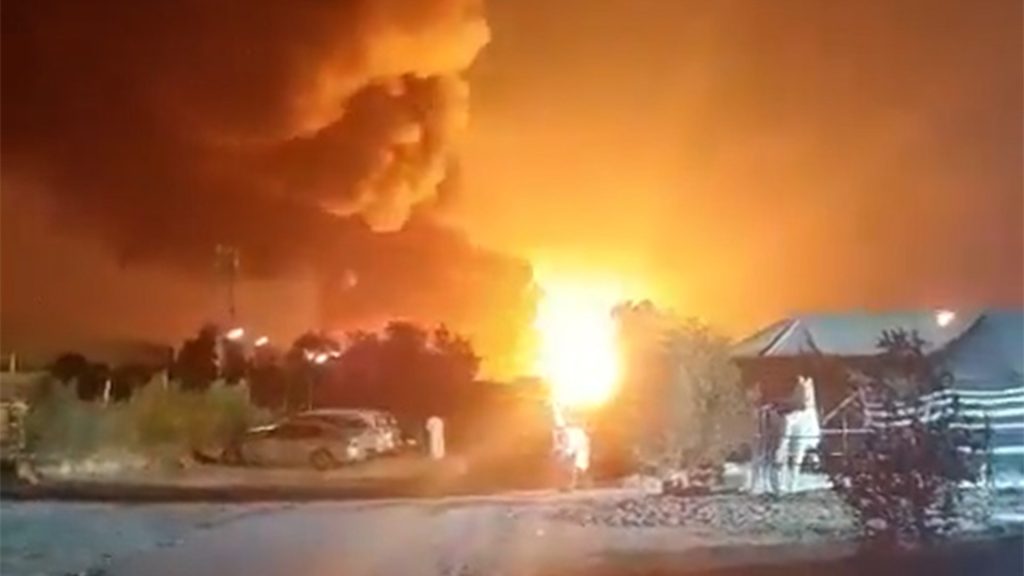
NewsFeed Videos showed a projectile striking near Kuwait’s Ali al-Salem Air Base, which has hosted a substantial number of US forces. Earlier on Thursday, the United States announced it was closing its embassy in the country and is reportedly evacuating its staff. Published On 6 Mar 20266 Mar 2026 Click here to share on social media share2 Share plus2googleAdd Al Jazeera on Googleinfo Adblock test (Why?)
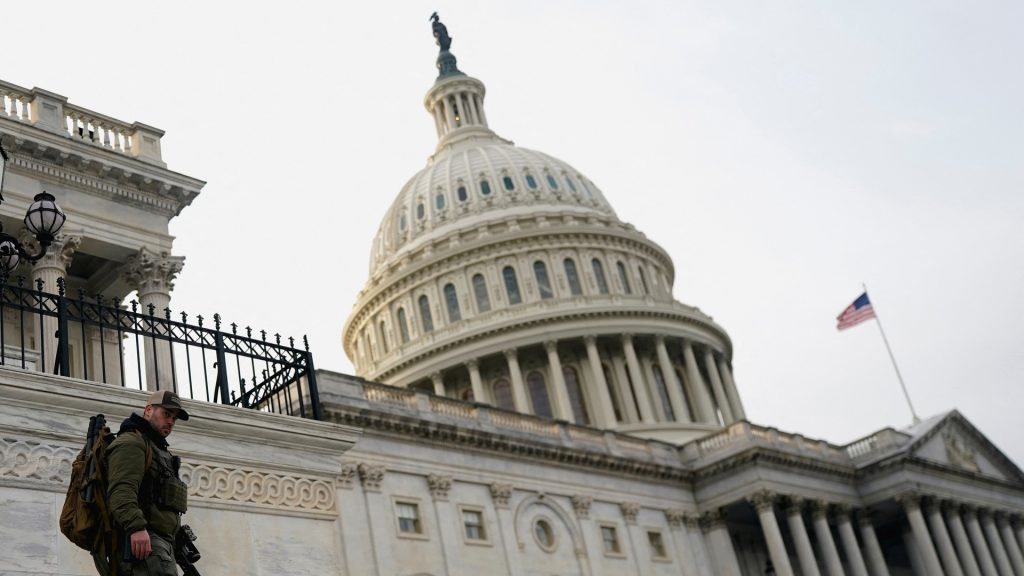
US House joins Senate to vote down war powers resolution
NewsFeed The US House of Representatives has joined the Senate in killing a war powers resolution that would have forced Donald Trump to end his war on Iran. Although the vote was largely symbolic, Al Jazeera’s Patty Culhane says Democrats are using it to get Republicans on the record. Published On 6 Mar 20266 Mar 2026 Click here to share on social media share2 Share plus2googleAdd Al Jazeera on Googleinfo Adblock test (Why?)