

DHS suspends visa-free travel program for Chinese nationals amid birth tourism, security concerns
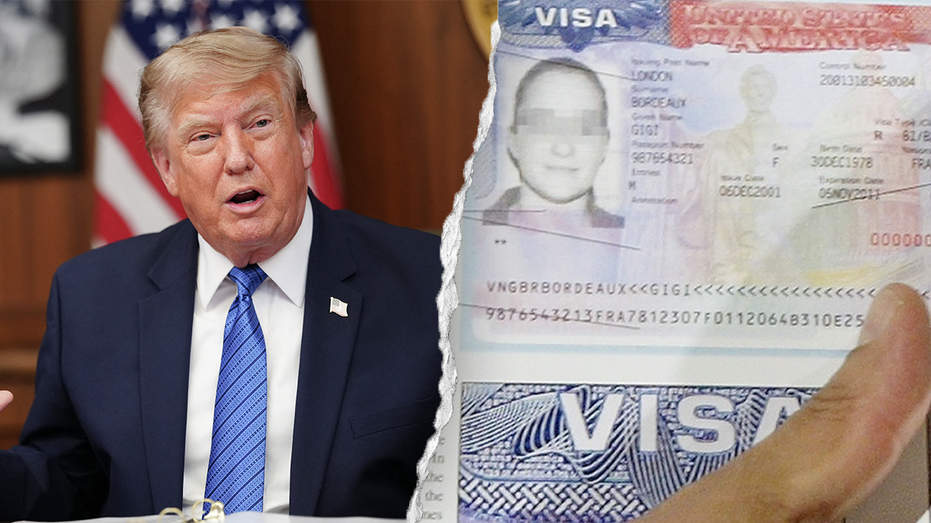
The Trump administration is suspending a visa-free travel program for Chinese nationals visiting a U.S. island territory after Republican lawmakers warned it could facilitate birth tourism and pose national security risks. Homeland Security Secretary Markwayne Mullin’s decision targets a Biden-era program that allowed prescreened Chinese nationals to visit the Northern Mariana Islands for up to 14 days without a visa. In a notice announcing the decision, the Department of Homeland Security cited concerns that the program could facilitate birth tourism, espionage and illegal onward travel to nearby Guam, a key hub for the U.S. military. BIRTH TOURISM FIGHT SHIFTS TO US ‘TROPICAL MATERNITY WARD’ WITH HISTORY OF CHINESE EXPLOITATION The decision comes after senators Mike Lee, R-Utah, Rick Scott, R-Fla., John Cornyn, R-Texas, and Bill Cassidy, R-La., urged Mullin in April to end the program, warning that it encouraged birth tourism and posed national security risks. Lee celebrated the decision in a post on X. BIRTH TOURISM CRACKDOWN EXPANDS AS HOUSE CHAIRMAN RAISES CRIMINAL CONSPIRACY CASE “America is not a nursery for the CCP to steal citizenship,” Lee wrote, referring to the Chinese Communist Party. “Thank you, President Trump!” Rep. Chip Roy’s press office also welcomed the move, saying the Texas Republican and Rep. Tom Tiffany, R-Wis., had raised concerns about the program in March. GOP FIREBRAND TARGETS BOOMING BUSINESS LETTING FOREIGNERS EXPLOIT US CITIZENSHIP LAWS “Rep. Roy is pleased to hear the Trump Admin closed this dangerous loophole,” his office wrote on X. Birth tourism is when someone travels to the United States primarily to give birth so their child can become an American citizen. Some travelers have hidden the purpose of their trip when applying for a visa. FIRST ON FOX: RUBIO RAMPS UP BIRTH TOURISM CRACKDOWN HOURS BEFORE XI TOUCHES DOWN IN US The program at issue was created in 2024 and took effect the following year. More than 3,000 Chinese nationals used it to enter the Northern Mariana Islands in fiscal year 2025, according to DHS. Those travelers were screened by Customs and Border Protection, but did not have to obtain a visa through a U.S. consulate, the department said. EXCLUSIVE: STATE DEPARTMENT REVOKES OVER 250,000 VISAS IN BROAD IMMIGRATION VETTING CRACKDOWN The suspension is set to take effect at 2 p.m. EDT on Oct. 30 and will apply to both new applicants and travelers who have already been approved. Those already in the territory under the program may finish their authorized stays but will need a visa for future visits unless another lawful exception applies. DHS said the suspension will remain in place while the department evaluates the program with the secretaries of state and the interior. BIRTH TOURISM COULD SOON CARRY A SEVERE NEW CONSEQUENCE FEW WOULD RISK: ‘EXISTENTIAL CRISIS’ The department warned that the program could make it easier for Chinese nationals to travel to the territory to give birth. “While birth tourism has long been an issue in the CNMI, the availability of visa-exempt travel and reduced vetting under EVS-TAP may lower barriers to this practice,” the notice says. HOUSE REPUBLICAN CALLS FOR YANKING STUDENT VISAS OF CHINESE NATIONALS DHS also said birth tourism can strain the islands’ medical system. The notice did not provide a number of births linked to travelers who entered through the program, formally known as the Economic Vitality & Security Travel Authorization Program. The department warned that visa-free travel could be exploited for intelligence gathering near U.S. military facilities. The Northern Mariana Islands are home to Tinian Air Base, while Guam hosts several military installations. TRUMP SIGNS EXECUTIVE ORDERS TARGETING BIRTHRIGHT CITIZENSHIP, BIRTH TOURISM AFTER SUPREME COURT SETBACK Although the program did not permit visitors to travel to Guam or the U.S. mainland, DHS cited previous cases involving Chinese nationals smuggled by boat from the Northern Mariana Islands to Guam. Those cases involved earlier travel policies or other streamlined arrangements, but DHS said they showed a vulnerability that the newer program had not eliminated. The suspension comes as the Trump administration pursues a broader crackdown on birth tourism. A State Department task force launched Aug. 12 had revoked more than 750 visas tied to suspected birth tourism activity as of late August, the department previously told Fox News Digital. State Department spokesman Tommy Pigott told Fox News Digital that officials were working with international partners and law enforcement to identify travel patterns that could point to birth tourism networks. Pigott said some networks help visitors conceal the purpose of their trips and then coach them on how to avoid paying medical bills. The Northern Mariana Islands program is separate from the visitor visa process targeted by those revocations. Fox News Digital’s Peter D’Abrosca contributed to this report.
The Hitchhiker’s Guide to why removing Ilhan Omar from Congress could be harder than Trump expects

Republicans hope there are lots of Democrats who won’t win re-election next week and return to Capitol Hill. Republicans are imploring voters to kick them out. But President Trump is focused on bouncing one Democrat from Congress who likely wins re-election in a solidly blue district. That’s Rep. Ilhan Omar (D-Minn.). She carried her district two years ago with nearly three-quarters of the vote. But President Trump questions whether Omar is in the country legally and, therefore, qualified to sit in Congress. “She used a fake name to be sworn in,” said the President. “She’s a little troublemaker.” The Department of Justice is investigating Omar for potential immigration fraud. Federal authorities raided her Washington, DC home recently and removed 17 items. That included phones, notebooks, a camera and a Somali phrase book for her kids. President Trump suggests that her name is not “Ilhan Omar” and that it’s “an entirely different name name. Ihan Nur Sayeed Elmi. It’s close.” A federal filing in that inquiry lists the Congresswoman’s name as “Ilhan Nur Said Elmi, a/k/a Ilhan Abdullahi Omar.” That’s why the President says “she must immediately resign from Congress.” A reporter for Fox Digital confronted the Congresswoman about her name. SOMALI RAP PROMISING TO ‘SCATTER’ ENEMIES UNDERSCORES OMAR’S SERENE LAKESIDE VIDEO “Is your name Ilhan Sayed, Ilhan Nur Sayed Alami, or Ilhan Abdullahi Omar?” asked Rashid Umar Abbasi, working for Fox. “Ilhan Abdullahi Omar. You know it,” replied Omar. “Ma’am?” asked Abbasi for clarification. “It’s Ilhan Abdullahi Omar,” she confirmed. The Clerk of the House of Representatives officially lists the Congresswoman as solely “Ilhan Omar” on 15 different financial disclosure reports dating back to 2018. That’s even before she entered Congress. The same with the Minnesota state legislature where Omar served prior to coming to Washington. The discrepancy is why the President wants the House to banish Omar. “She will not be legally allowed to be a member of that august body that sits in Washington,” said President Trump. But it’s not his call. However, Article I, Section 5 of the Constitution grants both bodies of Congress final authority about who it admits to its membership. At least one House Republican is willing to explore that. But only if the facts merit it. “The House has the prerogative to seat or not seat and to throw Members out if it so chooses,” said Rep. Morgan Griffith (R-Va.). “There ought to be good sound reasons for it.” It’s a different set of rules, but Griffith had experience with this as the Virginia House of Delegates grappled with a similar issue about seating lawmakers in the Commonwealth in 1988. But Congress is altogether different. “It would be extraordinary. And it should be extraordinary and it should not be used except in extraordinary circumstances,” said Griffith. Yours truly asked what would meet that bar to block someone from serving in the House. “It’s like the Supreme Court said about pornography. I’ll know it when I see it,” said Griffith, paraphrasing late Justice Potter Stewart from a key 1964 obscenity case. ILHAN OMAR HIT WITH EXPULSION THREAT AS GOP LAWMAKER VOWS TO BOOT HER FROM CONGRESS OVER DOJ PROBE House Republicans have two options to deal with Omar if they are truly determined to take action – regardless of what is proven or not. Qualifications for the House are pretty simple. You must be a citizen and a resident of the state you are representing. And, you must be 25 years old. You could even be convicted of a crime and serving time in jail. The Constitution is silent on all other credentials. You could also have a resume which is without a blemish. It doesn’t matter. The House could still take action against you. The first conceivable option could come now. The Constitution grants the House and Senate the right to expel Members – provided there’s a two-thirds vote. Any scenario to expel Omar seems remarkable. Especially since she hasn’t been convicted of a crime. And even if she is charged, there are lots of other issues which could emerge before a trial. It would be strange to have the executive branch of government trying to remove a Member of the legislative branch of government. Moreover, it’s likely that the House counsel would contest any effort by federal prosecutors to procure Omar’s official House communication devices as well as documents. There’s a firewall between the legislative branch and executive branch known as the “Speech or Debate Clause.” Article I, Section 6 of the Constitution grants lawmakers privileges tied to their official duties. So getting those papers — let alone potentially deporting her as some have suggested – is a far cry. Especially since she’s a Member and this all hinges on expulsion. Moreover, two-thirds of the House will never vote to expel a Member under these circumstances unless there’s ironclad proof of wrongdoing. That’s why the House has only expelled six Members in its history. The last was former Rep. George Santos (R-N.Y.) in 2023. However, what may be an issue is whether or not there could be an objection to seating Omar when the new Congress convenes in January. In 1968, then Rep. Adam Clayton Powell (D-NY) faced a criminal investigation. House Speaker John McCormack (D-Mass.) refused to seat Powell – even though he met all other requirements. The Supreme Court ruled in Powell v. McCormack that the House can’t exclude a Member if they meet the basic standards to serve in the House. TRUMP IMMIGRATION WIN COULD STRENGTHEN ADMIN’S HAND IN LOOMING SUPREME COURT FIGHT That said, it’s possible there could be motions not to seat Omar – or even other progressive Members-elect who have said controversial things about the U.S. and Constitution. Such a motion would come right after the House chooses a Speaker. But the Speaker has not sworn-in the rest of the Members. The House would then swear-in everyone – except the Member or Members-elect who may face questions about serving. Once the House swears in the
Billionaire with Epstein ties emerges as top Dem donor bankrolling ads weaponizing disgraced financier’s files
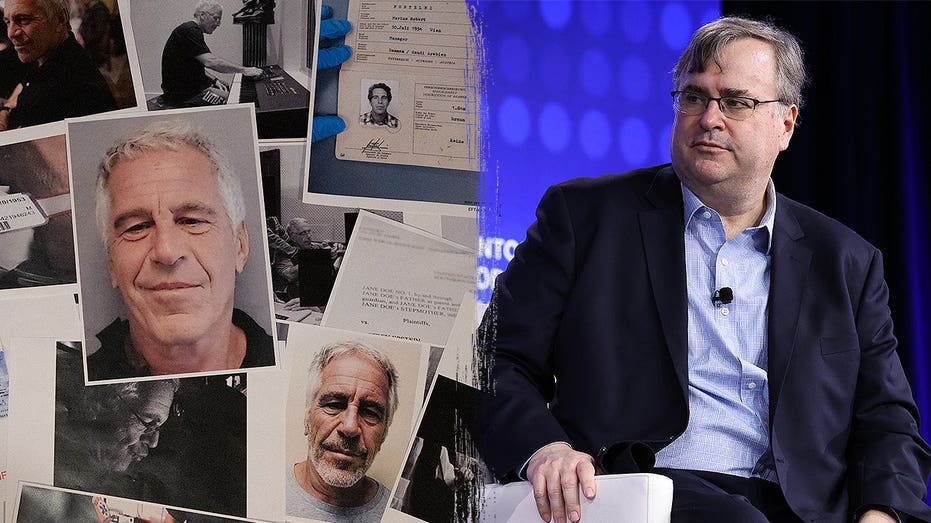
Reid Hoffman, the billionaire co-founder of LinkedIn who has faced scrutiny over his ties to Jeffrey Epstein, was among the largest donors to House Majority PAC, a key Democratic fundraising group that is now using Epstein-themed ads to target GOP candidates, according to Federal Election Commission filings released last week. In recent weeks, HMP has begun spending heavily as Election Day nears, pressing the case that Republicans have failed to make good on promises to bring transparency to Epstein’s child sex trafficking activities and whether he facilitated illegal sexual encounters for others. The filings do not identify which donor funds were used for specific advertisements, but Hoffman’s contribution came as HMP ramped up spending on Epstein- focused ads just two weeks ahead of election night. In one such campaign, HMP targeted Rep. Nick Begich, R-Alaska, over his vote against a procedural motion that would have advanced consideration of the Epstein Files Transparency Act. Begich later voted in favor of the legislation, which passed with near-unanimous support. EPSTEIN-LINKED BILLIONAIRE POURS $500K INTO SUPER PAC BACKING KENTUCKY DEMOCRAT: ‘DIRTY EPSTEIN-CLASS MONEY’ “How did Jeffrey Epstein hide it? He was protected by the elites — elites like Nick Begich. Begich voted against releasing the Epstein Files, trying to hide the truth. Alaskans need someone who cares more about bringing down costs than protecting a rapist,” the ad claims. The legislation, which became law in November 2025, requires the Justice Department to release records related to Epstein, with some protections to conceal the identity of his victims. HMP has spent $543,300 on the ad campaign, according to FEC records. But the group has also targeted races in a number of other battleground states, spending $ 480,000 in Iowa’s Second Congressional District, $ 2.06 million in Pennsylvania’s 1st District, $550,150 in Arizona’s 2nd District and $628,000 in Pennsylvania’s 8th Congressional District. All the ads launched within the past week, according to ADMO, an advertising- tracking service. TRUMP-LINKED SUPER PAC PULLS FUNDING FROM 2 HOUSE REPUBLICANS AS GOP FIGHTS TO KEEP MAJORITY At least one Republican argued that Hoffman’s ties to Epstein made his contribution — and HMP’s Epstein-focused ads — hypocritical. “Democrats have no problem with money in politics so long as it benefits their own campaign, even if it comes from certified perverts like Reid Hoffman who maintained a relationship with Epstein after his conviction,” Natalie Baldassarre, a spokesperson for the Republican National Committee (RNC), said in a statement to Fox News Digital. “Democrats have no morals when power and money are on the line, and they’ll take both from anyone willing to write a check.” For many years, Epstein and Hoffman exchanged correspondence and gifts. They also helped raise money for MIT’s Media Lab. According to records made public through the DOJ’s Epstein Files library, Hoffman joined Epstein at his private island and visited him at his residence in New York. In one email, sent on Christmas Eve in 2014, Hoffman told Epstein he had sent him a pair of gifts. “Sent you two gifts to NYC addie. 1 – Ice cream. If you have any interest, you should try — [or] else for the girls. 2 – something that may strike your funny bone for the island,” Hoffman wrote, referring to a surfer statue. Hoffman has repeatedly denied wrongdoing, telling The Wall Street Journal in 2019 that he regretted continuing their relationship after Epstein was convicted in 2008 on charges of soliciting prostitution from a minor. “My last interaction with Epstein was in 2015. Still, by agreeing to participate in any fundraising activity where Epstein was present, I helped to repair his reputation and perpetuate injustice,” Hoffman said in 2019. “For this, I am deeply regretful.” EXCLUSIVE: OSSOFF CHALLENGED TO RETURN EPSTEIN-LINKED DONATION OR RETRACT ‘EPSTEIN CLASS ATTACK’ There is no allegation in the records cited by Fox News Digital that Hoffman participated in Epstein’s sex-trafficking crimes. SIGN UP TO GET THE POLITICS NEWSLETTER Fox News Digital asked HMP whether it was aware of Hoffman’s past relationship with Epstein when it accepted his contribution and whether the group considers his donation consistent with its messaging about Epstein. Fox News Digital reached out to representatives for Hoffman but did not receive a response.
Not even sky high gas prices or the Iran war will stop Trump supporters voting MAGA
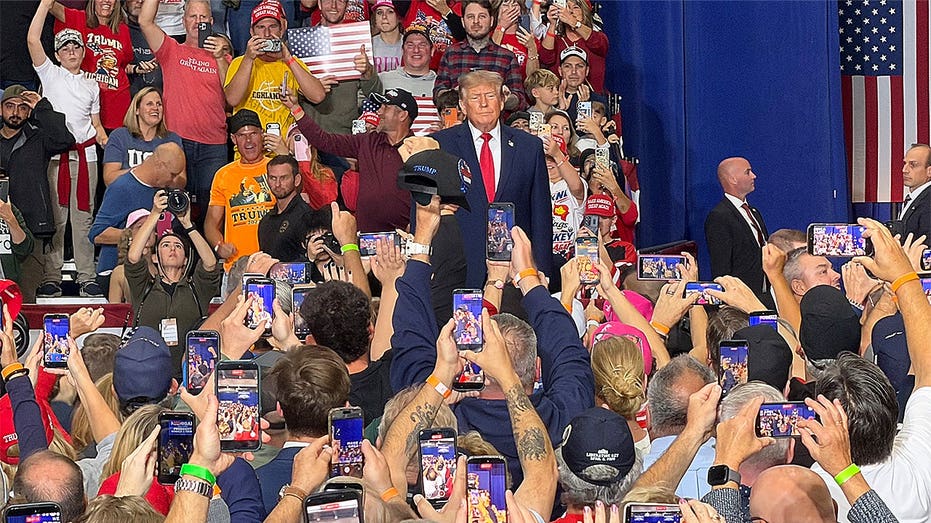
PORT HURON, Michigan – They’re coping with high prices at the gas and diesel pumps and at the supermarket, but the MAGA faithful in this key battleground state remain firmly supportive of President Donald Trump. In conversations with nearly 20 Michigan voters who waited in line for hours to attend a Trump rally in this small city on the shores of Lake Huron, voters made clear they’re sticking with Republicans in the midterm elections and view Democrats as “socialists.” “He has our best interests at heart. He loves our country and he is doing the right things for us to get back on track,” Carol Mocan of Warren, Michigan told Fox News Digital. As they fight to hold their slim House and Senate majorities, Republicans are fighting political history, as the party in power in Washington has traditionally lost seats during midterm election years. The GOP also faces a challenging political climate fueled by persistent inflation tied in part to what polls show is an unpopular war with Iran and Trump’s increasingly negative approval ratings. KAROLINE LEAVITT TELLS FOX NEWS DIGITAL TRUMP IS DEFYING MIDTERM HEADWINDS Trump stood at 36% approval in the latest Fox News national poll, his lowest level ever in a Fox News survey. But among self-described MAGA voters, the president’s approval rating remained at a sky high 95%. “I know that Trump is always out for America’s interests first. And that’s what I really like about him,” Bay City resident James Blake said. Linda Taggart of Marysville called the current high prices “short term pain for long term gain…. We see the long term goal and we support that.” Port Huron resident Bob Kemp said Trump is getting the U.S. back on course following four years of Democratic control in the White House under former President Joe Biden, noting “whenever you’re fixing something, it always gets worse before it gets better.” Another Port Huron resident, Michael Bacheller, said the affordability issue wouldn’t impact his vote in the midterms. “I think it’s kind of a small price that we have to pay temporarily, and I think that’s how Trump’s, you know, putting it, and I can agree with that,” he said. Asked if she blamed Trump for high prices, Judith Troy of Port Huron said “yes and no, you know, because he’s doing what he has to do. Which causes, you know, prices to go up and that, but he’s doing it for a good cause, so, you know, it’s expected.” Trump touted during his speech at the rally that “we are ensuring that Iran will never have, ever have, ever, ever a nuclear weapon,” as he offered his reason for launching the war against Iran. The argument resonates with MAGA voters. SIGN UP TO GET THE POLITICS NEWSLETTER “He’s taken the fight to the terrorists over in Iran,” James Blake said. Carol Mocan said she doesn’t blame Trump for the high cost of living “because Iran needed to be taken care of. And no one else has done it for a long time, and I don’t know who else would have, and I really think it needs to be shut down.” Ken Gunnels of Clio, Michigan said, “I believe Iran was a genuine threat to this country. If a nuclear bomb went off in one of our major cities, I don’t think any of us would have any idea the repercussions…that this country would suffer from that. I think those people are monsters, and I think we had to have a president that would stand up to them.” Other MAGA voters said while the war and the economy are important, another issue takes precedence. “My biggest thing is the immigration. If you’re here illegally, expect a knock on your door from ICE,” Burtchville resident Steve Scouten said. WHO’S UP AND WHO’S DOWN IN THE LATEST FOX NEWS POWER RANKINGS Bacheller, Scouten’s longtime friend, agreed. “I’m with Steve. I think if I could pick one thing that Trump should really go down for is the immigration policy,” he said. James Blake emphasized that Trump’s “shut the borders.” He added that the president has “also has advocated for no men in women’s sports, which is a huge one for us. Also with no tax on tips, no tax on overtime, no tax on Social Security, that’s huge, especially for a lot of members of my family.” And Port Huron resident Rolande Debell highlighted she’s “all for Trump” because “it’s all about being American. It’s all about our freedom. It’s all about our rights. It’s all about our Ten Commandments, and that’s Trump.” DEMOCRACY 2026: STAY UP TO DATE WITH THE FOX NEWS ELECTION HUB None of the MAGA voters Fox Digital interviewed said they would vote for a Democrat in the midterms. “I don’t like a lot of the things that they believe in,” Judith Troy said. Carol Mocan argued that Democrats “don’t live in the same world that that the rest of us do. They just don’t, they don’t think about the people. They think about their careers… whatever it takes to get elected.” Asked why he won’t consider voting for Democrats, James Blake said, “I’m not in the business of socialism. I don’t think that’s a good way to go, and I think that’s where the Democrats are heading at this time.” Meanwhile, Steve Scouten shared that he “used to be a Democrat.” “Never again. They’re too far to the left,” he claimed.
James Comey faces new DOJ case over alleged national defense disclosure
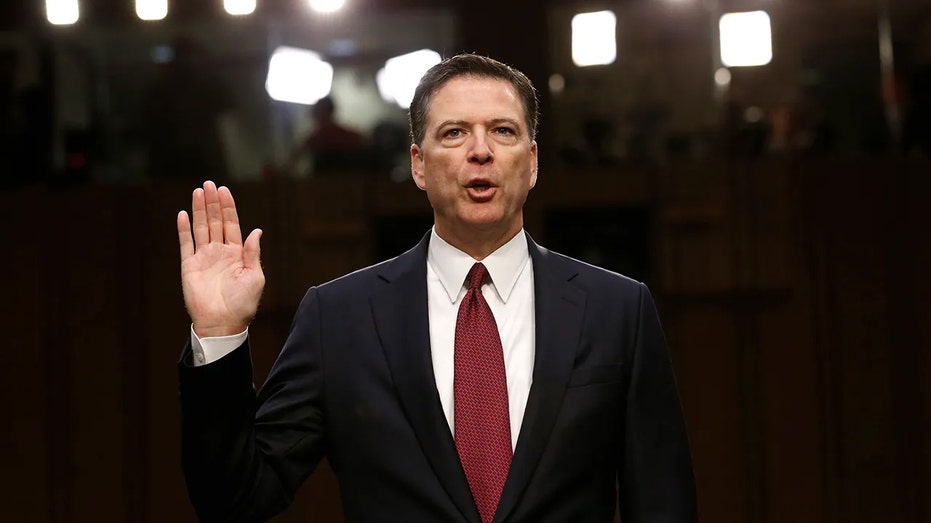
The Justice Department filed a criminal information against former FBI Director James Comey over allegations that he willfully communicated national defense information to an unauthorized person in connection with an alleged 2016 disclosure. Federal prosecutors filed the two-count criminal information in U.S. District Court for the District of Columbia, alleging Comey communicated national defense information and conspired with others to unlawfully disclose it. The Justice Department said that the filing was made to preserve the allegations before the statute of limitations expired as an investigation remains ongoing. NEW FEDERAL GRAND JURY SUBPOENA ISSUED TO FORMER JAMES COMEY ADVISOR IN LEAK INVESTIGATION: SOURCES “The Department filed a waiverless criminal information to toll the statute of limitations as it relates to allegations concerning former FBI Director Comey,” a spokesperson for the DOJ said. “Filing a criminal information to toll the statute of limitations is a widely recognized practice in federal court and has been approved by multiple Circuit Courts of Appeals. This is an ongoing criminal investigation, and we will not comment further.” Comey’s attorneys have challenged the filing. They’ve argued that prosecutors cannot move forward with the case without first obtaining an indictment from a federal grand jury. U.S. District Judge Trevor McFadden held an emergency, closed-door hearing on Oct. 9 after Comey’s attorneys moved to dismiss the case and unseal the proceedings. McFadden, who was appointed to the federal bench by President Donald Trump in 2017, granted the request to unseal the case but has not ruled on Comey’s motion to dismiss. OBAMA JUDGE RULES TRUMP DOJ ILLEGALLY FIRED JAMES COMEY’S DAUGHTER, REJECTS SWEEPING ARTICLE II CLAIM It remains unclear when or if prosecutors will seek an indictment from a grand jury. Prosecutors allege that on or about Oct. 5, 2016, Comey knowingly and willfully communicated information related to the national defense to a person who was not entitled to receive it. Comey denied wrongdoing in an Instagram post Monday, calling the latest action an “appalling abuse of the Department of Justice.” “Nothing’s changed with me. I’m still innocent. I’m not afraid of these people. And I still believe in the independent federal judiciary,” Comey said. He added that his family and legal team would “stand up in court and fight the latest and whatever comes after this.” OKLAHOMA STATE AGENCY FIRES STAFF ATTORNEY AFTER ANTI-ICE SOCIAL MEDIA TIRADE Prosecutors also allege Comey conspired with others to unlawfully disclose national defense information. The case marks the third attempt by the Justice Department under President Donald Trump to prosecute Comey. A previous case accusing him of lying to Congress was dismissed, while a separate case stemming from his “86 47” seashell social media post remains pending.
Dem bucks party over alleged Alaska vote-siphoning effort: ‘Neither party should be doing it’
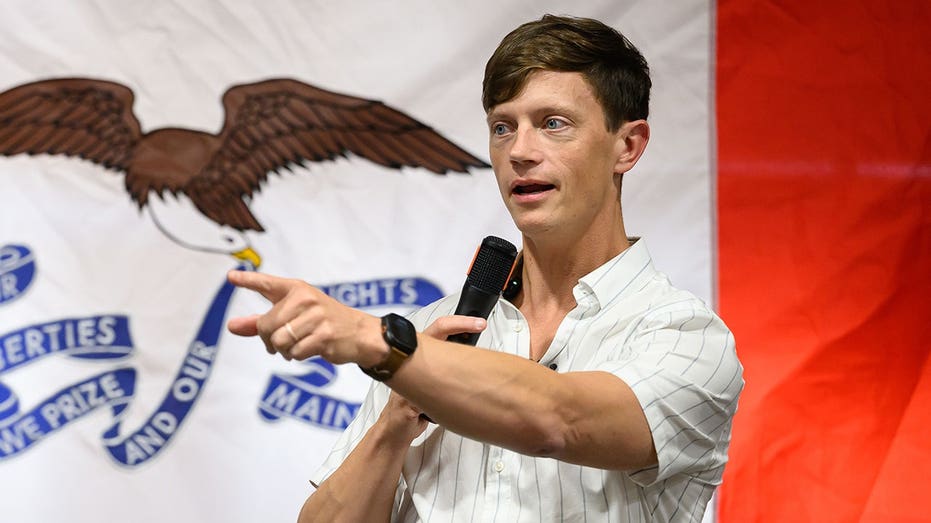
Iowa Democratic gubernatorial nominee Rob Sand is criticizing an alleged effort by Democrats to “siphon” votes from a Republican senator, calling the tactic “manipulating the political system” as the controversy consumes Alaska’s bruising Senate race. Sand was asked by Fox News about allegations that Democrats have boosted unaffiliated Alaska Senate candidate Daniel J. Sullivan Jr., whose name closely resembles that of incumbent Republican Sen. Dan Sullivan, in an effort to draw votes away from the senator. “Both parties are doing it and neither party should be doing it,” Sand told Fox News in an exclusive interview Sunday. “To me, it’s manipulating the political system and it’s not a good thing to do.” TOP ELECTION SCHEMES ROILING KEY MIDTERM RACES AS BOTH PARTIES ACCUSE RIVALS OF TRICKERY The unusual candidacy has become the center of an escalating legal and political fight in Alaska, where the Justice Department has intervened, arguing that the similarity between the candidates’ names could confuse voters. On the ballot, the Republican incumbent appears as “Dan S. Sullivan,” identified as a Republican and the incumbent, while his unaffiliated challenger appears as “Daniel J. Sullivan Jr.” Republicans argue the similarity could cause some voters intending to support the senator to instead select his unaffiliated challenger, accusing Democratic operatives of helping elevate Daniel J. Sullivan to “siphon” votes from the GOP incumbent. Democrats have blasted the Trump administration’s intervention, while Daniel J. Sullivan has denied that he is a Democratic plant. TRUMP SAYS ‘WE ARE LOOKING INTO’ OTHER DAN SULLIVAN ON ALASKA BALLOT, WARNS ABOUT GOVERNOR’S RACE Attorney General Todd Blanche defended the Trump administration’s lawsuit seeking to block certification of Alaska’s Senate results if Republican Sen. Dan Sullivan loses to his Democratic opponent, Mary Peltola. The administration says the lawsuit is intended to address the possible voter confusion, but Peltola called the case “flagrant corruption,” while Senate Minority Leader Chuck Schumer has called it “an outrage.” MANCHIN CALLS SCHUMER ‘CRAZY’ FOR TRYING TO OUST GOP SENATOR IN CRUCIAL SENATE SHOWDOWN “This is an outrage,” Schumer said on social media about the suit. “It shows they know they’re going to lose. We will fight tooth and nail. And we will win.” Peltola has argued that voters can distinguish between the two candidates and her campaign has asked a federal judge to dismiss the Justice Department’s case.
Brazilian election sends US progressives into online fever as key irregularity stokes result uncertainty
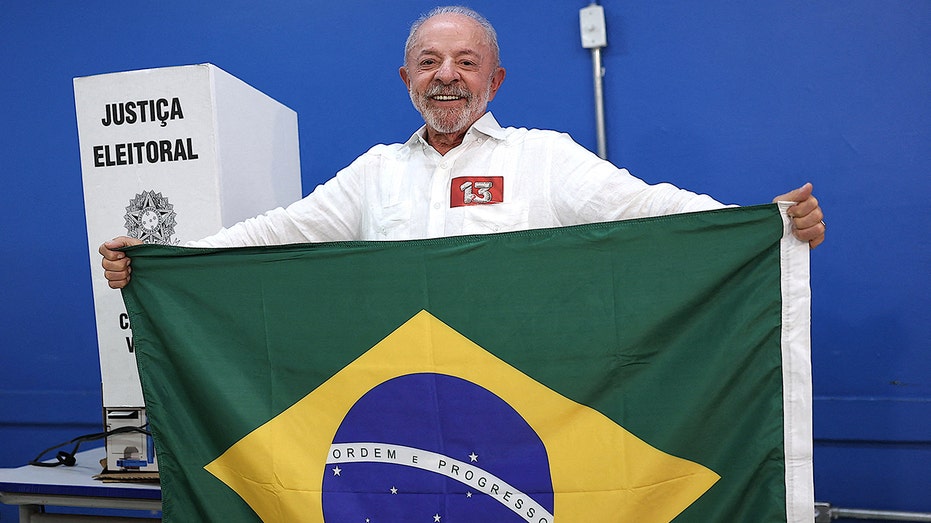
Brazilian President Luiz Inácio Lula da Silva’s victory securing a fourth term spurred a social media firestorm Monday morning as progressives in the United States celebrated his win from afar. “Yesterday, Brazil showed the world that the will of the people is stronger than the authoritarians who try to suppress it,” Rep. Alexandria Ocasio-Cortez, D-N.Y., said in a post to X. “Congratulations, President [Lula] and congratulations Brazil.” Progressives have framed Lula’s victory as a transnational repudiation of what they regard as the core politics of the Trump administration and its allies. But questions about the election remain after one of Brazil’s Supreme Court justices granted a last-minute extension of the country’s polling hours, prompting Lula’s opponent to question the legitimacy of the outcome. In the waning hours of the election, Lula requested a two-hour extension of voting hours from the country’s Supreme Court, citing delayed public transportation services. Less than half an hour before the polls were scheduled to close, Supreme Court Justice Christiano Zanin granted the extension nationwide, prompting an outcry from Flávio Bolsonaro, Lula’s opponent. CONSERVATIVE WAVE HITS ROADBLOCK IN BRAZIL AS LULA HOLDS OFF BOLSONARO CHALLENGE “What happened today was not normal. It was something frankly unacceptable. A Supreme Court justice, for the first time in history — a former lawyer of Lula’s — issues an order at the request of a former partner of his and changes the rules of the game in the middle of the game,” Bolsonaro said in a statement. Notably, Bolsonaro’s campaign also asked for an extension, citing heavy rain. Election experts in the country, speaking with local media, said the inclement weather and polling extension could provide grounds for a legal challenge to the election. “There is the possibility of requesting the annulment of the election. The deluge that fell in Santa Catarina and Paraná caused harm. The lack of buses and the restriction of public transportation in strategic cities, such as Salvador and São Paulo, harmed the right to vote,” Guilherme Gonçalves, an attorney and member of the Brazilian Academy of Electoral and Political Law, told Brazilian outlet GZH. Another expert, while casting doubt on whether a legal challenge would ultimately succeed, said uncertainty over the election would continue. “It is difficult for it to succeed, but the point is that the [Supreme Court] contributed to the instability of the electoral process, which is serious,” Guilherme Barcelos, an attorney with a doctorate in constitutional law and specialization in electoral law, told GZH. “The election does not end today. That is the point.” In the meantime, several Republican figures back in the U.S. blasted the outcome. Martin De Luca, an attorney representing some of President Donald Trump’s media groups, accused Lula of benefiting from his political connections to the Supreme Court. “Yesterday Brazil showed the world that if you are losing an election and you need to turn it around, you can call on your former lawyer turned judge to give you a lift and you’ll still be congratulated by all who share the cause,” De Luca wrote. Donald Trump Jr. echoed De Luca’s criticism in a reply to his post. “If a conservative government in Brazil did this, everyone in the mainstream press in America would lose their minds, but I guess they’re just choosing to be silent because it’s all for the cause,” Trump Jr. said. BLANCHE WON’T RULE OUT DOJ BLOCKING ELECTION CERTIFICATION IN ‘DOOMSDAY’ SCENARIO “Brazil did not have an election today. They had their country stolen from them by a criminal band of corrupt hacks who belong in jail,” Joey Mannarino, the co-founder of the Overton Institute, a conservative-leaning think tank, wrote. During his campaign, Bolsonaro built momentum on promises to increase public safety by expanding prison capacity and drastically cut the size of government through a 25% reduction in government ministries — policies that many Democrats viewed as mirroring efforts by the Trump administration. By contrast, Lula has advocated for anti-poverty programs, minimum-wage increases and expanded assistance for low-income families. The platform drew praise from progressive groups including the Democratic Socialists of America (DSA). “It is with tremendous pride that the Democratic Socialists of America congratulate President Luiz Inácio Lula da Silva, Vice-President Geraldo Alckmin … and the coalition of progressive and leftists parties on their victory and re-election in Brazil’s second round of presidential elections this past Sunday,” the group wrote in a press release. TRUMP’S WAR ON DRUG CARTELS COULD GAIN POWERFUL NEW ALLY AFTER PIVOTAL ELECTION “We commend the wide range of forces that joined together … to defend Brazilian democracy and secure this victory.” Other prominent progressives also celebrated Lula’s victory as a triumph for policies aligned with their own. “Lula has stood up for Brazilian workers and democracy — and will continue to do so in the next four years,” Sen. Bernie Sanders, I-Vt., wrote in a post to X. “People all across the world are fighting back against extremism. With Lula in Brazil, they just won,” Rep. Ro Khanna, D-Calif., said.
Somali rap promising to ‘scatter’ enemies underscores Omar’s serene lakeside video

Rep. Ilhan Omar, D-Minn., posted a serene lakeside video Friday set to a Somali hip-hop song whose lyrics boast of enemies scattering and being “crushed,” days after federal agents searched her Washington home as part of a criminal investigation. “Less scrolling, more strolling. Enjoying our beautiful Minnesota lakes,” the embattled congresswoman wrote on X in a post made at the end of last week. She attached a video of herself and her husband, Tim Mynett, walking on a dock over a lake with vibrant fall foliage in the background. The pair posed, smiled and appeared to chat as they serenely strolled across the dock, looking fondly at each other as the lawmaker running for reelection held a coffee. It ended with a montage of images from their walk. But a loud Somali hip-hop song accompanying the video told a much different story. ILHAN OMAR DOUBLES DOWN ON ‘REAL NAME’ WHEN CONFRONTED AT MALL OF SOMALIA “Let me reveal who I really am. No enemy dares threaten me, wherever I step, they scatter,” the lyrics to the song say in Somali, according to a translation obtained by Fox News Digital. “They flee and stay far away. I have always been the source of their distress.” The song, “Nimaan Ciilayba Icaaya,” is by Ilkacase Qays, whose real name is Muse Abdikadir. His website describes him as a “U.S. based Somali singer, rapper and activist.” The duet-style track features Somali singer Hodan Abdirahman. A cultural analysis of the song says it is “a powerful example of Somali lyrical poetry built around pride, bravery, personal dignity and unwavering trust in Allah.” “A fool’s words carry no weight,” the lyrics say. “Those I have angered now insult me. If the just one had felt anger on my behalf, would he not have crushed the enemy underfoot? With the strength the almighty has given me, If I draw on it late in the afternoon, by evening, I will have taught you a lesson.” FEDERAL AGENTS RAID ILHAN OMAR’S DC HOME AMID IMMIGRATION FRAUD INVESTIGATION The analysis describes the artist as using “exaggerated imagery to ridicule his opponents, portraying them as people who would lose sleep, suffer humiliation, and even seek supernatural assistance out of desperation.” “You go without sleep, overcome with anguish, weeping in spite,” the lyrics continued. “You howl like a demon through the night, because you cannot match me! Swallow your anger and choke on it if the just one had felt anger on my behalf.” Omar, who sources say is actually named Ilhan Nur Said Elmi, reemerged in Minnesota on Friday. It came after nearly two weeks out of the public eye following an Oct. 12, 2026, raid on her Washington, D.C., home, conducted by Homeland Security Investigations (HSI) agents. Members of the media followed her intently as she cast an early ballot alongside state Attorney General Keith Ellison at a polling place in Minneapolis on Friday. The pair then appeared at the Karmel Mall of Somalia in Minneapolis, where they enjoyed lunch among members of the Somali community and posed for photographs. HOMAN SAYS ILHAN OMAR COULD BE STRIPPED OF NATURALIZATION, DEPORTED IF IMMIGRATION FRAUD IS PROVEN Later in the day, Omar posted the video to X. It is unclear when it was filmed. The Somali-born Minnesota lawmaker restricted who can respond directly to her social media post, with the only publicly facing comment being from ousted former U.S. House “Squad” member Cori Bush, who wrote: “We love this.” Omar is being investigated for potential fraud related to immigration paperwork filled out by her or her father when she was becoming a United States citizen. HSI is the main investigatory agency for the Department of Homeland Security. During the raid, Omar’s passport and cellphone were confiscated by federal agents. Her sister, Sahra Noor, was interviewed by federal investigators in the wake of the raid. Federal agents have also obtained Omar’s DNA, Fox News reported. If fraud is proven, Omar could be denaturalized, border czar Tom Homan said last week.
Haley Stevens ripped by fellow Dems for refusing to explicitly back El-Sayed: ‘Stay the f— off television’
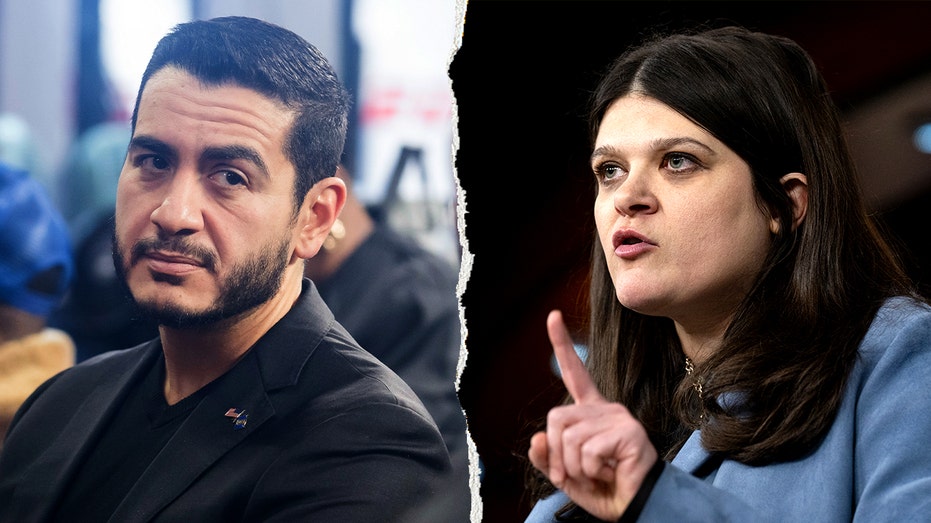
Abdul El-Sayed’s former Democratic rival is getting hammered by fellow left-wingers online for failing to explicitly endorse him during a weekend television appearance. Rep. Haley Stevens, D-Mich., who unsuccessfully ran for the Democratic nomination for Senate in Michigan, told CNN’s “State of the Union” that she broadly supports her state party’s ticket for the coming midterm elections. “Look, I’m on the Democratic ticket. I can’t say that I agree with everything that’s gone on,” Stevens answered. “I’m looking to be on the team to support my next governor, Jocelyn Benson, and frankly, these great Democrats who are working their tails off, who are going to make Hakeem Jeffries the first Black Speaker of the House.” BERNIE SANDERS CLAIMS SOME DEMOCRATS MAY WANT THEIR OWN SENATE NOMINEE TO LOSE When pressed about El-Sayed specifically, she said, “Well, look, I would just say, if you had asked me if I’m still on the team, I’m on the team.” But that was not enough for progressives, who promptly accused Stevens of undermining her fellow Democrat. “Ridiculous. For all the folks still pretending El-Sayed’s race is the same as [Roy Cooper’s] or [Mary Peltola’s], do they have former Dem rivals refusing to fully endorse them on national TV? ‘Blue no matter who’ was a hypocritical centrist lie and this hypocrisy may hurt Dems in 2028,” Mehdi Hasan wrote on X, referring to Democrat Senate races in North Carolina and Alaska. Leah Greenberg, who leads the progressive activist group Indivisible, wrote, “It is late October and people are voting every day, if you cannot give a full-throated endorsement to the Democratic nominee who could be the key vote in flipping the Senate, then stay the f— off television.” MICHIGAN DEMOCRAT WHO LOST SENATE PRIMARY TO ABDUL EL-SAYED TAKES AIM AT BERNIE SANDERS OVER ISRAEL STANCE Former congressional candidate Kyle Blomquist accused Stevens of “practically fawning over Mike Rogers” and said “her only real ideological commitment is to zionism.” Progressive commentator Emma Vigeland wrote on X, “There are financial and institutional incentives to remain on the side of genocide. Stevens is sabotaging El-Sayed on national TV, one week before the midterm, to protect her pocketbook and career over democracy.” More moderate and establishment-friendly Democrats pushed back on some of the criticism. Strategist Lis Smith responded to Hasan, “People—Democrats, Republicans, Independents—clamoring to support the Peltolas and Coopers is actually a validation of their candidate quality! It’s good to have candidates people want to associate with and that should be a factor when assessing candidate quality!” El-Sayed edged Stevens out by just 1% in the Michigan primary earlier this year, after fellow Democrat Mallory McMorrow dropped out of the race. El-Sayed won 48.5% of the vote compared to Stevens’ 47.5%, with McMorrow netting 4%. Stevens was notably the establishment-backed pick with support from top Democrats like Senate Minority Leader Chuck Schumer, D-N.Y. El-Sayed is backed by “Squad” Democrats like Reps. Rashida Tlaib, D-Mich., and Alexandria Ocasio-Cortez. Fox News Digital reached out to Stevens for comment on the online backlash but did not immediately hear back.
Obama judge rules Trump DOJ illegally fired James Comey’s daughter, rejects sweeping Article II claim
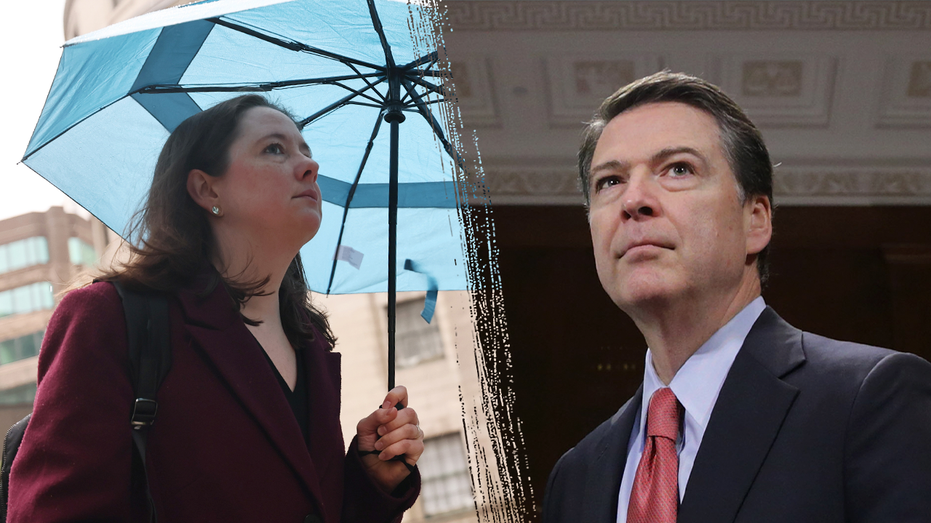
An Obama-appointed New York federal judge ruled Monday that the Trump Justice Department unlawfully fired former FBI Director James Comey’s daughter Maurene, rejecting the administration’s sweeping claim of executive authority and warning that its argument threatened the nation’s constitutional balance of power. The Justice Department acknowledged in court filings that Comey’s firing was not for-cause and was not based on her performance, but argued that the attorney general had the authority to remove her under Article II of the Constitution. “Defendants’ argument that [Constitution] Article II bars Congress from regulating the removal of AUSAs (assistant U.S. attorneys) flies in the face of nearly two centuries of Supreme Court precedent,” Judge Jesse Furman wrote, adding that accepting the administration’s argument would “unsettle the very equilibrium established by this nation’s constitutional system.” TRUMP’S FIRING POWER FACES TWIN SUPREME COURT TESTS, BUT ONE AGENCY MAY GET SPECIAL TREATMENT A DOJ spokesperson told Fox News Digital the department disagreed with the decision and will appeal it in “due course.” Furman ordered Comey retroactively reinstated and awarded back pay through Dec. 20, 2025, when she accepted another job. While federal law gives the attorney general authority to fire assistant U.S. attorneys, Furman ruled that Congress placed limits on that power through the Civil Service Reform Act (CSRA), which generally requires cause for termination and procedural protections for government workers. OBAMA JUDGE HALTS TRUMP FIRING BID AS DECADES-OLD LEGAL AUTHORITY TEES UP POSSIBLE MAJOR REVERSAL The judge found that Comey’s firing violated those requirements, noting that the government conceded her removal was not based on misconduct or poor performance and that she received neither advance notice nor an opportunity to respond. Comey had served about a decade in the prominent Southern District of New York, where she worked on some of the office’s biggest cases, including the prosecution of Ghislaine Maxwell – associate and rumored partner of Jeffrey Epstein — as well as the sex trafficking trial of rapper Sean “P. Diddy” Combs. Furman also recently rebuked the Trump administration during its efforts to deport pro-Palestinian Columbia University student activist Mahmoud Khalil, leading the federal government to argue for a change of venue to New Jersey. The judge, nominated in 2011, previously served as a federal prosecutor in the same Manhattan U.S. attorney’s office where both Comeys worked during their careers. Furman’s brother, Jason, served in the Obama administration as chairman of the Council of Economic Advisers. James Comey served as the top prosecutor at SDNY early in the George W. Bush administration, where he investigated President Bill Clinton’s controversial pardon of financier Marc Rich as well as interior designer Martha Stewart. The younger Comey was the second in her family to be fired under Trump, after the president terminated her father as FBI director in 2017 during the Russia collusion investigation. The elder Comey later came under fire for posting a photo of seashells on a beach arranged to form the sentiment “86 47” – with critics saying “86” was a reference to killing something, such as in restaurant lingo, and “47” referred to Trump, the 47th president. Maurene Comey’s attorneys said in a statement to The Associated Press that their victory was “hard-earned” for both their client and all civil servants. SIGN UP TO GET THE POLITICS NEWSLETTER “As the court correctly held, to accept the government’s argument about unlimited executive power ‘would be to unsettle the very equilibrium established by this nation’s constitutional system.’ This decision reaffirms our bedrock system of checks and balances: the President is not above the law,” they said.