

Trump officials warn decades-long decline among American men could carry national security consequences
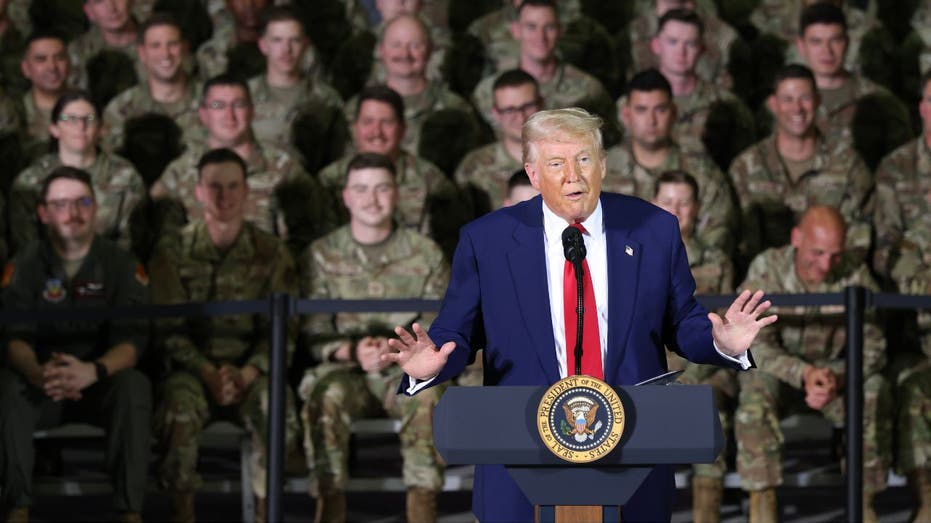
The Trump administration is targeting testosterone deficiency as a potential threat to military readiness, rolling out new screening guidelines for male service members amid growing concerns about the health of American men and the shrinking pool of young people qualified to serve. “There is absolutely a national defense readiness ramifications for [low testosterone],” Adm. Brian Christine, a senior Department of Health and Human Services official, told Fox News Digital in an interview. Christine also pointed to broader health challenges facing the military’s recruiting pool, warning that 77% of Americans ages 17 to 24 do not qualify for service without a waiver, with obesity, chronic disease and other barriers contributing to the problem. Among young men, he said, more than 70% are ineligible, while only about 3% of young Americans express interest in serving. The warning comes as the Trump administration places a renewed emphasis on military readiness, with Christine helping shape an initiative that led the Pentagon to issue testosterone deficiency screening guidelines for male service members ages 30 and older in September. THE REAL REASON BEHIND HEGSETH’S VIRAL MILITARY TESTOSTERONE SCREENING ORDER Trump entered his second term with an aggressive approach to rebuilding the American military, tightening fitness requirements, axing DEI policies, overhauling weapons acquisition, building up recruitment and refocusing the force on combat readiness and lethality. Christine, a urologist who spent more than 35 years specializing in men’s health, said testosterone levels have been declining for decades, raising concerns about the long-term health of American men and the physical demands placed on those serving in uniform. “I think it’s incredibly important, incredibly timely,” Christine said of the screening guidance. Under the Pentagon’s guidelines, male service members ages 30 and older undergo mandatory screening for testosterone deficiency, beginning with an assessment of symptoms and risk factors, with further testing and potential treatment available when medically appropriate. ‘WOKE’ MILITARY ACADEMIES TARGETED IN NEW BLUEPRINT FOR SWEEPING WARFIGHTING OVERHAUL “We’re not forcing testosterone on anybody,” Christine said. “But what we are doing is screening, taking those men who are symptomatic and have low numbers and offering them a pathway forward.” The HHS official pointed to obesity and chronic disease as established factors associated with low testosterone, while raising concerns that environmental exposures, including microplastics and other toxins, could also be contributing to the decline — a possibility researchers are still investigating. “In the mid-1970s, the average testosterone level for men in this country… was well over 650. Now it’s approaching 350,” Christine said. POPULAR WEIGHT-LOSS DRUGS LINKED TO UNEXPECTED MALE FERTILITY BENEFIT National Institutes of Health Director Dr. Jay Bhattacharya echoed those concerns in a separate interview with Fox News Digital, warning that some testosterone deficiency may be going undiagnosed even as medical guidelines stress that a diagnosis requires both symptoms and consistently low hormone levels. “It’s interesting because if you look at the epidemiological trends, testosterone levels in the American male population have been declining over the last decades. And again, we don’t know why. We don’t have an answer,” Bhattacharya said. Bhattacharya said researchers must determine not only why testosterone levels are declining, but also what medical guidance should follow for men diagnosed with a deficiency. “There are under-diagnosed testosterone deficiencies.” “The question of what to do about it, how to prevent it, that’s at the top of my mind,” he added. LONGER LIVES, WORSE HEALTH? SCIENTISTS UNCOVER TROUBLING TREND ACROSS GENERATIONS The NIH director also pointed to declining sperm counts as another area requiring further scientific investigation, suggesting that environmental exposures could be contributing to broader reproductive health concerns. “But even more importantly, what are the factors, probably environmental factors, that have led to the decline in sperm counts, for instance? We need an answer to those questions,” Bhattacharya said. Bhattacharya said the NIH is investing in research to better understand the potential causes of those trends and determine how doctors should advise American men. Christine said that testosterone is about more than muscle growth or physical appearance, arguing that hormone levels play an important role in men’s overall health. DEMS ROASTED FOR COMPARING HEGSETH’S TESTOSTERONE INITIATIVE TO ‘GENDER-AFFIRMING CARE’ “Testosterone levels in men are absolutely related to their overall well-being, to their lifespan, to their health span, and to their wellness,” Christine said. He also noted that men with low testosterone tend to experience higher rates of anxiety and depression. The administration is also developing separate hormonal health guidance for female service members, which the Defense Health Agency said would follow the September guidelines issued for male troops, with women’s health specialists contributing to the recommendations, Christine said. Christine said that the goal is ensuring that service members are equipped to perform their duties while addressing broader health challenges affecting American men. “If we truly want our men who are in uniform to be at their best,” Christine said, the focus must be on their ability to function and perform their jobs.
Minnesota candidate ‘stress tests’ state’s new fraud law — what she found raised major red flags
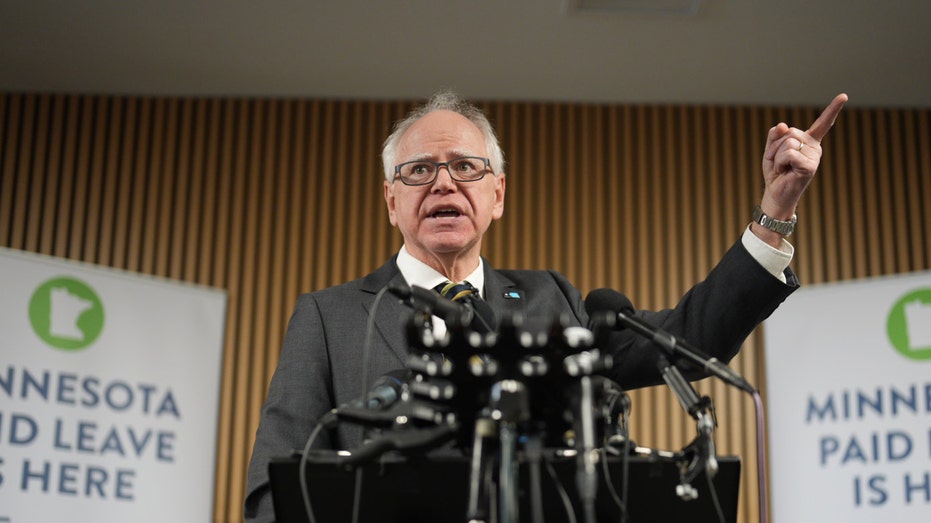
A Minnesota state Senate candidate revealed she found several vulnerabilities in a fraud prevention law signed by Gov. Tim Walz after testing it against the state’s previous fraud scandals to see whether it could have caught them sooner. The measure in question, the Office of the Inspector General law, creates an independent statewide watchdog that oversees inspectors general, investigates alleged fraud across state programs, establishes fraud prevention standards, and improves coordination and data sharing. However, Heidi Heino, the Republican candidate for Minnesota’s 36th Senate District, told Fox News Digital her test against the Feeding Our Future scheme and other past fraud cases found the law lacks extra safeguards when potential risks emerge. “When I stress tested against Feeding Our Future and some of the other fraud schemes that we had in Minnesota, it would have found the fraud eventually, but it’s way after the money was already gone and we would still be stuck trying to claw it back,” Heino said. MINNESOTA MAN CAPTURED IN SOMALIA AFTER ALLEGEDLY HELPING ORCHESTRATE $250M CHILD NUTRITION FRAUD SCHEME The law was passed as Minnesota faces the fallout from massive fraud schemes involving childcare, autism, housing and disability services. Republicans have blamed leadership and oversight failures, while the Trump administration launched a federal anti-fraud task force led by Vice President JD Vance. Working as a corporate leader whose day job involves underwriting, Heino said she used similar review and auditing practices to test where Minnesota’s fraud safeguards fell short. “Business does a lot with a little,” she said. “Government does the opposite. They do a little with a lot of resources.” Heino said she used a 2,800% increase in payments to Feeding Our Future from 2020 to 2021 in her test, a jump that should have automatically raised alarm bells and led to further review. The scheme alone allegedly stole $250 million from a federally funded child nutrition program during the COVID-19 pandemic. FRAUD EXPERT EXPOSES HOW HIDDEN NETWORKS DROVE MINNESOTA FRAUD, OTHER MAJOR SCAMS: ‘CRIMINAL ENTERPRISE’ “You don’t have to be a detective to see that there’s some issue there and so to investigate that and check and see if those claims are legitimate, and if they were legitimate, have someone actually sign off on it,” she said, adding that filling out extra paperwork may be frustrating but can help prevent fraud in the long run. Heino also argued Feeding Our Future should not have been allowed to address complaints against itself. “We had 30 complaints to the Minnesota Department of Education regarding the fraud and they are mostly overlooked or Feeding Our Future had to go correct itself and that was a huge gap there,” she said. She proposed immediately freezing payments, conducting a full review, and triggering an outside audit. “The OIG has good bones, but it needs teeth,” she said. Without independent audits, Heino said Minnesota will not be able to uncover fraud-related gaps, saying the additional oversight would save more money than it costs. GOP ACCUSES WALZ ALLIES OF BURYING $52M MEDICAID FRAUD REPORT BEFORE ELECTION “We get a lot of pushback saying this is going to be expensive, but is it?” she said. “It will be less expensive to have an independent audit than it is going to be to have all the fraud and lose taxpayer dollars to fraudulent activities.” Those same issues apply to current state programs like Minnesota’s Paid Leave program, according to Heino. “However, we need to rein it in and have more investigation before we start sending out the checks, especially with paid family leave,” she said. “They pay out before they have the doctor’s note certifying that this is actually true and they have verified it.” She acknowledged that the law is a “great first step” toward addressing the problem but said it does not go far enough to protect taxpayers and prevent future fraud. As a mother, grandmother and taxpayer, Heino said she is fed up with how leaders in her home state have handled fraud, adding the problem has gotten so bad that Minnesota has become the “laughing stock of the nation” and people no longer want to say they are from the state anymore. “We need to funnel those resources to the people that actually need them and keep people committing fraud from taking our money and running away with it, buying luxury condos or homes, and then funneling it out of the country,” she said. Fox News Digital reached out to Walz’s office and the Minnesota Department of Education for comment. “We have not slowed down, there is no sense in which the fraud has been stopped in Minnesota,” Bill Glahn, a policy fellow at the Center of the American Experiment, told Fox News Digital in August, making the case that the fraud situation in the state has not been properly addressed.
California must respond to DOJ’s emergency request over ballots mailed to alleged noncitizens, court rules
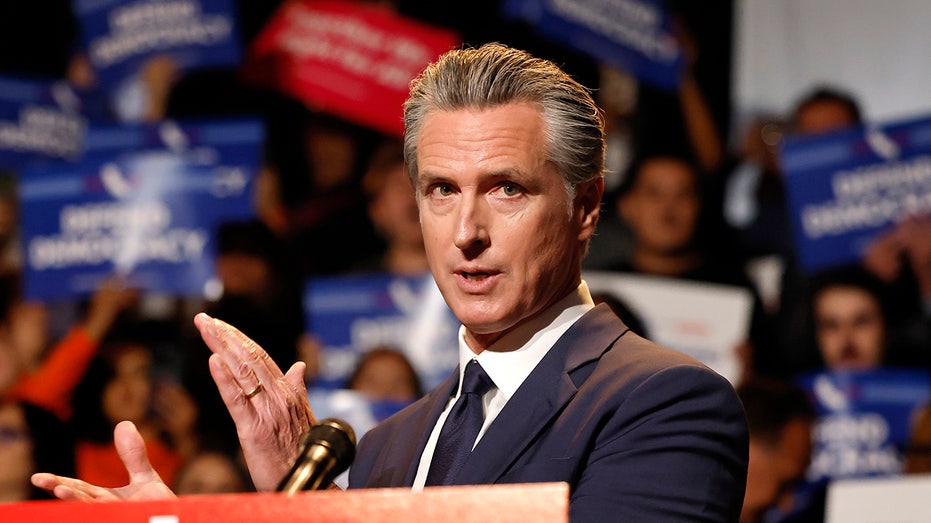
A federal appeals court ordered California to respond by noon Saturday to the Trump administration’s emergency request involving roughly 20,000 mail-in ballots sent to people the Justice Department suspects are noncitizens ahead of the midterm elections. The U.S. Court of Appeals for the Ninth Circuit issued the order late Friday after the DOJ filed an emergency request earlier in the day seeking a ruling by Saturday. The Justice Department sought emergency relief from the appeals court after U.S. District Judge David Carter did not rule by a deadline previously requested by the department. The DOJ is asking California election officials to set aside ballots associated with individuals on its list while their eligibility is reviewed, rather than allowing the ballots to be processed alongside other votes. DOJ GIVES CALIFORNIA 48 HOURS TO REVIEW LIST OF POSSIBLE NONCITIZENS ON VOTER ROLLS In its emergency filing, the DOJ emphasized the urgency of its request. “This is an emergency,” the filing, submitted by Attorney General Todd Blanche and First Assistant U.S. Attorney Bill Essayli, stated. “Every minute of processing that occurs without segregating the ballots of suspected non-eligible voters causes untraceable disenfranchisement and dilution of the votes of United States citizens,” the filing continued. Despite the Ninth Circuit’s order, a hearing before Judge Carter remains scheduled for Tuesday, according to Fox News’ Matt Finn. It remains unclear whether the appeals court will rule before that hearing. BLANCHE WON’T RULE OUT DOJ BLOCKING ELECTION CERTIFICATION IN ‘DOOMSDAY’ SCENARIO Essayli previously told Fox News Digital that federal investigators have evidence showing the 20,000 individuals received mail-in ballots in October. His office sued California last week seeking a court order to prevent ballots returned by those individuals from being counted. “We’re not asking California to take any drastic steps other than to sequester the ballots from the suspected noncitizens,” Essayli said in an interview Wednesday. “We believe it’s at a minimum of 20,000. That’s the floor.” Essayli also clashed with California Gov. Gavin Newsom on social media this week over the state’s safeguards against noncitizen voting. Essayli accused California of allowing noncitizens onto its voter rolls because of what he described as inadequate citizenship verification procedures, while Newsom defended the integrity of the state’s elections and maintained that California was following the law. ‘RAW MATERIAL FOR ELECTION FRAUD’: EXPERT FLAGS VOTER-ROLL PROBLEMS FAR BEYOND ONE STATE California election officials have rejected the Justice Department’s demands. In court filings, they argued that county election offices lack both the authority and access to federal records needed to verify voters’ citizenship status. They also said separating ballots associated with people on the DOJ’s list would be impossible in cases where the ballots have already been processed. California officials say that once a mail-in ballot’s signature has been verified, the ballot is separated from its identifying envelope and processed with other ballots. According to court records, officials have already processed 331,000 ballots in Los Angeles County alone. Friday’s escalation comes after Essayli’s office initially filed the suit Oct. 15, roughly two weeks after California began mailing ballots. Fox News Digital’s James Cirrone contributed to this report.
Virginia Dems cast doubt on prosecution of colleague after embracing criminal allegations against Trump
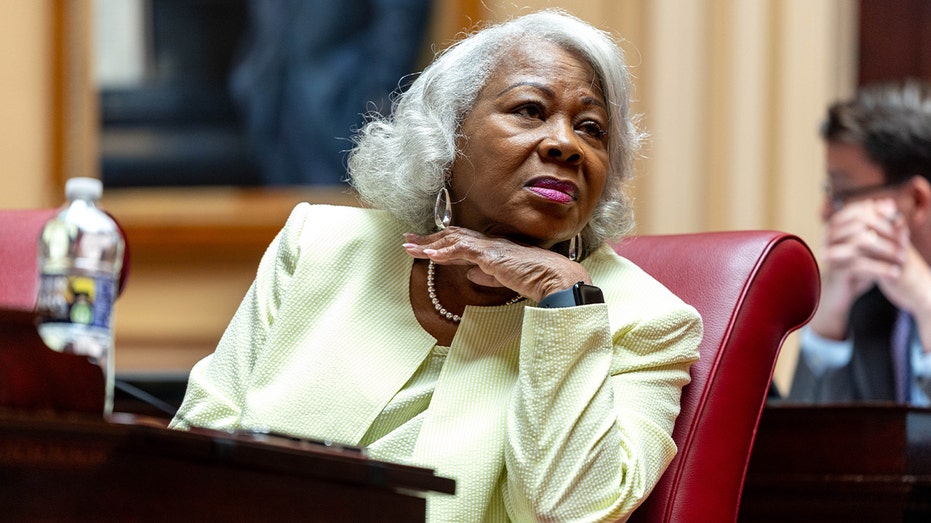
Virginia Democrats who previously defended investigations and allegations against Donald Trump are urging restraint now that federal prosecutors have charged one of their own. The shift is evident across the party’s top ranks following the indictment of Virginia Senate President Pro Tempore L. Louise Lucas. Lieutenant Gov. Ghazala Hashmi, who rejected Republican claims that Trump was being selectively prosecuted after his 2023 classified-documents indictment, is now stressing Lucas’ “constitutional presumption of innocence” and arguing Lucas “is fully entitled to legal due process.” Virginia Attorney General Jay Jones, who said last year that Trump tried to “incite a riot” and “overturn an election,” says the allegations against Lucas must be tested through a legal process “free from political interference or bias.” Rep. Bobby Scott, D-Va., likewise joined Sens. Mark Warner and Tim Kaine in declaring that “those charged with crime are innocent until proven guilty” and questioning the Justice Department’s motivations — years after Scott said during Trump’s first impeachment that “the facts are uncontested,” called his conduct a “gross abuse of presidential power” and declared that “no one is above the law.” Trump was later acquitted by the Senate. POWERFUL DEM’S JABS AT TRUMP COME BACK TO HAUNT HER AFTER OFFICE RAIDED BY FBI: ‘AGED WELL’ Gov. Abigail Spanberger, meanwhile, is stressing Lucas’ presumption of innocence after calling congressional defenses of Trump’s handling of classified documents “deeply detrimental to our national security” days after his 2023 indictment in a case that was ultimately dismissed without a trial. Lucas, who also chairs the powerful Senate Finance and Appropriations Committee, was indicted alongside six others in what federal prosecutors allege was a years-long criminal enterprise involving marijuana distribution, money laundering, bribery and fraud. She has denied wrongdoing, and an indictment does not establish guilt. The investigation that ultimately produced the charges began during the Biden administration, according to multiple reports. The contrasting rhetoric extends beyond individual officeholders. The Democratic Party of Virginia (DPVA) declared Trump had been “rightfully indicted” and that “no one is above the law” immediately after a Manhattan grand jury indicted him in March 2023 — more than a year before a jury heard the case. The party had also criticized Republican claims that federal law enforcement was being politically “weaponized” against Trump during the classified-documents investigation. Lucas currently serves as a DPVA vice chair. TOP SPANBERGER ALLY TARGETED IN FBI CORRUPTION PROBE HAS LONG HISTORY OF CONTROVERSY Rep. Suhas Subramanyam, D-Va., was the only Democrat contacted by Fox News Digital who responded to questions about the contrast between his past rhetoric about Trump and his current rhetoric about Lucas, rejecting the suggestion that his positions were inconsistent while accusing federal law enforcement of politically timing Lucas’ arrest. “It doesn’t matter if you’re a Democrat or Republican, the American people deserve answers and accountability from everyone,” Subramanyam told Fox News Digital. Subramanyam called the charges against Lucas “serious,” adding that “she should face justice if they are true,” while alleging that “the DOJ and FBI timed this arrest for two weeks before the election for political reasons.” “Trump has a pattern of targeting political opponents and weaponizing the DOJ, and he has spent his second presidency covering up the Epstein files,” Subramanyam said. “It took Congress forcing the administration’s hand to even get a fraction of the full files released.” VIRGINIA DEMS SPLIT ON DOJ PROBE OF SOROS-BACKED DA ACCUSED OF GIVING ‘SWEETHEART DEALS’ TO ILLEGAL ALIENS The federal investigation that produced Lucas’ indictment, however, predates Trump’s second administration. The Washington Post, CBS News and The Associated Press reported after federal searches in May, citing anonymous sources familiar with the investigation, that the probe began during the Biden administration. U.S. Attorney General Todd Blanche reiterated that the investigation began years ago and rejected allegations of political retaliation. “We don’t do political paybacks,” Blanche said. Federal prosecutors allege Lucas led a criminal enterprise involving relatives and associates that distributed marijuana and laundered proceeds while she used her political position to protect the operation and influence legislation that could financially benefit it. The indictment alleges Lucas and her co-defendants were involved in distributing at least 100 kilograms of marijuana, while FBI Director Kash Patel said the alleged scheme generated roughly $4.5 million. Lucas has denied wrongdoing and accused the federal government of trying to silence her. SIGN UP TO GET THE POLITICS NEWSLETTER “Today, the FBI, the Department of Justice, and the full weight of the federal government have been wielded against an 82-year-old great-grandmother,” Lucas said after surrendering to authorities. “I grew up under Jim Crow. I’ve seen what happens when people in power try to silence those who stand up to them.” “I will not be bullied,” she added. “And I will not back down.”
Iran has ‘substantially increased’ efforts to target Americans abroad, US intelligence memo warns
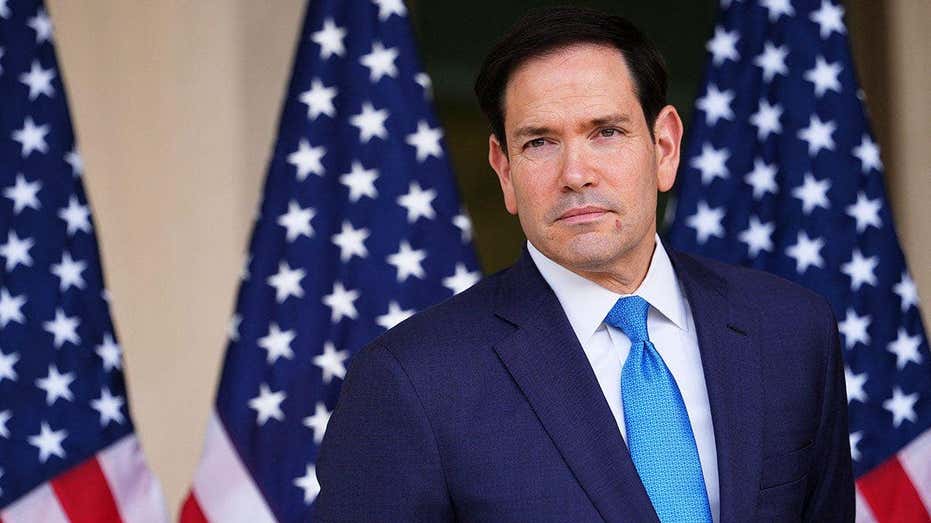
Iran has “substantially increased” efforts to target U.S. personnel abroad, with plots to kill Americans reaching “advanced stages” in the Middle East and other countries, according to an intelligence memo obtained by Fox News. The memo, sent Friday to Secretary of State Marco Rubio by Director of National Intelligence Jay Clayton, comes just days after the State Department ordered non-emergency U.S. government employees and their family members to leave Saudi Arabia due to escalating attacks by Iran-backed Houthi rebels. U.S. officials confirmed the authenticity of the unclassified intelligence memo, which was first reported by Axios. “Specifically, through various channels, we have received intelligence that Iran has substantially increased efforts to target U.S. personnel,” the memo states. ‘KEEP A LOW PROFILE’: STATE DEPARTMENT WARNS AMERICANS OVERSEAS THEY COULD BE TARGETED “The lethal plotting efforts by the Iranians against U.S. citizens have reached advanced stages in both the Middle East and certain other countries,” the memo continues. The memo also states that intelligence officials will work to downgrade the classification of certain intelligence so it can be disseminated and shared with State Department personnel. A U.S. official told Fox News Digital that the government continually monitors and evaluates evolving security threats. “When it comes to our staffing at embassies, we constantly evaluate new information about the security environment,” the official said. “The threat of Houthi attacks and of Iranian terror plots targeting U.S. officials are informing our decisions on staffing adjustments for embassies on RO Status in the region.” US PULLS PERSONNEL FROM SAUDI ARABIA AS KINGDOM COMES UNDER HOUTHI FIRE The intelligence report on Iranian efforts to target U.S. diplomats and officials in the Middle East also comes as President Donald Trump continues to weigh another round of military strikes against Iran if Tehran does not reach an agreement with Washington. Earlier this week, the State Department addressed reports that it directed nonessential government personnel and their dependents to leave the entire Gulf region, clarifying that the departure order applies only to Saudi Arabia. State Department spokesperson Tommy Pigott said that any claims of a potential broader regional shutdown were “inaccurate.” AMERICANS WARNED AGAIN TO RETHINK TRAVEL AS MISSILE ATTACK RATTLES HISTORIC REGION “The U.S. Department of State issued an ordered departure for non-emergency U.S. government employees and their family members in Saudi Arabia,” the department said. The State Department previously renewed its warning to Americans traveling in and through the Middle East in late September. The latest warning came as Iran-backed Houthi rebels launched several missile attacks toward Saudi Arabia. Fox News Digital’s Jessica Mekles and Fox News’ Nick Kalman contributed to this report.
A New England city was transformed by refugees – now it faces a youth gun violence crisis: ‘Fear for my life’

LEWISTON, Maine – A New England city transformed by an influx of refugees and immigrants is now grappling with a youth gun-violence crisis, as police report 35 gun-related incidents this year, 22 involving juveniles. “I don’t feel safe. I fear for my life,” Mohamed Muhumed, a Lewiston teenager, told Fox News Digital. “I saw someone get punched in the middle of the sidewalk over there. It’s crazy.” The city, Maine’s second most populous city and home to a large population of refugees from Somali and other African nations, is experiencing a serious youth gun violence problem. Lewiston Police Chief Carly Conley called the gun violence “one of the most serious public safety challenges” facing the city. EXPLOSIVE SLEEPER ISSUE RAGING IN THIS MAINE CITY COULD FUEL MIDTERM SHAKEUPS Jon Fetherston, a reporter for the conservative-leaning The Maine Wire who has reported extensively on the issue, told Fox News Digital that “the gun violence in Lewiston is very concerning. The majority… has been committed by teenagers… Multiple times teenagers have been arrested and immediately released by the courts back out on the streets.” “The court systems are being tapped. The DA is frustrated that the courts aren’t putting these kids away in jail… Residents are scared. Residents are very, very frustrated, and you’ve got kids shooting kids, and it’s almost become commonplace here in Lewiston,” Fetherston said. City officials have responded by approving $200,000 in additional police overtime funding to expand patrols and enforcement. They have also urged changes to Maine’s juvenile justice system, including more options for handling repeat violent offenders and greater scrutiny before high-risk juveniles are released. Mayor Carl Sheline said in a statement last month that the increased resources are “sending a strong message to those perpetrating gun violence: we will find you.” But he added, “Parental involvement and accountability are key to reducing youth gun violence in our city.” MAINE NONPROFIT WITH SOMALI TIES LOSING STATE FUNDING Republican Rick LaChapelle, a former city council president who is now running for mayor, told Fox News Digital, “Our biggest problem is the system itself. The police department is doing an excellent job catching these people. We have one young man that’s been arrested 5 times, I believe, for the same thing. He gets arrested, gets brought down to the youth center… gets released.” “It’s been a one-party rule forever that has instilled the rules that there’s no accountability,” LaChapelle argued. “We need to change the rules of the system.” Fox News Digital reached out to Sheline to discuss his efforts on combating the gun violence, but the mayor didn’t respond by the time this story was published. No official city or police data indicates that Somali residents as a group are behind the violence, or establishes a connection to the increase. But LaChapelle said, “That seems to be who’s being arrested right now.” Mohamed Adbei, a teenager who spoke with Fox News Digital on the streets of Lewiston, pushed back on any ethnic connection: “I wouldn’t just say it’s the Somali kids. It’s youth in general.” Ifraax Saciid, a Somali native who lived in Atlanta before moving to Lewiston, agreed. SIGN UP TO GET THE POLITICS NEWSLETTER “No, that’s not the root cause. I think the root cause is poverty here in Lewiston. Lewiston is very poor and is economically not in a good state,” she said when asked if there was a direct connection to the Somali community. “I think what’s happening here is happening everywhere. It’s happening in Atlanta. I have lived in Miami and Ohio and Kentucky and Minnesota and have seen what is happening in those states also happening here in Lewiston. It’s nothing new.” Lewiston has also been an epicenter in recent years for fraud scandals involving Maine’s joint federal and state Medicaid program. Saciid emphasized that “fraud is happening everywhere in the United States and with every skin color, with every class. It’s not tied particularly to one people.” The Somali influx to Lewiston began a quarter century ago, when refugees and secondary migrants started relocating to the former mill city along the Androscoggin River in search of safe neighborhoods and affordable housing. DEMOCRACY ’26: STAY UP TO DATE WITH THE FOX NEWS ELECTION HUB Then-Mayor Larry Raymond drew national attention in 2002 after asking Somali leaders to discourage additional migration to Lewiston, arguing the rapid influx was straining city resources. Fast-forward to present day and Lewiston has one of the highest per capita Muslim populations in the country, most of it Somali along with refugees from other African nations. Fetherston argued that “history has proven him [Raymond] to be correct that… that it was too much too fast because a lot has changed in Lewiston. And things are not working out in Lewiston.” LaChapelle noted, “I’m a French Canadian, so my ancestors came here…. We need legal immigration in America. We need to grow.” But he added, “We just have to do it logically and legally and in. When my ancestors got here, there wasn’t a free… gravy train all the way down. Now we’re supporting everybody. We have for 30 years, we still have some people that are still on the welfare system 30 years later. That has to change.”
Ilhan Omar doubles down on ‘real name’ when confronted at Mall of Somalia

Rep. Ilhan Omar told Fox News Digital that her “real name” is “Ilhan Abdullahi Omar” after a federal court filing identified the congresswoman by a last name matching that of her ex-husband, whom reports have alleged is her brother. “Ilhan Abdullahi Omar, you know it,” Omar told Fox News Digital when asked about her name. “It’s Ilhan Abdullahi Omar.” Omar was spotted by Fox News Digital at the Karmel Mall of Somalia in Minnesota as she made her way into the Karmel Masjid, inside the mall, for Friday prayers. ILHAN OMAR CALLS TRUMP ‘CREEP’ AS PRESIDENT REVIVES ‘FAKE NAME,’ MARRIAGE ALLEGATIONS Her comments come after two people familiar with the ongoing investigation into the Somali-born congresswoman, including a law enforcement source, said that her real name is Ilhan Nur Said Elmi. The last name is the same as her ex-husband, Ahmed Nur Said Elmi, who is alleged to be her brother. Federal prosecutors referred to the Minnesota Democrat as “Ilhan Nur Said Elmi, a/k/a Ilhan Abdullahi Omar,” in a Wednesday filing in D.C. federal court, as first reported by Fox News Digital. One source said the language used for her name in the filing reflected the evidence that has so far been compiled in the immigration fraud investigation. ILHAN OMAR HIT WITH EXPULSION THREAT AS GOP LAWMAKER VOWS TO BOOT HER FROM CONGRESS OVER DOJ PROBE One source disputed Omar’s account of her name, telling Fox News Digital, ‘That’s not her real name.’ U.S. Attorney for the District of Columbia Jeanine Pirro filed a motion on Wednesday seeking to prevent the federal search warrant for the congresswoman’s home from being unsealed, which was requested by several media outlets. The motion says the federal government is not yet finished executing the search warrant, and that it shouldn’t be unsealed yet. ILHAN OMAR’S SISTER QUESTIONED BY FEDS AFTER DRAMATIC DC HOME RAID “Before the Court are three Applications to unseal ex parte materials and proceedings related to a federal search warrant for the personal residence in the District of Columbia of Congresswoman Ilhan Nur Said Elmi, a/k/a Ilhan Abdullahi Omar…” the motion begins. If proven in court that the congresswoman was not using her “real name,” every single form she ever filled out could be subject to investigation, a former Minnesota federal immigration judge said. Omar’s spokesperson repeatedly denied the claim, telling Fox News Digital on Thursday that the reports of her name being “Ilhan Nur Said Elmi” are “completely false,” then proceeding with an attack on Fox News. The spokesperson also denied that Omar was once married to her brother, calling the claims a “disgusting conspiracy theory.” Omar’s residence in Washington, D.C., was raided by Homeland Security Investigations earlier this month as part of a probe into whether she or her father committed immigration fraud when becoming naturalized citizens. Federal authorities have since issued subpoenas to members of Omar’s family and seized her cellphone. Fox News Digital’s Peter D’Abrosca and Kiera McDonald contributed to this report.
Ilhan Omar calls Trump ‘creep’ as president revives ‘fake name,’ marriage allegations
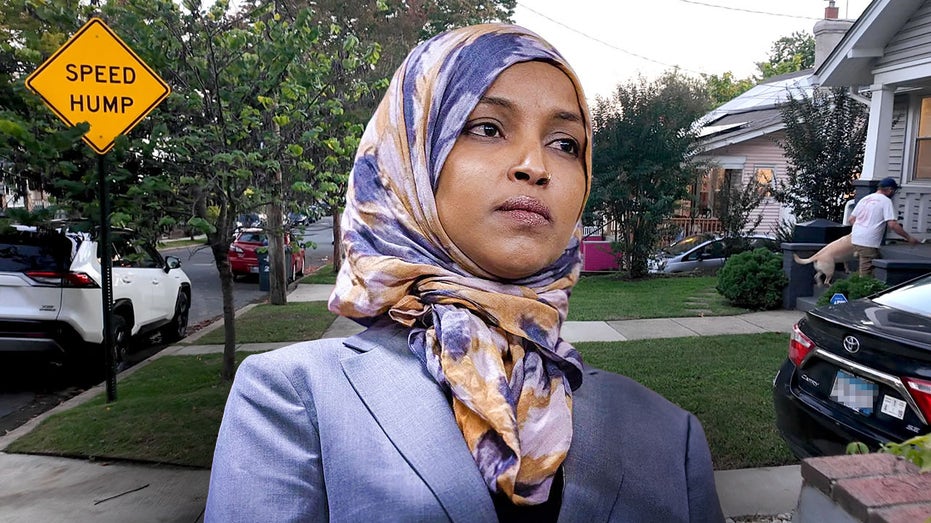
Rep. Ilhan Omar, D-Minn., lashed out at President Donald Trump on Friday after he accused her of using a fake name and revived longstanding allegations surrounding her former marriage. “The pedophile protection party’s president is laundering right-wing conspiracy theories through the most corrupt DOJ in American history,” Omar wrote on X. “Whenever the news turns bad, this creep reaches for one name: mine,” she continued. “So let’s make it crystal clear. My name has always been Ilhan Omar.” ILHAN OMAR HIT WITH EXPULSION THREAT AS GOP LAWMAKER VOWS TO BOOT HER FROM CONGRESS OVER DOJ PROBE Omar then turned her fire on Vice President JD Vance, adding, “Maybe you should focus on what your VP’s real name is.” The verbal pushback came as Trump called on Omar to resign from Congress Thursday after Fox News Digital reported that Omar’s birth name is Ilhan Nur Said Elmi, according to two people familiar with the ongoing federal investigation, including a law enforcement source. A Justice Department court filing this week, related to a search warrant for her Washington-area home, identified the Minnesota Democrat as “Congresswoman Ilhan Nur Said Elmi, a/k/a Ilhan Abdullahi Omar.” Omar’s office disputed Fox News Digital’s reporting, insisting, “Ilhan Omar is her real name.” Omar has not been charged with a crime. ILHAN OMAR’S TURBULENT WEEK EXPLAINED: THE DUELING PROBES THAT THREW THE SOMALI-BORN PROGRESSIVE INTO CHAOS “It was just revealed that Ilhan Omar’s name is not Ilhan Omar,” Trump wrote on Truth Social Thursday, accusing the congresswoman of using a “fake name” and calling for her immediate resignation. Trump also revived longstanding allegations that Omar’s former husband, Ahmed Nur Said Elmi, is her brother — claims Omar has repeatedly denied. He pointed out that the name used in the DOJ filings matched that of the man she allegedly married and is related to. When asked during an MS NOW interview this week whether there was any familial relationship with Elmi, Omar responded, “Not to my knowledge.” Her spokesperson later said the answer was sarcastic and reiterated that Omar “repeatedly and unequivocally” denied the allegation. Federal investigators are probing whether Omar or her father made false statements on immigration paperwork. Agents searched Omar’s Washington, D.C., residence earlier this month and seized her cellphone and passport, while her sister has also been questioned as part of the investigation, Fox News Digital previously reported.
‘Can’t trust Amy Acton’: Viral ad distracts from what’s really at stake in critical race, GOP strategist says
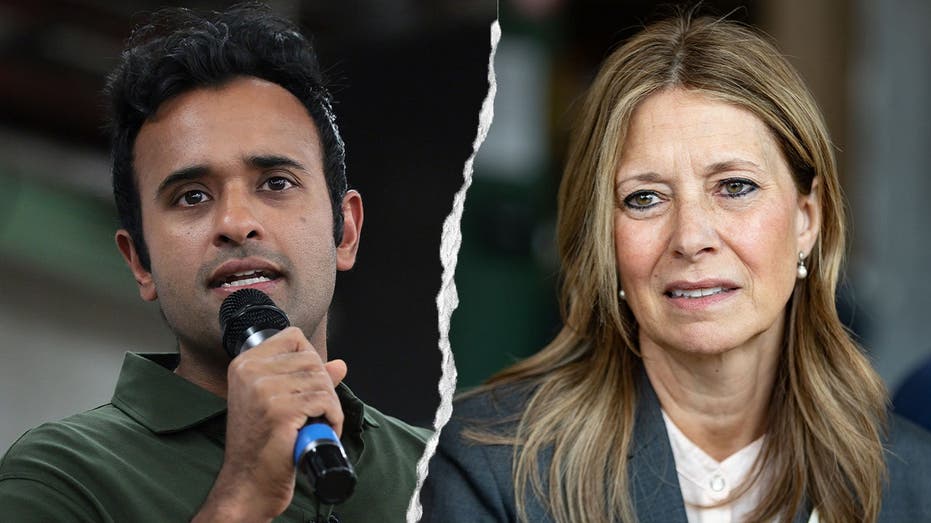
An ad earlier this week from Ohio gubernatorial candidate Vivek Ramaswamy sparked outrage from both sides of the aisle, but a political strategist in the state says that the record of his opponent, former health director Amy Acton, is what ultimately makes the difference in the race. The ad features Acton’s estranged mother, Donna Arthur, accusing her daughter of lying about her childhood and questioning her fitness to serve as governor. Acton responded by saying she and her brother were removed from their mother’s custody after her stepfather was accused of sexually abusing her, and Ramaswamy was quickly blasted by Democrats and some Republicans over the ad, which he has defended and spent millions to run over the next couple of weeks. The controversy over the ad went viral on social media and was even commented on by President Donald Trump, who strongly defended Ramaswamy. Ohio attorney and political strategist Mehek Cooke told Fox News Digital that Acton’s record is what should be under the microscope, not the ad. “I think that we have to really shift from Vivek’s recent ad into the most important question for Ohioans is, who do you want governing the state of Ohio? We clearly can’t trust Amy Acton, and she has a record of that,” Cooke told Fox News Digital. RAMASWAMY TORCHES DEM RIVAL OVER ‘OUTRAGEOUS’ COVID-19 CLAIM: ‘SPEWING LIES’ Acton’s record involves controversies both professionally and personally, many of which have been focused on by ads in the state of Ohio. Acton served as health director under Republican Gov. Mike DeWine during the first months of COVID-19, when Ohio closed schools, shuttered bars and restaurants, restricted businesses and imposed a statewide stay-at-home order. She also signed orders restricting nursing-home visitors, closing senior centers and adult daycare facilities, limiting mass gatherings and closing gyms and personal-service businesses before leaving the position amid pushback for the negative impact the lockdowns had. ‘GENERATION COVID’ EXPLORES THE LASTING TOLL OF PANDEMIC-ERA SCHOOL CLOSURES “She worked as a health director for Mike DeWine and left after masking our children, shutting down our state, and yes, Mike DeWine’s name is on those orders, but at the end of the day, it was Amy Acton’s signature,” Cooke said. “And she’s the one who pushed for locking down our kids. I don’t ever want to hire somebody who quits on the state during a pandemic. I can’t imagine if she had another meltdown, whether it was managing our state budget or anything else. So people don’t trust Amy.” Acton’s handling of nursing homes has also drawn criticism in pro-Ramaswamy advertisements on the airwaves. Ohio imposed a broad visitor ban at nursing homes and similar facilities in March 2020, separating residents from family members during the early months of the pandemic. The Ohio Department of Health was later sued over its refusal to release facility-level COVID-19 death data. An Ohio appeals court ruled that the department violated the state’s public-records law by refusing to provide information about nursing-home deaths. ‘COVID 2.0’: LAWMAKERS PUSH BACK ON SWEEPING HEALTH ‘POLICE POWER’ IN KEY BATTLEGROUND STATE The ruling involved the health department as an agency and did not establish that Acton personally ordered the records to be withheld. However, critics have continued to argue that the controversy raises questions about transparency during her tenure. Acton’s closure orders also became the subject of litigation from Ohio gyms. In the Rock House Fitness case, a court described the state’s actions as “arbitrary, unreasonable, and oppressive,” though subsequent legal proceedings and changes to the state’s orders complicated the dispute. More recently, five current and former state-government workers told the Washington Examiner that Acton was sometimes absent from pandemic strategy meetings and emotionally volatile while leading the state’s response. One source alleged that she was found curled up on the floor before an emergency meeting, while another said she was seen crying in a bathroom. A separate 2019 police report has also become a campaign issue. Bexley police responded to Acton’s home after a reported domestic dispute involving her husband. According to reporting based on the police report, Acton’s daughter told police that Acton had been drinking, throwing things and breaking glass. The report also said Acton pulled a mirror from a wall, shattering it. No one was injured and no charges were filed. Acton’s campaign described the episode as a normal marital argument and disputed claims that it demonstrated alcohol abuse. Acton has called broader accusations that she is an alcoholic or drug addict “lies” and “a complete fabrication.” Cooke explained that supporting law enforcement will be a critical attribute the next governor needs and that Acton has shown she is weak in that area, pointing to an Acton comment that appeared to compare ICE agents to the KKK and tying Acton to the “defund the police” ideology popular with socialist candidates across the country. “There are people coming out there wearing masks, with all the gear on,” Acton said earlier this year during a City Club of Cleveland forum. “We don’t even know who they are. They’re just showing up. Does this not feel like the Ku Klux Klan to anyone?” While Ramaswamy has faced blowback for using Acton’s mother in an ad, the race had already gotten personal and tied to family, with Acton’s side running ads invoking Ramaswamy’s mother. “They have run an attack ad on Vivek Ramaswamy’s mother and the failure of an Alzheimer’s drug, they started attacking family first and I think politics is brutal,” Cooke said. “This is a contact sport in terms of anything in your closet. It all goes, but the difference is Vivek actually comes and addresses questions. He talks to people. He explains whether it was his businesses or anything else that he has conducted for the betterment of our economy and Ohioans. Amy continues to hide.” With 11 days until voters decide who will be the next governor of Ohio, Acton has not yet agreed to debate Ramaswamy, which Cooke says is because she can’t articulate
Federal judge kicked off ‘botch job’ anti-DEI case after stunning appeals court rebuke
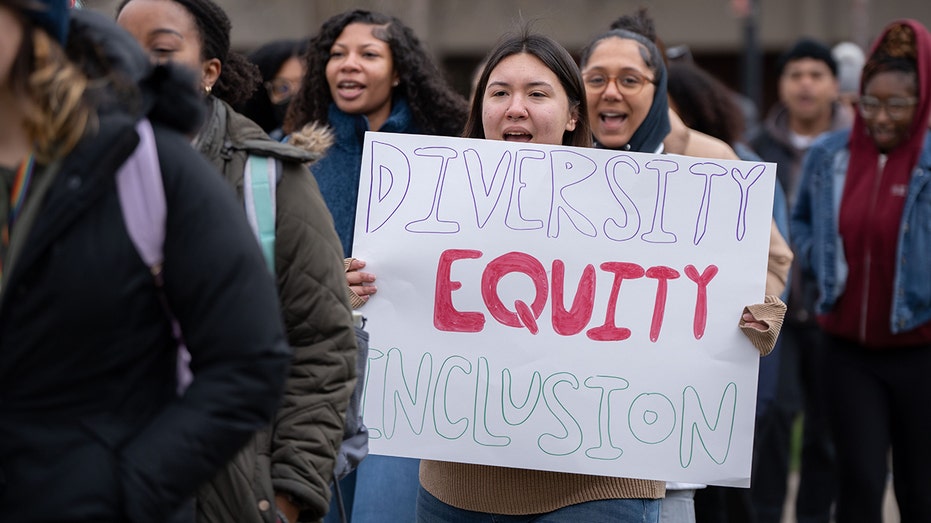
A federal judge was removed from a challenge to Mississippi’s anti-DEI law after the Fifth Circuit blasted his handling of the case as a “botch job,” pointing to orders riddled with factual errors, an apparent AI-hallucinated case citation and faulty applications of Supreme Court precedent. In an opinion penned by Judge Jerry Smith, a Reagan appointee, the appeals court vacated Reagan-appointed Judge Henry Wingate’s preliminary injunction blocking the law and ordered the case reassigned to a different judge — an “extraordinary” and “rarely invoked” move. “This district judge carelessly exercised his Article III power by issuing sloppy edicts based on falsehoods and fabrications,” Smith wrote, adding that “the district court—or perhaps, being charitable, its AI agent—ignored and manipulated governing law, apparently to satisfy a policy agenda.” The controversy surrounding Wingate’s handling of the case began with serious errors in a temporary restraining order he issued in July after a group of teachers, parents and students sued, arguing that a Mississippi state law restricting DEI-related practices in public schools and universities violated the First and Fourteenth Amendments. TRUMP ADMINISTRATION PROPOSES STRIPPING TAX-EXEMPT STATUS FROM SCHOOLS USING RACE-BASED PROGRAMS Wingate replaced the order just two days later after Mississippi officials flagged major factual errors, including 11 individuals and organizations identified as plaintiffs who were never a part of the case, two officials incorrectly named as defendants and unsupported claims that three schools had already canceled DEI programs because of the law. The original TRO also cited purported declarations from four people who did not appear anywhere in the record and “may not even exist,” according to the Fifth Circuit. It also attributed language to the bill that does not appear in the law, including references to “race or sex stereotyping,” “race or sex scapegoating,” “critical race theory” and “institutional bias.” “We are grateful—and, indeed, lucky—that the defendants provided a copy of the original TRO as an exhibit in their July 28 motion, ECF 58-1, given that Judge Wingate kept it from public view,” Smith wrote. Even the corrected TRO contained errors, including a citation to a nonexistent case that the Fifth Circuit called “an apparent AI hallucination.” Wingate cited the purported case while discussing the relationship between temporary restraining orders and preliminary injunctions, leading Smith to conclude that the fabricated citation was “arguably part of the shoddy reasoning of the preliminary injunction, too.” Wingate later acknowledged that a law clerk had used artificial intelligence to assist in drafting the TRO, following accusations of AI use surfacing publicly. Wingate said the errors were “clerical” and did not affect the court’s “core legal reasoning or the ultimate judgment on the merits.” The Fifth Circuit pushed back on that explanation, questioning “how so many mistaken facts could not at least marginally ‘affect’ ‘core legal reasoning’ or support for the judgment on the merits.” The Fifth Circuit found major flaws in Wingate’s legal reasoning, accusing the judge of misinterpreting Supreme Court rulings on free speech challenges, exceeding the limits of court injunctions and mishandling legal protections for government and public-employee speech. The panel zeroed in on the Supreme Court’s 2024 decision in Moody v. NetChoice, which sets a two-step test for courts considering First Amendment challenges seeking to strike down a law entirely. DOJ MOVES TO BOOT FEDERAL JUDGES FROM IMMIGRATION CASES OVER NYT INTERVIEW Under the Moody analysis, a court can strike down an entire law on First Amendment grounds only if its unconstitutional applications substantially outweigh its constitutional ones. The appeals court took issue with Wingate describing the Moody framework as “supposedly” required. “That Judge Wingate twice refers to the Moody framework as ‘supposedly’ required calls into question whether he even tried in good faith to follow the law,” Smith wrote. “The district court’s laxity in observing the binding authority of the Supreme Court is yet another reason to doom the preliminary injunction,” Smith continued. The appeals court also faulted Wingate for his reasoning in granting preliminary relief, pointing to his ruling that the court “should pause when faced with an unsettled area with such dire possible consequences.” “That gets the entire law of injunctive relief completely backwards,” Smith wrote. “A preliminary injunction cannot stand just because there is a possibility of success on the merits,” Smith continued. The appeals court also accused Wingate of misreading the Supreme Court’s 2025 decision in Trump v. CASA, which limits judges from issuing orders that go beyond what is needed to protect the people who filed the lawsuit. Wingate cited CASA in concluding that injunctions like the one before him “should be all-or-nothing renditions.” SIGN UP TO GET THE POLITICS NEWSLETTER “That is almost exactly the opposite of what CASA says,” Smith wrote. “The quoted portion was the Supreme Court’s cautioning against overbroad relief and urging judges to tailor relief to what is absolutely necessary and nothing more.” The Fifth Circuit sent the case back to the Southern District of Mississippi, where a new judge will consider it.