

Energy watchdog exposes eye-popping carbon footprint of Sanders’ jet-setting tour: ‘Fake socialist’
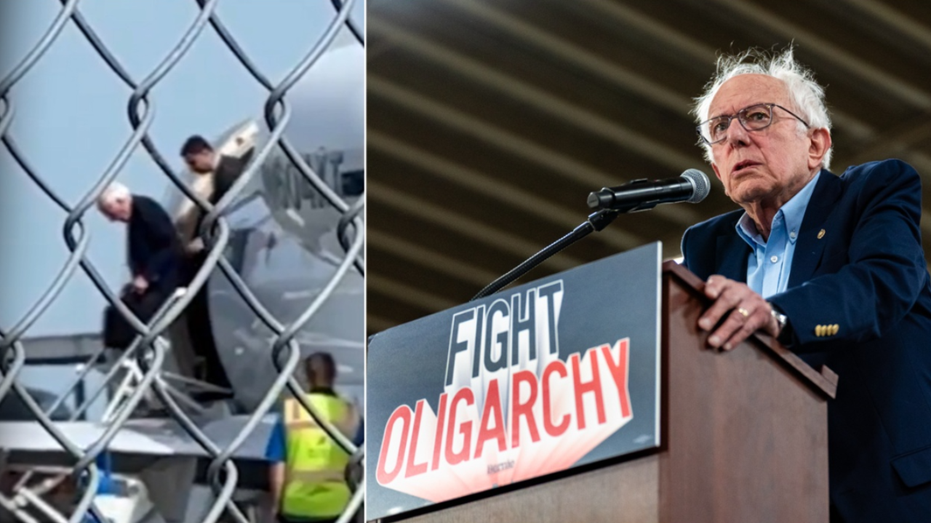
FIRST ON FOX: As Vermont Sen. Bernie Sanders continues to travel around the country on his “Fighting Oligarchy” tour, while at the same time defending his use of private jets to do so, an energy watchdog group has calculated the true scope of the carbon emissions his flights have emitted. During the 16 stops of the tour, which Sanders embarked on with the help of progressive Rep. Alexandria Ocasio-Cortez, his private jet emitted a total of 62.15 tonnes, or metric tons, of carbon dioxide, according to an estimate from Power the Future. To put that in perspective, Power the Future said in a press release that the emissions equate to burning 62,600 pounds of coal, driving a gas-powered SUV 150,000 miles, powering every home in Sanders’ hometown of Burlington, Vermont, for weeks, and powering nine U.S. homes for an entire year. Power the Future also calculated that Sanders generated more carbon dioxide emissions on this single tour than the average American produces in five years. Additionally, the group says that the emissions undo the carbon-capturing work of nearly 2,900 trees over the course of a year. JAMES CARVILLE AND DEMOCRATIC REP CALL OUT ILHAN OMAR, SAY PARTY NEEDS TO PRAISE GREATNESS OF USA “Sen. Sanders has voted for legislation punishing people for their carbon footprint and threatening fossil fuel executives with prison for climate change hysteria, but his personal actions demonstrate he’s just another limousine liberal, a fake socialist, unwilling to live what he wants to impose on you,” Dan Turner, Power the Future founder and executive director, told Fox News Digital. “The climate movement is dead, and Bernie Sanders’ hypocrisy helped kill it.” Sanders, in a recent interview with Fox News, refused to apologize for his private jet travel and argued that oftentimes it is not possible or feasible to fly commercially. SEN BERNIE SANDERS: WE HAVE A GOVERNMENT OF BILLIONAIRES, BY BILLIONAIRES AND FOR BILLIONAIRES “That’s the only way to get around,” Sanders told Bret Baier. “No apologies for that. That’s what campaign travel is about. We’ve done it in the past. We’re gonna do it in the future.” “You run a campaign, and you do three or four or five rallies in a week. [It is] the only way you can get around to talk to 30,000 people. You think I’m gonna be sitting on a waiting line at United…while 30, 000 people are waiting?” Power the Future noted that one of the private jet flights taken by Sanders was from Washington, D.C., to Los Angeles, a route that offers more than a dozen commercial flights per day. Sanders’ campaign committee, Friends of Bernie Sanders, spent over $221,000 chartering private jets during the first quarter of 2025, according to Federal Election Commission filings reviewed by Fox News Digital and first reported by The Washington Free Beacon. The filing, which was released last month, shows that Sanders dropped the massive haul between three private jet companies: Ventura Jets, Cirrus Aviation Services and N-Jet. Last month, Fox News Digital exclusively reported that Sanders and Ocasio-Cortez were spotted using a private jet worth up to a staggering $15,000 an hour for several West Coast stops on their “Fighting Oligarchy” tour. “Champagne socialists Bernie Sanders and Alexandria Ocasio-Cortez demand Americans surrender their pick-up trucks, air conditioning and meat from the luxe leather seats of their private jets that cost more per hour than most Americans earn in months. Their hypocrisy is staggering,” National Republican Congressional Committee spokesperson Ben Petersen told Fox News Digital at the time. Fox News Digital reached out to Sanders’ office for comment.
Democratic National Committee panel voids David Hogg’s election as party vice chair
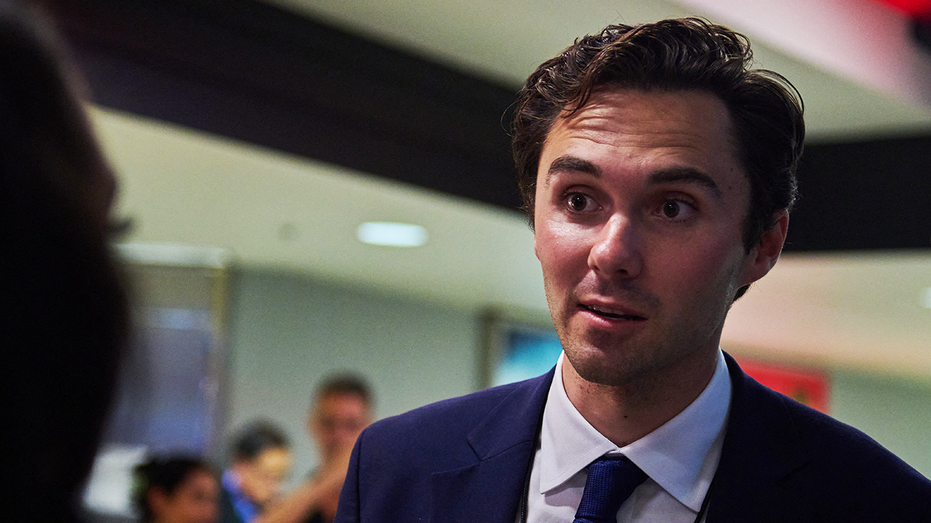
The Democratic National Convention voted to void its election of David Hogg as vice chair of the Democratic Party on Monday. The vote comes after mounting internal criticism of Hogg, though party officials say the vote was based on a procedural challenge made in February claiming Hogg and another official were improperly elected. The DNC will vote later this year on whether to remove Hogg. “[It’s] impossible to ignore the broader context of my work to reform the party which loomed large over this vote,” Hogg said in a statement after the vote, according to Politico. “The DNC has pledged to remove me, and this vote has provided an avenue to fast-track that effort.” Monday’s vote also ousted Pennsylvania state Rep. Malcolm Kenyatta as DNC vice chair. Christine Pelosi, a member of the credentials committee and daughter of former House Speaker Nancy Pelosi, D-Calif., argued the vote was not in reaction to their performance. DEMOCRATS’ VICE CHAIR GETS ULTIMATUM: STAY NEUTRAL IN PRIMARIES OR STEP DOWN FROM PARTY LEADERSHIP “First, I want to say clearly and explicitly that this decision has nothing to do with the service of any DNC officer, especially [Hogg] or [Kenyatta]. This is about a violation of parliamentary procedure that was raised in a challenge filed back in February by another candidate for Vice Chair.” “I think I speak for all of us on the Committee when I say I hope both of these talented individuals put their names on the ballot again,” she said. “We’ll move fast to get this resolved. I have total faith in our DNC members to review this issue and vote their conscience.” DEMOCRATS’ VICE CHAIR IGNITES CIVIL WAR, TARGETING ‘ASLEEP AT THE WHEEL’ INCUMBENTS IN PRIMARIES Hogg’s potential removal comes after he announced plans to spend $20 million to primary older Democratic lawmakers in blue districts to make room for new Democratic leaders. Hogg clashed with veteran Democratic strategist James Carville over the plan during a joint appearance on journalist Tara Palmeri’s podcast. Carville criticized it as “abominable” and “jacka–ery of the highest level” for prioritizing pushing out Democrats over beating Republicans. Hogg shot back that the party is capable of both. Carville demanded Hogg focus on winning elections against the GOP. Hogg insisted that the point of his strategy is to “win elections.” “It’s not to win an election in Queens which you don’t ever run against a Republican. It’s to help Democrats win elections.” The two ended up burying the hatchet, with Carville posting to X that the DNC “needs him,” as he “fights” for the party. Fox News’ Gabriel Hays contributed to this report
Saudi fighter jets escort Air Force One as Trump arrives to meet crown prince
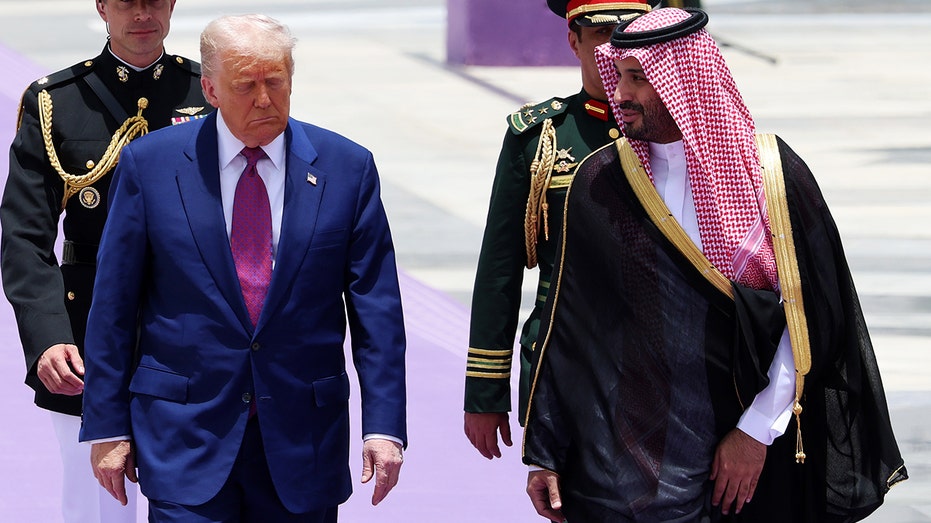
Saudi Arabian fighter jets appeared to escort Air Force One as President Donald Trump arrived in the country on Tuesday for a meeting with Crown Prince Mohammed bin Salman. “Air Force One about to go wheels down in Riyadh, Saudi Arabia with Saudi F-15 fighter jets bringing us in. On behalf of President Trump, THANK YOU!” White House deputy chief of staff Dan Scavino posted on X while sharing a video of jets flying alongside the U.S. president’s plane. Two jets flew on the left side of AF1 and three flew on the right. TRUMP TARGETS MASSIVE INVESTMENTS IN FIRST MIDDLE EAST TRIP Scavino also shared a video of the crown prince greeting Trump on a purple carpet after he landed at King Khalid International Airport. The two leaders had a coffee ceremony shortly after greeting one another. The president brought a slew of administration leaders with him, including Secretary of State Marco Rubio, Defense Secretary Pete Hegseth, Commerce Secretary Howard Lutnick and Energy Secretary Chris Wright. Trump arrived at the Royal Court in Riyadh at around 5:30 a.m. EST where he was welcomed with a ceremony and then participated in greetings with Saudi officials and U.S. guests. Trump is expected to have lunch and meetings over a three-hour period.
Knives out for Fetterman: Maverick senator joins long line of Dems punished for breaking from left
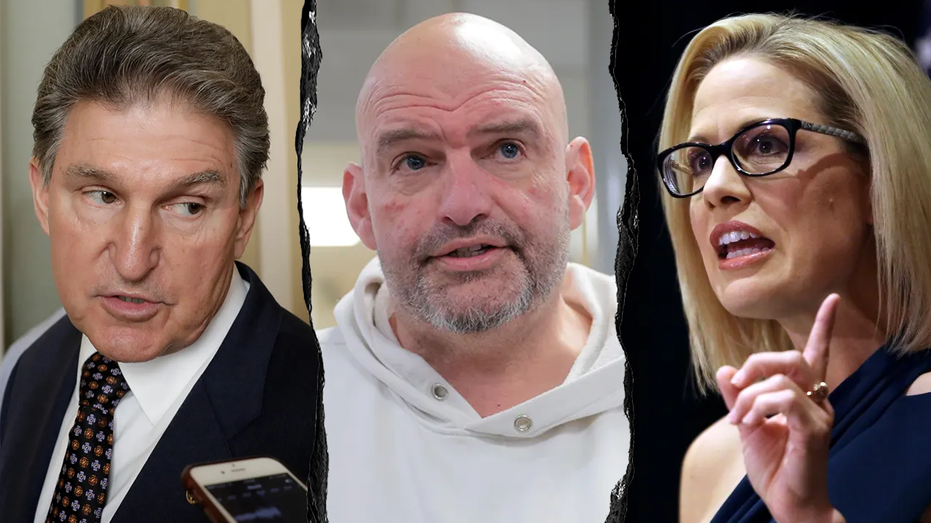
On border security, support for Israel and diplomacy with President Donald Trump, Sen. John Fetterman, D-Pa., has bucked the Democratic Party on key issues since assuming office in 2022. A string of media reports emerged this month detailing Fetterman’s alleged cognitive decline and waning support within the Democratic Party. A New York Magazine report sparked questions about Fetterman’s mental stability. Subsequent reports by the Associated Press, detailing an outburst during a union meeting, and by Politico, which indicated he is losing traction among Pennsylvania Democrats, were slammed by several of his Capitol Hill colleagues as a coordinated smear campaign. In an era of partisan politics, Fetterman has embraced bipartisanship with newly elected Sen. Dave McCormick, R-Pa. When McComrick was elected in November, the Pennsylvanians traded jabs for joint dinners as Fetterman built his reputation for being willing to reach across the aisle. Fetterman also met with Trump’s controversial Cabinet picks and worked with Sen. Katie Britt, R-Ala., to pass the Laken Riley Act this year. While Fetterman, who suffered a stroke during his 2022 Senate campaign, shut down questions about his mental fitness amid the relentless reports, it’s not the first time a Democrat has been targeted after falling out of line with the party. LEAKS TO MEDIA ABOUT FETTERMAN ARE A COORDINATED SMEAR CAMPAIGN, HILL COLLEAGUES SAY Sen. Chuck Schumer, D-N.Y., faced the ire of the Democratic Party earlier this year when he joined Fetterman in voting to pass the Republicans’ spending bill and avoid a government shutdown. Schumer, currently Senate minority leader, was slammed by progressive Democrats while the future of party leadership hangs in the balance. DEMOCRATIC SENATOR SAYS THERE ‘NEEDS TO BE SPACE’ FOR FETTERMAN IN PARTY AS REPUBLICANS COME TO HIS DEFENSE Former Sen. Kyrsten Sinema, I-Ariz., was once a Democrat but later registered as an independent. While she continued to caucus with her party, Sinema ruffled liberal feathers by opposing efforts to eliminate the filibuster rule and opposed former President Joe Biden’s “Build Back Better” plan. In 2022, Sinema said she was leaving the party, adding that “nothing will change about my values or my behavior.” Sinema became the first senator to switch parties since the late Pennsylvania Sen. Arlen Specter – then Republican – famously announced that “my change in party will enable me to be re-elected” in 2009. Soon after Sinema came now-former West Virginia Sen. Joe Manchin. Long seen as a moderate thorn in the side of the increasingly liberal Democrats, Manchin often clashed with his former party on environmental issues, given the Mountain State’s reliance on the fossil fuel industry. Things came to a head in Charleston when then-Gov. Jim Justice held up his bulldog Babydog backward in the legislative chamber and told actress Bette Midler – who had trashed the state over one of Manchin’s such votes – to “kiss her heinie.” Former Hawaii Rep. Tulsi Gabbard was once considered a rising star in the Democratic Party until her comments and behavior drew the ire of party elders like Hillary Clinton. The anti-interventionist Gabbard, who had appeared in the Moscow media, was anonymously slammed by Clinton in 2019 when she said that “somebody who is currently in the Democratic primary” was a “favorite of the Russians.” An advisor later said Gabbard was the figure in question. Since then, Gabbard has gone on to make a full partisan 180, becoming a member of President Donald Trump’s Cabinet. During Rep. Nancy Pelosi’s, D-Calif., historic speakership, another Democrat famously bucked the party and ultimately retired soon after trying to proverbially oust the queen. North Carolina Rep. Heath Shuler became disaffected by the liberal progression of the party and mounted an unsuccessful challenge to Pelosi’s leadership role after Democrats suffered massive losses in the 2010 midterms. Shuler, a former then-Washington Redskins quarterback, had been the leader of the moderate Blue Dog Democrat caucus when he took aim at the speakership. Fetterman’s office did not respond to Fox News Digital’s request for comment.
Trump criticizes Biden admin’s ‘reckless, soft-on-crime policies’ while announcing National Police Week
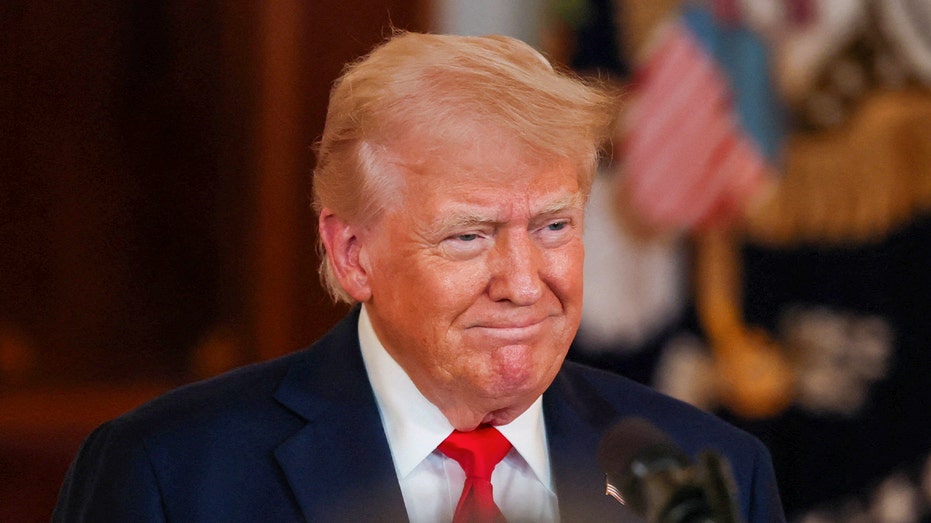
President Donald Trump criticized former President Joe Biden’s administration on Monday for allowing “lawlessness to permeate our country” while announcing Peace Officers Memorial Day and police week. Trump proclaimed Thursday as Peace Officers Memorial Day, continuing a 63-year tradition of honoring fallen officers on May 15. He also declared this week as National Police Week, beginning this past Sunday and going through Saturday. “This week and always, we honor the courageous men and women serving in law enforcement and memorialize those who sacrificed their lives defending the thin blue line,” he wrote in the proclamation. In the presidential action, Trump also called out the Biden administration for its “reckless, soft-on-crime policies,” which he said made it harder for police officers to do their jobs. CELEBRATE LAW ENFORCEMENT DURING NATIONAL POLICE WEEK “A nation in chaos ceases to be a citadel of liberty. Tragically, the previous administration allowed lawlessness to permeate our country, making it harder for our law enforcement officers to do their jobs,” the president wrote in the order. “Their reckless, soft-on-crime policies emboldened criminals and thugs; wreaked havoc on the sanctity of our homes, businesses, and public spaces; instilled fear; and jeopardized public trust.” Trump continued by saying he is fulfilling the promises that he campaigned on to make America safe again, including taking authority at the border and “restoring the rule of law in communities nationwide.” He also said that under his administration, all available resources will be utilized to ensure that officers will be equipped and trained to be the best they can be, qualified officers will be retained and recruiting will focus “on the basis of meritocracy.” NATIONAL POLICE WEEK IS AN OPPORTUNITY TO SHOW COPS WE HAVE THEIR BACKS Trump also called on Congress to codify his executive order mandating the death penalty for those who murder a police officer and to pass a bill enhancing protections for police officers. “I stand in steadfast solidarity with those who defend our freedoms and the families who love and support them,” Trump said. “We pray for those who grieve the fallen and pledge that their lives, legacies, and sacrifices will forever be remembered by our grateful Nation.” Governors have been asked to direct that the American flag be flown at half-staff on Thursday, and Trump has called on all Americans to observe National Police Week with “appropriate ceremonies and activities.”
GOP Rep. Randy Feenstra files paperwork for Iowa gubernatorial run
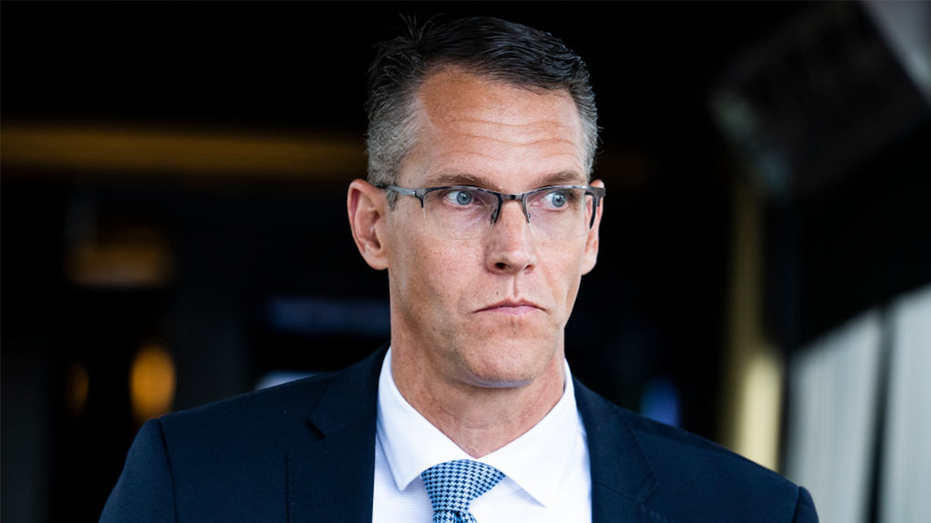
U.S. Rep. Randy Feenstra, R-Iowa, filed paperwork on Monday to run for Iowa governor in the 2026 election. Feenstra, who was first elected to the U.S. House in 2020, filed the paperwork for “Feenstra for Governor” with the Iowa Ethics and Campaign Disclosure Board, which is needed to launch a gubernatorial campaign, according to the Iowa Capital Dispatch. The congressman is seeking to replace Republican Gov. Kim Reynolds, who said last month she would not run for a third term in 2026. Feenstra has been considering a gubernatorial run since Reynolds’ announcement. THIS LONGTIME REPUBLICAN GOVERNOR WILL NOT SEEK RE-ELECTION IN 2026 “I’ll tell you right now, I’m focused on fulfilling and making sure that we get Trump’s agenda completed,” Feenstra told reporters on April 23. “However, I always want to do what’s best for our state, and I will continue to look at all aspects of what that looks like.” Feenstra has not publicly announced a campaign for governor. The GOP primary in the Hawkeye State could potentially be crowded, although former state Rep. Brad Sherman is the only Republican to have officially joined the race after he launched his campaign in February. DOGE SENATOR TELLS OUTDOORS GROUP TO ‘GO FISH’ AFTER DISCOVERING MASSIVE GRANT TIED TO HIGH SALARIES But others have taken steps toward a gubernatorial bid, including Iowa state Sen. Mike Bousselot, who launched an exploratory committee last month, as well as Iowa Attorney General Brenna Bird and House Speaker Pat Grassley — the grandson of U.S. Sen. Chuck Grassley, R-Iowa — who each said they are considering a run for governor. Iowa Auditor Rob Sand filed paperwork on Monday to run in the state’s Democratic primary. Feenstra is the only U.S. House member from Iowa considering a run for governor. The other three — U.S. GOP Reps. Ashley Hinson, Mariannette Miller-Meeks and Zach Nunn — all said they will not launch a gubernatorial campaign. Before he was elected to the U.S. House in 2020, when he defeated then-incumbent U.S. Rep. Steve King in the Republican primary, Feenstra served as a state senator since 2009. Before that, he was Sioux County treasurer from 2006 until 2008.
Free ride: Allies, even Laura Loomer, turn on President Trump for accepting luxury jet from Qatar
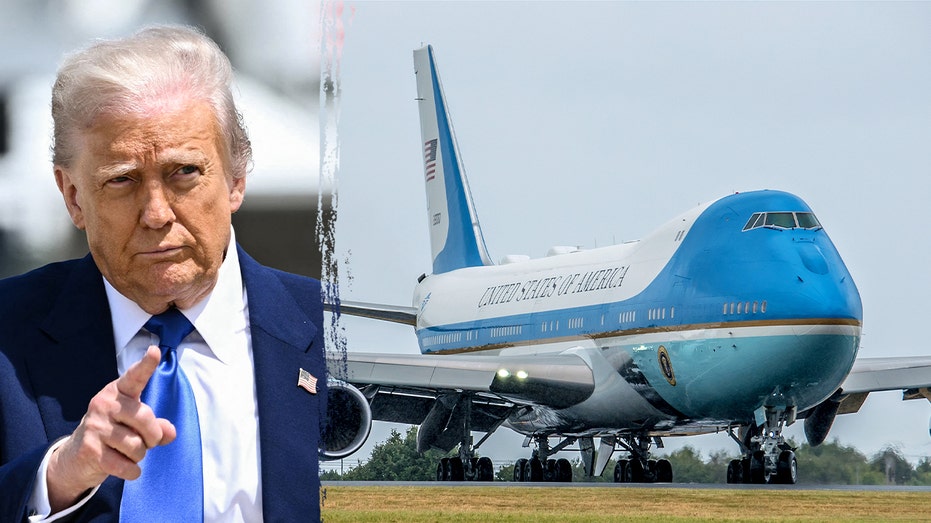
Hell hath now frozen over. President Donald Trump’s decision to accept a $400-million plane from Qatar, as a gift, has prompted stinging criticism from Laura Loomer. She’s the hard-right activist who specializes in getting the president to fire top officials and withdraw nominees, or at least claims credit for doing so. If you’ve lost Loomer, you’re losing the argument. TRUMP DEFENDS QATAR JUMBO JET OFFER AS TROUBLED BOEING FAILS TO DELIVER NEW AIR FORCE ONE FLEET Not according to Donald Trump. He told reporters yesterday that this was a “great gesture” by Qatar, done because “we keep them safe,” referring to Qatar and the UAE, which he’ll be visiting after Saudi Arabia. He said the maintenance costs on the 40-year-old Air Force One planes are astronomical, and noted that the Reagan Library has such a plane. The decommissioned Qatar aircraft will go to a future Trump Library. But the Gipper’s plane didn’t come from Qatar. “How are we supposed to ever see the US under the Trump admin designate the Muslim Brotherhood as a terrorist organization,” Loomer wrote, “if the US is now going to accept a $400 million jet from Qatar to fly the US President and his staff around on?” Calling the episode a “stain” on his tenure, she added: “I love President Trump. I would take a bullet for him. But, I have to call a spade a spade. We cannot accept a $400 million ‘gift’ from jihadists in suits. The Qataris fund the same Iranian proxies in Hamas and Hezbollah who have murdered US Service Members. The same proxies that have worked with the Mexican cartels to get jihadists across our border.” The media are in an uproar as well, and the story has only grown bigger since it was first reported by ABC News. HOUSE DEMOCRAT CALLS FOR ‘IMMEDIATE’ ETHICS PROBE OF QATARI PLANE GIFT TO TRUMP Of course, the luxury 747 will have to be upgraded with secure communications and military equipment. That would take at least till the end of the year. But one Pentagon official told the New York Times “we’re talking years, not months.” Trump consulted Elon Musk, the DOGE leader and head of SpaceX, who told him that the plane could be delivered in a year. Two loyalists – Attorney General Pam Bondi and White House Counsel David Warrington – approved the arrangement, according to the Times. Trump toured the 747 in February when it was parked at the Palm Beach airport. There was a Plan B that got derailed. The Qataris offered to donate the plane immediately to the future Trump Library. But administration lawyers said that would violate the Constitution’s emoluments clause – which as Beltway insiders know, bars any federal official from accepting personal gifts from a foreign nation without the approval of Congress. The president’s “flood the zone” approach has ensured that this isn’t the only story out there. He announced that after two days of talks, the U.S. and China reached a 90-day agreement that would reduce tariffs on Beijing from 145% to 30%, and Chinese tariffs would be cut to 10%. It’s clear that Trump blinked. Having tanked the markets (which soared yesterday), he was under enormous pressure to undo the damage. So now we’re back to square one, roughly where we might have been without igniting a global crisis. TRUMP SAYS ‘TOTAL RESET NEGOTIATED’ WITH CHINA DURING TARIFF TALKS IN GENEVA But perhaps Xi Jinping blinked as well. His government was feeling the impact of the sky-high tariffs as well. The Chinese, with considerably less enthusiasm, said the “mistake” would only lead to further negotiations. Trump also was able to announce a cease-fire in the escalating war between India and Pakistan, thanks to some weekend diplomacy by Marco Rubio and JD Vance. Trump also was able to announce that Hamas was freeing the last living American hostage being held by the terrorist group. Trump also sided with Vladimir Putin, who wants to meet for peace talks with Volodymyr Zelenskyy, who first wants a 30-day cease-fire, so that Moscow doesn’t continue the killing and gain more territory while stalling on any pause in the fighting. Trump also was able to unveil a plan that he says will lower the cost of prescription drugs by 30 to 80%. SUBSCRIBE TO HOWIE’S MEDIA BUZZMETER PODCAST, A RIFF ON THE DAY’S HOTTEST STORIES But circling back to the 747, the president chided ABC’s Rachel Scott when she tried to question him about the plane: “You’re ABC fake news, right? Only ABC — well, a few of you would… Let me tell you, you should be embarrassed asking that question. They’re giving us a free jet. I could say, ‘No, no no, don’t give us. I want to pay you a billion, or 400 million, or whatever it is’ Or I could say, ‘thank you very much.’” Scott tried again: “Respectfully, sir, as a businessman, some people may look at this and say, have you ever been given a gift worth millions of dollars and then not —” “It’s not a gift to me, it’s a gift to the Department of Defense,” Trump said. “And you should know better, because you’ve been embarrassed enough, and so has your network. Your network is a disaster. ABC is a disaster.” Whether the president is right or wrong, it seems like these are legitimate questions. And the media are always a great foil for him. So I don’t see him backing down.
Pentagon stopping gender transition treatment for transgender troops
The Pentagon is ending gender transition treatment for transgender troops, according to a new memo, as officials move to enforce President Donald Trump’s plan to boot transgender troops out of the U.S. military. Under the instructions, the Defense Department is prohibiting any new hormone treatments or surgical procedures for transgender troops, according to the memo, Reuters reported. “I am directing you to take the necessary steps to immediately implement this guidance,” Acting Assistant Secretary of Defense for Health Affairs Stephen Ferrara wrote in the memo. HEGSETH ORDERS DEADLINE FOR TRANS SERVICE MEMBERS TO LEAVE MILITARY: ‘OUT AT THE DOD’ One transgender service member described the move as “the latest slap in the face” to honorably serving troops. “If there was any doubt left, there is not anymore: transgender service members are no longer entitled to the same standard of medical care as their peers,” the service member told Reuters, speaking on condition of anonymity out of fear of being targeted. Last month, Defense Secretary Pete Hegseth expressed his opposition to gender transition treatment for transgender troops when he re-posted an article on X that said the Pentagon would resume treatments for transgender troops and their dependents. BIPARTISAN BILL WOULD MAKE IT EASIER FOR MILITARY RECRUITS WITH MEDICAL ISSUES TO LAND DEFENSE JOBS “If this is true – we will find any way possible to stop it,” Hegseth wrote. “Taxpayers should NEVER pay for this lunacy.” Since being confirmed as Pentagon chief, Hegseth has embraced efforts to eliminate diversity initiatives, particularly those applying to transgender troops. Last week, the U.S. Supreme Court gave the green light for the Trump administration to implement its ban on transgender troops in the military, allowing the Defense Department to discharge thousands of current transgender troops and deny new recruits as legal challenges against the move continue to play out in court. A memo released last week revealed that Hegseth issued instructions to begin kicking out transgender troops who do not voluntarily leave by June 6. Trump had signed an executive order in January shortly after returning to the White House that reversed a Biden administration policy that had allowed transgender troops to serve. Officials have said there are 4,240 U.S. active-duty and National Guard transgender troops, although some transgender rights advocates say the number may be even higher. Reuters contributed to this report.
Trump targets massive investments in first Middle East trip
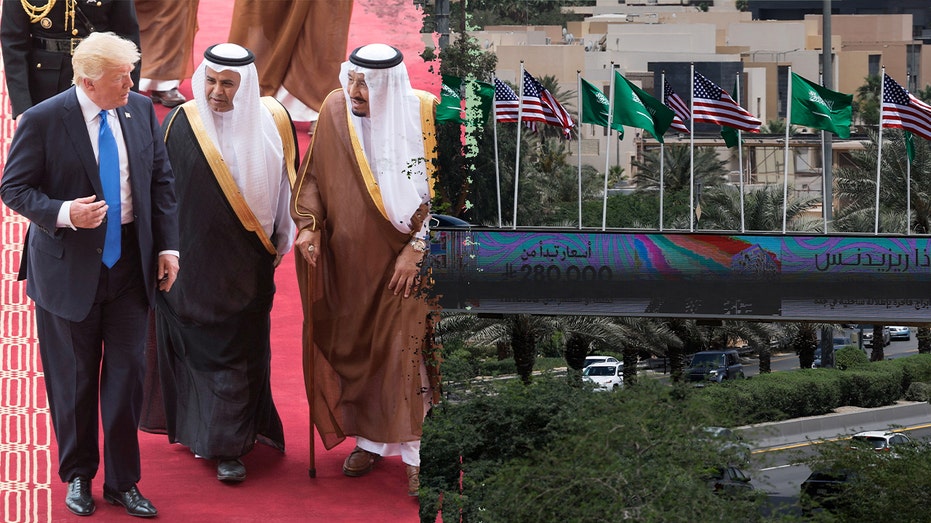
Former President Donald Trump is embarking this week on a high-stakes tour of the Persian Gulf region, targeting business deals and strategic partnerships with three oil-rich nations: Saudi Arabia, the United Arab Emirates and Qatar. The trip marks Trump’s first major foreign visit of his new term and comes as nuclear negotiations with Iran drag on and as war continues between Israel and the Palestinian terror organization, Hamas, in the Gaza Strip. While business is the official focus, the backdrop is anything but calm. White House press secretary Karoline Leavitt described the mission as part of Trump’s broader vision that “extremism is defeated [through] commerce and cultural exchanges.” Under President Joe Biden, U.S. relations with Gulf states cooled, particularly after Biden vowed to make Saudi Crown Prince Mohammed bin Salman a “pariah” over the 2018 killing of journalist Jamal Khashoggi. But Trump has reversed course, embracing a more transactional approach that has warmed ties with regional leaders. “The overall goal here is that the United States is reminding our Middle East allies that we’re here to stay,” said Gregg Roman, executive director of the Middle East Forum. “We’re here to promote our joint interests rather than the abandonment policies under the previous administration.” Saudi Arabia has already pledged $600 billion in U.S. investments, spanning weapons purchases, technology transfers, artificial intelligence and the stock market. Trump has said he believes the Saudis may ultimately commit up to $1 trillion. While Saudi leaders aim to diversify their economy away from oil, those massive investments still depend on oil revenues, which could be threatened by Trump’s push to lower global energy prices. TRUMP STRAINS RELATIONSHIP WITH NETANYAHU AS MIDDLE EAST POLICY INCREASINGLY ISOLATES ISRAEL In addition to economic deals, Trump and bin Salman are expected to discuss a possible civil nuclear program and expanded defense cooperation. Such agreements were once linked to a potential Abraham Accords-style normalization between Saudi Arabia and Israel. But Riyadh has made clear it won’t recognize Israel unless Palestinian statehood is on the table, something Israeli Prime Minister Benjamin Netanyahu has staunchly opposed. No stop in Israel is scheduled during Trump’s tour. “Israeli normalization in any Saudi-U.S. project is an outdated option,” said Saudi geopolitical analyst Salman Al-Ansari. “The second Trump administration is doubling down on its strategically autonomous Middle East policy.” In a possible goodwill gesture ahead of the trip, Hamas released Israeli-American hostage Edan Alexander, a move Trump called “monumental” in the push to end the Gaza conflict. And as the UAE seeks to boost its ties with the U.S. and become a global AI leader by 2030, it’ll need American microchips. The UAE has gone even further than the Saudis, promising $1.4 trillion in U.S. investments over the next decade focused on AI, semiconductors, manufacturing and energy. Biden had tightened curbs on AI exports to keep such technologies out of the hands of adversaries at a time when China drew closer to Middle Eastern states, especially the UAE. On Thursday, the U.S. announced Trump would rescind the Biden-era restrictions. Trump’s whirlwind Gulf visit begins Tuesday in Riyadh, Saudi Arabia, where he’ll headline the U.S.-Saudi Investment Forum alongside Saudi ministers, White House crypto czar David Sacks and other business leaders. On Wednesday, he’ll attend a Gulf Cooperation Council meeting before flying to Qatar for talks with Emir Tamim bin Hamad Al Thani and a visit to the U.S. military’s Al Udeid Air Base. Thursday’s final stop is Abu Dhabi, where Trump will meet UAE President Sheikh Mohammed bin Zayed Al Nahyan. 4TH ROUND OF US-IRAN TALKS ENDS AS TRUMP SET TO EMBARK ON HISTORIC MIDDLE EAST TOUR The Qataris are pulling out all the stops to impress: They’ve offered Trump the use of a royal Boeing 747-8, typically reserved for the Qatari royal family, to serve as Air Force One. Since being named a major non-NATO ally by Biden in 2022, Qatar has deepened its ties with the U.S., hosting American troops and mediating sensitive negotiations, including ongoing back-channel talks between Israel and Gaza. Doha also maintains close contact with Syria’s new president, Ahmed al-Sharaa, who ousted Bashar al-Assad and is now seeking sanctions relief and normalized ties with the West. “Regional leaders will have an opportunity to address the situation directly with the president,” said regional expert Jonathan Bass. “Trump is the only man that can lead the way.” While a fourth round of Iran nuclear talks in Oman over the weekend failed to produce a breakthrough, Tehran is expected to keep a close eye on Trump’s Gulf meetings. Iranian Foreign Minister Abbas Araghchi made unannounced visits to both Saudi Arabia and Qatar ahead of Trump’s arrival, likely in hopes of passing messages through those governments to Washington. But all three of Trump’s host nations, Saudi Arabia, the UAE and Qatar, remain wary of Iran’s ambitions. “The region needs to openly address the problem of the IRGC,” said Bass, referring to Iran’s elite Islamic Revolutionary Guard Corps. “The IRGC is trying to undermine every single country in the region.”
Trump endorses Jack Ciattarelli for New Jersey governor: ‘A winner’
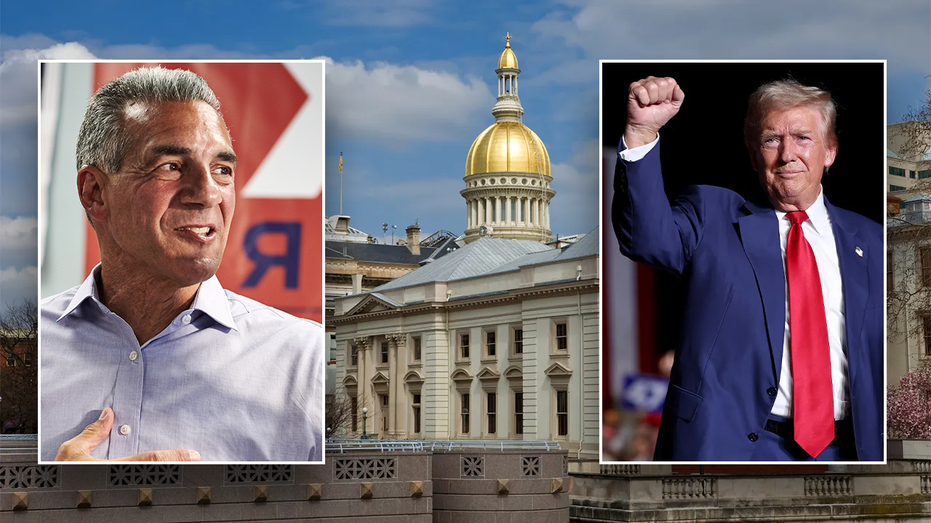
President Donald Trump endorsed his former critic Jack Ciattarelli for governor of New Jersey on Monday. “Jack Ciattarelli is a terrific America First Candidate running to be the next Governor of a State that I love, NEW JERSEY!” Trump wrote in a post on Truth Social. Trump said Ciattarelli has gone “ALL IN” and that, if elected, he would work closely with the Trump administration to grow the economy, cut taxes and regulations, help secure the border, stop migrant crime, protect veterans, advance American energy and more. “Also, Jack is the Republican Candidate who is best positioned to STAND TALL against the Radical Left Democrats and, most importantly, ensure a Big Victory in this Very Important Gubernatorial Election, an Election that is being closely watched by the entire World because, we are ending WOKE, and all of the other NONSENSE that goes along with it, AND NOBODY WANTS TO SEE IT COME BACK!,” Trump continued in his endorsement. AGITATORS CLASH WITH POLICE, ARRETS MADE AS CLERGY MEMBERS DESCEND ON NEWARK ICE FACILITY Ciattarelli responded to the endorsement on X, saying he was “truly humbled and honored to receive President Trump’s very strong endorsement today. It’s time to unite our party, win big in November, and make New Jersey affordable and safe again.” Ciattarelli finished his post by saying “When I am Governor, we will.” Trump and Ciattarelli appear to be turning a new leaf. Ciattarelli was once a harsh Trump critic, going so far as to call Trump a “charlatan” and saying he was “not fit to be President of the United States” back in 2015. NEWARK MAYOR ARRESTED AS DEM CONGRESS MEMBERS STORM NEW JERSEY ICE PRISON TO CONDUCT ‘OVERSIGHT VISIT’ Ciattarelli seems to have changed his stance on Trump since those comments and was even seen at Trump’s Wildwood, New Jersey, rally in 2020 shaking hands and taking photos with event-goers. Ciattarelli appeared to gain popularity, and in 2021 came within three points of defeating Democratic incumbent Governor Phil Murphy. Now, he will face Bill Spadea, a conservative radio host, and State Senator Jon Bramnick in the June 10 Republican primary. In a statement to Fox News Digital, Spadea reacted to Trump’s endorsement of Ciattarelli. “Donald Trump’s endorsement comes after a years long effort by Jack to lie about his own record,” Spadea said in part. “My resolve to fight for the people of New Jersey has never been greater. I intend to continue fighting for the America First agenda because that is what’s best for the state and our nation.” The New Jersey Democratic Governors Association (DGA) also blasted the endorsement. CLICK HERE TO GET THE FOX NEWS APP “This endorsement just confirms what we already knew: Jack Ciattarelli would put Donald Trump before New Jersey,” DGA Communications Director Sam Newton said in a statement. ” As Governor, Ciattarelli would bring Trump’s agenda of higher costs and chaos to Trenton – instead of fighting to protect New Jersey’s freedoms and working to make life more affordable.”