

One Republican senator voted against confirming Trump nominee Harmeet Dhillon
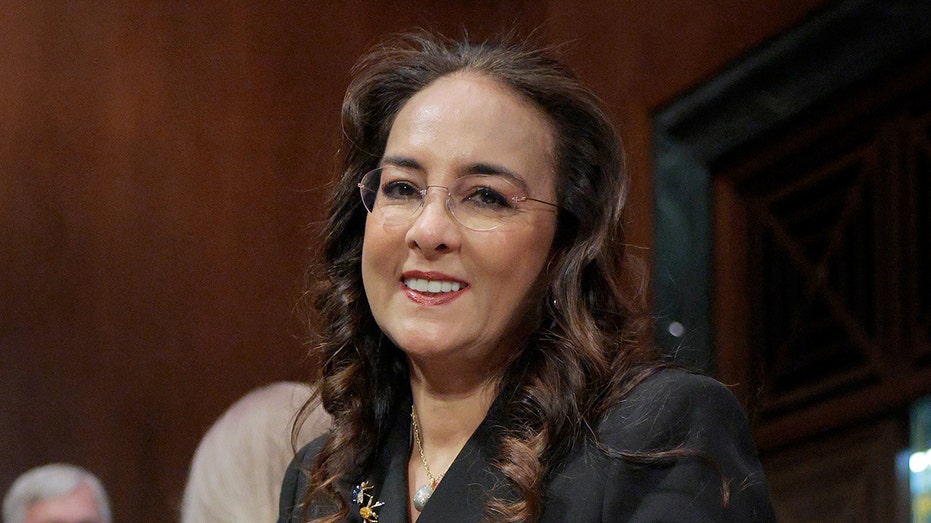
All but one Senate Republican voted on Thursday to confirm President Donald Trump’s nomination of Harmeet Dhillon to serve as an assistant attorney general. While the 52-45 vote was almost entirely along party lines, Sen. Lisa Murkowski, of Alaska, joined Democrats in voting against Dhillon’s confirmation. Fox News Digital reached out to a Murkowski spokesperson on Friday morning to request a comment from the lawmaker, but did not receive a response by the time of publication. DR. OZ BECOMES NEXT HEAD OF MEDICARE AND MEDICAID SERVICES FOLLOWING APPROVAL FROM FULL SENATE Then-President-elect Donald Trump announced in December that Dhillon was his choice to serve as assistant attorney general for civil rights at the Justice Department. “I am pleased to nominate Harmeet K. Dhillon as Assistant Attorney General for Civil Rights at the U.S. Department of Justice. Throughout her career, Harmeet has stood up consistently to protect our cherished Civil Liberties, including taking on Big Tech for censoring our Free Speech, representing Christians who were prevented from praying together during COVID, and suing corporations who use woke policies to discriminate against their workers,” Trump declared in his Truth Social post at the time. SENATE CONFIRMS DR MARTY MAKARY AS TRUMP’S FDA CHIEF “Harmeet is one of the top Election lawyers in the Country, fighting to ensure that all, and ONLY, legal votes are counted. She is a graduate of Dartmouth College and the University of Virginia Law School, and clerked in the U.S. Fourth Circuit Court of Appeals. Harmeet is a respected member of the Sikh religious community. In her new role at the DOJ, Harmeet will be a tireless defender of our Constitutional Rights, and will enforce our Civil Rights and Election Laws FAIRLY and FIRMLY. Congratulations, Harmeet!” he added. Trump recently accused Murkwoski, Maine Sen. Susan Collins, and Kentucky Sens. Rand Paul and Mitch McConnell of having “Trump Derangement Syndrome.” TRUMP PRESSURES 4 GOP SENATORS AHEAD OF ANTI-CANADIAN TARIFF VOTE, ACCUSING THEM OF ‘TDS’ The president called out the four GOP senators ahead of a vote on a measure to scuttle his tariff policy on Canadian products. All four Republican senators voted for the joint resolution anyway, and it cleared the Senate with all Democrats voting in favor.
Maryland bill creating commission to study, recommend slavery reparations heads to governor’s desk
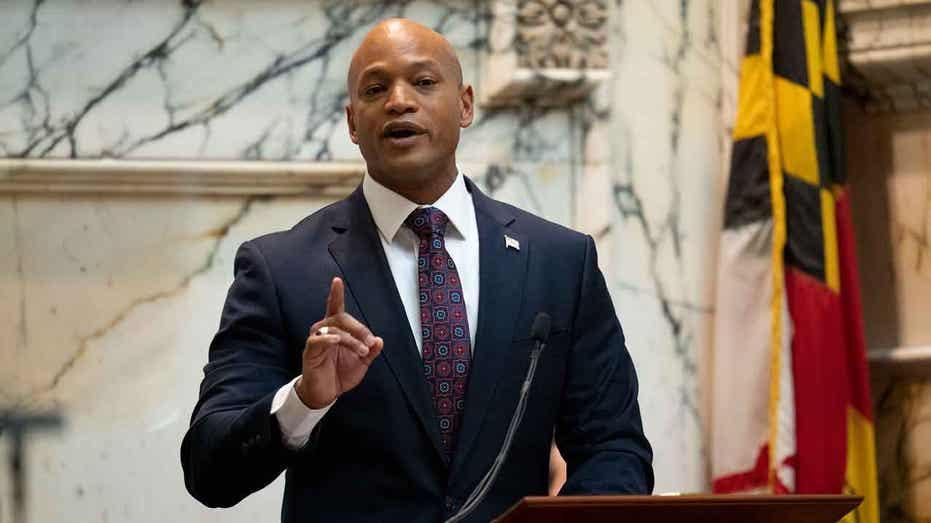
A Maryland bill creating a commission to study and recommend potential slavery reparations is now at the desk of Democratic Gov. Wes Moore. Lawmakers in the Old Line State advanced the bill to Moore after it passed the state’s House by a 101-36 vote. Moore has said he will consider the legislation, according to The Associated Press. In the bill, potential reparations are described as official statements of apology, monetary compensation, property tax rebates and social service assistance, including assistance with down payments on homes, business incentives, child care, debt forgiveness and college tuition payment waivers. HOUSE DEMS REINTRODUCE REPARATIONS LEGISLATION: ‘WE REFUSE TO BE SILENT’ The measure, which was a top priority for the Legislative Black Caucus of Maryland, also seeks to study the lingering effects of racial discrimination in the state. Baltimore County Del. Aletheia McCaskill, a Democrat, described the goal of a reparations commission when outlining the Black caucus’ legislative session priorities at the beginning of the year. “The commission will carefully examine and evaluate a range of reparations proposals that will not only consider financial restitution, but will also explore strategies to support and uplift vulnerable communities that continue to suffer the lingering and evasive effects of discriminatory practices rooted in systematic racism,” McCaskill said. NYC COUNCIL PASSES SLAVERY REPARATIONS LEGISLATION TO ‘YIELD MATERIAL SOLUTIONS’ FROM US HISTORY Moore, who is Maryland’s first Black governor, has not said if he will sign the measure – only that he will consider it. “I have said and long stated that the history of racism in this state is real,” he said to reporters, adding that the impacts “are still very much being felt and they’ve been structurally felt within the state of Maryland.” Though, the governor has said the state is experiencing a tough budget year and he has the growth of Maryland’s economy in mind when viewing legislation. Maryland is not the first state to consider such legislation. California lawmakers passed a bill last year that resulted in a formal apology for past racist policies and the return of land or compensation to families who had property unjustly seized by the government. Also, last year, lawmakers in New York City passed legislation with goals to study the city’s role in slavery and consider reparations to descendants of slaves. The Associated Press contributed to this report.
You have the right to an attorney. But in Texas, don’t count on it.
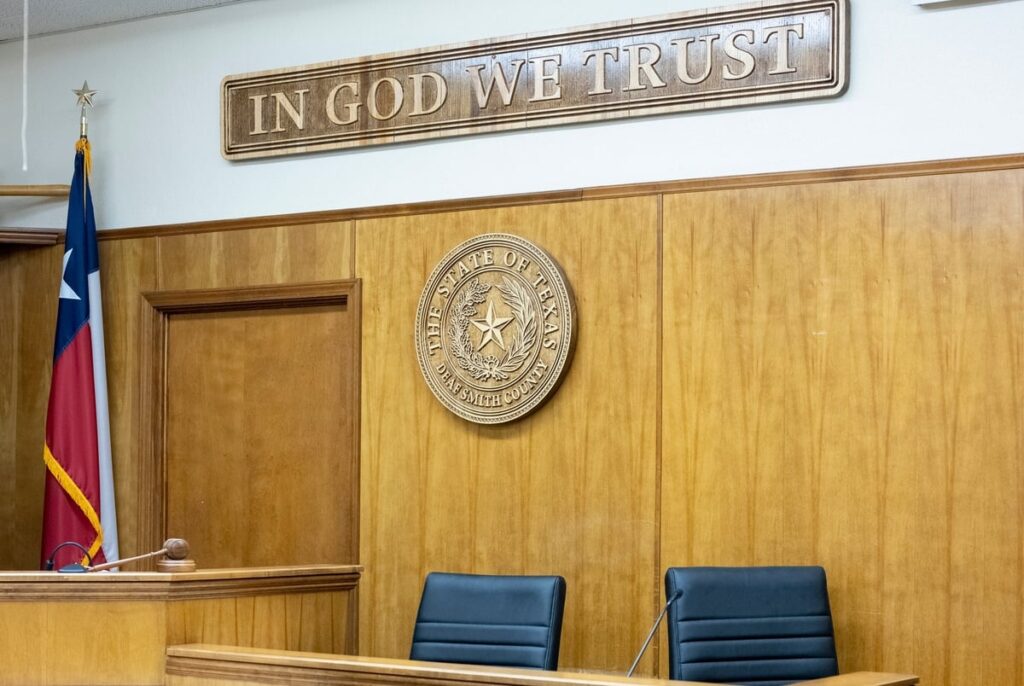
In some parts of the state, misdemeanor defendants routinely face charges without representation.
National Security Agency Director Gen. Haugh fired, civilian deputy director reassigned: report
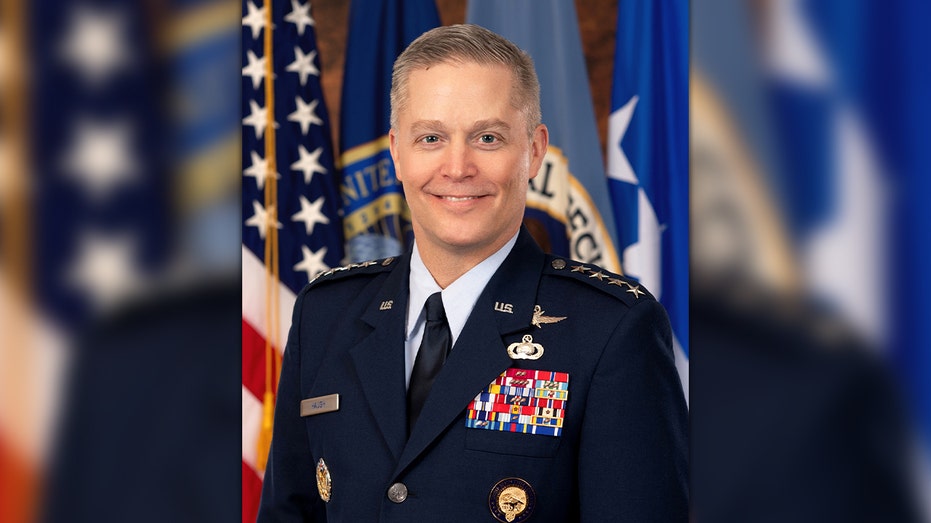
The Trump administration fired National Security Agency Director Gen. Timothy Haugh and civilian Deputy Director Wendy Noble, according to a report. The firings were first reported by The Washington Post on Thursday. Haugh also served as commander of the U.S. Cyber Command – a position from which he was also dismissed. Noble was reassigned to serve in the office of the undersecretary of defense for intelligence, according to the Post. Sen. Mark Warner and Rep. Jim Himes, top Democrats on the Senate and House intelligence committees, reacted to the alleged firings late Thursday night. TRUMP ADMIN MOVES TO MORE EASILY FIRE FEDERAL WORKERS AT 2 AGENCIES: REPORT Himes, a ranking member on the House Permanent Select Committee on Intelligence, said he is “deeply disturbed” by Haugh’s dismissal. “I have known General Haugh to be an honest and forthright leader who followed the law and put national security first—I fear those are precisely the qualities that could lead to his firing in this Administration,” he said in a statement, adding an “immediate explanation” is needed for this decision. Warner, the vice chairman of the Senate Select Committee on Intelligence, described Haugh’s firing as “astonishing” in a statement. TRUMP CONFIRMS NATIONAL SECURITY COUNCIL FIRINGS AS WALTZ’S SIGNAL CHAT WOES SNOWBALL “General Haugh has served our country in uniform, with honor and distinction, for more than 30 years. At a time when the United States is facing unprecedented cyber threats, as the Salt Typhoon cyberattack from China has so clearly underscored, how does firing him make Americans any safer?” Warner said. The senator described Haugh as a “nonpartisan, experienced leader” and said it is astonishing that President Donald Trump would fire him before holding “any member of his team accountable for leaking classified information on a commercial messaging app.” He continued, “even as he apparently takes staffing direction on national security from a discredited conspiracy theorist in the Oval Office.” Warner is appearing to refer to Laura Loomer, a far-right activist who reportedly presented Trump with a list of disloyal National Security Counsel staff members who should be fired. An undisclosed number of NSC employees were dismissed on Thursday, but Trump has said Loomer was not involved in those firings. Fox News Digital reached out to the NSA for comment but was referred to the Office of the Secretary of Defense.
WATCH: Dem Jasmine Crockett silent as aide attempts to intimidate, block reporter’s question about violence
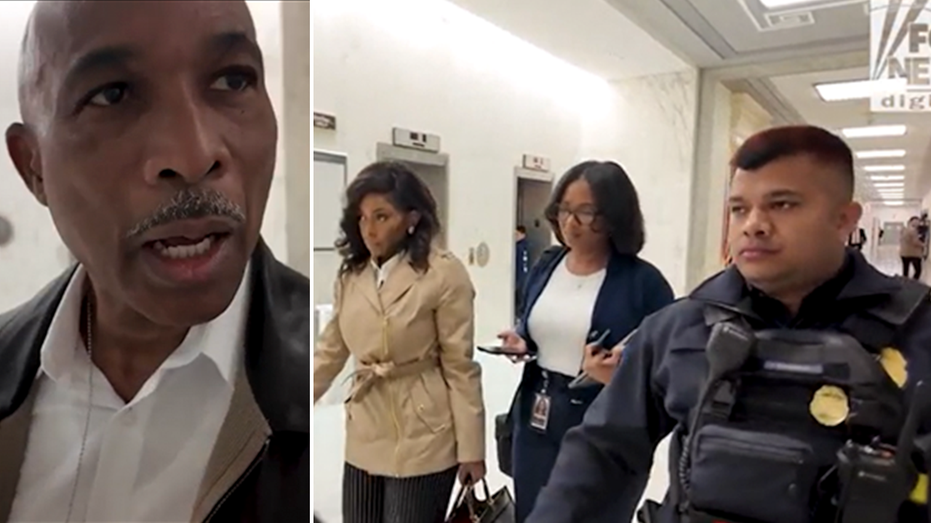
Far-left Democrat Jasmine Crockett of Texas watched silently as an aide got into a Fox News Digital reporter’s face and attempted to intimidate him from asking a question about whether Democrat rhetoric has contributed to the ongoing spate of violent attacks against Tesla owners and dealers. After weeks of Democrats condemning Elon Musk for his role at DOGE, there have been at least 80 acts of vandalism against Tesla vehicles in the U.S. and Canada and at least 10 incidents of vandalism and arson against Tesla dealerships, charging stations and properties. U.S. Attorney General Pam Bondi has said the Justice Department is treating the incidents as “domestic terrorism.” Bondi warned Crockett in particular to “tread very carefully” after she called for Elon Musk to be “taken down” during a “Tesla Takedown” event. TRUMP WANTS MUSK TO STAY WITH ADMINISTRATION, SAYS DOGE FOUND SOMETHING ‘HORRIBLE’ TODAY In light of this, a Fox News Digital reporter asked, “What’s your response to the attorney general saying you’re threatening lives with your rhetoric against Musk and Tesla?” Crockett, who was surrounded by aides and security personnel, did not answer the question, but an aide approached the reporter, getting right into the camera, prompting the reporter to ask, “Why are you in my face?” to which he responded, “I’m not.” “[I’m] just asking her a question, she’s an elected member of Congress,” the reporter said, to which the aide responded, “Talk,” without moving any farther away. “Congresswoman, do you see any connection to you saying you want to take down Musk to the violence that’s going on in the streets?” the reporter asked. DEM CONGRESSMAN LASHES MUSK IN OPENING SALVO OF POPULIST BID IN 2026 SWING-STATE SENATE RACE Crockett did not respond or make eye contact, but her aide continued to stare intently at the reporter as they walked away. Notably, Crockett, whose recent controversial statements have attracted a great deal of attention and criticism, appeared to be escorted by a Capitol police officer despite previously advocating for the “defund the police movement,” calling it a movement of “healing.” Crockett’s remarks came during a nationwide call with the Tesla Takedown movement, a self-described “peaceful protest platform” calling for Tesla owners to sell their vehicles and for all to dump their stock in the EV provider. “On March 29, it’s my birthday,” Crockett told the group in reference to a “Global Day of Action” intended to hit back at the company. HUNDREDS OF ‘TESLA TAKEDOWN’ PROTESTS ERUPT NATIONWIDE: ‘MOVEMENT OF ANGER AND HATE’ “All I want to see happen on my birthday is for Elon to be taken down,” she added. “I have learned, as I serve on the DOGE Oversight committee, that there is only one language that the people that are in charge understand right now, and that language is money.” Crockett went on to clarify that her calls to action are “nonviolent” and are about figuratively “fighting” for democracy. “We know that we are peaceful, loving people, and this is not about violence,” she added. However, the continuing incidents of firebombing, vandalism and even a shooting at Tesla dealerships bring the peaceful nature of the anti-Tesla movement into question. JONATHAN TURLEY WARNS DEMOCRATS ‘SHREDDING’ THEIR OWN BELIEFS WITH ‘DANGEROUS’ ANTI-MUSK CAMPAIGN Amid the Justice Department’s crackdown on the violence, three people accused of damaging Teslas and EV charging stations now face up to 20 years in prison for alleged “domestic terrorism.” “People need to know that the three people in custody right now … will receive severe and swift consequences. … We are not coming off these charges. We are looking at everything, especially if this is a concerted effort. This is domestic terrorism,” Bondi said. Fox News Digital editor Taylor Penley contributed to this report.
Who is DU professor Bharati Gore? Director of Delhi School of Journalism who threatened students saying ‘Joote se peetungi’

The incident took place on Tuesday (April 1), when several students went to meet Gore around 2 pm, protesting the lack of infrastructure and academic activities on campus despite high fees.
Trump admin halting more than $500M in federal funding to Brown University over antisemitism response: report
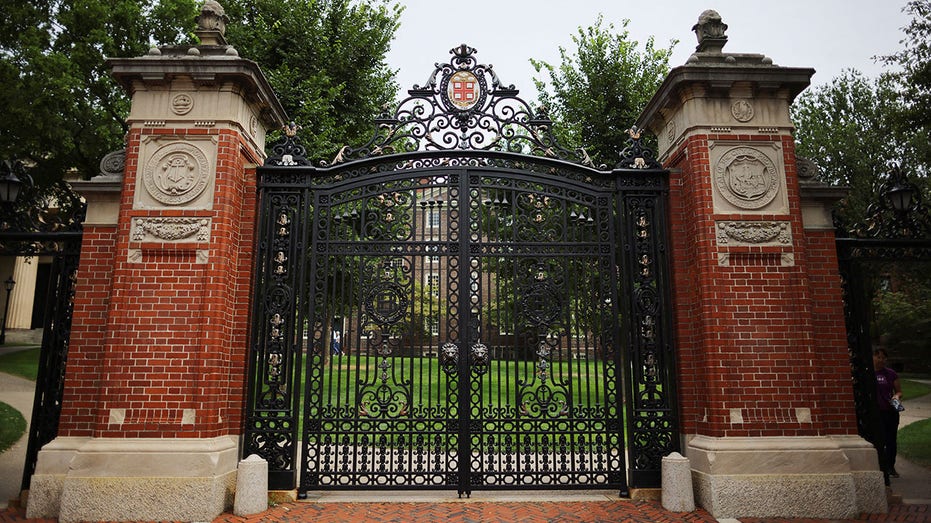
More than half a billion dollars in federal funding to Brown University is being halted by the Trump administration over the Ivy League’s response to antisemitism since Hamas’ 2023 attack in Israel. A White House official said nearly $510 million awarded to the university through federal contracts and grants is on the line, The Associated Press reported, adding that the official spoke on condition of anonymity. Fox News Digital reached out to Brown University, but did not immediately hear back. Brown Provost Frank Doyle said in an email on Thursday to campus leaders that the school is aware of “troubling rumors” about its research money, but they don’t have any “information to substantiate” the claims, according to The AP. IVY LEAGUE SCHOOLS RECEIVED $6.4 BILLION IN FEDERAL FUNDING IN 2024 President Donald Trump has suspended federal funding to every Ivy League, besides Penn and Dartmouth, over investigations into anti-Israel protests that have taken place on their campuses since October 2023. Funding for dozens of other universities has also been impacted by investigations for the same reason. Columbia University, which had more than $400 million in federal funding taken away, was the first Ivy League to lose money over its failure to make Jewish students feel safe on campus. The university caved to demands from the Trump administration late last month in hopes of restoring the funding. This week, a federal antisemitism task force announced a review of Harvard’s federal grants and contracts, worth nearly $9 billion, as the university faces an investigation into campus antisemitism, and Princeton University confirmed dozens of its research grants have been halted. DHS: DEPORTED BROWN UNIVERSITY DOCTOR ATTENDED HEZBOLLAH CHIEF’S FUNERAL, SUPPORTED TERROR LEADER The Trump administration has promised to be more aggressive in ending campus antisemitism after saying President Joe Biden did not hold universities accountable for their violent protests. “Americans have watched in horror for more than a year now, as Jewish students have been assaulted and harassed on elite university campuses – repeatedly overrun by antisemitic students and agitators. Unlawful encampments and demonstrations have completely paralyzed day-to-day campus operations, depriving Jewish students of learning opportunities to which they are entitled,” Education Secretary Linda McMahon said in a statement last month. She said schools that receive federal funding “have a responsibility to protect all students from discrimination” and described the failure to do so as a reason to question if the university should be “doing business with the United States government.” The administration has also made moves to detain and deport foreign students who participated in or orchestrated anti-Israel protests at American universities. The Department of Homeland Security announced last month that an assistant professor at Brown, who held an H-1B visa, was deported to Lebanon for her support of and attendance at the funeral of a slain Hezbollah leader. Brown made headlines last year for a deal it struck with anti-Israel protesters, who were taking over the university, promising to have its governing board vote on whether it should divest from companies linked to Israel. The Corporation of Brown ultimately rejected the divestment proposal. The Associated Press contributed to this report.
How much will Trump’s new tariffs hurt other countries and US consumers?
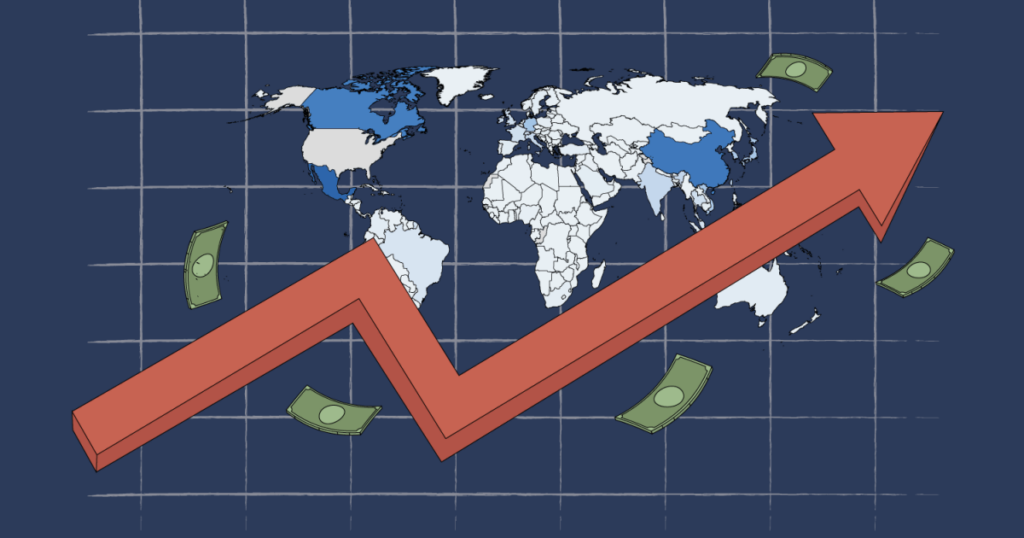
On Wednesday, United States President Donald Trump imposed sweeping reciprocal tariffs on the US’s trading partners. The day was termed “Liberation Day” by Trump, who signed an executive order imposing a flat 10 percent tariff on almost all nations and then additional tariffs on those countries that the US accuses of charging higher levies on American goods. The levies sent shock waves through global markets and prompted criticism from world leaders. China and the European Union have already responded with retaliatory measures, signalling the risk of a global trade war. China’s Ministry of Commerce called on Washington to cancel the tariffs. “There is no winner in a trade war, and there is no way out for protectionism,” the ministry said in a statement. The 10 percent flat tariffs come into force on April 5, while the other tariffs will come into effect on April 9. What are the new tariffs announced? Trump has targeted roughly 60 countries with customised reciprocal tariffs. These are countries that have been singled out as ones that charge higher levies on US goods. The steeper rates apply to both major US trading partners and smaller economies – and allies and rivals alike. Advertisement China has been hit with a 54 percent tariff, including 20 percent levies from earlier; Lesotho faces a 50 percent tariff; Cambodia 49 percent; and neighbouring Vietnam 46 percent. “The hike in tariffs was more aggressive than expected,” Lynn Song, chief economist for Greater China at Dutch bank ING, told Al Jazeera. “Many were expecting a range of 10-20 percent tariffs. This sort of aggressive move will probably risk some retaliation from the bigger players, though smaller countries could choose to try and negotiate for a lower rate.” The EU has also been hit with a 20 percent tariff. Baseline tariffs of 10 percent have been applied to all imports coming to the US. Some countries facing 10 percent levies are the United Kingdom, Australia, Singapore, Brazil and the United Arab Emirates. There will be no additional tariffs on Canada and Mexico – both countries are already subject to 25 percent tariffs, except for products covered by a free trade deal with the US. Explore the table below to see which countries have been hit the least and most. Which countries export the most to the US? In 2024, Mexico exported $505.9bn of goods to the US, according to the US International Trade Administration. This was followed by China, which exported $438.9bn; Canada, $412.7bn; Germany $160.4bn; and Japan $148.2bn. Which countries will be most affected? While Trump did not impose extra tariffs on Canada or Mexico, these countries are the most likely to be affected by US levies, given the high percentage of exports that go to the US. Advertisement In 2023, 77.6 percent of Canada’s total exports went to the US, according to data from the United Nations Comtrade. Mexico’s total exports to the US were 79.6 percent. By contrast, while the US is the EU’s largest export destination, the bloc has many other countries that buy its products: In 2023, the US accounted for less than 20 percent of the EU’s exports, according to Comtrade. Similarly, while a heavy tariff is being applied to Chinese products, only 14.8 percent of Chinese exports went to the US in 2023. So while the US was China’s biggest export market that year, China’s vast portfolio of other export destinations – including Japan, Germany, India and Mexico – means that it might hurt less than Canada or Mexico. Still, the tariffs could influence how China approaches future trade with the US, according to experts. “Escalation of tariffs and a continuation of unilateral measures could deepen the erosion of trust in the global trade system, further pushing China to diversify its partners and reduce reliance on the US market,” Carlos Lopes, a Chatham House associate fellow with expertise in international trade and China, told Al Jazeera back in January. How will this affect US consumers? In 2023, the US imported $3 trillion worth of goods – about $1 trillion more than it exported. US consumers are already facing higher car prices following Trump’s 25 percent levies on all autos and auto parts coming into the US, which came into effect on Wednesday, April 2. Since the tariffs also apply to auto parts, cars manufactured in the US using imported parts will become more expensive. Advertisement “The increased costs would cause significant disruption throughout the supply chain and, perhaps, most importantly, lead to significant price increases to the cost to American consumers for vehicles,” the Detroit Regional Chamber and MichAuto, an automotive and mobility association, said in a letter, the Reuters news agency reported. On Thursday, New Zealand Prime Minister Christopher Luxon responded to the 10 percent tariffs imposed on the country: “It ends up driving higher prices for US consumers, higher inflation, slows down growth and, as a result, that puts real pressure in across the world.” Adblock test (Why?)
Have Trump’s tariffs killed US-Africa preferential trade?
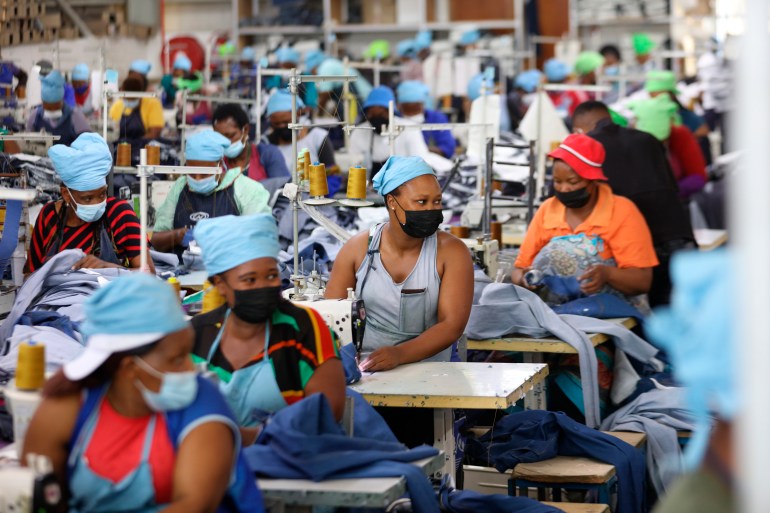
United States President Donald Trump’s tariffs announcement on most trading partners, including several in Africa, will affect businesses and people across the continent and likely force more producers to trade with China, experts have warned. Trump’s “Liberation Day” declaration on Wednesday threw markets into chaos, as the US took its strongest turn to protectionist policies since the 1930s, weakening a global trade system the US helped build and strengthen. The tariffs, which include a baseline, universal 10 percent duty on all US imports as well as additional tariffs on “worst offender” countries like Nigeria and South Africa, will also likely override a decades-long open trade agreement that has seen African manufacturers export goods to the US duty-free and that has been credited for creating tens of thousands of jobs, analysts say. Established in 2000, the African Growth and Opportunity Act (AGOA) framework helped grow the continent’s exports of textiles, steel, and agricultural products, among others, to the US. Advertisement The AGOA was set for a second renewal this year, but is now likely to be jeopardised by Trump’s trade war, according to analysts. Here’s what to know about how African countries were hit and what the likely effects could be: Matumelo Manosa, centre, works in a garment factory in Maseru, Lesotho, Thursday, February 24, 2022 [Neo Ntsoma/AP] Which African countries have been hit and by how much? Africa’s largest economies, Nigeria (14 percent) and South Africa (31 percent), were among those on Trump’s “reciprocal” tariffs list — that is, countries the president said “treat us badly”. They included those that impose high tariffs on US goods or have introduced other barriers to US trade, according to Washington. Those tariffs will take effect on April 9, while the universal tariffs begin on April 5. Southern African countries were particularly badly hit. Lesotho, the small Southern African country that Trump claimed “ no one has heard of” last month, was hit with the highest tariff rates at 50 percent. The country, which carries the second-highest HIV burden of any other in the world, is still reeling from the shock of Trump’s sweeping aid cuts earlier that have gutted HIV response efforts across the region. Other Southern African countries hit were: Madagascar (47 percent); Mauritius (40 percent); Botswana (37 percent); and Angola (32 percent). South Africa was also earlier affected by a separate 25-percent tariff on all foreign-made cars that went into force this week. South Africa exports vehicles and parts worth $2bn to the US under the AGOA framework, according to the country’s Ministry of Trade, Industry and Competition. Advertisement Here are the tariffs in excess of 10 percent imposed on other African countries: Algeria – 30 percent Cameroon – 12 percent Chad -13 percent Democratic Republic of the Congo – 11 percent Equatorial Guinea – 13 percent Ivory Coast – 21 percent Libya – 31 percent Malawi – 18 percent Mozambique – 16 percent Namibia – 21 percent Tunisia – 28 percent Zambia – 17 percent Zimbabwe – 18 percent What have African governments said? South Africa’s government, which has been involved in a series of spats with Washington in recent weeks, was the first to respond to the tariff hikes. In a statement on Thursday, President Cyril Ramaphosa’s office called the tariffs on the country “punitive” and added that they would “serve as a barrier to trade and shared prosperity.” The government also pledged to seek redress with Washington. The Presidency has noted with concern the newly imposed tariffs on South African exports to the United States of America (USA). https://t.co/Y3YgJd7ECP — The Presidency 🇿🇦 (@PresidencyZA) April 3, 2025 “The tariffs affirm the urgency to negotiate a new bilateral and mutually beneficial trade agreement with the US, as an essential step to secure long-term trade certainty,” the statement read. According to the US government, South Africa charges a 60 percent tariff on US goods, while Lesotho charges 99 percent. Madagascar, the White House claimed, levies 93 percent tariffs on US goods, and Mauritius, 80 percent. Trump and his close ally, Elon Musk, who was born in South Africa, have criticised South Africa for land reform policies that they claim discriminate against the country’s white minority population. Trump has also offered citizenship to white South Africans. On Wednesday, during his announcement, Trump said, “Bad things are going on there.” Former US Secretary of State Hillary Rodham Clinton, right, addresses the 8th Africa Growth Opportunity Act Conference (AGOA), in Nairobi, Kenya, Wednesday, August 5, 2009 [Sayyid Azim/AP] How will tariffs impact AGOA? Experts say the tariffs will most significantly impact African economies that are reliant on US trade, and that they will effectively override AGOA privileges. Currently, 32 African countries are eligible for the programme. Countries can be, and have been, taken off the list – such as Niger and Gabon, which lost their benefits after military coups. Advertisement The AGOA, which expires in September, grants duty-free access to more than 1,800 products from eligible sub-Saharan African countries and has formed the backbone of US-Africa trade policy for 25 years. It was renewed for 10 years in 2015. Chocolate and basket-weaving materials from Mauritius, musical instruments from Mali and nuts from Mozambique are among the products that have reached US buyers through AGOA. While it is still officially operational, it’s unclear if the Trump administration will renew it again. Certainly, Trump’s tariff announcements “set it along the path to die”, Cheta Nwanze, lead partner at Lagos-based risk analysis firm SBM Intelligence, told Al Jazeera. “African countries aren’t known for making firm geopolitical stances, so many of them will try to hold on to AGOA, which means it will go into zombie mode rather than dying off,” he said. The programme has been hailed by economists for years for opening the US market to African manufacturers, although critics say its strict production and packaging requirements often favour bigger economies. Kenya’s AGOA sales, mainly textiles and apparel, went from $55m in 2001 to $603m in 2022. What countries will be most affected? South
Russia-Ukraine war: List of key events, day 1,135
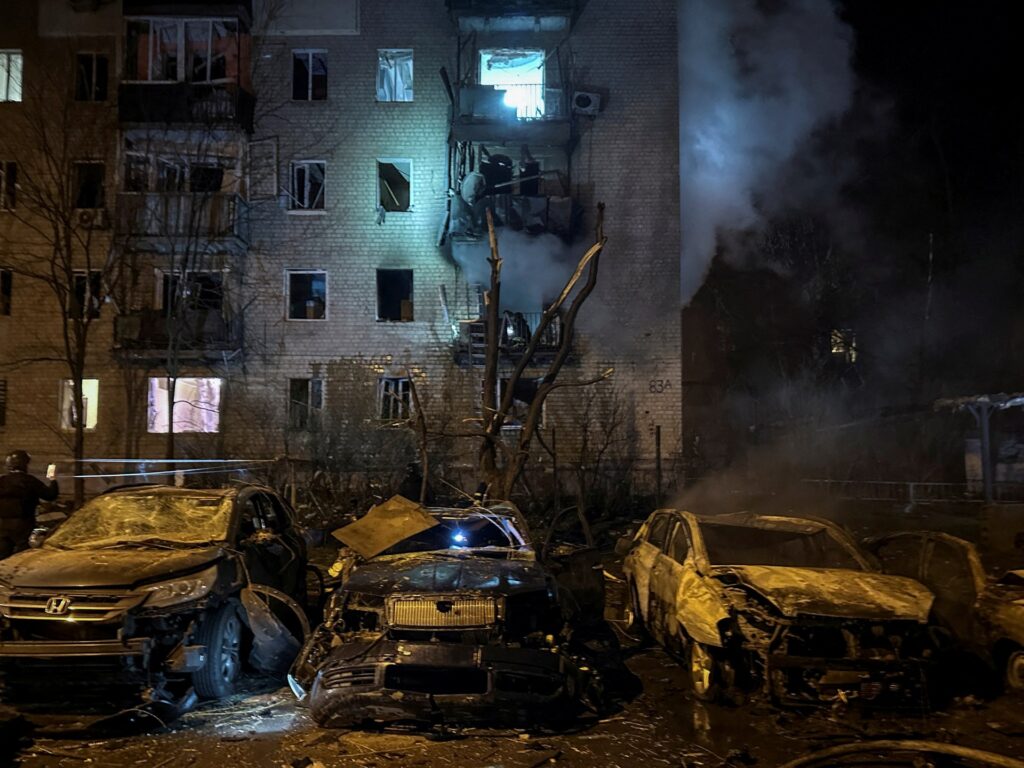
These are the key events on day 1,135 of Russia’s war on Ukraine. These are the key events from Thursday, April 3: Fighting A Russian ballistic missile strike killed at least four people and wounded 17 in the city of Kryvyi Rih, Ukrainian President Volodymyr Zelenskyy’s hometown. The attack also sparked a fire in the city, said Oleksandr Vilkul, the head of Kryvyi Rih’s military administration. Russian drone attacks overnight targeted the Ukrainian regions of Zaporizhia and Kharkiv, killing one person and injuring several others, officials said. Two people were killed and at least 32, including two children, were injured by a Russian drone attack which hit several multistorey apartment blocks in Kharkiv, the region’s governor said. One person was also injured in a separate drone attack on Ruski Tyshky, a village outside Kharkiv. Kyiv’s air force said Russia launched 39 drones towards Ukraine overnight, of which 28 were shot down. According to the air force, seven others failed to reach their targets due to electronic warfare measures. Russian air defence units repelled a drone approaching Moscow, the city’s mayor Sergei Sobyanin said. Russian Ministry of Foreign Affairs spokeswoman Maria Zakharova accused Ukraine of launching more than 30 “provocative” attacks on Russian energy facilities, despite a mutually agreed moratorium on strikes against energy facilities brokered by the United States. According to Russia’s Ministry of Defence, Ukrainian forces attacked Russian energy facilities four times in the past 24 hours. Ukraine’s military denied the accusations, saying its troops were adhering to the ceasefire, but claimed Russia had violated the moratorium “numerous times”. Advertisement The Russian Defence Ministry said its forces took control of two settlements, Vesele and Lobkove, in eastern Ukraine. Reuters news agency reports, citing war bloggers, that Russian troops have intensified their attacks in Russia’s western Kursk region to rout Ukrainian forces, including hundreds of Ukrainian troops holding out in a monastery – which it described as the last major Ukrainian foothold in the Russian territory. US Army General Christopher Cavoli said Ukraine’s army had resolved some of its manpower shortages to fight against Russia but warned that a cut-off of US weapons to Ukraine would be severely harmful to Kyiv’s war efforts. Cavoli also said Russia lost more than 4,000 tanks during its war on Ukraine, describing the scale of the war as “awe-inspiring”. Economy The 10 percent reciprocal tariffs imposed on Ukraine by the United States are “difficult, but not critical”, said Kyiv’s Economy Minister Yulia Svyrydenko. She also said Ukraine had an export volume of $874m to the US last year while Kyiv bought goods worth $3.4bn from the US during this period. Russia remains patient and is not surprised by US President Donald Trump’s threats to impose new tariffs on Russian oil, said Sergei Ryabkov, Moscow’s deputy foreign minister in charge of ties with the US. Ceasefire Ryabov warned that there might not be a peace agreement in the war on Ukraine unless the US recognised the “belligerent” stance of the European Union and Ukraine. President Zelenskyy, during a meeting with community leaders in northern Ukraine’s Chernihiv region, said that maintaining the country’s army size would be a top priority in peace negotiations. Zelenskyy also said that Ukraine would not accept the recognition of Russian-controlled Ukrainian territories as parts of Russia. He suggested finding a compromise to return such territories back to Ukraine over time through diplomatic means. Ukraine’s Foreign Minister Andrii Sybiha informed US Secretary of State Marco Rubio of Russia’s violation of the energy ceasefire brokered by the US. Advertisement Politics and Diplomacy Russian President Vladimir Putin’s investment envoy Kirill Dmitriev accused unidentified forces of trying to sow tension between Russia and the US by “distorting Russia’s position” and said meeting with the US demonstrated a “positive dynamic” between Washington and Russia. Finland’s President Alexander Stubb said France, or the United Kingdom as part of the “coalition of the willing”, should take charge in engaging with Russia as part of Europe’s efforts to support Kyiv. The US has withdrawn from the team of European and US investigators put together under the EU’s judicial body Eurojust to collect evidence of potential Russian war crimes in Ukraine. The move was inspired by a “change in priorities” within the US Department of Justice, Eurojust said. Adblock test (Why?)