

Japan snap election: Who’s standing and what’s at stake?
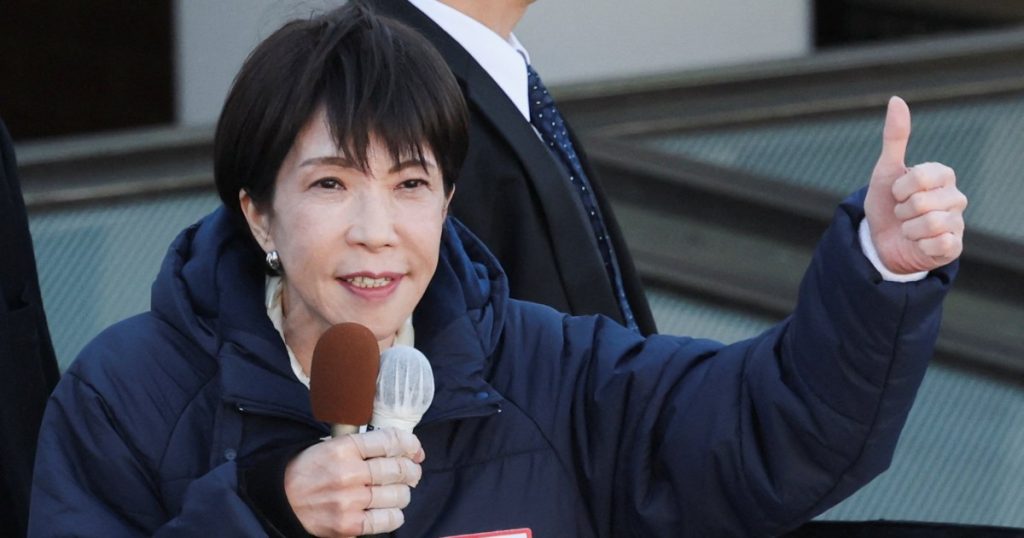
Listen to this article Listen to this article | 4 mins info Japanese voters head to the polls this weekend for a snap election called by Prime Minister Sanae Takaichi, who became the country’s first female prime minister in October last year. While she has only been in power for a few months, Takaichi is enormously popular in Japan and hopes to translate that goodwill into more seats for the conservative Liberal Democratic Party (LDP) in the lower house of parliament. Recommended Stories list of 4 itemsend of list Here’s what you need to know: When will the election take place, and who will participate? The upcoming vote will be held on Sunday, February 8, for all 465 seats in the House of Representatives. There are more than 1,200 candidates on the ballot, according to Japanese broadcaster NHK World. Parties include the LDP, the new Centrist Reform Alliance, the Japan Innovation Party, the Democratic Party for the People, the Japanese Communist Party and the Conservative Party of Japan, among others. There are approximately 105 million registered voters in Japan. More than 4.5 million have already taken part in early voting, Japan’s Ministry of Internal Affairs and Communications said on Monday. What are the key issues for this election? The rising cost of living is front and centre in this election. Consumer prices are on the rise while real wage growth is lagging behind inflation, so paycheques are not going as far as they once did. Japan also has a longstanding problem with slow economic growth. The economy only grew 1.1 percent last year, and it is on track to grow by just 0.7 percent in 2026, according to the IMF. The “goldilocks” rate of economic growth considered healthy for a developed nation is between 2 percent and 3 percent. Advertisement Parties are campaigning on varying strategies to tackle economic concerns, such as cutting Japan’s consumption tax or revising income tax rates. While the governing LDP wants to stimulate growth in the economy, some opposition parties are campaigning for greater welfare and others, like the Japan Innovation Party is pushing for deregulation. Another election concern for some parties is the role of foreigners in a rapidly ageing society. Foreign residents topped 2.5 million in 2025, and they tend to fill major employment gaps, but they are also changing the face of Japan’s once largely homogenous society – much to the chagrin of more conservative voters. The LDP is in favour of “selective” immigration by foreign workers to fill specific labour shortages. It has beefed up immigration regulations, however. What’s at stake in this election? The election will be a significant test for the governing LDP. The party has led Japan almost continuously since the end of World War II, but it has suffered serious setbacks at the polls in recent years because of a series of corruption scandals. The party is hoping for a comeback after losing its majority in both houses. Party members have been implicated in a long-running slush fund scandal over the alleged misuse of campaign funds, and the former prime minister, Shigeru Ishiba, was the target of infighting. Takaichi won the post of prime minister in October through an internal leadership race within the LDP and made history as Japan’s first female prime minister. Takaichi has a very high approval rating in recent opinion polls, but she is still governing through a coalition with the Japan Innovation Party. A victory for the LDP now would shore up her position as prime minister. What’s on Takaichi’s agenda? A victory in the lower house would help Takaichi push forward with an agenda of economic reform and expanding Japan’s defences. She also wants to revise Japan’s pacifist constitution – something that has never been done before – citing security concerns like a potential conflict between China, the US and Taiwan. The US is a treaty ally of Japan, while Taiwan is both hugely popular with the Japanese public and geographically close to Japan’s outlying islands. In November, Takaichi angered China when she told Japanese legislators that if China were to use force against Taiwan, which China regards as part of its own territory, the move would constitute a “survival-threatening situation” for Japan and could warrant a military response from Tokyo. Adblock test (Why?)
Bangladesh election: Who are the key players and parties?
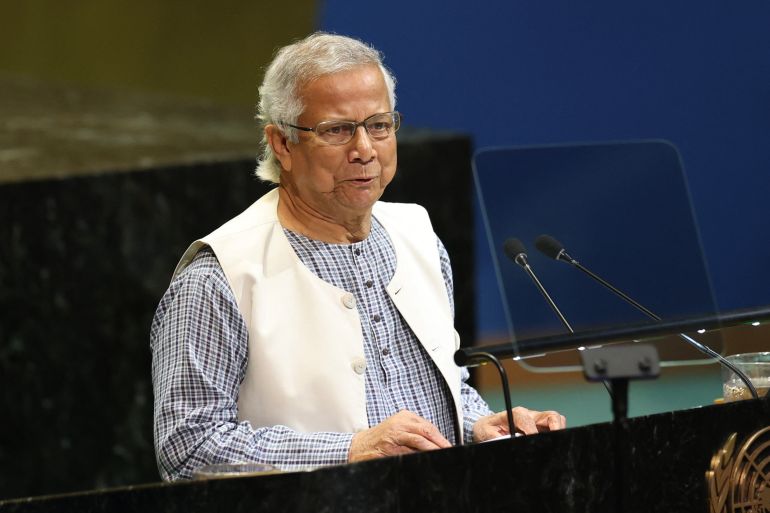
An array of political parties and alliances will be vying for seats in the Bangladesh Parliament on February 12 in the country’s first election since the ousting of former Prime Minister Sheikh Hasina in 2024. About 127 million registered voters are eligible to cast votes to elect 350 members of the Jatiya Sangsad, the country’s parliament. The South Asian country has been in the hands of a caretaker government led by Nobel laureate Muhammad Yunus since August 2024, when a student-led uprising ended Hasina’s long rule. Hasina ordered troops to crack down on protesters, killing 1,400 people. She has since been sentenced to death by a special tribunal in Bangladesh for the brutal crackdown, but remains in exile in India, and her Awami League party has been banned from political activity. Recommended Stories list of 3 itemsend of list Besides the election on February 12, Bangladesh will also hold a referendum on the July National Charter 2025 – a document drafted following the student protests, setting the foundation for future governance of the country. The two biggest groups competing for parliamentary seats across the country’s 300 constituencies are the Bangladesh Nationalist Party (BNP), which is leading a coalition of 10 parties, and Jamaat-e-Islami (JIB), which heads an 11-party alliance, including the National Citizen Party, a group formed by students who led the anti-Hasina movement in 2024. The Awami League, which dominated Bangladeshi politics for decades, has been barred from fielding candidates. Besides the two main blocs, the Islami Andolan Bangladesh, which broke away from the JIB-led alliance, and the Jatiya Party, a longtime ally of Hasina’s Awami League, are contesting independently. Advertisement Here is a look at the main political parties and their leaders vying for parliament seats this year, and the key players influencing the election. Bangladesh Nationalist Party Led by Tarique Rahman, the son of the late former Prime Minister Khaleda Zia, the BNP is seen as one of the main contenders in the upcoming elections. The party was founded in 1978 by Ziaur Rahman, Tarique’s father and one of the leading military figures of the country’s independence war against Pakistan in 1971, on the principles of Bangladeshi nationalism. According to the BNP website, this is an “ideology that recognises the right of Bangladeshis from all walks of life, irrespective of their ethnicity, gender or race”. As a centre-right political party, the BNP has been a popular political force in the country for decades and has traditionally exchanged power with the Awami League. For four decades after Ziaur Rahman’s assassination in 1981, his wife and Tarique’s father, Khaleda Zia, led the party. Khaleda served as the country’s first female prime minister from 1991 to 1996 and again from 2001 to 2006. In that period, Jamaat was an ally of the BNP as they together fought against Hasina’s Awami League. After Hasina came back to power in 2009 – she had also ruled between 1996 and 2001 – the BNP faced the wrath of her government over corruption charges, and Khaleda was put under house arrest in 2018 in two related cases. She was acquitted of all charges after Hasina’s departure in 2024. Since Hasina’s ousting in 2024, the BNP has risen again as a political frontrunner. A December survey by the United States-based International Republican Institute indicated the BNP had the support of 33 percent of respondents. That was also the only month when the BNP — seeking to position itself as a liberal force ahead of the elections — broke its alliance with Jamaat. Polls show Jamaat just marginally behind the BNP in popular support. Tarique, 60, had been living in London, United Kingdom, since he fled Bangladesh in 2008 over what he called politically motivated persecution. He arrived in Dhaka on December 25, 2025 to take over the BNP leadership ahead of his mother Khaleda’s death on December 30. “We will build a Bangladesh that a mother dreams of,” he said in December after returning to the country and calling on citizens from the hills and plains – Muslims, Hindus, Buddhists and Christians – to join him in creating a secure and inclusive nation. In election rallies, he has pledged to improve the country’s infrastructure, among other promises. Advertisement “If elected, the healthcare system will be improved, a flyover will be constructed in Sherpur, permanent embankments will be built in the river erosion areas of Dhunat, and the youth will be made self-reliant through the establishment of IT education institutions,” he said. According to Khandakar Tahmid Rejwan, lecturer in global studies and governance at the Independent University, Bangladesh, since Rahman’s return, the BNP has become more organised. “The party has basically revived with a newfound spirit in both its central and grassroots-level leadership,” he said. “Typical objections against BNP and affiliated party activists, like [allegations of] extortion … have also significantly declined. Top leaders of the central committee have also been comparatively cautious to avoid any statement that might create popular outrage. Significantly, the people are flocking in thousands to hear from Rahman at his electoral rally, even late at midnight,” he said. Rejwan added that it is widely believed that Rahman is the only man who can currently unite Bangladesh with an “inclusive vision”, unlike his Jamaat rivals, who have failed to address any clear stance or acknowledge what are seen by many as their restrictive policies towards women and religious minorities. Jamaat-e-Islami The party was founded in 1941 by Sayyid Abul Ala Maududi during British rule in India. In 1971, during Bangladesh’s war of independence, Jamaat supported staying with Pakistan, and was banned after the country won its freedom. But in 1979, four years after the assassination of Sheikh Mujibur Rahman, who had fought for Bangladesh’s independence and is seen by many as the country’s founding father, BNP founder Ziaur Rahman, who was the country’s president at the time, lifted the ban. Ziaur Rahman was also assassinated in 1981. Over the next two decades, Jamaat developed into a significant political force. It supported
Bharat Taxi to be rolled out across India in next 3 years: Amit Shah
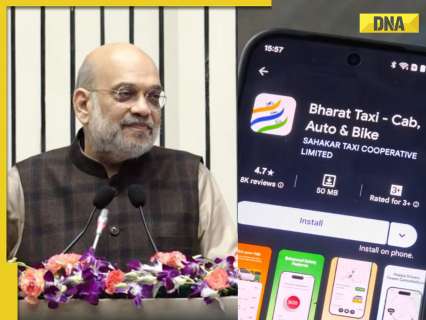
Union Home and Cooperation Minister Amit Shah on Thursday launched Bharat Taxi, India’s first cooperative-led ride-hailing platform by the government, after it ran a successful two-month pilot programme, confirming that the taxi service will be rolled out across the country in the next three years.
ECI extends deadline for filing claims and objections for SIR of electoral rolls in Uttar Pradesh
The Election Commission of India (ECI) has extended the period for filing claims and objections in the current Special Intensive Revision (SIR) of electoral rolls in Uttar Pradesh until March 3, 2026.
Uttar Pradesh: Noida to get circular skywalk, to ease traffic congestion, Rs 26.34 crore allocated, check details,
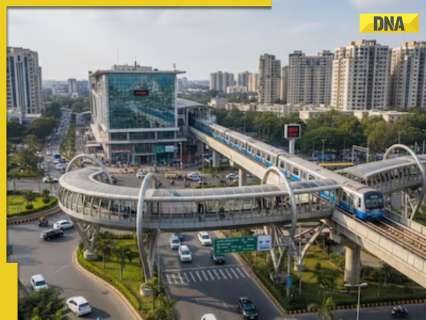
The groundbreaking ceremony for the skywalk was held on Wednesday, with MP Dr. Mahesh Sharma and MLA Pankaj Singh in attendance. The skywalk is being touted as a solution to the traffic congestion and pedestrian safety issues in the area.
After years of silence, Texas Medical Board issues training on how to legally provide abortions
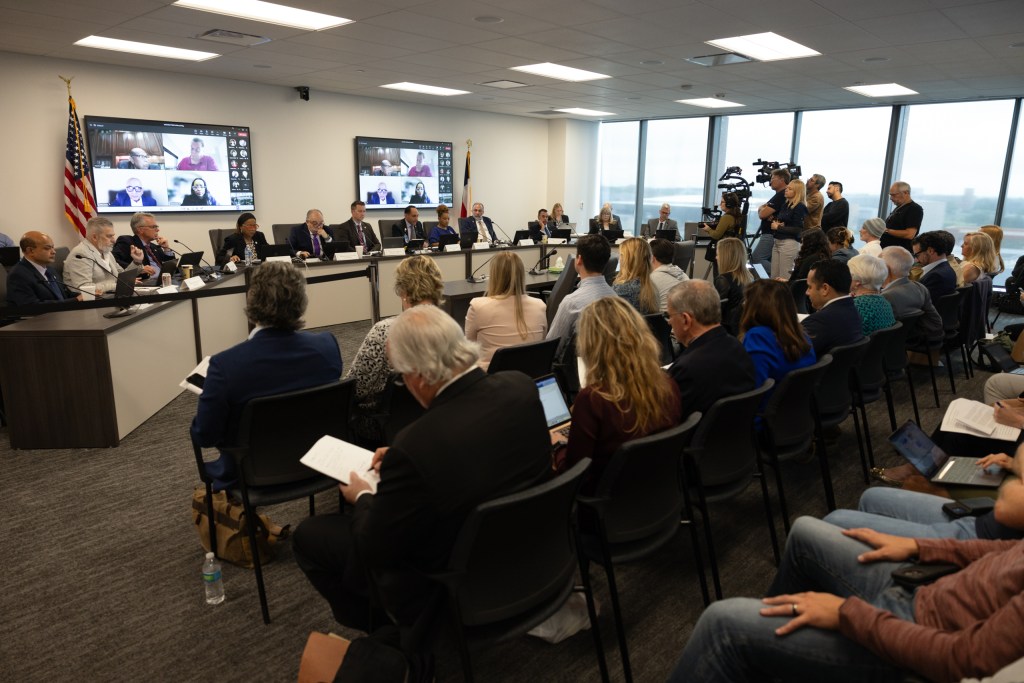
The course includes examples of when abortion is permitted to protect the life of the patient, but many experts say pregnancy complications are impossible to capture in a brief presentation.
These maps show how Latino voters helped Democrats flip a reliably red Texas Senate seat
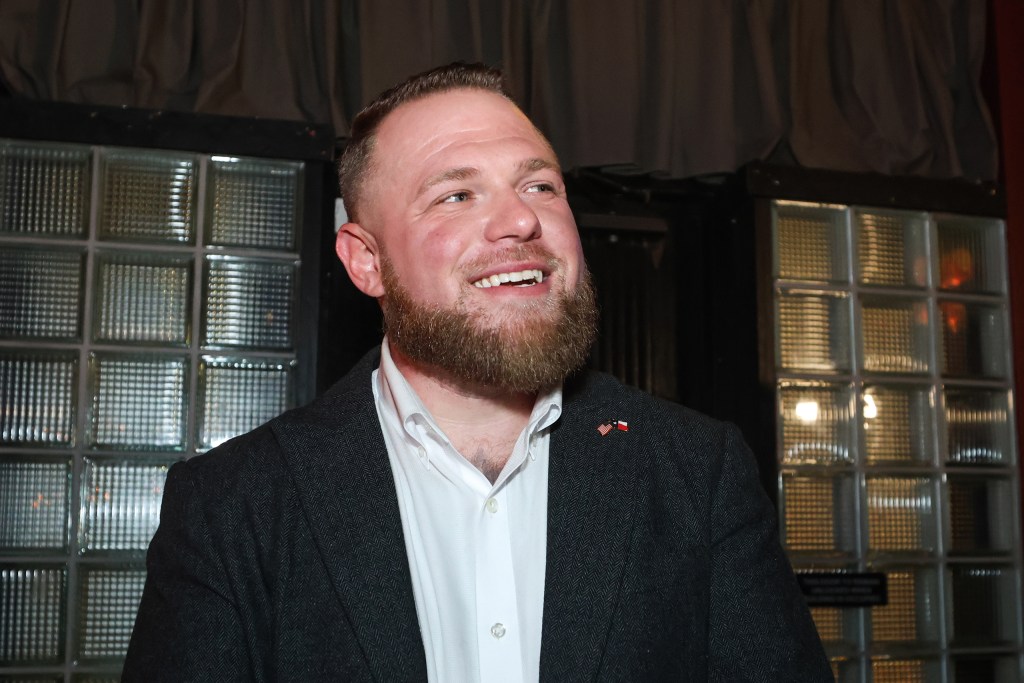
Democrat Taylor Rehmet’s stunning upset victory is explained in part by the massive swing by Latino voters toward his campaign compared to other Democrats in recent elections.
Family of still-missing camper sues to shut down Camp Mystic
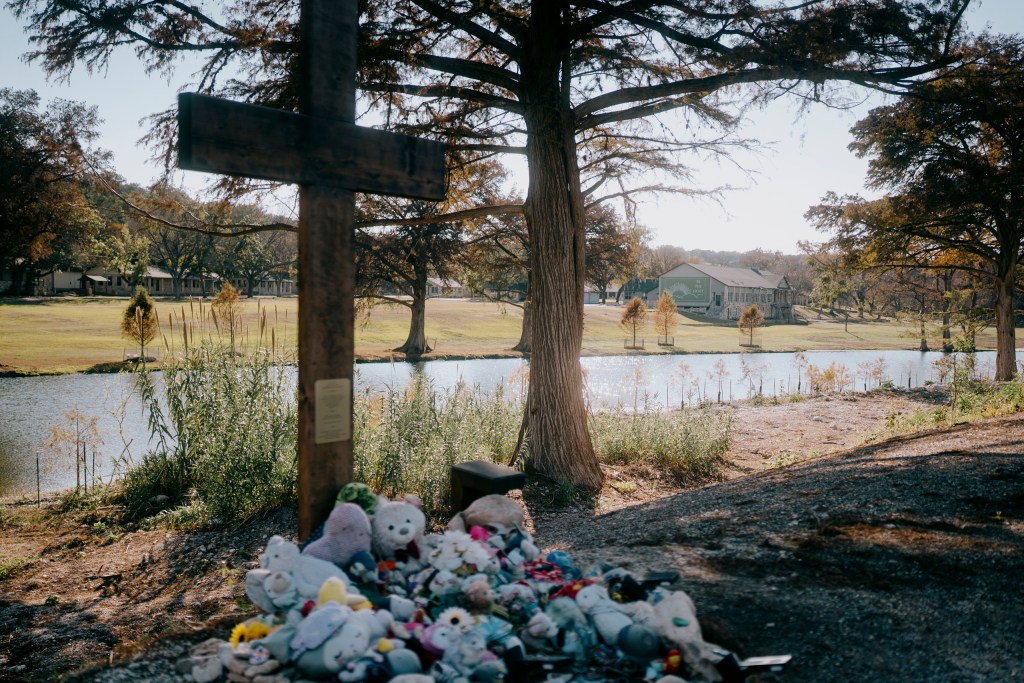
The lawsuit by Catherine and Will Steward, parents of Cecilia “Cile” Steward, argues the family who owns and operates the camp should “never be responsible for children again.”
Hegseth says National Guard members shot in DC ambush by Afghan national will receive Purple Heart

Secretary of War Pete Hegseth said Friday that two West Virginia National Guard members — Army Spc. Sarah Beckstrom and Air Force Staff Sgt. Andrew Wolfe — who were shot in an ambush-style attack near the White House late last year, will receive the Purple Heart. Calling the Nov. 26 incident “a terrible thing” and saying the troops were “attacked by a radical,” Hegseth made the announcement while speaking at a National Guard reenlistment ceremony at the Washington Monument, where he administered the oath of enlistment to more than 100 Guardsmen from nine states serving in Washington, D.C. “And we had a terrible thing happen a number of months ago,” Hegseth said. “Andrew Wolfe, Sarah Beckstrom, one lost, one recovered, thank God, in miraculous ways. Both soon to be Purple Heart recipients because they were attacked by a radical.” The remarks mark the first public confirmation from Hegseth that the service members will receive the Purple Heart, one of the nation’s oldest military decorations, awarded to those killed or wounded by enemy action. AFGHAN NATIONAL ACCUSED IN DC NATIONAL GUARD SHOOTING PLEADS NOT GUILTY, PROSECUTORS MAY SEEK DEATH PENALTY The Purple Heart traces its origins to the American Revolution, when George Washington established the Badge of Military Merit in 1782, to recognize enlisted soldiers wounded or killed in service. The modern Purple Heart was revived in 1932, and is awarded in the name of the president to U.S. service members wounded or killed by enemy action. Beckstrom, 20, and Wolfe, 24, were shot just blocks from the White House in what officials described as an ambush-style attack. Beckstrom died a day after the shooting. Wolfe was seriously wounded and continues to recover. BONDI DESCRIBES WOUNDED NATIONAL GUARDSMAN AS A ‘MIRACLE,’ SAYS ‘HE’S ABLE TO OPEN BOTH EYES’ The accused gunman, Rahmanullah Lakanwal, 29, faces nine charges related to the shooting, including first-degree murder while armed and assault with intent to kill while armed. He has pleaded not guilty. In a statement posted on X, West Virginia Gov. Patrick Morrisey thanked Hegseth for the announcement and said the recognition was long overdue. “I thank Secretary @PeteHegseth for announcing that U.S. Army Specialist Sarah Beckstrom and Air Force Staff Sergeant Andrew Wolfe will soon receive the Purple Heart, an honor that reflects their courage and sacrifice in defense of our nation,” Morrisey wrote. Morrisey said he formally requested the Purple Heart awards Dec. 19, adding that the announcement “brings long-overdue honor to their service, offers meaning and reassurance to their families, and stands as a solemn reminder that West Virginia will never forget those who sacrifice in defense of others.” Hegseth’s remarks Friday came during a ceremony honoring the National Guard’s ongoing security mission in the nation’s capital. According to a War Department news release, more than 100 Guardsmen from Alabama, Arkansas, Florida, Indiana, Mississippi, Ohio, Oklahoma, South Carolina and West Virginia reenlisted Friday as part of the mission. REP BRIAN MAST: CONGRESS HAS THE PERFECT WAY TO HONOR OUR NATION’S FALLEN HEROES Those troops are among more than 2,600 National Guard members currently deployed in Washington at the direction of President Donald Trump in support of the D.C. Safe and Beautiful Task Force, which was established in August 2025 after the president declared a crime emergency in the city. Addressing the Guardsmen, Hegseth described their service in Washington as “front lines” duty. “This is not an easy assignment. It’s the real deal. It’s front lines,” he said. “You’ve done it, and you’ve done well.” The Army could not immediately provide comment after being reached by Fox News Digital. Fox News Digital’s Rachel Wolf and Fox News’ Jake Gibson contributed to this story.
SBA freezes over 100,000 California borrowers in sweeping $9B pandemic fraud crackdown
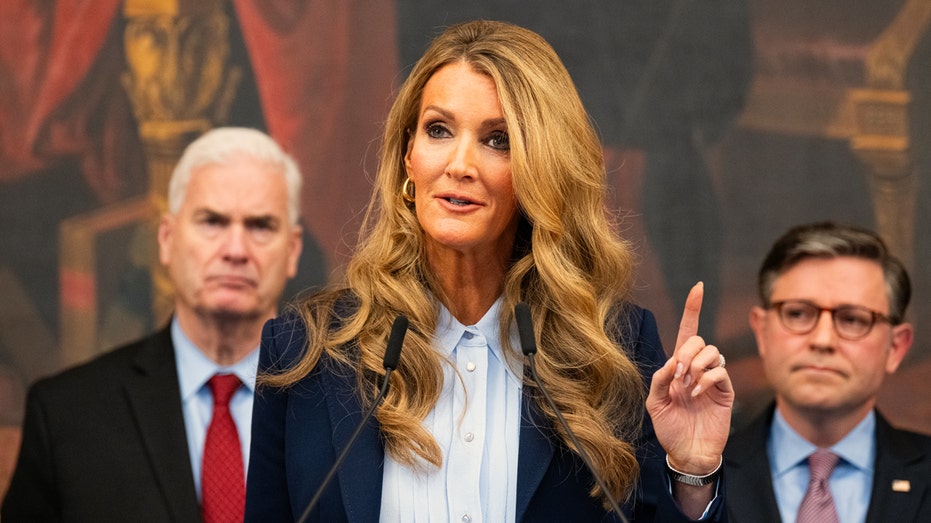
The Small Business Administration (SBA) announced Friday it had suspended more than 100,000 California borrowers amid suspected fraud, with the alleged abuse totaling nearly $9 billion. SBA Administrator Kelly Loeffler said the agency suspended 111,620 California borrowers linked to suspected fraudulent activity across SBA pandemic-era loan programs. Those borrowers received 118,489 Paycheck Protection Program (PPP) and Economic Injury Disaster Loan (EIDL) loans totaling more than $8.6 billion. “Once again, the Trump SBA is taking decisive action to deliver accountability in a state whose unaccountable welfare policies have created a culture of fraud and abuse at the expense of law-abiding taxpayers and small business owners,” Loeffler said in a statement. HOUSE REPUBLICANS CALL MINNESOTA FRAUD PROBE ‘TIP OF THE ICEBERG’ AS MORE BLUE STATES FACE SCRUTINY “Today, we announced we have suspended nearly 112,000 borrowers tied to at least $9 billion in suspected fraud,” she said. “This staggering number represents the most significant crackdown on those who defrauded pandemic programs, and it illuminates the scale of corruption that the Biden administration tolerated for years.” Loeffler referenced the Trump administration’s fraud crackdown in another blue state, saying, “As we did in Minnesota, we are actively working with federal law enforcement to identify the criminals who defrauded American taxpayers, hold them to account and recoup the stolen funds. “As we continue our state-by-state work, our message is clear: Pandemic-era fraudsters will not get a pass under this administration.” GOP SENATORS LAUNCH TASK FORCE TO CRACK DOWN ON FRAUD TIED TO MINNESOTA SCANDAL The announcement comes after the SBA said last month it had suspended 6,900 Minnesota borrowers after uncovering what it said was widespread suspected fraud. The agency previously reviewed thousands of PPP and EIDL loans approved in Minnesota, identifying nearly $400 million in potentially fraudulent loans tied to borrowers. That suspected activity included 7,900 PPP and EIDL loans approved during the COVID-19 pandemic, according to Loeffler. The SBA previously said at least $2.5 million in PPP and EIDL funds issued during the pandemic era were connected to a Somali-linked fraud scheme based in Minneapolis.