

Local Texas election officials await appointment of new secretary of state as midterm preparations ramp up
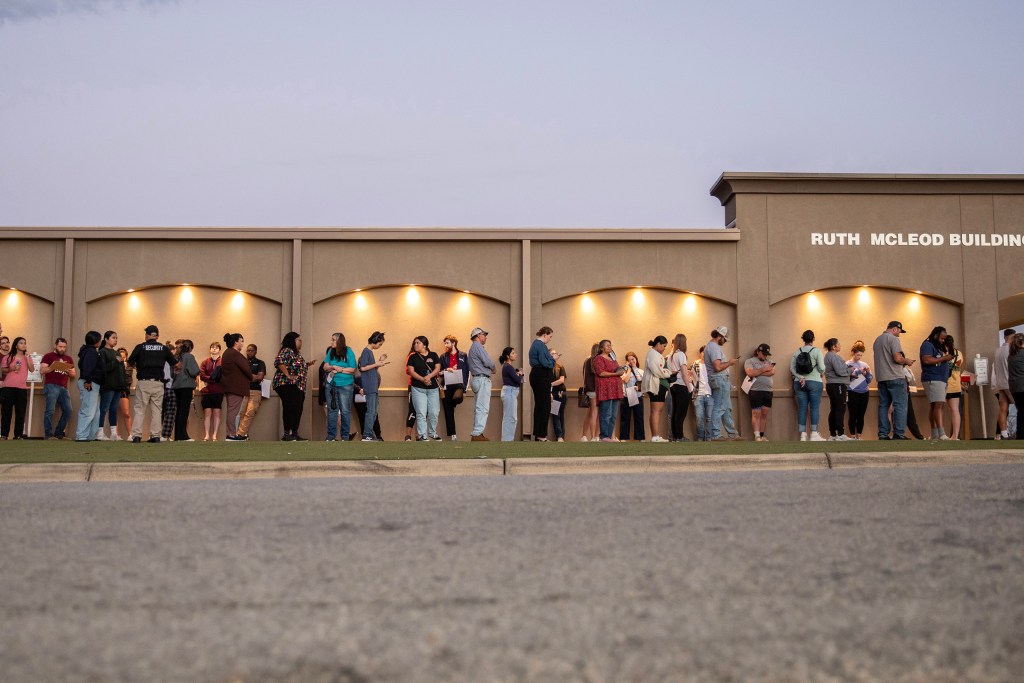
After Jane Nelson’s unexpected resignation, local election leaders worry her successor could complicate midterm election administration. Gov. Greg Abbott hasn’t yet named a replacement.
An unprecedented data center boom means new challenges for Texas. Find out what’s planned near you.

A Texas Tribune analysis identified at least 248 planned data center projects. Opponents fear the projects will spike Texans’ electric bills and make the grid less reliable. But industry representatives say they promise huge economic gains.
Where are the data centers in Texas? Help us continue our reporting.

Fill out the form below to help us continue our reporting on data centers and let us know more about what you’re interested in knowing about.
Talarico lands endorsement from lawyer who defended Paxton in impeachment, securities fraud cases
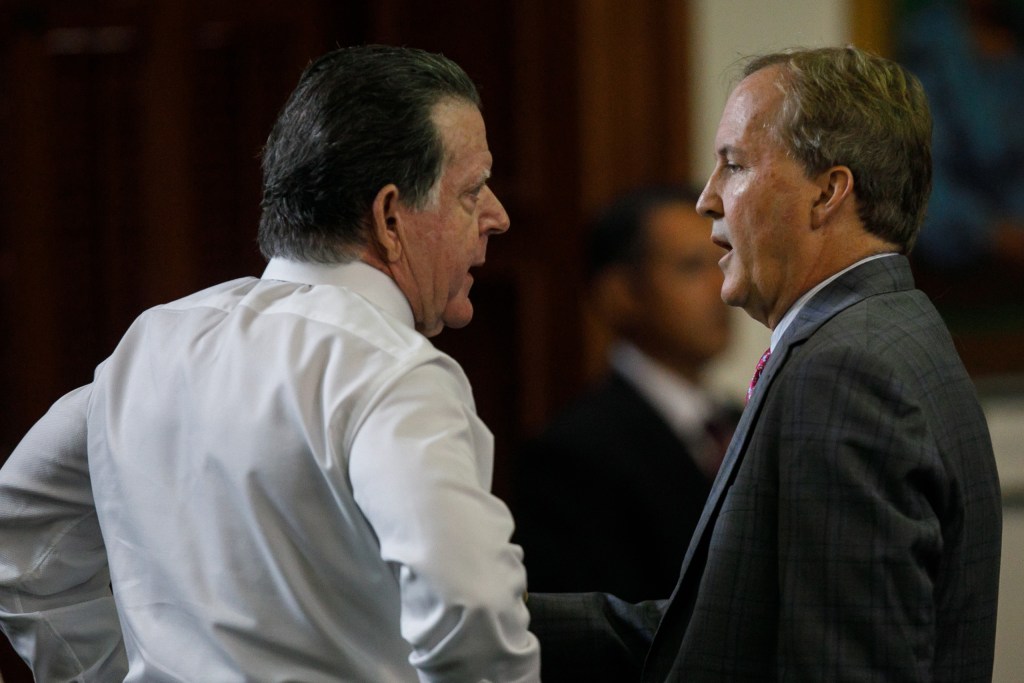
Dan Cogdell, who represented Paxton for nearly a decade in two high-profile cases, said his former client “has lost sight of his core mission.”
Reporter’s Notebook: Tlaib forces rare House procedure after Republican accuses her of defending terrorists
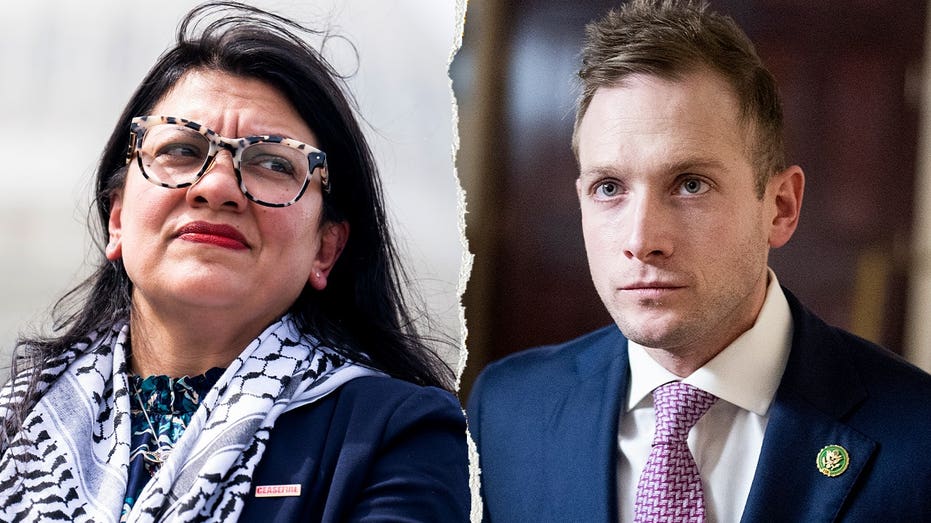
“Words taken down.” That term of art may not mean much off Capitol Hill. But it’s a phrase which usually signals there’s a ruckus in the House of Representatives. The House witnessed one such melee recently. Lawmakers debated a war powers resolution for Lebanon. Rep. Rashida Tlaib, D-Mich., pushed the measure, hoping to restrict President Donald Trump’s conflict in Iran. Especially as other places in the region emerge as flashpoints. Tlaib, a Palestinian-America, is one of only two Muslim women in Congress. She is one of the most controversial members of Congress. And she often speaks out against Israel. “We must end U.S. participation in the Israeli apartheid regime’s invasion of Lebanon. The Israeli military continues to target journalists like Amal Khalil and use our tax dollars to commit war crimes,” said Tlaib. RASHIDA TLAIB HIT WITH HOUSE CENSURE THREAT, ACCUSED OF ‘CELEBRATING TERRORISM’ IN PRO-PALESTINIAN SPEECH But the House floor devolved into a verbal fracas when Rep. Max Miller, R-Ohio, tore into Tlaib, attacking her personally and mentioning Hezbollah during the floor debate. “Its members are butchers that you like to hang out with to a certain extent,” charged Miller, who is Jewish. “Yes, you advocate for terrorists on a daily basis. You advocate for a terrorist regime every single day.” Tlaib hollered at Miller from across the chamber, but it wasn’t clear what she said since the Michigan Democrat wasn’t on mic. “Oh, I’m sorry. Are we getting a little emotional?” chided Miller. Tlaib erupted, at that, shouting even more loudly at Miller. Rep. Jay Obernolte, R-Calif., presided over the debate from the dais. Obernolte had enough of the verbal judo and slammed down the gavel. “Colleagues, this is a serious topic. We will debate it respectfully and deliberately,” admonished Obernolte. “Is the gentlewoman from Michigan making a motion?” NANCY MACE CHALLENGES DEM REP TO ‘TAKE IT OUTSIDE’ AFTER ‘CHILD, LISTEN’ COMMENT SPARKS CHAOS Tlaib had made it to one of the mics in the chamber by this point. “Yes, Mr. Speaker, I am. That is a direct attack on my character. I please request to strike the words down,” said Tlaib. And there it was. “Words taken down.” Tlaib may have garbled the precise verbiage of the parliamentary request. But her motion brought debate on the war powers resolution and all other business before the House to a screeching halt. “The gentleman from Ohio will be seated,” Obernolte instructed Miller. In effect, Tlaib’s motion is the parliamentary equivalent of pulling someone over for speeding. You might get a ticket. Maybe not. Especially if you’re cooperative with the officer. But the authorities will first investigate. And that’s what unfolded on the House floor. During this stasis, the House conducts no business. The House suspends speeches. Amendments. Votes. Nothing happens on the floor until they figure out if someone broke the rules. The phrase “words taken down” refers to the process of the House’s institutional staff and stenographers to document or “take down” language uttered by a member that may violate House rules. The House prohibits members from personal attacks on fellow lawmakers, impugning the motives of their colleagues or “engaging in personalities.” One member can’t disparage another personally. Tlaib clearly believed that Miller broke House rules by saying she would “like to hang out” and “advocate for terrorists.” Tlaib also believed the line about her “getting a little emotional” may have crossed the line, too. ‘SQUAD’ MEMBER DELIVERS REAL-TIME WHITEBOARD RESPONSES TO TRUMP: ‘NO KING!’ If it’s pretty clear that a member broke the rules of decorum, someone from leadership or key staff may ask offending lawmaker to withdraw the language in question and apologize. But if the member resists, the House has no alternative but to rule that member out of order. The House then expunges the speech and he or she is suspended from speaking on the House floor the rest of the day. If the chair rules that member violated the rules, it’s possible that someone could appeal the ruling of the chair. That would entail a roll call vote, where the entire House votes yes or no on whether they believe their colleague broke the rules. Or, another member might move to “table the appeal of the ruling of the chair.” In that scenario, the House votes on whether to kill or set aside the appeal. Thus, the vote is a step removed from actually voting on appealing the chair’s ruling. After an hour of delay, it was clear that Miller wouldn’t apologize or withdraw his statement. “The words of the gentleman from Ohio contain an allegation that the gentlewoman from Michigan is a ‘butcher’ and affiliated with a terrorist organization,” said Obernolte. “Such remarks impugn the patriotism and loyalty of the member of the House.” Obernolte added that “the remarks contain personalities and are not in order. Without objection, the offending words are stricken from the record.” So the House sanctioned Miller for breaking the rules and benched him for the remainder of the day. House Foreign Affairs Committee Chairman Brian Mast, R-Fla., managed the Lebanon war powers debate on the floor for the GOP. Since the House muted Miller, Mast spoke on his behalf. “I’m going to deliver a message from Rep. Miller of Ohio,” said Mast, who quoted this Republican colleague. “‘Yes, I said it. I own it. And I stand by it.’” CHAOS ERUPTS DURING IMMIGRATION HEARING AS DEMOCRAT LUNGES AT CHAIRMAN’S GAVEL: ‘I’M TIRED OF YOU’ ‘ The Florida Republican then asked the House if he could submit for the record an article entitled ‘Rashida Talib, member of secret Facebook Group where Hamas Terrorists glorified.’” Tlaib objected. Mast then tried to submit into the record a transcript about Tlaib allegedly speaking about genocide. Tlaib objected to that as well. Yours truly first encountered a parliamentary donnybrook like this in 1994 while working at C-SPAN. Rep. Maxine Waters, D-Calif., tangled with then-Rep. Pete King, R-N.Y. The House ruled Waters out of order. Then-House Speaker Tom Foley, D-Wash., came to
NYC Mayor Zohran Mamdani says the Democratic Party ‘lost its focus on working people’
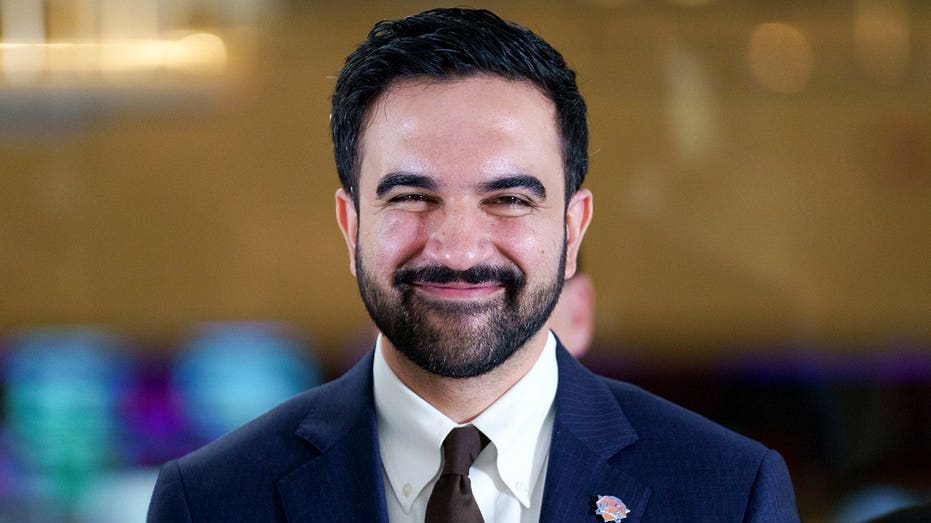
New York City Mayor Zohran Mamdani said that he thinks the Democratic Party “has lost its focus on working people.” Mamdani, during a June 1 interview with MS NOW’s Eugene Daniels, said that people want to know what will be done about rent, housing, gas and groceries, noting, “We have to have answers to that. And that’s what we’re trying to show.” “Do you think the leadership of the Democratic Party understands that?” Daniels asked. MAMDANI SHRUGS OFF DEMOCRATIC PARTY CONCERNS OVER HIS ‘ABOLISH ICE’ PUSH “I think that the party as a whole has lost its focus on working people. And I’m hopeful that we start to develop that,” Mamdani said. “You know, you look at the four freedoms, you look at the real core of the New Deal, there was a moment when this party was unabashed about its focus on working people. And I’m excited to bring it back there,” he said. PRO-ISRAEL INFLUENCER EMILY AUSTIN SAYS ZOHRAN MAMDANI REACHED OUT TO CO-HOST FIFA EVENT Mamdani, who identifies as a democratic socialist, won the Big Apple’s mayoral election last year while running as the Democratic candidate. MAMDANI MARKS PRIDE MONTH, SAYS HONORING ‘QUEER AND TRANSGENDER’ CONTRIBUTIONS WOULD TAKE MORE THAN 30 DAYS “I was elected as a democratic socialist and I will govern as a democratic socialist,” he declared during his January 1, 2026 inauguration speech.
Why Trump picked Bill Pulte to lead US intelligence as critics question his qualifications
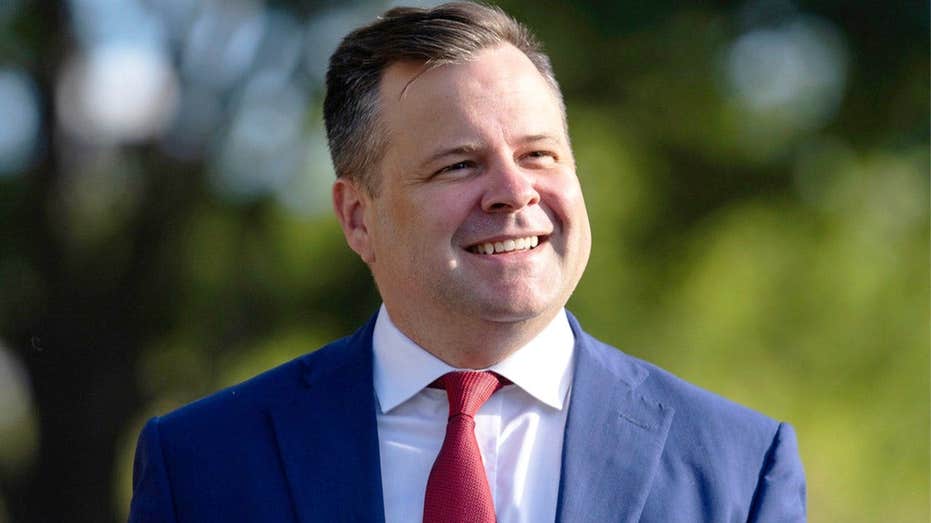
President Donald Trump’s selection of Federal Housing Finance Agency Director Bill Pulte to serve as acting director of National Intelligence elevates a housing finance regulator and former social media philanthropist to one of the government’s most sensitive national security posts. Before entering government, Pulte was best known as the grandson of the founder of homebuilding giant PulteGroup and for building a large following through social media philanthropy campaigns that distributed money to followers online. He later became a prominent figure in conservative social media circles before Trump tapped him to lead the Federal Housing Finance Agency, which regulates Fannie Mae and Freddie Mac. Trump announced the selection in a Truth Social post, praising Pulte’s leadership of the housing finance system and his experience managing “the most sensitive matters in America.” The White House declined to tell Fox News Digital whether Trump is considering Pulte for the position on a permanent basis. But expectations for Pulte became clearer Friday when Trump told The Wall Street Journal that he wants the acting intelligence chief to begin reducing the size of the Office of the Director of National Intelligence. TRUMP NAMES BILL PULTE ACTING DIRECTOR OF NATIONAL INTELLIGENCE “I’d like to see it smaller. I think there are a lot of people in there that shouldn’t be there,” Trump told the newspaper, describing the agency as “unnecessary and/or too big.” Asked whether he wants Pulte to fire employees, Trump said he wants him to “start the process.” Senate Intelligence Committee Chairman Tom Cotton, R-Ark., quickly endorsed the effort, arguing that the Office of the Director of National Intelligence has expanded far beyond the mission Congress envisioned when it created the office after the Sept. 11 attacks. “President Trump is right: the ODNI has grown far beyond its original mandate,” Cotton wrote on X. “I’ve long advocated for downsizing, if not outright eliminating, this bureaucracy.” The appointment immediately generated pushback from lawmakers and former officials who argued that Pulte lacks the experience for the role. But Trump allies, many of whom spent years railing against an intelligence “Deep State” they believed was working to undermine Trump insisted he would dutifully carry out the president’s agenda. “There is still very much so – I would say – internally a battle between different intelligence agencies,” Rep. Anna Paulina Luna, R-Fla., said. “Half the battle in these intelligence positions is the fact that you want someone that will not obstruct the declassification order but assist in locating documents, and that is something that Bill will do.” TRUMP’S DRASTIC NSC CUTS SPARK DEBATE: DOES FIGHTING THE ‘DEEP STATE’ PUT NATIONAL SECURITY AT RISK? “Bill Pulte is a great American and Patriot who will always fight for President Trump and his agenda,” White House communications director Steven Cheung wrote on X. “This is an important time in our country, and Bill has the required energy and focus to achieve great things in this new position.” Pulte’s selection follows a period of public friction between Trump and outgoing director Tulsi Gabbard, who leaves the role on June 30. Gabbard entered the role as a critic of the intelligence establishment, but her assessment that Iran was not building a nuclear weapon became a point of contention with the president as the administration moved toward military action against Tehran. Trump publicly rejected her assessment, saying “I don’t care what she said” and later declaring that she was “wrong.” Neither Trump nor his allies have defended Pulte’s selection by pointing to any intelligence or national security experience. Instead, supporters have emphasized his management experience, willingness to challenge bureaucracy and commitment to advancing administration priorities. The White House declined to tell Fox News Digital whether Trump is considering Pulte for the position on a permanent basis. The distinction could prove significant, as acting officials can wield most of the authorities of Senate-confirmed officeholders while serving in a role intended to be temporary. “Very few Senate-confirmable positions come with statutory eligibility requirements. There are good reasons why the Director of National Intelligence is one of them,” former Senate Republican Leader Mitch McConnell said in a statement. “Anyone performing this role of such immense public trust must have the extensive national security experience required by statute, and no nominee who falls short of this requirement will earn my vote,” McConnell added. Senate Intelligence Committee Vice Chairman Mark Warner, D-Va., similarly argued that Pulte lacks the qualifications envisioned for the position. “The concern is not only that Mr. Pulte lacks the ‘extensive national security experience’ required by statute,” Warner said. “It is that he appears to have been selected precisely because the White House believes he will provide the narrative it wants, not the intelligence we need.” Rep. Brian Fitzpatrick, R-Pa., a former FBI agent who now chairs the House Intelligence Committee’s CIA Subcommittee, was similarly blunt. “He shouldn’t be there,” Fitzpatrick said. “He’s got no background in intelligence.” Not all intelligence overseers were critical of the appointment, however. House Intelligence Committee Chairman Rick Crawford, R-Ark., defended Trump’s selection and dismissed concerns about Pulte’s résumé. “Maybe you should think about something else,” Crawford said. “This guy, whether anybody knows him or not, at least is not guilty of trying to orchestrate a coup against a sitting president.” Pulte did not respond to a request for comment. Earlier in 2026, Pulte said the FHFA had referred alleged Chinese and North Korean nationals to the Justice Department after discovering they had been working at Fannie Mae and Freddie Mac while allegedly posing as other individuals.
Noncitizens on voter rolls in Democrat-run state exposed as RNC chair pledges secure elections
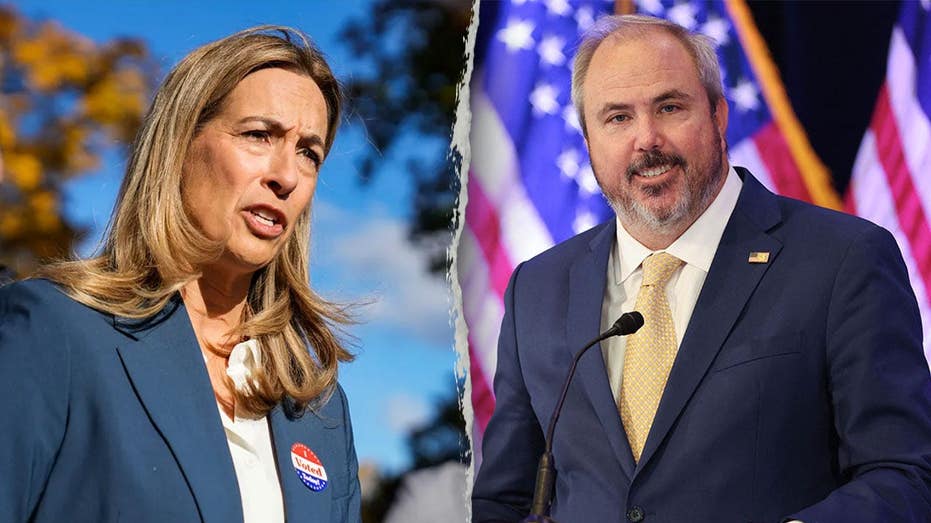
EXCLUSIVE — Noncitizens in a key blue state were on the voter rolls for years — and some even voted in prior elections, according to documents obtained via public records request. The New Jersey Republican Party (NJGOP) and the Republican National Committee (RNC) requested voter rolls from all 21 counties in the Garden State and found multiple instances of noncitizens seeking naturalization asking to be removed from the rolls, claiming they were unknowingly registered to vote. Most were registered as Democrats. Noncitizens cannot vote in state or federal elections, and the candidates for citizenship worried that being on the rolls would disqualify them. In official letters viewed by Fox News Digital from Atlantic County, Superintendent of Elections & Commissioner of Registration Maureen Bugdon certified that noncitizens came to her asking to be removed. FOUR NONCITIZENS CHARGED WITH ILLEGALLY VOTING IN 2020, 2022 AND 2024 FEDERAL ELECTIONS IN NEW JERSEY “Please allow this letter to confirm that on today’s date, the below referenced individual came before this office to confirm her registration and voter status,” the typical letter reads. “She relayed that she did not wish to be a New Jersey registered voter and does not understand how she became registered through the Department of Motor Vehicles, allegedly.” Most of the letters confirmed that the noncitizens did not have a voting record, but not all. One noncitizen, who the county said was removed from the rolls in 2015, voted several times in 2000 and 2001, and in the 2008 general election. Another voted in a primary election in 2005 and a municipal election in 2000. TRUMP ADMIN BLOCKS CITIZENSHIP FOR ILLEGAL MIGRANT VOTERS Other documents showed noncitizens directly asking to be removed from the rolls through a state voter registration cancellation form. When prompted about why they wished to be removed, the vast majority of the unknowingly registered voters checked a box labeled “other” and wrote that they were not citizens. In Atlantic County alone, Fox News Digital reviewed more than 50 documents from noncitizens attesting that they were registered to vote unknowingly. OVERSIGHT GROUP SEEKS DOCS FROM WALZ’S MINNESOTA AS DOJ REBUKES VIRGINIA VOTER-ROLL MAINTENANCE RNC Chairman Joe Gruters says the group found hundreds of noncitizen registrants in New Jersey who are likely only the tip of the iceberg, but that New Jersey and other Democrat-run states are unwilling to disclose information about their voter registration list maintenance processes. The organization has requested that information from 48 states. “I mean, it’s really incredible because here the Democrats are saying that, you know, noncitizens never vote, [that], this is a non-issue, but every county we’re finding people that are self-reporting now, and I’m glad we’re doing these records request because it’s really eye-opening, because this is just the people that have self-reported,” Gruters told Fox News Digital. “You want a democracy that’s secure and elections that are free and safe and that people can depend upon, and people have full confidence in,” he said. RNC LAUNCHES MULTIMILLION-DOLLAR ELECTION INTEGRITY PUSH IN 17 STATES AHEAD OF MIDTERMS The RNC in 2024 made a full-throated election integrity push to ensure, one that continues to this day, according to Gruters. He told Fox News Digital that the group is “bringing the hammer down” and that it has “boots on the ground” across the country to ensure even more diligence in November. “We have staffers already in 17 states working on these issues to make sure that, like I said, it goes back to having a safe and secure election that’s free and fair,” he said. RNC GETS DAY AT SUPREME COURT TO CHALLENGE LATE-ARRIVING MAIL BALLOTS The Republican Party of New Jersey is currently conducting analysis on the documents. “We have just begun our analysis and already uncovered hundreds of instances of non-citizens placed on New Jersey’s voter rolls over the past few years. With more records still outstanding, these findings are likely only the beginning,” Chairwoman Christine Giordano Hanlon said. “In New Jersey, there is currently no reliable process to consistently identify non-citizens who have been registered to vote. This undermines confidence in the system and highlights the need for stronger safeguards to ensure only eligible voters are registered.” Gruters is also optimistic about another RNC battle on the election integrity front. The Supreme Court is soon set to decide on the case of Watson vs. RNC, a challenge to laws that allow ballots to be cast by mail on election day, but counted days later. The RNC’s goal is eliminate the practice, which Gruters highlighted as California continues to count ballots from Tuesday night’s primary elections almost a week after polls closed. He said a win in that case could be “one of our biggest election victories ever.” “I mean, just what’s happened with [Los Angeles Mayoral Candidate] Spencer Pratt should open your eyes, and you should be sick to your stomach,” he said. “This should not be allowed in America.” Gruters said that when elections have an “open-ended target date,” it opens the doors for potential manipulation. “We’re fighting hard to put an end to this, and this, like I said, this could be probably our biggest win ever from an election integrity standpoint by stopping this and making sure that election day means exactly what it says, election day.” Democratic New Jersey Gov. Mickie Sherrill’s office did not return a request for comment. Neither did the New Jersey Motor Vehicle Commission or Atlantic County officials. A spokesman for the New Jersey Department of Motor Vehicles said it’s rare that noncitizens end up on the rolls. “MVC, together with state and local partners across New Jersey, uses rigorous processes to ensure eligible individuals register to vote through the MVC. Consistent with all applicable laws, individuals who apply to register to vote through the MVC affirm their citizenship. While it is exceedingly rare that non-citizens claim citizenship or other voter eligibility through the MVC, such instances are taken extremely seriously by this agency.” CLICK HERE THE FULL CACHE OF DOCUMENTS.
Walz administration ignored fraud warnings as billions vanished, House oversight report alleges
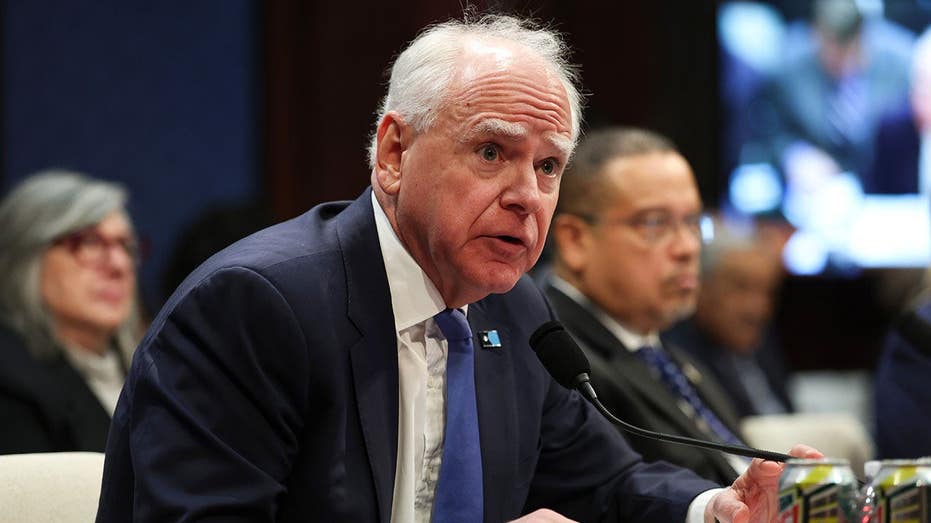
A Republican-led congressional oversight report alleges that senior Minnesota officials, including Gov. Tim Walz, D-Minn., failed for years to act on warnings about fraud in the state’s social services programs, allowing hundreds of millions of dollars in confirmed or alleged losses and placing billions more at risk. The Walz administration had the power to stop fraudulent payments to high-risk entities receiving federal nutrition and Medicaid funds, but the state “repeatedly failed to act” after officials raised concerns, according to a 205-page final staff report released by the House Oversight Committee on Monday. Congressional investigators found that concerns about potential racial discrimination claims — rather than legal constraints — contributed to the Walz administration’s decision to continue paying providers suspected of fraud. The committee also spoke to nearly 30 whistleblowers, some of whom accused the Walz administration of retaliation against state employees for sounding the alarm about potential fraud. “Fraud warnings were elevated to the most senior levels of the Minnesota state government, meaningful corrective action was delayed or avoided, and payments continued long after credible signs of fraud emerged,” the report reads in part. OWNER OF DAYCARE IN VIRAL NICK SHIRLEY VIDEO CHARGED IN $4.6M DAYCARE FRAUD SCHEME, PROSECUTORS SAY The committee found Minnesota is estimated to have lost $300 million in stolen federal nutrition funds intended to feed hungry children during the COVID-19 pandemic and that as much as $9 billion in Medicaid billing may have been fraudulent, an estimate attributed to a federal prosecutor and disputed by Walz administration officials. Walz was allegedly aware of fraud associated with the now-defunct Feeding Our Future nonprofit that operated a constellation of fake meal sites as early as 2020, but payments continued flowing to the group for roughly two more years. The oversight panel also found Walz gave conflicting answers about when he first learned of the sweeping meal fraud. Meanwhile, Ellison met with individuals associated with the Feeding Our Future scheme who were later convicted of fraud, according to a December 2021 audio recording obtained by the committee. According to the report, the group of Somali fraudsters told Ellison they were facing alleged racial discrimination because of the Minnesota Department of Education withholding payments. “The fraudsters pledged the Somali community’s political and financial support to Ellison if he were to intervene on their behalf,” the report reads. “Ellison said he would help ‘fight these people.’” Ellison received campaign contributions from several Feeding Our Future defendants following the meeting, according to the report. His office said he later returned those donations. Spokespersons for Walz and Ellison did not immediately respond to a request for comment. Federal prosecutors have charged more than 110 individuals in connection with various fraud schemes in the state. Many defendants in the Feeding Our Future case have been identified as members of Minnesota’s Somali immigrant community, in connection with various fraud schemes in the state. Some of the convicted fraudsters used the stolen money for luxury purchases and state officials have investigated whether a portion of it was funneled overseas to aid terrorist groups in Somalia and the Middle East. “Minnesota Governor Tim Walz and Attorney General Keith Ellison are responsible for one of the most stunning oversight failures this Committee has ever examined,” Comer said in a statement. “It is now clear the Walz Administration chose to protect the system rather than protect the taxpayer.” The report caps a months long investigation into the Walz administration’s handling of widespread fraud, which began in late 2025 and included hearing testimony from Walz and Attorney General Keith Ellison as well as members of the Minnesota state legislature’s fraud committee. Nine current and former state officials also participated in transcribed interviews with congressional investigators. The panel is also probing alleged health care fraud in California and Ohio as part of Republicans’ ongoing “war on fraud.” MINNESOTA TAXPAYER DOLLARS FUNNELED TO AL-SHABAAB TERROR GROUP, REPORT ALLEGES The committee sent a letter to Vice President JD Vance urging a full review of Minnesota’s social services programs for potential fraud vulnerabilities, following the report’s findings. Vance’s anti-fraud task force has led to the arrest of at least eight people who allegedly participated in health care fraud schemes and the freezing of $1.3 billion in payments to home health and hospice providers suspected of defrauding the government. Earlier this year, the Trump administration suspended nearly $260 million in federal Medicaid funding to Minnesota over the Walz administration’s alleged failure to crack down on fraud. The Trump administration has also required states to show they are aggressively probing potential Medicaid fraud or risk losing federal funding. The report also comes as the House is expected to consider a slate of fraud-prevention bills this week. Republicans have argued that new legislative tools are necessary to prevent fraud at the state level amid alleged inaction. The federal government loses an estimated $233 billion to $521 billion annually to fraud, according to a 2024 Government Accountability Office report.
Powerful earthquake hits Philippines, triggering tsunami alerts across Asia

DEVELOPING STORYDEVELOPING STORY, Officials in Indonesia, Philippines and Japan warn of possible tsunami waves after quake off Mindanao. A powerful earthquake has struck the Philippines, destroying buildings and triggering tsunami alerts across Asia. The magnitude 7.8 quake struck off the southern island of Mindanao shortly before 7:40am local time on Monday (23:40 GMT Sunday), according to the United States Geological Survey. Recommended Stories list of 4 itemsend of list The initial earthquake was followed by more than an hour of aftershocks, according to the Philippine Institute of Volcanology and Seismology (PHIVOLCS). Video posted on official social media channels showed a three-storey building that housed a Jollibee restaurant collapsing in a cloud of debris and dust in Mindanao’s General Santos City, startling onlookers. Other images showed extensive damage to buildings, including smashed windows and caved-in roofs. The Philippine seismology authority said the city, which lies in the southern region of Soccsksargen, experienced a 7 out of 10 “very strong” earthquake on its internal intensity scale. The number of potential casualties is yet to be confirmed. Mary Ann Blanco Rhudy, a Catholic nun working for Notre Dame of Dadiangas University in General Santos, said she was travelling to the college when the earthquake struck. “The cars on the road were moving erratically. I am lucky that they didn’t crash against each other,” she told Al Jazeera. “The trees on the side of the road were also swaying violently.” Rhudy said some of the buildings at the college have partially collapsed. Philippine President Ferdinand Marcos said on Monday morning that emergency agencies had been activated, including the Office of Civil Defence and the National Disaster Risk Reduction and Management Council. Advertisement Marcos urged people to follow government advisories about the risk of tsunami waves. “To our kababayans [countrymen] in the affected provinces, please heed the tsunami warning. Move to higher ground now. Do not wait. Your life is more important than anything left behind,” Marcos said. Marcos said schools across several provinces of Mindanao have been closed for the day. The US-based Pacific Tsunami Warning Center said earlier that tsunami waves as high as 3 metres (9.8 feet) could hit coastal areas of the Philippines, and waves of up to 1 metre (3.3 ft) were possible in parts of Indonesia and Malaysia. The first waves were expected to hit the Philippines and parts of Indonesia at about 10am local time (02:00 GMT), followed by southern Japan and Taiwan at about 11am (03:00 GMT), and Micronesia, Papua New Guinea and the Solomon Islands an hour later, according to the Japan Meteorological Agency (JMA). The US National Tsunami Warning Center, which downgraded the quake from an earlier estimate of magnitude 8.2, said the quake posed no threat to coastal areas of the US. Officials in Japan, the Philippines, and Indonesia have issued alerts warning of hazardous waves and advising citizens in coastal areas to get to safety. Philippine authorities said people in nine provinces – including Sarangani, Davao Occidental, Tawi-Tawi and Sulu – should immediately evacuate to higher ground or further inland. “Owners of boats in harbours, estuaries or shallow coastal water of the above-mentioned provinces should secure their boats and move away from the waterfront,” PHIVOLCS said. “Boats already at sea during this period should stay offshore in deep waters until further advised.” Indonesia also issued an immediate evacuation order for parts of northern Sulawesi, northern Gorontalo province and the Sangihe Islands, with residents urged to move to higher ground. A tsunami warning is also in place for Japan’s outlying islands, including Okinawa and the country’s southern coast. Officials in the Northern Mariana Islands and Guam cancelled earlier tsunami warnings, but said there was still a risk of strong currents and dangerous beach conditions. Adblock test (Why?)