

Why has the PKK ended its armed struggle?

Members of the Kurdistan Workers’ Party lay down their arms after decades of war with Turkiye. It’s one of the longest-running conflicts in the Middle East – and it’s about to come to an end. Members of the Kurdistan Workers’ Party (PKK) have started laying down their arms at a ceremony in northern Iraq. It comes two months after the group said it would end its armed struggle against Turkiye and shift to democratic politics. Reaction has been mixed: Some Kurds think it could pave the way to peace. Others argue it’s a concession with no gains. So how will this process play out in Turkiye and in the wider region? Presenter: Adrian Finighan Guests: Galip Dalay – nonresident senior fellow at the Middle East Council on Global Affairs David L Phillips – director of the Program on Peace-building and Human Rights at Columbia University Mohammed Salih – nonresident senior fellow at the Foreign Policy Research Institute who specialises in Kurdish affairs Adblock test (Why?)
Lebanon says Israeli strike kills one as Beirut rules out normalisation
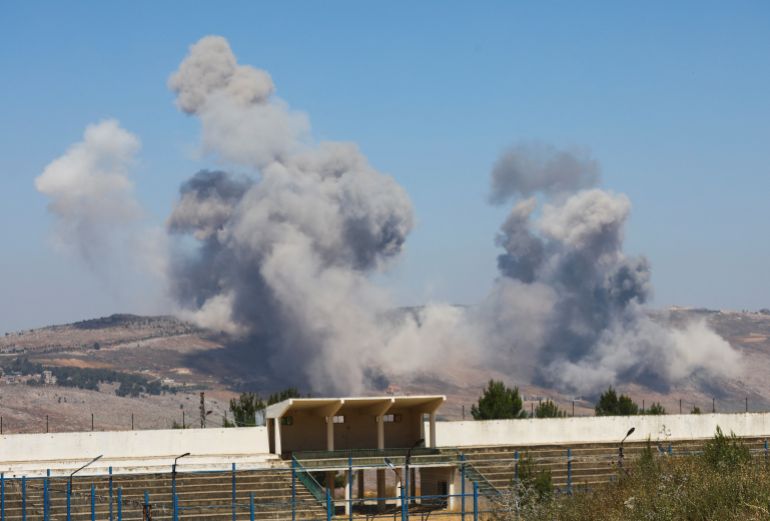
Lebanon’s President Joseph Aoun says his country seeks peace with Israel, but is not ready to normalise ties. Lebanon’s president says his country wants peace but not normalisation with Israel, as health authorities said an Israeli air strike killed one person in the south of the country. As well as causing one death on Friday, the drone attack on a car in Nabatieh district wounded five other people, according to Lebanon’s Ministry of Health. It comes as Israel continues to launch regular strikes against sites in Lebanon, particularly in the south, despite a November 27 ceasefire agreement between it and the Lebanese armed group Hezbollah. Under the terms of the truce, Hezbollah had to retreat to the north of the Litani River, which is about 30km (20 miles) from the Israeli border, while Israel had to fully withdraw its troops, leaving only the Lebanese army and United Nations peacekeepers in the area. However, Israel still occupies five strategic locations in southern Lebanon. Speaking on Friday, Lebanese President Joseph Aoun expressed a desire for peaceful relations with his country’s neighbour. But he stressed that Beirut was not currently interested in normalising ties with Israel, something mentioned as a possibility by Israeli Foreign Minister Gideon Saar last week. “Peace is the lack of a state of war, and this is what matters to us in Lebanon at the moment. As for the issue of normalisation, it is not currently part of Lebanese foreign policy,” said Aoun, who urged Israel to withdraw completely from Lebanon. Smoke billows from the Nabatieh district, following Israeli strikes, as seen from Marjayoun, in southern Lebanon, on June 27, 2025 [File: Karamallah Daher/Reuters] In a reference to the US’s ongoing call for Lebanon to fully disarm Hezbollah, the Lebanese president also expressed Beirut’s desire to “hold the monopoly over weapons in the country”, but he did not give further details. Advertisement Hezbollah, which is considerably weakened after more than a year of hostilities with Israel, has dismissed questions about disarmament. “We cannot be asked to soften our stance or lay down arms while [Israeli] aggression continues,” its leader Naim Qassem told crowds in southern Beirut on Sunday. On Wednesday, the Israeli military confirmed that some of its troops had entered southern Lebanon, with the army saying they sought to dismantle Hezbollah infrastructure and to stop the group from “reestablishing itself in the area”. The following day, a man was killed by an Israeli drone strike on a motorbike in the village of al-Mansouri near Tyre, the Lebanese Ministry of Health said. Two others were injured in the attack, it added. Adblock test (Why?)
Haiti death toll hits nearly 5,000 in nine months as gang violence spreads
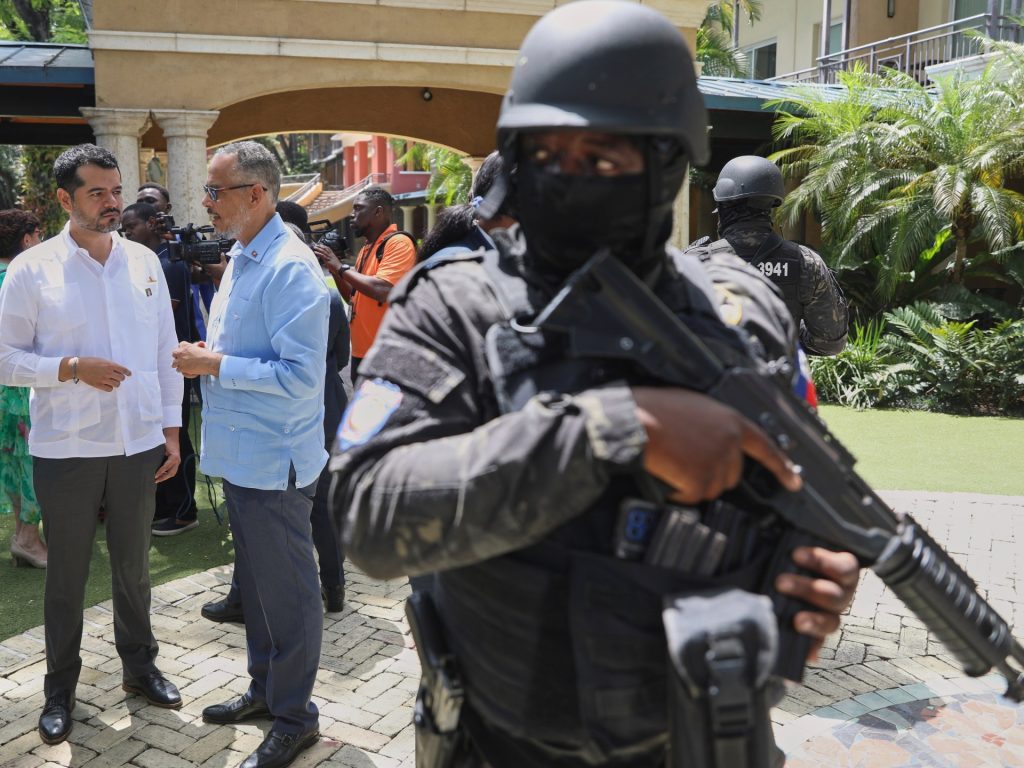
The United Nations has appealed to the international community to bolster its support for Haiti after a report revealed that gang violence has claimed 4,864 lives from October to June. More than 20 percent of those deaths unfolded in the departments of Centre and Artibonite, indicating that intense violence is spilling into the areas surrounding the capital, Port-au-Prince. In a report released on Friday, the UN explained that the growing presence of gangs like Gran Grif in those areas appears to be part of a broader strategy to control key routes connecting the capital to Haiti’s north and its border with the Dominican Republic. “This expansion of gang territorial control poses a major risk of spreading violence and increasing transnational trafficking in arms and people,” the report said. Among its recommendations was for the international community to better police the sale of firearms to Haiti and to continue to offer support for a Kenya-led security mission aimed at strengthening Haiti’s local law enforcement. In a statement, Ulrika Richardson, the UN’s resident coordinator in Haiti, explained that propping up the country’s beleaguered police force is key to restoring security. “Human rights abuses outside Port-au-Prince are intensifying in areas of the country where the presence of the State is extremely limited,” she said. “The international community must strengthen its support to the authorities, who bear the primary responsibility for protecting the Haitian population.” Advertisement The report indicates that the violence in the regions surrounding Port-au-Prince took a turn for the worse in October, when a massacre was carried out in the town of Pont Sonde in the Artibonite department. The Gran Grif gang had set up a checkpoint at a crossroads there, but local vigilante groups were encouraging residents to bypass it, according to the UN. In an apparent act of retaliation, the gang launched an attack on Pont Sonde. The UN describes gang members as firing “indiscriminately at houses” along the road to the checkpoint, killing at least 100 people and wounding 16. They also set 45 houses and 34 vehicles on fire. The chaos forced more than 6,270 people to flee Pont Sonde for their safety, contributing to an already dire crisis of internal displacement. The UN notes that, as of June, more than 92,300 people were displaced from the Artibonite department, and 147,000 from Centre — a 118-percent increase over that department’s statistics from December. Overall, nearly 1.3 million people have been displaced throughout the country. The massacre at Pont Sondé prompted a backlash, with security forces briefly surging to the area. But that presence was not sustained, and Gran Grif has begun to reassert its control in recent months. Meanwhile, the report documents a wave of reprisal killings, as vigilante groups answered the gang’s actions with violence of their own. Around December 11, for instance, the UN noted that the gangs killed more than 70 people near the town of Petite-Riviere de l’Artibonite, and vigilante groups killed 67 people, many of them assumed to be relatives or romantic partners of local gang members. Police units are also accused of committing 17 extrajudicial killings in that wave of violence, as they targeted suspected gang collaborators. The UN reports that new massacres have unfolded in the months since. In the Centre department, a border region where gangs operate trafficking networks, similar acts of retaliation have been reported as the gangs and vigilante groups clash for control of the roads. One instance the UN chronicles from March involved the police interception of a minibus driving from the city of Gonaives to Port-au-Prince. Officers allegedly found three firearms and 10,488 cartridges inside the bus, a fact which sparked concern and uproar among residents nearby. “Enraged, members of the local population who witnessed the scene lynched to death, using stones, sticks, and machetes, two individuals: the driver and another man present in the vehicle,” the report said. Advertisement Haiti has been grappling with an intense period of gang violence since the assassination of President Jovenel Moise in July 2021. Criminal networks have used the resulting power vacuum to expand their presence and power, seizing control of as much as 90 percent of the capital. A transitional government council, meanwhile, has struggled to re-establish order amid controversies, tensions and leadership turnover. The council, however, has said it plans to hold its first presidential election in nearly a decade in 2026. Meanwhile, Volker Turk, the UN high commissioner for human rights, warned that civilians will continue to suffer as the cycle of violence continues. “Caught in the middle of this unending horror story are the Haitian people, who are at the mercy of horrific violence by gangs and exposed to human rights violations from the security forces and abuses by the so-called ‘self-defence’ groups,” he said. Adblock test (Why?)
Kenya mourns vendor killed in protests, as calls grow for Ruto to quit
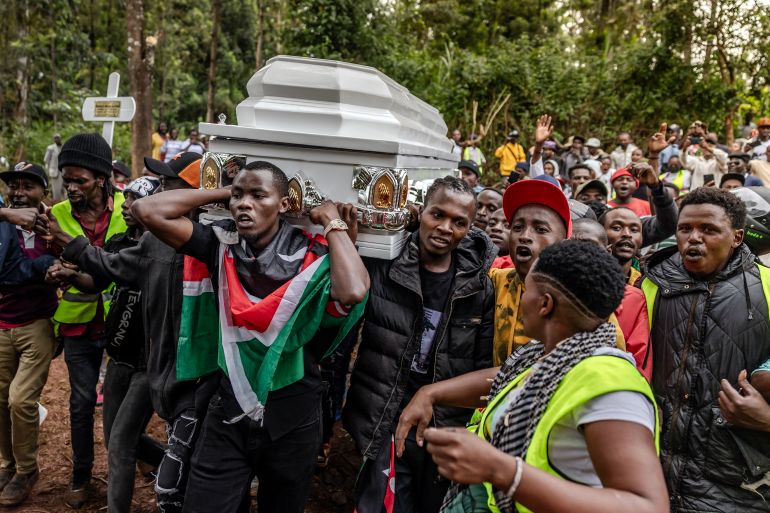
Police shooting of Boniface Kariuki last month sparks mass grief and anger over state-sanctioned police brutality. Hundreds of mourners have attended the funeral of a Kenyan mask vendor killed by police, as opposition leaders demanded the resignation of President William Ruto over comments he made sanctioning the use of violence in recent protests. The funeral of 22-year-old Boniface Kariuki, shot at point-blank range by an officer in riot gear during a rally against police brutality on June 17, took place Friday in his hometown of Kangema, some 100km (60 miles) northeast of Nairobi. Kariuki, who died later in hospital, was selling masks at the rally. He is one of more than 100 people who have been killed across Kenya since last year, as police crack down on waves of protests. The demonstrations were initially sparked by proposed tax rises in 2024, but they reignited last month after the death of blogger Albert Ojwang in police custody. The shooting of Kariuki was captured on film and shared widely across social media, highlighting police brutality in the country and galvanising anger towards a government many Kenyans see as corrupt and unaccountable. “We are in sorrow,” said Edwin Kagia, 24, Kariuki’s friend and fellow vendor. “I used to hear that police kill people, but I could not imagine it would happen to my brother.” Reporting from Kakuma in northern Kenya, Al Jazeera’s Catherine Soi said: “People are very angry about what is happening in Kenya. There’s a lot of impunity. They say there’s bad governance and police brutality is just on another level.” Young Kenyans chant anti-government slogans as they carry the coffin of Boniface Kariuki during his funeral in Kangema, on July 11, 2025 [Luis Tato/ AFP] President under pressure Amid the grief over the vendor’s death, President Ruto came under increasing pressure to step down, two days after he called for police to shoot and “break the legs” of people found looting or damaging property during protests. Advertisement Opposition figure Kalonzo Musyoka said the president’s order was “against the constitution” and that he should “resign or be impeached”. Human rights groups have called for restraint among police, as it emerged that more than 50 people were killed in two major demonstrations this year, according to the state-funded Kenya National Commission on Human Rights. Al Jazeera’s Soi said there had also been a “spate of abductions”. “Kenyans are quite angry … because police officers are here to help Kenyans and to protect Kenyans, but that is not happening,” she said. Four police officers are currently facing murder charges over the recent deaths of protesters. Three officers were last month charged with the death of blogger Ojwang after a postmortem report stated that his injuries were not self-inflicted, as alleged by police. On Thursday, an officer was charged with Kariuki’s murder. A plea hearing for the officer is set for July 28. Several mothers of the young people who have been killed in protests since last year were present at the vendor’s burial. Meanwhile, Kenya swore in a group of top electoral officials on Friday, hours after their approval by Ruto, following months of legal wrangling. The appointment of a new chairman and six commissioners to the Independent Electoral and Boundaries Commission fills essential positions that had long been left vacant in a country with a long history of contentious and often violent elections. The appointments were delayed by legal petitions from activists questioning the “qualifications, integrity, relevance and meritocracy of the candidates”, according to the High Court ruling that dismissed their case. The appointees will serve for six years. Adblock test (Why?)
US public support for immigration rises amid Trump’s crackdown
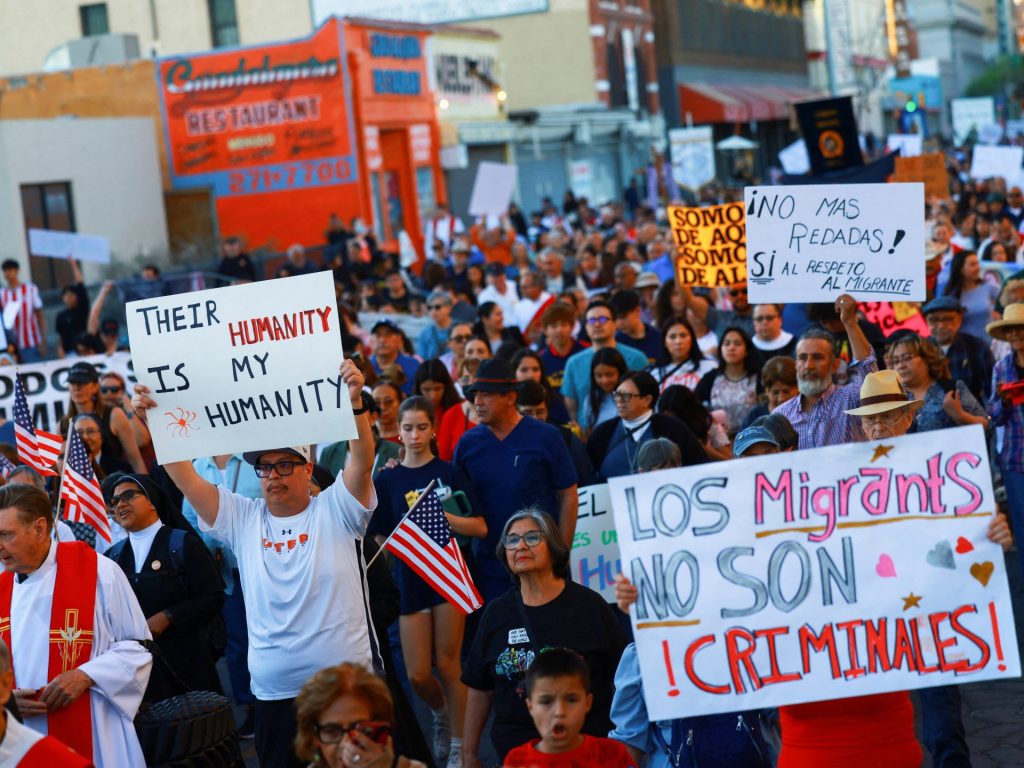
A record high of 79 percent of US respondents in a Gallup survey say immigration is a ‘good thing’ for the country. A new poll shows support for immigration in the United States has increased since last year, while backing for the mass deportation of undocumented immigrants has gone down. The survey, released on Friday from the research firm Gallup, suggests a shift in public opinion as President Donald Trump’s immigration crackdown concludes its sixth month. Gallup found that 79 percent of respondents say immigration is a “good thing” for the country — a record high that represents a 15-point increase from last year. Among supporters of Trump’s Republican Party, the number rose sharply to 64 percent, up from 39 percent in 2024. Only 38 percent of respondents said they back “deporting all immigrants who are living in the United States illegally back to their home country”, down from 47 percent last year. Support for expanding the US-Mexico border wall also went down to 45 percent, a drop of eight percentage points. The survey, conducted in June, featured interviews with 1,402 US adults. “Americans have grown markedly more positive toward immigration over the past year, with the share wanting immigration reduced dropping from 55 percent in 2024 to 30 percent today,” Gallup said. Trump made mass deportations a key promise of his 2024 re-election campaign, often using language to demonise migrants, including by using a poem to compare them to poisonous snakes. He seized on the public concern over the uptick in the number of undocumented immigrants who crossed into the US from Mexico in the wake of the COVID-19 pandemic, under Democratic President Joe Biden. Advertisement Since returning to the White House in January, he has launched an all-out campaign on immigration, including by gutting the refugee resettlement programme, unleashing agents to round up undocumented migrants and sending suspected gang members to a maximum-security prison in El Salvador without due process. The Trump administration also ended protected status for nationals of several countries, including Venezuela and Haiti, who had been shielded from deportation due to dangerous conditions in their homelands. Meanwhile, it has been pushing to remove foreign students critical of Israel from the US. But while the crossings have sharply decreased this year, it appears that the US public may have soured on the anti-immigration campaign. “With illegal border crossings down sharply this year, fewer Americans than in June 2024 back hard-line border enforcement measures, while more favor offering pathways to citizenship for undocumented immigrants already in the US,” Gallup said. Trump’s immigration policies have sparked outrage and lawsuits, as well as accusations of executive overreach and violations of the US Constitution. A majority of respondents in the Gallup survey — 62 percent — said they disapprove of Trump’s handling of immigration, while 36 percent said they approve. David Bier, director of immigration studies at the Cato Institute, a libertarian think tank, described the findings of the survey as an “absolute bloodbath” for Trump. “Support for cuts to immigration has plummeted 25 points since last year,” he wrote in a social media post. “Deporting ‘all illegal immigrants’ has gone back to a right-wing only view.” Adblock test (Why?)
Rohingya refugees in peril in Bangladesh as support wanes: UN
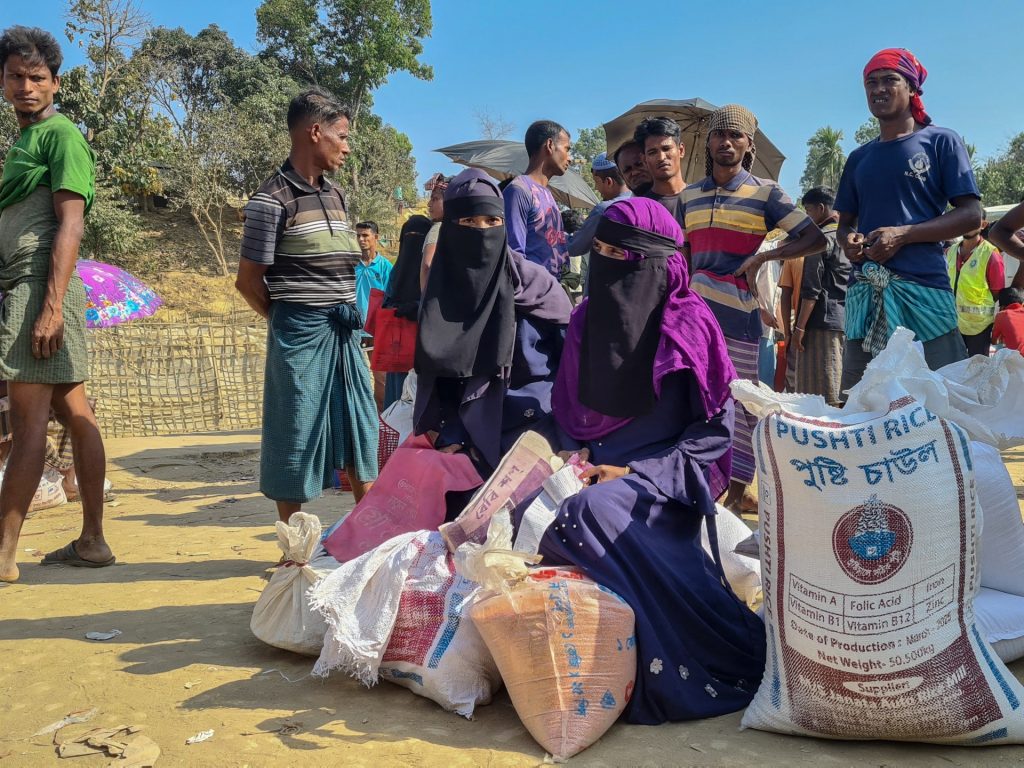
The US and other Western countries have been reducing their funding, prioritising their defence spending instead. The plight of Rohingya refugees in Bangladesh could rapidly deteriorate further unless more funding can be secured for critical assistance services, according to the United Nations refugee agency. Bangladesh has registered its biggest influx of Myanmar’s largest Muslim minority over the past 18 months since a mass exodus from an orchestrated campaign of death, rape and persecution nearly a decade ago by Myanmar’s military. “There is a huge gap in terms of what we need and what resources are available. These funding gaps will affect the daily living of Rohingya refugees as they depend on humanitarian support on a daily basis for food, health and education,” United Nations High Commissioner for Refugees (UNHCR) spokesperson Babar Baloch told reporters in Geneva on Friday. The humanitarian sector has been roiled by funding reductions from major donors, led by the United States under President Donald Trump and other Western countries, as they prioritise defence spending prompted by growing concerns over Russia and China. Baloch added: “With the acute global funding crisis, the critical needs of both newly arrived refugees and those already present will be unmet, and essential services for the whole Rohingya refugee population are at risk of collapsing unless additional funds are secured.” If not enough funding is secured, health services will be severely disrupted by September, and by December, essential food assistance will stop, said the UNHCR, which says that its appeal for $255m has only been 35 percent funded. Advertisement In March, the World Food Programme announced that “severe funding shortfalls” for Rohingya were forcing a cut in monthly food vouchers from $12.50 to $6 per person. More than one million Rohingya have been crammed into camps in southeastern Bangladesh, the world’s largest refugee settlement. Most fled the brutal crackdown in 2017 by Myanmar’s military, although some have been there for longer. These camps cover an area of just 24 square kilometres (nine square miles) and have become “one of the world’s most densely populated places”, said Baloch. Continued violence and persecution against the Rohingya, a mostly Muslim minority in mainly Buddhist Myanmar’s western Rakhine state, have kept forcing thousands to seek protection across the border in Bangladesh, according to the UNHCR. At least 150,000 Rohingya refugees have arrived in Cox’s Bazar in southeast Bangladesh over the past 18 months. The Rohingya refugees also face institutionalised discrimination in Myanmar and most are denied citizenship. “Targeted violence and persecution in Rakhine State and the ongoing conflict in Myanmar have continued to force thousands of Rohingya to seek protection in Bangladesh,” said Baloch. “This movement of Rohingya refugees into Bangladesh, spread over months, is the largest from Myanmar since 2017, when some 750,000 fled the deadly violence in their native Rakhine State.” Baloch also hailed Muslim-majority Bangladesh for generously hosting Rohingya refugees for generations. Adblock test (Why?)
Why are mass murderers from the Srebrenica genocide still free?
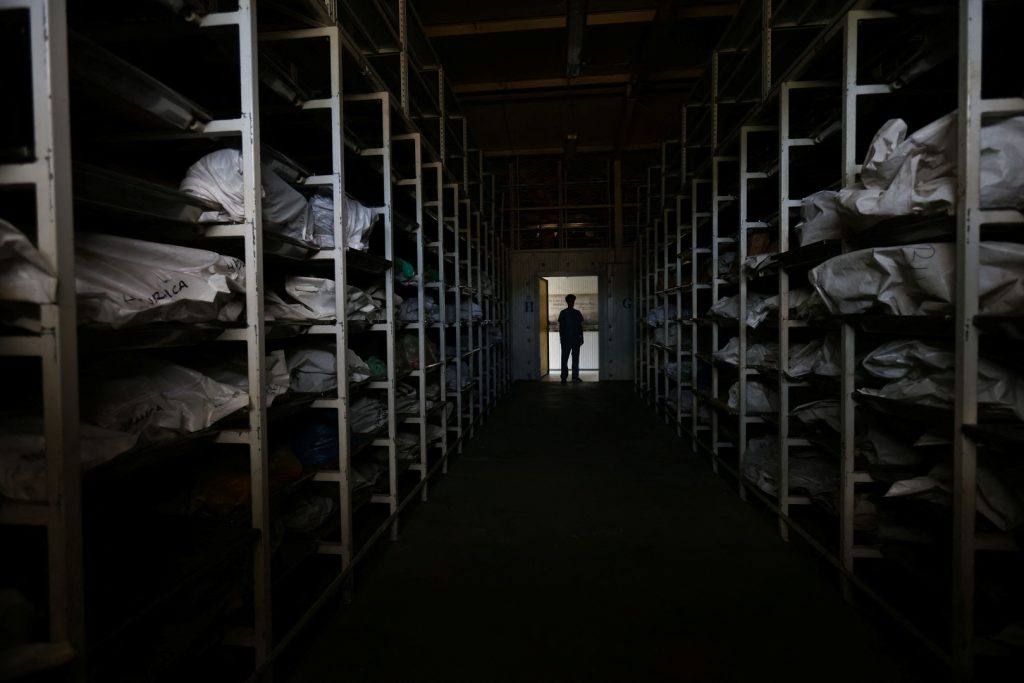
NewsFeed Thousands of Bosnian Serbs participated in the Srebrenica genocide in July 1995, killing more than 8,000 mostly Muslim men and boys in just three days. But only 54 people have ever been convicted. So why are so many killers walking free? Soraya Lennie has the details. Published On 11 Jul 202511 Jul 2025 Adblock test (Why?)
Russia closing Polish consulate in Kaliningrad in tit-for-tat move
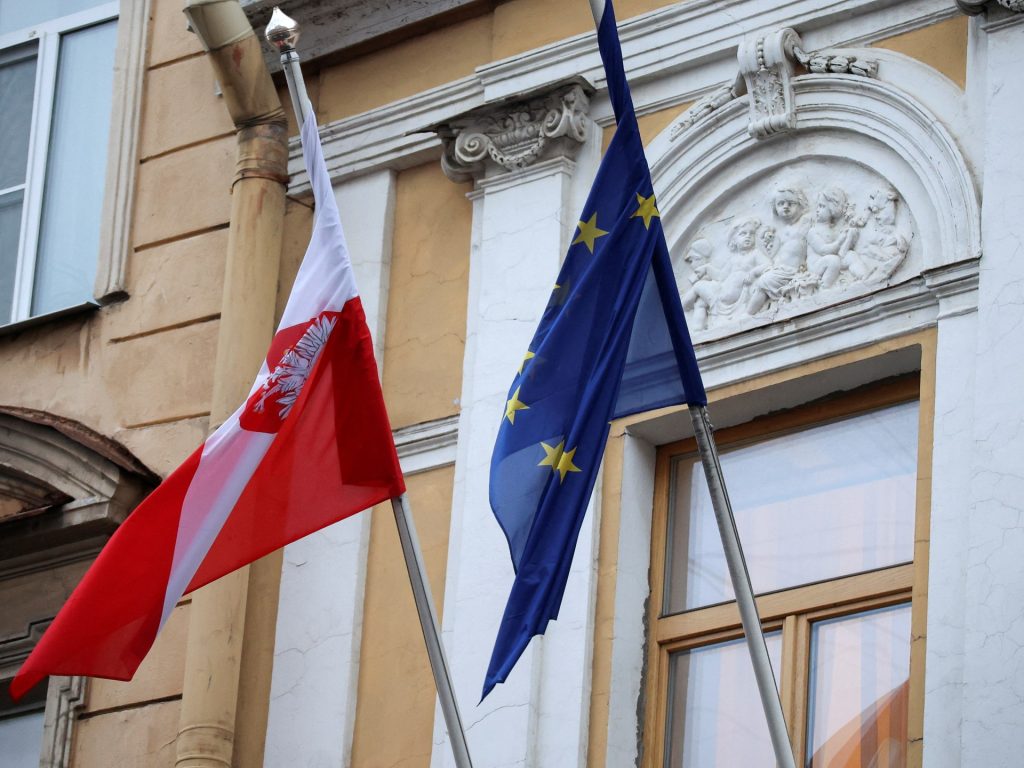
In May, Poland ordered Russia’s consulate in Krakow to shut after accusations Moscow orchestrated fire at Warsaw shopping centre. Russia says it will close Poland’s consulate in Kaliningrad, a Russian exclave between Poland and Lithuania, after Warsaw decided to shut down the Russian consulate in Krakow. The Russian Ministry of Foreign Affairs announced the move on Friday. This follows Poland ordering the Russian consulate in the southern city of Krakow to shut in May after authorities accused Moscow of orchestrating a fire that destroyed a Warsaw shopping centre last year. The May 12, 2024, arson destroyed more than 1,000 shops at the Marywilska 44 centre, but no one was injured. Polish Foreign Minister Radoslaw Sikorski accused Russian special services of involvement, saying there was evidence they had committed a “reprehensible act of sabotage” against the centre. Russia denied any involvement in the attack. In May, Russia promised an “adequate response” to Poland’s move, and on Friday, the Foreign Ministry said it was “withdrawing consent for the functioning of the Consulate General of Poland in Kaliningrad from August 29”. It also said Poland’s charge d’affaires in Russia was summoned and handed a formal note announcing the move, citing “unfriendly” and “unjustified” actions by the Polish government. “This step was caused by the unfounded and hostile actions of the Polish side, expressed in the reduction of the Russian consular presence on the territory of Poland,” it added. Strained ties Polish Ministry of Foreign Affairs spokesperson Pawel Wronski said Russia’s decision to close the consulate was unjustified. Advertisement The possibility of this decision “was taken into account by the Foreign Ministry”, he told reporters on Friday. But he added that this “doesn’t mean that it is a legitimate decision”. “Unlike Russia, Poland does not engage in sabotage, cyberattacks or conduct actions against the Russian state,” he said. He added that Poland would “respond adequately” to the decision, without elaborating. Diplomatic ties between Moscow and Warsaw have been historically strained and have frayed further over Russia’s war in Ukraine. Poland, a NATO and European Union member, is one of the main countries through which Western nations supply weapons and ammunition to Kyiv. In May 2024, Poland imposed restrictions on the movements of Russian diplomats on its soil due to Moscow’s “involvement” in what it called a “hybrid war”. Poland later ordered the closure of Russia’s consulate in Poznan and said it was willing to close the other consulates if acts of “terrorism” continued. In January, Russia closed the Polish consulate in St Petersburg in retaliation. Apart from the embassies, both countries now only have one consulate left on their respective territories. Adblock test (Why?)
US widens public benefit restrictions for undocumented immigrants
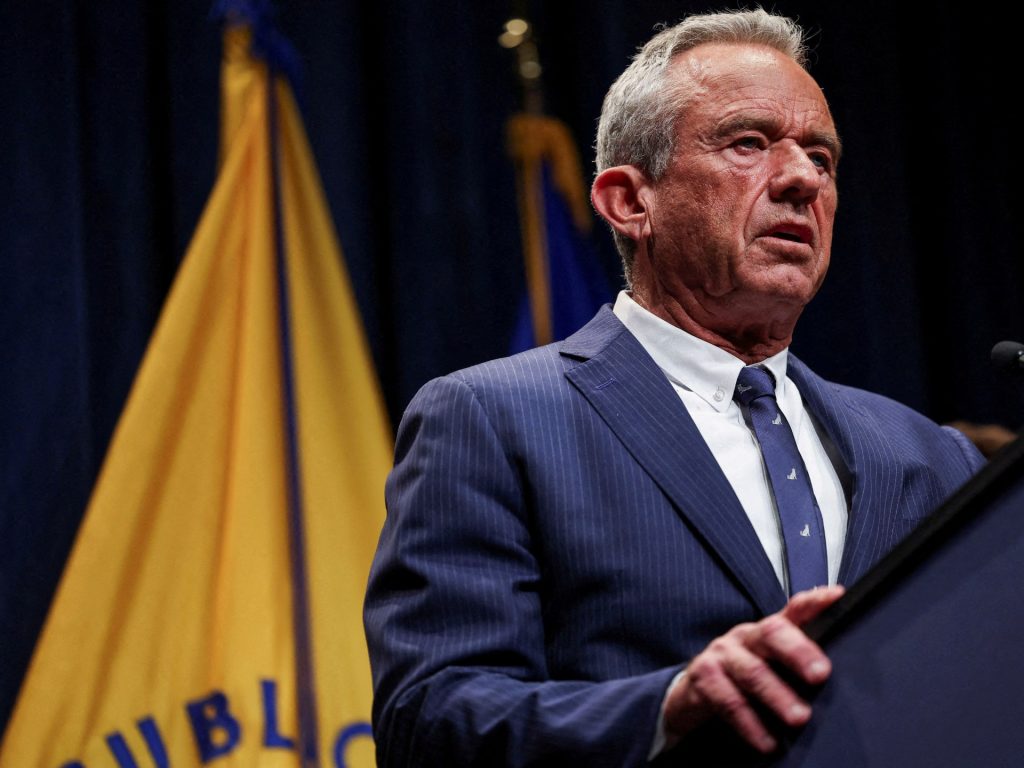
Health Department says immigrants will lose access to 13 more federal programmes, including an educational project for low-income children. United States officials are cutting down further on undocumented immigrants’ access to healthcare programmes and benefits as part of President Donald Trump’s widening immigration crackdown. On Thursday, the US Department of Health and Human Services (HHS) announced that it was broadening its interpretation of a 1996 law that prohibits most immigrants from receiving federal public benefits. The decision means that undocumented immigrants will no longer be eligible for an additional 13 programmes. They include Head Start, a pre-school educational programme, and projects that address family planning, mental health, substance abuse and efforts to reduce homelessness. “For too long, the government has diverted hardworking Americans’ tax dollars to incentivise illegal immigration,” HHS Secretary Robert F Kennedy Jr said on Thursday. “Today’s action changes that – it restores integrity to federal social programmes, enforces the rule of law and protects vital resources for the American people.” Critics fear the added restrictions will further marginalise a vulnerable group of immigrants who often have scarce resources, exacerbating public health crises in the US. The new restrictions relate to the Personal Responsibility and Work Opportunity Reconciliation Act (PRWORA) of 1996. That law — passed under Democratic President Bill Clinton — barred those living in the country without valid immigration documents and those on temporary visas, like students or foreign workers, from receiving major benefits from the federal government. Advertisement However, the scope of the restrictions was not spelled out, as the law did not define what counted as “federal public benefits”. To make things clearer, the HHS issued a legal interpretation in 1998, which prevented access to 31 programmes. Medicaid — an insurance programme for low-income households — and Social Security were among them, as was the Children’s Health Insurance Program. In a statement released on Thursday, the HHS claimed “the 1998 policy improperly narrowed the scope of PRWORA”, allowing undocumented immigrants to access programmes which “Congress intended only for the American people”. With Thursday’s additions, the total number of restricted programmes rises to 44. The HHS’s new policy, which is subject to a 30-day public comment period, will take effect when it is published in the Federal Register. Since starting his second presidential term in January, Donald Trump has made it a priority to tackle undocumented immigration. Critics have accused his administration of violating human rights and the US Constitution, as well as exceeding his presidential authority. As part of Trump’s campaign of mass deportation, for example, the president invoked a controversial wartime legislation to deport hundreds of Venezuelan immigrants to a notorious prison in El Salvador in March. Opponents argue that Trump falsely declared undocumented immigration to be an “invasion” in order to justify denying the immigrants their right to due process. Adblock test (Why?)
Democrats publish leaked Justice Department messages on US deportation push
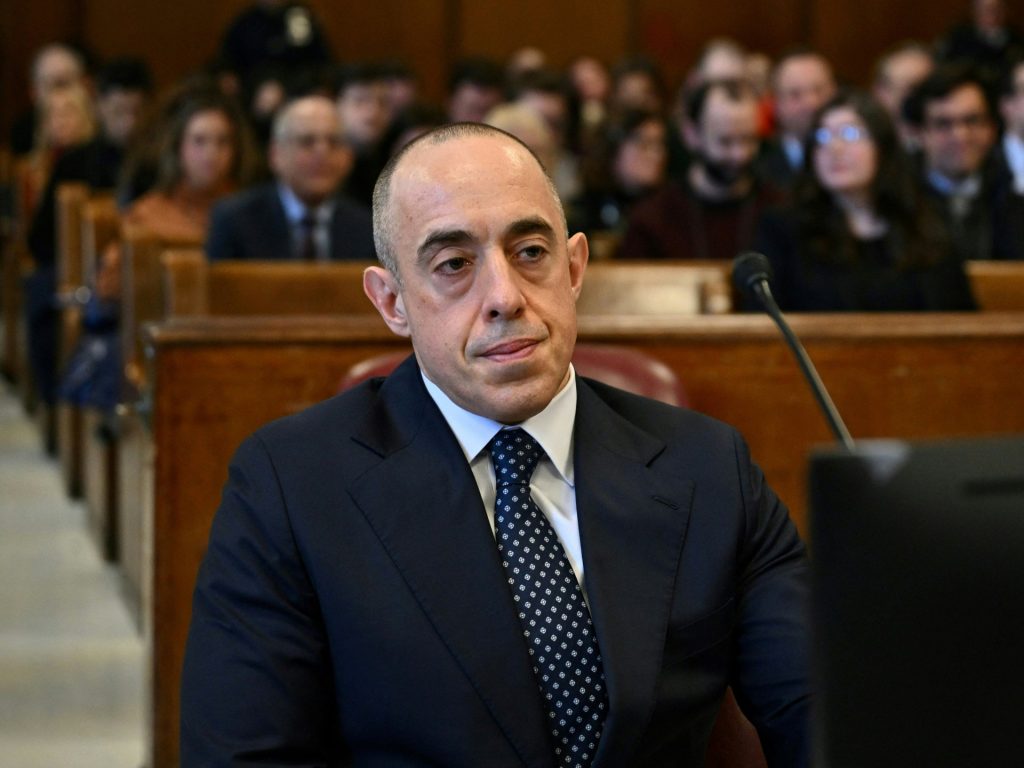
Democrats in the United States Senate have released a string of text messages and email correspondences that they say raises questions about the executive branch’s commitment to complying with court orders. On Thursday, Senator Dick Durbin of Illinois, the ranking member on the Senate Judiciary Committee, released what he described as “whistleblower” evidence about government lawyer Emil Bove. In his role as acting deputy attorney general for the Department of Justice (DOJ), Bove directed his colleagues to ignore or mislead courts about President Donald Trump’s deportation efforts, according to Durbin. “Text messages, email exchanges, and documents show that the Department of Justice misled a federal court and disregarded a court order,” Durbin wrote on social media. “Mr Bove spearheaded this effort, which demanded attorneys violate their ethical duty of candor to the court.” Bove – formerly a personal lawyer to President Trump during his criminal trials – was recently nominated to serve in a lifetime position as a judge on the US Court of Appeals for the Third Circuit. But the Senate must first vote to confirm him to the role. “Emil Bove belongs nowhere near the federal bench,” Durbin wrote. “This vote will be a litmus test for Senate Judiciary Republicans.” Durbin indicated the emails and texts he released come from a Justice Department source: Most of the names in the correspondences have been redacted. But they appear to corroborate allegations made in a complaint in June by Erez Reuveni, a Justice Department lawyer who worked under Bove until his dismissal in April. Advertisement In his complaint, Reuveni alleged that Bove told Justice Department lawyers that they “would need to consider telling the courts ‘f*** you’” if they interfered with President Trump’s deportation plans. The expletive came up in the context of Trump’s controversial use of the Alien Enemies Act of 1798, a law that, until recently, had only been used in the context of war. Trump, however, has argued that undocumented immigration constituted an “invasion” and has attempted to deport people under the law’s authority, without allowing them to appeal their removal. According to Reuveni, Bove explained to the Justice Department that Trump planned to start the deportation flights immediately after invoking the Alien Enemies Act. He “stressed to all in attendance that the planes needed to take off no matter what”. Reuveni understood that interaction as an attempt to circumvent the power of the courts. In another instance, Reuveni said he was discouraged from asking questions about the return of Kilmar Abrego Garcia, an immigrant wrongfully deported to El Salvador despite a court protection order. When Reuveni admitted before a Maryland court that he did not have “satisfactory” answers about Abrego Garcia’s return, he said Trump officials pressured him to make assertions against Abrego Garcia that “were not supported by law or the record”. He was fired shortly afterwards. The documents gathered by Senate Democrats appear to offer a look inside those incidents. In one series of emails, dated March 15, Reuveni responded to a notification that planes bearing deportees under the Alien Enemies Act were still in the air. “The judge specifically ordered us not to remove anyone in the class, and to return anyone in the air,” he wrote back. The emails reflected an injunction from District Judge James Boasberg barring deportations and ordering the planes to turn around. Nevertheless, the planes landed in El Salvador and delivered their human cargo to a maximum security prison, where many remain to this day. In another instance, a member of the Department of Homeland Security (DHS) replied to an email thread by saying: “My take on these emails is that DOJ leadership and DOJ litigators don’t agree on the strategy. Please keep DHS out of it.” Text messages also show Reuveni and an unnamed colleague discussing Bove’s request to tell the courts “f*** you”. “Guess we are going to say f*** you to the court,” one text message reads. In another, the colleague appears to react to Trump officials lying before the court. “Oh sh**,” they write. “That was just not true.” Advertisement In an interview published with The New York Times on Thursday, Reuveni underscored the grave dangers posed by an executive branch that he sees as refusing to comply with judicial authority. “The Department of Justice is thumbing its nose at the courts, and putting Justice Department attorneys in an impossible position where they have to choose between loyalty to the agenda of the president and their duty to the court,” he told the Times. The Trump administration, meanwhile, has responded with defiance, repeating its claim that Reuveni is simply a “disgruntled employee” lashing out at the employer who fired him. “He’s a leaker asserting false claims seeking five minutes of fame, conveniently timed just before a confirmation hearing and a committee vote,” Attorney General Pam Bondi said. “No one was ever asked to defy a court order. This is another instance of misinformation being spread to serve a narrative that does not align with the facts.” Bove himself denied ever advising his colleagues to defy a court order. The Senate is set to decide on his confirmation to the circuit court in the coming weeks. If he passes the Senate Judiciary Committee – in a vote scheduled for July 17 – he will face a full vote on the Senate floor. Adblock test (Why?)