

US judge halts deportation of family of suspect in pro-Israel rally attack
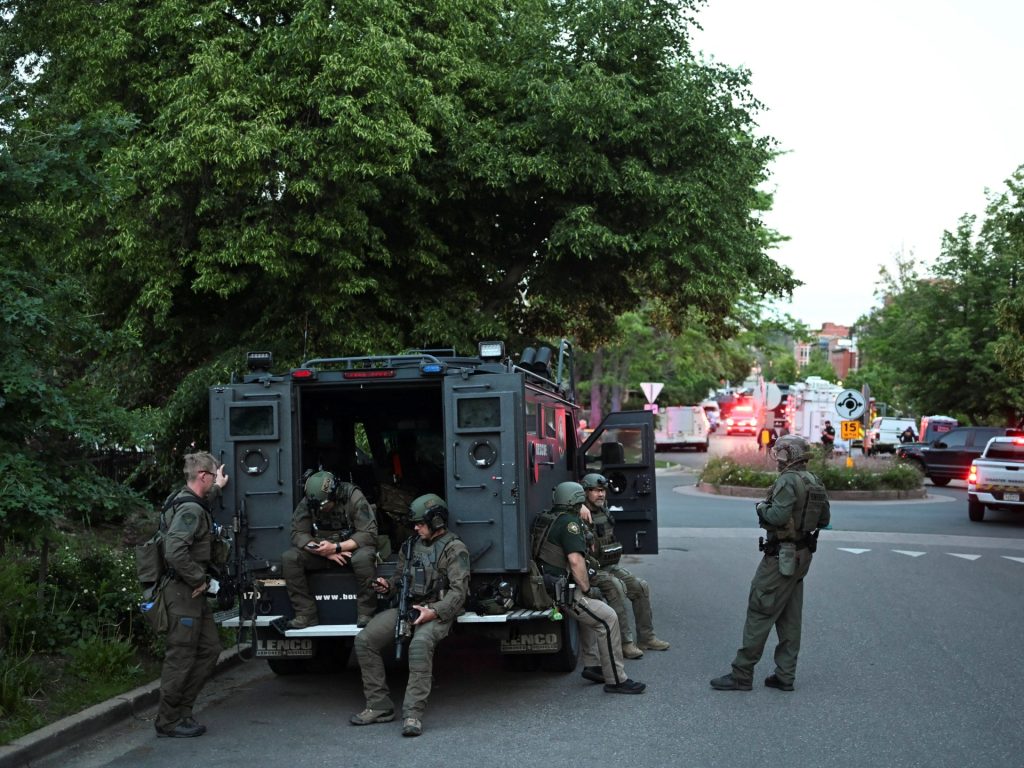
A federal court says removing the wife and children of Mohamed Soliman without due process could cause ‘irreparable harm’. A United States judge has temporarily blocked the deportation of family members related to a suspect accused of throwing Molotov cocktails at a pro-Israel rally in Boulder, Colorado. The ruling on Wednesday came after the administration of President Donald Trump arrested the wife of Mohamed Soliman and their five children in an effort to deport them. Judge Gordon Gallagher wrote that Soliman’s wife, Hayam El Gamal, and her children cannot be removed from the country as long as his order stands. “Moreover, the Court finds that deportation without process could work irreparable harm,” the judge said. El Gamal, who has not been charged with a crime, had filed a legal petition for her release. Soliman, meanwhile, has been charged with a federal hate crime over the attack on Sunday, which injured 12 people. It is unclear if the Trump administration has any evidence that Soliman’s relatives committed wrongdoing, or if they were simply targeted for their association with him. Authorities have indicated that Soliman appears to have acted alone in the attack. Advertisement Still, Trump officials signalled they would take an aggressive approach to investigating and deporting individuals they perceived to be linked to “terrorism”. “In light of yesterday’s horrific attack, all terrorists, their family members, and terrorist sympathizers here on a visa should know that under the Trump Administration we will find you, revoke your visa, and deport you,” Secretary of State Marco Rubio said in a social media post on Monday. The Department of Homeland Security (DHS) confirmed on Tuesday the detention of Elgamal, her three daughters and her two sons, four of whom are minors. “We are investigating to what extent his family knew about this heinous attack, if they had knowledge of it, or if they provided support to it,” Homeland Security Secretary Kristi Noem said in a video posted online. “Justice will be served.” According to DHS, Soliman and his family arrived in the US on temporary visas in 2022 before applying for asylum. Soliman’s visa expired in 2023. Media reports indicate that El Gamal, meanwhile, applied for an employment visa: She has a background as a network engineer. Critics say the tactic of penalising the relatives of a criminal suspect is a form of unlawful collective punishment. In the West Bank, for instance, human rights groups have denounced Israeli operations that demolished the homes of Palestinians related to suspects in armed attacks. The attack in Colorado has been linked to Israel’s war on Gaza, which United Nations experts have described as a genocide. The suspect allegedly yelled “Free Palestine” during the fire-bombing. Advertisement The Washington-backed war has also sparked other violent incidents on US soil. The incident in Colorado followed the killing of two Israeli Embassy staff members in Washington, DC, last month. In October 2023, a six-year-old Palestinian boy was stabbed to death in the Chicago area in another crime linked to the war. The 73-year-old suspect reportedly told the boy’s mother that Muslims “must die” as he attacked them. He was sentenced to 53 years after being convicted of murder and hate crimes. Weeks later, three Palestinian American students were shot and severely wounded in Vermont. The war on Gaza has killed at least 54,607 Palestinians, according to health officials. Adblock test (Why?)
Donald Trump announces US travel ban on people from 12 countries
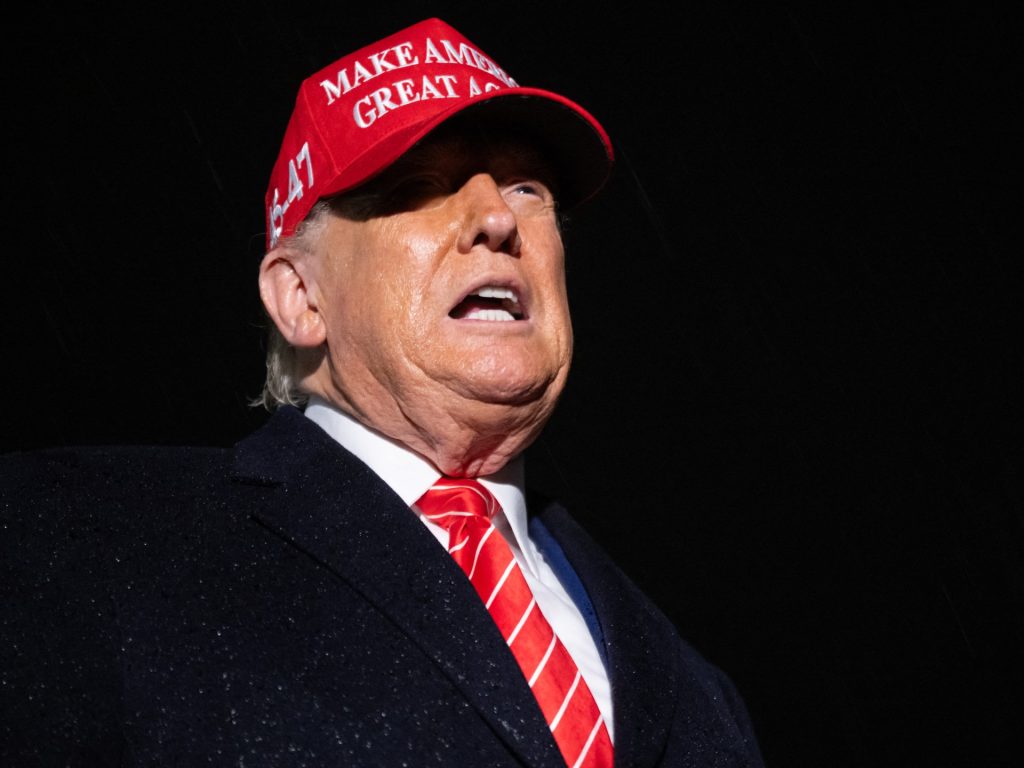
United States President Donald Trump has signed an executive order imposing a full travel ban on people from 12 countries and restricting the citizens of seven other countries, the White House said. The banned countries include Afghanistan, Chad, Congo, Equatorial Guinea, Eritrea, Haiti, Iran, Libya, Myanmar, Somalia, Sudan and Yemen. In addition to the ban, which was announced on Wednesday and takes effect on Monday, there will be heightened restrictions on people from Burundi, Cuba, Laos, Sierra Leone, Togo, Turkmenistan and Venezuela. “I must act to protect the national security and national interest of the United States and its people,” Trump said in his order. In a video message released by the White House, Trump said the recent attack on a pro-Israel rally in Boulder, Colorado had “underscored the extreme dangers posed to our country by the entry of foreign nationals who are not properly vetted”. The president said there were “millions and millions of these illegals who should not be in our country”. Advertisement “We will not let what happened in Europe happen to America,” he said, adding, “very simply, we cannot have open migration from any country where we cannot safely and reliably vet and screen those who seek to enter the United States”. “We will not allow people to enter our country who wish to do us harm.” “We cannot have open migration from any country where we cannot safely and reliably vet and screen… That is why today I am signing a new executive order placing travel restrictions on countries including Yemen, Somalia, Haiti, Libya, and numerous others.” –President Trump pic.twitter.com/ER7nGM4TO2 — The White House (@WhiteHouse) June 4, 2025 During his first term in 2017, Trump issued an executive order banning travel to the US by citizens of seven predominantly Muslim countries: Iran, Iraq, Libya, Somalia, Sudan, Syria and Yemen. People from the named countries were either barred from getting on their flights to the US or detained at US airports after they landed. Those affected included tourists, people visiting friends and family, students and faculty members at US institutions, and businesspeople. The order, often referred to as the “Muslim ban” or the “travel ban”, was reworked amid legal challenges until a version was upheld by the Supreme Court in 2018, which banned categories of travellers and immigrants from Iran, Somalia, Yemen, Syria and Libya, plus North Korean and some Venezuelan government officials and their families. Trump defended his initial travel ban on national security grounds, arguing that it was aimed at protecting the US and claiming that it was not anti-Muslim. However, Trump had called for a travel ban on Muslims during his first campaign for the White House. Advertisement Trump moves to block foreign students studying at Harvard Trump also signed an executive order on Wednesday to suspend the entry of foreign nationals seeking to study or participate in programmes at Harvard, accusing one of the US’s most prestigious universities of having “a history of concerning foreign ties and radicalism”. The order directs the US State Department to “consider revoking” existing academic or exchange visas of any current Harvard students “who meet the Proclamation’s criteria”. Last month, the US State Department ordered all its consular missions overseas to begin additional vetting of visa applicants looking to travel to Harvard University for any purpose, according to an internal cable seen by Reuters. Harvard has accused the US administration of retaliating against it for refusing to accede to Trump’s demands to control the school’s governance, curriculum and the ideology of its faculty and students. The visa restrictions follow earlier moves to freeze billions of dollars in grants and other funding to Harvard, end the university’s tax-exempt status and to open an investigation into whether it discriminated against white, Asian, male or straight employees or job applicants. Last month, the administration revoked Harvard’s ability to enrol foreign students. While that move was blocked by a federal court in Boston, Trump’s latest order invokes a different legal authority, the Associated Press news agency reports. Adblock test (Why?)
Indian Premier League cricket championship sparks deadly stampede
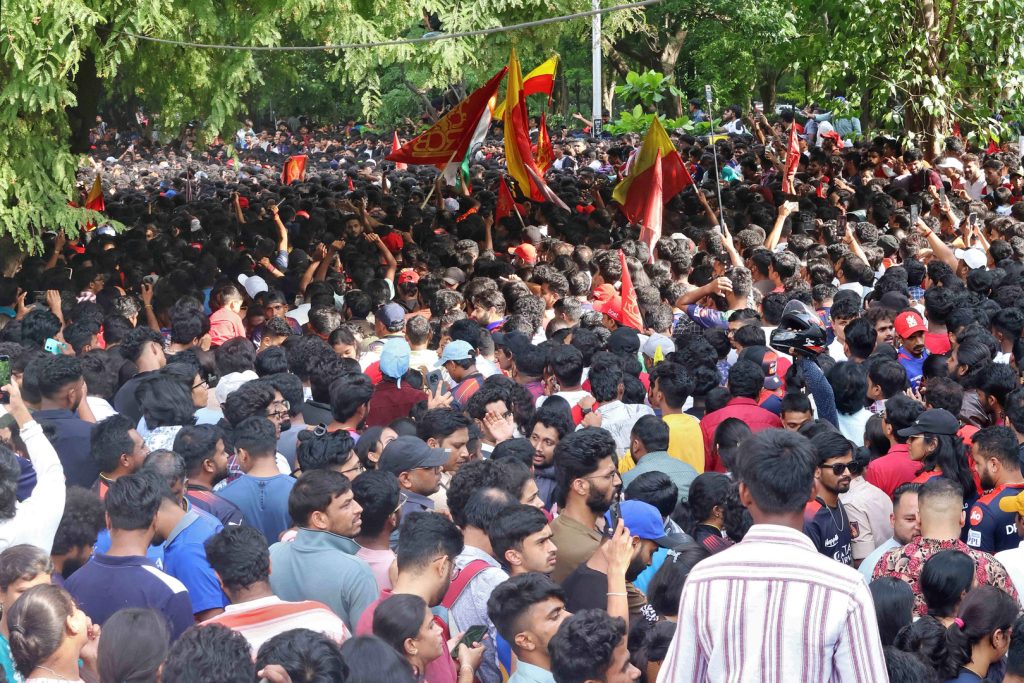
NewsFeed At least 11 people died in a stampede outside a cricket stadium in Bengaluru as crowds gathered to celebrate Royal Challengers Bengaluru’s first Indian Premier League title. Footage shows fans scaling fences and swarming the stadium. Published On 4 Jun 20254 Jun 2025 Adblock test (Why?)
Trump: Putin says Russia will ‘have to’ respond to Ukraine attacks
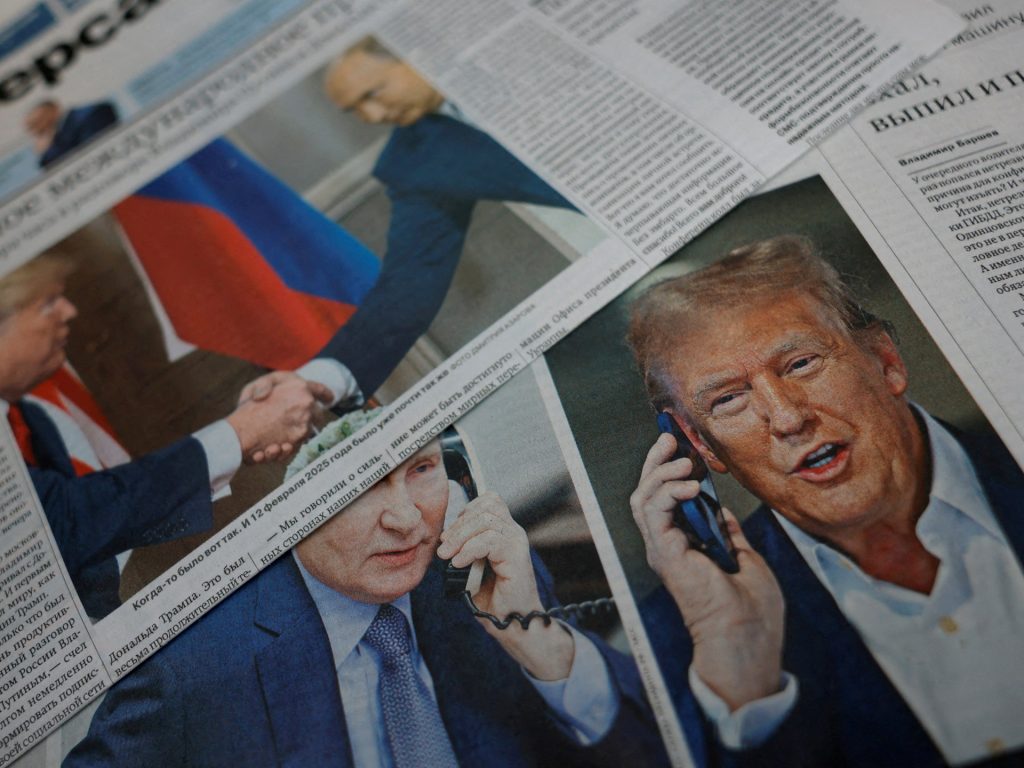
The US president says Putin also suggested he would participate in talks aimed at reaching a new nuclear deal with Tehran. Russian President Vladimir Putin has told Donald Trump in a telephone conversation that Moscow would have to respond to the recent Ukrainian drone attacks, the US president said. Trump said on Wednesday that the two men “discussed the attack on Russia’s docked airplanes, by Ukraine, and also various other attacks that have been taking place by both sides.” Putin “did say, and very strongly, that he will have to respond to the recent attack on the airfields”, Trump said in a social media post. Al Jazeera’s Kimberly Halkett said that Trump described his 85-minute phone call with Putin as “a good conversation but not one that would lead to immediate peace”. “You have to remember that Donald Trump, when he came into office, was very confident that he could end this war on day one, but here we are now in June and the fact is … this is far from resolved,” she said from the White House. Moscow said earlier on Wednesday that military options were “on the table” for its response to Ukrainian attacks deep inside Russia and accused the West of being involved in them. Advertisement Russia also urged the US and Britain to restrain Kyiv after the attacks, which Ukrainian officials have lauded as showing Kyiv can still fight back after more than three years of war. British and US officials have said they had no prior knowledge of the weekend attacks on Russian nuclear-capable long-range bombers. In his social media post, Trump said he and Putin also discussed Iran. Putin suggested he would participate in talks aimed at reaching a new nuclear deal with Tehran, Trump said. “I stated to President Putin that Iran cannot have a nuclear weapon and, on this, I believe that we were in agreement,” Trump said. He accused Iran of “slow-walking” decisions regarding the talks. Putin told Iran’s President Masoud Pezeshkian that Moscow was ready to help advance talks on a nuclear deal, the Kremlin said on Tuesday. But Iran’s Supreme Leader Ayatollah Ali Khamenei said earlier on Wednesday that Washington’s proposal was against Tehran’s national interests, amid sharp differences over whether Tehran can continue to enrich uranium. Adblock test (Why?)
Leaders of Canada and Mexico lash out at Trump steel tariff hike
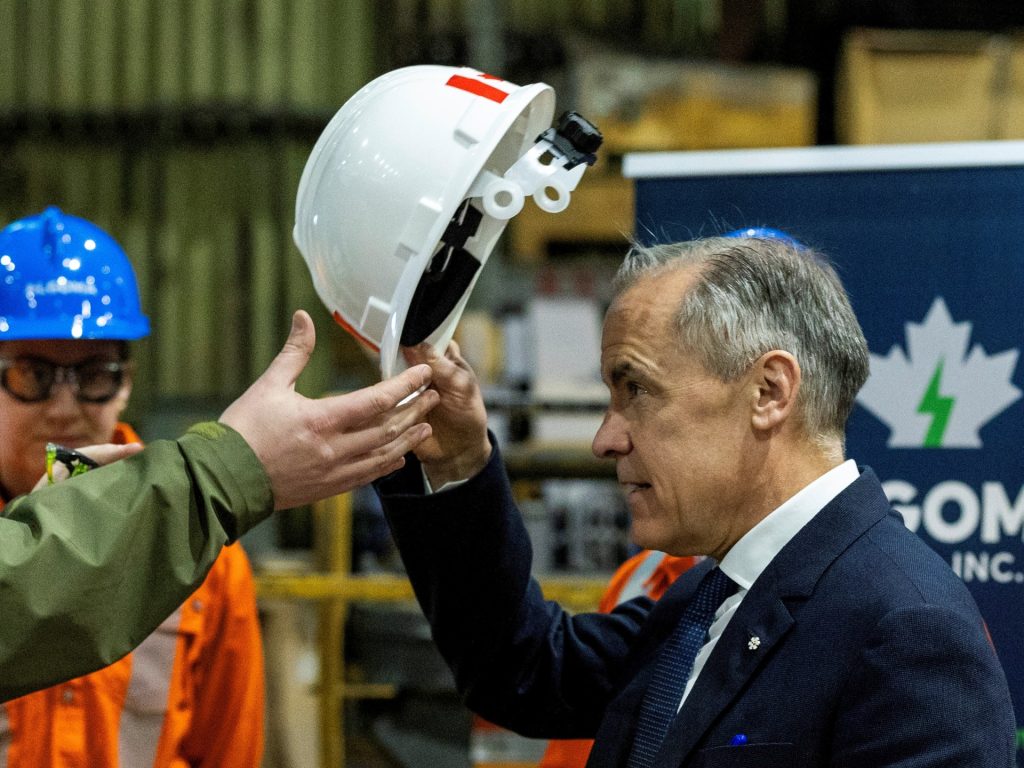
The leaders of Canada and Mexico have criticised the latest hike in steel and aluminium tariffs under United States President Donald Trump, who increased import taxes on the metal from 25 to 50 percent. The international condemnation came just hours after the latest tariff increase went into effect early on Wednesday. Speaking to reporters on Wednesday, Canadian Prime Minister Mark Carney said the tariff increases were “unjustified”. “They’re illegal. They’re bad for American workers, bad for American industry and, of course, for Canadian industry,” he said. Mexican President Claudia Sheinbaum, meanwhile, pledged to pursue countermeasures if the Trump administration refuses to grant tariff relief. She warned that the tariffs would have a “huge impact” on Mexico’s steel and aluminium industries. “This isn’t about an eye for an eye, but rather about protecting our industry and our jobs,” she added, without specifying what steps her government might take. Canada calls for action Wednesday’s tariff hike had been unveiled last Friday, when Trump held a rally with steelworkers outside Pittsburgh, Pennsylvania. Advertisement That region of the US is a part of the Rust Belt, an area that has been heavily affected by the decline in US manufacturing. Trump pledged to use tariffs and other measures to bring jobs and investments back to the area. Previously, in March, Trump set tariffs on steel and aluminium at 25 percent. But he threatened to lift that rate to 50 percent specifically for Canadian imports of the metals, a plan he later appeared to walk back. Those threats, however, roiled relations between the US and its northern neighbour in particular. Canada is the top supplier of steel to the US, followed by Brazil and then Mexico. South Korea and China also top the list. Canada is also responsible for about 40 percent of aluminium imports to the US, followed by the UAE, Russia and Mexico. Carney’s government has pledged to pursue retaliatory measures so long as Trump’s tariffs remain in place. On Wednesday, one of Canada’s largest labour unions, Unifor, called on Carney to take immediate action against the latest tariff hike, including by limiting the country’s exports of critical metals to the US. “Unifor is urging the federal government to act without delay to defend Canada’s manufacturing sector and counter the escalating trade assault,” the union said in a statement. Premier Doug Ford — who leads the top manufacturing province in Canada, Ontario — also called for Canada to respond in kind and “slap another 25 percent” on US steel imports. “It’s tariff for tariff, dollar for dollar. We need to tariff the steel coming into Canada an additional 25 percent, totalling 50 percent,” Ford told reporters. “Everything’s on the table right now.” Advertisement Navigating global trade pacts Both Canada and Mexico have been hard hit by Trump’s aggressive tariffs, which include a blanket 25-percent tax on all imports not subject to the US-Mexico-Canada free trade agreement (USMCA), as well as a separate 25-percent levy on automobile imports. The three countries have highly integrated economies, with products like automobiles being built using supplies and factories from multiple locations. The USMCA pact was agreed upon during Trump’s first term, from 2017 to 2021. But he has since signalled he hopes to renegotiate the free-trade deal to get more favourable terms for the US. But the doubling of the US steel and aluminium tariffs is expected to have a global impact, well beyond North America. The European Union is also bracing for the increase. The bloc’s trade commissioner, Maros Sefcovic, met US Trade Representative Jamieson Greer on the sidelines of a meeting for the Organisation for Economic Cooperation and Development (OECD) on Wednesday. “We’re advancing in the right direction at pace – and staying in close contact to maintain the momentum,” Sefcovic wrote on X afterwards. UK Trade Secretary Jonathan Reynolds also met with Greer, and he said steel and aluminium tariffs would remain at 25 percent for his country. The two countries have been in the process of forging a post-Brexit bilateral trade agreement, announcing a “breakthrough” last month. “We’re pleased that as a result of our agreement with the US, UK steel will not be subject to these additional tariffs,” a British government spokesperson said. Advertisement ‘Extremely hard to make a deal’ Trump’s latest tariff hike comes days after a federal court ruled that his so-called reciprocal tariffs — which imposed customised taxes on nearly all US trading partners — were illegal. Trump had imposed those tariffs in April, only to pause them for 90 days. The court’s ruling was quickly paused while legal proceedings continued, and Trump’s tariffs have been allowed to remain in place for now. One of the hardest hit countries has been China, which saw US tariffs against its exports skyrocket to 145 percent earlier this year. The Trump administration, however, has since sought to reach a deal with China to end the trade war between the world’s two largest economies. The White House said on Monday that Trump would speak to Chinese President Xi Jinping this week, raising hopes the duo could soothe tensions and speed up negotiations. But on Wednesday, Trump appeared to dampen hopes for a quick deal. “I like President XI of China, always have, and always will, but he is VERY TOUGH, AND EXTREMELY HARD TO MAKE A DEAL WITH!!!” he posted on his Truth Social platform. When asked about the remarks during a regular news briefing, Chinese Foreign Ministry spokesperson Lin Jian said Beijing’s “principles and stance on developing Sino-US relations are consistent”. Adblock test (Why?)
Several feared dead in stampede outside cricket stadium in India
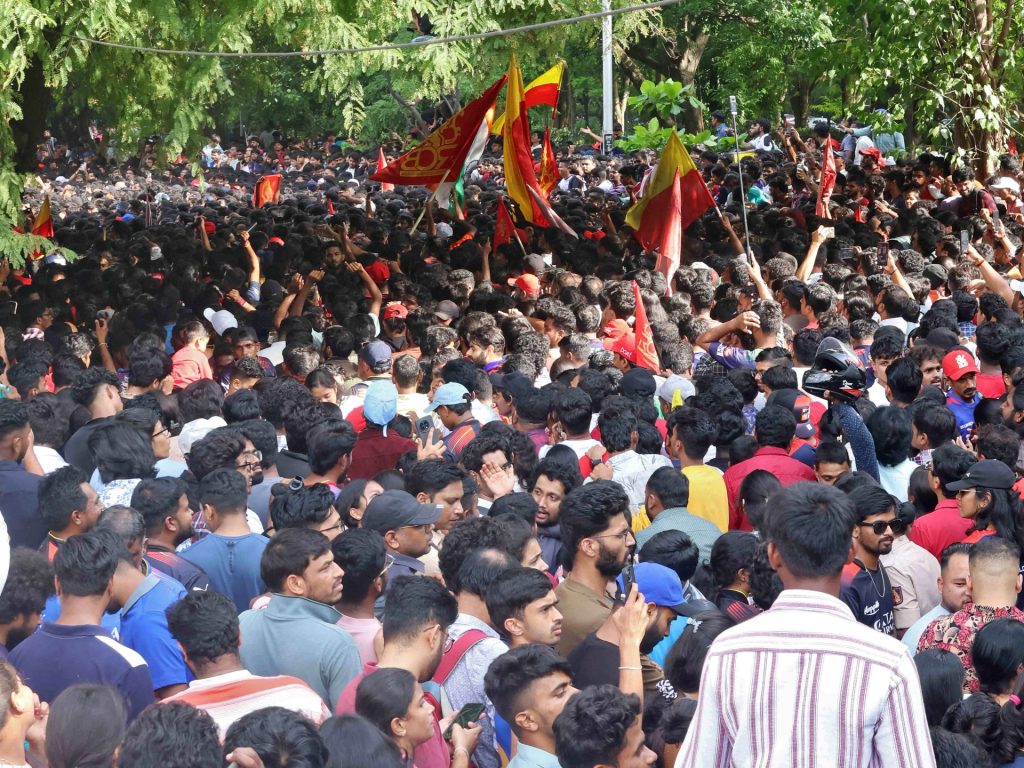
Authorities say crowd was ‘uncontrollable’ as thousands gathered to celebrate Royal Challengers Bengaluru’s first IPL title win. Several people are feared dead and many more injured in a stampede outside a cricket stadium in the southern Indian state of Karnataka to celebrate the home team’s victory in the Indian Premier League (IPL), the world’s most popular Twenty20 cricket tournament. The incident took place on Wednesday as thousands of fans gathered outside the M Chinnaswamy Stadium in the state capital, Bengaluru. India’s NDTV broadcaster reported at least 11 people died. Local TV news channels showed footage of police shifting the injured and those who fell unconscious to ambulances. The Times of India newspaper reported that at least seven people had perished. DK Shivakumar, the deputy chief minister of Karnataka, told reporters that “the crowd was very uncontrollable”. The event was being held to celebrate Royal Challengers Bengaluru’s first IPL title win on Tuesday. Stampedes often happen in India when large crowds gather. In January, at least 30 people were killed as tens of thousands of Hindu devotees rushed to bathe in a sacred river during the Maha Kumbh festival, the world’s largest religious gathering. Advertisement Adblock test (Why?)
Shooting at Gaza aid site a “war crime”
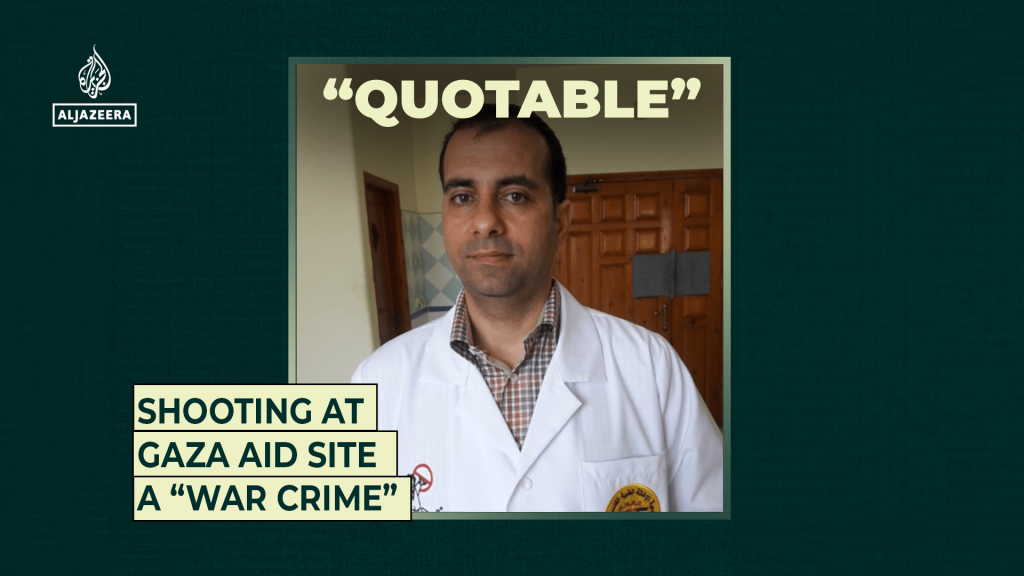
“Using starvation as an act of warfare … it’s already a war crime [as] described by [the] International Criminal Court.” Dr Bassem Zaqout, director of the Palestinian Medical Relief Society, says US-backed aid distribution efforts in Gaza have been marred by shootings and a lack of organisation. Adblock test (Why?)
Why did the Dutch government collapse and what’s next?
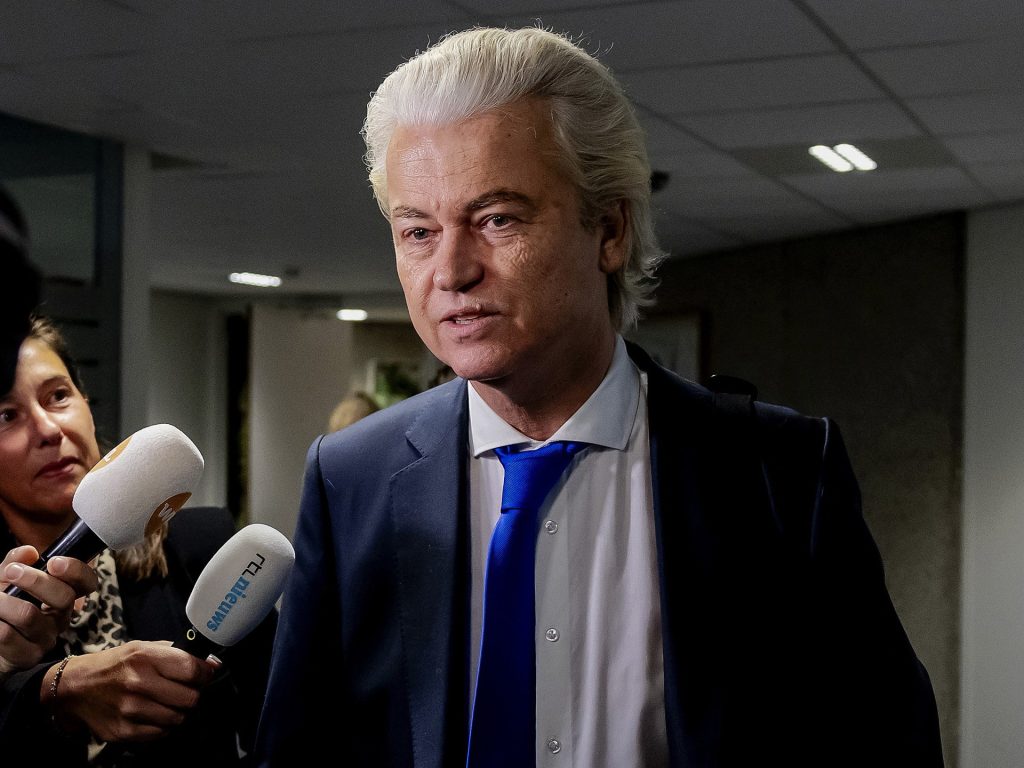
The Dutch government collapsed on Tuesday after far-right politician Geert Wilders pulled out of the right-wing coalition after a dispute over anti-immigration measures his party had proposed. Wilders’ decision prompted the Dutch cabinet and Prime Minister Dick Schoof to resign. Here is what triggered the government’s collapse, and what happens next: Why did Wilders withdraw? Wilders announced the withdrawal of his right-wing party, the Party for Freedom (PVV), from the 11-month-old right-wing Netherlands coalition government. Wilders said the other three parties in the coalition had failed to back his plans to crack down on asylum for refugees. “No signature under our asylum plans. The PVV leaves the coalition,” Wilders wrote in an X post on Tuesday after a brief meeting in parliament with party leaders. Besides PVV, the coalition comprised People’s Party for Freedom and Democracy (VVD), the Farmer-Citizen Movement (BBB) and the New Social Contract (NSC). On May 26, Wilders announced a 10-point plan to extensively slash migration, deploying army officials at the Dutch land borders and rejecting all asylum seekers. Wilders threatened, back then, that his party would pull out of the coalition if migration policy was not toughened. Advertisement The four parties cumulatively held 88 seats in the country’s 150-seat House of Representatives. The PVV won the latest November 2023 election with 23 percent of the vote and 37 seats, the highest number of seats in the parliament out of all parties. The majority mark in the House is 76 seats. The withdrawal leaves the coalition with only 51 seats. When did Schoof step down? After Wilders announced the withdrawal, an emergency cabinet meeting was called. After this, Schoof announced that he would step down, hours after the PVV withdrawal. “I have told party leaders repeatedly in recent days that the collapse of the cabinet would be unnecessary and irresponsible,” Schoof said in the emergency cabinet meeting. “We are facing major challenges both nationally and internationally that require decisiveness from us.” How did other Dutch leaders react? Other leaders in the coalition called Wilders “irresponsible” and blamed him for putting his own political interests ahead of the country. “There is a war on our continent. Instead of meeting the challenge, Wilders is showing he is not willing to take responsibility,” said Dilan Yesilgoz, leader of the VVD, which has 24 seats in the the House. “It is irresponsible to take down the government at this point,” NSC leader Nicolien van Vroonhoven said about Wilders. The NSC has 20 seats. Head of the opposition GreenLeft-Labour alliance Frans Timmermans said he could “see no other way to form a stable government” than early elections. What’s next? Schoof will now formally submit his resignation to the head of state, Dutch King Willem-Alexander. After this, elections are expected to be called. It is likely that the election will be held sometime in October or November, based on previous cycles. Advertisement As of May 31, polls show that Wilders’ PVV has lost a little of its support, from 23 percent in the 2023 election to 20 percent. This brings the party almost at par with the GreenLeft-Labour alliance, which has 19 percent of support and 25 seats in the lower house of parliament, the second highest number of seats after the PVV. The fragmented politics of the Netherlands makes it difficult to predict which party will win the election. It is unlikely for a single party to win the 76-seat majority and it takes months for a coalition to form. According to the Dutch election authority’s data, no single party has ever won a majority since the first direct elections in 1848. What happens until elections? Schoof has said he and the other ministers of the coalition will continue with their positions in a caretaker government until a new government is formed after elections. The political crisis comes as the Netherlands is scheduled to host a summit of NATO leaders at The Hague on June 24-25. Mark Rutte, the current secretary-general of NATO, was the prime minister of the Netherlands from 2010 to 2024. Rutte was affiliated with the VVD. Schoof had also been involved in European efforts to provide support to Ukraine in its war against Russia. In February, the Dutch PM was present at a meeting with other European leaders in Paris where the leaders pledged to provide Ukraine with security guarantees. Adblock test (Why?)
Who was Sana Yousaf, Pakistani TikTok star shot dead by a gunman?

Police in Pakistan’s capital Islamabad have arrested a man accused of murdering a 17-year-old social media influencer, Sana Yousaf. Yousaf, who had hundreds of thousands of followers on TikTok and Instagram, was shot dead at her home on Monday, the latest high-profile instance of suspected femicide in Pakistan. What happened to Sana Yousaf? Local media reported that Yousaf was shot dead at her home in Islamabad at about 5pm (12:00 GMT), according to a police report filed by Yousaf’s mother, Farzana Yousaf, seen by Pakistani news outlet, Dawn. The report added that Yousaf was shot twice in her chest and was taken to a hospital but died of her injuries. Who was Sana Yousaf? Yousaf was a social media influencer, originally from Chitral, a city about 400km (250 miles) north of Islamabad. As of Wednesday, her TikTok account had 1.1 million followers. She often posted videos of herself lip syncing to songs. The last video posted on her account is a montage of her celebrating her birthday with her friends. Advertisement On Tuesday, Yousaf was buried in her ancestral graveyard in Chitral’s Chuinj village, according to Dawn. What do we know about the murder suspect? On Tuesday, Syed Ali Nasir Rizvi, Islamabad’s inspector general of police (IGP), told a media briefing that the police had arrested a suspect from Faisalabad, a city about 320km (200 miles) south of Islamabad, within 20 hours of the murder. “The accused is a 22-year-old unemployed man who repeatedly attempted to contact the victim. Upon her refusal to respond, he committed the murder,” said Rizvi. He added that the suspect took Yousaf’s phone with him to “destroy evidence”, but that police had seized her phone as well as the murder weapon from the suspect. Dawn reported, quoting unnamed sources close to the investigation, that the suspect and Yousaf had known each other for one year. The suspect had travelled to Islamabad between May 28 and 29 to wish Yousaf well on her birthday, but the two could not meet, for unspecified reasons. The suspect and Yousaf then spoke by phone and decided to meet on June 2. When the suspect reached Yousaf’s house, she did not come out. However, he still managed to enter and an argument ensued, escalating into Yousaf’s murder. Yousaf’s parents were not at home when the murder took place, but her aunt was present. What are the reactions to Yousaf’s murder? The National Commission on the Status of Women (NCSW), a statutory body established to examine government policies affecting women, has demanded a detailed investigation into the crime. Advertisement “We will not let this case be buried under social stigma, false narratives of honour, or procedural loopholes. This senseless killing highlights the vulnerability of women and girls, even in their own homes. We demand justice for Sana and her family, and expect the state to ensure accountability of the perpetrators,” said NCSW chairperson Ume Laila Azhar. Pakistan’s Interior Minister Mohsin Naqvi confirmed the suspect’s arrest in an X post on Tuesday. “Police has recovered the pistol and the i phone [iPhone] of the deceased girl and accused has confessed the murder as well,” he wrote. Al Jazeera has not been able to independently confirm whether the suspect has confessed to killing Yousaf. Well Done Islamabad Police. Sana Yousaf murder case traced, accused arrested and weapon recovered within 20 hours The incident occurred yesterday in Islamabad when a young girl was murdered by a masked accused. The accused has been arrested just an hour back. Police has… pic.twitter.com/jmQx9xAlhm — Mohsin Naqvi (@MohsinnaqviC42) June 3, 2025 Aurat March, the feminist group which organises Pakistan’s largest annual women’s march in multiple cities – usually coinciding with International Women’s Day on March 8 – posted a statement on Tuesday. “We, the Aurat March chapters across the country, demand justice for Sana a 17-year-old girl and TikToker who tragically lost her life to patriarchal violence,” the account wrote in the caption. “Patriarchy feels most threatened when women & gender minorities claim voice and visibility in public by challenging the stand pat norms. In response, it turns to violence the ultimate tool to silence, control, and erase. Advertisement “This is exactly what happened to Sana who was killed inside her own home by a violent man who couldn’t take no for an answer. This wasn’t a random hit, this was a planned attack where a minor girl’s privacy and home were invaded by a man who thought he would get away with it.” This is exactly what happened to Sana who was killed inside her own home by a violent man who couldn’t take no for an answer. This wasn’t a random hit, this was a planned attack where a minor girl’s privacy and home were invaded by a man who thought he would get away with it. pic.twitter.com/aUOrJL3koE — Aurat March – عورت مارچ (@AuratMarchKHI) June 3, 2025 Actor Mahira Khan also posted a story on Instagram, sharing the news of Yousaf’s murder. “Disgusted to the core,” Khan wrote in the caption. How common is an incident like this in Pakistan? In recent years, several incidents have occurred involving young women being subject to violent crimes at the hands of men they know. Many of these women also had a social media presence on platforms such as TikTok. “Sana Yousaf’s murder is part of a horrifying, ongoing pattern of violence against women in Pakistan, especially those who dare to exist with autonomy,” Nighat Dad, the executive director of a nongovernmental, research-based advocacy organisation, Digital Rights Foundation, told Al Jazeera. “These are not isolated incidents. What connects them is a culture where women are punished for visibility, independence, and saying no. “At the heart of this pattern is fragile masculinity and deeply rooted misogyny. When young women assert boundaries or say no to romantic or sexual advances, it bruises the male ego, especially in a society that teaches men entitlement over women’s bodies and choices. This entitlement, when left unchecked by law, culture, and platforms, turns
In Gaza, even humanitarian aid “has been politicised”
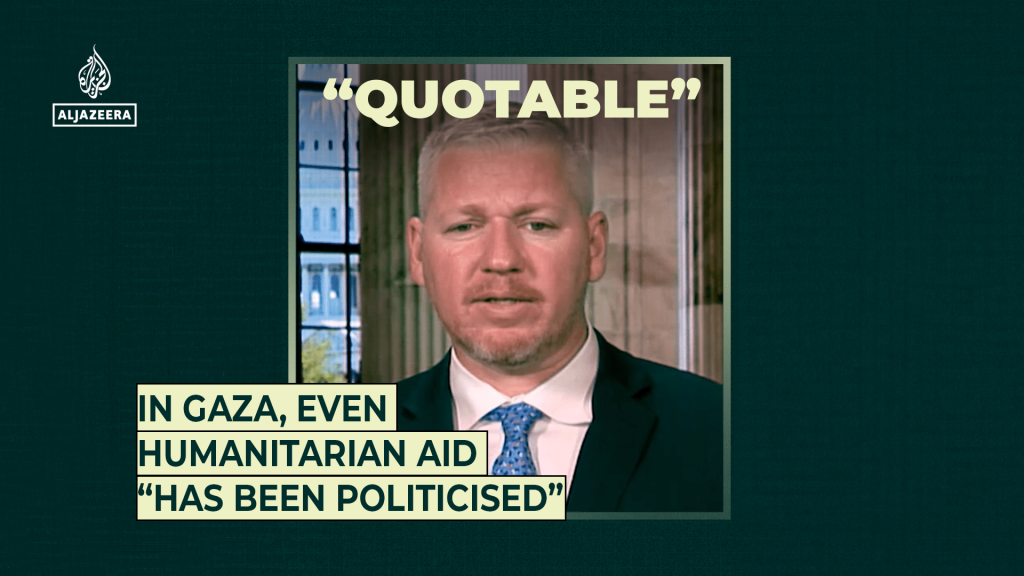
Colin Clarke analyses the chaos of aid distribution in Gaza and why trained professionals must lead the effort. Colin Clarke, the research director at The Soufan Group, discusses the chaotic US-backed aid distribution drive in Gaza and explains why trained professionals must lead the effort. Adblock test (Why?)