

Europe must shoulder ‘lion’s share’ of Ukraine’s security, Vance says
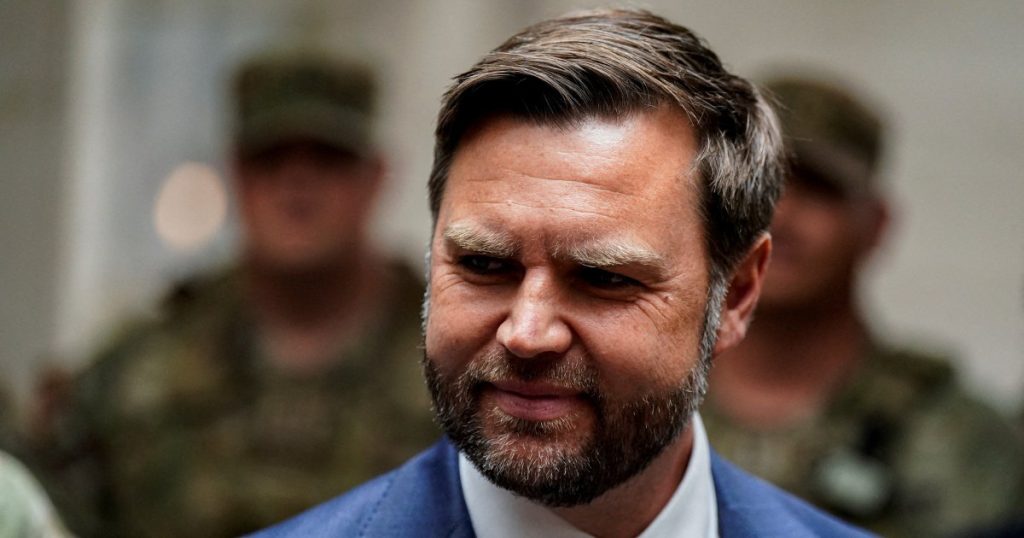
US vice president says Europe will be expected to play the ‘leading role’ in guaranteeing Kyiv’s post-war security. European countries will have to shoulder the “lion’s share” of guaranteeing Ukraine’s security in the event of a deal to end Russia’s war in the country, United States Vice President JD Vance has said. In an interview with Fox News on Wednesday, Vance said the US should not have to “carry the burden” of underpinning Kyiv’s post-war security. “I think that we should be helpful if it’s necessary to stop the war and to stop the killing. But I think that we should expect, and the president certainly expects, Europe to play the leading role here,” Vance said in an interview with Fox News host Laura Ingraham. “What he said very clearly is: Look, the United States is open to have the conversation, but we’re not going to make commitments until we figure out what is going to be necessary to stop the war in the first place.” Vance’s comments came a day after US President Donald Trump ruled out the possibility of US troops in Ukraine, while suggesting that Washington could provide support “by air”. The issue of post-war security guarantees for Ukraine has been a major question mark over Trump’s push to end the three-and-a-half-year-long conflict. After hosting Ukrainian President Volodymyr Zelenskyy and top European leaders at the White House for talks on the war on Monday, Trump said that European countries would be the “first line of defence”, but that Washington would provide “a lot of help”. While Trump has ruled out NATO membership for Ukraine, his special envoy, Steve Witkoff, and NATO Secretary-General Mark Rutte have raised the possibility of offering Kyiv a security guarantee resembling the 32-member alliance’s collective defence mandate. Advertisement Under Article 5 of the North Atlantic Treaty, an armed attack against one NATO member nation is considered an attack on all members of the alliance. While Trump has said that Russian President Vladimir Putin is open to European peacekeepers being stationed in Ukraine, Moscow has repeatedly dismissed the possibility of troops from NATO countries along its border. On Wednesday, Russian Foreign Minister Sergey Lavrov said that his country would need to be included in negotiations on security guarantees, warning that excluding Moscow would be a “road to nowhere”. “We cannot agree with the fact that now it is proposed to resolve questions of security, collective security, without the Russian Federation. This will not work,” Lavrov said. Despite the sticking points between the sides, Vance said on Wednesday that the Trump administration had made “great progress” in its efforts to end the war. “You can never say with certainty what the outcome in this situation is going to be,” Vance said. “But we now have the Russians talking to the Ukrainians; they’re talking details about what would be necessary on each side to stop the fighting, to stop the killing.” Adblock test (Why?)
Brazil’s ex-President Bolsonaro planned asylum in Argentina, police say
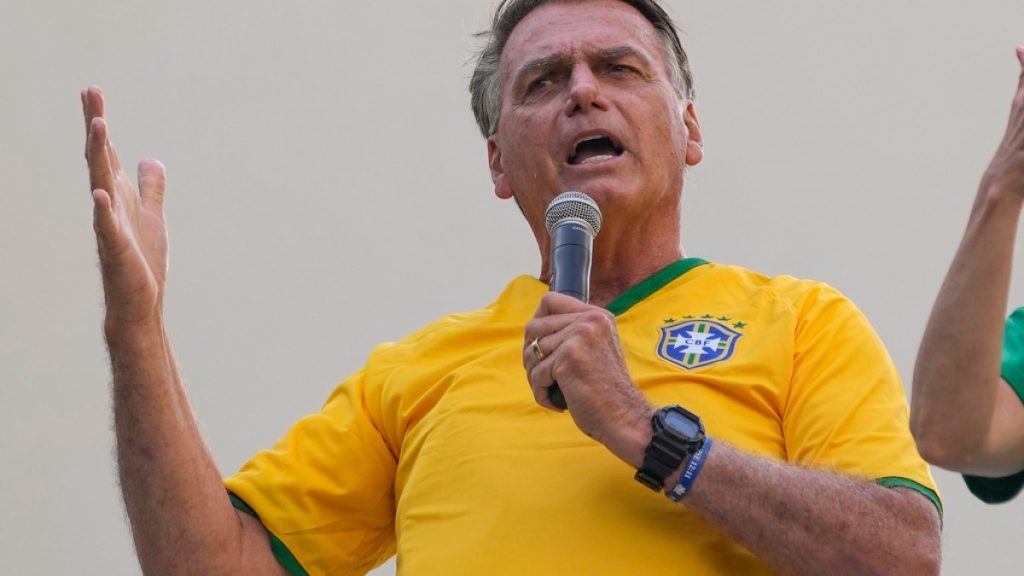
Police claim Brazil’s ex-President Jair Bolsonaro wrote letter seeking asylum in Argentina as coup investigation ramped up in 2024. Brazil’s federal police said that messages found on the mobile phone of former Brazilian President Jair Bolsonaro showed he once wanted to flee to Argentina and request political asylum from Argentinian President Javier Milei. The police said in a report released on Wednesday that the letter seeking asylum was saved on Bolsonaro’s mobile phone in February 2024, just days after the former president’s passport was seized amid an investigation of his involvement in an alleged coup plot. It was unclear whether the asylum request was sent, and the Argentinian president’s office did not immediately respond to a request for comment. The asylum request document revealed on Wednesday was part of the final police report that formally accused Bolsonaro and his United States-based son, Eduardo, of working to interfere in the ongoing legal process related to the ex-president’s forthcoming trial for allegedly plotting a coup. Bolsonaro’s trial is expected to start on September 2, in which he faces up to 40 years in prison if convicted of plotting to overthrow his democratically elected successor as president, Luiz Inacio Lula da Silva, in 2022. Police have now recommended that the ex-president and his son be charged with “coercion in the judicial process” and “abolition of the democratic law” related to interference in the coup case. The combined sentence for the two offences could reach up to 12 years in prison. Brazilian news outlet O Dia said on Wednesday that recordings were also found on a device seized during the police investigation of Bolsonaro, which indicated “attempts to intimidate authorities and impede the progress of the investigations related to the inquiry into the attack on democracy, including attempts to use external influence”. Advertisement Bolsonaro – who has been under house arrest since early August – has maintained his innocence in the coup trial, which US President Donald Trump, an ally, has called a “witch-hunt”. Bolsonaro’s son, Eduardo, stepped down from his position as a Brazilian congressman in March and moved to the US, where he is campaigning for the Trump administration to intercede on his father’s behalf. Those lobbying efforts have been successful, with the Trump administration taking punitive action against Brazil over the case, including sanctions against court officials. Trump has also imposed a massive 50 percent tariff on many Brazilian exports to the US, citing Bolsonaro’s trial. Adblock test (Why?)
Iran says moment for ‘effective’ nuclear talks with US not yet reached
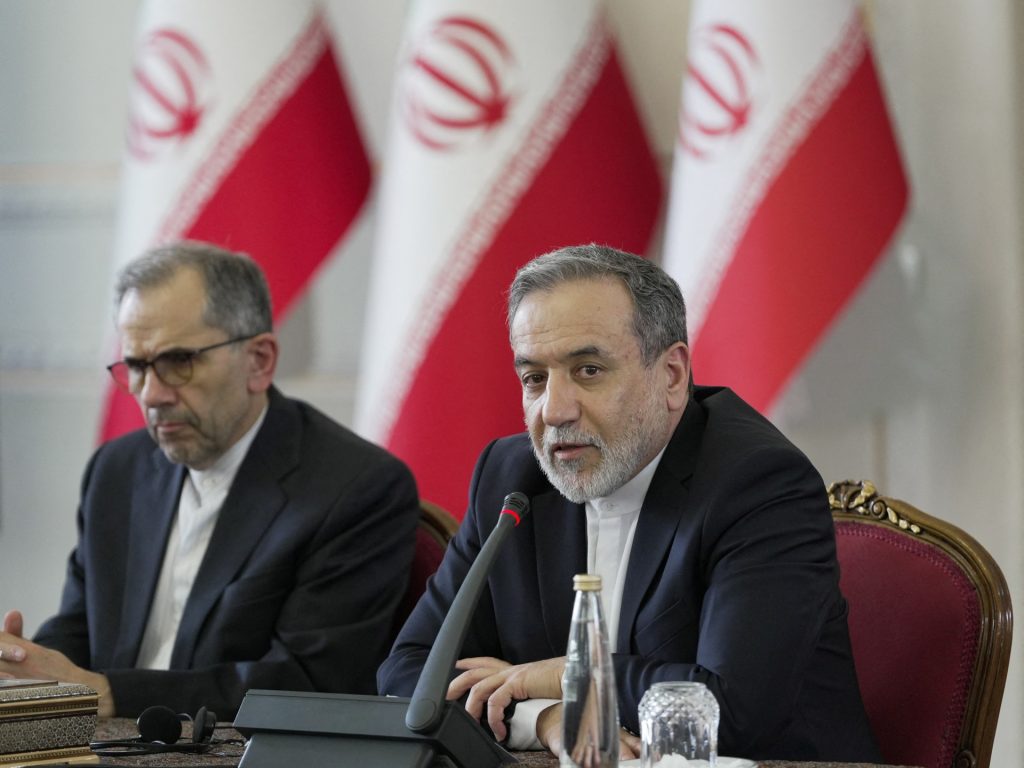
Iran’s FM sceptical about resuming talks with the US, says Iran cannot break ties with UN nuclear watchdog. Iran believes the moment for “effective” nuclear talks with the United States has not yet arrived, its top diplomat has said, adding that Tehran would not completely cut off cooperation with the United Nations nuclear watchdog. “In my opinion, we have not yet reached the point of maturity where effective negotiations with the US can take place,” Foreign Minister Abbas Araghchi said in remarks carried by state media on Wednesday. Tehran suspended negotiations with Washington, which were ostensibly aimed at curbing Iran’s nuclear ambitions, after the US and Israel struck the country with massive bombardments in June during a 12-day conflict. Since then, inspectors from the International Atomic Energy Agency (IAEA) have been unable to access Iran’s nuclear installations, despite its chief Rafael Grossi stating that inspections remain essential. US President Donald Trump and Israeli Prime Minister Benjamin Netanyahu have warned they will not hesitate to attack Iran again if it resumes enrichment of uranium, a possible pathway to developing nuclear weapons. Iran, which denies any intention to develop nuclear weapons and has long insisted its pursuits are for civilian uses, vowed a forceful response to the threats. Neither US intelligence nor the IAEA said they found any evidence earlier this year that Iran was developing atomic weapons. European powers including Britain, France and Germany have threatened to activate UN sanctions on Iran under a “snapback” mechanism if Iran does not return to the negotiation table. Advertisement Araghchi said a meeting with Europeans could take place in the coming days, though “a basis for negotiations” has not been reached. Last month, Iran’s parliament passed legislation suspending cooperation with the IAEA and stipulating that any future inspections will need a green light from Tehran’s Supreme National Security Council. The legislation came after Tehran accused the IAEA of effectively paving the way for the Israel-US attacks with a report on May 31 that led the agency’s Board of Governors to declare Iran in breach of its non-proliferation obligations. Iran’s President Masoud Pezeshkian warned the IAEA in July to abandon its “double standards” if it hopes to restore cooperation over the country’s nuclear programme, amid an acute mistrust following Israel and the US’s attacks on Iranian nuclear sites, and the UN nuclear watchdog’s refusal to condemn the strikes. Araghchi said in his remarks on Wednesday that Tehran was not cutting off all cooperation with the IAEA. “The return of inspectors will be possible based on the parliament’s law, that is, with the approval of the Supreme National Security Council … So, it is not that we say we absolutely cut cooperation with the agency.” Araghchi spoke two days after a Foreign Ministry spokesperson said Iran would continue talks with the IAEA and they would probably have another round of negotiations in the coming days. Adblock test (Why?)
China FM in Afghanistan, offers to deepen cooperation with Taliban rulers
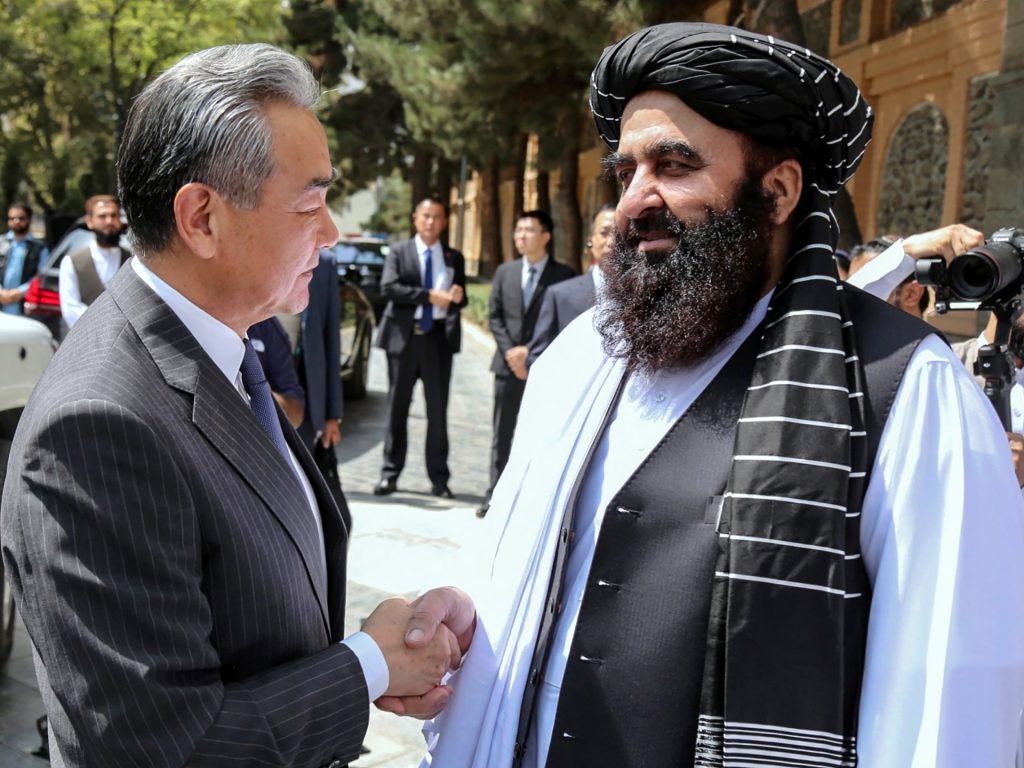
Mining, Belt and Road participation feature in trilateral meetings between China, Afghanistan and Pakistan in Kabul. China wants to explore mining in Afghanistan and have Kabul formally join its Belt and Road Initiative, a massive infrastructure plan, which is a central pillar of President Xi Jinping’s bid to expand his country’s global influence, the Afghan Taliban Ministry of Foreign Affairs has said. Chinese Foreign Minister Wang Yi is visiting Kabul and held talks with Afghanistan’s Foreign Minister Mawlawi Amir Khan Muttaqi, the ministry said in a statement on Wednesday, adding that both countries wanted to deepen ties in a number of areas. Beijing will continue to support the Afghan government to achieve long-term peace and stability, Wang told Muttaqi, according to a readout of the meeting released by China’s Ministry of Foreign Affairs. China is willing to deepen political mutual trust with Afghanistan and step up cooperation in areas including trade and agriculture, Wang said. He called on Afghanistan to combat armed groups, adding that tighter security ties would provide a guarantee to bilateral economic cooperation. “Mr Wang Yi also mentioned that China intends to initiate practical mining activities this year,” the Afghan statement said. Wang also met Afghan Prime Minister Mullah Muhammad Hassan Akhund, according to Hamdullah Fitrat, deputy spokesperson of the administration. “China has cooperated not only with Afghanistan but also with other countries around the world in their development, and it has played a constructive role,” Akhund told Wang, urging Beijing to continue its “efforts and cooperation on the international stage in support of Afghanistan’s legitimate position”. Advertisement Wang told the prime minister that China was a “sincere and steadfast” in its friendship with Afghanistan. “We fully support the Afghan people in their progress,” he said, according to Fitrat. Wang is in Kabul for trilateral meetings between China, Afghanistan and Pakistan. Neither Beijing nor Islamabad formally recognise the interim administration, but both nations have posted their ambassadors in Kabul and have received Afghan envoys in their capitals. China was the first country to appoint an ambassador to Afghanistan under the Taliban and has sought to develop its ties with the hardline group that took control of the war-torn country in 2021. The impoverished country, rich in lithium, copper and iron deposits, could offer a wealth of mineral resources to boost Beijing’s supply chain security, analysts say. Adblock test (Why?)
Confrontation between Tunisia’s General Union, President Saied escalates
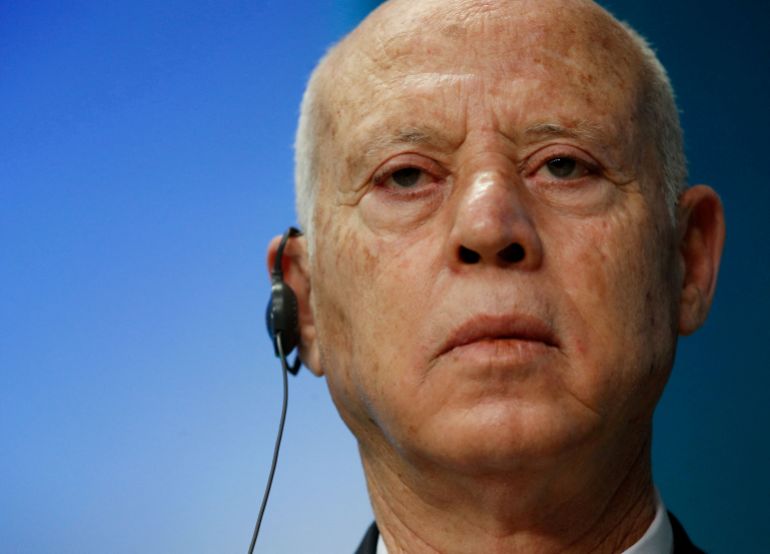
Tunisia’s General Labour Union (UGTT) is poised to take on President Kais Saied in a protest scheduled for August 21. The union called for a protest against what it says are government attempts to undermine workers’ rights, and the use of intimidation to curb strikes, referring to a three-day UGTT transport strike at the end of July. Since he seized power on July 25, 2021, Saied has radically undermined the role of parliament and political parties while granting himself vastly increased powers through a constitution revised according to his edicts. Yet the UGTT’s ability to mobilise its hundreds of thousands of members stands as one of the few remaining counters to Saied, analysts say. “The UGTT has always been more than just a trade union,” Hamza Meddeb of the Carnegie Institute, who has written extensively on the organisation, told Al Jazeera. “It was established even before Tunisian independence, and played a significant role in achieving that,” he said of Tunisia’s liberation from France in 1956. “Since then, it’s played both an economic role … as well as a political role, such as in 2015, when it was the principal force behind establishing the National Dialogue,” Meddeb continued, referring to a political crisis when the UGTT and three other civil society organisations helped prevent the collapse of Tunisia’s post-revolutionary democracy. Tunisia’s President Kais Saied [File: Johanna Geron/Pool via Reuters] Inevitable confrontation Matters reached a head between UGTT and Saied on August 7 when hundreds of Saied’s supporters rallied outside UGTT headquarters, accusing it of “corruption” and “squandering people’s money” after a three-day transport strike in late July paralysed much of the country. Advertisement The following night, Saied defended the anti-union protesters, repeating their calls for union “accountability” and stressing that, contrary to claims from both the UGTT and rights groups, his supporters had not intended violence. “There are files that must be opened because the people are demanding accountability … so that their money can be returned to them,” Saied said in a video posted on the presidency’s official Facebook page. Further confrontations between the president and the union were inevitable, but many analysts point to what they say is a union weakened by internal schisms and the threat to its decades-long monopoly on union power in Tunisia. “For the past two years, the UGTT has been silent, certainly on the political side of things,” a political analyst who remained in Tunisia told Al Jazeera, on condition of anonymity. “Saied even revised the labour code without consulting them,” they said of the May decision to change laws that affected many of UGTT’s members. “Previously, making a decision on that scale without the UGTT would have been inconceivable,” he said. UGTT supporters take to the streets in 2023. Analysts say the union’s ability to draw similar numbers to the streets has declined in the years since [Jihed Abidellaoui/Reuters] A weakened union Much of the UGTT’s relatively low profile lies in an internal rupture, prompted by its decision in 2021 to extend its board’s mandate from two to three terms, which is said to have splintered the union’s membership and undermined it. “There are many in the UGTT who see the 2021 decision as a coup d’etat of the union’s own, which has really weakened the board’s decision to do anything,” Meddeb said. “You also can’t avoid the fact that the financial situation across the country is getting much, much worse, which means that the core membership of the union – the state-dependent middle class – are also suffering, and are blaming a board they already have little faith in for that, too. “So, when Saied calls it a ‘corrupt union’ … that makes sense to much of its membership,” Meddeb said. “It’s also easy, [given its long history and close relationships with all of Tunisia’s past governments] for Saied to paint it as part of the country’s elite that has been holding its people back,” he concluded. A rival union emerges Moves to undermine the UGTT’s base are already under way. On Monday, the government announced it would halt the longstanding practice of allowing union officials to receive their government salaries while on union business, with more such moves expected. UGTT secretary-general, Noureddine Taboubi, called for a protest in response to what the union says are government attacks upon it [File: Fethi Belaid/AFP] Saied is also said to be encouraging the rival Union of Tunisian Workers (UTT), which analysts such as author Hatem Nafti say could try to take advantage of any weakening of the bond between the UGTT and its membership, to boost its standing. Advertisement How successful that would be in light of the UTT leadership’s previous convictions on corruption charges, remained to be seen, he added. That the UTT is ready to step into any breach left by the UGTT was clear last week, when it issued a statement accusing its rivals of what it said was the “defamation” of the president. Nafti said that the government might also seek to halt the practice of deducting UGTT membership fees from state employees’ salaries at source before transferring the funds to the union, which would give UTT more hope of winning members away from UGTT. “That Kais Saied would move against the UGTT was written from day one,” Nafti told Al Jazeera from Paris, where he now lives. “Populism doesn’t allow any mediator between the leader and the people, so firstly, he got rid of rival political parties, then civil society and the media. “Even the television networks that support him don’t show political programmes any more,” he said. “The UGTT was the logical next step.” Adblock test (Why?)
Trump says Smithsonian museums only cover ‘how bad Slavery was’ in US
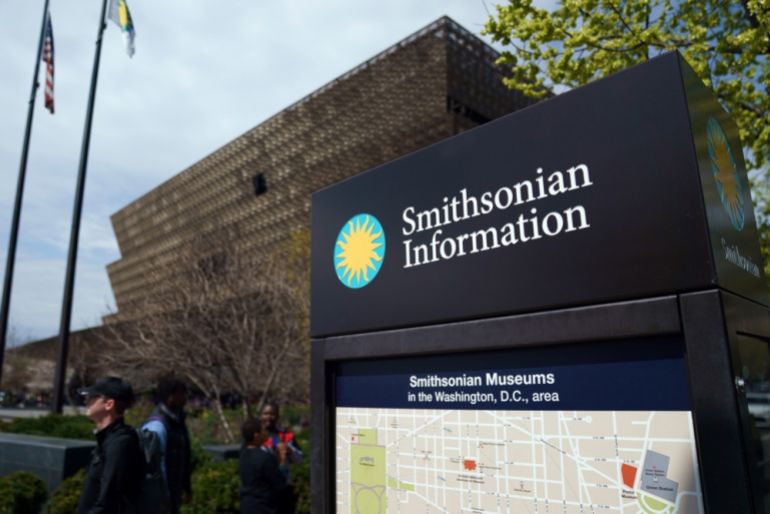
The US President says a review of the national museums will be similar to those he has ordered for universities. United States President Donald Trump has said the nation’s Smithsonian museums only discuss “horrible” topics, including “how bad Slavery was”, as his administration continues a review into the institution’s exhibits for their “Americanism”. In a post on his Truth Social platform on Tuesday, Trump said the Smithsonian is “OUT OF CONTROL, where everything discussed is how horrible our Country is”, including “how unaccomplished the downtrodden have been”. Elaborating on a review of several of the Smithsonian’s 21 museums and galleries ordered by the White House last week, Trump said he has instructed his lawyers “to go through the Museums” and “start the exact same process that has been done with Colleges and Universities where tremendous progress has been made”. “This Country cannot be WOKE, because WOKE IS BROKE,” Trump added. The Organisation of American Historians (OAH) has expressed “deep concern and dismay” at the White House’s “unprecedented” request to review the Smithsonian’s exhibits, adding that “no president has the legitimate authority to impose such a review”. The Smithsonian receives most of its budget from Congress but is independent of the government in decision-making. The OAH also said that “it is particularly distressing to see this effort of historical censorship and sanitising tied to the 250th anniversary of the nation’s founding”. The Trump administration said it ordered the review of museums in advance of next year’s milestone, which will mark 250 years since the signing of the Declaration of Independence on July 4, 1776. Advertisement It was not until decades later, on December 18, 1865, that the 13th Amendment to the US Constitution officially abolished chattel slavery nationwide, although exceptions continued. The National Museum of African American History and Culture in Washington, DC, opened in 2016 [File:Will Oliver/EPA] The National Museum of African American History and Culture, which was opened in 2016 with a ceremony led by then-President Barack Obama, is one of the museums the White House has included in its review. According to the museum’s website, visitors learn about the “richness and diversity of the African American experience” with exhibits ranging from a plantation cabin from South Carolina to Chuck Berry’s red Cadillac convertible. The freedom of expression organisation PEN America has also expressed alarm at the Trump administration’s “sweeping review” of Smithsonian exhibits. “The administration’s efforts to rewrite history are a betrayal of our democratic traditions and a deeply concerning effort to strip truth from the institutions that tell our national story,” Hadar Harris, the managing director of PEN America’s Washington, DC, office, said in a statement. Trump has made threats to cut federal funding for top US educational institutions, citing pro-Palestinian protests against US ally Israel’s war on Gaza, transgender policies, climate initiatives and diversity, equity and inclusion programmes. Last month, the government settled probes into Columbia University, which agreed to pay $221m, and Brown University, which said it would pay $50m to the government. Both institutions also accepted certain government demands, including how some topics are taught. Harvard University has sued the Trump administration to halt the freezing of $2.3bn of its federal funding. Adblock test (Why?)
Australia hits back at Netanyahu amid escalating diplomatic row over Gaza
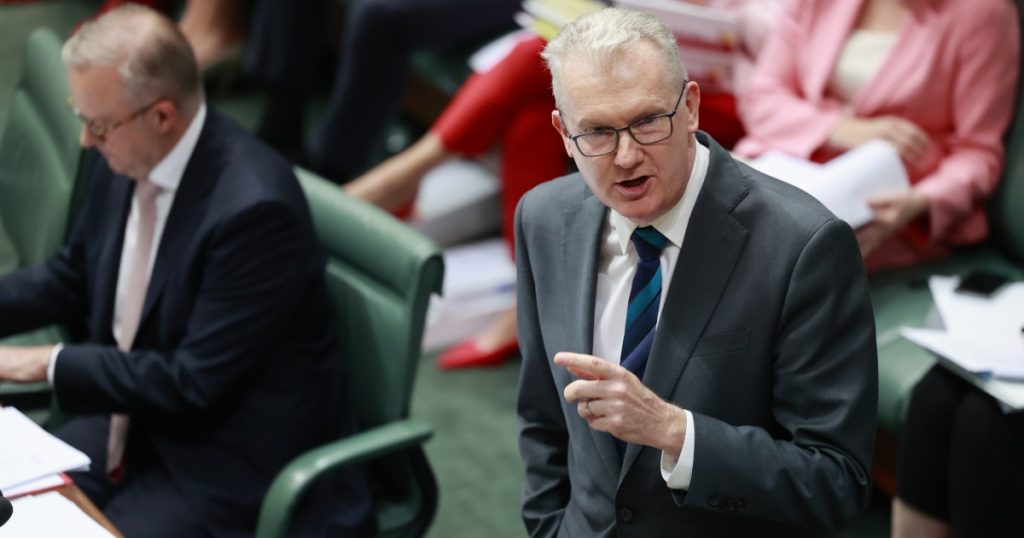
Australia’s Home Affairs minister says ‘strength is not measured by how many people you can blow up’. Australia has hit back at Israel’s Benjamin Netanyahu after he branded the country’s prime minister “weak”, with an Australian minister accusing the Israeli leader of conflating strength with killing people. In an interview with Australia’s national broadcaster on Wednesday, Minister for Home Affairs Tony Burke said that strength was not measured “by how many people you can blow up or how many children you can leave hungry”. Burke’s comments come after Netanyahu on Tuesday launched a blistering attack on Australian Prime Minister Anthony Albanese on social media, claiming he would be remembered by history as a “weak politician who betrayed Israel and abandoned Australia’s Jews”. Speaking on the ABC’s Radio National Breakfast programme, Burke characterised Netanyahu’s broadside as part of Israel’s “lashing out” at countries that have moved to recognise a Palestinian state. “Strength is much better measured by exactly what Prime Minister Anthony Albanese has done, which is when there’s a decision that we know Israel won’t like, he goes straight to Benjamin Netanyahu,” Burke said. “He has the conversation, he says exactly what we’re intending to do, and has the chance for the objections to be made person to person. And then having heard them, makes public announcement and then does what needs to be done.” Relations between Australia and Israel, traditionally close allies, have progressively soured in recent months amid tensions over the war in Gaza, but ties have become especially acrimonious since Canberra’s announcement last week that it would recognise a Palestinian state. Advertisement On Monday, Australia announced that it had cancelled a visa for Simcha Rothman, a lawmaker with Israel’s far-right Mafdal-Religious Zionism party and a member of Netanyahu’s governing coalition, amid concerns that a planned speaking tour in the country aimed to “spread division”. Hours after that decision, Israeli Minister of Foreign Affairs Gideon Saar said he had revoked the visas of Australian diplomats to the Palestinian Authority. Israel has come under growing international pressure, including from many of its traditional allies, over the level of human suffering being inflicted by its war in Gaza. More than 62,000 Palestinians have been killed by Israel since it launched its military offensive following Hamas’s October 7, 2023 attacks on Israeli communities, according to Gaza’s Ministry of Health. Adblock test (Why?)
Mali’s Choguel Maiga charged with embezzlement, remanded in custody
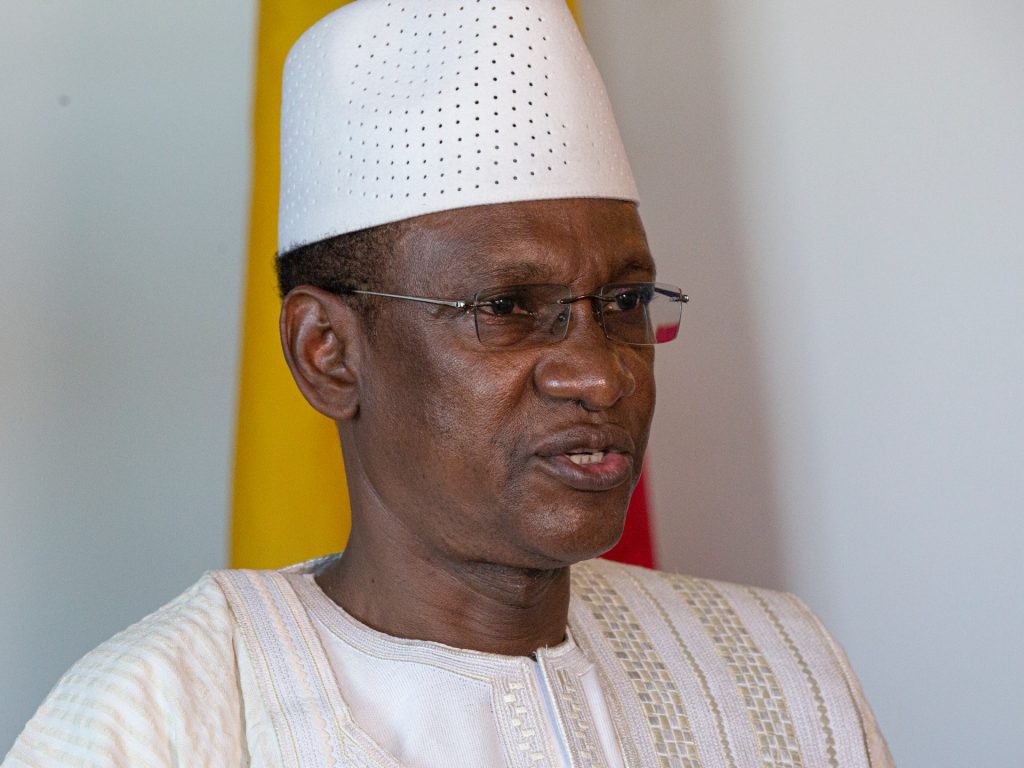
Mali’s former prime minister, Choguel Maiga, has been charged with embezzlement and remanded in custody as the West African country’s military leaders intensify a crackdown over allegations of a coup plot. The charges against Maiga were revealed on Tuesday following a hearing before Mali’s Supreme Court. Maiga, who took office after a second coup in Mali in 2021, was sacked in November 2024 after he publicly denounced the military for a lack of clarity over when it would hand over power to a civilian government. Maiga’s lawyer, Cheick Oumar Konare, told the AFP news agency that no date has yet been set for the former leader’s trial. “We believe in justice, we are calm while awaiting the trial,” Konare said, explaining that Maiga would remain in prison for the trial. A statement from the public prosecutor said the charges against Maiga involve “money laundering equal to many billions of CFA francs”, or several million US dollars. The former prime minister was arrested one week ago, according to the AFP, days after Mali’s military leaders carried out dozens of arrests to quash an alleged plot within the army’s ranks to topple the government in turn. Nine of Maiga’s colleagues from his time as prime minister also appeared before the court on Tuesday, with two being charged, some acquitted and others still awaiting their hearing, the AFP reported, citing a judicial source. Earlier this month, another former prime minister, Moussa Mara, was imprisoned after tweeting his support for jailed critics of the military. Advertisement Mali has been gripped by a security crisis since 2012, driven by violence from armed groups affiliated with al-Qaeda and the ISIL (ISIS) group, as well as local criminal gangs. The fighting has resulted in thousands of deaths, while up to 350,000 people are currently displaced, according to Human Rights Watch. The crisis set off mass protests in 2020, paving the way for the military to topple the country’s elected government in a coup. The military briefly ceded power to a transitional government but took over in a second coup in 2021. The colonel who led the two power grabs, Assimi Goita, was also sworn in as transitional president that year. Under his government, the military has reneged on pledges to hand back power to civilians by the end of March 2024, and has tightened its grip on power by dissolving all political parties, and jailing dissidents and leading civil society figures. In July, the military-appointed legislative body also passed legislation that granted Goita a five-year presidential mandate, renewable “as many times as necessary” and without elections. Maiga was one of the leaders of the protests that helped topple Mali’s civilian government in 2020, and previously said he believed the military would safeguard the country’s democracy. “We must refound the Malian state, so that no political power can ever again create the conditions for a return to an unconstitutional order!” he told Al Jazeera in an interview in 2023. Since his dismissal, however, Maiga has become one of the military’s fiercest critics, accusing it of weaponising the courts to silence dissent. Experts, meanwhile, have described Maiga’s arrest and imprisonment on Tuesday as a sign of the military government’s fragility. “If the most prominent opposition leaders are arrested and imprisoned, including Choguel, who once gave the junta credibility, then I believe today the junta credibility is greatly weakened,” said Alioune Tine, the former United Nations rapporteur on Mali to the Security Council. “Just 50km [31 miles] from Bamako, you’re still in danger. Al-Qaeda’s affiliate JNIM controls most of the territory. The only way forward now is for President Goita to change course: free political prisoners, release activists and journalists, and open a national dialogue that leads to real democratic elections,” he said. Mali’s military leaders have replaced Maiga with General Abdoulaye Maiga, who had previously served as government spokesman in the West African country. The military’s power grab in Mali helped set off a wave of coups in the Sahel region, south of the Sahara desert, including in the neighbouring Burkina Faso and Niger, which are fighting the same groups linked to al-Qaeda and ISIL. Advertisement The three countries have withdrawn from the Economic Community of West African States amid pressure from the bloc to return to civilian government. They have now banded together to form the Alliance of Sahel States (AES) and created a 5,000-strong force for joint military operations to try to drive out armed groups. Adblock test (Why?)
ISIL-backed rebels killed at least 52 people in eastern DR Congo, UN says
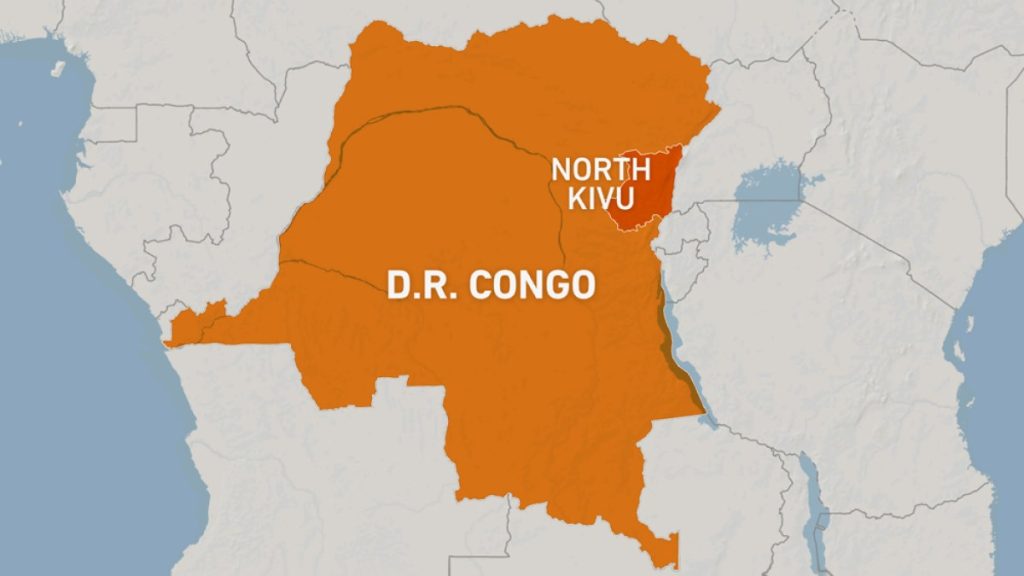
MONUSCO condemns the attacks by the ADF ‘in the strongest possible terms’, the mission’s spokesperson says. Rebels backed by ISIL (ISIS) have killed at least 52 civilians in the Democratic Republic of the Congo this month, according to the United Nations peacekeeping mission (MONUSCO) in the country, as both the DRC army and Rwandan-backed M23 rebel group accuse each other of violating a recently reached US-mediated ceasefire deal. Attacks by the Allied Democratic Forces (ADF) targeted the Beni and Lubero territories of the eastern North Kivu province between August 9 and 16, MONUSCO said on Monday, warning that the death toll could rise further. The renewed violence comes as a separate conflict between the DRC army and the M23 group continues to simmer in the east of the country, despite a series of peace treaties signed in recent months. The government and M23 had agreed to sign a permanent peace deal by August 18, but no agreement was announced on Monday. The latest ADF “violence was accompanied by kidnappings, looting, the burning of houses, vehicles, and motorcycles, as well as the destruction of property belonging to populations already facing a precarious humanitarian situation,” MONUSCO said. It condemned the attacks “in the strongest possible terms”, the mission’s spokesperson said. The ADF is among several militias wrangling over land and resources in the DRC’s mineral-rich east. Lieutenant Elongo Kyondwa Marc, a regional Congolese army spokesperson, said the ADF was taking revenge on civilians after suffering defeats by Congolese forces. “When they arrived, they first woke the residents, gathered them in one place, tied them up with ropes, and then began to massacre them with machetes and hoes,” Macaire Sivikunula, chief of Lubero’s Bapere sector, told the Reuters news agency over the weekend. Advertisement After a relative lull in recent months, authorities said the group killed nearly 40 people in Komanda city, Ituri province, last month, when it stormed a Catholic church during a vigil and fired on worshippers, including many women and children. The ADF, an armed group formed by former Ugandan rebels in the 1990s after discontent with Ugandan President Yoweri Museveni, has killed thousands of civilians and increased looting and killings in the northeastern DRC. In 2002, following military assaults by Ugandan forces, the group moved its activities to neighbouring DRC. In 2019, it pledged allegiance to ISIL. Among the 52 victims so far this month, at least nine were killed overnight from Saturday to Sunday in an attack on the town of Oicha, in North Kivu, the AFP news agency learned from security and local sources. A few days earlier, the ADF had already killed at least 40 people in several towns in the Bapere sector, also in North Kivu province, according to local and security sources. In response to the renewed attacks, MONUSCO said it had strengthened its military presence in several sectors and allowed several hundred civilians to take refuge in its base. At the end of 2021, Kampala and Kinshasa launched a joint military operation against the ADF, dubbed “Shujaa”, so far without succeeding in putting an end to their attacks. Adblock test (Why?)
Hamas agrees terms for Gaza ceasefire, source tells Al Jazeera
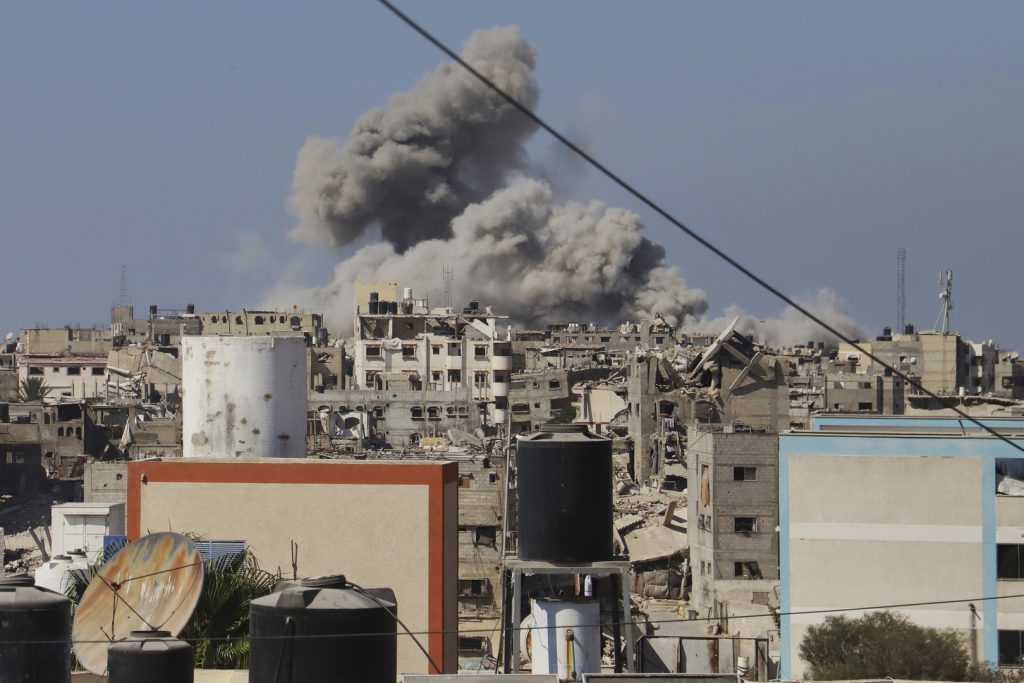
NewsFeed A Hamas source told Al Jazeera the group has agreed terms for a ceasefire in Gaza, as a step towards ending the war. The plan calls for a 60-day pause in fighting and the release of half of Israeli captives in exchange for Palestinian prisoners. Al Jazeera’s Hamda Salhut reports. Published On 18 Aug 202518 Aug 2025 Adblock test (Why?)