

US and Saudi Arabia agree to $142bn weapons sale during Trump visit
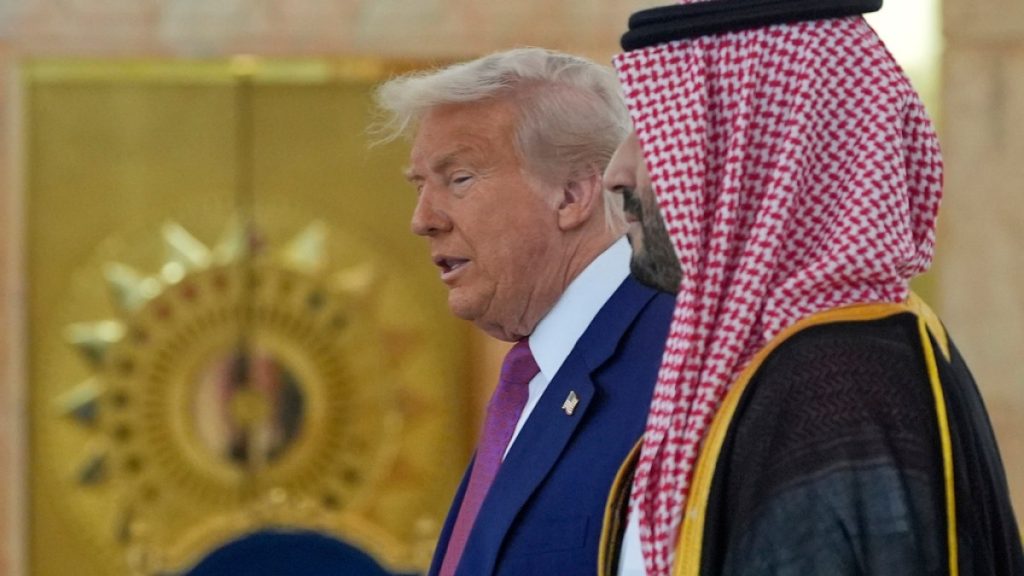
The administration of United States President Donald Trump says that Saudi Arabia will invest $600bn in the United States, including through technology partnerships and a weapons sales agreement worth $142bn. A fact sheet shared by the White House on Tuesday explains that the agreement, which also includes collaboration in areas such as energy and mineral development, is the largest-ever weapons sale between the two countries. “The deals celebrated today are historic and transformative for both countries and represent a new golden era of partnership between the United States and Saudi Arabia,” the fact sheet reads. The pact represents a deepening of economic and military ties between the two countries, a trend that has continued for decades under both Republican and Democratic US presidents. Trump was in the Saudi capital of Riyadh on Tuesday as part of a Middle East tour, marking the first major international trip of his second term as president. Later in the week, he is expected to make stops in Qatar and the United Arab Emirates. Advertisement But already, the trip has renewed criticisms that Trump may use the diplomatic outing to advance personal interests. The proposed transfer of a $400m luxury aeroplane, for instance, from Qatar to the US Department of Defence has raised questions in the US about the ethics and constitutionality of accepting gifts from foreign governments. During his first term as president, in 2017, Trump likewise included Saudi Arabia on his first major trip abroad, a voyage that similarly culminated in a multibillion-dollar arms deal. But the global outcry over the 2018 murder of Saudi journalist Jamal Khashoggi at a consulate in Istanbul briefly threatened to upend the relationship. The US government has alleged that forces linked to Saudi Crown Prince Mohammad bin Salman were responsible for the killing. Tuesday’s agreement is designed to help modernise the Saudi military with “state-of-the-art warfighting equipment and services from over a dozen US defense firms”, according to the White House fact sheet. “The first key component of this is upgrading the defence capabilities of Saudi Arabia,” Al Jazeera correspondent Hashem Ahelbarra reported from Riyadh. “This is a country that has been trying to invest vast amounts of money over the last few years” in its military, he added. But the newly minted deal is not limited to security cooperation. The agreement also lays out a plan in which Saudi Arabia will invest $20bn in energy infrastructure and data centres for artificial intelligence in the US, a significant infusion of cash into industries with close ties to the Trump administration. Advertisement In both areas, US companies stand to reap a potential windfall. “Saudi Arabia wants to become one of the top global investors in artificial intelligence, and that’s why you see many tech CEOs here in Riyadh, who are looking forward to getting some of those contracts,” said Ahelbarra. The deal also includes references to collaboration on energy infrastructure and mineral investments, without offering many details. Various US administrations, including during Trump’s first term in office, have used the inducement of greater collaboration on security and arms sales to push Saudi Arabia to normalise diplomatic relations with Israel. The two countries have never had formal diplomatic ties. But during Trump’s first term, the Republican leader initiated a series of agreements known as the Abraham Accords to boost ties between Israel and various Middle East states. Countries like the United Arab Emirates, Bahrain and Sudan agreed to recognise Israel as part of the agreements. But Saudi Arabia has been a holdout — and normalising ties between it and Israel could be seen as a crowning achievement for the second Trump administration. Israel’s war in Gaza, however, has complicated those efforts. United Nations experts have warned that Israel’s actions in Gaza were consistent with genocide, and South Africa has accused Israel of genocide before the International Court of Justice. The International Criminal Court, meanwhile, has issued arrest warrants for Israel’s Prime Minister Benjamin Netanyahu and former Minister of Defence Yoav Gallant over accusations of war crimes. Advertisement The spiralling death toll in Gaza and allegations of human rights abuses have caused outrage in the region and hardened Riyadh’s insistence that normalisation should come only as part of a wider agreement on a Palestinian state, a move Israel is not willing to consider. Adblock test (Why?)
France mosque killing should be investigated as terrorism, says lawyer
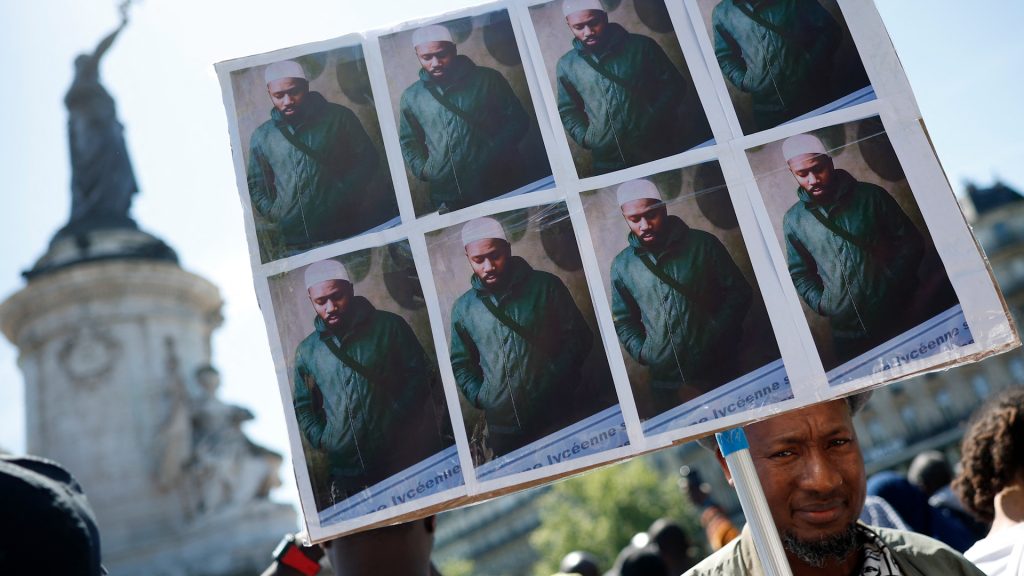
NewsFeed Are Islamophobic crimes less likely to be classed as terrorism offences? The murder of 22-year-old Aboubakar Cisse at a French mosque should be investigated by anti-terror police, according to the lawyer representing the victim’s family. He spoke to Al Jazeera’s Hind Touissate. Published On 13 May 202513 May 2025 Adblock test (Why?)
Libya’s prime minister asserts control after deadly Tripoli violence
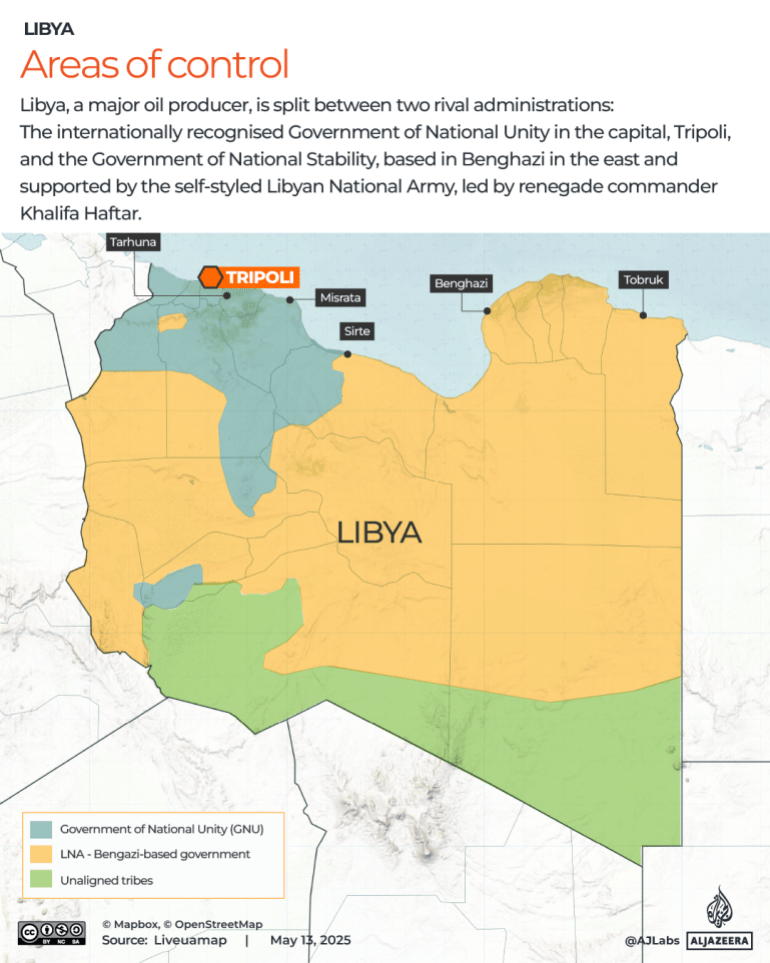
After clashes kill six in Tripoli, Prime Minister Abdul Hamid Dbeibah says a military operation restored calm in the capital. A day after deadly clashes shook Tripoli, Libya’s United Nations-recognised government in the west of the country has begun asserting control following the reported killing of powerful militia leader Abdelghani al-Kikli, also known as Gheniwa. The Emergency Medicine and Support Centre confirmed it retrieved six bodies from the Tripoli neighbourhood of Abu Salim on Tuesday, after heavy fighting erupted across the capital the previous night and into the early morning. Explosions and gunfire echoed through the southern part of the city as rival armed factions clashed for several hours. The fighting stemmed from the killing of al-Kikli, commander of the Stability Support Authority, SSA, on Monday by a rival militia, a senior government and health official told the Associated Press news agency. An official and local media say al-Kikli was killed during a meeting at the 444 Brigade’s base, a group loyal to Prime Minister Abdul Hamid Dbeibah. Al-Kikli had been accused by Amnesty International of war crimes and other serious rights violations over the past decade. Advertisement Libya analyst Jalel Harchaoui told the AFP news agency that al-Kikli had been ambushed, citing a relative. “Among Tripoli’s most successful armed group leaders,” he was known for outmanoeuvring the prime minister, the analyst added. On Tuesday, Dbeibah declared a military operation had dismantled “irregular” armed groups. The move is seen as a direct effort to reassert state authority and strengthen his position in the capital. “Gheniwa was de facto king of Tripoli,” Tarek Megerisi of the European Council on Foreign Relations told Reuters. “His henchmen controlled the internal security agency … cash transfers from the central bank… numerous public companies and ministries”. Al-Kikli’s forces reportedly operated prisons and held influence over ministries and financial institutions, underscoring a significant shift in the balance of power with his death. Clashes also spread beyond the capital, with fighting between Tripoli-based groups and rival militias from Misrata, a key coastal city to the east. Authorities imposed a temporary curfew before later announcing that calm had returned. Libya, a major oil producer and key route for immigrants and refugees crossing the Mediterranean, remains deeply divided between Dbeibah’s UN-recognised administration in the west and a rival eastern government aligned with military commander Khalifa Haftar. Foreign powers including Turkiye, Russia, Egypt and the United Arab Emirates continue to back opposing sides in the ongoing power struggle. Tense calm across the capital Dbeibah said a “military operation” had restored calm and asserted the government’s authority. “What was accomplished today shows that official institutions are capable of protecting the homeland and preserving the dignity of its citizens,” he wrote on X, praising the armed forces’ role. Advertisement Schools across parts of the capital have been closed until further notice. The UN mission in Libya expressed alarm over the use of heavy weapons in densely populated areas, warning that “attacks on civilians and civilian objects may amount to war crimes” and calling on all sides to “immediately cease fighting”. Libya plunged into chaos following a NATO-backed uprising that toppled and killed Libyan leader Muammar Gaddafi in 2011. The oil-rich nation has been governed for most of the past decade by rival governments in eastern and western Libya, each backed by an array of fighter groups and foreign governments. Adblock test (Why?)
US deportations raise serious human rights concerns, UN says
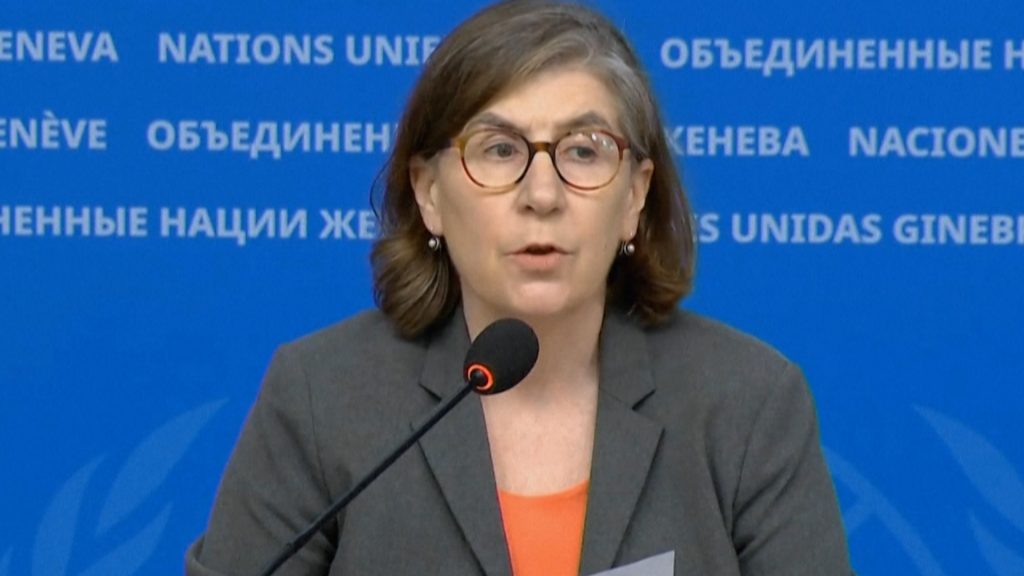
NewsFeed The United Nations raised alarm over the large number of people being deported from the United States, particularly the hundreds sent to a mega-prison in El Salvador. The rights office warned that the whereabouts and legal status of many remain unknown, raising serious human rights concerns. Published On 13 May 202513 May 2025 Adblock test (Why?)
Is Israel’s ‘template for genocide’ being used in Sudan?
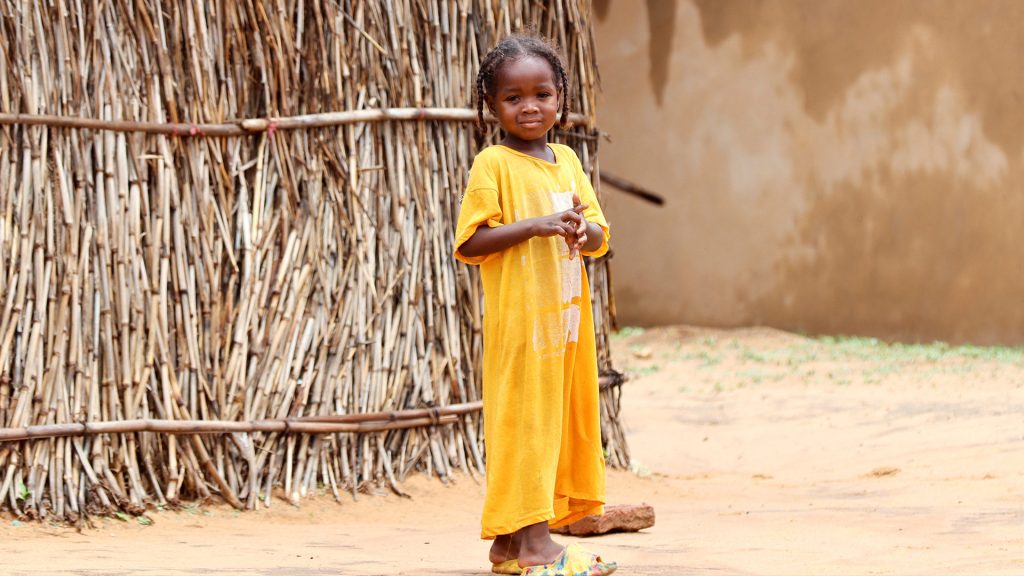
NewsFeed Israel’s ‘template for genocide’ is being used in Sudan, according to international law expert Luigi Daniele, who says the paramilitary RSF is using carefully chosen terminology to whitewash killing civilians. Published On 13 May 202513 May 2025 Adblock test (Why?)
Gutted

Fault Lines and Mother Jones investigate how a private equity firm gutted a hospital chain for profit, endangering patients. Fault Lines and Mother Jones magazine investigate how a private equity firm gutted a major United States hospital chain in pursuit of profit, leaving patients without critical care and families shattered. The film follows Nabil Haque, whose wife died after childbirth at a Boston hospital that lacked essential equipment. It also tells the story of Lisa Malick, whose newborn daughter died after delays at a Florida facility that lacked a functioning neonatal intensive care unit. Together, their stories reveal the devastating consequences of turning healthcare into a business. The investigation uncovers how Steward Health Care executives drained hospitals of resources, saddled them with crushing debt and triggered one of the largest hospital bankruptcies in US history – while walking away with millions. Adblock test (Why?)
Why did the US and China slash tariffs – and what’s next?
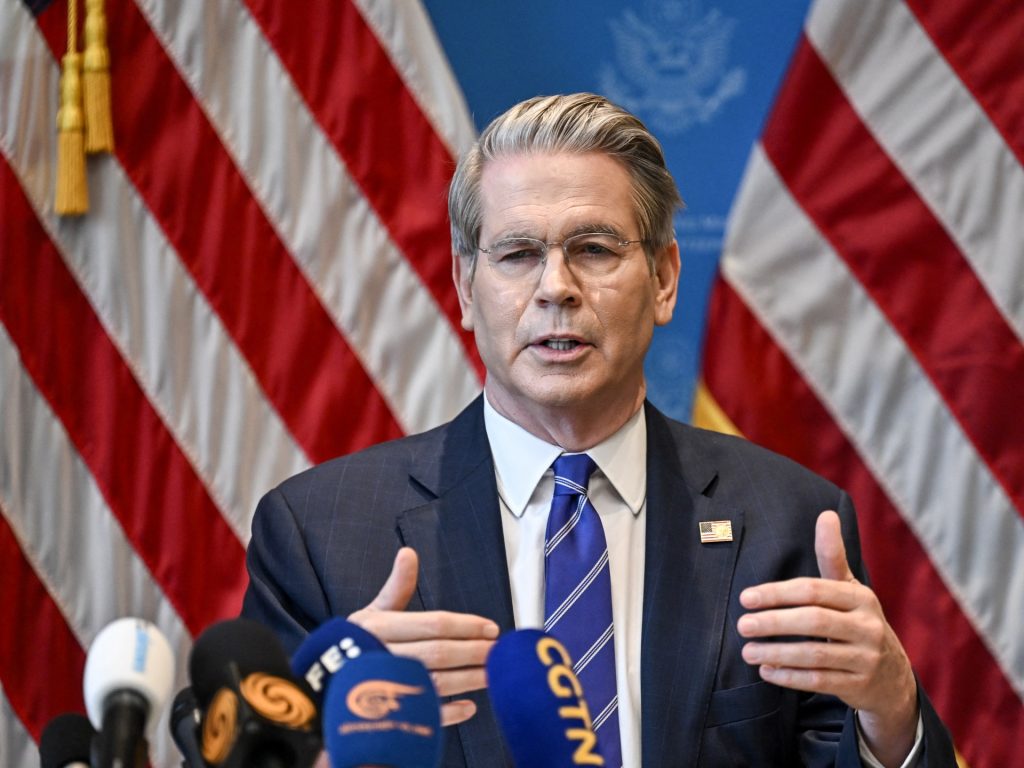
The United States and China reached a deal on Monday to suspend heavy tariffs against each other’s imports for 90 days. The recent breakthrough marked a detente in the tariff war launched by US President Donald Trump since he returned to office in January. While Trump initially unveiled tariffs against most countries, he then paused most of them – except against China, the US’s biggest economic rival. Tit-for-tat tariffs that the US and China imposed on each other had snowballed into heavy duties, as high as 145 percent on Chinese goods looking to enter the US, and 125 percent on US products looking to access the Chinese market. On Monday, Trump said he could speak with his Chinese counterpart Xi Jinping by the end of the week, adding that the economic negotiations had led to a “reset” between the two countries. What did China and the US say? The US and China released a joint statement on Monday announcing the suspension of tariffs. The suspension came after two days of trade talks in Geneva, Switzerland. In recent weeks, Trump had repeatedly said tariff talks with China were under way, but officials in Beijing had denied any ongoing negotiations before the meetings in Geneva. Advertisement In the statement on Monday, the two countries said they recognise the importance of their “bilateral economic and trade relationship” as well as the importance of a “sustainable, long-term, and mutually beneficial economic and trade relationship”. The statement said both nations would take steps to suspend most tariffs by Wednesday. What are the specific terms of the tariff reductions? The US brought down the tariff on Chinese goods from 145 percent to 30 percent, while China brought down the tariff on the US from 125 percent to 10 percent. On April 2, the US had imposed a “reciprocal tariff” of 34 percent on Chinese goods, on top of 20 percent tariffs that Trump had previously imposed on Chinese products since starting his current term. Those earlier tariffs were driven by Trump’s accusation that China was to blame for the fentanyl crisis that has ravaged thousands of American lives and led to several deaths in the US. In effect, on April 2, Chinese goods were tariffed at 54 percent. Beijing hit back with a 34 percent tariff on imports from the US. What followed was a tit-for-tat escalation, where the US and China kept hiking tariffs against each other. At the end, the US had imposed a 145 percent tariff on China while China had imposed a 125 percent tariff on the US. On May 12, they both agreed to slash all tariffs imposed on April 2 and subsequently to 10 percent. But if pre-April 2 tariffs are accounted for, Chinese goods still face a 30 percent tariff. Additionally, specific products from China, such as electric vehicles, steel and aluminium, are subject to even higher, separate tariffs imposed in recent years. Advertisement All the tariff suspensions are only for 90 days as of now – subject to review based on broader trade negotiations between the US and China. What is the main goal of this 90-day suspension? The US and China agreed, per their joint statement, to establish a mechanism to continue talking about their trade relations. “This move is significant primarily because it reflects a strategic retreat by the US, rather than a genuine shift in the broader trajectory of US-China relations,” Carlos Lopes, a Chatham House associate fellow for the Africa Programme, told Al Jazeera. Lopes, whose areas of expertise include international trade and China, explained that the rolling back of tariffs underscores that China held its ground, compelling the US to revise its approach. “In that sense, the rollback signals the limits of grandstanding and unilateralism in a deeply interconnected global economy. It’s a tactical pause, not a strategic realignment.” Why did Trump revise his tariff approach? “The reversal is a recognition of domestic economic pressures,” Lopes said. He added that the tariffs were raising prices for American consumers and undermining key manufacturing sectors, particularly those reliant on Chinese intermediate goods. “The US economy, despite its scale, cannot isolate itself from global supply chains without serious collateral damage. Moreover, President Trump thrives on projecting strength through negotiation – but bargaining without structure or a clear endgame eventually reveals weakness. The rollback reflects this internal contradiction,” he said. Advertisement Fentanyl – and China’s role in the supply chain of the deadly synthetic opioid – was never the major factor behind Trump’s tariffs against Beijing, Lopes said. “Fentanyl was part of the public discourse but not a fundamental driver of the tariff decision. It served more as a symbolic issue for political messaging, particularly to domestic audiences. The core dynamics at play here are structural – supply chain interdependence, inflationary concerns, and electoral calculations – not drug policy,” the Chatham House analyst said. What mechanisms have been established to ensure this works? In the statement, both countries named representatives for negotiations. Vice Premier of the State Council He Lifeng has been named to represent China. US Treasury Secretary Scott Bessent and Trade Representative Jamieson Greer have been named to represent the US. How have global markets responded to this agreement? The Monday announcement caused stocks and the dollar to see a surge. On Tuesday, the S&P 500 gained 184.28 points, the Dow Jones Industrial Average gained 1,161 points and the Nasdaq composite gained 779.43 points. The euro went down by 1.5 percent at $1.1078. The yen weakened and the US currency shot up 2.1 percent at 148.49. In the wake of Trump’s tariff threats, global markets had seen a considerable fall. US-China trade: Deeper challenges The world’s two largest economies, the US and China, have both long competed for economic preeminence and relied on each other as major trading partners. Advertisement The US is China’s largest export market, constituting 12.9 percent of Chinese exports in 2023, according to the Observatory of Economic Complexity (OEC). China is the US’s third-largest export market, behind Canada and Mexico. Chinese
Kurdish leader Ocalan told the PKK to disband, it did: Here’s what to know
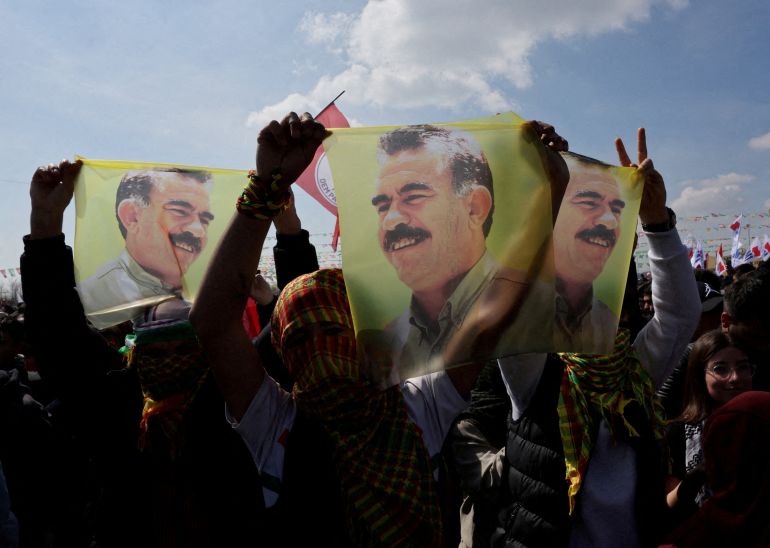
The Kurdistan Workers’ Party (PKK) says it is disbanding after more than 40 years of armed struggle against the Turkish state. The announcement came after the PKK held its congress in northern Iraq on Friday, about two months after its imprisoned founder, Abdullah Ocalan, also known as “Appo”, called on the group to disarm in February. For most of its history, the PKK has been labelled a terrorist group by Turkiye, the European Union and the United States. It fought for Kurdish autonomy for years, a fight that has been declared over now. This is all you need to know about why Ocalan and the PKK have given up their armed struggle. Who is Abdullah Ocalan? Ocalan was born to a poor Kurdish farming family on April 4, 1948, in Omerli, Sanliurfa, a Kurdish-majority part of Turkiye. He moved to Ankara to study political science at the university there, where he became politically active; driven, biographers say, by the sense of marginalisation that many Kurds in Turkiye felt. By the mid-1970s, he was advocating for Kurdish nationalism and went on to found the PKK in 1978. Advertisement Six years later, the group launched a separatist rebellion against Turkiye under his command. Ocalan had absolute rule over the PKK and worked to stamp out rival Kurdish groups, monopolising the struggle for Kurdish liberation, according to Blood and Belief: The PKK and the Kurdish Fight for Independence, by Aliza Marcus. At the time, Kurds were denied the right to speak their language, give their children Kurdish names or show any expression of nationalism. Despite Ocalan’s authoritarian rule, his charisma and positioning as a champion of Kurdish rights led most Kurds across Turkiye to love and respect him, calling him “Appo”, which means Uncle. What was the armed rebellion like? Violent. More than 40,000 people died between 1984 and 2024, with thousands of Kurds fleeing the violence in southeastern Turkiye into cities further north. Throughout the 1980s and 90s, Ocalan led operations from neighbouring Syria, which was a source of tensions between the then-Assad regime and Turkiye. The PKK resorted to brutal tactics beginning in the late 1980s and early 90s. According to a report by the European Council on Foreign Relations from 2007, the group, under Ocalan, kidnapped foreign tourists, adopted suicide bombing operations and attacked Turkish diplomatic offices in Europe. Perhaps even worse, the PKK would repress Kurdish civilians who did not assist the group in its guerrilla warfare. Supporters of pro-Kurdish DEM Party wave flags with portraits of jailed PKK leader Abdullah Ocalan at a rally for Newroz in Istanbul, Turkiye, March 17, 2024 [Umit Bektas/Reuters] Did Ocalan change his views? Eventually, more than a decade after he was caught. Advertisement In 1998, Ocalan was forced to flee Syria due to the threat of a Turkish incursion to capture him. A year later, Turkish agents arrested him on a plane in Nairobi, Kenya, thanks to intel received from the US. He was brought back to Turkiye and handed the death penalty, yet his sentence was changed to life in prison after Turkiye abolished capital punishment in 2004 in a bid to become a member of the EU. By 2013, Ocalan changed his stance on separatism and began lobbying for comprehensive Kurdish rights and greater regional autonomy in Turkiye, saying he no longer believed in the effectiveness of armed rebellion. This radical shift led to the start of a shaky peace process between the PKK and the ruling Justice and Development Party (AK Party), headed by Turkish President Recep Tayyip Erdogan. The peace process led to some freedoms for Kurds, yet fighting erupted between the government and the PKK in 2015 due in part to fears that the party was trying to create a Kurdish statelet in neighbouring Syria during its civil war. At the time, many Kurds from southern Turkiye had left for Syria to help the Kurds there fight against ISIL (ISIS). In 2015, the AK Party had also formed a new alliance with the far-right Nationalist Movement Party (MHP), which was staunchly opposed to any peace process involving the PKK. What’s different about this peace process? In announcing its disarmament, the PKK said it has “completed its historical mission” by “breaking the policy of denial and annihilation of our people and bringing the Kurdish issue to a point where solving it can occur through democratic politics”. Advertisement However, analysts argue that there are other reasons behind the decision. The PKK and its Kurdish allies in the region are more vulnerable than before due to recent developments, according to Sinan Ulgen, an expert on Turkiye and senior fellow at Carnegie Europe in Brussels. “The reason the PKK gave up its armed struggle has to do with the change in the international context,” Ulgen explained. US President Donald Trump does not see Syria as a “strategic focal point” for foreign policy and is, therefore, unlikely to keep supporting Kurdish armed groups in the country as it had during the fight against ISIL, he explained. In addition, the new government in Syria is on good terms with Turkiye, unlike under the now-overthrown Assad regime. This new relationship could significantly hurt the ability of the PKK and its Syrian offshoot, the Democratic Union Party (PYD), to operate along the Syria-Turkiye border. MHP leader Devlet Bahceli, left, and Turkish President Recep Tayyip Erdogan greet supporters at a rally while campaigning for the presidential election on May 7, 2023, in Istanbul [Burak Kara/Getty Images] Will Turkiye follow through? The political climate seems ripe for that. Main political parties, such as the AK Party and its rival Republican People’s Party (CHP), have vocally or tacitly supported a new peace process. But it was the MHP, long opposed to any overtures to the Kurds, that created the window for a new peace process. In April 2024, MHP leader Devlet Bahceli invited Ocalan to renounce “terrorism” in front of Turkiye’s parliament in exchange for possible parole. Advertisement “The fact it was Bahceli … was kind of unbelievable,”
Trump offers to join Russia-Ukraine direct peace talks in Istanbul
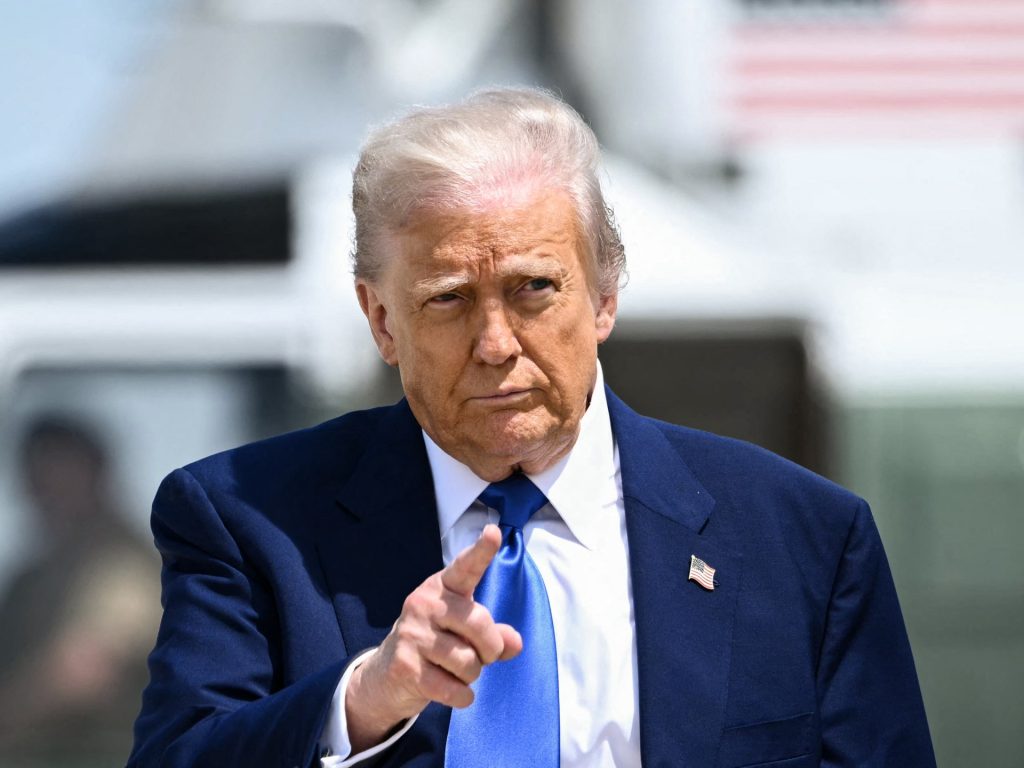
Zelenskyy welcomes the US leader’s initiative, insists Putin should also be in the Turkish city ‘in person’. United States President Donald Trump has offered to join the talks that Russia’s President Vladimir Putin suggested should be held directly with Ukraine, after criticism of the Western “ultimatums” to end the conflict between the two Slavic nations. Trump said on Monday he was “thinking about actually flying over” to the Turkish city of Istanbul to attend the negotiations expected to take place on Thursday. The initiative was welcomed by Ukraine’s President Volodymyr Zelenskyy, but there was no immediate reaction from Moscow. “All of us in Ukraine would appreciate it if President Trump could be there with us at this meeting in Turkey. This is the right idea. We can change a lot,” Zelenskyy said. Trump publicly asked Zelenskyy to attend, after Putin on Sunday proposed the direct talks following a rejection of a 30-day ceasefire Ukraine and its Western allies insisted should come first. The Ukrainian leader said he would, but that Putin should also attend in person. On Tuesday, his adviser Mykhailo Podolyak reiterated that Zelenskyy would only meet Putin and no other members of the Russian delegation. Advertisement The Kremlin has made no comment on whether or not Putin will travel to Turkiye himself. “We are committed to a serious search for ways of a long-term peaceful settlement,” Kremlin spokesman Dmitry Peskov told reporters on Monday. If Zelenskyy and Putin were to meet on Thursday, it would be their first face-to-face meeting since December 2019. I have just heard President Trump’s statement. Very important words. I supported @POTUS idea of a full and unconditional ceasefire — long enough to provide the foundation for diplomacy. And we want it, we are ready to uphold silence on our end. I supported President Trump… — Volodymyr Zelenskyy / Володимир Зеленський (@ZelenskyyUa) May 12, 2025 Meanwhile, Ukraine said its air defence units destroyed all 10 drones that Russia launched overnight on Tuesday. This is the lowest number of drones that Russia has launched in an overnight attack in several weeks. The Ukrainian military’s general staff said as of 10pm (19:00 GMT) on Monday, there had been 133 clashes with Russian forces along the front line since midnight, when the ceasefire proposed by European powers was to have come into effect. Ukraine’s top commander, Oleksandr Syrskii, was quoted by Zelenskyy as saying the heaviest fighting still gripped the Donetsk region, the focus of the eastern front, and Russia’s western Kursk region, nine months after Kyiv’s forces staged a cross-border incursion. Meanwhile, Russia accused Ukraine of attacking its Belgorod region, with the governor Vyacheslav Gladkov saying on Tuesday that Ukrainian forces used 65 drones and more than 100 rounds of ammunition to attack his region in the past day. Advertisement Adblock test (Why?)
US-Israeli soldier Edan Alexander reunites with family after release
[unable to retrieve full-text content] Video from the Israeli military showed the moment of US-Israeli citizen Edan Alexander reuniting with his family.