

Will elections in Gabon lead to change?
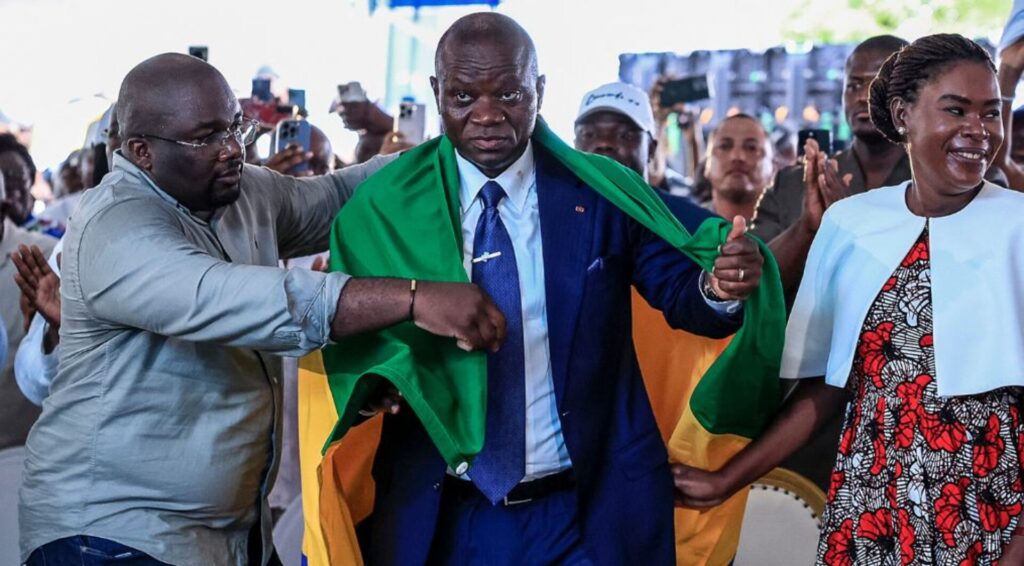
The leader of a 2023 coup, Brice Oligui Nguema, wins in a landslide victory in Gabon. General Brice Oligui Nguema has just won Saturday’s election in Gabon, and will lead the country for the next seven years. Gabon is among seven west and central African countries where the military has seized power in recent years. When the army overthrew the president there in 2023, it ended 56 years of rule by the Bongo dynasty. The winner, Nguema, is the army general who led that military takeover. He now says he’ll bring democratic changes and reforms. But can he deliver on his promises? Presenter: Adrian Finighan Guests Jo Dioumy Moubassango – Member of Gabon’s Parliament and a former government official Victor Doke – Lecturer on international politics, peace and security at the Kofi Annan International Peacekeeping Centre Abdullahi Boru Halakhe – Africa security and policy analyst Arnauld Engandji – Special adviser to the Gabonese president and his official spokesperson Adblock test (Why?)
The Zimbabwean singer who found fame in China – and obscurity at home
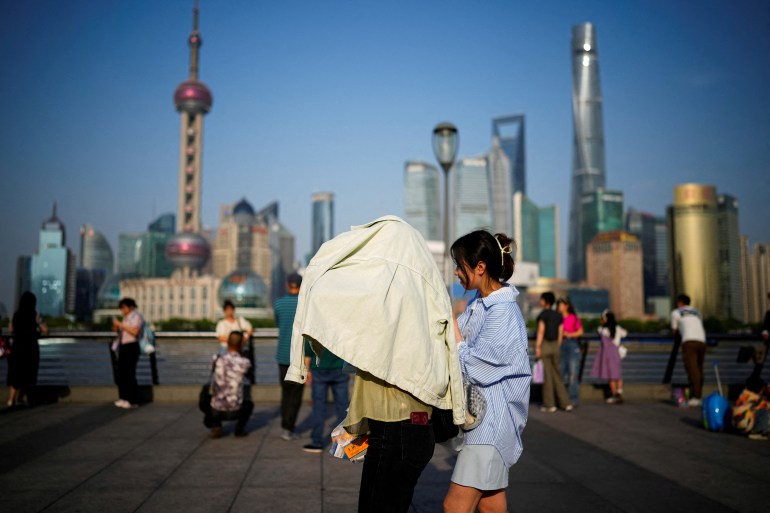
Harare, Zimbabwe – It was 2017 and Jo Stak – wearing a red tuxedo jacket, a bow tie and a homburg hat – was belting out a Mandarin song. Red and yellow lights shimmered around him as a crowd of cheering, flag-waving fans on the Chinese version of The Voice gave a standing ovation at the end of his act. Stak’s melodious rendition of a 1992 Chinese song called The World Needs Warm Hearts was broadcast on national television. “I was invited to perform at The Voice as a guest performer that year,” Stak recalls. The prime-time spot reflected how well-known he’d become in China. On Douyin, China’s version of TikTok, he had about five million followers. He’d appeared on some of the country’s biggest television stations. Fans stopped him on the street to ask for a photo or just have a chat. The Zimbabwean singer was riding high. “Being Black in China makes you stand out naturally,” he explains. “And I was a musician [so that] made me stand out more.” The people who stopped him were often impressed that a foreigner would sing in Mandarin. People walk along Shanghai’s Bund waterfront on a hot day [File: Aly Song/Reuters] Some ‘big deal’ Today, in the Zimbabwean capital of Harare, Joe Takawira – Stak’s real name – is an inconspicuous figure walking down a street in Budiriro 5, the working class suburb where he was born and raised. In 2019, after seven years in China, his work visa expired, and he returned home. Advertisement Sporting his signature beard, grey sweatpants, sneakers and a black T-shirt, he lights a cigarette. He saunters past street vendors selling fresh produce and condiments, stops at a corner to chat with a friend, then goes about his day. Whenever he runs into someone he knows, he greets them with a fist bump and a toothy grin. When he’s at home, Stak listens to instrumental music and writes songs in Mandarin. “This is how I spend my time in Budiriro,” he says, shrugging. It feels a long way from China and the career he enjoyed there. He has not found the same acclaim back home. Even his neighbours had no idea about his previous life. Clemence Kadzomba, who runs a tyre shop in Stak’s neighbourhood, had no idea who his neighbour was until some of his clients who were among the 20,000 Zimbabweans living in China recognised him. “I couldn’t believe it,” 43-year-old Kadzomba says, grinning. “They were so excited to see him, like he was some big deal. And yet, here he was, just hanging out with us like it was nothing.” Stak stands with fans outside a club in Shanghai in 2019 [Courtesy of Jo Stak] Unexpected journey to stardom Stak’s musical journey has its roots in the Methodist church-run school he attended as a teenager. He sang in his church choir, something he loved, and was part of a group of students who recorded a gospel album. The album did well, and some of the songs have close to a million views on YouTube. Music runs in his family, says Stak, the middle of three brothers. His older brother wrote songs at school while the youngest brother plays the piano. Advertisement After graduating, Stak enrolled to study Mandarin in China in 2012, motivated by his love for Chinese culture, which began as a boy watching Jackie Chan’s action films. He was 20 years old when he moved to Shanghai. This came at a time when Zimbabwe was pivoting away from the West with the late leader Robert Mugabe’s “Look East” policy, adopted in response to United States and European Union sanctions after a 2002 presidential election marred by violence. Mugabe opened Zimbabwe’s doors to Asia, leading to an influx of Chinese investment as more Zimbabweans headed to China to work or study. By 2014, Stak was proficient in Mandarin and started posting videos of himself singing in Mandarin to Douyin. “I wanted to explore music in a different language,” he explains as he lights a cigarette and sits back in his chair on the red-floored veranda of his house. He would sing R&B, hip-hop and pop songs in Mandarin and English and started to get booked for gigs. “My first gig was at Yuyingtang, a music bar in Shanghai,” he recalls. He says the venue wasn’t very big but he made $1,500 – enough to pay for his food and accommodation for months. That gig made him realise he could make money from his talent, and it marked the start of his career as a professional pop singer in China. After that, he played at music bars, festivals, weddings and nightclubs – performing mostly in Mandarin. Of the 37 songs he recorded, one was in the top 10 on the Chinese music streaming service Baidu Music. “It meant a lot to me,” Stak says excitedly, although it earned him only 5,000 yuan ($865). Advertisement Then in 2017, he joined the Foundation Band, a group of musicians from Africa, the US and Europe that performed Chinese and Western pop music and hip-hop at weddings and nightclubs. As the lead vocalist, he caught the attention of Chinese television networks, leading to performances on major stations. “I was surprised by my success in China,” Stak admits. Life there was good. His daily routine consisted mainly of “eating, singing and drinking”. His favourite dish was hotpot – a meal for which diners cook raw ingredients like seafood and tofu in a shared pot of broth at the table. “Even now, when I miss it, I go to Chinese restaurants,” he says. He’d perform at night, and during the day, he’d roam along Shanghai’s historic waterfront with its colonial-era architecture and rooftop bars. Stak made good money. “They pay artists well – I mean 1,000 US dollars minimum for a 10-minute show.” But he also felt accepted and at home in China, where he says the music industry welcomes foreign talent and invests in it. Unlike many
Tanzania’s main opposition Chadema party barred from upcoming elections
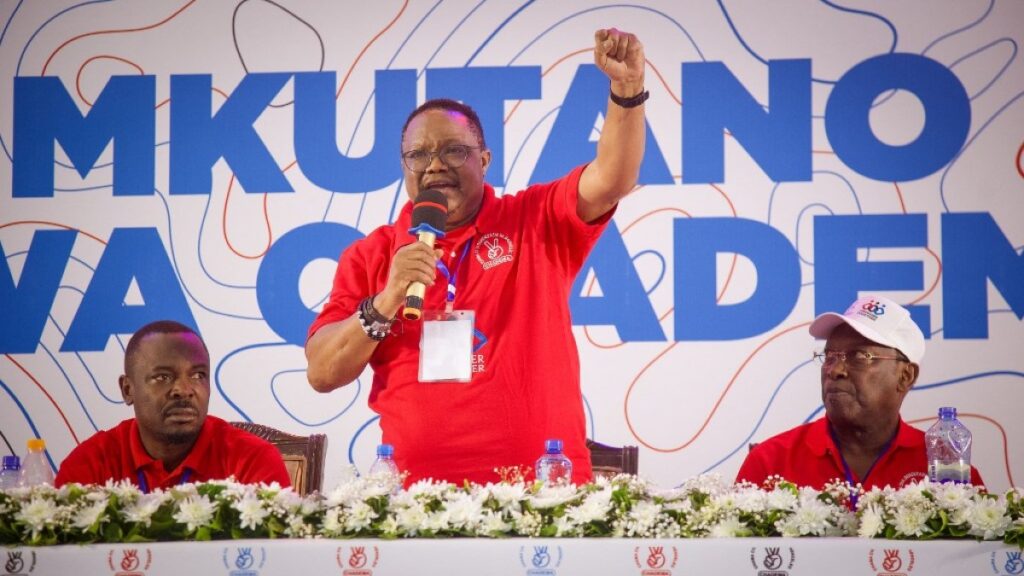
A treason charge and the exclusion of the main opposition draw attention before October polls in Tanzania. Tanzania’s electoral commission has barred the main opposition party, Chadema, from contesting presidential and parliamentary elections due to take place later this year. The Independent National Elections Commission (INEC) announced the decision on Saturday, stating that the party failed to sign a mandatory code of conduct agreement by the required deadline for the polls expected to take place in October. “Any party that did not sign the code of conduct will not participate in the general election,” said Ramadhani Kailima, the commission’s director of elections, adding that the disqualification extends to all by-elections until 2030. There was no immediate response from Chadema. The announcement comes days after Chadema leader Tundu Lissu was charged with treason, accused of inciting rebellion and attempting to stop the elections from going ahead. Prosecutors claimed he urged the public to take action against the vote, though he was not permitted to enter a plea. The charge carries the possibility of a death sentence. Advertisement Lissu, a former presidential candidate, has long been a vocal critic of the governing Chama cha Mapinduzi (CCM) party and its leader, President Samia Suluhu Hassan, who is seeking a second term. Chadema had already warned it would boycott the polls unless meaningful electoral reforms were introduced. Earlier on Saturday, the party confirmed it would not attend the signing ceremony for the electoral code of conduct, describing the move as part of its broader campaign to push for changes in how elections are conducted. The disqualification of Chadema and the treason case against its leader are expected to raise new questions about the state of democracy in the East African nation. Human rights organisations and opposition groups have accused the government of clamping down on dissent, citing a pattern of unexplained abductions and killings of political activists. President Hassan’s government has denied any role in these alleged abuses and maintains it is committed to upholding human rights. CCM has repeatedly rejected accusations of undermining the opposition or manipulating the electoral process. Adblock test (Why?)
Volkanovski beats Lopes; reclaims UFC featherweight title in front of Trump
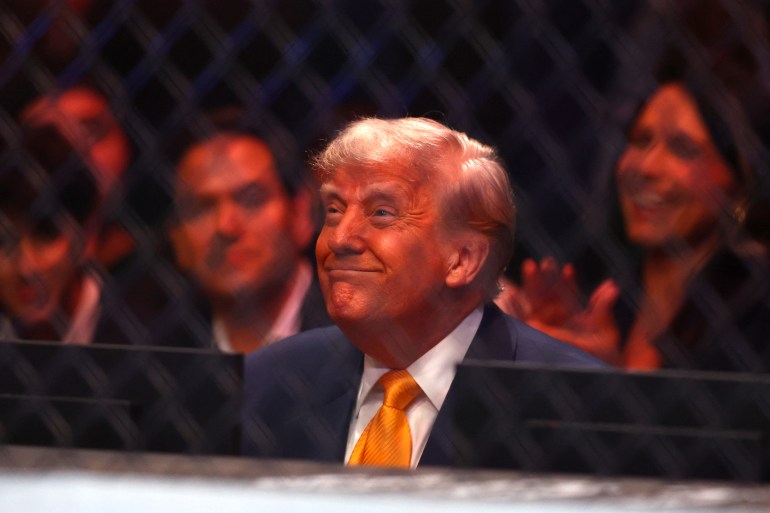
Alexander Volkanovski has reclaimed the Ultimate Fighting Championship (UFC) featherweight championship after defeating Diego Lopes by unanimous decision at UFC 314 in Miami, where United States President Donald Trump was in attendance. Two judges scored the fight 49-46 and the third had it 48-47 as the Australian mixed martial arts fighter won the title early Sunday. Volkanovski (27-4) had successfully defended his belt four times before losing to Israel Makhachev on February 11, 2023. “It’s good to be back,” Volkanovski said after the win. As for Lopes, he gave his full respect to the champion but wanted the crowd to know this was not the end of the journey. “It was an honour to share the Octagon with Alexander Volkanovski,” Lopes said. “I’ll be back.” Trump, a longtime friend of UFC President and CEO Dana White, as well as a fan of the sport, watched from the front row. Basketball legend Shaquille O’Neal approached Trump and shook his hand. Cabinet officials Tulsi Gabbard, Marco Rubio and Robert F Kennedy Jr also were in attendance as was X owner and White House adviser Elon Musk. US President Donald Trump attends UFC 314 at Kaseya Center in Miami, Florida [Megan Briggs/Getty Images via AFP] Volkanovski, despite getting cut below his right eye in the second and being floored by an overhand right in that round, dominated the first three rounds. But Lopes’s glove caught Volkanovski’s other eye in the fourth round and then pounced, but failed to put him away. Advertisement That set up the fifth round and, barring a knockout, Volkanovski appeared on his way to victory even though Lopes spent much of the fight verbally challenging him and inviting him to box. Theatrics to the contrary, Volkanovski was the aggressor. Volkanovski had hoped to get another shot at Ilia Topuria and avenge his loss from more than a year ago at UFC 298. But Topuria moved up to the lightweight division, leaving the featherweight class vacant. In stepped Lopes, the third-ranked challenger, to take on Volkanovski. This was the 10th consecutive title fight for the 36-year-old top-ranked contender Volkanovski. Lopes, 30, was in his first title bout. Volkanovski ended Lopes’s five-match winning streak. Volkanovski had plenty of reasons for wanting to get to work. He took an extended layoff after losing in February 2024 to Topuria. More than that, he was coming off defeats in three of his past four fights, including losing the two most recent matches. All four fights occurred in less than a year, so he was much more rested. Alexander Volkanovski (red gloves) ended Diego Lopes’s five-match winning streak with his title win during UFC 314 [Sam Navarro/Imagn Images via Reuters] In the co-main event, lightweight contender Paddy Pimblett continued this rise with a technical knockout of Michael Chandler after three minutes and seven seconds in the third round. Plimbett, a 30-year-old from Liverpool, United Kingdom, has won all seven of his bouts since moving to the organisation, giving him a 23-3 record overall. Advertisement “I want that world title,” Pimblett said. “Some say I’ll never be champ, I’ll never get run, I’ll never be in the top 10. But what now?” At nearly 39, Chandler has some decisions to make after winning just two of his most recent seven bouts. He is 23-10. Featherweight Bryce Mitchell, who fought for the first time since praising Adolf Hitler and denying the Holocaust on a podcast, was also on the card. He later backed off his comments, and though White heavily criticised Mitchell, he did not discipline him. Mitchell was little match for Jean Silva in their featherweight fight. Silva won by submission with a guillotine choke with a minute left in the second round. Adblock test (Why?)
Video: ‘Critical first step forward’ as first round of US-Iran talks end
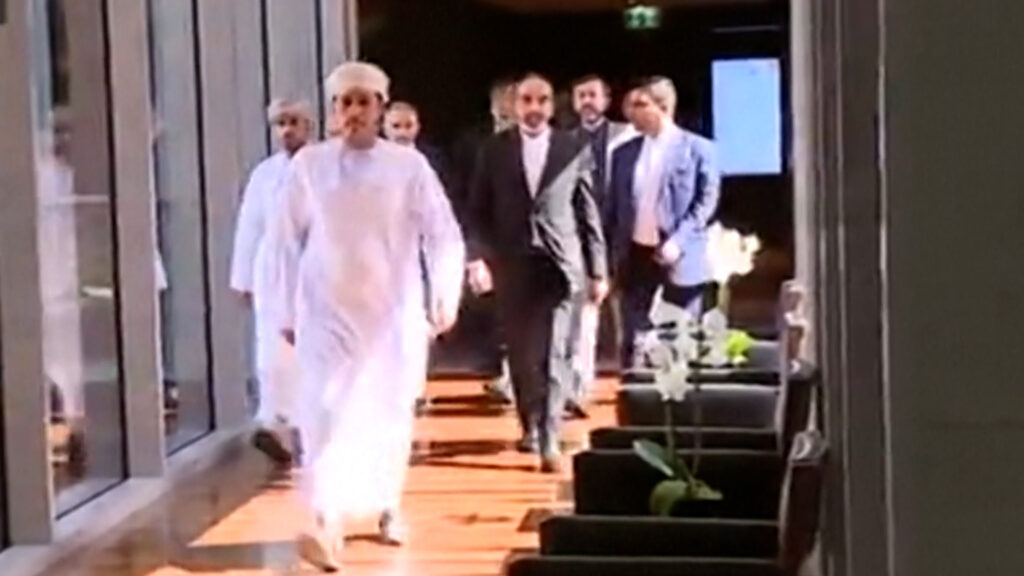
NewsFeed US-Iran talks on the nuclear issue and sanctions have ended with Iran describing the discussions as “constructive”. Al Jazeera’s Tohid Asadi said both sides will see this as a “critical step forward” with reports indicating they have agreed to continue negotiations next week. Published On 12 Apr 202512 Apr 2025 Adblock test (Why?)
Israel cuts off Rafah, issues new forced displacement orders for Gaza
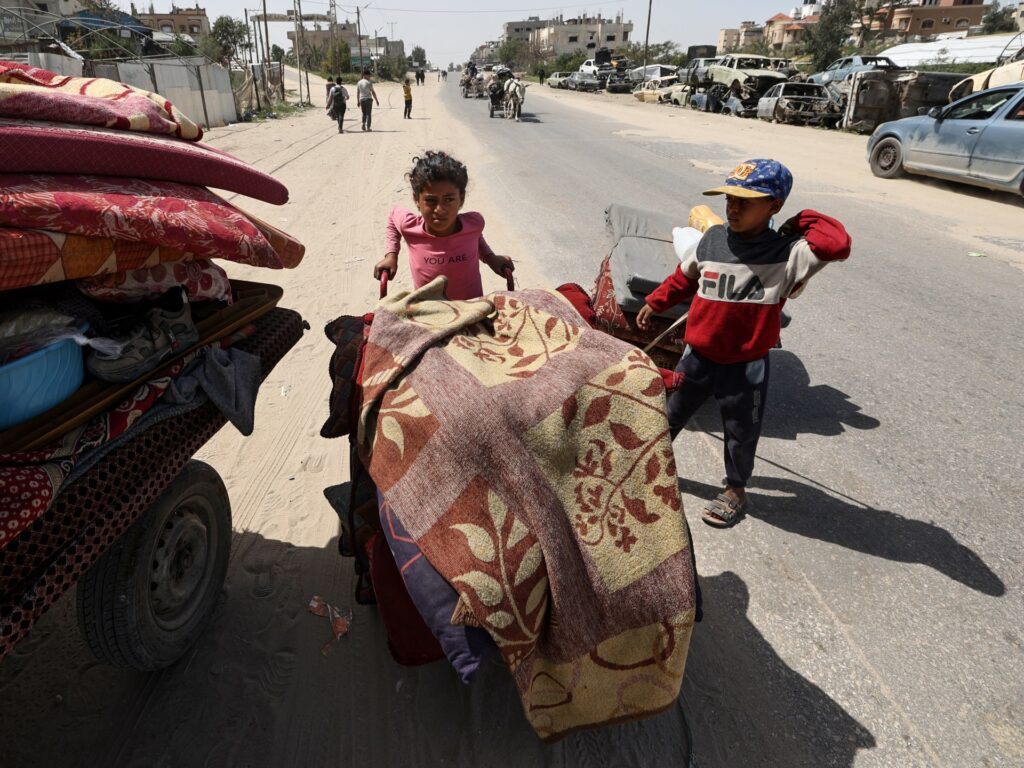
The army says it completed the Morag Corridor as it threatens to expand its operations to ‘most of Gaza’s territory.’ The Israeli military has said it completed the construction of what it calls the Morag Corridor, which cuts off the city of Rafah from the rest of Gaza, as it expanded its attacks on the southern part of the Strip. The Israeli army’s Arabic language spokesperson on Saturday issued new forced displacement orders for several neighbourhoods in Khan Younis, warning of an imminent attack “with great force” in response to alleged Hamas rockets fired at Israel from this area. Residents in Qizan an-Najjar, Qizan Abu Rashwan, al-Salam, al-Manara, al-Qurain, Maen, al-Batn al-Sameen, Jurt al-Lot, al-Fakhari and the southern neighbourhoods of Bani Suheila were ordered to leave their homes and proceed to al-Mawasi, on Gaza’s sea coast. The announcement came amid a barrage of drone attacks and artillery shelling on Khan Younis that killed at least two people. Israel’s Defence Minister Israel Katz said the Morag Corridor effectively turned Rafah into an “Israeli security zone” and added that the Netzarim Corridor, which divides the Strip in two, would also be expanded. Advertisement “Willful passage” will be granted for Palestinians who wish to flee Gaza, Katz said in a statement, mentioning again US President Trump’s plan to remove Palestinians from Gaza. Katz told Gaza’s besieged population he was offering them the “last chance to banish Hamas and release all hostages, stopping the war,” or else Israeli operations will spread to “most of Gaza’s territory”. Hamas issued a statement accusing Prime Minister Benjamin Netanyahu of prolonging the war despite repeated calls from within Israeli society to halt the conflict. “The equation is clear: the release of captives in exchange for a cessation of the war. The world accepts it, but Netanyahu rejects it,” it said. “The blood of Gaza’s children and the occupation’s prisoners are victims of Netanyahu’s ambitions to remain in power and to escape prosecution”. Al Jazeera’s Nour Odeh, reporting from Jordan’s capital Amman, said the Israeli defence minister had given Palestinians an ultimatum. “Topple Hamas and deliver the Israeli captives, Katz said, that’s the only way to end the war,” Odeh said. About 2.1 million Palestinians are now squeezed into about one-third of Gaza and no trucks carrying aid, food, cooking gas, or fuel have entered the Strip since Israel reimposed a blockade last month. Katz has publicly stated that, since breaking the ceasefire with Hamas on March 18, Israel’s goal has been to apply pressure on the civilian population, the correspondent added. Robert Geist Pinfold, a lecturer in international security at King’s College London, told Al Jazeera that while Israel says the creation of the Morag Corridor is purely operational and meant to constrain Hamas, it appears to be part of a longer-term Israeli strategy to control Gaza from afar. Advertisement “Israel has always sought to control the Gaza Strip, particularly to oversee what comes in and what comes out and ‘security’ over the territories, as Israel would call it,” he said. “These [Morag, Netzarim and Philadelphi] corridors are named after settlements, and the settlements did not appear there randomly. They were put there for this specific purpose: to cut off Gaza’s urban areas and give Israel the ability to squeeze the territory when and if it desires.” Adblock test (Why?)
UK steps in to save British Steel as nationalisation looms
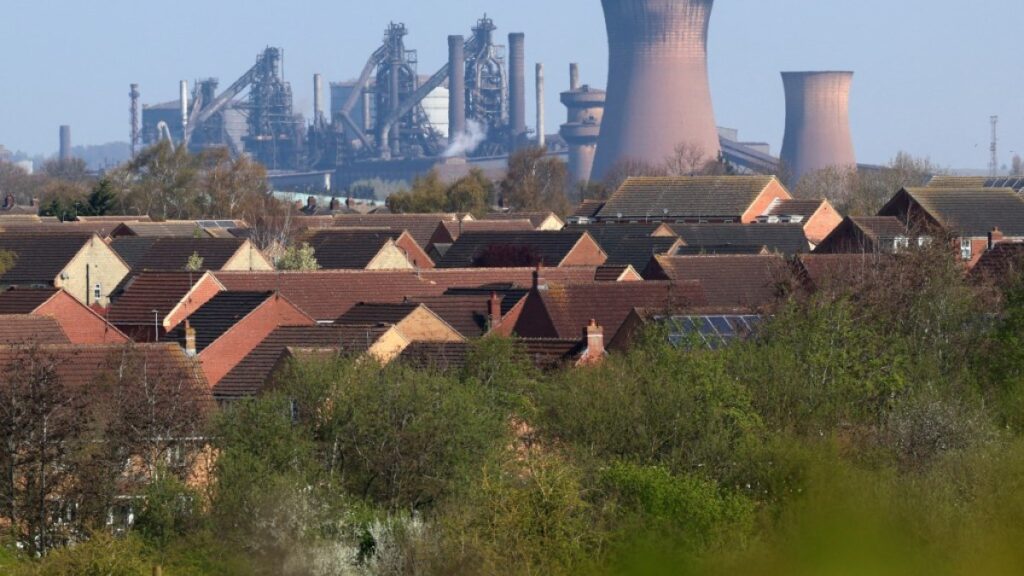
Intervention follows a breakdown in talks between the UK government and British Steel’s Chinese owner, Jingye Group. The UK government has taken effective control of British Steel in order to keep its blast furnaces running, after lawmakers approved an emergency rescue. With 3,500 jobs hanging in the balance, British ministers rushed to push through legislation on Saturday to allow the state to temporarily assume operational control. The intervention follows a breakdown in talks between the UK government and British Steel’s Chinese owner, Jingye Group, over plans to transition the firm to greener production methods. After the vote, British Prime Minister Keir Starmer travelled to the site, warning that the blast furnaces – losing $915,600 (700,000 pounds) a day – were on the brink of closure. “You and your colleagues for years have been the backbone of British Steel, and it’s really important that we recognize that,” Starmer said. “It’s your jobs, your lives, your communities, your families.” Lawmakers had been recalled from their Easter recess for the emergency Saturday sitting. Business Secretary Jonathan Reynolds told MPs that the new law would give the government power to manage operations, ensure workers are paid, and secure vital raw materials to keep the furnaces going. Advertisement Reynolds said a full state takeover was “increasingly likely” given the conduct of the firm’s current owners. “A failure to act today would prevent any more desirable outcome from even being considered,” he said. The bill passed the House of Commons unopposed. If nationalised, British Steel would become the UK’s largest state rescue since the 2008 banking crisis. The collapse of its Scunthorpe operations would leave the UK as the only G7 nation unable to produce virgin steel – made directly from raw materials like iron ore and coke. Already under pressure from a global supply glut and soaring energy prices, the company was further hit by new US tariffs of 25 percent, affecting 5 percent of its annual steel exports worth approximately $520m. Reynolds stressed that reliance on foreign steel would grow if the furnaces shutdown, and pledged to fight for their future while also pushing to lift US trade restrictions. The government has already pledged $3.2bn to support the steel sector and aims to unveil a long-term strategy in the coming months. Adblock test (Why?)
‘I didn’t go’: The last Muslim man in Indian town hit by religious strife
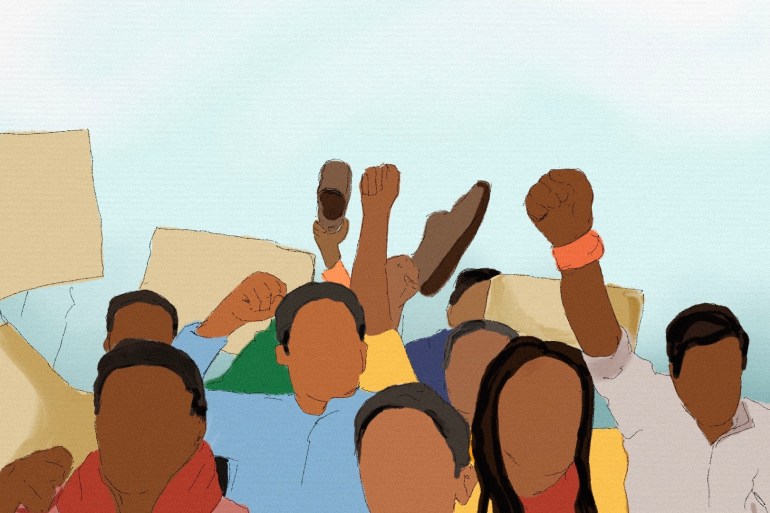
Nanda Nagar, Uttarakhand, India — Every morning at 8am, Ahamad Hasan pulls up the brown shutter of his dry-cleaning shop on the banks of the Nandakini river, which runs through the remote Himalayan town of Nanda Nagar in the northern Indian state of Uttarakhand. He neatly hangs dry-cleaned clothes in plastic covers on the pink walls of his shop. Then the 49-year-old waits for customers. Until September 2024, by lunchtime, he would have had between 20 and 25 customers come by, leaving their sherwanis, suits, coats, pants and winter wear. Some would sip a cup of tea with him while discussing politics and jokes, sharing their smiles and sorrows. Most of the customers were Hindu, a few, Muslim. But on this day, fewer than five Hindu customers visit his shop by noon. And he knows there’s no point waiting for a Muslim customer. Hasan is the last Muslim man in town. For generations, 15 Muslim families called Nanda Nagar home. It’s where Hasan was born and raised, where his family received invitations for Hindu festivals and hosted neighbours on Eid. He has collected wood for Hindu funeral pyres and shouldered the bodies of his Hindu friends. Advertisement That all changed last September in an explosion of anti-Muslim violence triggered by a Hindu girl’s allegation of sexual harassment, but rooted in a broader shift in sentiment against the minority community that Hasan had noticed since COVID-19. Hate-filled slogans and marches culminated in physical assaults against Muslims, as their shops were destroyed. Fearing for their lives, the town’s small Muslim community fled in the cover of night. Only Hasan returned, with his wife, two daughters and two sons, adamant that they could make it work in the only place he knew as home. But the family lives in fear. Their Hindu neighbours don’t speak to them. He no longer goes for walks along the river like he used to every evening. He does not let his kids and wife meet anyone. And he worries about more violence breaking out. “I just go to my shop and come back home. This is our life now,” Hasan says. “After spending my whole life in this town, I feel like I am a ghost. I am completely invisible. Nobody is even talking to me.” Hasan and other Muslims in Nanda Nagar were attacked after a protest march against an alleged act of sexual harassment by a Muslim barber [Jawaher Al-Naimi/Al Jazeera] ‘Beat Muslims with shoes’ Nanda Nagar is a 10-hour drive from India’s capital New Delhi. Located near the India-China border, the town is nestled at the confluence of the Nandakini’s tributaries, and has a population of about 2,000 people. The river Nandakini is one of the six tributaries of the Ganges river, and is considered holy by Hindus. Advertisement After Hasan’s grandfather migrated from Najibabad, a town in Bijnor district of neighbouring Uttar Pradesh state in 1975, their family settled in town. Hasan was born a year later. Life was largely peaceful, he recalls, until 2021. During the coronavirus pandemic, Muslims across India were vilified because of conspiracy theories spread by the Hindu far-right groups that accused the community of deliberately spreading the virus through their religious practices and by holding large gatherings. The far-right called it “Corona jihad”. Suddenly, Hasan felt his Hindu friends grow distant. “Before COVID-19, there used to be so many people in our home on Eid, and on Diwali we used to get so many invites from our friends. But after COVID, this stopped,” he says. But the events of September 1, 2024, were a tipping point. A week earlier, on August 22, a young Hindu pupil accused a Muslim barber, Mohammad Arif, of sexual harassment while he was opening his salon. The barber soon fled the town. On September 1, the town’s shopkeepers’ association decided to rally to condemn the alleged harassment of the pupil and demand police action. Hasan, along with other Muslims in the town, participated in the protest. “We went because otherwise the Hindus would allege that we support crimes committed by Muslims,” he recalls. However, the crowd soon started chanting anti-Muslim slogans, threatening violence. “As we were walking along with protesters, anti-Muslim slogans were raised such as ‘Mullon ke dalaalon ko … Joote maaro saalon ko’ [the pimps of Muslims should be beaten by shoes],” he says. As the rally reached the police station in Nanda Nagar, a group of protesters grabbed a 30-year-old Muslim man, Harun Ansari, and started beating him. Hasan said many Hindus justified Ansari’s beating by alleging that Muslims in town had helped the accused barber, Arif, to flee. Advertisement In a phone interview from Najibabad, where he moved after the assault, Ansari says that he received multiple injuries in his head. “I just remember being dragged by the crowd. After that nothing was visible to me,” he recalls. After Ansari was beaten, all the other Muslims, including Hasan, fled from the rally and locked themselves in their houses. A mob of hundreds of people came and started pelting their houses with stones. Hasan says the Muslim families kept calling the police for help. “But no one came.” He also called his Hindu friends. “They were not even picking up my call,” he says. The Muslim families stayed indoors until late evening when the mob went away. That night, as the clock crossed midnight, Hasan quietly made his way back to his shop, which is in front of his house. He saw that the shutter of his shop was broken and twisted. Dry-cleaned clothes were strewn across the street like confetti. The counter, a sturdy wooden table where he kept savings worth 400,000 rupees [$4,600] in a locked drawer, was shattered – the money stolen. He had saved that money for his children’s marriages. Fragments of the name board of his shop, The Hasan Drycleaners, were thrown like debris on the banks of the Nandakini. “I will never forget that day,” Hasan tells Al Jazeera, while showing photos of
Russia-Ukraine war: List of key events, day 1,143
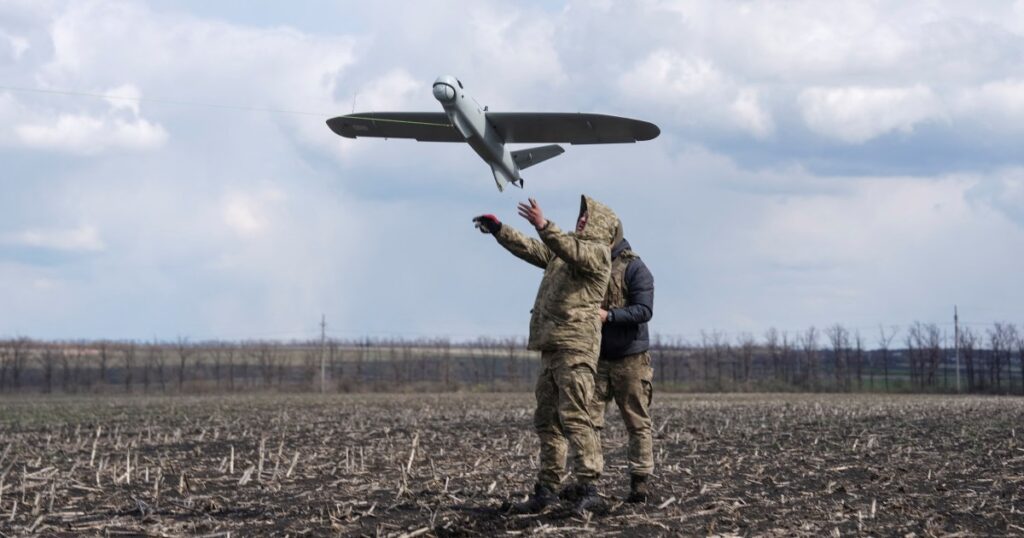
These are the key events on day 1,143 of Russia’s war on Ukraine. Here is where things stand on Saturday, April 12: Fighting Russia’s defence ministry said air defence units destroyed 13 Ukrainian drones within a span of 30 minutes late on Friday. The ministry said that between 10-10:30pm local time (19:00-19:30 GMT), nine drones were destroyed over Russia’s Rostov region on Ukraine’s eastern border, and four in the Kursk region on Ukraine’s northern border. Ukrainian President Volodymyr Zelenskyy visited the site of a deadly Russian attack on his hometown of Kryvyi Rih, one week after a Russian missile strike killed 19 people, including nine children and teenagers. Ukrainian officials have in recent days sent Washington a list of targets it believes Russia has struck in violation of the energy infrastructure ceasefire that Kyiv and Moscow agreed to last month as part of efforts by the United States to reach a ceasefire. Military analysts believe Russia is preparing to launch a new military offensive in the coming weeks to ramp up pressure and strengthen the Kremlin’s hand in ceasefire negotiations. Advertisement President Zelenskyy said that hundreds of Chinese nationals were fighting at the Ukraine front line alongside Russian forces, and accused Moscow of dragging Beijing into its invasion of his country. “As of now, we have information that at least several hundred Chinese nationals are fighting as part of Russia’s occupation forces,” Zelenskyy said. More than 100 Chinese citizens fighting for the Russian military against Ukraine are mercenaries who do not appear to have a direct link to China’s government, two US officials familiar with American intelligence and a former Western intelligence official told the Reuters news agency. Chinese military officers have, however, been in the theatre of war behind Russia’s lines with Beijing’s approval to draw tactical lessons from the war, officials told Reuters. Zelenskyy said that Ukraine was ready to purchase additional air defence systems, adding that he discussed it with US President Donald Trump. Ceasefire Talks between US special envoy Steve Witkoff and Russian President Vladimir Putin on Friday in Russia lasted more than four hours, with no concrete results disclosed. According to Russia’s Interfax news agency, Kremlin spokesman Dmitry Peskov did not rule out the possibility of another phone call between Putin and Trump following the discussions. Trump said in a post earlier on Truth Social: “Russia has to get moving. Too many people [are] DYING, thousands a week, in a terrible and senseless war – A war that should have never happened, and wouldn’t have happened, if I were President!!!” Russia has rejected a US-backed proposal for a 30-day unconditional ceasefire and appears to be dragging its feet on a more limited truce in the Black Sea agreed last month, analysts said. Advertisement German Defence Minister Boris Pistorius said on Friday, after presiding over a meeting of the Ukraine Defence Contact Group in Brussels alongside British Defence Secretary John Healey, that “ongoing aggression” from Russia meant “we must concede peace in Ukraine appears to be out of reach in the immediate future”. If a ceasefire is not achieved by the end of this month, Trump could impose additional sanctions on Russia, the US news site Axios reported, citing an anonymous source. Ukraine could be partitioned like Berlin after World War II, President Trump’s envoy to Kyiv, General Keith Kellogg, appeared to suggest as Russia continues to hold out on accepting a truce. In an interview with The Times newspaper, Kellogg said the country could be split into zones of control, with British and French troops as part of a “reassurance force” in the west and Moscow’s forces in the east. Between them would be Ukrainian forces and a demilitarised zone. Military Aid European countries have promised to send billions of dollars in further funding to help Ukraine keep fighting Russia’s invasion. Ukraine’s allies pledged a record 21 billion euros ($23.9bn) of military aid for the country, with the United Kingdom Defence Secretary Healey warning that 2025 was “the critical year” for the war. Estonian Defence Minister Hanno Pevkur said that his country is monitoring the world armaments market and sees opportunities for Ukraine’s backers to buy more weapons and ammunition. US Defense Secretary Pete Hegseth was absent from the Ukraine donor’s forum that the US established and led for several years, although he spoke to the meeting via video. Advertisement Sanctions A former Russian government minister who violated UK sanctions by receiving financial support from family members was sentenced to more than three years in prison in England. Dmitrii Ovsiannikov, who was appointed governor of Sevastopol in Russian-annexed Crimea by Putin, became the first person convicted of violating the sanctions put in place after the illegal annexation of Crimea from Ukraine in 2014. Estonia’s navy said it detained an oil tanker believed to belong to Russia’s “shadow fleet” in the Gulf of Finland in order to check its papers. Regional security A reduction in the number of US soldiers in Eastern Europe would be seen as Washington moving another step closer to Moscow and a worrying sign for Europeans, according to analysts. The NBC news channel, quoting US and European sources, said this week that the US Department of Defense was looking at the withdrawal of 10,000 troops from Europe. President Putin announced billions in investments for the rearmament of his country’s navy. “In the next decade, 8.4 trillion roubles [around $97bn] are earmarked for the construction of new boats and ships for the navy,” Putin said at a meeting on navy development in Saint Petersburg, according to Russian news agencies. Putin said the navy would develop drone and robot technology, and he claimed that 49 warships of various classes have been built in Russian shipyards in the past five years, including nuclear submarines that can be equipped with new Zircon hypersonic missiles. Russian Foreign Minister Sergey Lavrov sharply criticised European Union politicians against the backdrop of a rapprochement between the Kremlin and the new US administration. Politicians such as acting German Foreign Minister
Gabon’s first election after collapse of Bongo dynasty: What’s at stake?
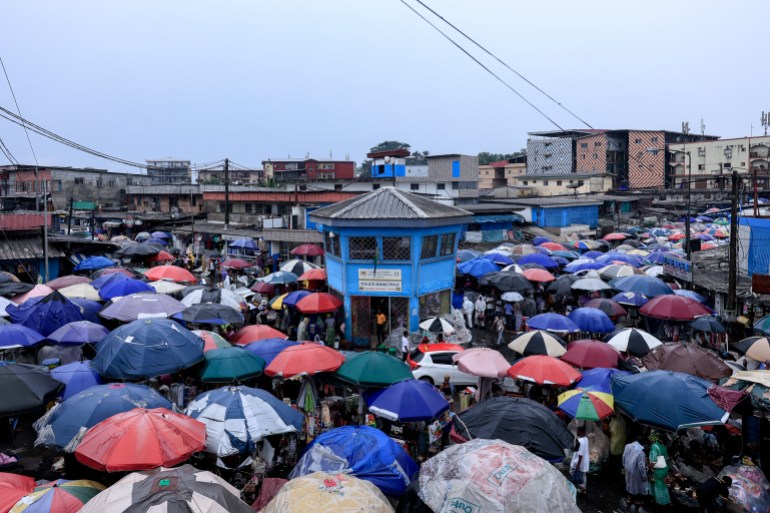
The small African nation of Gabon is voting on Saturday in its first executive elections since a military coup in 2023 ended the 50-year dynastic rule of the Bongo political family. Brice Clotaite Oligui Nguema, coup leader-turned-transition president, is the main candidate among four competitors and is widely expected to win the elections, despite controversial reforms he has put into place that experts say were tailored to make him eligible for the vote. Located in West-central Africa, on the Atlantic coast, Gabon is rich in extractives like crude oil. The country, with a population of 2.2 million, is also part of the vital Congo Basin and boasts millions of acres of rainforest replete with varieties of plant and animal species. However, those natural resources have not translated into any meaningful distribution of wealth, as one family and a small political elite have ruled the country for the past five decades. The opposition is weak, experts say; the press is largely toothless; and Gabonese are distrustful of politicians. Advertisement Located right on the equator, Gabon’s lingua franca is French, and local languages include Fang, Mbere and several others. Libreville, the breezy coastal capital, is the largest city, followed by the port town of Port-Gentil. Here’s what to know about the vote: General view of the Mont-Bouet market in Libreville on April 8, 2025. Gabon is voting Saturday to elect its future president 19 months after the August 2023 coup that overthrew the Bongo dynasty and brought General Brice Oligui Nguema, the clear favourite, to power [Daniel Beloumou Olomo/AFP] When is the vote — and how did Gabon get here? The presidential vote will be held in the country’s nine provinces on Saturday, April 12, from 7:30am to 6pm local time (06:30-17:00 GMT). Campaigns began on March 29 and will end on April 11. Voting is mandatory for adults. The election is being held several months before an August 2025 deadline the military initially announced after the August 30, 2023, coup that ended the rule of former President Ali Bongo Ondimba (2009 – 2023). The coup, part of a wave of military takeovers on the continent, occurred on the same day the results of presidential elections were released. Ondimba was declared the winner with 60 percent of the vote for a third term. The opposition, led by Albert Ondo Ossa of the Alternate Party, disputed the elections. Ondimba took over after the death of President Omar Bongo, his father (1967-2009). Between them, the father-son duo ruled Gabon for 56 years. Legislative elections have not been announced. Currently, the bicameral houses are staffed with representatives appointed by the military government. Advertisement Who is running? Four candidates, all male, have been approved by the electoral college. All are running independently. That’s because the candidates want to distance themselves from the former governing Gabonese Democratic Party (PDG), Douglas Yates, a professor at the American Graduate School in Paris, told Al Jazeera. The PDG has been in power since 1967 with little opposition and represents the only truly established party. Gabon Transitional President Brice Clotaire Oligui Nguema gestures at the Stade de l’Amitie in Libreville on March 29, 2025, during the opening rally of his electoral campaign [Nao Mukadi/AFP] Brice Clotaire Oligui Nguema (50): As head of the Royal Guard, Nguema led the coup that overthrew former President Ali Bongo, who is also his cousin, on August 30, 2023. The military general previously served as aide-de-camp to Omar Bongo before he was posted overseas to the embassies in Morocco and Senegal. He thereafter returned to lead the elite Royal Guard that protects the president, a post he kept until seizing power. Following the coup, Nguema promised to hand over to a civilian government within two years. He has been praised for moving rapidly towards that transition as opposed to military government counterparts in the West African countries of Mali, Niger, Burkina Faso and Guinea. He’s also managed to maintain ties with Gabon’s former colonial leader, France, while the others have actively cut ties with France. A new constitution affirming strict two-term limits was passed following a November referendum. Advertisement Nguema is promising to “lift” and transform Gabon economically. He has cleaned up his military image since the coup, sporting suave suits and T-shirts in his packed, colourful campaign rallies. In one, he was seen moonwalking on stage to loud applause from his supporters. Alain Claude Bilie-By-Nze (57): In a country where the opposition has historically been weak due to decades of elections widely viewed as rigged, Bilie-By-Nze poses the biggest challenge to Nguema. The career politician, unlike many of his more elite counterparts, comes from a low-income background. In 2015, he entered politics and went on to serve in several ministerial positions under Ali Bongo. He was prime minister until the 2023 coup. Backed by his Together for Gabon political group, Bilie-By-Nze has chosen a low-key door-to-door campaign in the lead-up to the election. He has tried to underplay his role in the previous government – even criticising the former ruling PDG party, which he was a part of until 2023. His promises of “another Gabon” include a focus on urban renewal, better health insurance and overall economic growth. However, experts say it is tough for many voters to trust him. “Despite his efforts to distance himself from his past, everybody knows that he was the last prime minister of Ali Bongo, and therefore is tarnished,” Yates said. A voter casts his ballot at a polling station during Gabon’s referendum in Libreville, on November 16, 2024 [Nao Mukadi/AFP] Stephane Germain Iloko Boussengui: The medical doctor, popularly known as Iloko, was once a spokesperson for the former ruling PDG party before its downfall in the coup. He formed the Together for Gabon group with By-Nze, but the two men clashed, leading to Iloko’s exit in March. Advertisement His rallies are colourful: In one campaign event in Libreville, Iloko wore traditional wrappers and danced with his supporters, who sported T-shirts with his photos on them. Despite his