

What did India and Pakistan gain – and lose – in their military standoff?
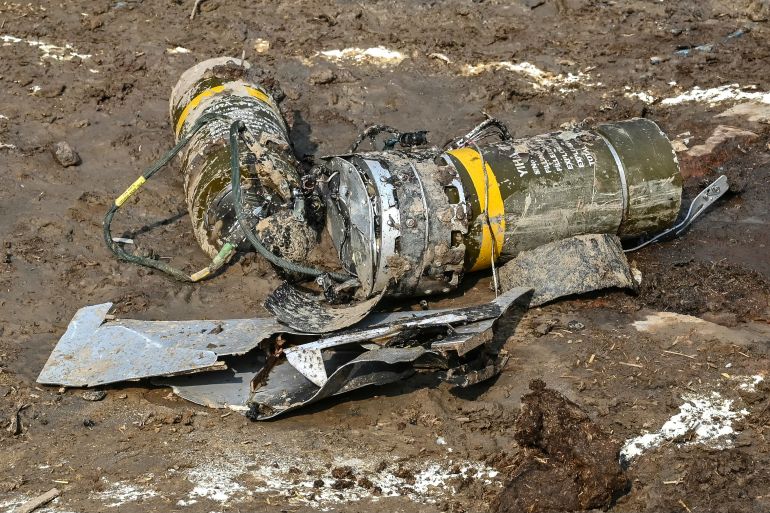
Islamabad, Pakistan – Four days after a May 10 ceasefire pulled India and Pakistan back from the brink of a full-fledged war following days of rapidly escalating military tensions, a battle of narratives has broken out, with each country claiming “victory” over the other. The conflict erupted after gunmen killed 26 civilians in Pahalgam, in Indian-administered Kashmir, on April 22. A little-known armed group, The Resistance Front (TRF), initially claimed responsibility, with India accusing Pakistan of backing it. Indian Prime Minister Narendra Modi promised retaliation, even though Pakistan denied any role in the attack. After a series of tit-for-tat diplomatic measures between the neighbours, tensions exploded militarily. Early on the morning of May 7, India fired missiles at what it described as “terrorist” bases not just in Pakistan-administered Kashmir, but also four sites in Pakistan’s Punjab province. In the following days, both sides launched killer drone strikes at each other’s territory and blamed one another for initiating the attacks. Advertisement Tensions peaked on Saturday when India and Pakistan fired missiles at each other’s military bases. India initially targeted three Pakistani airbases, including one in Rawalpindi, the garrison city which is home to the headquarters of the Pakistan Army, before then launching projectiles at other Pakistani bases. Pakistan’s missiles targeted military installations across the country’s frontier with India and Indian-administered Kashmir, striking at least four facilities. Then, as the world braced for total war between the nuclear-armed neighbours, US President Donald Trump announced a ceasefire, which he claimed had been mediated by the United States. Pakistan express gratitude to the US, even as India insisted the decision to halt fighting was made solely by the two neighbours without any third-party intervention. Since the announcement, both countries have held news conferences, presenting “evidence” of their “achievements”. On Monday, senior military officials in India and Pakistan spoke by phone, pledging to uphold the ceasefire in the coming days. However, analysts say neither side can truly claim to have emerged from the post-April 22 crisis with a definite upper hand. Instead, they say, both India and Pakistan can claim strategic gains even as they each also suffered losses. The debris of a drone lying on the ground after it was shot down by the Indian air defence system, on the outskirts of Amritsar, on May 10, 2025 [Narinder Nanu/AFP] Internationalising Kashmir: Pakistan’s gain The military standoff last week – like three of the four wars between India and Pakistan – had roots in the two countries’ dispute over the Kashmir region. Advertisement Pakistan and India administer different parts of Kashmir, along with China, which governs two narrow strips. India claims all of Kashmir, while Pakistan claims the part India – but not Islamabad’s ally China – administers. After the 1971 war between India and Pakistan, which led to the creation of Bangladesh, New Delhi and Islamabad inked the Simla Agreement, which, among other things, committed them to settling “their differences by peaceful means through bilateral negotiations”. Since then, India has argued that the Kashmir dispute – and other tensions between the neighbours – can only be settled bilaterally, without third-party intervention. Pakistan, however, has cited United Nations resolutions to call for the global community to play a role in pushing for a solution. On Sunday, Trump said that the US was ready to help mediate a resolution to the Kashmir dispute. “I will work with you both to see if, after a thousand years, a solution can be arrived at, concerning Kashmir,” the US president posted on his Truth Social platform. Walter Ladwig, a senior lecturer at King’s College London, said the latest conflict gave Pakistan a chance to internationalise the Kashmir issue, which had been its longstanding strategic goal. “Islamabad welcomed mediation from a range of countries, including the US, framing the resulting ceasefire as evidence of the need for external involvement,” Ladwig told Al Jazeera. By contrast, he said, India had to accept a ceasefire brokered externally, rather than ending the conflict on its own terms. Advertisement Sudha Ramachandran, the South Asia editor for The Diplomat magazine, said that Modi’s government in India may have strengthened its nationalist support base through its military operation, though it may have also lost some domestic political points with the ceasefire. “It was able to score points among its nationalist hawkish support base. But the ceasefire has not gone down well among hardliners,” Ramachandran said. Highlighting ‘terrorism’: India’s gain However, analysts also say the spiral in tensions last week, and its trigger in the form of the Pahalgam attack, helped India too. “Diplomatically, India succeeded in refocusing international attention on Pakistan-based militant groups, renewing calls for Islamabad to take meaningful action,” Ladwig said. He referred to “the reputational cost [for Pakistan] of once again being associated with militant groups operating from its soil”. “While Islamabad denied involvement and called for neutral investigations, the burden of proof in international forums increasingly rests on Pakistan to demonstrate proactive counterterrorism efforts,” Ladwig added. India has long accused Pakistan of financing, training and sheltering armed groups that support the secession of Kashmir from India. Pakistan insists it only provides diplomatic and moral support to Kashmir’s separatist movement. Planes down may be Pakistan’s gain India claimed that its strikes on May 7 killed more than 100 “terrorists”. Pakistan said the Indian missiles had hit mosques and residential areas, killing 40 civilians, including children, apart from 11 military personnel. Advertisement Islamabad also claimed that it scrambled its fighter planes to respond and had brought down multiple Indian jets. India has neither confirmed nor denied those claims, but Pakistan’s military has publicly shared details that it says identify the planes that were shot down. French and US officials have confirmed that at least one Rafale and one Russian-made jet were lost by India. Indian officials have also confirmed to Al Jazeera that at least two planes crashed in Indian-administered territory, but did not clarify which country they belonged to. With both India and Pakistan agreeing that neither side’s jets had crossed their frontier,
India expels Pakistan diplomat as war of words simmers in place of fighting
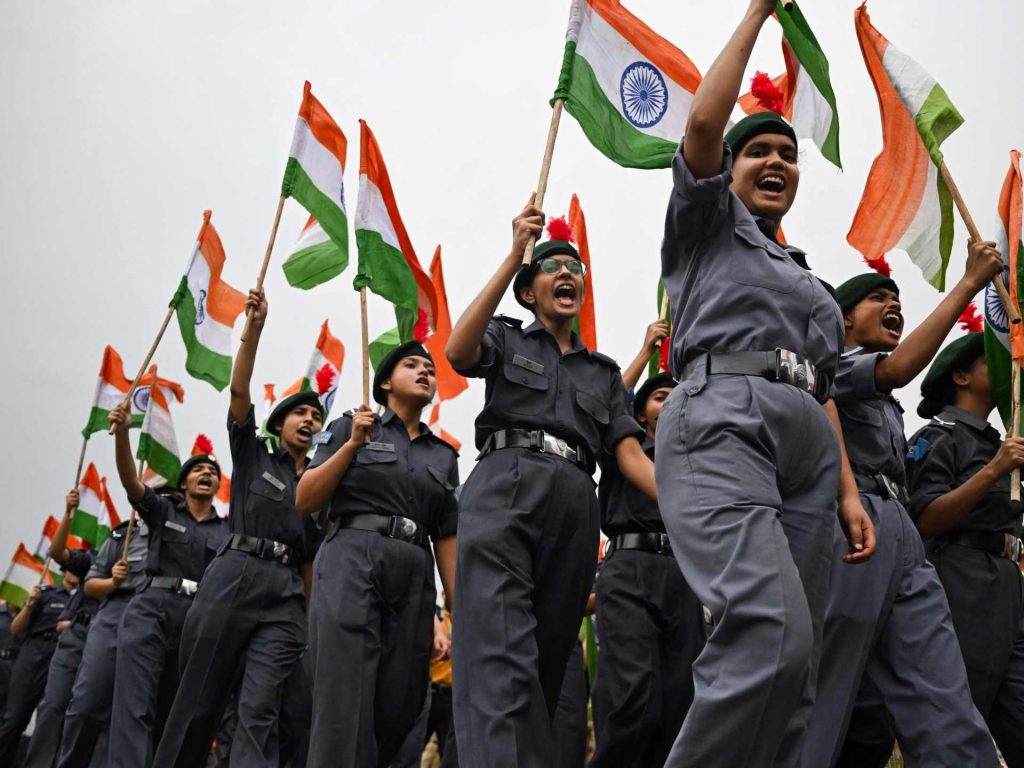
Pakistan reiterates its commitment to the ceasefire but warns it will respond forcefully to any future Indian attacks. India has ordered a Pakistani diplomat to leave the country within 24 hours as tensions simmer in the wake of heavy military exchanges between the nuclear-armed neighbours before a ceasefire was agreed last week. The unnamed official, stationed at Pakistan’s embassy in New Delhi, was accused by India’s Ministry of External Affairs on Tuesday of “indulging in activities not in keeping with his official status”. The move comes after a brief but intense military confrontation last week that threatened to erupt into the fifth full-scale war between the two countries. While the truce brought a temporary halt to cross-border missile and drone strikes, sporadic skirmishes continue along the Line of Control (LoC), the de facto border in disputed Kashmir, a region claimed by both nations. On Tuesday, Pakistan reiterated its commitment to the ceasefire but warned it would respond forcefully to any future attacks. The statement came after Indian Prime Minister Narendra Modi warned in his first national address since the truce that India would strike “terrorist hideouts” across the border if provoked again. Advertisement The ultranationalist Hindu leader added that India “only paused” its military action against Pakistan. Modi’s remarks were swiftly condemned by Pakistan’s Ministry of Foreign Affairs, which called them “provocative and inflammatory”. “At a time when international efforts are being made for regional peace and stability, this statement represents a dangerous escalation,” it said. “Pakistan remains committed to the recent ceasefire understanding and taking necessary steps towards de-escalation and regional stability,” the statement continued, adding that any future aggression would receive a response. The conflict ignited after a deadly April 22 shooting attack in the Pahalgam area of India-administered Kashmir, where 25 Indian tourists and one Nepalese visitor were killed. India accused Pakistan’s government of links to the attacks – an accusation Islamabad strongly denied. India launched strikes on what it called “terrorist infrastructure” in Pakistan and Pakistan-administered Kashmir. According to Islamabad, 40 civilians and 11 Pakistani military personnel were killed in last week’s violence. India said at least 16 civilians and five Indian soldiers were killed. The fighting marked the most severe exchange between the two countries in nearly 30 years and ended only after sustained diplomatic pressure. On Monday, India said it held a rare phone call with Pakistan’s military leaders, agreeing to uphold the ceasefire and explore ways to de-escalate the conflict. Fragile ceasefire Despite the ceasefire, sporadic violence continued on Tuesday with Indian forces reporting a gun battle in southern Kashmir’s Shopian district. The army said three suspected fighters were killed in a “search and destroy” operation launched on intelligence input. Advertisement On Tuesday, Modi visited Adampur airbase near the border and reiterated India’s stance in a speech to air force personnel. “We will not differentiate between the government sponsoring terrorism and the masterminds of terrorism,” he said. “We will enter their dens and hit them without giving them an opportunity to survive.” Meanwhile, both sides have taken a series of retaliatory diplomatic and economic measures. India has suspended most visa services for Pakistani nationals, halted bilateral trade and announced its intention to unilaterally suspend the Indus Waters Treaty, a World Bank-brokered water-sharing agreement in place since 1960 that is critical for farming. In response, Pakistan banned visas for Indians, closed its airspace to Indian aircraft and imposed a reciprocal trade embargo. Adblock test (Why?)
US reality TV star Kim Kardashian testifies about Paris robbery
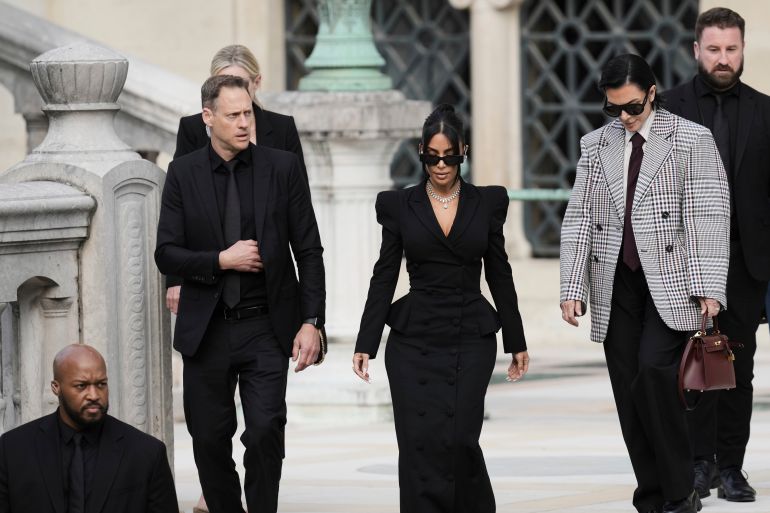
Reality TV star and business mogul Kim Kardashian has testified before a French courtroom about her experience getting robbed at gunpoint in a Paris hotel. Taking the witness stand on Tuesday, Kardashian confronted the suspects accused of tying her up and taping her mouth shut on October 3, 2016, while they stole more than $6m in jewellery. The case concerns a group of about a dozen suspects known in French media as “les papys braqueurs”: the grandpa robbers. The group, many in their 60s and 70s, are part of a crime ring, according to prosecutors. One has died since the robbery took place, while the charges against another have been dismissed due to health concerns. But Kardashian recounted the terror she felt as members of the group burst into her hotel room after a night at the Paris Fashion Week. “We were leaving the next morning, so I was just packing up,” Kardashian said. “It was around three in the morning. I heard stomping up the stairs when I was in bed.” She explained that she figured it was her older sister, Kourtney Kardashian, returning to the hotel room. But instead, it was a group of armed men, dressed as police officers and wearing balaclavas. Advertisement Waving a gun at her, one of the men asked her to surrender her $4m engagement ring, a gift from her then-husband Kanye West, a rapper now known as Ye. “Then I heard one of the gentlemen forcefully say ‘Ring! Ring!’ in English, with an accent, pointing,” she said. At one point, she said the robbers threw her onto the hotel bed. She was wearing a bathrobe at the time. “I was certain that was the moment that he was going to rape me,” Kardashian explained. “I absolutely did think I was going to die.” Her mind flashed to the idea of her sister coming home to find her body, she added. “I thought about my sister, thought she would walk in and see me shot dead and have that memory in her forever.” But the robbers proceeded to restrain her with zip ties and duct tape. They told her she would be safe so long as she remained quiet. “I have babies,” Kardashian, a mother of four, remembered thinking. “I have to make it home. They can take everything. I just have to make it home.” Eventually, she was locked in the hotel room’s marble bathroom while the robbers made their escape. During her testimony, she explained that the suspects did not beat her during the attack. “I was grabbed and dragged into the other room and thrown onto the floor, but wasn’t hit, no,” she said. Kim Kardashian, centre, leaves a Paris courtroom accompanied by her mother Kris Jenner on May 13 [Aurelien Morissard/AP Photo] Eventually, Kardashian said she was able to use the bathroom sink to loosen the restraints on her hands. She hobbled downstairs, where she met with her stylist Simone Harouche, who had locked herself in a bathroom one floor below to call for help during the attack. Advertisement “She was beside herself. I’ve never seen her like that before,” Harouche said of Kardashian. “She just was screaming and kept saying, ‘We need to get out of here. We need help. What are we going to do if they come back?’” The attack prompted the entertainment industry to adopt new procedures around security and social media posts, including through the delayed publication of certain images that might help robbers identify targets and locations. Some critics, however, blamed Kardashian herself for her luxurious lifestyle and lack of on-hand security. The controversial fashion designer Karl Lagerfeld, for instance, was quoted by the Reuters news agency as questioning Kardashian’s habit of posting photos of herself on social media. “You cannot display your wealth and then be surprised that some people want to share it with you,” the late designer said. That kind of commentary has sparked its own backlash, with some denouncing it as victim-blaming. Still, Judge David De Pas in Paris asked those involved if they had not made themselves targets. “Just because a woman wears jewellery, that doesn’t make her a target,” Harouche said. “That’s like saying that because a woman wears a short skirt that she deserves to be raped.” Kardashian added that she had a bodyguard in a separate hotel. “We assumed that, if we were in a hotel, it was safe, it was secure,” she said. She added that she now keeps five or six guards around her. She also blamed the Paris attack for prompting a copycat robbery at her Los Angeles house. Advertisement “I started to get this phobia of going out,” Kardashian said. “This experience really changed everything for us.” Tuesday’s appearance is expected to be the only time Kardashian testifies in the criminal case, which includes 10 defendants: nine men and one woman. Five of the men face armed robbery and kidnapping charges that could result in life imprisonment. Others face lesser charges of being accomplices or possessing unauthorised firearms. Prosecutors say the ringleader in the group was a 69-year-old man named Aomar Ait Khedache, nicknamed “Omar the Old”. He wrote a letter of apology that was read aloud in the court. “I do appreciate the letter, for sure. I forgive you,” Kardashian replied, looking at Khedache. “But it doesn’t change the feelings and the trauma and the fact that my life was forever changed, but I do appreciate the letter, thank you.” Adblock test (Why?)
Medical professionals must speak out and act on Gaza now
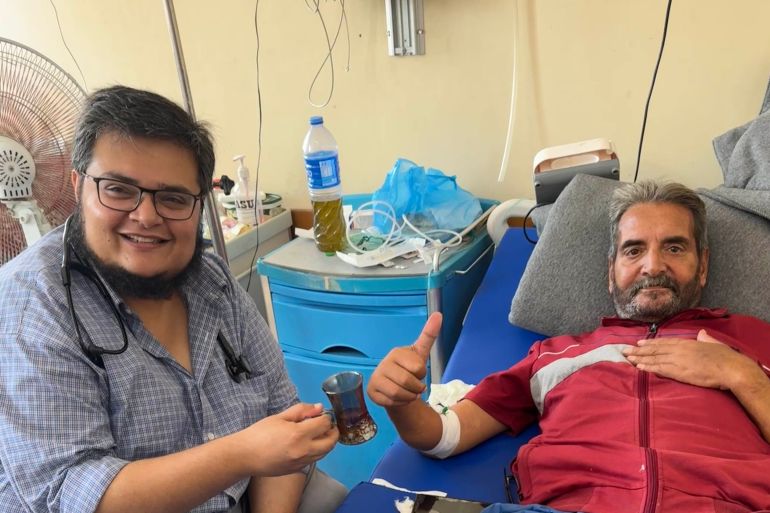
I had closely followed the genocidal war in Gaza for nine months when an opportunity came around to volunteer as part of a medical mission organised by the United Nations, World Health Organization and the Palestinian American Medical Association. As a trained nephrologist, a doctor who treats patients with kidney disease, I felt there was a critical need for specialised medical care amid the collapse of the healthcare system in Gaza and the high number of medical specialists who had been killed. I also felt it was my duty as a Muslim to help the people of Gaza. Islam teaches us that whoever saves one life, it is as if he had saved all of humanity; taking care of others is an act of worship, and standing up against injustice is a moral obligation. I believe my degrees are not meant to simply hang on the walls of an air-conditioned office or help me drive the nicest car or live in an expensive neighbourhood. They are a testament to the fact that I have taken an oath to dedicate my expertise to the service of humanity, to maintain the utmost respect for human life and to offer my medical knowledge and compassion to those in need. Advertisement So on July 16, I departed for Gaza with a few other medics. We entered the strip through the Karem Abu Salem crossing. We went from observing the prosperity, comfort and wealth of the Israeli side to recoiling at the destruction, devastation and misery of the Palestinian side. We basically saw what apartheid looks like. On our short trip through southern Gaza to reach our destination in Khan Younis, we saw many buildings bombed, damaged or destroyed. Homes, schools, shops, hospitals, mosques – you name it. The amount of rubble was sickening. To this day, I can’t unsee the landscapes of destruction I witnessed in Gaza. We were accommodated in Al-Nasser Hospital because it was too dangerous to stay at any other place. We were welcomed and cared for so much that I felt embarrassed. We were seen as saviours. I treated patients with kidney problems, worked as a primary care physician and sometimes helped during mass casualty events in the emergency room. The author with one of his patients at Al Nassar Hospital in Khan Younis, Gaza Strip [Courtesy of Talal Khan] Dialysis requires clean water, sterile supplies, reliable electricity, medications and equipment that must be maintained and replaced – none of which was guaranteed under the Israeli blockade. Each dialysis session was a challenge. Every delay increased the risk of my patients dying. Many of them did die – a fact I struggled to accept, knowing that under normal circumstances, many of them could have been saved and lived normal lives. Advertisement I remember the smiling face of one of my patients, Waleed, a young man who suffered from kidney failure caused by early-onset high blood pressure, a condition that, with access to proper treatment, could have been managed appropriately. Dialysis was Waleed’s lifeline, but he couldn’t get an adequate number of sessions due to the Israeli blockade causing severe shortages of medical supplies. Malnutrition and worsening living conditions only accelerated his decline. I remember how short of breath he was, his body overloaded with fluid and his blood pressure dangerously high. And yet, every time I saw him, Waleed greeted me with a warm smile, his spirit somehow intact, his mother always by his side. A few months after I left Gaza, Waleed passed away. Another patient of mine was Hussein, a gentle, kind-hearted, deeply respected man. His children cared for him with love and dignity. He suffered from severe hypokalaemia and acidosis: His body’s potassium levels were dangerously low, and acid built up to toxic levels. To address his condition, he needed basic medications: potassium supplements and sodium bicarbonate pills. These were simple, inexpensive, life-saving medicines, and yet, the Israeli blockade did not allow them in. Because he could not find these pills, Hussein was hospitalised multiple times for intravenous potassium supplementation. Despite his immense suffering, Hussein remained gracious, brave and full of faith. When speaking, he always repeated the phrase Alhamdulillah (praise be to God). He passed away a few weeks ago, I was told. Waleed and Hussein should be here – smiling, laughing, living happily with their families. Instead, they became casualties of siege and silence. These are two of so many tragic stories I know of and I witnessed. So many beautiful lives that could have been saved were lost. Despite this grim reality, my colleagues in Gaza continue to do their utmost for their patients. Advertisement These are medics who are bruised in every way. They are not only battling the daily struggles of life like all other Palestinians in Gaza but also witnessing daily horrors of headless babies, amputated limbs, fully burned human beings and sometimes the lifeless remains of their own loved ones. Imagine working with no anaesthesia, limited pain medications, very few antibiotics. Imagine surgeons scrubbing with plain water, children undergoing amputations with no sedation, full-body burns patients’ dressings being changed with no pain relief. Still these healthcare heroes just keep going. One of the nurses I worked with, Arafat, made a deep impression on me. He was living in a makeshift shelter with multiple family members. It offered no protection against the elements – the cold winter, the scorching heat or the drenching rain. He starved – like all other Palestinians in Gaza – losing 15kg (33lb) in nine months. He walked 2km to 3km (1 to 2 miles) every day to work with worn-out sandals, facing the danger of Israeli drones bombing or shooting him in the street. And yet, the smile never left his face. He took care of more than 280 dialysis patients, treating them with care, attentively listening to their anxious families and uplifting his colleagues with light humour. I felt so small next to heroes like Arafat. His and his colleagues’ resilience and persistence were
Trump says US to lift Syria sanctions, ending years of Washington’s policy
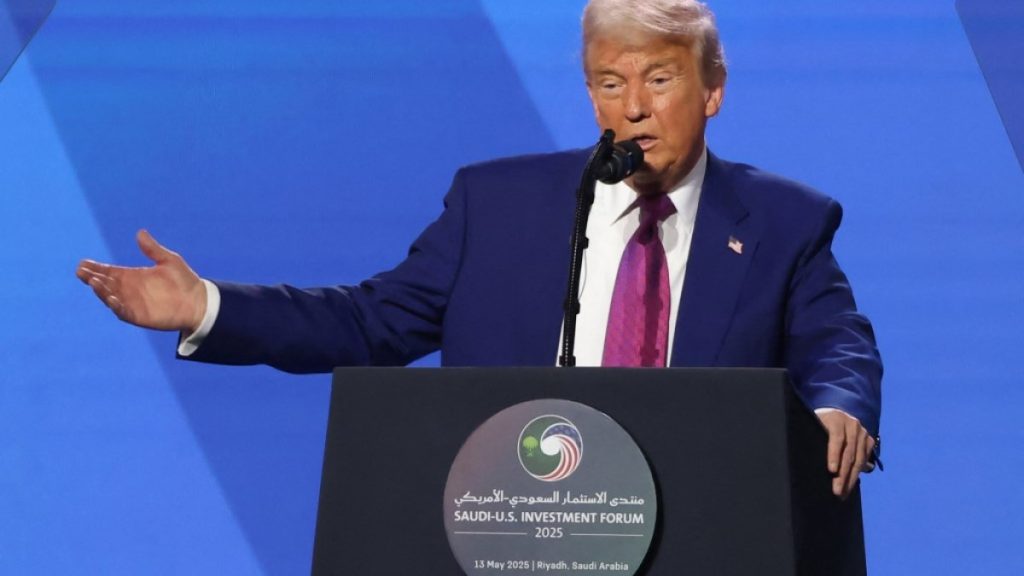
United States President Donald Trump has announced that he will lift all sanctions on Syria, declaring that it was time for the country to “move forward”, giving a nation devastated by years of ruinous civil war a crucial opening in reviving its shattered economy. Speaking at an investment forum in Saudi Arabia’s Riyadh during his Middle East tour on Tuesday, Trump said the punitive measures had achieved their “purpose” and were no longer needed. “I will be ordering the cessation of sanctions against Syria in order to give them a chance at greatness,” he said. “It’s their time to shine. We’re taking them all off”. The president ended his remarks with a direct message to Damascus: “Good luck, Syria. Show us something very special.” The announcement marks a dramatic shift in Washington’s yearslong policy towards Syria, where sanctions targeted ousted President Bashar al-Assad’s government during years of war, and the country at large over its crackdown on dissent and human rights abuses during that nearly 14-year period. Advertisement Syrians suffered hundreds of thousands of deaths, and millions were displaced during the war. “There’s a new government that will hopefully succeed in stabilising the country and keeping peace,” Trump said in Riyadh, referring to the interim government led by President Ahmed al-Sharaa. Trump noted that US Secretary of State Marco Rubio will meet Syria’s Foreign Minister Asaad al-Shaibani in Turkiye later this week, and says his decision to end the sanctions was influenced by conversations with Saudi Arabia’s Crown Prince Mohammed bin Salman (MBS) and Turkish President Recep Tayyip Erdogan. Al-Shaibani welcomed the announcement, calling it a “a pivotal turning point for the Syrian people as we move toward a future of stability, self-sufficiency, and true reconstruction after years of devastating war”, according to the state-run SANA news agency. Key obstacle removed, but others remain The sanctions relief will be welcomed by al-Sharaa’s government, which also says it wants to transition away from the corrupt system that gave al-Assad loyalists privileged access to government contracts and kept key industries in the hands of the al-Assad family and its Alawite base. Omar Rahman, a fellow at the Middle East Council on Global Affairs, says that while it is important not to overestimate the significance of Trump’s promise to lift sanctions on Syria, it is an important step in the future of a nation devastated by years of war. “It takes away a key obstacle in their ability to establish some kind of economic development, economic prosperity,” he told Al Jazeera. “But there are plenty of other obstacles and challenges the country is facing.” Advertisement Rahman said that Saudi Arabia helped push the US towards its decision to drop sanctions. “I think the United States was really dragging its feet on sanctions – they wanted to use it as leverage in order to push other policies in Syria,” he said, adding that besides Saudi Arabia, Qatar and the United Arab Emirates were also pushing for this pivotal outcome. “This wasn’t something that was too difficult for Trump to do,” Rahman added. “He didn’t need to get permission from anybody. He didn’t even need consent from Congress.” Syria’s new government has sought to rebuild the country’s diplomatic ties, including with international financial institutions. It also counts on wealthy Gulf Arab states to play a critical role in financing the reconstruction of Syria’s war-ravaged infrastructure and reviving its economy. Saudi Arabia and Qatar announced in April that they will settle Syria’s debt to the World Bank totalling roughly $15m. The United Kingdom has also removed its sanctions on 12 Syrian government entities, including the Ministries of Defence and Interior and the General Intelligence Directorate. But military attacks persist. Israel has carried out multiple air strikes in Syria since al-Assad’s removal. The country’s presidency denounced an Israeli attack near the presidential palace in Damascus as a “dangerous escalation” earlier this month. Tensions between Israel and Syria soared after the Israeli government accused the Syrian authorities of failing to protect the country’s Druze minority. Advertisement The Syrian government and Druze came to an agreement after days of violence, the latter saying they did not need Israel’s intervention or protection. Israel has previously called Syria’s interim government a “terror group from Idlib that took Damascus by force”. Decades needed to recover A February report by the United Nations Development Programme (UNDP) estimated that at current growth rates, Syria would need more than 50 years to return to the economic level it had before the war, and it called for massive investment to accelerate the process. The UNDP study said nine out of 10 Syrians now live in poverty, one-quarter are jobless and Syria’s gross domestic product (GDP) “has shrunk to less than half of its value” in 2011, the year the war began. Syria’s Human Development Index score, which factors in life expectancy, education and standard of living, has fallen to its worst level since it was first included in the index in 1990, meaning the war erased decades of development. The UNDP report estimated that Syria’s “lost GDP” during the 2011-2024 war to be about $800bn. Adblock test (Why?)
Will budget cuts cause the end of the UN as we know it?
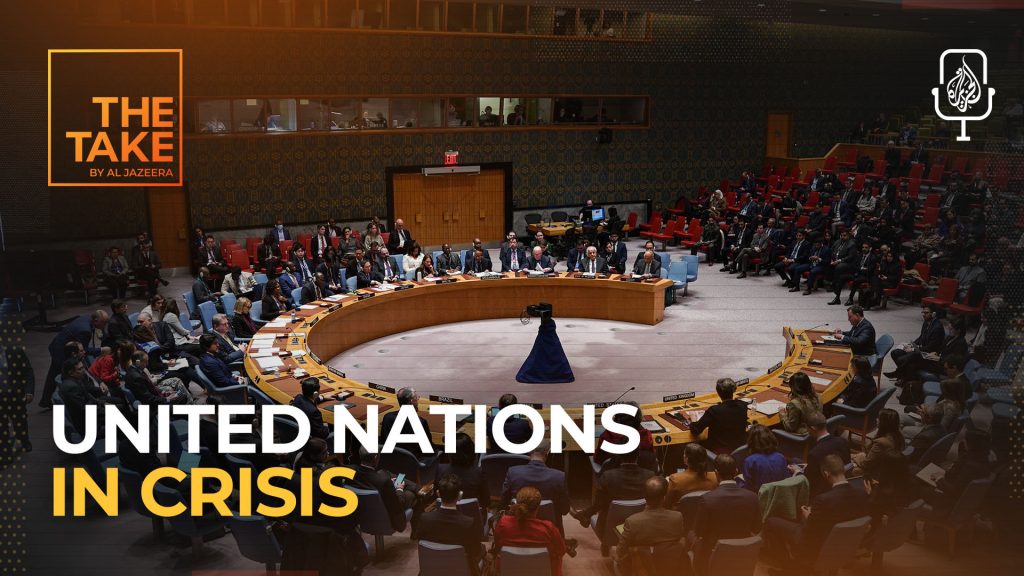
The UN faces a historic crisis as aid is slashed, staff are laid off, and millions worldwide risk losing urgent support. United Nations agencies are facing an unprecedented financial crisis, with the United States abruptly pulling aid, European contributions shrinking, and global budgets shifting to defence. Deep cuts, mass layoffs and sweeping reforms are under way, jeopardising food, shelter and other aid for millions around the world. How can the UN adapt to survive? Adblock test (Why?)
Diddy’s lawyers downplay “suggestion of sex-trafficking”
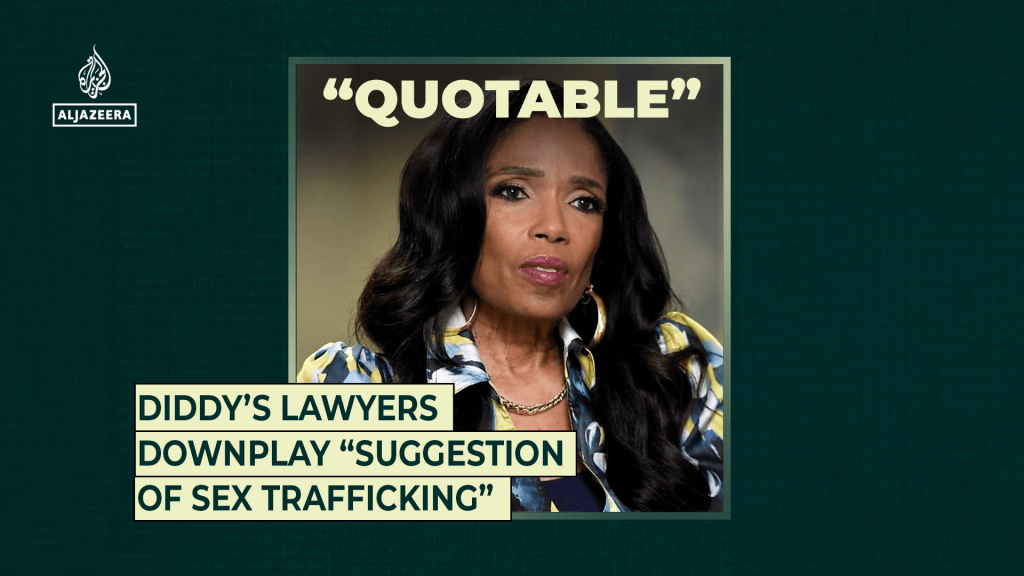
Attorney Areva Martin breaks down Diddy’s first court day, analysing the proceedings and key evidence presented so far. Areva Martin, an attorney and legal affairs commentator, breaks down Diddy’s first day in court, offering insights into the proceedings and the key evidence presented against him so far. Adblock test (Why?)
US and Saudi Arabia agree to $142bn weapons sale during Trump visit
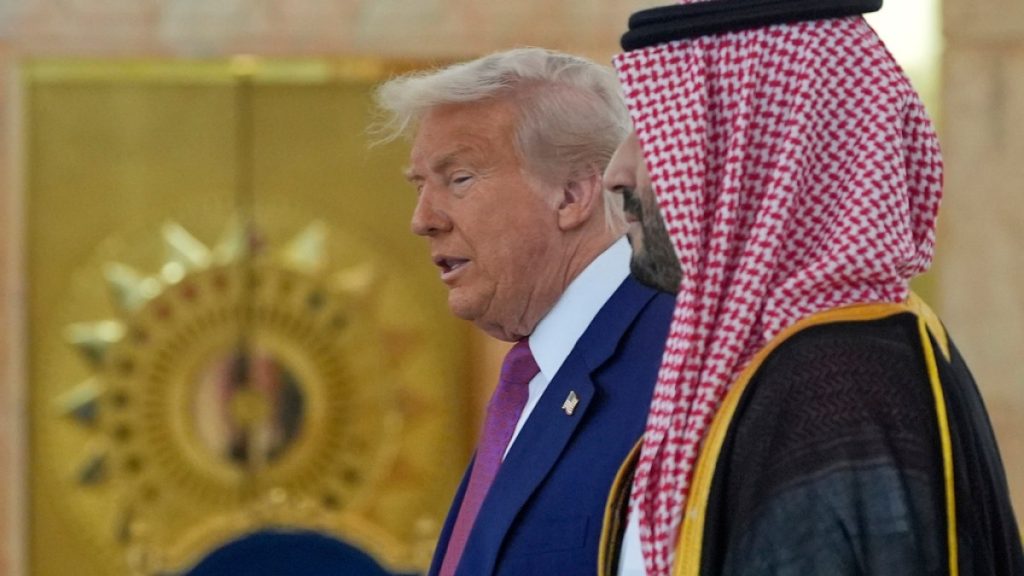
The administration of United States President Donald Trump says that Saudi Arabia will invest $600bn in the United States, including through technology partnerships and a weapons sales agreement worth $142bn. A fact sheet shared by the White House on Tuesday explains that the agreement, which also includes collaboration in areas such as energy and mineral development, is the largest-ever weapons sale between the two countries. “The deals celebrated today are historic and transformative for both countries and represent a new golden era of partnership between the United States and Saudi Arabia,” the fact sheet reads. The pact represents a deepening of economic and military ties between the two countries, a trend that has continued for decades under both Republican and Democratic US presidents. Trump was in the Saudi capital of Riyadh on Tuesday as part of a Middle East tour, marking the first major international trip of his second term as president. Later in the week, he is expected to make stops in Qatar and the United Arab Emirates. Advertisement But already, the trip has renewed criticisms that Trump may use the diplomatic outing to advance personal interests. The proposed transfer of a $400m luxury aeroplane, for instance, from Qatar to the US Department of Defence has raised questions in the US about the ethics and constitutionality of accepting gifts from foreign governments. During his first term as president, in 2017, Trump likewise included Saudi Arabia on his first major trip abroad, a voyage that similarly culminated in a multibillion-dollar arms deal. But the global outcry over the 2018 murder of Saudi journalist Jamal Khashoggi at a consulate in Istanbul briefly threatened to upend the relationship. The US government has alleged that forces linked to Saudi Crown Prince Mohammad bin Salman were responsible for the killing. Tuesday’s agreement is designed to help modernise the Saudi military with “state-of-the-art warfighting equipment and services from over a dozen US defense firms”, according to the White House fact sheet. “The first key component of this is upgrading the defence capabilities of Saudi Arabia,” Al Jazeera correspondent Hashem Ahelbarra reported from Riyadh. “This is a country that has been trying to invest vast amounts of money over the last few years” in its military, he added. But the newly minted deal is not limited to security cooperation. The agreement also lays out a plan in which Saudi Arabia will invest $20bn in energy infrastructure and data centres for artificial intelligence in the US, a significant infusion of cash into industries with close ties to the Trump administration. Advertisement In both areas, US companies stand to reap a potential windfall. “Saudi Arabia wants to become one of the top global investors in artificial intelligence, and that’s why you see many tech CEOs here in Riyadh, who are looking forward to getting some of those contracts,” said Ahelbarra. The deal also includes references to collaboration on energy infrastructure and mineral investments, without offering many details. Various US administrations, including during Trump’s first term in office, have used the inducement of greater collaboration on security and arms sales to push Saudi Arabia to normalise diplomatic relations with Israel. The two countries have never had formal diplomatic ties. But during Trump’s first term, the Republican leader initiated a series of agreements known as the Abraham Accords to boost ties between Israel and various Middle East states. Countries like the United Arab Emirates, Bahrain and Sudan agreed to recognise Israel as part of the agreements. But Saudi Arabia has been a holdout — and normalising ties between it and Israel could be seen as a crowning achievement for the second Trump administration. Israel’s war in Gaza, however, has complicated those efforts. United Nations experts have warned that Israel’s actions in Gaza were consistent with genocide, and South Africa has accused Israel of genocide before the International Court of Justice. The International Criminal Court, meanwhile, has issued arrest warrants for Israel’s Prime Minister Benjamin Netanyahu and former Minister of Defence Yoav Gallant over accusations of war crimes. Advertisement The spiralling death toll in Gaza and allegations of human rights abuses have caused outrage in the region and hardened Riyadh’s insistence that normalisation should come only as part of a wider agreement on a Palestinian state, a move Israel is not willing to consider. Adblock test (Why?)
France mosque killing should be investigated as terrorism, says lawyer
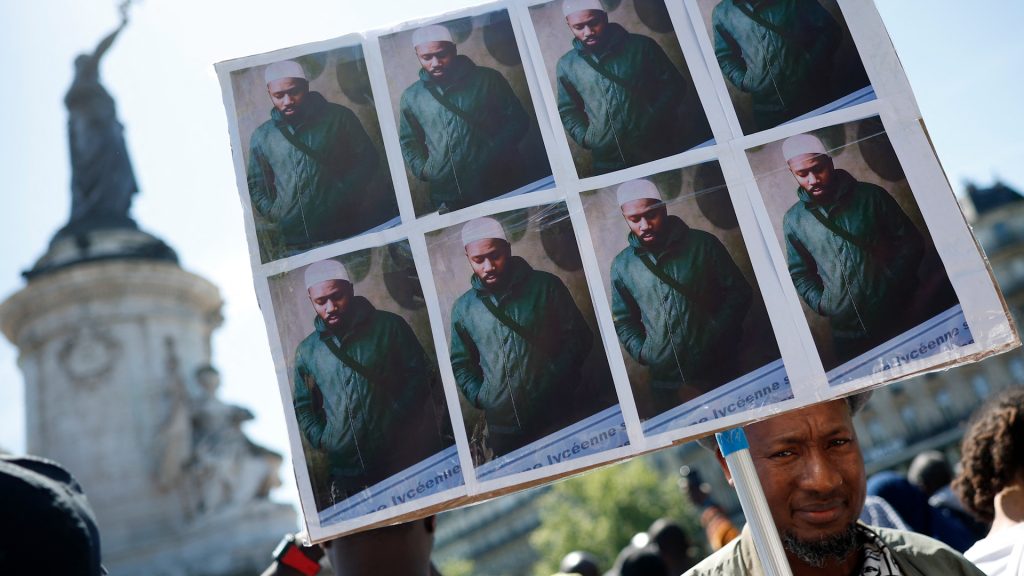
NewsFeed Are Islamophobic crimes less likely to be classed as terrorism offences? The murder of 22-year-old Aboubakar Cisse at a French mosque should be investigated by anti-terror police, according to the lawyer representing the victim’s family. He spoke to Al Jazeera’s Hind Touissate. Published On 13 May 202513 May 2025 Adblock test (Why?)
Libya’s prime minister asserts control after deadly Tripoli violence
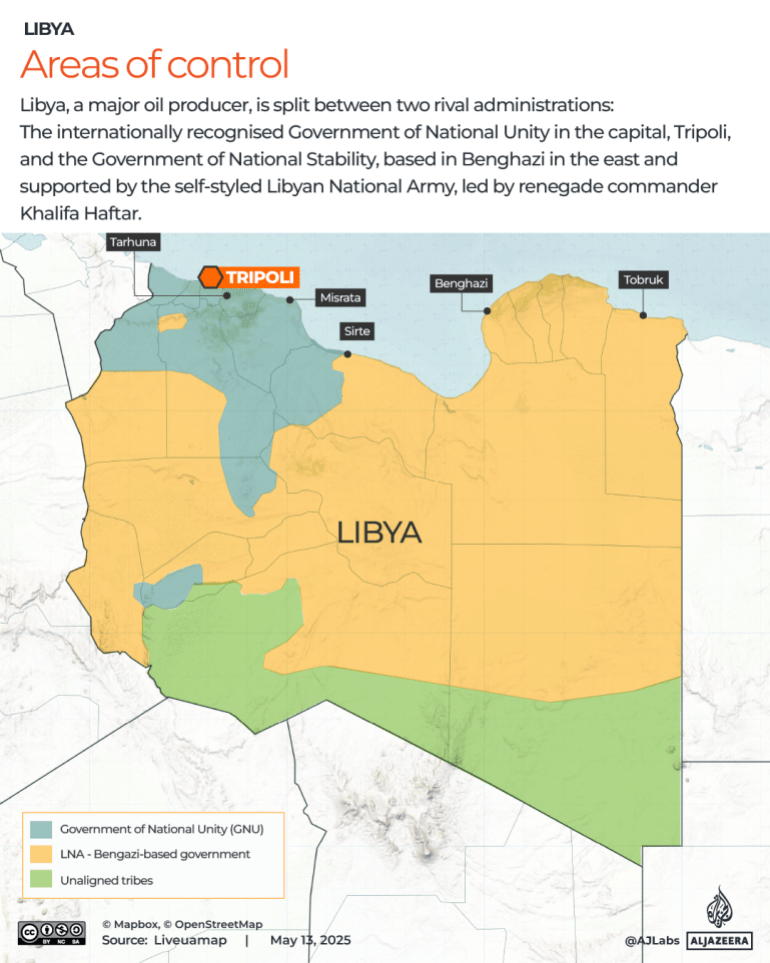
After clashes kill six in Tripoli, Prime Minister Abdul Hamid Dbeibah says a military operation restored calm in the capital. A day after deadly clashes shook Tripoli, Libya’s United Nations-recognised government in the west of the country has begun asserting control following the reported killing of powerful militia leader Abdelghani al-Kikli, also known as Gheniwa. The Emergency Medicine and Support Centre confirmed it retrieved six bodies from the Tripoli neighbourhood of Abu Salim on Tuesday, after heavy fighting erupted across the capital the previous night and into the early morning. Explosions and gunfire echoed through the southern part of the city as rival armed factions clashed for several hours. The fighting stemmed from the killing of al-Kikli, commander of the Stability Support Authority, SSA, on Monday by a rival militia, a senior government and health official told the Associated Press news agency. An official and local media say al-Kikli was killed during a meeting at the 444 Brigade’s base, a group loyal to Prime Minister Abdul Hamid Dbeibah. Al-Kikli had been accused by Amnesty International of war crimes and other serious rights violations over the past decade. Advertisement Libya analyst Jalel Harchaoui told the AFP news agency that al-Kikli had been ambushed, citing a relative. “Among Tripoli’s most successful armed group leaders,” he was known for outmanoeuvring the prime minister, the analyst added. On Tuesday, Dbeibah declared a military operation had dismantled “irregular” armed groups. The move is seen as a direct effort to reassert state authority and strengthen his position in the capital. “Gheniwa was de facto king of Tripoli,” Tarek Megerisi of the European Council on Foreign Relations told Reuters. “His henchmen controlled the internal security agency … cash transfers from the central bank… numerous public companies and ministries”. Al-Kikli’s forces reportedly operated prisons and held influence over ministries and financial institutions, underscoring a significant shift in the balance of power with his death. Clashes also spread beyond the capital, with fighting between Tripoli-based groups and rival militias from Misrata, a key coastal city to the east. Authorities imposed a temporary curfew before later announcing that calm had returned. Libya, a major oil producer and key route for immigrants and refugees crossing the Mediterranean, remains deeply divided between Dbeibah’s UN-recognised administration in the west and a rival eastern government aligned with military commander Khalifa Haftar. Foreign powers including Turkiye, Russia, Egypt and the United Arab Emirates continue to back opposing sides in the ongoing power struggle. Tense calm across the capital Dbeibah said a “military operation” had restored calm and asserted the government’s authority. “What was accomplished today shows that official institutions are capable of protecting the homeland and preserving the dignity of its citizens,” he wrote on X, praising the armed forces’ role. Advertisement Schools across parts of the capital have been closed until further notice. The UN mission in Libya expressed alarm over the use of heavy weapons in densely populated areas, warning that “attacks on civilians and civilian objects may amount to war crimes” and calling on all sides to “immediately cease fighting”. Libya plunged into chaos following a NATO-backed uprising that toppled and killed Libyan leader Muammar Gaddafi in 2011. The oil-rich nation has been governed for most of the past decade by rival governments in eastern and western Libya, each backed by an array of fighter groups and foreign governments. Adblock test (Why?)