

Pro-Palestine protestors disrupt Dutch WW2 anniversary event
[unable to retrieve full-text content] 5 pro-Palestine protestors were arrested after disrupting a World War II anniversary event in Wageningen, Netherlands.
Michigan drops charges against pro-Palestine US student protesters
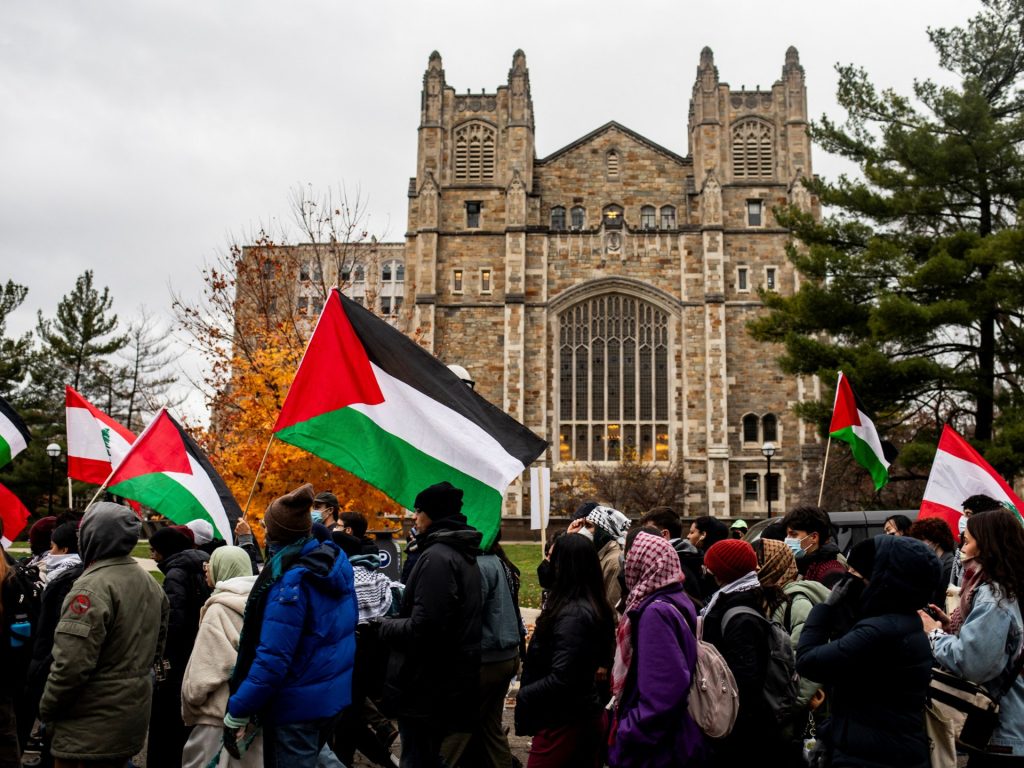
Michigan Attorney General Dana Nessel has dropped charges against seven student protesters from the University of Michigan, citing legal delays and controversies surrounding the US case, which she said has become a “lightning rod of contention”. The decision on Monday puts an end to the case that started in May 2024 when the students, who pleaded not guilty, were charged with trespassing and resisting a police officer while attending a pro-Palestinian campus protest. “We feel vindicated that the case was dismissed,” said Jamil Khuja, a member of the defence team for the students. “These individuals committed no crime whatsoever. They were exercising their right to protest and engage in political speech on public property.” Despite dropping the charges and growing criticism of the case, Nessel on Monday defended her decision to pursue felony charges against the students, saying “a reasonable jury would find the defendants guilty of the crimes alleged”. However, Nessel added in a statement that she dropped the charges nearly a year later because she did not believe “these cases to be a prudent use of my department’s resources”. Advertisement While hundreds of students were arrested during the wave of pro-Palestine campus encampments that swept the United States last year amid Israel’s war on Gaza, most were immediately released. The case in Michigan gained national attention and became symbolic of the nationwide crackdown on pro-Palestine demonstrations, with Palestinian rights advocates arguing that the Nessel case was an attack on freedom of speech and assembly. Defence lawyers for the accused had filed motions for Nessel to recuse herself from the case, citing accusations of bias – assertions that the attorney general dismissed as “baseless and absurd”. “These distractions and ongoing delays have created a circus-like atmosphere to these proceedings,” the attorney general said in her statement. Khuja, the defence lawyer, said the team was “absolutely confident” of winning the case, either by judicial dismissal or not-guilty jury verdict, and criticised Nessel’s characterisation of the pretrial proceedings as “circus-like” as untrue. He said requesting Nessel’s removal from the case was warranted, adding that the charges should have been brought by the county and not the state’s attorney general, according to Michigan’s prosecution procedures. Free speech ‘under attack’ To underscore the alleged bias, the defence lawyer also noted that weeks before filing the charges last year, Nessel had clashed with Congresswoman Rashida Tlaib, “the only Palestinian in Congress”, for defending the chant “from the river to the sea, Palestine will be free”, which has been used by student protesters. Advertisement Soon after Nessel charged the students, Tlaib accused the attorney general of “possible biases” within her agency, underscoring that other protest movements did not face a similar legal crackdown. The attorney general responded by accusing Tlaib of anti-Semitism, although the congresswoman made no mention of the attorney general’s religion or Jewish identity. “Rashida should not use my religion to imply I cannot perform my job fairly as Attorney General. It’s anti-Semitic and wrong,” Nessel wrote in a social media post in September. The controversy stretched for weeks, with CNN and pro-Israel outlets echoing Nessel’s anti-Semitism allegations against Tlaib without evidence. Khuja said the attorney general ultimately wanted to “make an example out of those protesting for Palestine”. He added that the case was larger than the students and politicians involved. “The First Amendment applies to all speech, but it’s been under attack in order to shield Israel from criticism lately,” Khuja told Al Jazeera. “And this case proved that those who believe in Palestinian rights, their views are just as legitimate as anybody else’s, and the First Amendment protects those views and your right to express them.” Adblock test (Why?)
Palestinian author Mosab Abu Toha wins Pulitzer Prize for commentary
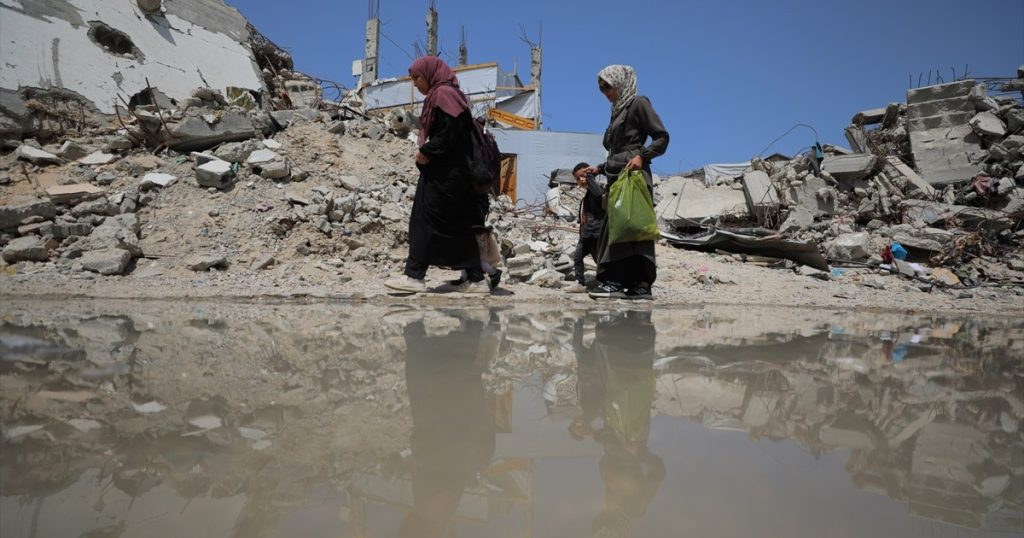
The poet gets the prestigious award for New Yorker essays ‘on the physical and emotional carnage in Gaza’ amid war. Palestinian poet Mosab Abu Toha, who has been targeted by pro-Israel groups in the United States for deportation, has won a Pulitzer Prize for commentary. Abu Toha received the prestigious award on Monday for essays published in The New Yorker “on the physical and emotional carnage in Gaza that combine deep reporting with the intimacy of memoir to convey the Palestinian experience” of the war. “I have just won a Pulitzer Prize for Commentary,” Abu Toha wrote on social media. “Let it bring hope. Let it be a tale.” The comment appears to be a tribute to his fellow Palestinian poet Refaat Alareer, was killed in an Israeli attack in Gaza in December 2023. Alareer’s final poem was titled, “If I must die, let it be a tale”. Abu Toha was detained by Israeli forces in Gaza in 2023 before being released to Egypt and subsequently moving to the US. “In the past year, I have lost many of the tangible parts of my memories – the people and places and things that helped me remember,” Abu Toha wrote in one of his New Yorker essays. Advertisement “I have struggled to create good memories. In Gaza, every destroyed house becomes a kind of album, filled not with photos but with real people, the dead pressed between its pages.” In recent months, right-wing groups in the US have called for deporting Abu Toha amid a campaign by President Donald Trump cracking down non-citizens critical of Israel. The author cancelled events at universities in recent months, citing fears for his safety. I have just won a Pulitzer Prize for Commentary. Let it bring hopeLet it be a tale pic.twitter.com/VP6RsPY6vz — Mosab Abu Toha (@MosabAbuToha) May 5, 2025 The Palestinian poet told Al Jazeera’s The Take podcast in December that the feeling of inability to help people in Gaza has been “devastating”. “Imagine that you are with your parents, with your siblings and their children in a school shelter in Gaza,” Abu Toha said. “You are unable to protect anyone. You are unable to provide them with any food, with any water, with any medicine. But now you are in the United States, the country that is funding the genocide. So, it is heartbreaking.” In other Pulitzer categories, New York Times won prizes for explanatory reporting, local reporting, international coverage and breaking news photography on Monday. With the four awards, the New York-based newspaper received the most prizes from Pulitzer’s 14 journalism contests this year. Winners of the award, named after the Hungarian-American newspaper publisher Joseph Pulitzer, are selected by a board of journalists and academics and announced at Columbia University annually. Advertisement The New York Times received the international reporting prize for its coverage of the conflict in Sudan, edging out The Washington Post, which was a finalist in the category for its “documented Israeli atrocities” in Gaza, including investigations into the killings of Palestinian medics and journalists. The Post won the breaking news prize for its coverage of the Trump assassination attempt during a campaign rally last year. The Reuters news agency took the investigative reporting award for a “boldly reported expose of lax regulation in the US and abroad that makes fentanyl”. Adblock test (Why?)
Top UN court dismisses Sudan’s genocide case against UAE
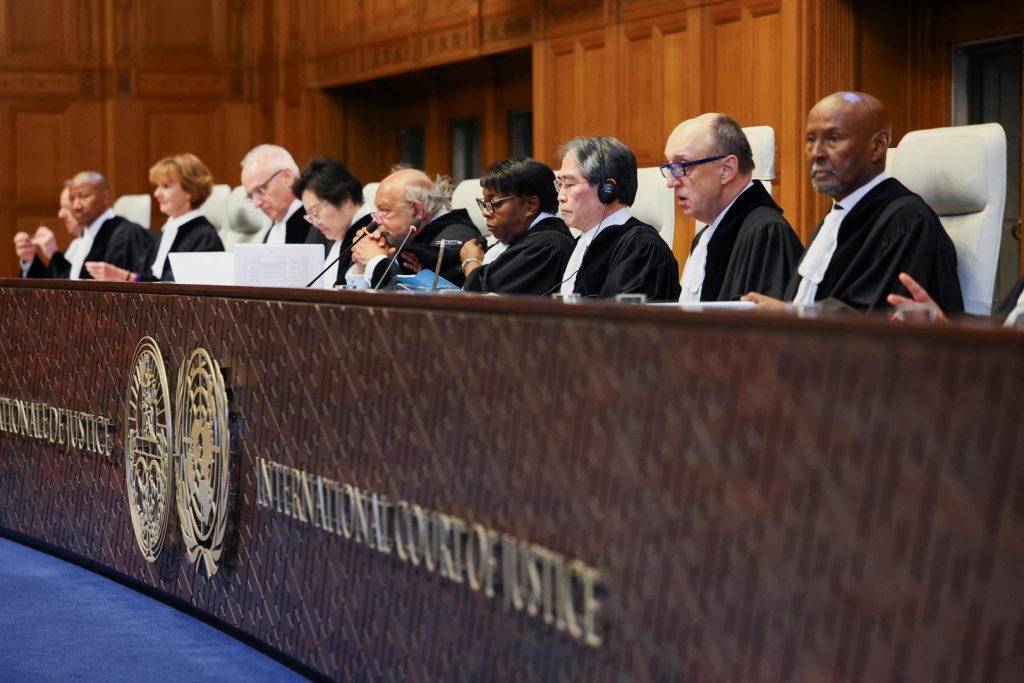
NewsFeed The International Court of Justice dismissed Sudan’s case accusing the United Arab Emirates of enabling genocide in Darfur by supplying the paramilitary forces with weapons. The ICJ said it lacked jurisdiction, rejecting Sudan’s request for emergency measures and ordered the case be removed from its docket. Published On 5 May 20255 May 2025 Adblock test (Why?)
Trump hails ‘productive’ call with Turkiye’s Erdogan as visits planned
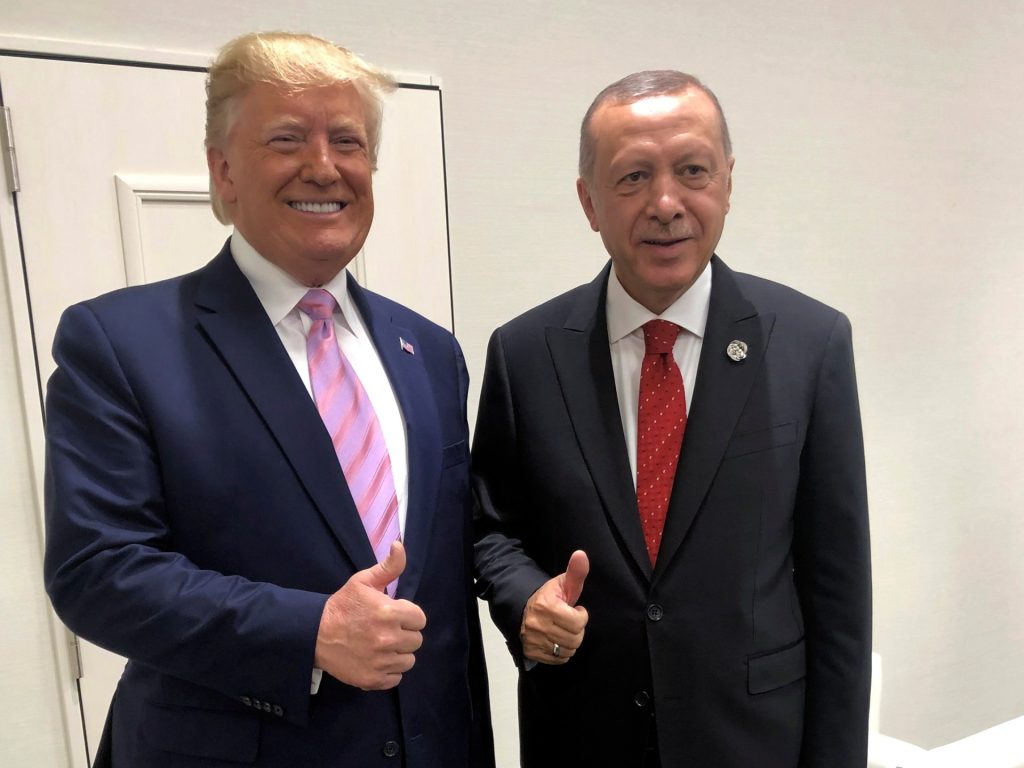
US President Donald Trump says he wants to work with his Turkish counterpart to end Russia’s war in Ukraine. United States President Donald Trump says he has had a “very good and productive” telephone conversation with his Turkish counterpart, Recep Tayyip Erdogan, and they have discussed a wide range of topics, including how to end Russia’s war in Ukraine, Syria and Israel’s war on Gaza. During the call on Monday, Trump said Erdogan had invited him to visit Turkiye and he had extended an invitation for the Turkish leader to visit Washington, DC. No dates were announced. A readout of the call from the Turkish presidency confirmed Erdogan invited Trump for a visit. The Republican president, who described his relationship with Erdogan as “excellent” during his first tenure at the White House, said the two countries would cooperate on ending the war in Ukraine. “I look forward to working with President Erdogan on getting the ridiculous but deadly, War between Russia and Ukraine ended – NOW!” Trump said in a post on Truth Social, his social media platform. NATO member Turkiye has sought to maintain good relations with both of its Black Sea neighbours since the Russian invasion of Ukraine and has twice hosted talks aimed at ending the war. Advertisement “Noting that he supports President Trump’s approach toward ending wars, President Erdogan expressed appreciation for the efforts exerted to maintain the negotiation process with Iran and stop the war between Russia and Ukraine,” Turkiye’s Directorate of Communications said in a statement posted on X. Erdogan also raised the urgent need for a ceasefire in Gaza, warning that its humanitarian crisis had reached a “grave level”, the directorate said. The Turkish president also stressed the importance of the “uninterrupted delivery of humanitarian aid and the urgent end to this tragic situation”. On neighbouring Syria, Erdogan reaffirmed Turkiye’s commitment to preserving its territorial integrity and restoring lasting stability. He said US efforts to ease sanctions on Syria and its new government would help move that process forward and contribute to regional peace. Regarding bilateral ties, Erdogan said Ankara remained committed to strengthening cooperation with Washington, particularly in the defence sector. Trump is due to visit Saudi Arabia, Qatar and the United Arab Emirates next week. Adblock test (Why?)
US bill to ban Israel boycotts faces right-wing backlash over free speech
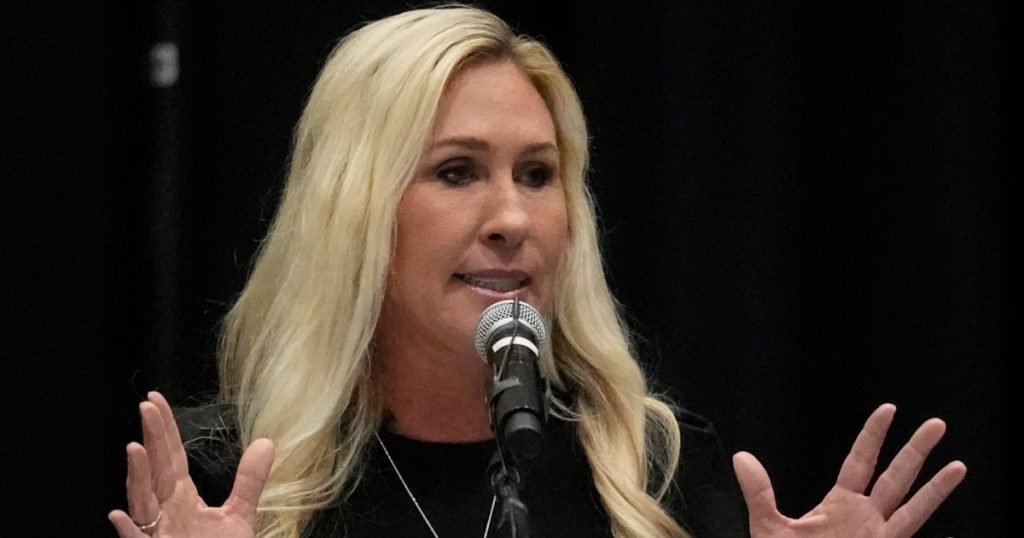
Washington, DC – A bill in the United States Congress that aims to penalise the boycotting of countries friendly to the US is facing opposition from allies of President Donald Trump over free speech concerns, putting its passage in jeopardy. According to Republican Congresswoman Marjorie Taylor Greene, a vote in the House of Representatives on the proposal, previously scheduled for Monday, has been cancelled. Although Trump’s Republican Party has been leading legislative efforts to crack down on boycotts of Israel, over the past days, several conservatives close to the US president voiced opposition to the bill, dubbed the International Governmental Organization (IGO) Anti-Boycott Act. “It is my job to defend American’s rights to buy or boycott whomever they choose without the government harshly fining them or imprisoning them,” Greene said in a social media post on Monday. “But what I don’t understand is why we are voting on a bill on behalf of other countries and not the President’s executive orders that are FOR OUR COUNTRY???” Advertisement Charlie Kirk, a prominent right-wing activist and commentator, also said that the bill should not pass. “In America you are allowed to hold differing views. You are allowed to disagree and protest,” Kirk wrote on X on Sunday. “We’ve allowed far too many people who hate America move here from abroad, but the right to speak freely is the birthright of all Americans.” Steve Bannon, a former Trump adviser and influential right-wing media personality, backed the comments of Kirk and Greene, writing on the social media platform Gettr, “Fact check: True” and “Agreed” in response to their statements, respectively. IGO Anti-Boycott Act The proposed legislation was introduced by pro-Israel hawks in the US Congress, Republican Mike Lawler and Democrat Josh Gottheimer, in January, and it has been co-sponsored by 22 other lawmakers from both major parties. The bill would expand a 2018 law that bans coercive boycotts imposed by foreign governments to include international governmental organisations (IGOs). The original legislation prohibits boycotting a country friendly to the US based on an “agreement with, a requirement of, or a request from or on behalf” of another nation. It imposes penalties of up to $1m and 20 years in prison for violations. Expanding the legislation to include IGOs risks penalising individuals and companies in the US that boycott firms listed by the United Nations as doing business in illegal Israeli settlements in the occupied West Bank. While the bill itself does not explicitly mention Israel, its drafters have said that it targets the UN and the Boycott, Divestment and Sanctions (BDS) Movement, which calls for economic pressure on the Israeli government to end its abuses against Palestinians. Advertisement “This change targets harmful and inherently anti-Semitic BDS efforts at IGOs, such as the UN, by extending protections already in place for boycotts instigated by foreign countries,” Lawler’s office said in January. States and the federal government have been passing anti-BDS laws for years, raising the alarm about the violation of free speech rights, which are guaranteed by the First Amendment of the US Constitution. Numerous legal cases have challenged these laws, and some judges have ruled that they are unconstitutional, while others have upheld them. Rights groups and Palestinian rights advocates have argued that anti-boycott laws aim to shut down the debate about Israel and criminalise peaceful resistance against its violations of international law. Anti-BDS crackdown Over the years, leading UN agencies and rights groups, including Human Rights Watch and Amnesty International, have accused Israel of war crimes and crimes against humanity, including imposing apartheid on Palestinians. But supporters of anti-BDS laws say the measures are designed to combat discrimination against Israel and regulate trade, not speech. Such laws have mainly faced opposition from progressive Democrats, but the IGO Anti-Boycott Act has generated anger from right-wing politicians, too. “Americans have the right to boycott, and penalizing this risks free speech. I reject and vehemently condemn antisemitism but I cannot violate the first amendment,” Congresswoman Anna Paulina Luna, a Florida Republican, wrote on X. I agree with @RepMTG .I’ll be voting No on this bill as well. https://t.co/YOPga59Xyc — Thomas Massie (@RepThomasMassie) May 4, 2025 Advertisement The right-wing rejection of the Lawler-Gottheimer bill comes as the Trump administration continues with its push to target criticism of and protests against Israel, especially on college campuses. Since Trump took office, the US government has revoked the visas of hundreds of students for activism against Israel’s war on Gaza. Several students, including legal permanent residents, have been jailed over allegations of anti-Semitism and “spreading Hamas propaganda”. Rumeysa Ozturk, a Turkish graduate student at Tufts University, has been detained since March, and the only known allegation against her is co-authoring an op-ed calling on her college to honour the student senate’s call for divesting from Israeli companies. Trump has also frozen and threatened to freeze federal funding for several universities, including Harvard, over pro-Palestine protests. Adblock test (Why?)
How are Chinese TikTokers fighting Trump’s trade war?

TikToks claiming luxury brand goods are manufactured in Chinese factories have gone viral in shoppers’ feeds. This comes after the closure of a major import loophole and 145% tariffs on Chinese goods. What do these videos reveal about American consumer culture and the course of this trade war? Adblock test (Why?)
Gunmen kill three police officers in southern Russia’s Dagestan region
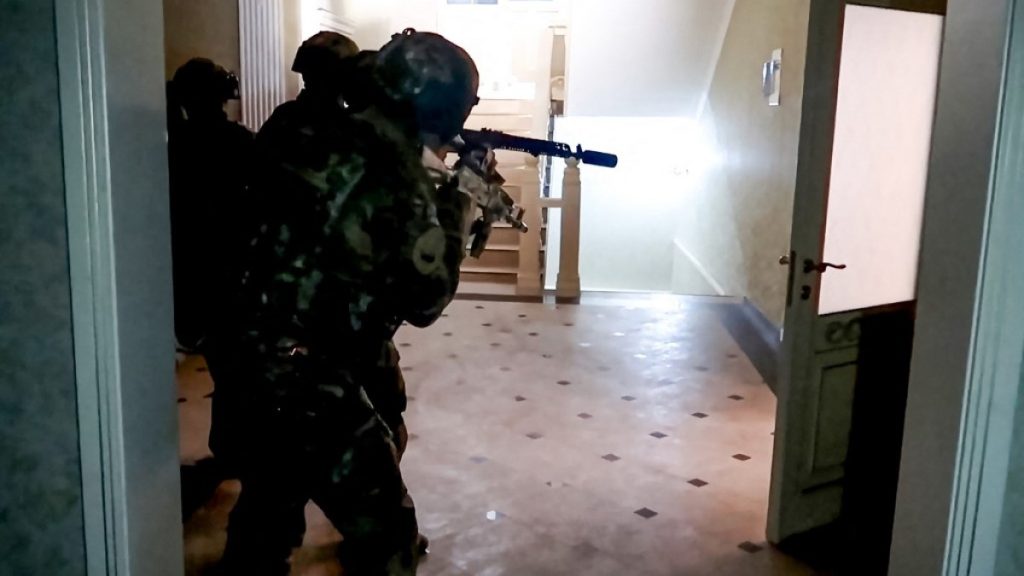
Assailants open fire on police in Dagestan’s capital, Makhachkala, leaving several dead and injured. Three police officers have been killed and at least four others injured after gunmen opened fire on traffic police in southern Russia’s Republic of Dagestan, according to regional authorities. The attack took place on Monday in the capital, Makhachkala, when police attempted to stop a car, Dagestan leader Sergei Melikov said. The shooting began at about 14:20 local time (11:20 GMT), the Interior Ministry confirmed. Two assailants were shot dead at the scene. Local officials identified the men, both born in 2000, but did not say how many others were involved. State media reported that additional attackers fled in a vehicle, prompting a wider manhunt. Footage circulating on Telegram, verified by the Reuters news agency, showed bodies lying on the road beside a police car. Gunshots could be heard in the background as onlookers gathered at the scene. At least two other attackers, alongside injured officers and civilians – including a 17-year-old girl – were taken to hospital. One later died, state media reported. Officials have launched a criminal investigation. Advertisement Dagestan, a majority-Muslim region bordering the Caspian Sea, has witnessed a number of deadly attacks in recent years. In March, Russian security forces said they killed four alleged ISIL (ISIS) fighters who were planning to attack a local Interior Ministry office. The latest violence in Dagestan follows a separate security operation last week, when Russia’s Federal Security Service (FSB) claimed to have killed a man suspected of planning bombings on the Moscow metro and a Jewish religious site in the capital region. In June 2024, at least 20 people were killed after armed men attacked a synagogue, churches and police in the Dagestan region. That attack came three months after at least 133 people were killed in a March 2024 attack on a concert in Moscow’s Crocus City Hall. While the Afghanistan-based ISIL affiliate in Khorasan Province (ISKP) claimed responsibility for the worst attack to hit Russia in years, Moscow at the time claimed without evidence that Ukraine had a played role. Though both Russia and the United States declared the territorial defeat of ISIL (ISIS) in Iraq and Syria by 2019, offshoots of the group – especially ISKP – have re-emerged, posing renewed threats across Europe, Central Asia and the Middle East. Adblock test (Why?)
Fear and intimidation at Newark airport
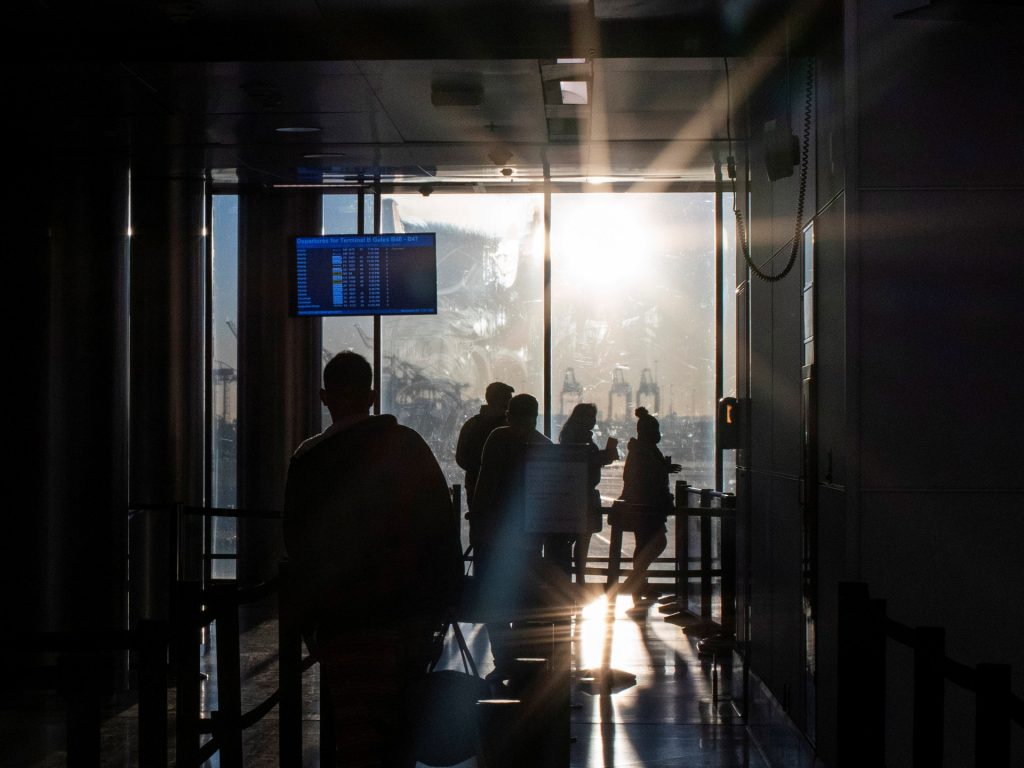
I am no stranger to political repression and censorship. I have lived in Germany for five years now, and as a Palestinian journalist involved in pro-Palestinian advocacy, I have experienced repeated harassment at the hands of the German authorities. My husband, a German citizen, and I, an American citizen, have grown accustomed to being held for hours at a time, subjected to invasive interrogations about our travels, and having our belongings thoroughly searched without clear justification. But we were shocked to find out that these tactics, designed to intimidate and deter, have now been taken up by the United States to target Palestinians amid the ongoing genocide. I always knew that citizenship offered only limited protection, especially when dissent is involved. But deep down, I still believed that freedom of speech, the right to speak without fear, meant something in my country of birth. I was wrong. The harassment we endured on March 24 upon arriving in the US shattered that illusion. Our Palestinian identity, our political work, our family ties – all of it makes us permanent targets, not just in Germany, but now in the US, too. Advertisement Prior to departure, while we were at our gate in Frankfurt airport, four agents approached me and identified themselves as officers from the US Department of Homeland Security (DHS). They said they were specifically looking for my husband, who had just stepped aside to buy water and juice for our sons. “We just want to make sure your ESTA visa is in order,” one of them said. They took his passport, flipping through it and photographing every single page while one of them stayed on the phone, relaying information. They asked about our visit to Gaza in 2022, after seeing the Rafah border stamp. “Where did you go in Gaza?” one agent asked.“Khan Younis,” my husband replied.“Where does your family live now?”“All over,” he said. “They’re living in tents across the Strip, you know, because of the war.”“What did you do while you were there?”“Visited family,” he answered. It was clear we were targeted. I did not see any other passengers undergoing a similar check. This meant that either DHS was actively researching passengers before their departure to the US, or – even more troubling – the German authorities were communicating directly with DHS to flag the background and political activity of “suspect” travellers. Upon arrival at Newark airport in New Jersey, my husband and I were separated and individually interrogated, each of us still holding a sleeping child. The men questioning us did not identify themselves; I believe they were DHS agents, not border police. They first asked me about the purpose of my trip and my travel to Gaza. They wanted to know who I had met in Gaza, why I had met them, and whether anyone I encountered was affiliated with Hamas. At one point, an officer deliberately became ambiguous and instead of referencing Hamas, asked if “anyone from [my] family was a part of the government in Gaza”. Advertisement At one point, they asked whether I experienced violence from Israeli soldiers, to which I responded: “Israeli soldiers weren’t in Gaza in 2022.” “Did anyone in your family experience violence during this war?”“Yes,” I responded. “Fifty were killed.”“Were any of them Hamas supporters?” was the response I received. As if political affiliation could justify the incineration of a family. As if children, elders, mothers, reduced to numbers, must first be interrogated for their loyalties before their deaths can be acknowledged. They knew I was a journalist, so they demanded to know the last article I had written and where it was published. I told them that it was a piece for Mondoweiss about the abduction of Mahmoud Khalil, in which I also warned about the dangers of the Trump administration’s policies. This seemed to heighten their scrutiny. They demanded my email address, my social media accounts, and jotted down my phone number without explanation. Then they took our phones. When I asked what would happen if I refused, they made it clear I had no choice. If I did not comply, my phone would still be taken from me, and if my husband did not comply, he would be deported. When they finally returned our electronics, they issued a chilling warning to my husband: “You have been here seven times without an issue. Stay away from political activity, and everything will be fine.” Subsequently, I was advised by legal counsel not to attend any demonstrations, not even by myself, during our stay. Our movements, our words, and even our silences were under watch, and anything could be used against us. Advertisement What happened to us was not random; it was intentional. It was meant to scare and intimidate us. Whether it is in Germany, in the US, or elsewhere, the goal of these tactics is the same: to make us feel small, isolated, criminalised, and afraid. They want us to doubt the worth of every word we write, to question every protest we join, to swallow every truth before it reaches our lips. They want us to forget the people we have lost. Fifty members of our family were murdered in the US-backed genocide in Gaza. Fifty souls, each with their own dreams, laughter, and love, extinguished under the roar of bombs and the silence of the world. Our family’s story is no different from thousands of others – stories that vanish from headlines but live forever in the hearts of the survivors. They expect us to carry this unbearable weight quietly, to bow our heads and continue living as if our world were not ripped apart. But we do not bow. And that is why they fear us; they fear a people who refuse to disappear. Palestinians who dare to speak, to organise, to simply bear witness are marked as dangerous. I was warned that speaking about our experience at the airport would make the next encounter even harsher, even more punishing. But we must
US offers $1,000 stipend to migrants who self-deport
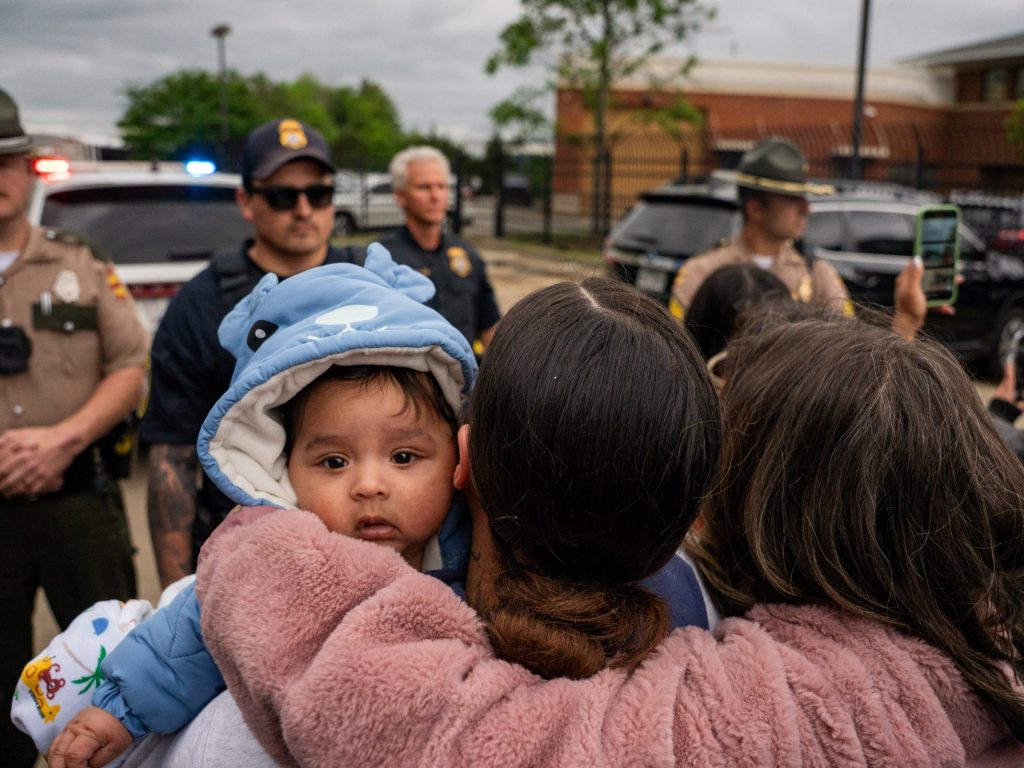
The administration of US President Donald Trump says it is going to pay $1,000 to undocumented immigrants in the United States who return to their home countries voluntarily as it pushes forward with its plans for mass deportations. The Department of Homeland Security (DHS) said in a news release on Monday that it’s also paying for travel assistance and people who use an app called CBP Home to tell the government they plan to return home will be “deprioritized” for detention and removal by immigration enforcement. “If you are here illegally, self-deportation is the best, safest and most cost-effective way to leave the United States to avoid arrest. DHS is now offering illegal aliens financial travel assistance and a stipend to return to their home country through the CBP Home App,” Homeland Security Secretary Kristi Noem said. The stipend and airfare for people who voluntarily depart would cost less than an actual deportation, the agency said. The average cost of arresting, detaining and deporting someone without legal status is currently about $17,000, according to the DHS. Advertisement Trump took office in January pledging to deport millions of people but so far has trailed deportations under his Democratic predecessor Joe Biden. Biden’s administration faced high levels of undocumented immigration and quickly returned many people caught crossing the border. The Trump administration has deported 152,000 people since it took office on January 20, according to the DHS, lower than the 195,000 deported from February to April last year under Biden. Trump’s administration has tried to encourage migrants and asylum seekers to leave voluntarily by threatening steep fines, trying to strip away legal status, and deporting people to prisons in Guantanamo Bay, Cuba, and El Salvador. Trump previewed the stipend plan in April, saying the US would consider allowing migrants and asylum seekers to return. “If they’re good, if we want them back in, we’re going to work with them to get them back in as quickly as we can,” he said. In the announcement on Monday, the DHS said people who choose to leave “may help preserve” the ability to return legally but did not cite any specific pathway or programme. Adblock test (Why?)