

Russia-Ukraine war: List of key events, day 1,136
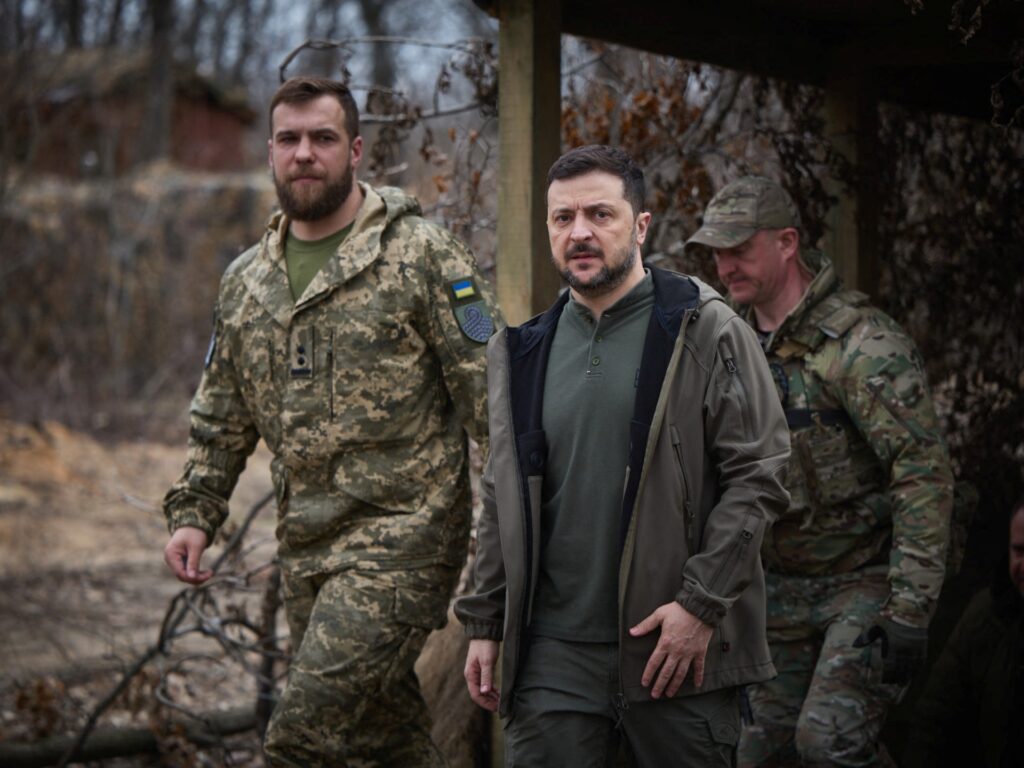
These are the key events on day 1,136 of Russia’s war on Ukraine. These are the key events from Saturday, April 5: Fighting A Russian missile attack has killed at least 18 people, including nine children, in a residential area of the Ukrainian city of Kryvyi Rih, local officials said, but Russia’s Ministry of Defence said it targeted a military gathering there. Ukrainian President Volodymyr Zelenskyy says European military planners could be ready within a month with details of a foreign troop contingent in Ukraine seen as critical to ending the war with Russia. Russia launched a drone attack at a thermal power plant in Ukraine’s city of Kherson, accusing Moscow of violating a United States-brokered energy ceasefire. Russia claimed its forces captured two more villages in Ukraine’s eastern Donetsk region in the past 24 hours. According to a statement from the Russian Defence Ministry, Russian forces now control the settlements of Panteleimonivka and Rozivka in Donetsk. Ukraine said an official in the central city of Dnipro died in hospital after a blast rocked his car. Russian commander Apti Alaudinov was quoted by the state RIA news agency as saying the situation in Russia’s Belgorod region is “under control” after the Ukrainian army tried to break through the border. Germany has been paying for Ukraine’s access to a satellite internet network operated by France’s Eutelsat, as Europe seeks alternatives to Elon Musk’s Starlink. Advertisement Ceasefire Zelenskyy said the deadly strike on his home city of Kryvyi Rih showed that Russia did not want a ceasefire. The Kremlin said Russian President Vladimir Putin and United States President Donald Trump had no plans to talk after a visit to Washington by Putin’s investment envoy. US Secretary of State Marco Rubio said “there is a lot that has to happen” in the coming weeks to reach a ceasefire in Ukraine and that negotiations will not continue forever. NATO Secretary General Mark Rutte said the ball regarding a Ukraine ceasefire is in the Russian court, after meeting with NATO foreign ministers in Brussels. The United Kingdom and French foreign ministers accused Putin of dragging his feet in ceasefire talks and demanded a swift response from Russia after weeks of US efforts to secure a truce. Turkish Foreign Minister Hakan Fidan told Reuters news agency any potential peace agreement between Ukraine and Russia would be “difficult to digest” but would still be better than the alternative of more death and destruction. Politics and diplomacy European NATO allies and Canada said they are willing to ramp up defence spending but are cool on American demands for the size of their military budgets. US allies have spent billions of dollars more on defence but almost a third still don’t meet NATO’s target of at least 2 percent of their gross domestic product. The Ukrainian team will head to the US in the near future for discussions on a new framework on the minerals deal, public broadcaster Suspilne reported, citing Foreign Minister Andrii Sybiha. A former Russian defence official was convicted of taking bribes and sentenced to seven years in a penal colony, as Putin continues a drive to punish corruption in the armed forces, leading to a rash of prosecutions. The EU proclaimed a “new era” in ties with Central Asia at a major summit in Uzbekistan, as Russia’s invasion of Ukraine accelerates the region’s drift from Moscow’s orbit and Brussels presses its influence in the region in the face of Russian and Chinese competition. NATO members Poland, Finland and all three Baltic states have queued up over the past few weeks to withdraw from the Ottawa Convention banning antipersonnel landmines, in the face of what they say are growing military threats from Russia. The Vatican’s Foreign Minister Archbishop Paul Gallagher held a phone call on Friday with Russian counterpart Sergey Lavrov to discuss the war in Ukraine and plans to stop the fighting. Germany said it would buy explosive drones for the first time as Berlin boosts investments in its armed forces to counter the threat from Russia. Advertisement Adblock test (Why?)
India’s Modi visits Sri Lanka to shore up defence and energy ties
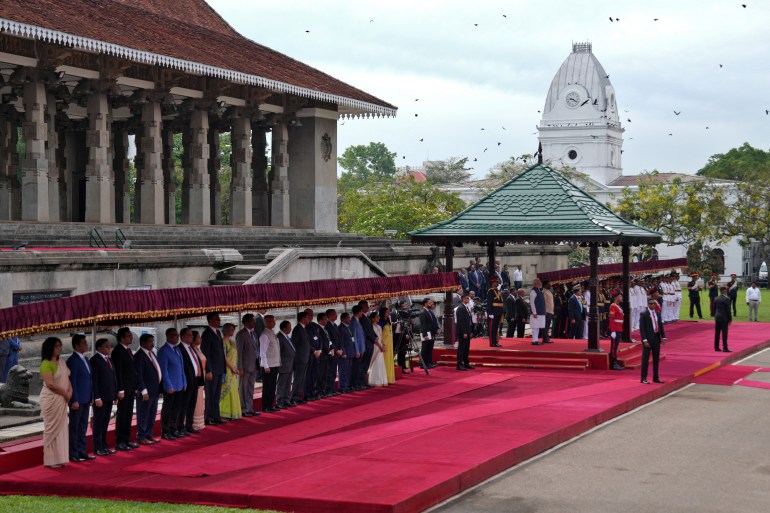
The Indian leader is the first foreign dignitary to visit the island nation since the leftist Dissanayake swept elections last year. Indian Prime Minister Narendra Modi is in Sri Lanka to strengthen historical defence and energy ties as Colombo balances ties with its powerful neighbour and biggest lender, China. Sri Lankan President Anura Kumara Dissanayake rolled out the red carpet for Modi and welcomed him with a 19-gun salute in the capital’s Independence Square on Saturday. The Indian leader is the first foreign dignitary to visit the island since the leftist Dissanayake swept elections last year. Modi was also conferred with Mithra Vibhushan, Sri Lanka’s highest civilian honour, by Dissanayake. The Indian leader thanked the Sri Lankan president and said the honour was “not just mine but it belongs to the 140 crore [1.4 billion] people of India.” Modi and Dissanayake listen to the national anthems of their countries during a ceremony at Colombo’s Independence Square, April 5, 2025 [Thilina Kaluthotage/Reuters] “We believe that our security interests are aligned,” Modi said during a televised ceremony from Dissanayake’s office in Colombo. “Our security is interdependent and interconnected.” Advertisement The two nations signed a five-year defence cooperation agreement for the training of Sri Lankan military personnel in India as well as information and technology sharing. Dissanayake applauded what he called “India’s rise as a world power, not just a regional power”. “I have reiterated our position to Prime Minister Modi that Sri Lankan territory will not be allowed to be used by anyone to undermine India’s security,” he added. India has previously objected to Chinese submarines and research vessels which have called at the main seaport in Colombo. Sri Lanka has not allowed Chinese submarines to dock since 2014, after India raised concerns over two such visits. Last year, Colombo imposed a ban on foreign research vessels following New Delhi’s accusations that Chinese ships were being used to spy on India. But the visit’s highlight was the launch of a 120-megawatt solar power plant in Sampur in the island’s northeastern Trincomalee district. The plant had been stalled for years but was reinvigorated with New Delhi’s backing as a joint project. Reporting from Colombo, Al Jazeera’s Minelle Fernandez said Dissanayake was also expected to discuss the issue of fishermen from the southern Indian state of Tamil Nadu allegedly encroaching into Sri Lankan territorial waters. “Hundreds of Indian trawlers are carrying away fish using a mechanised system called bottom trawling, which is also destroying the environment,” she said. Balancing act Modi’s visit came as Colombo grapples with the competing interests of New Delhi and Beijing. Advertisement India has been concerned about China’s growing sway in Sri Lanka, which it considers to be within its sphere of geopolitical influence. Dissanayake’s first foreign visit as president was to New Delhi in December, but he followed that with a visit to Beijing in January, underscoring Sri Lanka’s delicate balancing act. China has emerged as Sri Lanka’s largest single bilateral creditor, accounting for more than half of its $14bn bilateral debt at the time the island defaulted on its sovereign debt in 2022. Beijing was the first to restructure its loans to Sri Lanka, a move that cleared the way for the island to emerge from that year’s worst-ever economic meltdown. Colombo also signed an agreement in January with a Chinese state-owned company that will invest $3.7bn in an oil refinery in the island’s south. It would be Sri Lanka’s largest single foreign investment and is seen as crucial for the island’s economy. Modi arrived in Sri Lanka late on Friday from a summit in Thailand and a string of meetings with leaders of regional nations as he sought to shore up India’s relations with neighbours. On the sidelines of the Bangkok BIMSTEC meeting – the grouping of the seven nations on the Bay of Bengal – Modi held a rare face-to-face meeting with Myanmar’s military government chief Min Aung Hlaing. Modi also held talks with Muhammad Yunus, the interim leader of neighbouring Bangladesh – the first such meeting since a revolution in Dhaka removed New Delhi’s long-term ally Sheikh Hasina. Advertisement India was the biggest benefactor of Hasina’s government and her overthrow sent cross-border relations into a tailspin, culminating in Yunus choosing to make his first state visit last month to China. Modi also met on Friday in Bangkok with his Nepali counterpart KP Sharma Oli, the first since Kathmandu’s leader returned to power last year, as well as Tshering Tobgay of Bhutan. Adblock test (Why?)
Ukraine says children among 14 killed in Russian attack on Kryvyi Rih
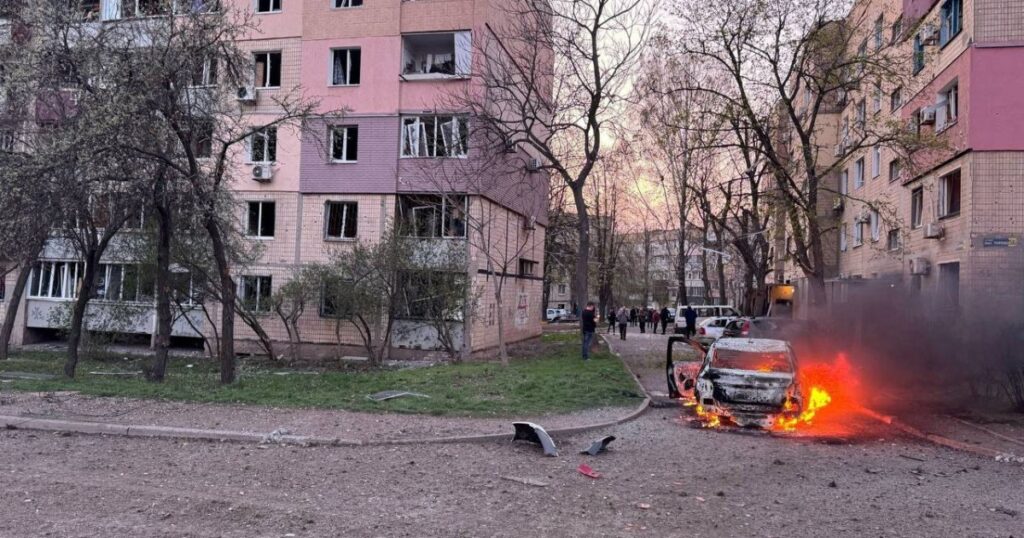
At least 50 people have been wounded in ballistic missile attack on residential area, local authorities say. At least 14 people, including six children, have been killed in a Russian missile attack on a residential area of the central Ukrainian city of Kryvyi Rih, according to President Volodymyr Zelenskyy, making it one of Moscow’s deadliest strikes this year. Friday’s attack on Zelenskyy’s hometown, which comes as United States President Donald Trump is pushing for a ceasefire in the war, damaged residential blocks and caused fires, Dnipropetrovsk Governor Serhiy Lysak wrote on the Telegram messaging app. The dead and wounded could be seen lying on the pavement, one of them by a playground, in unverified videos circulating on Telegram as grey smoke rose into the sky. At least 50 people were wounded, the emergency services said, adding that the figure was growing. More than 30 people, including a three-month-old baby, were admitted to hospital, Lysak said. Russian forces used a ballistic missile for the strike, according to human rights ombudsman Dmytro Lubinets. Such weapons take just minutes to reach their targets and are difficult to shoot down for all but high-end air defences. Advertisement “Not a single military facility – just civilian infrastructure,” Lubinets wrote on Telegram. Russia’s Defence Ministry said it had launched a missile at a gathering of Ukrainian servicemen and foreign instructors in the city. “As a result of the strike, enemy losses total up to 85 servicemen and officers of foreign countries, as well as up to 20 vehicles,” the ministry said on Telegram. Zelenskyy said on Friday that the rescue effort was under way and called on the West to exert greater pressure on Moscow. “The whole world sees it. Each missile, every attack drone proves that Russia seeks only war,” he wrote on Telegram. Earlier, Russia launched a barrage of drones in an overnight attack, killing at least four people and injuring 35 in the northeastern city of Kharkiv, regional officials said. In the fourth such strike on the city so far this week, Russian drones hit residential quarters, damaging several multistorey apartment blocks and causing multiple fires. Zelenskyy also said Russia had launched a drone attack at a thermal power plant in the southern city of Kherson, accusing Moscow of violating a US-brokered moratorium on attacks on energy infrastructure. Later on Friday, Russian drones staged another “massive” attack on Kryvyi Rih, local officials aid, adding that the strikes caused fire at four different areas in the city. The United States said last week that it had agreed with Russia and Ukraine that they would cease strikes on each other’s energy infrastructure, the first such step since Trump took office in January. Advertisement Both sides have since accused each other of flouting the agreement. Kyiv said it had earlier agreed to a US proposal for a full, unconditional 30-day ceasefire, but Russia rejected such a step in separate talks with US officials. Adblock test (Why?)
Barcelona vs Real Betis: LaLiga – team news, kickoff, how to follow, stream
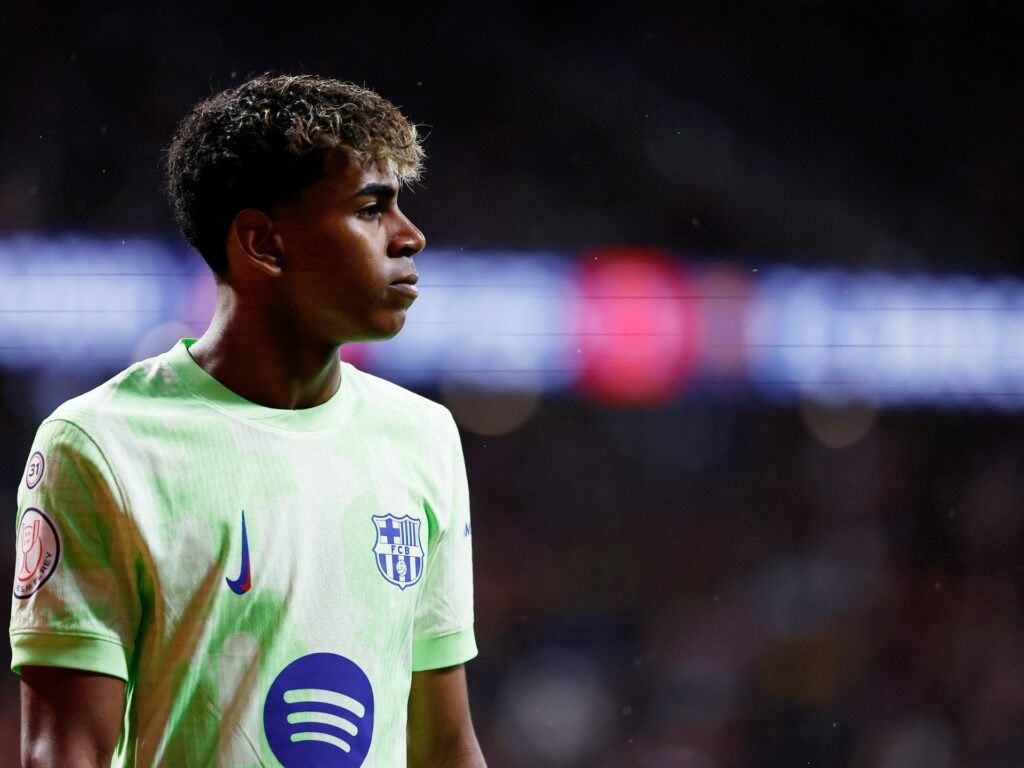
Al Jazeera’s preview as Barcelona attempt to move six points clear in LaLiga when they face Real Betis on Saturday. Who: Barcelona vs Real BetisWhat: Spanish LaLigaWhere: Estadi Olimpic Lluis Companys, Barcelona, SpainWhen: Saturday at 8pm (18:00 GMT) Follow Al Jazeera Sport‘s live text and photo commentary stream. LaLiga leaders Barcelona’s 21-game unbeaten run will face a test on Saturday when they host Real Betis – a side who have already stunned the Catalans’ Madrid title rivals Real and Atletico. Al Jazeera takes a look at a match that could upset Barca’s form book. How are Barcelona and Real Madrid faring? Barca are top on 66 points, three ahead of Real Madrid and nine clear of Atletico. Real and Barca are both chasing three trophies but the pacesetters are favourites to win LaLiga as the only team in Europe’s top-five leagues yet to lose in 2025. Why do people think Betis can upset Barca? Barca’s next opponents Betis are on a six-game LaLiga winning streak and have been the surprise package this term. They denied Real Madrid a chance to go top with a 2-1 win in March after ending Atletico’s 10-game unbeaten run in October. Advertisement Barcelona were held 2-2 at Betis in the reverse fixture in December but thrashed Manuel Pellegrini’s side 5-1 to knock them out of the Copa del Rey in January. Sixth-placed Betis are level on 47 points with Villarreal in fifth and trail fourth-placed Athletic Bilbao by six as they push for a European spot while also bidding to win the Conference League. Hansi Flick when asked about the treble ☘ pic.twitter.com/qHPNS6s7Ou — FC Barcelona (@FCBarcelona) April 3, 2025 What do Barcelona say before Betis test? “We are not unbeatable because we have lost some matches (before),” Barcelona midfielder Pedri said. “There are things to improve, and we must be self-critical. But we are in great form and full of confidence. “I think high pressing is something that defines us. That forward line, the intensity we play with, staying calm on the ball … The attackers make the difference, and it shows.” What are Barca’s treble chances? Barcelona’s attacking prowess stands out as they top LaLiga’s scoring chart with 82 goals – 20 more than Real Madrid. If Barca are to claim a treble – in boss Hansi Flick’s debut season – they will likely need to beat Madrid at least twice, in the Copa del Rey final on April 26 and in LaLiga in May. There is also the potential of a “Clasico” in the Champions League final. Real have failed to beat their rivals in LaLiga so far this season, drawing both of their fixtures with Atleti and suffering a 4-0 humiliation at home to Barca. They had to go through the playoffs to reach the Champions League knockout rounds. 🔥 @lewy_official is the first #LALIGAEASPORTS player to score 25 goals in the first 28 games of a season since Lionel messi for @fcbarcelona in 2018/19 campaign (29 goals). pic.twitter.com/dYXwP3uIiy — LALIGA English (@LaLigaEN) April 4, 2025 Advertisement Flick plays down Barca’s treble chances “I know everyone wants us to talk about the final, it’s a ‘Clasico’, I get that, but I don’t live in the past or in the future and our focus should be Betis, who are our next opponents in LaLiga,” Flick told a news conference. “Yes, we are in a great moment but I’ve been in this business enough time to know how everything can change in a heartbeat, so we need to keep focused. “Dreaming is allowed but first we need to work really hard and stay focused so we can keep that dream alive.” Who are Real Madrid and Atletico playing? With nine league games remaining, second-placed Real will look to keep pace on Saturday when they host 15th-placed Valencia, who sit four points above the drop zone. Third-placed Atletico will try to rediscover their early-season form when they visit mid-table Sevilla on Sunday. Atletico’s Champions League exit to Real Madrid was followed this week by defeat in the Copa del Rey by Barcelona as Diego Simeone’s side’s winless run stretched to three matches, with fans fearing a fourth straight season without a trophy. Barcelona team news Lamine Yamal faces a late fitness test due to a cut suffered to his foot in the win against Girona. Dani Olmo, Marc Casado, Andreas Christensen, Marc Bernal and Marc-Andre ter Stegen all remain absent due to injuries. Real Betis team news Isco is suspended due to his accumulation of yellow cards this season. Marc Roca is set to miss out once more due to a foot injury. Adblock test (Why?)
Trump again extends deadline for TikTok sale to avoid US ban
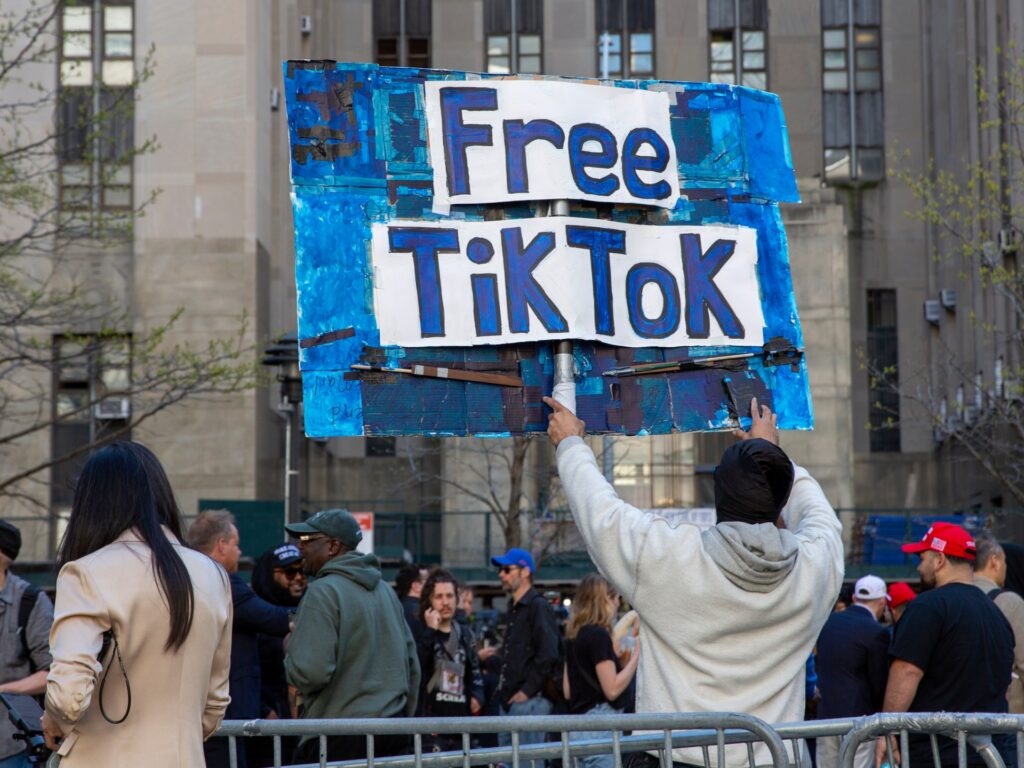
President Donald Trump pauses enforcement of law requiring Bytedance to divest from TikTok or face ban in the US. United States President Donald Trump has again extended a deadline for owners of the popular video app TikTok to sell to non-Chinese buyers or be banned in the US. The executive order announced on Friday would extend the deadline by 75 days. Trump had previously extended a January deadline set out in the law passed by the US Congress last year. “My Administration has been working very hard on a Deal to SAVE TIKTOK, and we have made tremendous progress,” Trump posted on the Truth Social network, which he owns. He added “the deal requires more work to ensure all necessary approvals are signed.” “We look forward to working with TikTok and China to close the Deal,” Trump said. The 2024 law, passed with bipartisan support, had mandated that the platform be divested from Chinese technology company ByteDance or barred in the US, citing data harvesting and national security concerns. Earlier this year, the US Supreme Court ruled that the national security concerns outweighed freedom of speech concerns and allowed the law to stand. Advertisement But on his first day in office, Trump signed an executive order pausing the ban. The order said the delay would allow the Trump administration “the opportunity to determine the appropriate course forward in an orderly way that protects national security while avoiding an abrupt shutdown of a communications platform used by millions of Americans”. The Trump administration has since received an array of offers from US businesses seeking to buy the platform, but ByteDance has so far publicly insisted it has no plans to sell the app. The Reuters news agency has reported the administration is coalescing around a plan for the largest non-Chinese investors in ByteDance to increase their stakes and acquire the app’s US operations. That would entail creating a new US entity for TikTok and diluting Chinese ownership to below the 20 percent threshold required by US law, according to the report. For its part, TikTok, which has headquarters in Singapore and Los Angeles, has said it prioritises user safety, and China’s Ministry of Foreign Affairs has said China’s government has never and will not ask companies to “collect or provide data, information or intelligence” held in foreign countries. In response to Trump’s announcement, ByteDance confirmed it was in talks with the US government, but warned that there remained “key matters” to solve. “An agreement has not been executed,” the company said. Trump has also floated reducing tariffs on China, which will reach 54 percent on April 10, following Wednesday’s reciprocal tariff announcement, to push through a deal with ByteDance. Advertisement TikTok is not owned by China’s government and its leaders have denied influence, although critics have pointed to Beijing’s increased controls on the country’s tech industry. About half of the US population uses TikTok, making it one of the most popular social media platforms in the country. Adblock test (Why?)
US Federal Reserve warns of inflation, unemployment from Trump tariffs
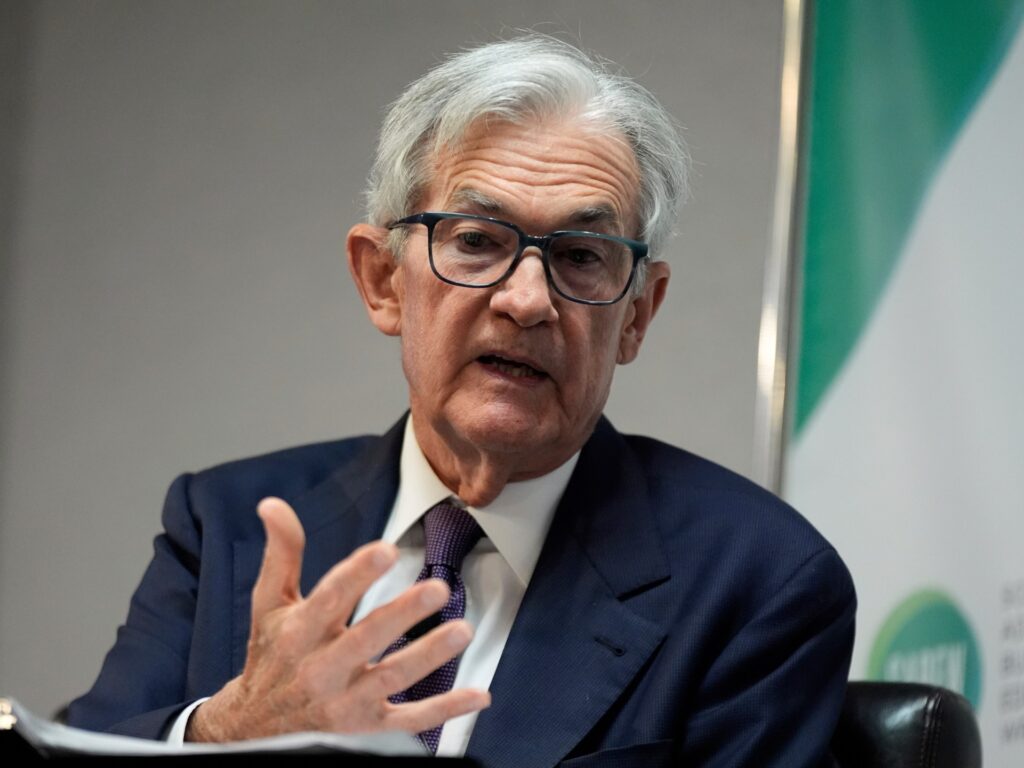
NewsFeed The US now faces a higher risk of inflation and increased unemployment because of President Donald Trump’s sweeping global tariffs, the Federal Reserve Chairman Jerome Powell announced just days after their implementation. Published On 4 Apr 20254 Apr 2025 Adblock test (Why?)
Manchester United vs Manchester City – Premier League: Team news, stream
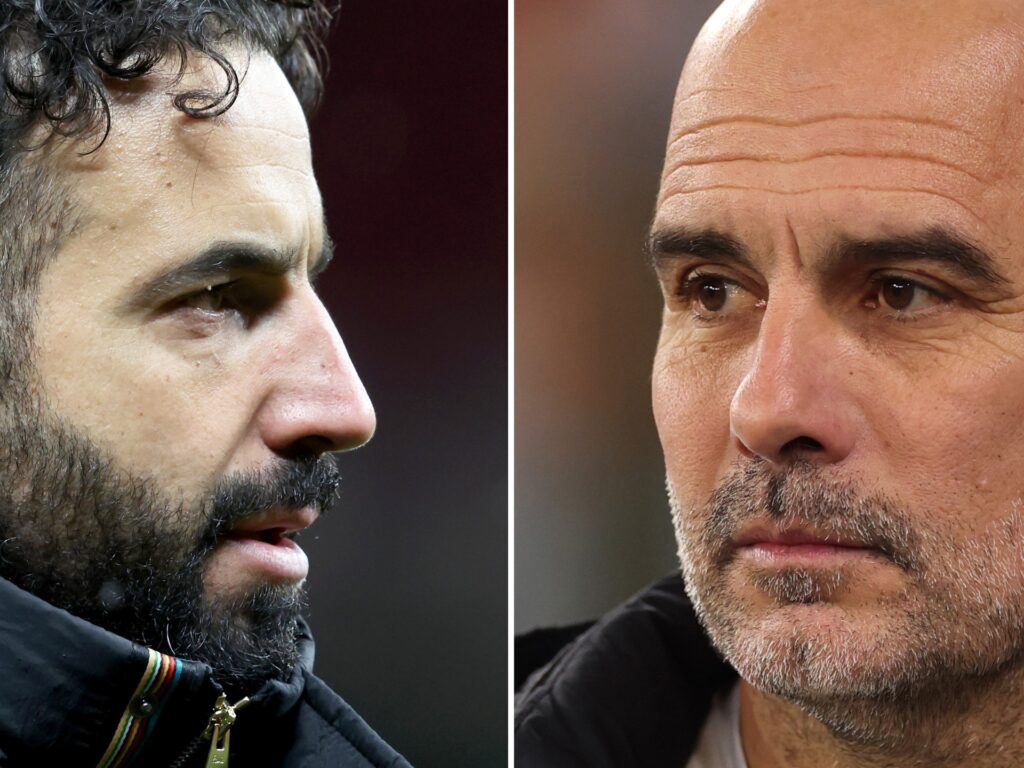
Who: Manchester United vs Manchester CityWhat: English Premier LeagueWhere: Old Trafford, Manchester, United KingdomWhen: Sunday at 4.30pm (15:30 GMT) Follow Al Jazeera Sport‘s live text and photo commentary stream. The Manchester derby has been a clash for titles in years gone by, or at least qualifying places for the Champions League. This season, United are battling for pride, while City’s defence of their Premier League title is over. A top four finish should be City’s for the taking but, for the fans of both teams, bragging rights are the priority in one of the world’s great cross-city rivalries. Al Jazeera takes a closer look as the teams battle to turn Manchester red or blue. Where are Man Utd in their latest rebuild? Manchester United may have a grand vision to win the Premier League title in three years’ time, but manager Ruben Amorim said on Friday that the club may not be title contenders in the next couple of years unless major changes are made. United are on course for their worst Premier League finish, with the club 13th in the standings after 30 games, and Amorim’s task does not get any easier with a derby against City. Advertisement Amid the dire run, the club’s ownership announced a plan to bring the title back to Old Trafford in three years to celebrate United’s 150th anniversary, but Amorim said a lot of work needs to be put into the squad to become genuine contenders. “I understand, and I am not naive. I don’t want to think we need a lot of years to be competitive. I cannot think like that … I know that we are not going to be the biggest contender in the next year or two years,” Amorim told reporters. “We are doing a lot of things. Sometimes, we changed players because they have had to learn how to adjust to our new standards … We have changed a lot of staff; we have changed things inside the club. “I know that is going to take time. I will not say we need a lot of years … Next year is our goal. I am not saying we are going to win the title in the next year, I am not crazy. We are in a rush, we are suffering a lot to be better next year.” Amorim said the club needs to bring in “one or two big players” but the Portuguese knows that in this day and age, with patience wearing thin among fans and club owners, time will not be on his side. “The Premier League is so different. When everyone says [former United manager] Sir Alex Ferguson took three or four years to win something, it’s not possible nowadays,” he added. “The pressure is completely different … No matter the context, we need to be there with the best teams. We will have to face a lot of adversity and big teams, more than in the past.” What was the score in the reverse fixture? United won 2-1 in December’s match at Etihad Stadium. Advertisement Josko Gvardiol looked to have won the match for City until an 88th-minute penalty from Bruno Fernandes was followed two minutes later by an Amad Diallo winner. That was a result Amorim does not consider a highlight, even though the shock win came early in his United tenure. “I don’t see one win as a special moment. Special moments are to be competitive and win titles. Even in the third division, you can beat the best team in the country,” he said. “We want to improve [our position] in the league table and especially we want to win games. We are going to have full focus on this game.” What is Man City’s reaction to De Bryune leaving? City manager Pep Guardiola hailed Kevin De Bruyne as one of the Premier League’s greatest midfielders after the Belgian announced on Friday that he would leave the club at the end of the season, after a decade at the Etihad Stadium. The 33-year-old De Bruyne has lifted 16 trophies since joining City from German side VfL Wolfsburg in 2015 — a haul that includes six Premier League titles and the Champions League in 2023. De Bruyne has played 413 games for City, scoring 106 goals and providing 174 assists, including 118 in the Premier League — the second-most, behind Ryan Giggs (162). “One of the greatest midfielders ever to have played in this country, and I think with Manchester City, there is no doubt,” Guardiola told a news conference. “Greatest/not The Greatest, always you have to be careful with players that played at Maine Road [City’s former stadium], incredible players in the last 20-30 years in this club [too]. Advertisement “But come on, there’s no doubt he’s one of the greatest, for sure, because of his consistency in important games, the not important games, being there every three days all the time. There is no doubt.” The Spaniard added that he had known about De Bruyne’s departure a few days before it was announced, though Friday’s news still carried a bittersweet feeling. “A sad day. A happy day for the fact that [I had] the pleasure personally [to] live with him. He gave all of us his humility and, with his influence in our success in the last decade, that would have been impossible to imagine without him.” Kevin De Bruyne will depart Man City at the end of this season with one of the most-decorated Premier League careers 🏆 pic.twitter.com/A4Dz9zbNyK — Premier League (@premierleague) April 4, 2025 What does Guardiola think De Bruyne’s legacy will be? Asked whether De Bruyne deserved a statue at the stadium like other club greats, such as Sergio Aguero and Vincent Kompany, the coach said De Bruyne certainly deserved it. “I will bet a lot of money that it will happen,” Guardiola said. De Bruyne has made 20 league appearances this season after an injury in September and fitness struggles. After a difficult campaign for
Chimamanda Ngozi Adichie on her new book, Trump and ‘mass murder’ in Gaza

Redi Tlhabi talks with award-winning author Chimamanda Ngozi Adichie about her new book, Trump’s second term and Gaza. Award-winning author Chimamanda Ngozi Adichie is back with her first novel in more than a decade, Dream Count, about the lives and dreams of four women in the United States, Nigeria and Guinea. She spotlights familiar themes including issues of gender, immigrant experiences, class and free speech. As the US continues its crackdown on pro-Palestinian speech, including arresting, deporting and revoking the visas of international students, what will the future of education and learning look like? And has the current political climate shaped her writing? This week on UpFront, Redi Tlhabi talks to author Chimamanda Ngozi Adhichie about her new book, Dream Count. Adblock test (Why?)
Myanmar confirms 180,000 Rohingya eligible to return, Bangladesh says
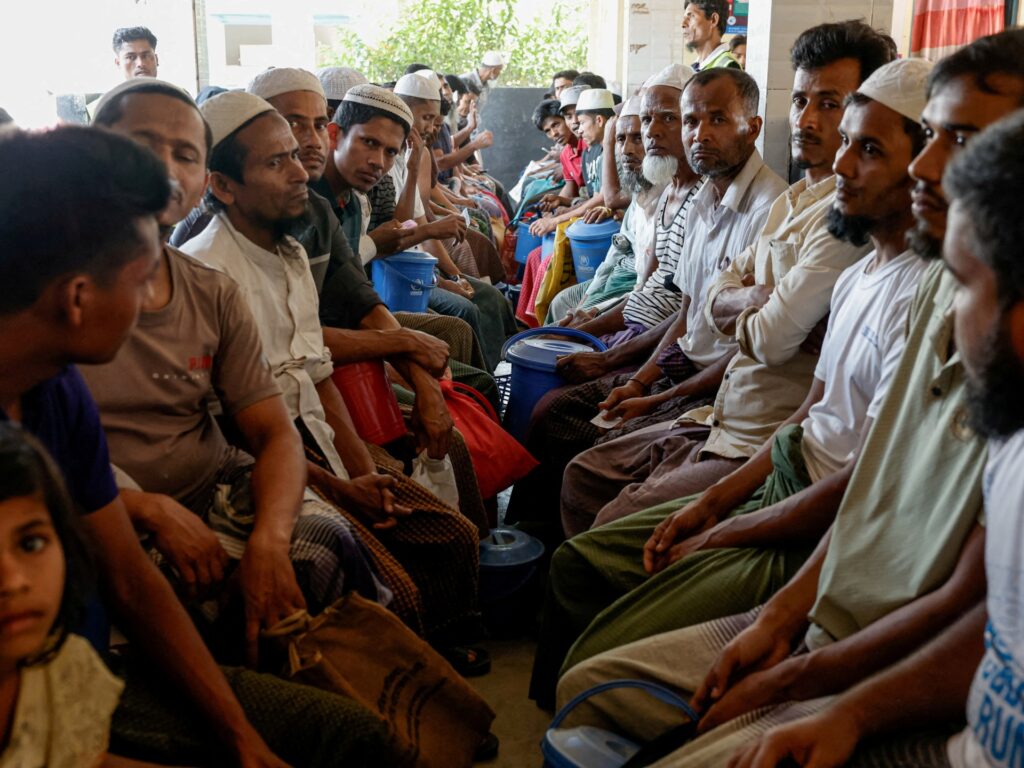
The 180,000 names were part of a list of 800,000 Rohingya that Bangladesh submitted to Myanmar in six batches, Bangladesh government says. Myanmar has confirmed that 180,000 Rohingya refugees living in Bangladesh since fleeing their homeland are eligible to return, the Bangladeshi government has said. Friday’s announcement, following talks in Bangkok, offered a possible breakthrough in the long-stalled repatriation process, although many Rohingya refugees say all of them should be allowed to go home. More than a million Rohingya people have been crammed into camps in southeastern Bangladesh, the world’s largest refugee settlement. Most fled a brutal crackdown by Myanmar’s military in 2017. About 70,000 Rohingya crossed into Bangladesh last year, many fleeing worsening hunger and violence in Myanmar’s Rakhine State. The Bangladeshi government’s announcement comes after a meeting between Khalilur Rahman, high representative of Bangladesh’s interim government led by Nobel laureate Muhammad Yunus, and Than Swe, Myanmar’s deputy prime minister and foreign minister, on the sidelines of the 6th BIMSTEC Summit in Bangkok. The 180,000 names were part of a list of 800,000 Rohingya that Bangladesh submitted to Myanmar in six batches between 2018 and 2020. Myanmar has also indicated that final verification of another 70,000 refugees is pending further review of photographs and identity details. Advertisement The statement said Myanmar had pledged to expedite the verification process for the remaining 550,000 names on the original list. There was no immediate comment from Myanmar’s government on the outcome of the Bangkok talks. Many Rohingya refugees have little hope of returning to their homeland, where they continue to face systematic denial of citizenship and basic rights. Attempts to begin repatriation in 2018 and 2019 failed as the refugees, fearing persecution, refused to go back. “After all these years, they are confirming only 180,000 names. This feels like nothing more than an eyewash. We want a genuine solution,” one Rohingya refugee, Shafiqur Rahman, told the Reuters news agency. “Myanmar must take all of us back — not just a selected few — and they must ensure we return with full rights, dignity, and citizenship. Without that, this process means nothing to us.” Adblock test (Why?)
UK comedian Russell Brand faces rape, sexual assault charges
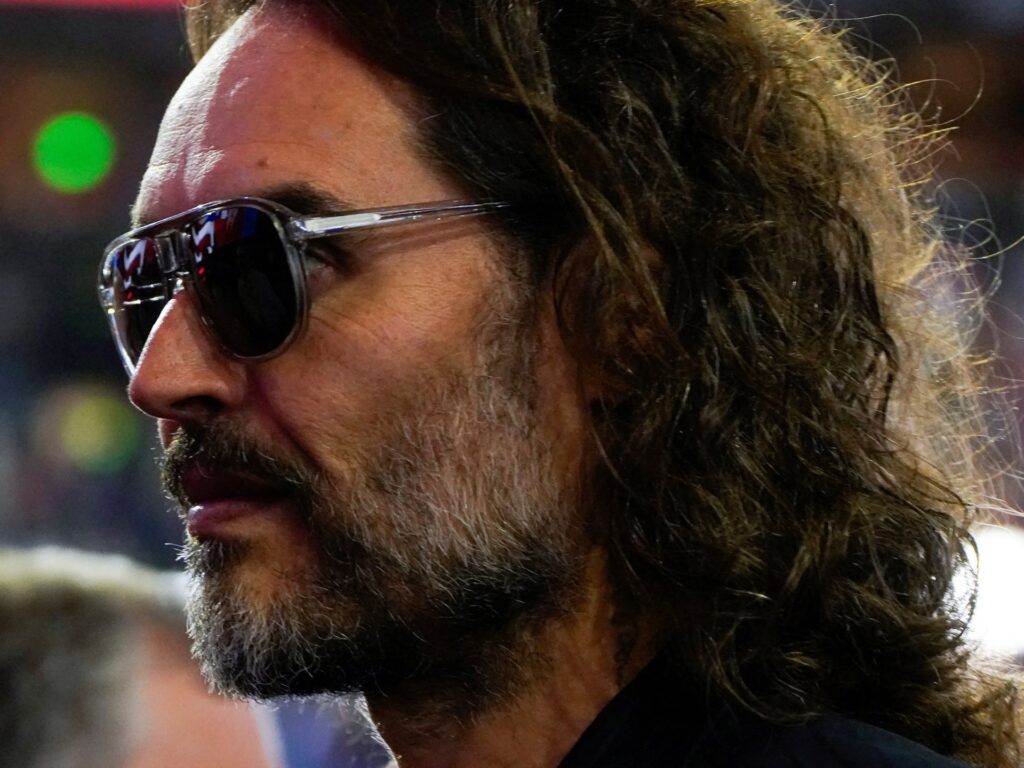
Police say Brand faces one count of rape, one of indecent assault, one of oral rape and two of sexual assault. British comedian Russell Brand has been charged with several counts of sexual assault in the United Kingdom. Brand, once one of Britain’s most high-profile entertainers and broadcasters, faces one count of rape, one of indecent assault, one of oral rape and two of sexual assault, according to a statement from London’s Metropolitan Police published on Friday. The charges stem from complaints by four women over alleged offences that took place from 1999 to 2005. The police said an investigation into Brand “remains open” and encouraged anyone who has been affected or may have information regarding the case to come forward. The charges come more than a year after British media outlets Channel 4 and The Sunday Times revealed assault allegations by four women against Brand. The 50-year-old comedian has denied any wrongdoing, stating that while he had numerous sexual relationships, they were “always consensual”. Speaking to conservative American political commentator Tucker Carlson in January 2024, Brand described the accusations against him as “very, very painful”. Advertisement “I’m aware that I put myself in an extremely vulnerable position by being very, very promiscuous. That is not the type of conduct I endorse, and it’s certainly not how I would live now,” he said. Known for his risque stand-up routines, Brand also hosted numerous shows on radio and television, wrote memoirs charting his battles with drugs and alcohol, appeared in several Hollywood movies and was married to pop star Katy Perry from 2010 to 2012. In recent years, Brand has been largely absent from mainstream media but has built up a large following online with videos mixing wellness and conspiracy theories. He recently said he had moved to the United States. Police said Brand is due to appear in a London court on May 2. Adblock test (Why?)