

Can new Africa Energy Bank power a continent while protecting the planet?
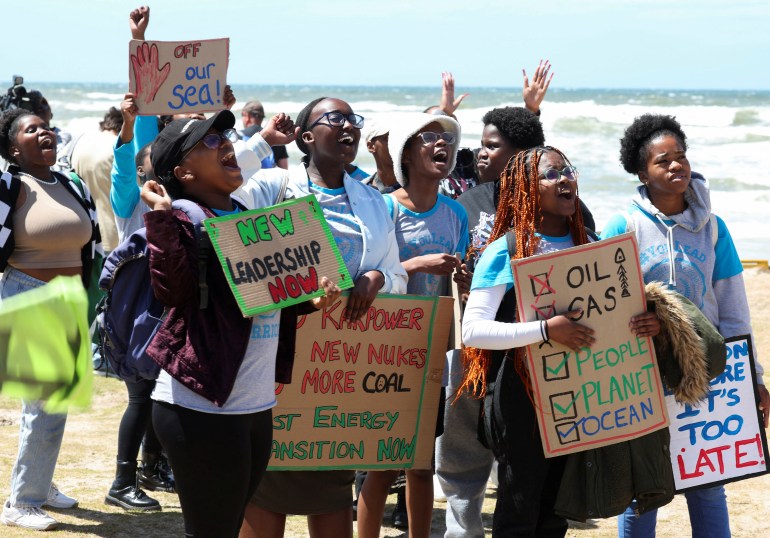
A group of African countries is set to launch a bank to fund oil and gas projects amid growing reluctance by Western institutions to further invest in fossil fuels. The long-planned “Africa Energy Bank” that is expected to take off soon was announced last June as a joint initiative by the African Export-Import Bank (Afreximbank) and the African Petroleum Producers’ Organization (APPO) – a group of 18 oil-exporting nations. The bank aims to lift growth by boosting Africa’s energy supply. Its founders consider it a lifeline in a continent rich with natural resources, but where millions of people still lack access to electricity. However, climate activists have questioned the logic of doubling down on fossil fuels. In addition, oil and gas projects built today have a high probability of becoming unusable “stranded assets”, leading to costly debt on countries’ balance sheets in the future as the world transitions to low-carbon alternatives. To provide for the material power needs of Africans while also protecting the planet, experts say a balance is needed. Climate activists hold placards as they demonstrate, calling for climate justice resistance against oil and gas drilling off the South African coastlines [File: Esa Alexander/Reuters] Caught between a rock and a hard place Under the 2015 Paris Agreement, hundreds of countries pledged to hold global temperatures to below 2 degrees Celsius (3.6 degrees Fahrenheit) above pre-industrial levels. Since then, governments and companies – including in Africa – have faced increased pressure to reduce their reliance on fossil fuels. Advertisement The World Bank stopped financing oil and gas extraction in 2019. In 2022, Shell suspended marine exploration activity off the coast of South Africa after a High Court ordered it to pause work due to successful legal challenges from environmental campaigners. At the time, Happy Khambule, a senior campaigner for Greenpeace Africa, said, “We must do everything we can to undo the destructive colonial legacy of extractivism, until we live in a world where people and the planet come before the profits of toxic fossil fuel companies.” For his part, Omar Farouk Ibrahim, secretary-general of APPO, has said there is a “need to strike the right balance between the imperatives of climate change mitigation and the need to avoid social upheaval that could result from difficult economic and financial conditions in Africa”. Indeed, Africa’s energy needs are immense. The number of sub-Saharan Africans without access to electricity has risen in recent years. As population growth outpaced new energy supply in 2023, 600 million people (43 percent of the continent) were left in the dark, according to the International Energy Agency. While estimates vary, electricity supply would need to increase fivefold to support large-scale industrial activity and help lift the majority of Africans – one-third of whom live on less than $1.90 a day – out of poverty. On a per capita basis, Africa has the lowest level of modern energy usage in the world. At an economy-wide level, it also lags behind. Globally, manufacturing makes up 42.2 percent of total power consumption. In Africa, it’s just 16.8 percent. Advertisement APPO head Ibrahim says the Africa Energy Bank is the result of Western countries’ “abandon[ing] hydrocarbons” so that “the leaders of the continent have no choice but to look within to raise the required funds to sustain and grow the [energy] industry”. Employees drive past Africa’s largest methanol plant at Punta Europa in Equatorial Guinea [File: Pascal Fletcher/Reuters] The Africa Energy Bank will be headquartered in Abuja, Nigeria’s capital. On February 11, Nigeria’s Minister of State for Petroleum Resources Heineken Lokpobiri told reporters that “the building is ready, and we are only putting finishing touches to it, by the end of this quarter [end of March], this bank will take off.” Countries involved in the Africa Energy Bank include Nigeria, Angola and Libya, among others. Planned projects are expected to range from offshore oil exploration to new gas-fired power plants. Each country has pledged $83m and to raise a total amount of $1.5bn. That will be complemented by $14bn from the Afreximbank, a trade credit organisation. Over the next five years, Lokpobiri said that the Africa Energy Bank is hoping to secure $120bn in assets. Additional funding will likely come from sovereign wealth funds, commodity traders and international banks interested in acquiring equity. Africa’s context is ‘different’ Many African leaders recognise the need for rapid industrial development and balk at restrictions from Western financial backers, whose rules increasingly bar them from traditional energy projects. Advertisement Arkebe Oqubay, a former adviser to Ethiopia’s Prime Minister Abiy Ahmed, insists that “Africa’s context is totally different from elsewhere because its economic resources have not been fully developed. At the same time, it’s made a minimal contribution to climate change.” Africa is responsible for just 4 percent of global carbon emissions and even less on a historical basis. It also suffers disproportionately from the effects of extreme weather events. “The moral imperative to cut emissions is not as present in Africa,” said Oqubay. He told Al Jazeera that, “[these] are countries at a development stage where you cannot suddenly move into the green transition … You cannot just say funding is cut and they cannot commit to oil and gas”. The African Energy Chamber, an advocacy group, has also argued that Africa has a “sovereign right” to develop its natural resources, which, according to the group, includes 125 billion barrels of oil and 620 trillion cubic feet of natural gas. “Until [renewable energy] funding becomes more readily available, African countries are entitled to expand their oil and gas capabilities … and the international community does not have the right to say we cannot do this,” said Oqubay. “But to be clear, fossil fuels are not the future,” he said. ‘Huge’ renewable energy potential Africa’s energy shortages are a “development constraint”, said Fadhel Kaboub, an associate professor of economics at Denison University in the United States. Africa’s subdued power sector limits the production of fertiliser, steel and cement – hallmarks of economic development. Advertisement The continent’s inability to
Trump, Musk lavish each other with praise as they defend cost-cutting drive
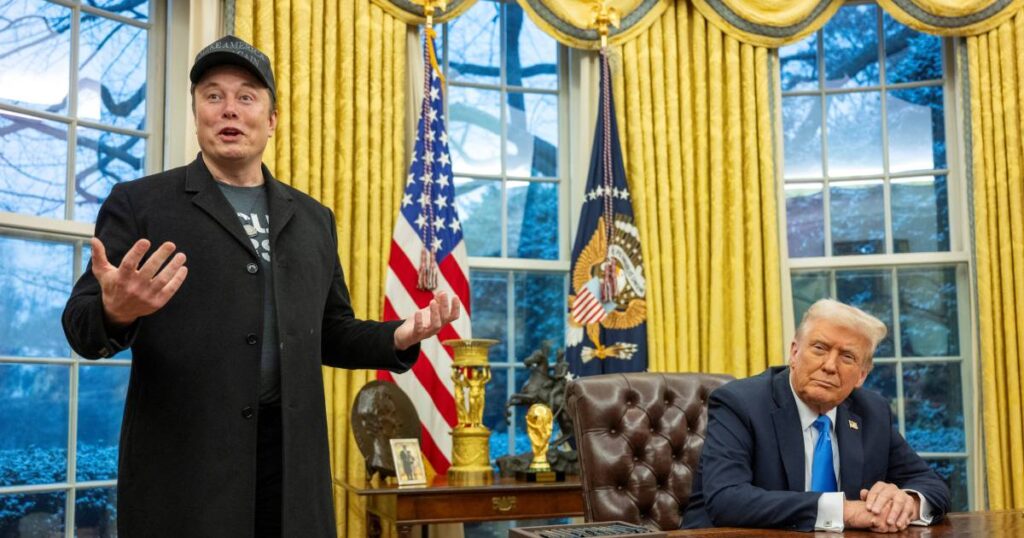
US president claims DOGE will save hundreds of billions of dollars without cutting healthcare and welfare benefits. United States President Donald Trump and tech billionaire Elon Musk have defended their sweeping cost-cutting drive in a joint interview in which the two men lavished each other with praise. In an interview with Fox News that aired on Tuesday, Trump said he had tapped Musk to lead the so-called Department of Government Efficiency (DOGE) as he wanted someone “really smart” to work with. “I respect him; I have always respected him. I never knew that he was right on certain things, and I am usually pretty good at this stuff. He did Starlink, he did things that were so advanced and nobody knew what the hell they were,” Trump told Fox News host Sean Hannity, referring to Musk’s satellite internet service. Trump said that Musk and his “100 geniuses” were ensuring his executive orders got implemented to avoid the experience of past administrations that were frustrated by bureaucracy. “He has got some very brilliant young people working for him that dress much worse than him actually. They dress in just t-shirts; you wouldn’t know they have 180 IQ,” Trump said, praising Musk as a “leader” who “gets it done”. Advertisement Musk, in turn, showered Trump with praise. “I love the president. I want to be clear about that,” Musk said. “I think that President Trump is a good man.” “The president has been so unfairly attacked in the media – it’s really outrageous,” the Tesla and SpaceX CEO continued. “At this point, I have spent a lot of time with the president, and not once have I seen him do something that was mean or cruel or wrong. Not once.” The two men also mocked suggestions by some critics that Musk had usurped Trump’s authority as president. “Actually, Elon called me. He said, ‘You know they are trying to drive us apart.’ I said, ‘Absolutely,’” Trump said. “You know, they said, ‘We have breaking news. Donald Trump has ceded control of the presidency to Elon Musk. President Musk will be attending a Cabinet meeting tonight at eight o’clock.’ And I said, ‘It’s just so obvious.’ People are smart, they get it.” Musk’s DOGE has overseen the laying off of about 20,000 federal government employees so far and earmarked some 200,000 more for dismissal. Critics have accused Musk of acting without legal authority, cutting government functions haphazardly without proper consideration and jeopardising Americans’ privacy by seeking access to sensitive data such as taxpayer information. Concerns have also been raised about the South African-born billionaire’s influence over the government given that he does not hold elected office. In Tuesday’s interview, Trump claimed that DOGE would be able to find “hundreds of billions” of dollars in savings without making cuts to Social Security, Medicare or Medicaid benefits despite those programmes making up nearly half of government spending. Advertisement “It’s going to be strengthened – but won’t be touched. Medicare, Medicaid – none of that stuff is going to be touched,” he said. Adblock test (Why?)
Trump’s Ukraine policy shift: How are European leaders planning to respond?
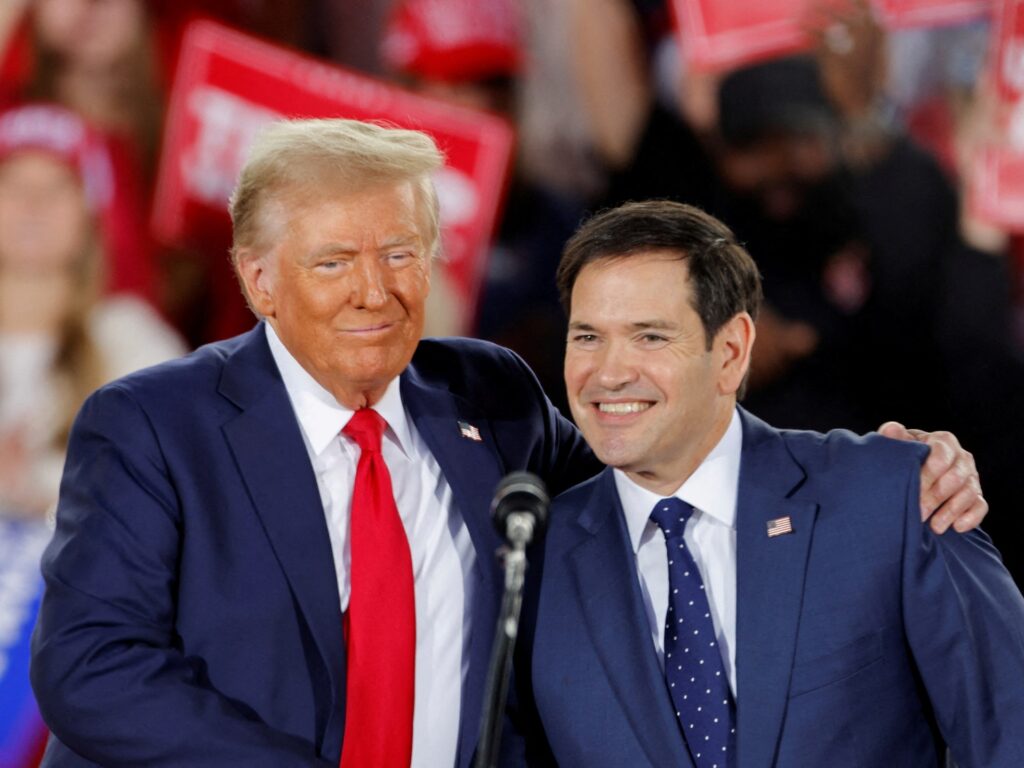
United States President Donald Trump’s plan to cut a deal with his Russian counterpart Vladimir Putin over Ukraine and his administration’s new approach to transatlantic ties have left European leaders concerned. US Secretary of State Marco Rubio on Tuesday held a meeting with a Russian delegation led by Foreign Minister Sergey Lavrov and aimed at ending the war in Ukraine. The meeting in the Saudi Arabian capital Riyadh comes after Trump spoke to Putin last week and agreed to hold peace talks to end the three-year conflict without involving his European allies. Trump also said that he might meet Putin in Saudi Arabia. This has sparked concern among European leaders and Ukraine’s President Volodymyr Zelenskyy, who has warned that Kyiv would not recognise any deal made without its involvement. “No decisions about Ukraine without Ukraine … Europe must have a seat at the table when decisions about Europe are being made,” Zelenskyy said at the Munich Security Conference this weekend. So what’s the Trump administration’s new approach, and how will Europe respond to the new reality? Advertisement What’s on the agenda at US-Russia talks in Riyadh? Rubio, alongside national security adviser Mike Waltz and special envoy to the Middle East Steve Witkoff, has held talks with the Russian delegation led by Lavrov. Along with aiming to reset the fractured relations between Washington and Moscow, the Riyadh talks may likely prepare for a possible meeting between Trump and Putin. The talks, Kremlin spokesman Dmitry Peskov told reporters, would be “primarily devoted to restoring the whole complex of Russian-American relations”. “The world is holding its breath as the meeting between these high-ranking officials in Riyadh has started,” Al Jazeera’s Yulia Shapovalova said, adding that no breakthrough is expected. “The settlement of the conflict in Ukraine, as well as improving Russia-US bilateral relations – which have hit rock bottom – are on the agenda,” she said, reporting from Moscow. Why are Europe and Ukraine concerned about not being invited to the Riyadh summit? Zelenskyy, who travelled to the United Arab Emirates on Monday, reiterated that he would not accept any decisions between the US and Russia about Ukraine. European leaders have also expressed their concerns about the exclusion of Europe and Ukraine from the discussions, and have expressed that they want to be part of the negotiations. “A dictated peace will therefore never find our support,” said German Chancellor Olaf Scholz over the weekend after Trump’s unilateral overture to Putin on Wednesday. Trump later told reporters that Zelenskyy will be involved in the negotiations, without giving further explanation. Keith Kellogg, the US envoy for Ukraine, also tried to reassure that no deal would be imposed on Ukraine. Advertisement Kellogg is heading to Kyiv on a three-day visit. Kyiv, which has lost nearly 20 percent of its territory and thousands of lives, would like to have a deal that addresses its legitimate security concerns. “We seek a strong and lasting peace in Ukraine. To achieve this, Russia must end its aggression, and this must be accompanied by strong and credible security guarantees for the Ukrainians,” France’s President Emmanuel Macron posted on X a day after he hosted European leaders in Paris. European leaders are concerned “because neither Ukraine nor Europe is represented. And they think Trump will sell Ukraine down the river,” Timothy Ash, an associate fellow in the Russia and Eurasia programme at Chatham House, told Al Jazeera. “They fear a similar outcome as per Trump’s messaging on Gaza – he simply does not care,” Ash said, referring to Trump’s proposal to “take over” Gaza after displacing Palestinians, which would amount to ethnic cleansing and a war crime. How are European leaders responding to Trump’s policy shift on Ukraine and transatlantic ties? European leaders have been left scrambling for responses after the new Trump administration upended the US’s Ukraine policy for the past three years and put forth proposals that will change the dynamics of the transatlantic alliance in place since 1949. On Sunday, Kellogg, Trump’s envoy for Ukraine, announced that Europe would not be at the table for Ukraine peace negotiations. Last week, US Defence Secretary Pete Hegseth said that membership in the North Atlantic Treaty Organization (NATO) for Ukraine was “unrealistic”. In line with Trump’s rhetoric that Europe should increase its spending on NATO, Hegseth indicated that Europe should ramp up its financial and military responsibilities in Ukraine. He also ruled out deployment of US troops in Ukraine after any deal is signed with Russia. US Vice President JD Vance reiterated the same point: Brussels should “step up in a big way to provide for its own defence”. Advertisement Stung by the tone and messaging from Trump’s top aides, European leaders on Monday gathered in Paris to devise their next steps. Macron was joined by leaders from Germany, Denmark, Poland, Italy, Spain and the Netherlands, alongside officials from NATO and the European Union. “Ready and willing,” NATO chief Mark Rutte posted on X on Monday. European nations have stepped up their contribution to Kyiv in recent years, providing nearly $140bn in Ukraine aid, more than the US, which has spent about $120bn since the war erupted in February 2022. Ash from the Chatham House explained that Europe is “realising the US is an unreliable partner”, as Trump’s overture to Putin is being seen by some as a betrayal by a key ally. Europe’s main fear is Russian aggression beyond Ukraine, as Washington has been Europe’s security guarantor for decades through the NATO alliance. But Trump has been demanding that Europe shoulder more responsibility for its security. According to media reports, the US wants to pull out some of its troops from Europe. In 2014, NATO member states pledged to contribute at least two percent of their gross domestic product (GDP) to defence, but more than 10 years later, only 23 of the 32 members have honoured their commitment. Trump wants them to increase defence spending to five percent of GDP. European Commission President Ursula von der Leyen on Monday posted
Hamas to release six Israeli captives, hand over four bodies this week
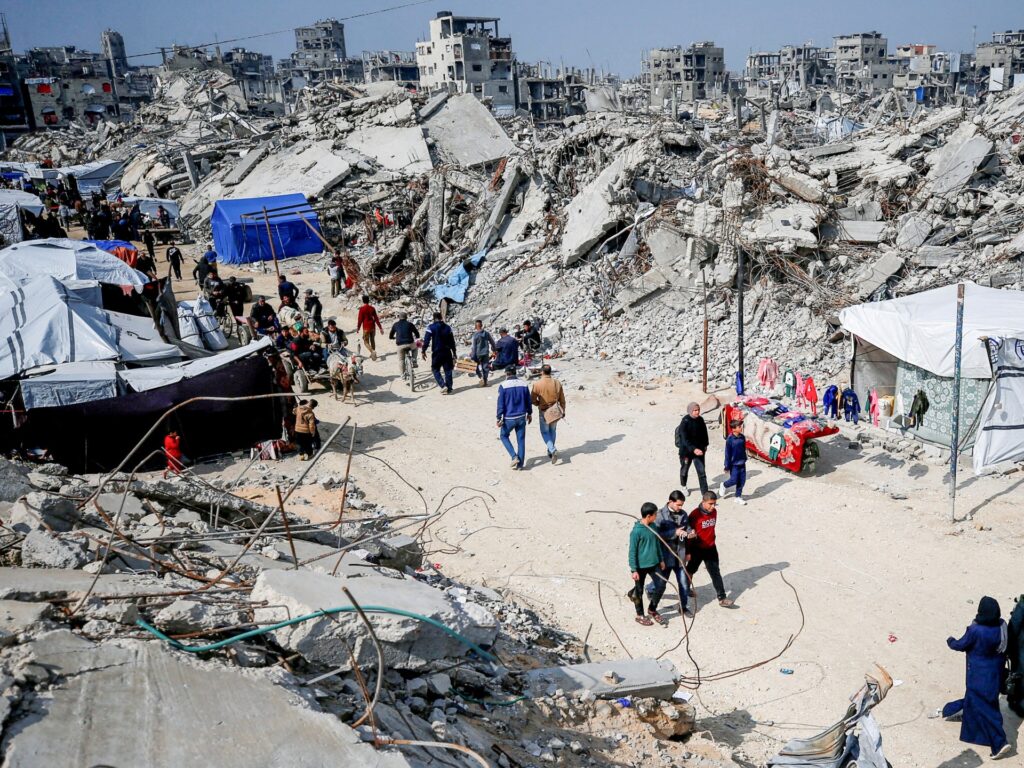
Hamas will release six Israeli captives and hand over the bodies of four others this week as part of the Gaza ceasefire agreement, the group’s leader in the enclave said. Khalil al-Hayya, head of the Palestinian group in Gaza said the handover of the bodies will take place in Gaza on Thursday and that six living Israeli captives will be released on Saturday. “Hamas has proven, along with the resistance, its seriousness in implementing the agreement with full responsibility,” he said on Tuesday. “We stress the need to oblige the occupation to implement all provisions of the agreement without procrastination. The office of Israeli Prime Minister Benjamin Netanyahu confirmed that talks in Egypt resulted in an agreement on the release of six living Israeli captives on Saturday as part of the first phase of the ceasefire deal with Hamas. Israel will also receive the bodies of four dead captives on Thursday, before another four bodies later next week, the statement said. The first phase of the Gaza truce, which was brokered by the United States, Qatar and Egypt, is due to expire on March 1. Negotiations on the next stages, including a permanent end to the war, have not yet begun. Advertisement Reporting from Amman, Jordan, Al Jazeera’s Hamdah Salhut said the releases could be a major development regarding negotiations on phase two of the ceasefire. “Hamas said they are doing this because they want the second phase to take place. The Israelis have been asking for this for about a week now, saying they want the bodies of some captives to be released sooner than the end of phase one,” she said. Al-Hayya said that the bodies of members of the Bibas family would be among those handed over on Thursday. In November 2023, Hamas announced the family was killed in an Israeli air strike. Husband and father Yarden Bibas was released last month as part of phase one of the ceasefire deal. There was no immediate comment from Israel regarding the identity of the deceased captives. “The Israeli military had said they had great concerns over the fate of the mother and her two children, but did not confirm whether they were killed. Hamas now confirms they will be releasing the bodies,” Al Jazeera’s Salhut said. Former director general of the Israeli Foreign Ministry Alon Liel, pointed out that Hamas returning bodies of the Israeli captives to the Red Cross, “could have a devastating effect on the Israeli public.” He said it would be a day of mourning in Israel which would shock the people. “But it is still better than getting nothing from Hamas. We would love to have all the living hostages and the bodies back in Israel as soon as possible,” Liel said. Israel seeks ‘maximum flexibility’ in talks Israel and Hamas agreed to a ceasefire deal in Gaza on January 19, after more than 460 days of a war that has devastated the Palestinian territory. Advertisement However, Israel has violated the ceasefire in Gaza 266 times, killing at least 132 people, Palestinian security sources told Al Jazeera on Tuesday. Since the ceasefire took effect, Israeli leaders have also discussed the possibility of an imminent return to fighting in Gaza, with far-right ministers in Netanyahu’s cabinet pushing for a military occupation of the enclave, while US President Donald Trump has called for the forced displacement of Palestinians from Gaza. Mohamad Elmasry, a professor at the Doha Institute for Graduate Studies, told Al Jazeera, said Israel is looking for “maximum flexibility” in advance of potential talks over the second phase of the truce deal with Hamas. “On the one hand, there are whispers that at least some in the Israeli government want to move to phase two of the Gaza ceasefire and [US President] Donald Trump’s Middle East envoy said he is confident there will be a phase two. All of that seems to be positive,” Elmasry said. “On the other hand, Israel and the US are in a way talking from both sides of their mouth because they’re still talking about the complete eradication of Hamas and Trump’s forced expulsion and ethnic cleansing plan for Gaza,” Elmasry added. On Tuesday, Israeli Foreign Minister Gideon Saar said that Israel will begin negotiations “this week” on the second phase of the ceasefire deal in Gaza. “We had yesterday night a security cabinet meeting. We decided to open negotiations on the second phase. It will happen this week,” Saar said of the talks, which were originally supposed to start on February 3. Advertisement He added that Israel demands “a total demilitarisation of Gaza and no presence of the Palestinian Authority”. Adblock test (Why?)
British couple detained in Iran charged with spying
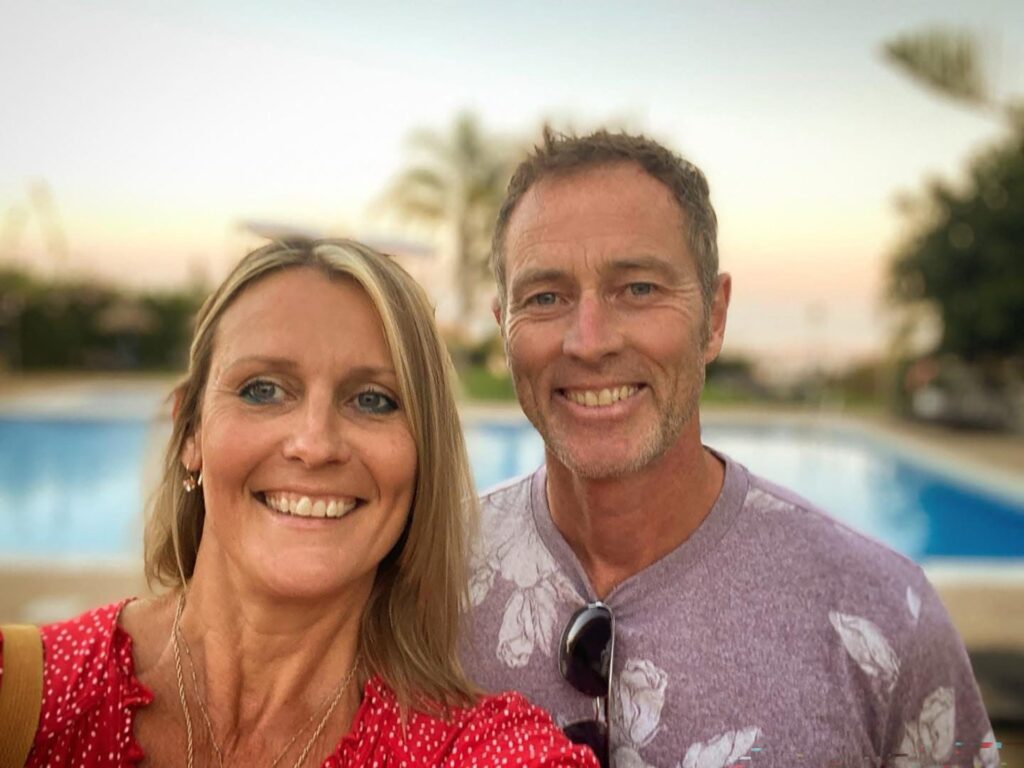
The couple admitted they had ignored warnings not to travel to Iran as part of their “slightly bonkers” round-the-world motorbike trip. Two British nationals detained in Iran have been charged with espionage, according to the Iranian judiciary’s Mizan news agency. The pair were laid with the charges on Tuesday after they allegedly gathered information in different parts of the country, the agency reported. Iran’s elite Revolutionary Guards have arrested dozens of foreigners and dual nationals in recent years, mostly on espionage and security-related charges. The British Foreign Office named the two as Craig and Lindsay Foreman, and their family said on Saturday they were engaging with relevant authorities to ensure their safe return home. “The detained individuals entered the country as tourists and collected information in several provinces of the country,” Mizan said, without giving further details. According to British media reports, the pair are a married couple in their early fifties. Mizan cited a judicial official as saying the two were connected to intelligence services and that investigations into the alleged links were ongoing. Advertisement The couple admitted that they had ignored warnings not to travel to the country as part of their “slightly bonkers” round-the-world motorbike trip. Lindsay said in a Facebook post that by late December they had “now done 12,499 miles across 13 countries”, having crossed places such as Italy, Albania, Greece and Turkey. A life coach with a doctorate according to her social networks, Lindsay said she had been having “an amazing time” while Craig, a carpenter, praised Iran’s “lovely people.” In their social media posts the couple said they had been carrying out a research project on what makes a “good life.” Lindsay said she had interviewed more than 360 people. Iranian authorities have accused the pair of having links with Western intelligence services and said they were found to be “cooperating with covert institutions linked to the intelligence services of hostile and Western countries”. The couple said they crossed into Iran from Armenia in December. On Friday, Britain’s Foreign Office said it was “providing consular assistance to two British nationals detained in Iran” and was in contact with Iranian authorities. Adblock test (Why?)
European leaders warn against Ukraine ceasefire without Russian peace deal
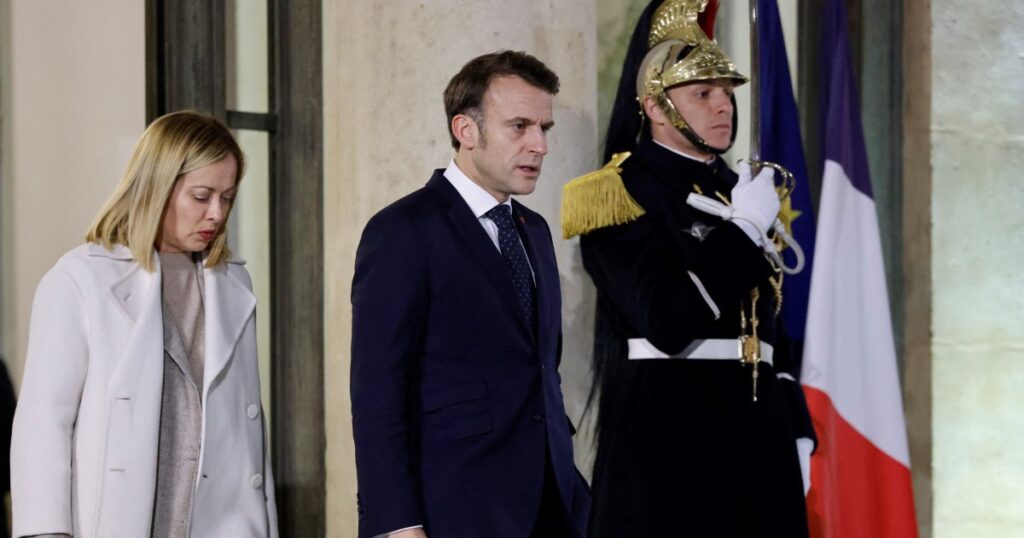
European leaders have said they are ready to give Ukraine security guarantees and warned that it would be dangerous for Kyiv to agree to a ceasefire without a negotiated peace agreement in place with Moscow, officials said. The offer of a European security commitment to Ukraine was made at a meeting in Paris on Monday, called by French President Emmanuel Macron after United States President Donald Trump excluded European allies and Kyiv’s leadership from negotiations, due to take place in Saudi Arabia, with Russia on a deal to end the war in Ukraine. “Ready and willing. That’s my take from today’s meeting in Paris. Europe is ready and willing to step up. To lead in providing security guarantees for Ukraine,” NATO Secretary-General Mark Rutte said in a post on social media after the emergency meeting. “The details will need to be decided but the commitment is clear,” Rutte said. A European Union official said after the meeting that the leaders were “ready to provide security guarantees, with modalities to be examined with each party, depending on the level of American support”. Advertisement “We agree with President Trump on a ‘peace through strength’ approach,” the official said, summarising the result of the meeting. “We believe it is dangerous to conclude a ceasefire without a peace agreement at the same time,” the official also said. The three hours of emergency talks at the Elysee Palace in Paris followed US statements on Ukraine last week that threw a once-solid transatlantic alliance into turmoil. They also followed a call between Trump and Russian President Vladimir Putin amid fears that Washington is ready to abandon Ukraine and embrace the Kremlin, while also giving the cold shoulder to the US’s traditional European allies. I just had a long conversation with President of France @EmmanuelMacron following his meeting today with other European leaders to discuss the global situation, the state of affairs in Europe, and security guarantees for Ukraine. We share a common vision: security guarantees… — Volodymyr Zelenskyy / Володимир Зеленський (@ZelenskyyUa) February 17, 2025 Ukraine’s President Volodymyr Zelenskyy said late on Monday that he had spoken with Macron about security guarantees for his country, adding that a weak ceasefire with Russia would only serve as a ”prelude” to more Russian aggression against his or other countries in Europe. “We share a common vision: security guarantees must be robust and reliable,” Zelenskyy said on social media. “Any other decision without such guarantees – such as a fragile ceasefire – would only serve as another deception by Russia and a prelude to a new Russian war against Ukraine or other European nations,” he said. Advertisement Melinda Haring, a nonresident senior fellow at the Atlantic Council’s Eurasia Center, told Al Jazeera that Europe was “caught off guard” by Washington’s overtures towards Russia. “It is very strange that the aggressor is meeting with the United States without Ukraine. The longstanding policy of the United States has been, ‘nothing about Ukraine without Ukraine’,” Haring said. “So it’s definitely a change in policy. But it could also be – the most charitable interpretation is – that the United States is trying to see if Russia is finally serious [about peace],” she said. ‘We came to negotiate with American colleagues’ US Secretary of State Marco Rubio is in Saudi Arabia with the US National Security adviser, Mike Waltz, and Middle East envoy Steve Witkoff for talks on Tuesday with Russian Foreign Minister Sergey Lavrov and Kremlin foreign policy adviser Yuri Ushakov, according to reports. Ushakov said on Monday, upon arrival in Saudi Arabia’s capital, Riyadh, that talks on Ukraine would be strictly bilateral, Russia’s RIA state news agency reported. “We came to negotiate with American colleagues,” RIA cited Ushakov as saying. “These are bilateral talks, purely bilateral. There can be no trilateral talks in Riyadh.” Al Jazeera’s Heidi Zhou-Castro, reporting from Washington, DC said the Trump administration’s communication with Moscow and talks on a peace agreement mark a reversal of the previous US President Joe Biden’s administration’s approach to Ukraine. “With Biden, we heard so much affirmation about Ukraine’s standpoint in the war, and it’s only been the opposite since Trump took office,” Zhou-Castro said. Advertisement “Coming from [Trump’s] administration, from his secretary of defence, we’ve heard the US side really on Russia’s negotiating positions, saying that the US finds it now to be unrealistic for Ukraine to reclaim all of its lost territory to Russia, and no longer endorsing a NATO membership for Ukraine,” she said. “Both very bitter pills to swallow for Ukraine, which is saying that it won’t swallow them at all,” she added. “The US side has not telegraphed any expectations for tomorrow but the Russian Foreign Ministry has said that this would pave the way towards a meeting in person between Trump and Putin somewhere down the road.” United Kingdom Prime Minister Keir Starmer, German Chancellor Olaf Scholz, Italian Prime Minister Giorgia Meloni, Polish Prime Minister Donald Tusk and Spanish Prime Minister Pedro Sanchez attended the meeting alongside Macron in Paris. Also at the meeting were Dutch Premier Dick Schoof, Danish Prime Minister Mette Frederiksen, NATO’s Rutte, European Commission President Ursula von der Leyen and European Council President Antonio Costa. Adblock test (Why?)
US man who shot Israeli visitors thought they were Palestinians, police say
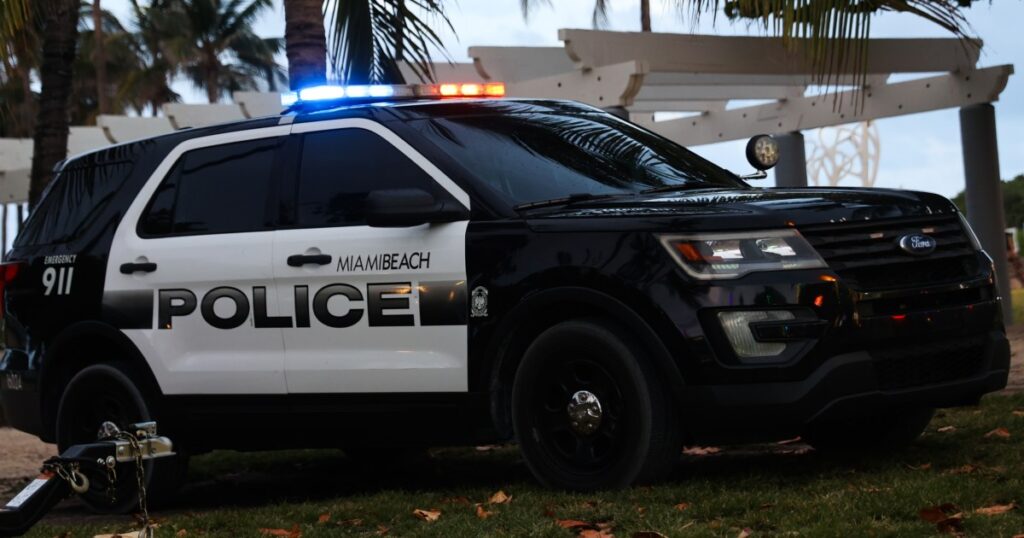
Mordechai Brafman, 27, charged with two counts of attempted murder over shooting at Miami Beach in Florida. A man charged with attempted murder over the shooting of two Israeli visitors in Florida, the United States, believed the victims were Palestinians, police have said. Mordechai Brafman, 27, was on Sunday charged with two counts of attempted murder and booked after the shooting at Miami Beach the previous night, according to the website of Miami-Dade County Corrections. In an arrest report, police alleged that Brafman had “spontaneously stated that while he was driving his truck, he saw two Palestinians and shot and killed both”. Both victims, identified in local media as a Jewish father and son visiting Miami from Israel, survived. One of the men suffered an injury to his shoulder, and the other was wounded in his forearm, according to local news reports. In an interview with WPLG Local 10, one of the victims, identified as Ari Revay, said the shooter had opened fire at him and his father from a passing truck. “‘Boom, boom, boom’ and he randomly started shooting,” Revay was quoted as saying in an interview that was reportedly translated from Hebrew by his cousin. Advertisement “He put the window down, driver’s seat and just blasted,” Revay was quoted as saying. The shooting comes amid warnings by advocacy groups that incidents of anti-Muslim and anti-Semitic hate have surged since the start of the war in Gaza on October 7, 2023. “This is just the latest example of the hate targeting the Palestinian-American community in this country and Palestinians in their homeland,” Nihad Awad, the national executive director of the Council on American-Islamic Relations, said in a statement on Monday. “Policymakers in our nation should stop fomenting the anti-Palestinian hate that led to the genocide in Gaza and to hate crimes in America.” Adblock test (Why?)
‘Serious concerns’ as new video emerges of Australian captured by Russia
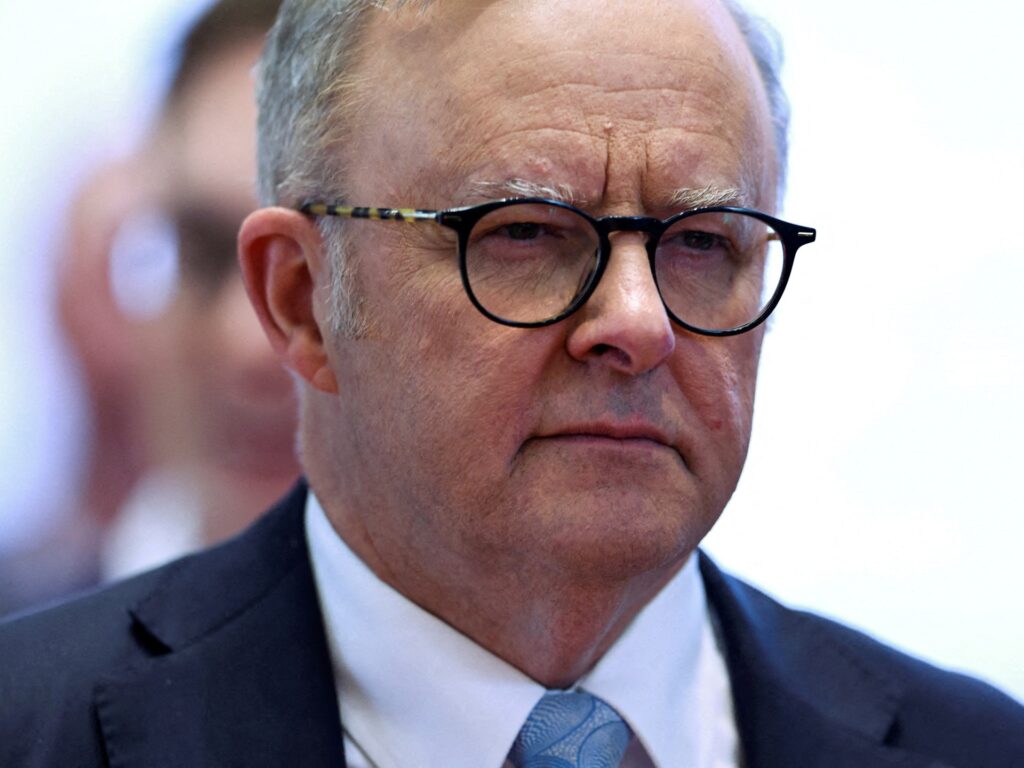
The previously unseen footage of POW Oscar Jenkins shows him appearing emaciated, weak and complaining of a broken arm. The Australian government has said it has “serious concerns” about an Australian citizen captured by Russian forces while fighting for Ukraine after new footage emerged of him looking emaciated and complaining of a broken arm. Australian Prime Minister Anthony Albanese told public broadcaster ABC on Tuesday that he had seen the video posted on YouTube of Oscar Jenkins. Albanese said that while the footage “appears to confirm” Jenkins is alive, the government holds “serious concerns for Mr Jenkins’s welfare”. “We’ve made it clear to Russia that Mr Jenkins is a prisoner of war and that there are obligations that kick in accordance with international humanitarian law, and they must be observed,” he said. “We have called for Russia to release Mr Jenkins, so that he can come home to his family,” Albanese added. Jenkins, a 32-year-old schoolteacher from Melbourne, was captured by Russian forces when fighting with the Ukrainian military. It is unclear when he left Australia for Ukraine. In the footage, uploaded on February 8, Jenkins is dressed in cold weather camouflage clothing with a green wool hat. He looks uncomfortable, as a man behind the camera, speaking in English, says the date is January 17, 2025. Advertisement The unidentified man explains that earlier reports about Jenkins’s death were “not right”, before Jenkins tells the camera he “would like more freedom” and that he feels “a bit weak”. “I have lost a lot of weight. I have a broken arm still, I think, and my hand is not good,” he said. The date and authenticity of the footage could not be independently verified. In December, video footage first emerged of Jenkins on pro-Kremlin social media accounts being questioned and slapped in the face by a man speaking Russian. The man, claiming to be Jenkins, responded in both English and Ukrainian, saying he was a biology teacher who lived in Australia and Ukraine. Australian media, citing unnamed sources, then reported in January that Russian forces had killed Jenkins. Responding to those reports last month, Albanese said it would be “absolutely reprehensible” if it was confirmed that Russian forces had done so, and pledged to take the “strongest possible action”. Moscow then confirmed that Jenkins was still alive and being held as a prisoner of war, Australia’s Minister for Foreign Affairs Penny Wong announced in late January. The Russian government has provided no details on where Jenkins is being held or the conditions of his imprisonment. Relations between Canberra and Moscow have been tense ever since a Russian missile downed Malaysian Airlines flight MH17 over eastern Ukraine in 2014, resulting in the deaths of 298 people on board, including 38 Australians. Australia has also condemned Russia’s February 2022 full-scale invasion of Ukraine as “illegal and immoral”. Advertisement In the years since, Canberra has contributed more than 1.5 billion Australian dollars (about $950m) towards “important defence, economic, energy and humanitarian assistance” in Ukraine to support the country’s “sovereignty and territorial integrity”. Adblock test (Why?)
Pope’s hospitalisation extended to treat ‘complex’ condition, Vatican says
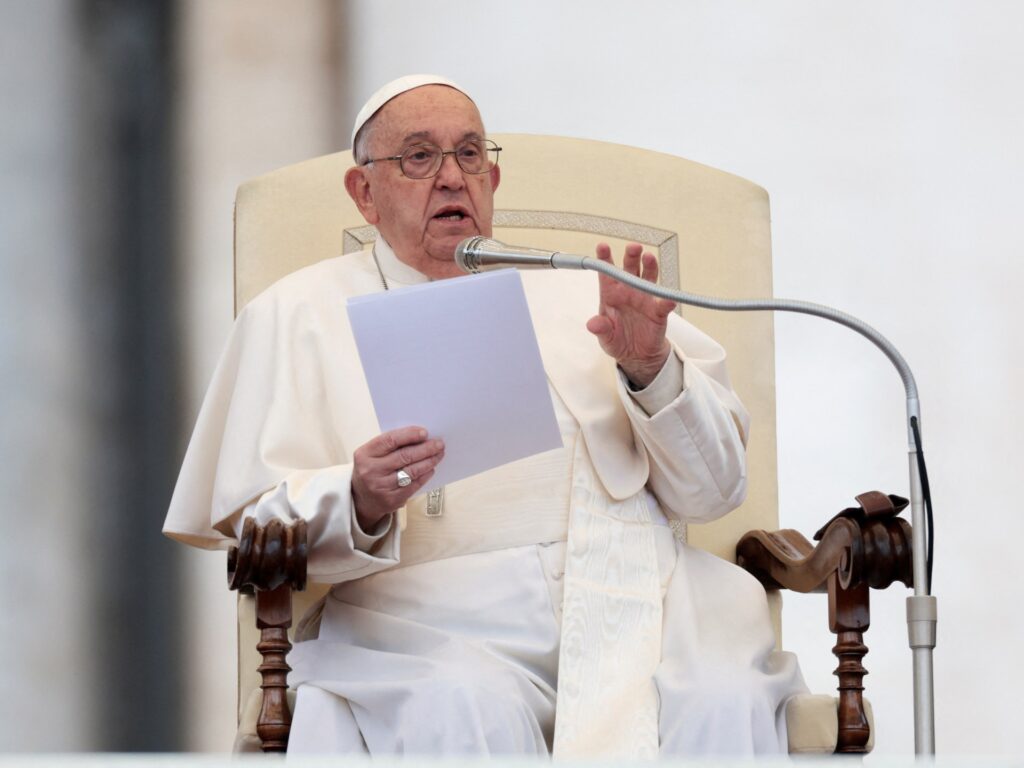
It remains unclear how long Pope Francis will remain in hospital as he seeks treatment for a respiratory tract infection. Pope Francis’s respiratory tract infection has presented a “complex clinical picture” requiring further hospitalisation, the Vatican says. Vatican spokesman Matteo Bruni said on Monday that the pope is suffering from a “polymicrobial respiratory tract infection” that has necessitated a change in his drug therapy. There was no timeframe given for his hospitalisation, which has already sidelined Francis for longer than a 2023 hospitalisation for pneumonia. Bruni said the complexity of his symptoms “will require an appropriate hospital stay” and the pope was “in good spirits”. Concerns about the 88-year-old pontiff’s health have increased since his admission to Gemelli Hospital in Rome, Italy, on Friday after a weeklong bout of bronchitis worsened. Pope Francis’s hospitalisation has already forced the cancellation of some events connected with the Vatican’s Jubilee Holy Year and put others in question. The Vatican said the pope’s planned weekly audience in St Peter’s Square on Wednesday had been cancelled due to his continued stay in hospital. Advertisement The pope’s doctors had earlier ordered complete rest, and Francis was unable to deliver his regular weekly prayer on Sunday to pilgrims in St Peter’s Square or lead a Mass for artists to mark the Catholic Church’s Jubilee Year. Pilgrims visiting the Vatican on Monday offered their hopes for the pope’s recovery. “We certainly wish for him to get better very quickly,” said Reverend Tyler Carter, a Catholic priest from the United States. “He is our father and our shepherd, and so we want his continued health and blessing.” Manuel Rossi, a tourist from the Italian city of Milan, said he was “quite worried” when the pope cancelled his appearance on Sunday. “I am 18 years old, so I have seen a few popes in my life and am very close to him,” Rossi said. “I hope he recovers as soon as possible.” Francis had part of one lung removed after a pulmonary infection as a young man. The Argentinian pope is a known workaholic despite his increasingly precarious health. In addition to his frequent bouts of respiratory infections in winter, he uses a wheelchair, walker or cane because of bad knees and suffers from sciatica nerve pain. Adblock test (Why?)
Which countries are the top military spenders and where does Europe rank?
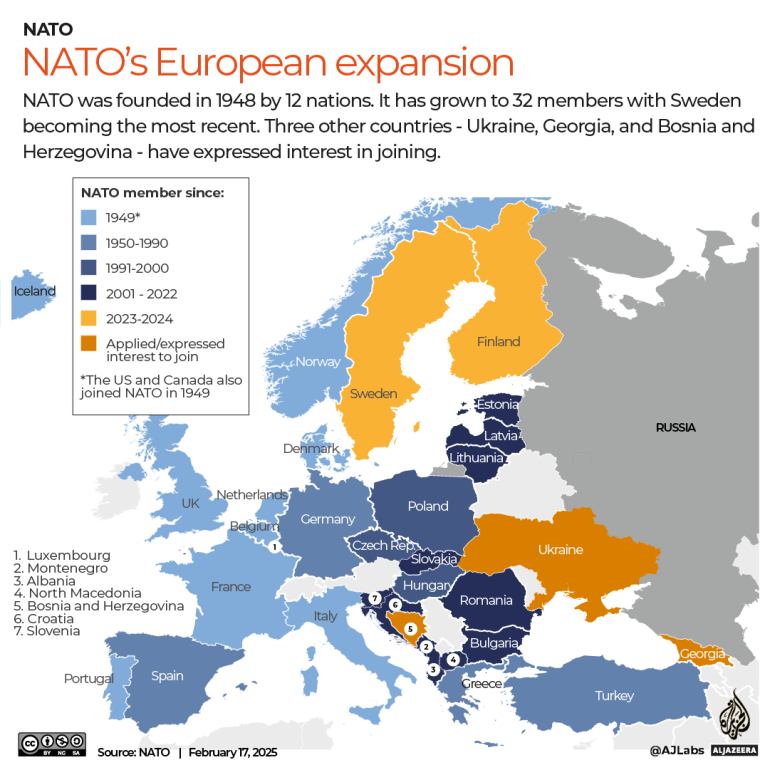
EXPLAINER The US, the largest military spender in the world, allocates $880bn to its defence – more than the next eight countries combined. European leaders are meeting in Paris for an emergency summit to discuss how to respond to United States President Donald Trump’s decision to hold talks with Russia to end the Ukraine war without European involvement. Monday’s meeting in the French capital follows the Munich Security Conference, which ended on Sunday, where US Vice President JD Vance reiterated Trump’s stance that Europe must increase its defence spending. In January, Trump called on NATO’s European members to allocate 5 percent of their gross national products (GDPs) to defence. NATO Secretary-General Mark Rutte has also encouraged member states to increase their defence spending. How much is global military spending? Global military spending hit $2.44 trillion in 2023, or $306 per person, marking a 6.8 percent increase from the previous year, according to the Stockholm International Peace Research Institute (SIPRI). This was the largest year-on-year rise since 2009. By comparison, in 2000, global military expenditures were $798bn, or $130 per capita – less than a third of the amount spent today. Advertisement Global military spending is the total money spent by countries on their military forces and related activities. This includes costs for soldiers, operations, weapons, equipment, research and military infrastructure. Which countries spend the most on their militaries? The US is the largest military spender in the world. In 2023, it paid out $880bn – more than the next eight countries combined, according to SIPRI. China is the second highest spender with $309bn, followed by Russia at $126bn, India at $83bn and Saudi Arabia at $74bn. The table below shows the total military spending for each country worldwide as well as their per capita spending and spending as a share of their GDPs and government budgets. Click on the columns to sort the table from highest to lowest. Which nations spend the most on their militaries as a share of GDP? Due to its ongoing war with Russia, Ukraine allocated $62bn to its military in 2023, the highest share of GDP at 36.7 percent. Lebanon ranked second, spending 8.9 percent of its GDP, followed by Algeria at 8.2 percent, Saudi Arabia at 7.1 percent and South Sudan at 6.3 percent. How much does each NATO member spend? NATO, established in 1949 by 12 founding member states, is the world’s most powerful military alliance. Its original purpose was to limit Soviet expansion and promote political unity in Europe. Over the past 75 years, its membership has grown to 32 members with Finland and Sweden becoming the latest countries to join in 2023 and 2024, respectively. (Al Jazeera) In 2006, the alliance’s defence ministers agreed to commit a minimum of 2 percent of their GDPs to defence spending to ensure the military readiness of the alliance. Advertisement Currently, two-thirds of its members (23 of 32) have fulfilled this commitment, raising the money spent on defence by all NATO members to $1.47 trillion in 2024. This is up from just 10 countries meeting the 2 percent guideline in 2023 and three countries meeting the commitment in 2014. The table below shows NATO members’ defence expenditures as a share of GDP, based on NATO’s 2024 report. Adblock test (Why?)