

People ‘buried alive’ outside Gaza hospital during Israeli raid
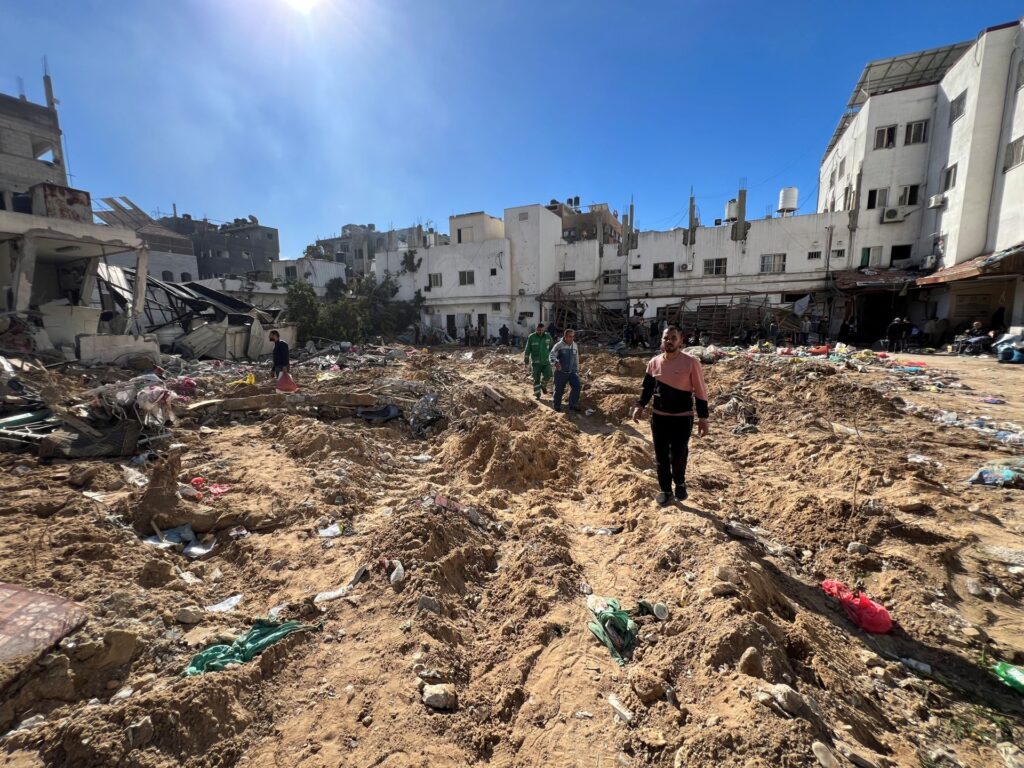
NewsFeed Israeli forces are accused of using bulldozers to crush and bury Palestinians alive as they raided Kamal Adwan Hospital. Published On 18 Dec 202318 Dec 2023 Adblock test (Why?)
Norwegian tanker attacked in Red Sea from Houthi-controlled Yemen
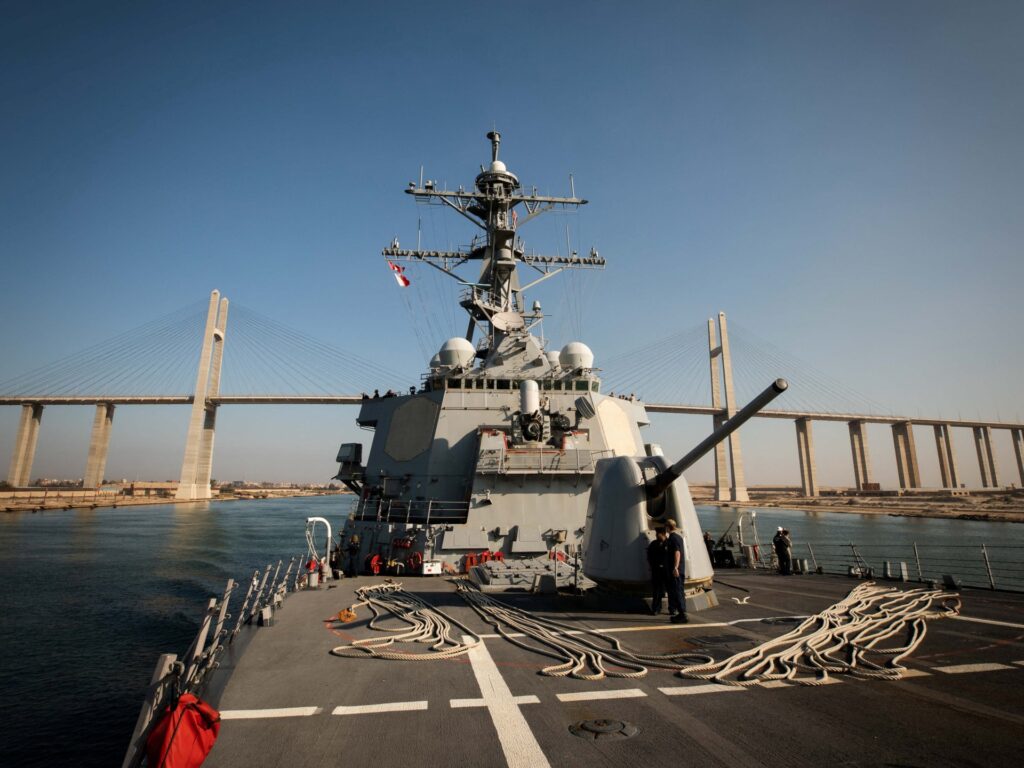
US navy destroyer rushes to aid the targeted vessel amid spate of missile attacks threatening key trade route. A petrochemical tanker has been attacked in the Red Sea by projectiles fired from Yemen, with the Houthis claiming responsibility, saying they launched a drone attack on a cargo vessel. The M/V Swan Atlantic, a chemical and oil products tanker, was hit on Monday in the southern Red Sea by multiple projectiles launched from Houthi-controlled territory, United States officials said. The Iran-backed group has attacked numerous vessels over recent weeks, raising international concern over the threat to shipping in the region and to the wider global economy during the Israel-Gaza war. Owned by Norway’s Inventor Chemical Tankers, the ship was struck by one projectile. There were no injuries, according to the company. CEO Oystein Elgan told the Reuters news agency that the ship’s water tank had been damaged but all the vessel’s systems were operating normally. Inventor Chemical Tankers has no ties to Israel, he stated. Operator Uni-Tankers said the crew had brought a small fire under control. The ship was carrying vegetable oils and is sailing to Reunion Island. A report by British maritime authorities earlier on Monday suggested at least one other incident in the area of Yemen’s Mokha port although that remains unconfirmed. The destroyer USS Carney, which has been on patrol in the Red Sea to intercept drones and missiles in recent months, responded to the M/V Swan Atlantic’s distress call, US officials said. The US military’s Central Command said on Saturday that the USS Carney shot down 14 drones launched by Yemen’s Houthis over the Red Sea. Economic impact The Houthis, who rule much of Yemen, said the attacks are a show of solidarity with Palestinians. They have also fired drones and missiles at Israel. The group, which like Hamas is aligned with Iran, has pledged to continue until Israel stops attacking Gaza. The threat risks disturbing the global economy. Several shipping companies have announced they will suspend all journeys through the Red Sea due to the attacks. About 40 percent of international trade passes through the narrow strait between Yemen and northeast Africa, which leads northwards to the Red Sea, Israel’s southern port facilities and the Suez Canal. The increased threat has caused shipping insurance costs to jump by tens of thousands of dollars a day and raised oil prices. Oil major BP temporarily paused all transit through the Red Sea citing security concerns. The alternative route for ships avoiding the Suez Canal is to take the much longer trip around Africa. The US announced last week that it was in talks with other countries to set up a task force to protect the trade route. An Italian source on Monday reported that the country is considering joining a naval coalition to patrol the Red Sea. The Houthis have pledged to continue the attacks until Israel halts its bombardment of Gaza. However, in an initial indication of possible moderation, the group said on Saturday that real steps to ease the humanitarian crisis would contribute to “reducing the escalation”. Adblock test (Why?)
Who is Mallika Sagar, the IPL’s first female auctioneer?

Mumbai, India – Mallika Sagar’s introduction to the world of auctioneering came when, as a teenager in her hometown Mumbai, she read a book with a female auctioneer as its protagonist. “And, perhaps, a bit frivolously, I thought: ‘That’s what I want to be,’” she recollects with a chuckle. Three decades on, Sagar finds herself at the helm of making history. After a successful 23-year career in art auctioneering, she is set to become the first female auctioneer at the richest franchise cricket league in the world when she takes the stage at the Indian Premier League’s (IPL) 2024 auction in Dubai on Tuesday. More than 300 cricketers will go under the hammer during the daylong event, which will be a breakaway from a trend that has seen only men – Welshman Richard Madley, Briton Hugh Edmeades and India’s Charu Sharma – spearhead the event. “It’s extremely exciting to be asked to conduct an IPL auction,” Sagar told Al Jazeera during an hourlong chat at her Mumbai office last week. Sagar was born into a business family in the capital of India’s Maharashtra state and has lived in the city since her return, from the United States, where she graduated with a degree in the history of art. Now a specialist in modern art and an auctioneer at a privately-owned Mumbai-based auction house, she has long been a pathbreaker on the global art auctioneering circuit. In 2001, she became the first female auctioneer of Indian origin at the international art and luxury business Christie’s. ‘All about personality and skills’ Clad in a yellow drop-waist dress and with a cup of green tea in hand, Sagar explained how auctioneering is more down to personality and skills than gender. “You could be the most engaging male auctioneer, the most boring female auctioneer or vice versa – it’s about personality and skills.” The 48-year-old has been responsible for wielding the gavel at both the player auctions for the Women’s Premier League (WPL), India’s IPL-style five-team franchise tournament for women. “Sport is gendered, so to be part of something where women cricketers have a platform at the highest level and the chance to be financially independent doing what they love, was really special.” Being one of the few female auctioneers in India, Sagar acknowledged that the inaugural WPL auction in February may have been an unwitting stepping stone to bring her to the IPL auction, a far more scaled-up affair than its WPL equivalent. Learning the ropes – with kabaddi Sagar’s first stint at sport auctioneering came at the eighth edition of the Pro Kabaddi League (PKL), an Indian men’s professional franchise kabaddi tournament that ranks second behind the IPL most-watched sports league in the country. She admits sport auctioneering “was a new world” for her, given her longstanding association with art. “It did take a little bit of training, largely to change my approach,” she said. So what does it take to make a good auctioneer? “Depending on what you’re selling, you have to learn the mechanics of the auctioneering process and blend it with math, theatre and drama – all wrapped up in a smile!” The PKL experience, she said, warmed her up for the cricket auctions. Despite a foray into sport, steering a cricket auction at the WPL proved to be a different ball game. The scale of operations, including the requirements of catching the producer’s cue in the ear during live broadcast, added a different dimension to the job. [embedded content] ‘Can’t let your nervousness take over your job’ Sagar describes a usual auction as an “unknown” as it unfolds in real time. The ones in cricket often come with last-minute mic-ups or touchups with the makeup, frenzied bidding wars traversing multiple parties or, something as seemingly easy-to-do as figuring out where the franchises are seated based on the draw that allots them their order. Their dynamism warrants significant focus and flexibility. “You have to be alert and adaptable,” she said. “At times, despite your best efforts, there can be mistakes. You may get a syllable wrong when calling out hundreds of names. It’s best to acknowledge the error, apologise, fix it, and move on. “Regardless of the situation, you can’t panic. You cannot let your nervousness take over your job. Having composure as part of your skillset is a must.” Sagar swears by exercise and yoga to refuel quietude and strength of body and mind. “There’s nothing a downward dog or a headstand doesn’t fix,” she quipped. On auction eve, she retires early to avoid mental exhaustion during the all-important hours on the job the next day. The bedrock of a well-run auction, in her view, is being as even-keel as possible as an auctioneer, no matter the stature of the players on offer. “It’s important to present a newcomer with the same amount of energy as you would a star player,” she said. Among the other non-negotiables, Sagar places the utmost premium on knowing the subject – the order of the sets of players, similar to pieces of art. “You’ve got to pace out each name well and give it enough time,” she said. “Especially, when there’s a flurry of bids for them. “And when the frenzy slows down, give it a few seconds and ask the room, ‘Everybody sure? Last chance if you’d like to bid?’ Whether in art or cricket, rapid changes such as a last-minute raise of the paddle or a new entrant coming in are a given. It’s your job to factor them all in.” Has her preparation for the IPL auction been any different from the WPL’s? “No, because the basic formats are the same,” Sagar explained. “The key is to make sure you are familiar with the names. You don’t want to destroy someone’s name who’s coming up on a platform as prestigious as this – it’s their moment of glory, after all.” On Tuesday, as Sagar reels off over 300 such names, it will be as much her moment in the sun as
Iran points at Israeli-linked group as cyberattack disrupts fuel network
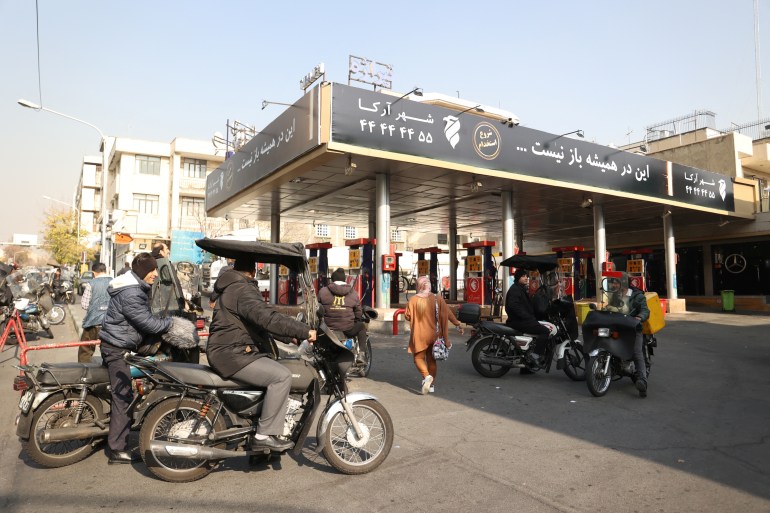
Tehran says Israel-linked Predatory Sparrow group is behind the disruption. A cyberattack has disrupted services at around 70 percent of Iran’s fuel stations, according to reports. The Israel-linked group Predatory Sparrow, or Gonjeshke Darande in Persian, claimed on Monday it was behind the disruption, according to Iranian state TV. Israel media outlets also reported the claim. “This cyberattack was carried out in a controlled manner to avoid potential damage to emergency services,” Predatory Sparrow said in its statement quoted by the Iranian media. A statement on the attack was shared from a new account with the group’s name opened in early December on X. Iran’s civil defence agency, which is responsible for the country’s cybersecurity, said it was still considering all possible causes for the disruptions as it investigated. Iranian state media added that the hacker group has in the past claimed cyberattacks against Iranian petrol stations, rail networks and steel factories. The fuel outages are the first such incident since 2021, when a major cyberattack in Iran disrupted the sale of fuel, causing long queues at stations across the country. Pump prices in Iran are heavily subsidised. Iran accused Israel and the United States of being behind those attacks. People wait at a gas station during gas station disruption in Tehran [Majid Asgaripour via Reuters] Stations operating manually The disruptions began early on Monday and were especially acute in Tehran. Many petrol stations have been forced to operate their pumps manually, Iranian media reported. “At least 30 percent of gas stations are working, with the rest gradually resolving the disruption in services,” Oil Minister Javad Owji said. Reza Navar, a spokesman for Iran’s fuel stations association, had told the semiofficial Fars news agency that a technical issue was behind the disruption. “A software problem with the fuel system has been confirmed in some stations across the country and experts are currently fixing the issue,” Navar said. Navar added that there was no fuel supply shortage but called on drivers to not go to fuel stations. The Ministry of Petroleum earlier told state TV that the disruption was not linked to plans to increase the price of fuel, a policy that caused widespread protests in 2019 and led to violent repression. State TV said petrol stations were seeking to provide fuel manually and that it would take at least six to seven hours to resolve the problems. Israel has not yet commented on the cyberattack. Israel’s unit on cyberattacks on Monday said Iran and Hezbollah were behind an attempted cyberattack on a hospital in northern Israel about three weeks ago. It said that the attack was thwarted but that the hackers were able to retrieve “some of the sensitive information stored in the hospital’s information systems”. Adblock test (Why?)
Why Chileans rejected conservative constitution, and what’s next?

Chileans on Sunday voted to reject a proposed conservative constitution, dismissing for the second time in a little over a year a replacement for the dictatorship-era charter. A progressive draft, which attempted to enshrine environmental protections and Indigenous rights, was rejected last September. The proposed constitution would have reinforced property rights and free-market principles. But the rejection wasn’t out of an abundance of love for the current document – which was seen as enabling some of the main structural issues dogging the South American nation. So, let’s take a look at the latest vote, why Chileans wanted to replace the current constitution, and what next. What was Sunday’s vote about? The proposed constitution was drafted by a committee dominated by the conservative Republican Party. Its tenets comprised reinforced property rights and free-market principles in addition to limits on immigration and abortion. After all the votes were counted, nearly 56 percent of Chileans were against the proposed constitution to replace the existing charter drafted during the dictatorship of General Augusto Pinochet, who oversaw the mass abduction and execution of his left-wing critics between 1973 and 1990. The country’s leftist president, Gabriel Boric, said the results showed that the country had become polarised and divided. “The country needs everyone,” Boric, who became Chile’s youngest-ever leader in 2021 at 35, said. What was the need for a new constitution? The three decades of democracy that replaced Pinochet’s rule have brought about political stability and economic growth, but rising inequality has frustrated many. Large-scale protests broke out in 2019, bringing students, pensioners, Indigenous peoples and women’s rights activists to the streets who were disillusioned with weak representation by traditional parties. They demanded a new constitution because policy changes were seen as unable to fully address their concerns. In October 2020, four out of every five Chileans voted for elected delegates to write a new constitution. Most of the 155 delegates were affiliated with the leftist political movement but were more closely aligned with social movements rather than established political parties. Many of them had never run for office before, let alone being elected. Half of them were women and 17 seats were dedicated to Indigenous representatives in line with parity rules. The result was a progressive text that mostly focused on social and economic rights, and also tried to improve gender equality and the environment. It was put to vote in September 2022, but was rejected even more resoundingly than Sunday’s text, with only close to 39 percent in favour. Almost all of the 15 million Chileans eligible are believed to have voted on both proposed texts as voting is mandatory. At the time, Chile found itself grappling with a worsening economic outlook and rising inflation amid the COVID-19 outbreak, and conservatives also used the opportunity to work against the proposed text, claiming it would, among other things, undermine property rights. [embedded content] Why was the new text rejected? “Unlike its predecessor, the new proposed constitution would move Chile to the right,” Jennifer Piscopo, a professor of gender and politics at the Royal Holloway, University of London (RHUL), said. Piscopo said the text failed to reflect the views of most Chileans as it didn’t address underlying demands for greater social equality and economic opportunity that had sparked the constitutional process in the first place. The draft was tough on crime and immigration and did not create a framework for broader rights while it was seen as limiting hard-fought gains for women’s rights and LGBTQ rights. It was also rejected by Indigenous representatives. “By many accounts, this draft would have been more socially and economically conservative than the 1980 dictatorship-era constitution that Chileans are attempting to replace,” Piscopo said. “Still, the vote against the second draft does not necessarily mean that Chileans have clear or unified policy views for or against particular policy issues, whether it’s healthcare or abortion,” the RHUL professor said. “The two reject votes are as much expressions of discontent with what they perceive as unrepresentative processes as they are specific statements about policy.” Boris van der Spek, a Chile-based journalist, said the new text was too “radical” for Chileans, whose social and political needs are not being fully met and who remain divided between the political elite. “Chileans are fed up with their institutions and their politicians, so basically everything they propose gets rejected, regardless of whether it’s a right-wing or left-wing proposal,” he told Al Jazeera. He said the divide over Sunday’s vote was roughly the same as when Boric was elected with 55 percent of the vote, beating the candidate of the Republican Party that later devised the latest proposed constitution. “So, Chile is still divided over the same things, but the main reason [behind Sunday’s results] is that this proposal was just not adjusting to the reality of the Chileans,” said van der Spek. Chile voted today to reject the second proposed constitution, leaving in effect the current constitution that was drafted by Pinochet and has been amended ~50 times. Here are my observations from the field. 🧵 #PlebiscitoConstitucional2023 pic.twitter.com/XU26mZevTq — Dr. Sally Sharif (@Sally_Sharif1) December 18, 2023 Will there be another vote? President Boric had pledged before the vote that instead of opting for yet another vote, he would focus on long-term development. Another vote seems highly unlikely before his term ends in 2025. RHUL’s Piscopo said there’s voter fatigue and it’s unclear whether voters or political elites will have the appetite for yet another test at the ballots, but much will depend on the presidential election. “This election will likely pit Jose Antonio Kast, leader of the Partido Republicano, against a centrist or centre-left candidate. If the right wins the presidency and/or enough seats in Congress, they likely will enjoy enough veto power over regular political reform that they see no need to reopen the constitutional conversation,” she said. “If the left wins, they face more incentive to try – but will run up against voter fatigue, reducing the odds they can stir up sufficient
President el-Sisi declared victorious in Egypt election
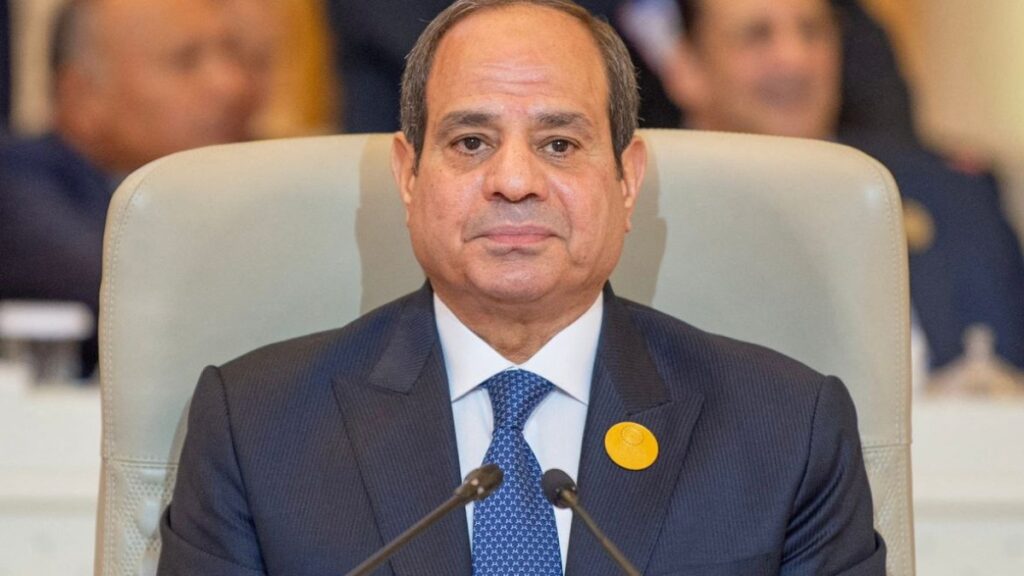
DEVELOPING STORYDEVELOPING STORY, Egypt’s President Abdel Fattah el-Sisi has secured a third term as leader of the Middle East’s most populous nation, officials said, after the counting of votes in the election held on December 10 was finalised. Sisi won 89.6 percent of the vote, the National Elections Authority said on Monday. Polling had closed on Tuesday in Egypt after the three-day election in the Arab world’s most populous country. The vote, the result of which was in little doubt, took place as Egypt dealt with various crises, including the Israel-Hamas war in neighbouring Gaza and the country’s worst-ever economic crisis. The results strengthened Sisi’s power, which he took over after the 2013 overthrow of the country’s first popularly elected president, Mohamed Morsi. He was re-elected in 2018. In both previous elections he won with 97% of the vote. International monitors have criticised Egypt’s human rights record under Sisi’s rule, accusing the government of repressing political freedoms during a crackdown, in which rights groups say tens of thousands have been jailed. This is a developing story. More updates to follow. Adblock test (Why?)
We know who created Syria’s torture programme and how
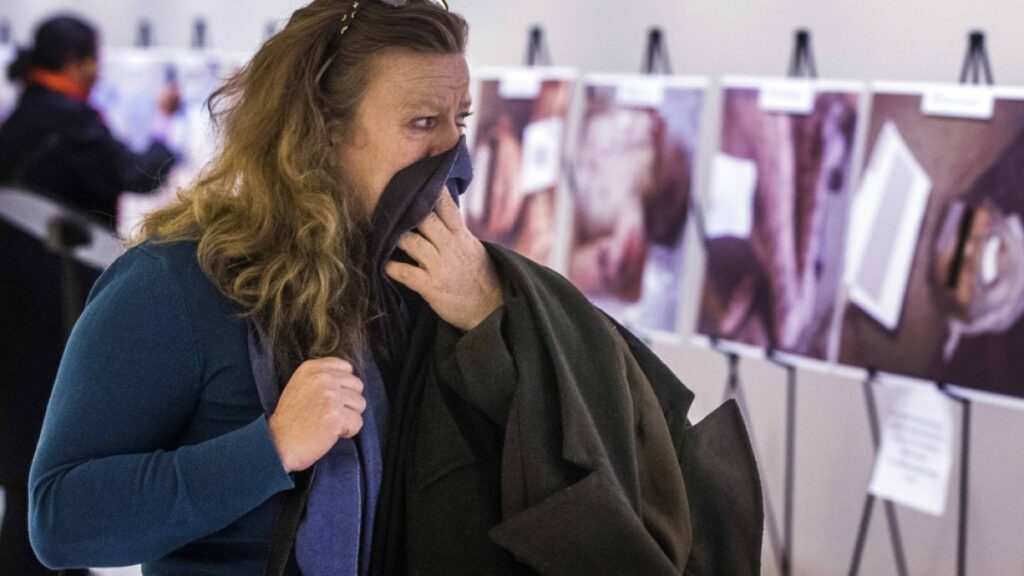
After 12 years of civil war, hundreds of thousands of people killed and tens of thousands missing, a glimmer of hope for the Syrian people came from the world’s top court. On November 16, the International Court of Justice (ICJ) ruled that the Syrian state must prevent torture of detainees and refrain from destroying evidence of these unlawful acts. The order was part of ongoing proceedings against Syria for violations of the Convention against Torture which were launched in June after referral by Canada and the Netherlands. Scepticism about the Syrian government’s willingness to comply with this ruling is indeed justified. However, even if it continues to destroy documentation about its torture programme, enough evidence exposing these atrocities has already been gathered. Many activists and civil society organisations have unwaveringly documented the human rights abuses suffered by innocent civilians over the past 12 years. Our organisation, the Commission for International Justice and Accountability (CIJA) has been part of this painstaking journey since 2011. Over the past decade, CIJA investigators have unearthed a staggering trove of more than 1.3 million pages of regime-issued documents. They reveal a story of unhinged power and brutal measures the Syrian regime would resort to in order to maintain its iron grip on power. Documents like these will help the next phase of the ICJ proceedings, as the parties prepare for the presentation of evidence. Based on some of these materials, CIJA published a report revealing the structures that were put in place, and the decisions and orders made in the early months of 2011 that cost so many Syrians their freedom and their lives. The Syrian regime denied the early reports of torture, mass arrests and murders. It primarily attributed the violence reported in 2011 to what it characterised as “armed terrorist groups”. It claimed that these groups were responsible for initiating the violence and destabilising the country. This narrative allowed the government to justify the use of force as a means to restore order and protect national security. But the regime’s own documents paint a different picture. The Syrian authorities knew the demonstrators wanted freedom and democracy. For example, one military intelligence communication CIJA has obtained refers to an early March 2011 meeting at which the demands of the protesters for freedom, democracy and an end to corruption were discussed and presented as a threat; it was decided the intelligence agencies would take immediate action to suppress them. Thereafter, intelligence gathering intensified, with local security branches tasked to send reports to Damascus at 4pm each day. They were required to include detailed statements about any protest or riot along with the “names of the persons against whom legal measures have been taken and those who were arrested amongst the troublemakers, activists and instigators to protests” – according to one document issued by the Head of the Political Security Department of the security intelligence dated March 18, 2011. As demonstrations quickly spread across Syria, growing in size and frequency, the regime unrolled more aggressive policies to repress protesters and opposition figures. On April 18, 2011, the Central Crisis Management Cell (CCMC), a top-level security coordinating body whose decisions President Bashar al-Assad signed off on, declared that the “time of tolerance and meeting demands is over”. It called for a “multifaceted confrontation of demonstrators” which included prolonged detention of those already arrested, the arrest of known “offenders”, the authorisation of the use of weapons in certain conditions and the deployment of armed forces “in cases of extreme need”. The effect was immediate. Only a day after, a violent and now notorious attack by the regime forces on a protest at the Homs Clock Tower took place and the CCMC reported that a number of protesters were shot and killed. Despite the increased security measures, including mass arrests, the mobilisation and use of Ba’athists and other regime loyalists and the deployment of the military, the situation throughout the country continued to deteriorate through the summer. In early August 2011, a document CIJA obtained showed that the security intelligence apparatus was admonished for the “laxness in handling the crisis” and “poor coordination and cooperation among security agencies in sharing information and the results of the ongoing investigations”. Shortly after, a series of steps that took the crackdown to a new level were undertaken. A circular distributed by Military Intelligence Branch 294 on August 17, 2011 reads: “Launch daily joint security-military campaigns in key security sectors of your choice as per security priorities. […] You are requested to arrest such persons, particularly those who are inciting people to demonstrate, funders of demonstrators, members of coordination committees who organise demonstrations, conspirers who communicate with people abroad to keep demonstrations ongoing and those who tarnish the image of Syria in foreign media and international organisations.” The order set up an infrastructure for what was to become a bureaucratic machinery overseeing mass arrests and torture of targeted individuals. “Investigative bodies” were set up, consisting of members of the security and intelligence agencies to interrogate the detainees. The interrogations were supposed to generate new lists of names of people to be targeted in the mass arrest campaigns. The effect of this circular was immediate and chilling. Arrest records secured by CIJA show that a systematic and coordinated campaign of arrests and detention by all of the main security intelligence agencies was launched. In many cases, the records did not indicate any criminal offences as a reason for arrest. They also showed that minors and elderly persons were not spared. In some instances, the same individual appears in a number of detainee lists generated over a period of time, reflecting the pervasive nature of the security state apparatus’ detention campaign. As detainees were passed between different security agencies, the brutality they had gone through would become apparent in internal regime reports: “It is impossible for us to thoroughly interrogate some of the detainees due to their poor medical condition caused by severe beating which, in some cases, has led to permanent disability while being prolongedly detained at some security agencies before
‘Bloodbath’: Israel continues to target Gaza hospitals and civilians
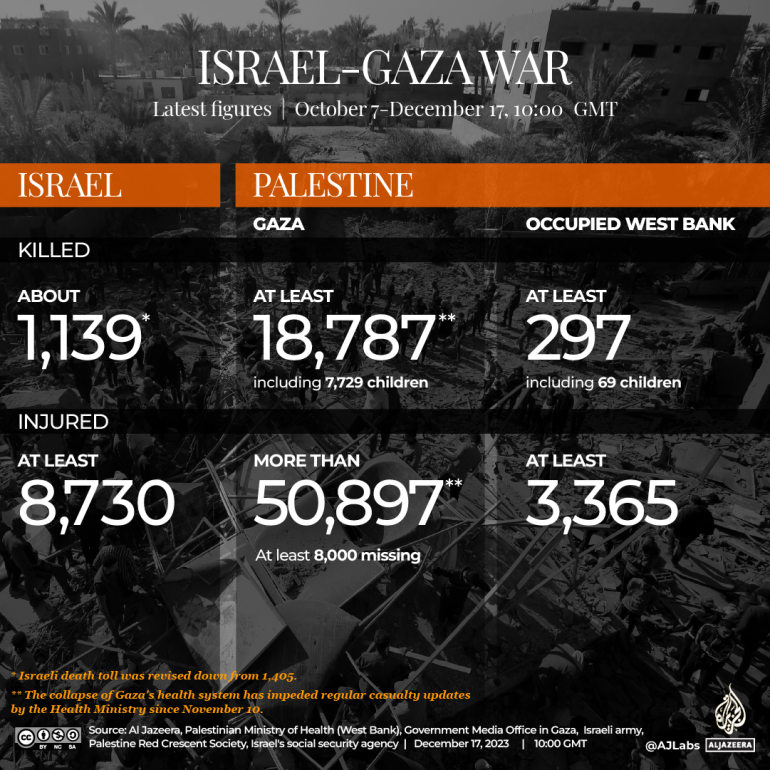
Despite growing international pressure for a respite, Israel is continuing to bombard Gaza’s health facilities and residential areas. Israeli air raids on Sunday and Monday maintained the focus on hospitals and civilian neighbourhoods in the enclave, a tactic that has only encouraged further calls from around the world for a ceasefire in the besieged Palestinian territory as civilian causalities mount. Mass casualties have been reported following strikes on the Jabalia and Nuseirat refugee camps. Israeli artillery shelling targeted multiple residences in the Shujayea, Tuffah and Daraj neighbourhoods in Gaza City. Continuous shooting has been reported at the entrance to al-Shifa Hospital in Gaza City. At least 26 Palestinians were killed in an attack on the hospital earlier, Al Jazeera journalists reported. The Nasser Medical Complex in Khan Younis in southern Gaza has been repeatedly targeted over the past 48 hours. An Israeli tank shell hit the maternity building on Sunday, killing a 13-year-old girl, named Dina Abu Mehsen, and injuring several others, according to Gaza’s Ministry of Health. A bomb fell near the building but did not explode, causing a great deal of panic and injuring three people, according to Al Jazeera’s Hani Mahmoud, reporting from Rafah. In a statement to Al Jazeera, Gaza Health Ministry spokesperson Ashraf al-Qudra denounced Israel for trying to “eliminate” the besieged enclave’s health sector. “What the occupation is doing is part of the scenario that began in northern Gaza from the Shifa complex,” he said. “Targeting Nasser Medical Complex is part of the occupation’s policy to eliminate the health sector and would bring down the health system in the southern Gaza Strip,” he added. The deadliest ever Gaza war began with attacks by Hamas, which rules the enclave, on October 7, when the group killed 1,139 people and abducted about 250, according to updated Israeli figures. Gaza’s Health Ministry says more than 18,800 people, mostly women and children, have been killed in Israel’s campaign in Gaza. It said more than 100 were killed in Israeli attacks on Sunday, while dozens more are reported to have died so far on Monday. World Health Organization described the situation at al-Shifa Hospital – once the cornerstone of the territory’s healthcare system – as a “bloodbath” as hundreds of injured patients sheltered inside with “new patients arriving every minute”. The United Nations agency said the hospital, which was occupied by Israeli forces earlier in the war, is providing only basic trauma stabilisation, has no blood for transfusions and hardly any staff to care for a constant flow of patients, after a visit to deliver medicines and surgical supplies to the facility. Dr Rana Hajjeh, from WHO’s Cairo office, told Al Jazeera: “What they saw was a complete horror scene. The injured patients are all over the floor, they are being sutured on the floor. There are not enough beds or stretchers. There isn’t any pain medication. They’re basically just bleeding on the floor.” Thousands of displaced people are using the hospital building and grounds as a shelter during a severe shortage of water and food, Hajjeh said. ‘Extremely worried’ Israeli soldiers raided the Kamal Adwan Hospital in northern Gaza over several days earlier in the week and killed dozens before evacuating wounded patients and medical staff to the hospital grounds, according to the health authorities in the enclave. Citing the ministry’s reports, WHO chief Tedros Adhanom Ghebreyesus said earlier this week he was “extremely worried” about the hospital’s situation. The WHO said it was urgently gathering information at the hospital, where Gaza authorities said Israeli forces this week used a bulldozer to smash through the perimeter of a site Israel has said was used by Hamas fighters. The Israeli military said the hospital was being used as a Hamas “command and control centre” and that soldiers had detained about 80 fighters before leaving the site on Saturday. Earlier in the week, authorities in Gaza said some 70 medical staff were detained by Israel in the raid. The group has denied using Kamal Adwan or other hospitals for activities. Israel has also said al-Shifa had been used by Hamas, before occupying it last month. Palestinian Health Minister Mai al-Kaila has called for an “urgent probe” after Israeli forces were accused of crushing Palestinians, including wounded patients, using bulldozers in the yard of the hospital. Only four hospitals of 24 working in north Gaza before the war with Israel began have even partial service, and three of those are barely functioning, WHO said. Israeli raids on the Jabalia refugee camp in northern Gaza killed 110 Palestinians on Sunday, according to the Health ministry in the enclave. Another attack on the Nuseirat refugee camp in central Gaza killed at least 25 people overnight, according to the Al Jazeera team at the site. Strikes and raids are reported to have continued on Monday. Calls for truce The Israeli government is under growing pressure from the international community to pause the fighting and do more to protect civilians. The United Nations Security Council is set to vote on Monday on a new resolution, drafted by the United Arab Emirates, calling for a truce and delivery of aid in Gaza. The UN estimates that 1.9 million Palestinians in Gaza – about 80 percent of the population – have been displaced by the war. “I would not be surprised if people start dying of hunger, or a combination of hunger, disease, weak immunity,” said Philippe Lazzarini, head of the UN agency for Palestinian refugees. French Foreign Minister Catherine Colonna called for an “immediate and durable” truce on a visit to Israel on Sunday. Germany and the United Kingdom also joined the calls for a ceasefire over the weekend, and Israeli protesters demanded the government relaunch talks with Hamas on releasing more hostages after three were mistakenly killed by Israeli troops while waving a white flag. US Defense Secretary Lloyd Austin was expected to press Israel to wind down major combat operations as he arrived in Tel Aviv on Monday. He will also visit Qatar, which brokered a previous
Israel accused of wielding starvation as a weapon of war against Gaza
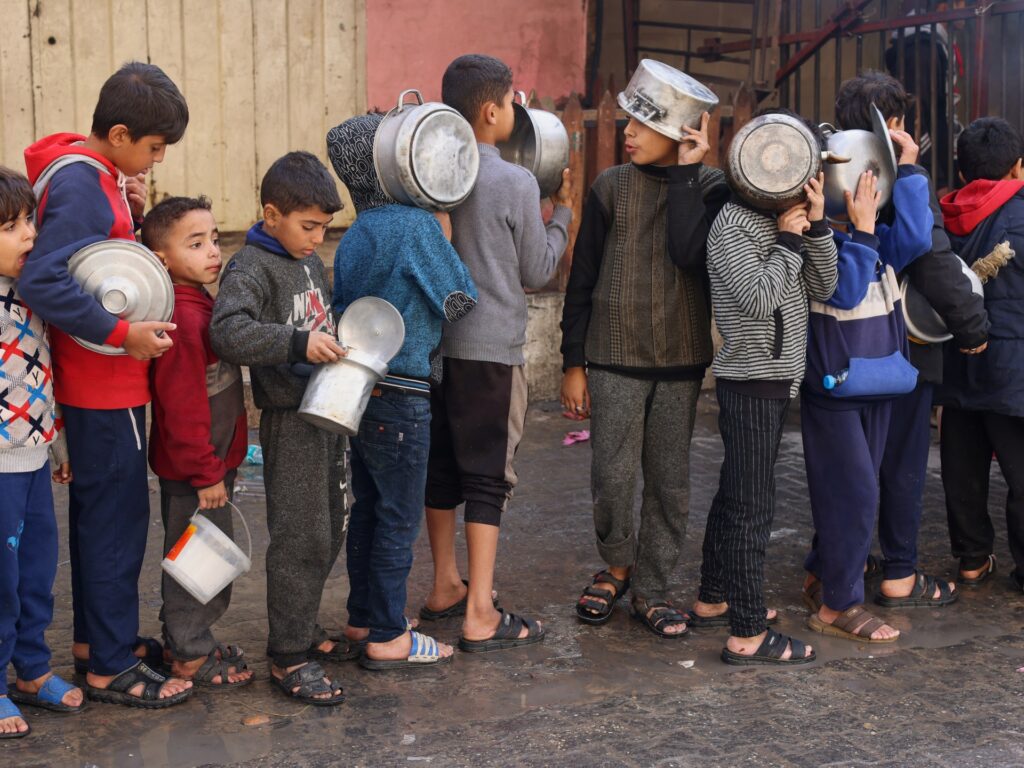
Human Rights Watch urges world leaders to speak out against ‘abhorrent war crime’. An international NGO has accused Israel of using starvation as a weapon of war in Gaza. Human Rights Watch (HRW) said in a statement issued on Monday that Tel Aviv is deliberately depriving Palestinians of access to food, water and other basic necessities. The use of hunger against the civilian population is a war crime, the NGO stated, calling for world leaders to act. The press release cites statements from Israeli officials, interviews with survivors, reports from aid organisations, and evidence from satellite imagery to establish that Israel is engaged in the “deliberate use of policies to deprive Palestinians of the resources necessary for daily existence”. “For over two months, Israel has been depriving Gaza’s population of food and water, a policy spurred on or endorsed by high-ranking Israeli officials and reflecting an intent to starve civilians as a method of warfare,” said Omar Shakir, Israel and Palestine director at Human Rights Watch. “World leaders should be speaking out against this abhorrent war crime, which has devastating effects on Gaza’s population,” he added. The statement comes as Israel faces increasing internal and external pressure regarding mounting civilian casualties resulting from its “indiscriminate” bombardment of the Gaza Strip. Israel has killed 18,787 people and injured another 50,897, according to the latest figures, while thousands are believed to be buried under the rubble. Speeches and statements from Israeli officials promoting a campaign to deliberately block access to necessary resources for the Gaza population as a strategy indicate that Israel has not made these intentions secret, HRW claimed. Even from the beginning of the Israeli offensive, Israeli Defence Minister Yoav Gallant infamously stated that Israel was “putting a complete siege on Gaza. … No electricity, no food, no water, no gas – it’s all closed,” justifying the move by describing Palestinians as “beastly people”. The Rome Statute of the International Criminal Court provides that intentionally starving civilians by “depriving them of objects indispensable to their survival, including willfully impeding relief supplies”, is a war crime, HRW said in the statement. The plight of Gaza’s 2.3 million people has become desperate amid the war, which has now persisted for over two months. Around 80 percent of Palestinians living in the enclave have been displaced by the violence, while efforts to get aid into the enclave have struggled. Images showing the massive devastation of the Gaza Strip, of desperate Palestinians raiding food banks, humanitarian aid delivery trucks and reports of deliberate destruction of agricultural land bolster the allegations. Alarmed humanitarian organisations have been fruitlessly calling for a ceasefire and denouncing the shocking cost of the catastrophic war which amounts to a collective punishment of the civilian population of Gaza. The Israeli government hit back at HRW, accusing it of being an “anti-Semitic and anti-Israeli” organisation. “Human Rights Watch … did not condemn the attack on Israeli citizens and the massacre of October 7 and has no moral basis to talk about what’s going on in Gaza if they turn a blind eye to the suffering and the human rights of Israelis,” foreign ministry spokesman Lior Haiat told AFP. Adblock test (Why?)
Israel-Hamas war: List of key events, day 73
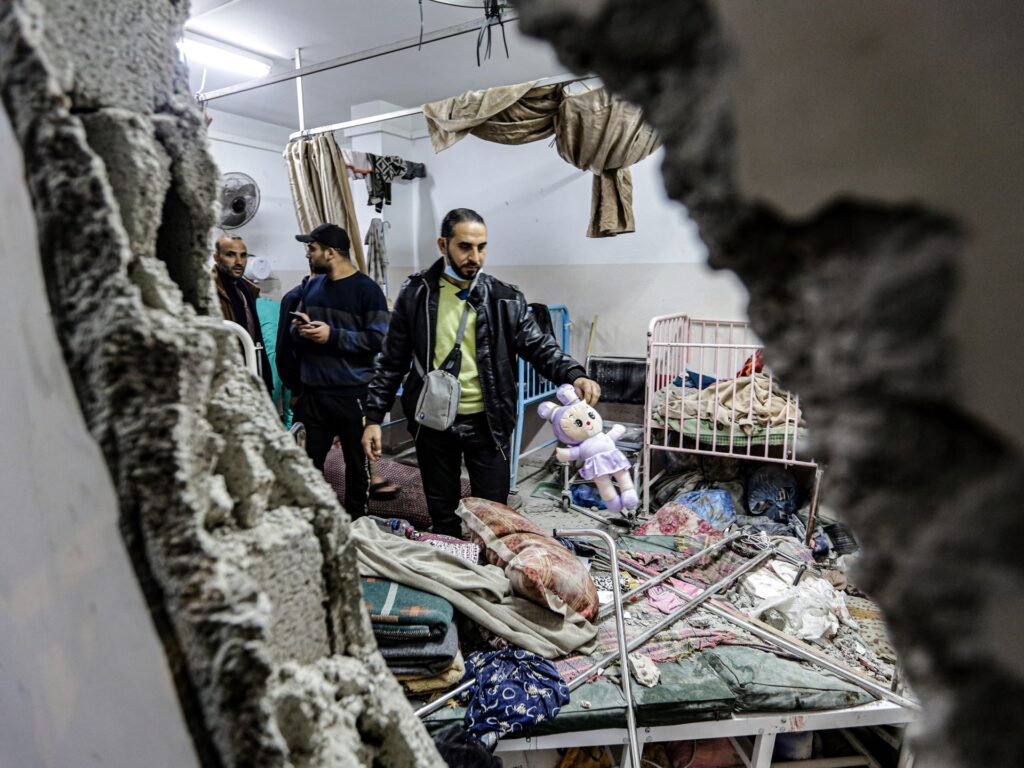
Efforts to combat Houthi attacks and de-escalate the Gaza war are under way – here’s the latest updates. Here’s how things stand on Monday, December 18, 2023: Latest developments Oil prices rose nearly 1 percent in Asian trade as Houthi attacks on ships in the Red Sea and lower exports from Russia stoke supply fears. The Israeli army has been detaining Ahmed Muhanna, the director of Gaza’s al-Awda Hospital, in an unknown location, Gaza’s Ministry of Health spokesperson Ashraf al-Qudra said on Sunday night. The Freedom Theatre in Jenin continues to demand the immediate release of its director, Mustafa Sheta, and acting teacher Jamal Abu Joas. On Sunday, Israel’s military rejected claims that its forces “murdered” two women who were sheltering in a Catholic church in Gaza. Israel’s military said on Sunday that it had discovered the largest Hamas tunnel near what was once a busy crossing into Israel, reported The Associated Press news agency. Human impact and fighting Israeli air attacks on Jabalia refugee camp killed at least 90 people and wounded more than 100 others, the Palestinian Wafa news agency reported on Sunday. An Israeli attack on Nuseirat refugee camp in central Gaza overnight Sunday killed 25 people, with 10 being from the same family, reported Al Jazeera Arabic. Palestinian journalist Haneen Ali al-Qutshan was killed in an Israeli attack on Nuseirat, according to the Palestinian media office. She was the 95th Palestinian journalist or media worker to be killed since the October 7 conflict between Israel and Hamas broke out. As Palestinians in the enclave face hunger and increased cold, they rummaged through aid trucks in large crowds on Sunday. Israeli forces raided at least six areas across the occupied West Bank overnight, including near Ramallah and Bethlehem, according to Wafa and Al Jazeera Arabic. A young Palestinian in Nablus and two young men in Qalqilya were injured in firing. Diplomacy United States Secretary of Defense Lloyd Austin will arrive in Israel today where he is expected to discuss de-escalating the Israel-Gaza war and announce an initiative for security in the Red Sea. French Ministry for Europe and Foreign Affairs condemned on Sunday the Israeli bombing of a residential building in Rafah that killed one of its staff. In a statement released on Sunday, the Palestinian Foreign Ministry called the visit by the “racist extremist” Israeli Finance Minister Bezalel Smotrich to the Psagot settlement an “act of organised state terrorism”. Adblock test (Why?)