

What is life like for Gaza evacuees?
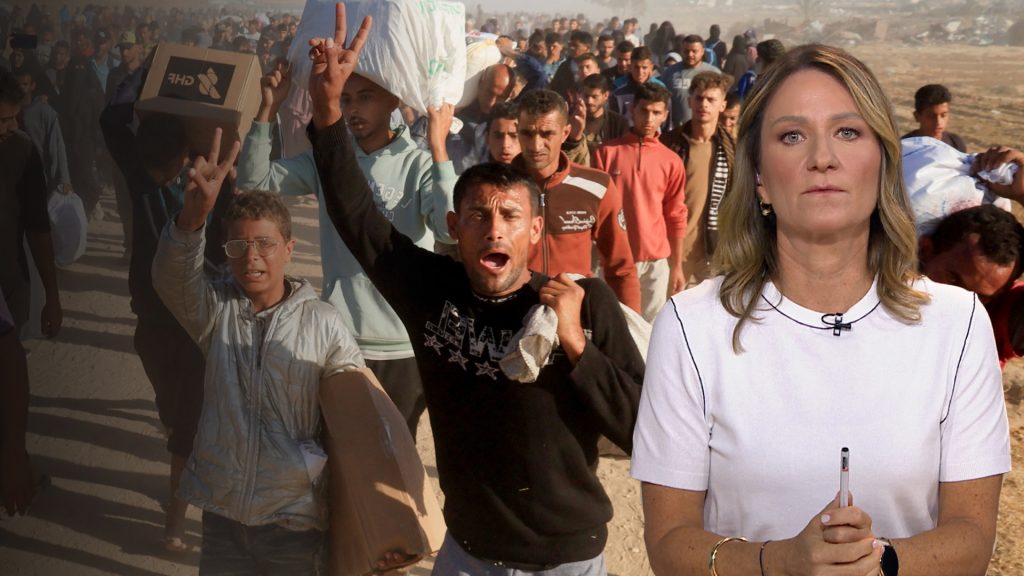
Today on The Stream: Two Palestinians who left Gaza during the genocide share their stories of escape and survival. For the Palestinians who have managed to leave, the decision to stay and risk death or abandon their homes and loved ones is an agonising one. Many more are desperate to escape, but have no way out. So what becomes of those who do make it out? How do they carry on after such deep trauma, while fearing for the families and friends they left behind as the war continues? And will they ever truly heal? Presenter: Stefanie Dekker Guests:Safwat Al Kahlout – Al Jazeera producerAbubaker Abed – Palestinian journalist and commentator Adblock test (Why?)
Supreme Court lets Trump restart deporting migrants to ‘third countries’
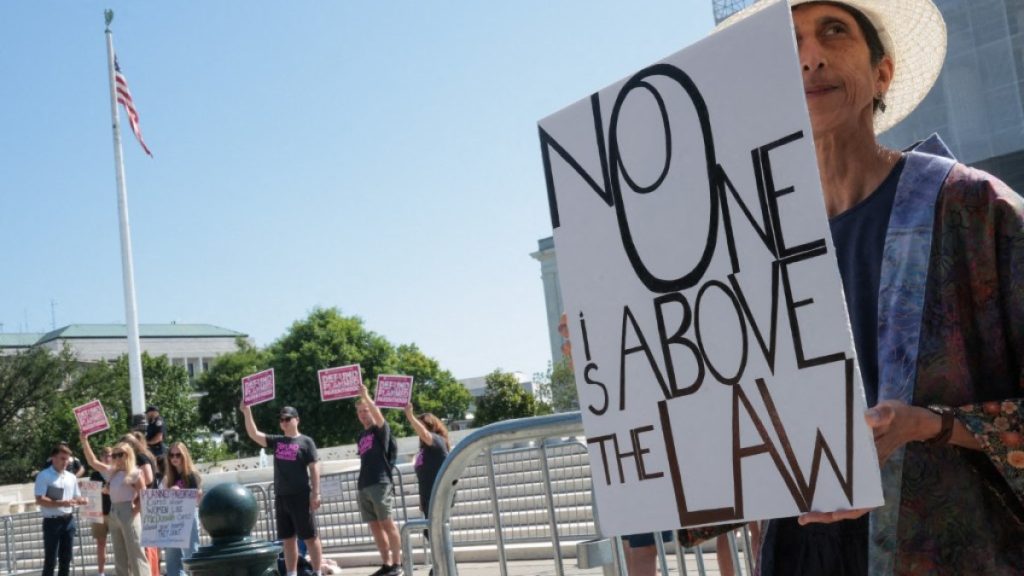
Dissenting justice warns court actions expose ‘thousands to the risk of torture or death’. A divided Supreme Court has allowed the administration of United States President Donald Trump to restart swift removals of migrants to countries other than their homeland, lifting a court order that requires they get a chance to challenge the deportations. The high court majority did not detail its reasoning in the brief order issued on Monday, as is typical on its emergency docket. All three liberal justices dissented. In May, immigration officials put eight people on a plane to South Sudan, though they were diverted to a US naval base in Djibouti after a judge stepped in. The refugees and migrants from countries including Myanmar, Vietnam and Cuba had been convicted of violent crimes in the US. Immigration officials have said that they were unable to return them quickly to their home countries. The case comes amid a sweeping immigration crackdown by Trump’s administration, which has pledged to deport millions of people who are living undocumented in the US. In a scathing 19-page dissent, liberal Justice Sonia Sotomayor wrote that the court’s action exposes “thousands to the risk of torture or death.” “The government has made clear in word and deed that it feels itself unconstrained by law, free to deport anyone anywhere without notice or an opportunity to be heard,” she wrote in the dissent, which was joined by the other two liberal judges, Elena Kagan and Ketanji Brown Jackson. Lawyers for some of the migrants who had been on the flight to South Sudan said they would continue to press their case in court. “The ramifications of Supreme Court’s order will be horrifying,” said Trina Realmuto, the executive director of the National Immigration Litigation Alliance. Advertisement Department of Homeland Security spokesperson Tricia McLaughlin, meanwhile, said in a social media post that the decision was a “MAJOR win for the safety and security of the American people”. The department did not immediately respond to an email request for comment. District judge concerned about danger facing deportees The Supreme Court action halts an order from US District Judge Brian E Murphy in Boston, who decided in April that people must have a chance to argue that deportation to a third country would put them in danger – even if they have otherwise exhausted their legal appeals. He found that the May deportation flight to South Sudan violated his order and told immigration authorities to allow people to raise those concerns through their lawyers. Immigration officials housed the migrants in a converted shipping container in Djibouti, where they and the officers guarding them faced rough conditions. The administration has reached agreements with other countries, including Panama and Costa Rica, to house immigrants because some countries do not accept US deportations. South Sudan, meanwhile, has endured repeated waves of violence since gaining independence in 2011. Murphy’s order does not prohibit deportations to third countries. But it says migrants must have a real chance to argue they could be in serious danger of torture if sent to another country. The third-country deportation case has been one of several legal flashpoints as the Trump administration rails against judges whose rulings have slowed the president’s policies. Another order from Murphy, who was appointed by former Democratic President Joe Biden, resulted in the Trump administration returning a gay Guatemalan man who had been wrongly deported to Mexico, where he says he had been raped and extorted. The man, identified in court papers as OCG, was the first person known to have been returned to US custody after deportation since the start of Trump’s second term. Adblock test (Why?)
Trump claims ceasefire reached between Israel and Iran
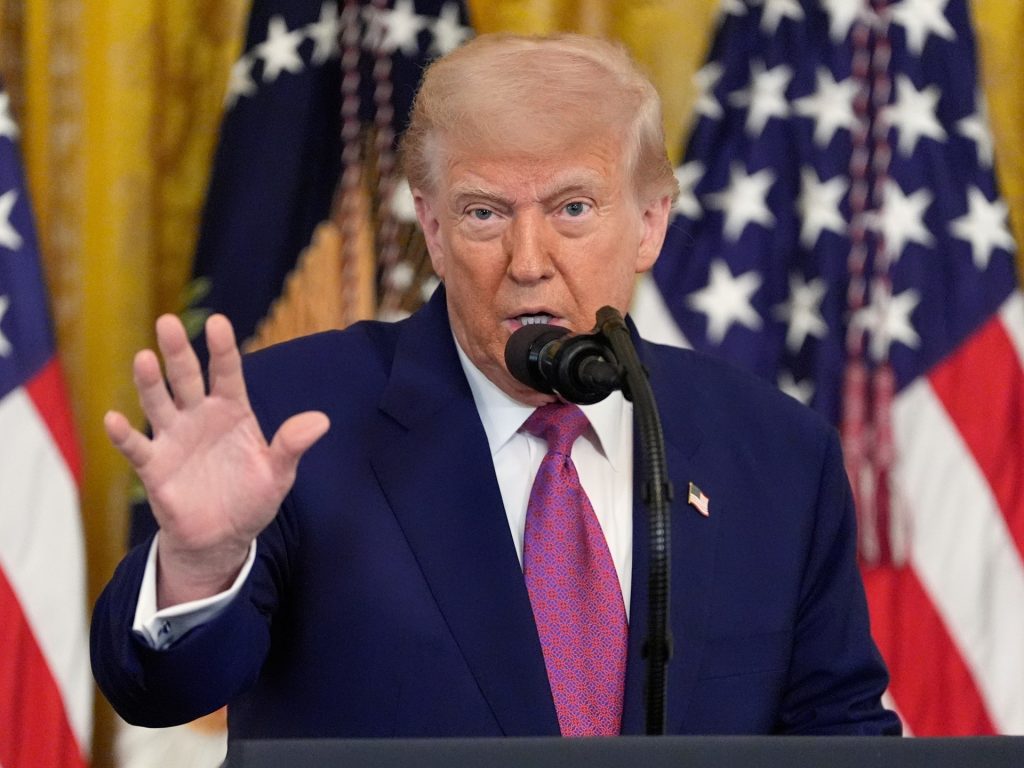
United States President Donald Trump says that Iran and Israel have agreed to a “complete and total” ceasefire, which will come into effect in the coming hours. Trump’s announcement on Monday came shortly after an Iranian missile attack on Al Udeid Air Base in Qatar, which houses US troops. “On the assumption that everything works as it should, which it will, I would like to congratulate both Countries, Israel and Iran, on having the Stamina, Courage, and Intelligence to end, what should be called, ‘THE 12 DAY WAR,’” Trump said in a social media post. “This is a War that could have gone on for years, and destroyed the entire Middle East, but it didn’t, and never will! God bless Israel, God bless Iran, God bless the Middle East, God bless the United States of America, and GOD BLESS THE WORLD!” Neither Israel nor Iran has confirmed the agreement. Trump’s statement suggested that Iran would stop firing at Israel hours before the Israeli military ends its operations. Reporting from Tehran, Al Jazeera’s Tohid Asadi noted that there has not been an official confirmation of the deal more than an hour after Trump’s announcement. “Just a few minutes ago, we heard the sounds of explosions related to an interception and the activation of the air defence system here across the capital,” Asadi said. “So the reality on the ground is that we are witnessing the continuation of the Israeli strikes, and that’s paving the way for further retaliatory reactions by the Iranian side.” Middle East analyst Omar Rahman told Al Jazeera that many details are missing from Trump’s announcement, including whether negotiations would follow the purported ceasefire. Advertisement Rahman accused Trump of previous “deception” on behalf of Israel. The US president had re-asserted the US commitment to diplomacy hours before Israel launched its initial attack on Iran. Last week, Trump said he would decide within two weeks whether to join Israel in the war, only to strike Iran two days later. Rahman said a major Israeli attack in the final hours, including the possible assassination of Iranian Supreme Leader Ayatollah Ali Khamenei could blow up the deal. “If that’s the last operation, would that suddenly end the war? No, of course, not. So, I don’t know what’s in the cards,” he said. Israel launched a massive attack against Iran in the early hours of June 13, without direct provocation. Israeli officials claimed that the strikes, which killed hundreds of people, were “preemptive” and aimed at the country’s nuclear and missile programmes. In the first wave of the attacks, Israel killed several Iranian generals. Iran said the attacks were unprovoked aggression in violation of the United Nations Charter, and responded with hundreds of missiles that left widespread destruction inside Israel. On Saturday, Trump authorised US strikes on three Iranian nuclear facilities. Earlier on Monday, Iran launched an unprecedented missile attack at Al Udeid Air Base in Qatar in response to the US strikes. Trump dismissed the retaliation as “weak”, suggesting that the US would not respond. Liqaa Maki, a scholar at Al Jazeera Media Institute, said the US may be able to withstand Iranian attacks on its bases without responding if they do not cause casualties. “The US, after the important strike on Iran’s nuclear facilities, needs to transform the military achievement into a political one enshrined by an agreement,” Maki told Al Jazeera Arabic after the Iranian attack. He noted that Iran still has large quantities of highly enriched uranium as well as nuclear know-how. “So in two to three years, Iran could resume its nuclear activity but without inspections. It could produce a bomb without the world noticing,” Maki said. The damage that the Iranian nuclear programme has sustained remains unclear. Iran insists that it is not pursuing a nuclear weapon, while Israel is widely believed to have an undeclared nuclear arsenal. Adblock test (Why?)
US-Israel-Iran conflict: List of key events, June 23, 2025
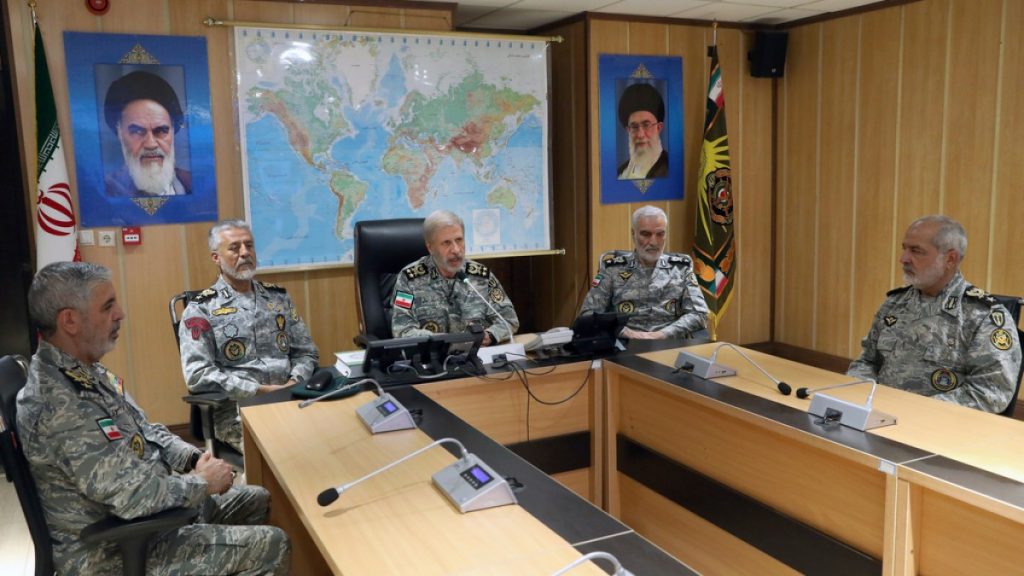
Here are the key events on day 11 of the Israel-Iran conflict. Here’s where things stand on Monday, June 23: Fighting Iran has fired ballistic missiles at the Al Udeid Air Base in Qatar, the United States’ largest military installation in the Middle East. Doha said the attack was intercepted and there were no casualties. Fellow Gulf countries Bahrain and Kuwait – which also host US facilities – joined Qatar in closing their airspace, then reopened them. Earlier, Israel had struck Tehran’s Evin Prison, notorious for holding political activists. Iranian state television shared surveillance footage of the strike, which reportedly blew the facility’s gate open. Explosions were heard on the western outskirts of the southwestern Iranian city of Ahvaz, capital of oil-rich Khuzestan province, the Fars news agency reported. Tasnim news agency reported a strike at an electricity feeder station in the Evin neighbourhood in north Tehran. Earlier, Israeli Defence Minister Israel Katz said his country had attacked “regime targets and government repression bodies in the heart of Tehran”, including Islamic Revolutionary Guard Corps (IRGC) command centres. Israel also carried out a strike on the Fordow enrichment facility, a day after the US hit the underground site south of Tehran with so-called “bunker buster” bombs. The Israeli military issued an evacuation threat to residents of Tehran, telling them to stay away from weapons production centres and military bases. Iranian state television said on Monday that the country had targeted the Israeli cities of Haifa and Tel Aviv. It claimed the majority of its projectiles fired since the early hours of the day had successfully reached their targets. Sirens sounded across Israel before noon on Monday, with a large number of impacts recorded in several areas, including the Ashdod area in southern Israel and the Lachish area, south of Jerusalem. Advertisement Casualties and disruptions Eleven days into the conflict, large numbers of Tehran’s 10 million population have reportedly fled. After Israel’s strike on Evin Prison, Iran’s IRIB state broadcaster released video showing rescue workers combing the flattened wreckage of a building at the prison, carrying a wounded man on a stretcher. Iranian power company Tavanir said there were power cuts in the Iranian capital, Tehran. In Qatar, prior to Iran’s attack on Al Udeid, the US and the United Kingdom had urged their citizens in the country to “shelter in place”. Britain said on Monday that a Royal Air Force flight carrying 63 British nationals and their dependents out of Israel had left Tel Aviv. A number of airlines, including Kuwait Airways, Finnair and Singapore Airlines, have suspended operations in the Middle East. Air India said it was not only halting operations to the region, but also stopping flights to and from the US east coast and Europe. Politics and diplomacy After Iran’s attack on Al Udeid Air Base in Qatar, US President Donald Trump thanked Tehran for giving him ”early notice” of the attack, which he described as a ”very weak response” to the US attack on Iranian nuclear facilities. In a separate post, he thanked the emir of Qatar for his peace efforts. A spokesperson for the Qatari Foreign Ministry said that the country considered the Iranian attack to be a “surprise”, announcing the situation in the country was safe. Iran’s Supreme Leader Ayatollah Ali Khamenei posted on his Farsi-language X account: “We have not violated anyone’s rights, nor will we ever accept anyone violating ours, and we will not surrender to anyone’s violation; this is the logic of the Iranian nation.” Iran’s Foreign Minister Abbas Araqchi said in a statement posted by his ministry on Telegram that Iran would be ready to respond again in case of further action by the US. Earlier in the day, Ali Akbar Velayati, an adviser to Khamenei, said bases used by US forces “in the region or elsewhere” could be attacked – that evening, Iran targeted Al Udeid in Qatar. Abdolrahim Mousavi, Iran’s armed forces chief of staff, pledged that the country would take “firm action” in response to US strikes on key nuclear sites the day before. “This crime and desecration will not go unanswered,” he said on state television. Ebrahim Zolfaqari, spokesperson for Iran’s Khatam al-Anbiya central military headquarters, addressed US intervention in the war in a video statement, saying: “Mr Trump, the gambler, you may start this war, but we will be the ones to end it.” Iran’s semi-official Tasnim news agency said a parliamentary committee had approved a general plan to suspend cooperation with the International Atomic Energy Agency (IAEA). Iran’s mission to the United Nations said the US, the UK, France, Israel and IAEA chief Rafael Grossi were responsible for the deaths of innocent civilians and the destruction of infrastructure. Russian President Vladimir Putin slammed attacks on Iran as “unprovoked” and “unjustified” in a Moscow meeting with Tehran’s Foreign Minister Abbas Araghchi. Russian Deputy Foreign Minister Sergei Ryabkov said, “Our strategic partnership with Iran is unbreakable,” but was not drawn on the question of whether Iran had requested military help – or whether any help would be forthcoming. After Israel’s attack on Tehran’s Evin Prison, Israeli Foreign Minister Gideon Saar wrote “Viva la libertad!”, Spanish for “long live liberty”, on X. French Foreign Affairs Minister Jean-Noel Barrot said that the Israeli strike on Tehran’s Evin Prison, which holds some French prisoners, was unacceptable. China’s UN ambassador, Fu Cong, said US credibility was “damaged” after its bombing of Iran’s nuclear sites, warning the conflict could “go out of control”, according to the state broadcaster. German Chancellor Friedrich Merz said of Sunday’s US strikes on Iranian nuclear sites: “Yes, it is not without risk, but leaving it as it was wasn’t an option either.” British Foreign Secretary David Lammy said his country stood ready to “defend our personnel, our assets and those of our allies and partners”. NATO chief Mark Rutte said alliance members had “long agreed that Iran must not develop a nuclear weapon” and called an Iranian atomic bomb his “greatest fear”. US Secretary of State Marco Rubio called on China
Iran attacks US military base in Qatar
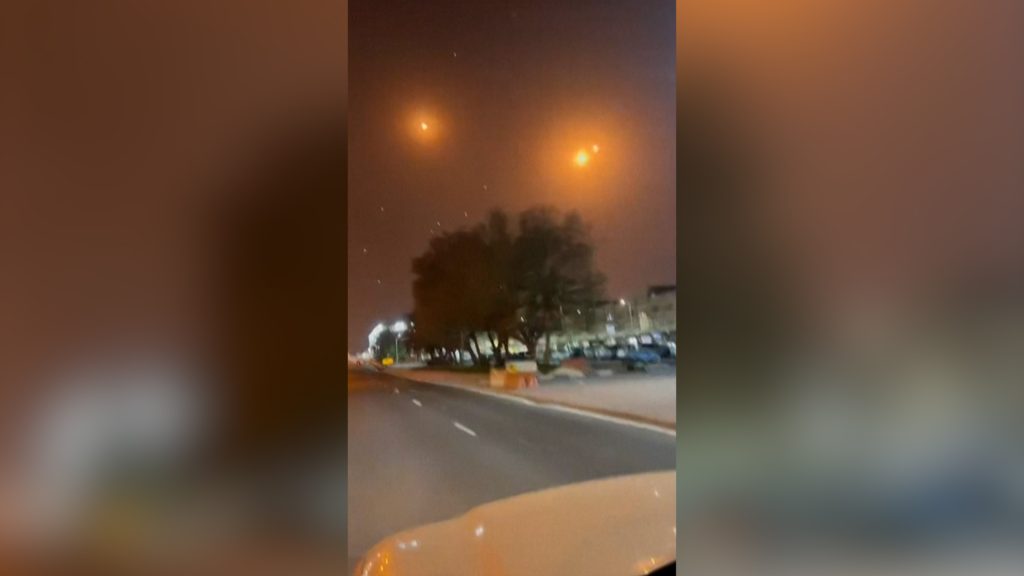
NewsFeed Iran fired missiles at the US’s Al Udeid Air Base in Qatar, saying it was retaliation for recent American strikes on its nuclear facilities. Qatar intercepted the missiles and said it reserves the right to respond “to this blatant aggression in accordance with international law.” No casualties were reported. Published On 23 Jun 202523 Jun 2025 Adblock test (Why?)
Iran attacks US air base in Qatar: What we know so far
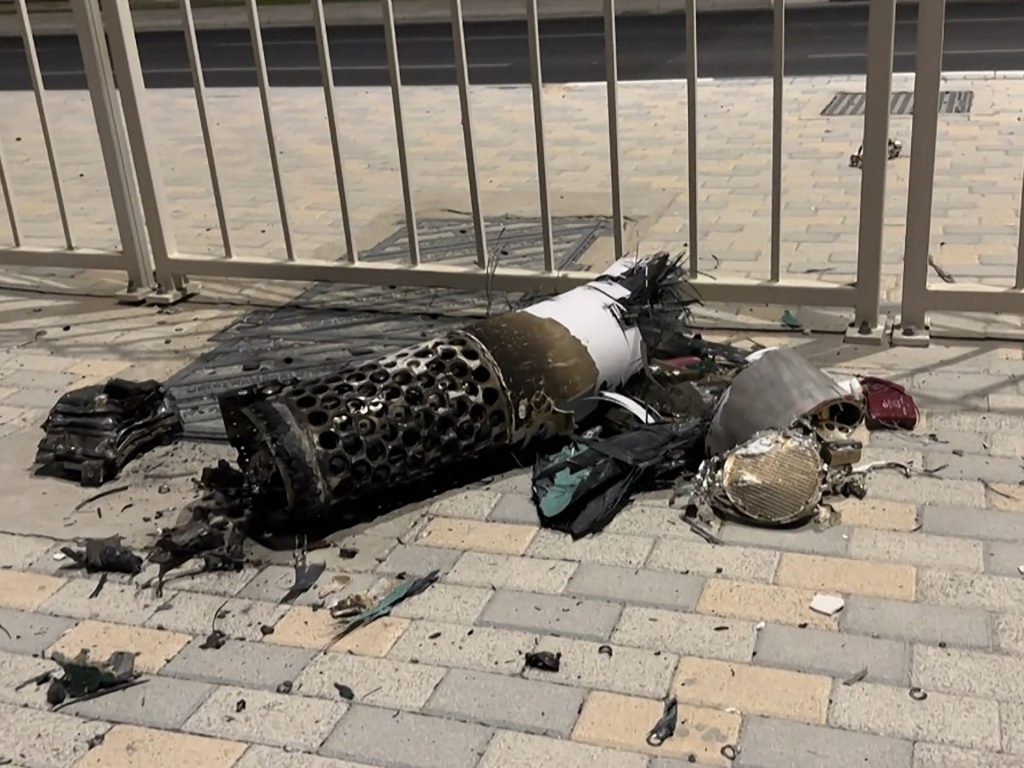
Iran has attacked United States forces stationed at the Al Udeid Air Base in Qatar, saying it was retaliating against the US strikes on Iran’s nuclear sites. The attacks on Monday were confirmed by Iran’s Islamic Revolutionary Guard Corps (IRGC) in a statement addressed to the Iranian people. Consecutive flares, coupled with loud explosions, were seen in Qatar’s capital, Doha, and other parts of the country. Here’s what to know about the Iranian attacks in Qatar. Why did Iran launch an attack in Qatar? The IRGC, in its statement, said it launched a “powerful and devastating missile attack” as part of Operation Annunciation of Victory in response to the “blatant military aggression” by the US on Iran’s nuclear facilities. The IRGC also said its “decisive action” sent a message to the White House and its allies that Iran would, “under no circumstances, leave any aggression against its territorial integrity, sovereignty, or national security unanswered”. “US bases and mobile military assets in the region are not points of strength, but rather major vulnerabilities,” the statement warned. Where did Iran attack and why? Iran said it targeted the Al Udeid Air Base in Qatar because it “serves as the command centre of the US Air Force and is the largest strategic asset of the American terrorist army in West Asia”. Tehran also noted that the missile strike was conducted away from residential areas in Qatar. “This action does not pose any threat to the friendly and brotherly country, Qatar, and its noble people, and the Islamic Republic of Iran remains committed to maintaining and continuing warm and historic relations with Qatar,” Iran’s Supreme National Security Council said in a statement. Advertisement What and where is the Al Udeid Air Base? Al Udeid is the largest US military base in the Middle East, housing approximately 10,000 US troops. The 24-hectare (60-acre) base, located in the desert southwest of Doha, was set up in 1996. It serves as the forward headquarters for US Central Command, which directs US military operations in a huge swath of territory stretching from Egypt in the west to Kazakhstan in the east. The base houses the Qatar Emiri Air Force, the US Air Force, the United Kingdom’s Royal Air Force and other foreign forces. How did Iran attack, and how did Qatar respond? A US defence official, quoted by the Reuters news agency, said that “Al Udeid Air Base was attacked by short-range and medium-range ballistic missiles originating from Iran”. Qatar’s Ministry of Defence, meanwhile, said its air defence systems successfully intercepted the Iranian missiles targeting the base. Qatar said it received information that bases in the region are being targeted, including Al Udeid Air Base. “At 7:30pm (1630 GMT), we received reports that seven missiles were launched from Iran toward Al Udeid Air Base,” Qatari officials said in a briefing later on Monday. They confirmed that Al Udeid Air Base was evacuated before the attack. Its Foreign Ministry decried the attack, saying it is a “violation of Qatar’s sovereignty and airspace and the UN charter”, and that Doha reserves the right to respond. Was there any damage after Iran’s attack? Qatar’s Defence Ministry confirmed that the incident resulted in no deaths or injuries. In a later press briefing, Qatar’s Ministry of Interior confirmed that a total of 19 missiles were fired from Iran. It added that only one of those hit Al Udeid Air Base, but caused no casualties. “We are proud of the response to today’s attack and no damage was reported,” Qatari officials said. What’s happening in Qatar as a result of the Iranian attack? In the hours leading up to the attack, the embassies of the US and the UK in Qatar released statements urging citizens in Qatar to shelter in place until further notice. However, the advisory was lifted a few hours after the attacks had ceased. Several British, American and European schools in the country said they would remain closed on Tuesday. Qatar’s Ministry of Education said all exams set to take place on Tuesday had been rescheduled for Wednesday. During its briefing, Qatar’s Ministry of Interior said the situation in the country was “completely stable” and that all authorities are working in coordination to ensure the safety of the public. Advertisement Jabr al-Naimi from Qatar’s Public Security said the safety of citizens, residents, and residents is of the “utmost priority”. “We will not allow any international or external crisis or conflict to affect our life in Qatar,” he said in a televised press conference. Qatar’s Foreign Ministry also said life is going back to “normal” following the attack, and has reiterated its call for warring parties to negotiate. Why was Qatar’s airspace shut, and when did it reopen? Qatar shut down its airspace temporarily, saying it was “part of the measures taken to ensure the safety of residents and visitors.” It was reopened more than five hours later. Adblock test (Why?)
Greece probes Azerbaijani arrested for espionage for links to Iran
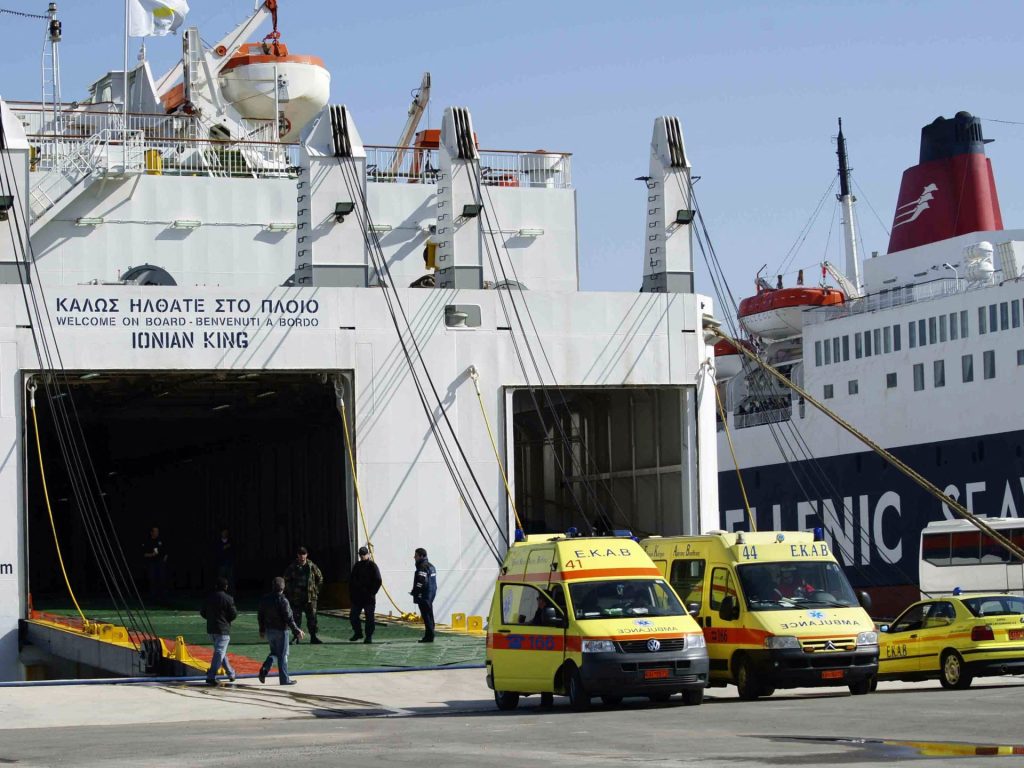
Arrest comes shortly after Cyprus detains ethnic-Azeri suspected of planning attack on military base for Iran. Greek police have arrested an Azerbaijani national suspected of spying on a NATO base on the island of Crete. Local media reported on Monday that the man was detained the previous day on suspicion of espionage. Authorities are reportedly investigating whether the case is linked to the arrest in recent days of a man with Azeri roots in Cyprus on suspicion of terror-related offences linked to Iran. The 26-year-old was arrested in Crete after he was seen scouting the air and naval base of the United States at Souda Bay, broadcaster ERT reported, citing police and intelligence sources. According to the report, authorities said he was seen photographing strategically sensitive locations and tracking the movements of warships entering and leaving the bay. The base is a strategic US and NATO facility for the eastern Mediterranean. Police seized approximately 5,000 photographs and numerous videos. The suspect is expected to be brought before a public prosecutor. The arrest came days after a similar incident in Cyprus, where a man was detained for alleged espionage and planning a “terrorist attack” on military facilities. The suspect, who was also reported to be ethnically Azeri, was said to be acting on behalf of Iran’s Islamic Revolutionary Guard Corps (IRGC). According to Cypriot media, citing government sources, he entered the country using a British passport. Israel’s Foreign Minister Gideon Saar said on Saturday that the IRGC had attempted to carry out a terror attack targeting Israelis. Advertisement Cyprus and Crete lie close to the Middle East and have in recent days been used as a transit point amid the conflict between Israel and the US, and Iran. Since the start of the hostilities, reports of detected espionage have increased on both sides. Iran has carried out multiple arrests since Israel launched its bombing campaign on July 13, and executed several others who had been arrested in recent years. On Monday, Iran’s judiciary said it had executed Mohammad-Amin Mahdavi Shayesteh “for intelligence cooperation with the Zionist regime”, which is Iran’s term for Israel. He was also convicted of collaborating with Iran International, a Persian-language TV channel based in London that is critical of the Iranian government and that Tehran considered linked to Israel. The previous day, Iran executed Majid Mosayebi after saying he had been proved to have been working with Mossad. Late on Sunday, officials in Tehran reported that three people had been arrested in the western province of Kermanshah on allegations of espionage, one a national of a European country. Special judicial branches are now planned in provincial prosecutors’ offices and courts to handle Israeli-linked espionage cases on an “extraordinary” basis, officials added. Iran is the world’s second most prolific executioner after China, according to human rights groups, including Amnesty International. Adblock test (Why?)
As Israel-Iran war escalates, Ukraine fears ‘more losses’ to Russia
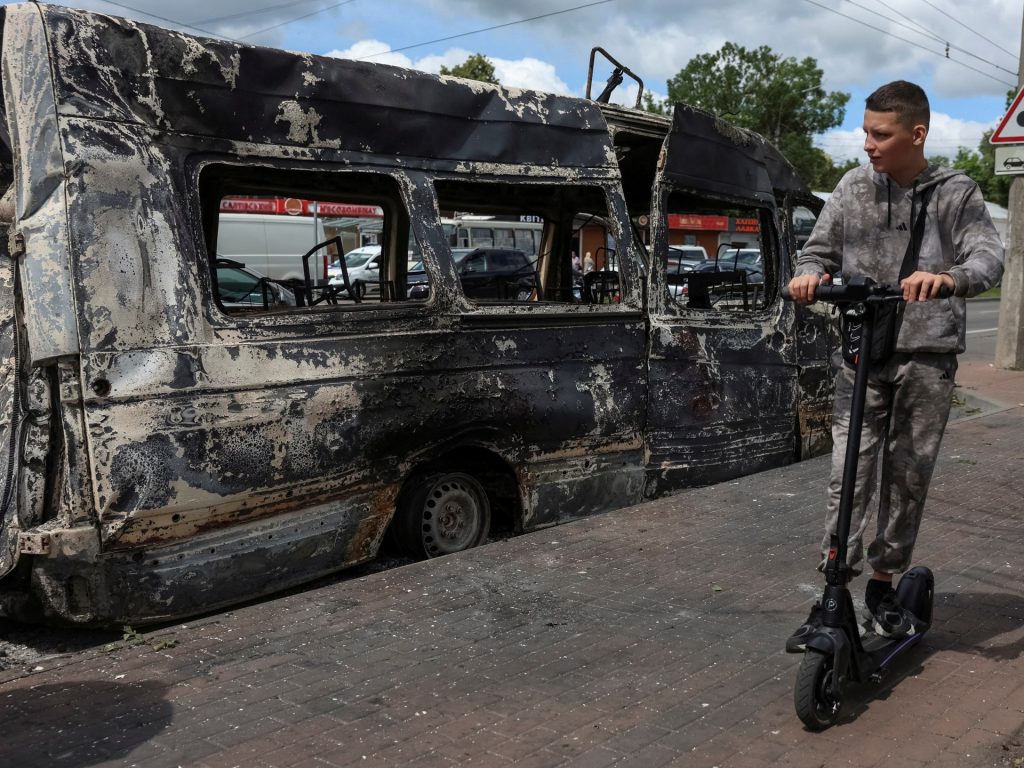
Kyiv, Ukraine – There is a Persian word millions of Ukrainians fear. Shahed – also spelled as Shaheed or Shahid, originally a Quranic term for “martyr” or “witness” – is the name given to the triangular, explosives-laden, Iranian-designed drones that became a harrowing part of daily life and death in wartime Ukraine. These days, they are assembled in the Volga-region Russian city of Yelabuga and undergo constant modifications to make them faster, smarter and deadlier during each air raid that involves hundreds of drones. Their latest Russian versions shot down in Ukraine earlier this month have artificial intelligence modules to better recognise targets, video cameras and two-way radio communication with human operators. “The word ‘Shahed’ will forever be cursed in Ukrainian next to ‘Moscow’ and ‘Putin’,” said Denys Kovalenko, referring to Russian President Vladimir Putin. Kovalenko’s face and arms were cut by glass shards after a Shahed exploded above his northern Kyiv neighbourhood in 2023. Shaheds are the most visible and audible part of the military alliance between Moscow and Tehran that is being tested this month amid attacks by Israel and the United States on Iran. Other aspects of the alliance that affect the Russia-Ukraine war include Iranian-made ammunition, helmets, and flak jackets, according to Nikita Smagin, an author and expert on Russia-Iran relations. However, the year 2022, when Putin started the full-scale invasion of Ukraine, was the “peak of Iran’s significance for Russia as a military partner”, Smagin told Al Jazeera. Advertisement The Kremlin has invested tens of billions of dollars into its military-industrial complex and shadow systems to supply chips, machine tools and dual-purpose goods for its weapons that bypass Western sanctions. The flow of military technologies usually went the other way as Moscow supplied advanced air defence systems, missiles and warplanes to Tehran, keeping Israel worried. In 2009, then-Israeli President Shimon Peres told this reporter in Moscow that his visit was aimed at convincing the Kremlin to “reconsider” the sale of S-300 surface-to-air missiles to Tehran. Russia’s advanced Su-35 jets were supposed to be delivered to Tehran earlier this year, but were not seen in the Iranian sky. Washington’s arms supplies to Israel have already affected Kyiv’s ability to withstand Russia’s air raids and slow advance on the ground. Ukrainian President Volodymyr Zelenskyy said on June 9 that the White House decided to divert 20,000 anti-drone missiles earmarked for Kyiv. “Without the help of the United States, we’ll have more losses,” Zelenskyy said in televised remarks. More Ukraine-bound military aid may now be diverted to Israel, and the Kremlin “counts on this scenario”, analyst Smagin said. This possible diversion already alarms Ukraine’s top brass. Arms that were “made for Ukraine will go to the Middle, so there are no illusions about it”, Lieutenant General Ihor Romanenko, former deputy head of Ukraine’s general staff of armed forces, told Al Jazeera. There should be no illusions about Russia’s ability to protect Iran, he said. Even though Moscow and Tehran hail their strategic partnership, it does not envisage a mutual defence clause. Therefore, the Kremlin will hardly be able to commit to military action similar to the Russian air raids against Syria’s then-opposition to support then-President Bashar al-Assad’s faltering regime, he said. “They won’t change anything significantly,” Romanenko said. “But they will have enough for arms supplies.” Any arms supplies may, however, enrage US President Donald Trump, who has so far showed unusual leniency towards Moscow’s actions in Ukraine as his administration botched peace talks between Moscow and Kyiv. Moscow’s condemnation of Israeli and US strikes on Iran evoked a sense of hypocrisy, some observers said, as Russia’s description of the attacks sounded familiar. “No matter what arguments are used to justify an irresponsible decision to subject a sovereign state’s territory to missile and bomb strikes, [the decision] rudely violates international law, the United Nations charter and the resolutions of the UN Security Council,” Russia’s Ministry of Foreign Affairs said on Sunday. Advertisement ‘Moscow and Iran compete for China’s market’ There is an area where Russia and Iran compete for multibillion-dollar oil trade profits that keep their sanctions-hobbled economies afloat. “Moscow and Iran compete for China’s market, and China will respectively have to buy more Russian oil at a higher price,” Smagin said. A third of global oil exports go through the Strait of Hormuz, a narrow channel between Iran and Oman that is fully controlled by Tehran’s “mosquito fleet” of tiny warships. Crude prices will skyrocket worldwide if Tehran opts to close the strait to tankers. It would also strike a financial bonanza for Russia that could further finance the war in Ukraine. And as Moscow’s war in Ukraine consumes most of Russia’s resources, its reputation in the Middle East will suffer. “Reputation-wise, Russia suffers huge losses as it risks not to be seen as a great power in the Middle East,” Smagin said. If Tehran rejects Trump’s “ultimate ultimatum” to work out a peace deal, Washington’s attention to Iran and Israel may spell disaster for Kyiv. “Undoubtedly, the US’s refocusing on the Middle East and Iran is a geopolitical catastrophe for us; there’s nothing to argue about,” Kyiv-based analyst Aleksey Kuschch told Al Jazeera. Adblock test (Why?)
Can Iran really shut down the Strait of Hormuz?
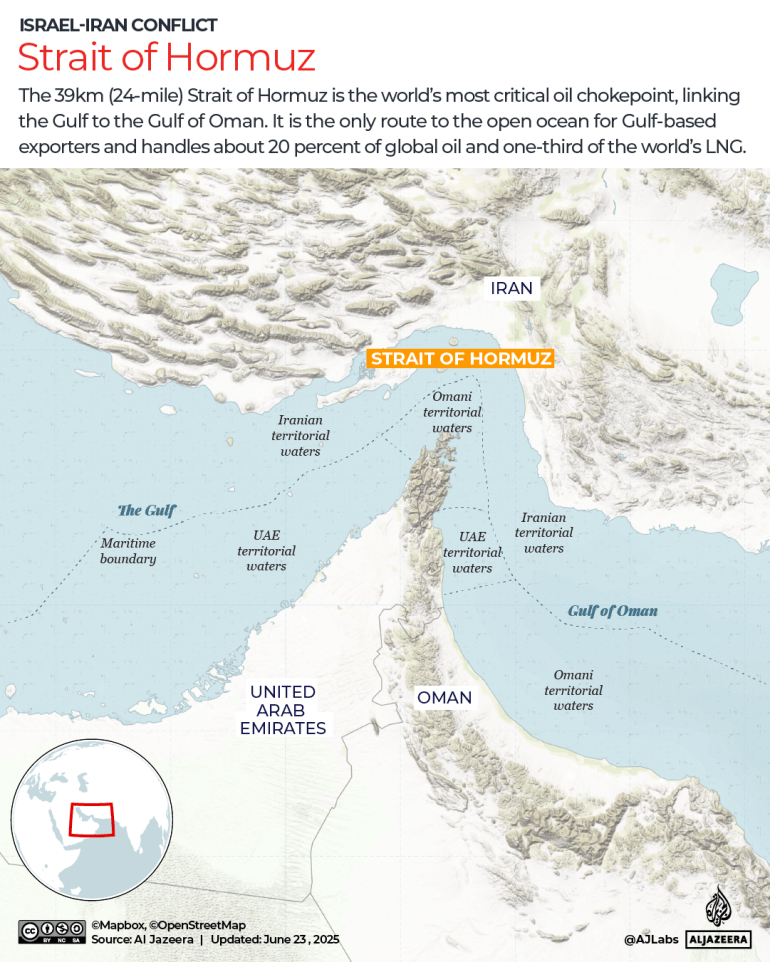
Amid Israel’s ongoing attacks in Gaza and Iran, US President Donald Trump’s unprecedented decision to bomb three Iranian nuclear sites has deepened fears of a regional conflict in the Middle East. Over the weekend, the United States military carried out its first known strikes against Iran since the 1979 Islamic Revolution toppled pro-Western Mohammad Reza Pahlavi. Tehran has vowed to respond, prompting fears of escalation. During an address to a meeting of the Organisation of Islamic Cooperation (OIC) in Istanbul, Turkiye on Sunday, Iran’s Foreign Minister Abbas Araghchi said the US crossed “a very big red line” by attacking Iran’s nuclear facilities. One way Iran could retaliate is to shut the Strait of Hormuz, a vital trade route where one-fifth of the world’s oil supply – roughly 20 million barrels – and much of its liquified gas, is shipped each day. That would lead to a surge in energy prices. So, what do we know about the strategic passage, and can Iran afford to block it in response to the US and Israeli aggression? (Al Jazeera) What is the Strait of Hormuz? The Strait of Hormuz lies between Oman and the United Arab Emirates on one side and Iran on the other. It links the Persian Gulf with the Gulf of Oman and the Arabian Sea beyond. It is 33km (21 miles) wide at its narrowest point, with the shipping lane just 3km (2 miles) wide in either direction, making it vulnerable to attack. Energy traders have been on high alert since Israel launched a wave of surprise attacks across Iran on June 13, fearing disruptions to oil and gas flows through the strait. While the US and Israel have targeted key parts of Iran’s energy infrastructure, there has been no direct disruption to maritime activity in the region so far. Still, even before the US strikes on Saturday, the escalation of the conflict between Israel and Iran had sparked ocean freight rates to surge in recent weeks. Advertisement Freight intelligence firm Xeneta said average spot rates have increased 55 percent month-over-month, through to last Friday. Who would need to approve the closure? Iran has in the past threatened to close the Strait of Hormuz, but has never followed through on the threat. Iran’s Supreme National Security Council must make the final decision to close the strait, Iran’s Press TV said on Sunday, after parliament was reported to have backed the measure. However, the decision to close the strait is not yet final, as parliament has not ratified a bill to that effect. Instead, a member of parliament’s National Security Commission, Esmail Kosari, was quoted in Iranian media as saying: “For now, [parliament has] come to the conclusion we should close the Strait of Hormuz, but the final decision in this regard is the responsibility of the Supreme National Security Council.” Asked about whether Tehran would close the waterway, FM Araghchi dodged the question on Sunday and replied: “A variety of options are available to Iran.” In his first comments since the US strikes, Iran’s Supreme Leader Ayatollah Ali Khamenei said that Israel has made a “grave mistake” and “must be punished”, but did not make any specific reference to either Washington or the Strait of Hormuz. How would the closure work in practice? Iran could attempt to lay mines across the Strait of Hormuz. The country’s army or the paramilitary Islamic Revolutionary Guard Corps (IRGC) may also try to strike or seize vessels in the Gulf, a method they have used on several occasions in the past. During the 1980s Iran-Iraq war, the two sides engaged in the so-called “Tanker Wars” in the Persian Gulf. Iraq targeted Iranian ships, and Iran attacked commercial ships, including Saudi and Kuwaiti oil tankers and even US Navy ships. Tensions in the strait flared up again at the end of 2007 in a series of skirmishes between the Iranian and US navies. This included one incident where Iranian speedboats approached US warships, though no shots were fired. In April 2023, Iranian troops seized the Advantage Sweet crude tanker, which was chartered by Chevron, in the Gulf of Oman. The vessel was released more than a year later. What would it mean for the global economy? US Secretary of State Marco Rubio on Sunday called on China to encourage Iran to not shut down the Strait of Hormuz after Washington carried out strikes on Iranian nuclear sites. Speaking to Fox News, Rubio said: “It’s economic suicide for them if they do it [close the strait]. And we retain options to deal with that, but other countries should be looking at that as well. It would hurt other countries’ economies a lot worse than ours.” Advertisement For starters, shutting Hormuz risks bringing Gulf Arab states – which have been highly critical of the Israeli attack – into the war to safeguard their own commercial interests. Closing the strait would also hit China. The world’s second-largest economy buys almost 90 percent of Iran’s oil exports (roughly 1.6 million barrels per day), which are subject to international sanctions. According to Goldman Sachs, a blockade of the Strait of Hormuz could push oil prices above $100 per barrel. That would push the cost of production up, eventually affecting consumer prices – especially for energy-intensive goods like food, clothing and chemicals. Oil-importing countries around the world could experience higher inflation and slower economic growth if the conflict persists, which could prompt central banks to push back the timing of future rate cuts. But history has shown that severe disruptions to global oil supplies have tended to be short-lived. Before the start of the second Gulf War, between March and May 2003, crude oil surged by a whopping 46 percent at the end of 2002. But prices quickly unwound in the days preceding the start of the US-led military campaign. Similarly, Russia’s invasion of Ukraine in February 2022 sparked a sharp rally in oil prices to $130 a barrel, but prices returned to their pre-invasion levels of $95 by mid-August. These relatively quick
Real Madrid beat Pachuca at Club World Cup despite Asencio’s early red card

Xabi Alonso gets his first victory as Madrid manager, despite his football side playing most of the game with only 10 players. Jude Bellingham and Arda Guler scored late in the first half to help 10-man Real Madrid to a 3-1 victory over Pachuca in a Group H clash played amid sweltering conditions in Charlotte, North Carolina, the United States. Federico Valverde’s sliding volley in the 70th minute sealed Xabi Alonso’s first victory as Madrid manager on Sunday. The result puts his side’s FIFA Club World Cup campaign back on track after a dramatic 1-1 draw against Al Hilal in Wednesday’s opener, and despite Sunday’s early dismissal of defender Raul Asencio. Real Madrid can clinch a place in the last 16 with a win or draw against RB Salzburg on Thursday in Philadelphia. Al Hilal play Salzburg later on Sunday in Washington, DC. Thibault Courtois made 10 saves for the victors, though he could do little on Elias Montiel’s 80th-minute deflected effort that provided Pachuca with a consolation goal. The Mexican side was beaten despite leading their Spanish foes by 25-8 in shots overall and 11-3 in efforts on target. But as in Pachuca’s 2-1 Wednesday loss to Salzburg, it was their opponents who had more quality in their attacks. Referee Ramon Abatti showed no hesitation in dismissing Asencio in the seventh minute for denying an obvious goal-scoring opportunity after the Madrid defender hauled down Salomon Rondon just beyond the penalty area. Real Madrid’s Raul Asencio walks off the pitch after being shown a red card [Susana Vera/Reuters] But after absorbing pressure for most of the opening half-hour, the Spaniards raced out to a 2-0 lead in the half’s final 15 minutes. Advertisement In the 35th, Gonzalo Garcia’s quick flick-on freed Fran Garcia down the left. The latter then picked out the late run of Bellingham, who collected a square ball and slid his low finish past Carlos Moreno from 15 yards. In the 43rd, it was Guler providing the finishing touch from inside the area on another flowing Madrid move, this time with Gonzalo Garcia providing the final square pass after Trent Alexander-Arnold’s first-touch cross. Pachuca continued to apply pressure after the break, with Courtois forced to push Bryan Gonzalez’s early-second-half effort over the bar and John Kennedy’s 61st-minute strike from distance well clear of his left post. But Valverde’s well-taken goal effectively killed the game and Real Madrid held on for an impressive win. Bellingham, who was named the player of the match, hailed the spirit of his teammates after the game. “We stayed together well [after the red card]. Obviously, Raul [Asencio] made a mistake. He is young and it will happen,” he told DAZN. “It was impressive to see how the team came together and won the game.” Alonso singled out Courtois for praise. “We are so happy to have [Courtois] in goal,” he told DAZN after the match. “He was so reliable, especially when we had one player less. We defended with a lot of sacrifice and waited for our chances.” In the earlier Club World Cup game on Sunday, Kenan Yildiz scored two goals and had a hand in another as Juventus beat Wydad Casablanca 4-1 to close in on a place in the last 16. Adblock test (Why?)