

Trump claims US held direct nuclear talks with Iran
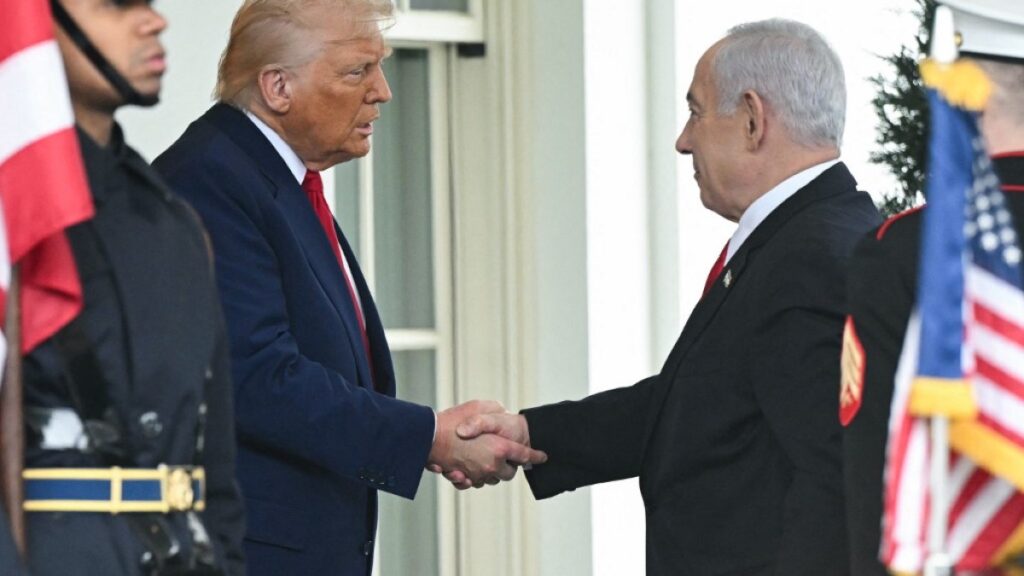
President Donald Trump has announced that the United States has begun direct negotiations with Iran over its nuclear programme, after Tehran had earlier dismissed Washington’s calls for the talks. “We’re having direct talks with Iran, and they’ve started. It’ll go on Saturday. We have a very big meeting, and we’ll see what can happen,” Trump told reporters at the White House on Monday, alongside Israeli Prime Minister Benjamin Netanyahu. “And I think everybody agrees that doing a deal would be preferable,” he added, without providing further details. Trump also warned that Iran would be in “great danger” if diplomatic efforts to curb its nuclear ambitions failed, adding that Tehran “can’t have nuclear weapons”. Earlier this month, Trump told NBC News: “If they [Iran] don’t make a deal, there will be bombing”. He added that the bombing would be “the likes of which they have never seen before.” Trump’s announcement of direct talks with Tehran would not be to Netanyahu’s “liking”, as the Israeli leader has long wanted to simply bomb Iran, said Marwan Bishara, Al Jazeera’s senior political analyst. Advertisement “Trump has wanted a deal for a long time,” Bishara said. However, “Netanyahu certainly thinks Iran’s defences have been weakened by last year’s Israeli air strikes on Iran. And he sees this as a great opportunity, with US support, for Israel to finish off Iran.” “In reality, Trump doesn’t want to enter a war with Iran while he is in the midst of trade wars with the rest of the world,” Bishara added. ‘Meaningless talks’ Over the weekend Iranian Minister of Foreign Affairs Abbas Araghchi described the prospect of direct negotiations with the US on Tehran’s nuclear programme as “meaningless”. Araghchi’s remarks came after Trump said last month in a letter to Iran’s Supreme Leader Ayatollah Ali Khamenei that he hoped there would be a negotiation between the countries. Tehran, which maintains that it is not seeking a nuclear weapon, has so far rejected Washington’s overtures, but has said it is open to indirect diplomacy – a stance repeated by Araghchi in Sunday’s statement. In 2018, during his first presidency, Trump withdrew the US from the 2015 nuclear agreement between Iran and world powers, which had placed strict curbs on Tehran’s nuclear activities in exchange for sanctions relief. Iran says its nuclear activities are solely for civilian purposes. Israel, the US’s top ally in the region, is widely believed to have an undeclared nuclear arsenal. Netanyahu calls for Palestinians to leave Gaza Speaking next to Netanyahu, who has been issued an arrest warrant by the International Criminal Court (ICC) for alleged war crimes in Gaza, Trump suggested that the war in Gaza could soon come to an end. Advertisement “I’d like to see the war stop, and I think the war will stop at some point that won’t be in the too-distant future,” Trump told reporters in the Oval Office. However, he did not provide specifics on how or when a ceasefire might be reached. Netanyahu claimed that Israel was working on a new agreement following January’s temporary ceasefire, which he broke unilaterally in March before unleashing more bombing on Gaza and killing hundreds more Palestinians. “We’re committed to getting all the hostages out, but also eliminating the evil tyranny of Hamas in Gaza and enabling the people of Gaza to freely make a choice to go wherever they want,” he said. The Israeli leader also said he had discussed with Trump what he called the US president’s “bold vision” for Gaza, referring to a controversial proposal for US control over the enclave. The plan, widely condemned as a blueprint for ethnic cleansing, has drawn sharp criticism internationally. Luciano Zaccara, assistant professor in Gulf politics at Qatar University, said that the comments did not reveal any change in policy towards Gaza. “Both share the belief that fewer people in Gaza is better – for the United States and Israel,” Zaccara told Al Jazeera. The word “ceasefire” barely came up in the media conference, said Zaccara, adding that “Trump’s main focus was business, trade deficits, and corporate deals, including with Israel. He was not paying much attention to Gaza as a whole, except when discussing expelling Palestinians from their land”. Advertisement Turning to Syria, Trump positioned himself as a potential mediator between Israel and Turkiye, despite tensions between Netanyahu and Turkish President Recep Tayyip Erdogan. “Any problem that you have with Turkey, I think we can solve, as long as you are reasonable,” Trump told Netanyahu. “I have a very, very good relationship with Turkey and with their leader, and I think we’ll be able to work it out. So I hope that’s not going to be a problem. I don’t think it will be a problem,” added Trump. Trump, who described Erdogan as “very smart”, praised Turkiye’s role in Syria, referring to the overthrow of leader Bashar al-Assad’s regime in December. “Nobody has done in 2,000 years what Turkey has done in Syria,” he said. Israel, which has carried out extensive air strikes against Syrian military targets, remains wary of Turkiye’s growing influence in Syria. Israeli officials fear that a permanent Turkish military presence in Syria could limit their operational freedom to attack Syria. Adblock test (Why?)
Hundreds mourn Palestinian-American teen killed by Israeli forces
[unable to retrieve full-text content] Footage shows the moment 14-year-old Palestinian teen Omar Mohammad Rabea was allegedly fatally shot by Israeli forces.
Trump: US having direct talks with Iran on nuclear program
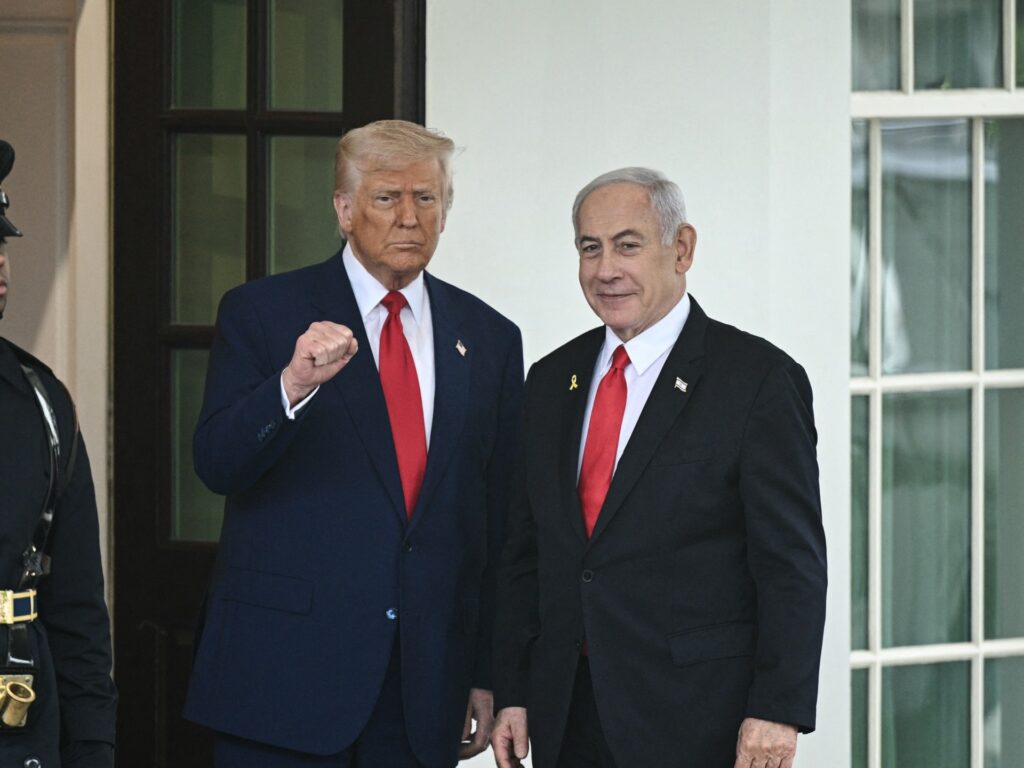
NewsFeed “A very big meeting.” President Trump says the US is holding direct talks with Iran on its nuclear program. He says they will have “a very big meeting” on Saturday but declined to say where or who would attend. Published On 7 Apr 20257 Apr 2025 Adblock test (Why?)
Targeted, killed, burned alive: Journalists in Gaza attacked by Israel
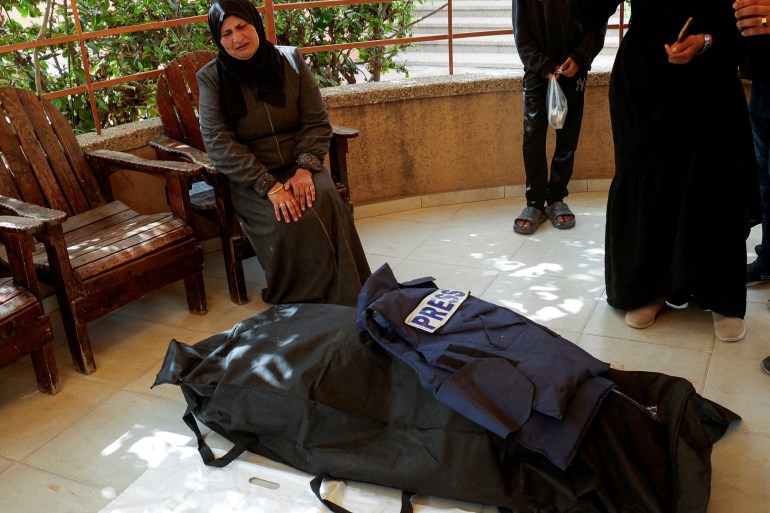
Abed Shaat drifted off to sleep on Sunday night, exhausted after covering Israeli air strikes all day. The 33-year-old freelance photographer had returned to a tent in front of Nasser Hospital in Khan Younis in southern Gaza where he’d been based along with other journalists since the start of Israel’s war on Gaza. Then, they were jolted awake. “I woke up to the sound of a huge explosion nearby,” Shaat said. “My colleagues and I immediately rushed out of the tent. [I had] my mobile phone to film. “The strike had directly hit the journalists’ tent across from us. I was horrified – to target journalists like this!” Burned to death The tent belonged to the TV station Palestine Today. “I started taking pictures from a distance, but as I got closer to the burning tent, I saw one of my colleagues on fire,” Shaat said. “I couldn’t continue filming. I don’t even know how I summoned the courage to approach the flames and try to pull the burning person out. “The fire was intense. There was a gas canister that had exploded, and another one that was burning. I tried to pull him out by his leg, but his pants tore off in my hand. I tried from another angle, but I couldn’t. Advertisement “The fire grew so strong, I fell back, I couldn’t bear it any longer. Then some of the men came with water to put the fire out. “I suddenly felt really weak … and lost consciousness.” The mother of Palestinian journalist Islam Maqdad, who was killed in an Israeli strike, sits near her body at Nasser Hospital on April 6, 2025, a day before another Israel killed another journalist in the hospital [Hatem Khaled/Reuters] Israel’s attack burned Palestine Today reporter Hilmi al-Faqaawi to death along with another man named Yousef al-Khazindar. Journalists Hassan Eslaih, Ahmed al-Agha, Muhammad Fayek, Abdallah Al-Attar, Ihab al-Bardini and Mahmoud Awad were also injured. The Israeli army said on X it had launched the attack to capture Hassan Abdel Fattah Muhammad Islayh (Eslaih), alleging he was a member of Hamas posing as a journalist. Eslaih, a journalist with a large social media following, was badly wounded in the strike. He had been threatened multiple times by Israeli authorities for covering an attack on an Israeli kibbutz during the Hamas-led attacks on southern Israel on October 7, 2023. The Israeli army also said it took steps “to reduce the chance of harming civilians” but did not explain why it chose to bomb a tent full of sleeping journalists to capture one of them. ‘Nothing new in … crimes against journalists’ More than 200 journalists and media workers have been killed by Israeli forces since October 2023, according to the Palestinian Journalists Syndicate, making it the deadliest ever conflict for journalists. Advertisement The tent targeted on Monday was outside one of the largest hospitals in southern Gaza. Journalists have been gathering in hospitals from the beginning of Israel’s war on Gaza, seeking relatively steady internet service, electricity and safety in numbers. Locals said journalists have been stationed and reporting from Nasser Hospital throughout the conflict. “We live, sleep and work there. We see each other more than we see our own families,” Shaat said. “What connects us … is more than just work.” Experts told Al Jazeera in September that Israel’s killing of journalists in Gaza shows a clear pattern of targeting journalists. “There’s nothing new in the Israeli occupation’s crimes against journalists,” Jad Shahrour, spokesperson for the Samir Kassir Foundation, a Beirut-based media freedom watchdog, told Al Jazeera. “This isn’t the first time during this war, from October 7 to today, whether in Lebanon or Gaza, the Israeli army has directly targeted journalists’ centres. “This, of course, according to international law, is a war crime, and nothing justifies it.” Hossam Shabat was killed in March in a targeted attack by Israel [Filip Singer/EPA] Other journalists killed in Gaza since the start of the war include Al Jazeera Mubasher journalist Hossam Shabat and Al Jazeera reporter Hamza Dahdouh, son of Al Jazeera’s Gaza bureau chief Wael Dahdouh. Both journalists were killed in targeted attacks on their cars, and Israel justified its actions by saying they were part of armed groups but did not provide evidence for the allegations. Advertisement Since October 7, 2023, Israel has killed at least 50,700 people in Gaza, most of whom are children or women and, therefore, not considered members of “terrorist groups” in Israel’s classification. Many civilian men – a protected group under international law – have also been killed. Reporters Without Borders told Al Jazeera it was investigating Monday’s attack. Palestinians go through the remains of a tent that housed journalists and was hit by an Israeli strike in Khan Younis on April 7, 2025 [Hatem Khaled/Reuters] Whose turn is it next? Journalists in Gaza are walking with targets on their backs, media rights organisations said. “Israel deliberately bombs journalists because it doesn’t want anyone to report the situation,” Shahrour said. The idea, the groups said, is to discourage reporting of possible war crimes Israel is committing to allow Israel to avoid any accountability. The Palestinian Journalists Syndicate gave a news conference on Monday, calling for international accountability for Israel’s crimes against journalists in Gaza. Speaking to Al Jazeera just after returning from al-Faqaawi’s funeral, Shaat spoke of the deep psychological scars the experience has left on him. “Even now, I don’t feel I can move past what I saw. I never imagined in my life that I would be pulling someone while they were on fire.” He sustained minor burns on both hands during the rescue attempt and now cannot hold a camera. “I feel completely paralysed. … Who are we even doing this for? Does anyone care? Is there anything more horrific than this scene to move people?” Advertisement “This isn’t the first time someone has burned to death, and it’s not the first time journalists have been directly targeted,” Shaat said. “We still
Africa must shun Trump’s push to resurrect coal
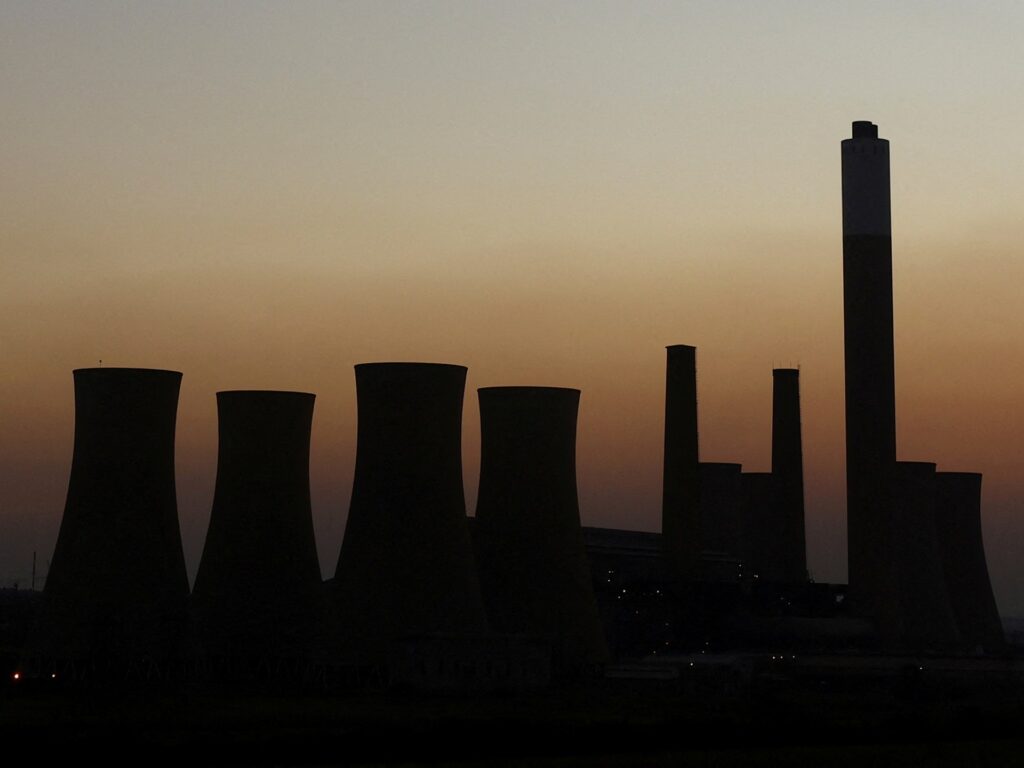
President Donald Trump’s administration has recently taken to urging African leaders to burn more planet-heating fossil fuels, and in particular coal, the dirtiest of all of them. Simultaneously, it scrapped USAID funding, which had been helping millions of the poorest people in Africa survive amid expanding climate breakdown. Those thinking of aligning with Trump’s agenda would do well to remember that the droughts, floods, and storms which have destroyed the lives and livelihoods of Africans across the continent have been supercharged by US energy policy. The US alone has produced about a quarter of all historic carbon dioxide emissions since the Industrial Revolution, which are now responsible for accelerated global warming. Not only would a coal-based development pathway for Africa heap more misery onto its citizens who are already living on the front lines of the climate crisis, but it would also be economically suicidal. The economic impact of the climate emergency is already taking a terrible toll on Africa, and a 2022 report by the charity Christian Aid showed that under the current climate trajectory, African countries could suffer a reduction in gross domestic product growth of 64 percent by 2100. Advertisement There is also no need for Africa to shackle itself to the outdated fossil fuel infrastructure of coal when the continent is blessed with a spectacular potential for developing clean renewable energy. The US fossil fuel advocates would be happy to see Africa trail along in the footsteps of the Global North, rather than see the continent leapfrogging the dirty energy era in the same way it leapfrogged landline telephone technology and adopted mobile phones en masse. But Africans should know better. No other continent has more untapped wind and solar power than Africa, and this remains the key to its long-term prosperity. From the sun-drenched deserts of North Africa to the wind-swept plains of East Africa, the continent has the natural resources to become a global leader in clean energy. Countries such as Morocco, Kenya and South Africa are already making significant strides in renewable energy development, with projects that harness solar, wind, geothermal, and hydropower. Investing in renewable energy offers numerous benefits. It can improve energy access for millions of people, create jobs, and boost economic growth. Renewable energy projects are often more scalable and adaptable to local needs, making them ideal for rural electrification and community-based initiatives. By contrast, coal has wrought a terrible cost to Africans. It is often touted as a cheap and reliable energy source, but this ignores the hidden costs of environmental degradation, health impacts, and the overall economic harm of climate breakdown. Moreover, the global shift towards clean energy means that investments in coal are increasingly risky and likely to become stranded assets. Advertisement African countries must resist the lobbying efforts of Trump’s fossil fuel backers and instead focus on building a sustainable energy future. This requires a multifaceted approach, including investment in renewable energy infrastructure, strengthening governance and policy frameworks, and fostering international cooperation. Investing in clean energy infrastructure is crucial. This includes not only large-scale projects like solar parks and wind farms but also decentralised systems that can bring electricity to off-grid communities. Many countries across Africa are already leading the way with community-focused solar systems and microgrids, and these initiatives demonstrate how renewable energy can be both ambitious and pragmatic, addressing energy access challenges while reducing reliance on imported fuels. Strengthening governance and policy frameworks is equally important. African governments must prioritise climate adaptation and resilience in their urban planning and development processes. This involves integrating climate considerations into all new projects and ensuring that resources are allocated where they are most needed. Effective governance structures can enable the implementation of climate adaptation strategies and ensure that investments in renewable energy are sustainable and equitable. International cooperation and support are also vital. The global clean energy transition holds new promise for Africa’s economic and social development. Countries representing more than 70 percent of global CO2 emissions have committed to reaching net zero emissions by mid-century, including several African nations. These commitments can help attract climate finance and technology, enabling African countries to achieve their energy-related development goals on time and in full. Advertisement Africa’s path to sustainable economic development lies in embracing renewable, clean energy. The continent has the natural resources and innovative spirit to become a global leader in renewables, improving energy access, creating jobs, and reversing the climate crisis. By resisting the fossil fuel industry’s attempts to perpetuate coal use, African countries can build a resilient and prosperous future for their people. Clean energy can be Africa’s greatest success story. For that to happen, African leaders must not take advice from a US president who admits he only cares about “America First”. The views expressed in this article are the author’s own and do not necessarily reflect Al Jazeera’s editorial stance. Adblock test (Why?)
Why has Trump revoked all South Sudanese visas?
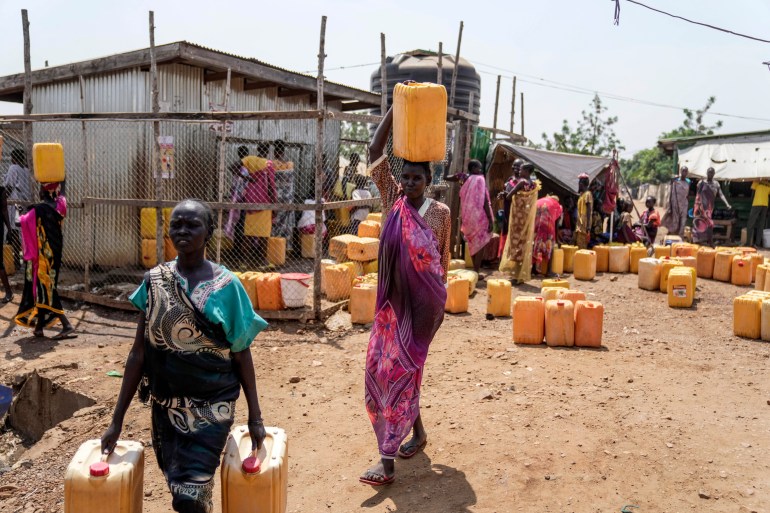
The United States government has revoked existing visas issued to all South Sudanese passport holders and barred further entries of the country’s nationals due to a failed deportation case, signalling an escalation of the Trump administration’s sweeping crackdown on immigration. In a statement on Saturday, US Secretary of State Marco Rubio blamed the transitional government of the African nation for a lack of “full cooperation” and accused South Sudan of “taking advantage” of Washington. It’s the first such blanket sanction on any country since President Donald Trump took office in January. South Sudanese officials have not reacted to the new ban. In posts on social media, however, some South Sudanese accused the US of “bullying” and using collective punishment. The East African nation, Africa’s youngest, is currently reeling from a new conflict between forces loyal to President Salva Kiir and Vice President Riek Machar. The United Nations has warned of the risk of a return to all-out civil war if tensions continue to rise. Advertisement Here’s what you need to know about why the US imposed the visa ban and how South Sudanese nationals could be affected: Displaced people fetch water inside a camp on the outskirts of Juba, South Sudan on February 13, 2025 [Brian Inganga/AP] What did the US accuse South Sudan of? Rubio implied in his statement that South Sudan’s government has refused to take back citizens who had been deported from the US. The matter, he said, involved US national security and warranted the visa revocations and ban. “Every country must accept the return of its citizens in a timely manner when another country, including the United States, seeks to remove them,” the statement read. In a more detailed account on X, also on Saturday, Deputy Secretary of State Christopher Landau alleged that South Sudan had refused to take back one person presumed to be from the African country because officials there had determined him to be Congolese after he arrived in Juba. It’s believed the country accepted several other returned people except the deportee in question. Landau claimed that the individual had, on February 13, been verified as South Sudanese by the country’s embassy in Washington, DC. He also said the embassy issued an emergency travel letter that the US relied on to send the deportee on a flight to Juba. However, upon arrival there, South Sudanese officials determined that he was not actually from the country and returned him to the US, Landau said. Let there be no mistake: the Administration of @POTUS @realDonaldTrump is committed to robust enforcement of our Nation’s immigration laws, and expects all other countries to accept repatriation of their own nationals. The Government of South Sudan has violated this obligation by… — Deputy Secretary Christopher Landau (@DeputySecState) April 5, 2025 Advertisement “Obviously, at that point, it is unacceptable and irresponsible for South Sudanese government officials to second guess the determination of their own Embassy – as far as we’re concerned, the Embassy’s certification is conclusive and the matter is closed,” Landau said in his posts. “We cannot have a repatriation system that allows foreign governments to reopen and relitigate eligibility for repatriation after those very governments had previously certified such eligibility and an individual has been repatriated,” he added. What has South Sudan said? South Sudan’s government has not publicly commented on the US actions. Local media reported that 24 South Sudanese nationals were originally deported from the US and one had been returned because he was determined not to be South Sudanese by immigration officials. In an unverified video posted on Facebook by a South Sudanese blog, Abeyeinthony Media, a man claiming to be the deportee in question is seen being interrogated by people who appeared to be South Sudanese officials, likely in Juba’s airport. The man, who claimed to be Makula Kintu from North Kivu in the Democratic Republic of the Congo (DRC), said he believed his parents were originally from Sudan but he was born in the DRC in 1977. At that time, South Sudan was still part of Sudan. It gained independence in 2011. The man said he did not choose to travel to South Sudan. “I came to South Sudan, one because I was deported against my will,” the man, who also said he was orphaned as a child and was brought up by missionaries, told officials. “There was allegation that I was being extradited by the government of South Sudan because (of) my parents.” Advertisement Who will be impacted? The conflict in South Sudan that erupted in 2011 after its independence from Sudan forced millions of people to flee the country. In 2013, the violence escalated into a full-blown civil war, sparked by tensions between Kiir and his deputy Machar. It ended in 2018 after a peace deal was reached, but sporadic violence has continued. Many South Sudanese now reside in neighbouring African countries as well as in the US, Canada and Australia. An estimated 100,000 South Sudanese were residing in the US by 2007, according to a South Sudanese official at the time. It’s unclear how many were visa holders and how many were naturalised Americans. About 133 South Sudanese were previously granted temporary protected status by former President Barack Obama’s administration in 2011 due to ongoing, sporadic conflict in the country. The categorisation grants work and residency rights to citizens of certain countries deemed unsafe due to conflict and natural disasters, including Haiti, Afghanistan, Ukraine, Cameroon and a handful of other countries. In 2023, President Joe Biden’s administration extended the status by 18 months to May 3 this year due to “violence and human rights abuses affecting civilians, as well as environmental, health, and food security concerns”. Another 140 South Sudanese nationals who’d been residing in the US since September 2023 were also eligible to apply for the protected status. Scores, if not hundreds, of South Sudanese study in US schools, many of them on scholarships. Advertisement South Sudan’s basketball team, Africa’s best rated, also has several members living and
Serbia’s President Vucic taps novice prime minister amid protest pressure
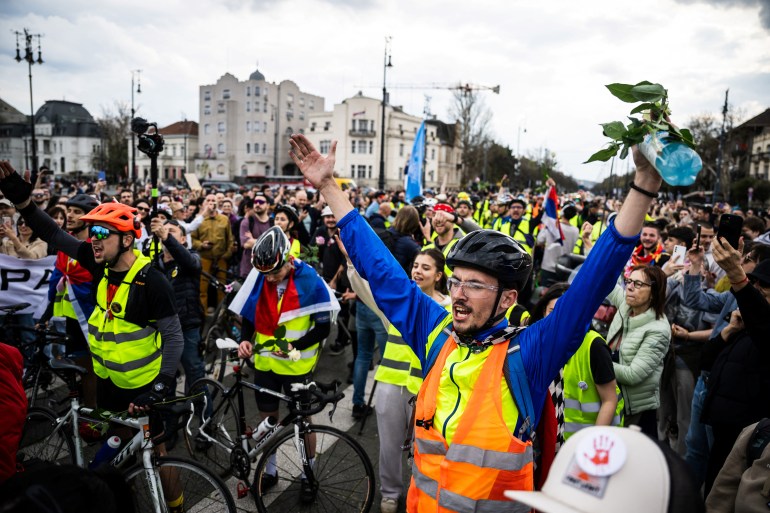
Nomination of endocrinologist Djuro Macut likely to pass parliament despite opposition fury. Serbia’s President Aleksandar Vucic has nominated a politically inexperienced endocrinologist and university professor as prime minister, amid massive ongoing protests that forced the previous premier to resign. Vucic announced the nomination of 62-year-old Djuro Macut weeks after the resignation of Milos Vucevic was approved by parliament on March 19 amid violence at the protests, which are focused on the president’s authoritarian stance and government corruption. Opposition parties were quick to reject the nomination of the Belgrade University lecturer, who had previously backed Vucic’s Serbian Progressive Party (SNS). They claimed that Macut would be beholden to directions from Vucic, who is trying to maintain his 12-year grip on power. “The prime minister-designate can be anyone or nobody as long as Vucic remains the head of the state,” said Pavle Grbovic, head of the Movement of Free Citizens party. “Knowledge about polycystic ovaries is not a reference for running the government, which requires a completely different kind of expertise,” said Boris Tadic, a former president and head of the opposition Social Democratic Party. Advertisement However, Macut is unlikely to encounter heavy resistance on his way to becoming prime minister since the SNS, which he will also formally lead, controls parliament. With the government having been run by technocrats since parliament accepted Vucevic’s resignation on March 19, Macut must now form a government and present it to the house by April 18. A swift confirmation process could signal political continuity for Vucic to both domestic and international audiences, with European Union accession talks still on the line for Serbia. However, the protests, which have spiralled since the collapse of a railway station roof in Novi Sad last November that killed 16 people, have not died down, particularly in Belgrade and Novi Sad. The tragedy was attributed to government corruption and mismanagement, leading to a public outcry and demands for accountability. Serbian authorities have occasionally used forceful tactics against protesters, but most demonstrations have proceeded without major incidents or deaths. Serbian cyclists celebrate as they arrive at their Budapest stop during their bike ride to Strasbourg aiming to raise awareness within EU institutions about months of antigovernment protests, in Budapest, Hungary, April 5, 2025 [Marton Monus/Reuters] The protests, which have seen organisers working hard to keep their distance from all political parties, have continued in varying forms. A group of about 80 Serbian university students embarked on a 1,300km (807-mile) journey from Novi Sad to Strasbourg in France on bicycles to draw EU attention to their cause. Advertisement Macut’s nomination is likely to test the mood, however, with the protesters having demanded a transitional government and for Vucic to step down. Adblock test (Why?)
Macron, Sisi call for Gaza ceasefire and release of captives
[unable to retrieve full-text content] The leaders of France, Egypt, and Jordan discussed efforts to achieve these goals at a meeting in Cairo.
Dominican Republic boosts security on border with crisis-ridden Haiti
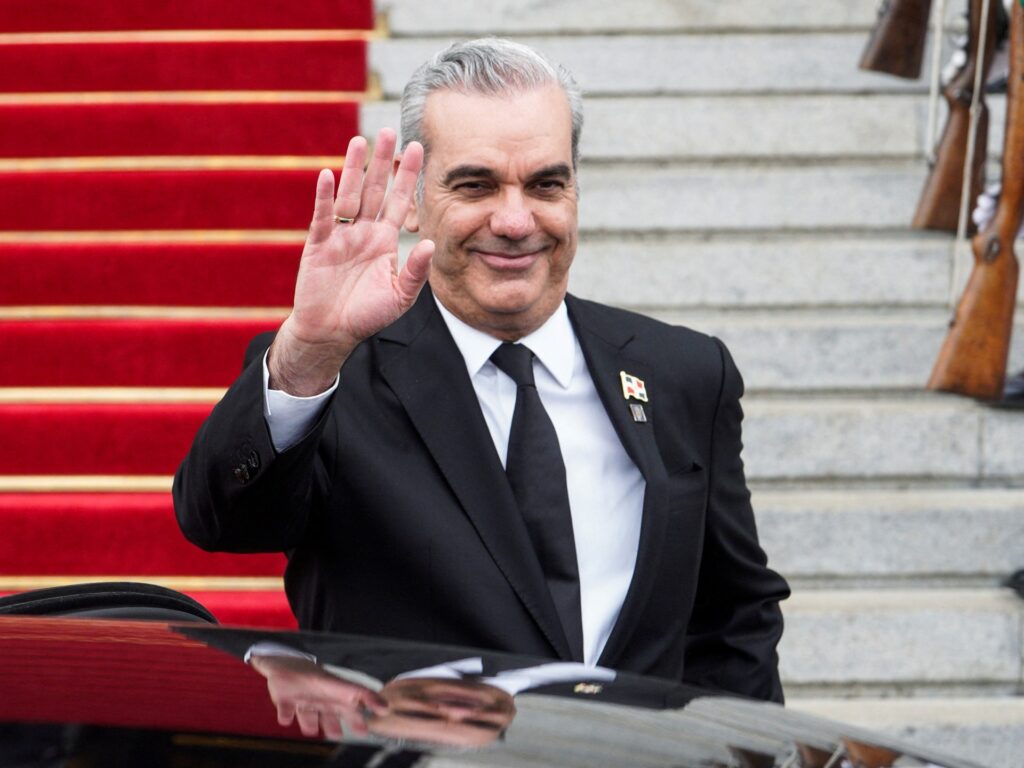
Caribbean island nation moving to extend border wall and eject migrants as violence and anarchy plague the neighbour. The Dominican Republic has announced a series of measures to bolster border security and tighten migration control in response to escalating instability in neighbouring Haiti. President Luis Abinader said on Sunday that security would be increased, despite calls for his country to ease stringent policies as Haitians seek refuge from violence wracking their country. “We will step up surveillance of the borders with 1,500 additional troops, on top of 9,500 already deployed,” the Dominican leader, re-elected last year on pledges to clamp down on immigration, said in a speech. Abinader added that he has approved the construction of a new section of a wall that separates the two countries – which share the second-largest island in the Caribbean after Cuba. The border between the two countries stretches for more than 300km (186 miles). About 54km (33 miles) of border wall has been completed. The president said his latest order would “speed up construction of the border wall” to add a further 13km (8 miles). Advertisement Legal reforms are also on the agenda, according to Abinader, with the goal of using tougher penalties to deter those who facilitate the entry and stay of immigrants into the country. Abuse The increased border measures come as the Dominican Republic eyes the deepening crisis in Haiti. Chaos took reign in the country last year as violence flared dramatically, leaving an alliance of gangs in control of most of the capital city of Port-au-Prince. Despite the efforts of a Kenyan peacekeeping force, numbering approximately 1,000, the transitional government in Haiti has been unable, or unwilling, to curtail the violence, which has seen a resurgence over the last month or so. The United Nations reports that more than 5,600 people were killed in 2024 and that over one million people have been displaced, many seeking refuge in the neighbouring Dominican Republic. The Dominican Republic has responded with stringent deportation policies, aiming to repatriate up to 10,000 Haitians per week in recent months. This has led to reports of human rights abuses, with advocates calling on countries across the Americas, especially the United States and the Dominican Republic, to halt deportations due to dire conditions awaiting people in Haiti. Abinader, who won a second term in the May 2024 election that heavily featured issues relating to Haiti, has emphasised the need for tougher border and immigration controls while also calling for international assistance. Adblock test (Why?)
Israeli strike on media tent extends journalist death toll in Gaza
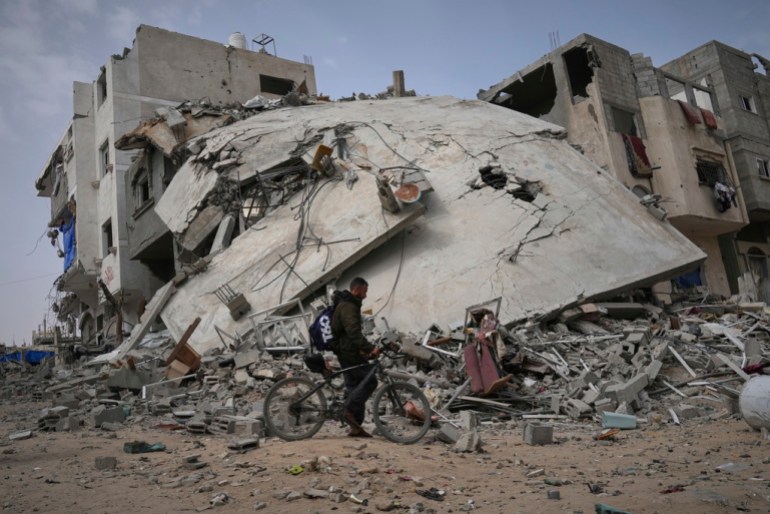
Deaths add to the casualty numbers in what has been declared the deadliest ever war for media workers. An Israeli air attack on a media tent in Gaza has killed at least two people. The bombing near the Nasser Hospital in Khan Younis early on Monday also wounded several other reporters, according to local media. The attack was just the latest to result in the casualties of journalists, with Israel having been accused of deliberately targeting the press during its war in the enclave. The strike on the tent outside the hospital in southern Gaza at about 2am set it ablaze, killing journalist Helmi al-Faqawi as well as a man named as Yousef al-Khazindar, according to Palestine’s Wafa news agency. Footage shared online by the Quds News Network showed the tent on fire. Some people in a crowd gathered outside attempted to extinguish the flames. Reports said that nine people, six of them journalists, were injured, “some seriously”, in the attack. The Quds News Network showed footage of journalists Hassan Eslaih and Ihab al-Bardini on hospital beds, the latter “struck by shrapnel in the head, which exited through his eye”. Advertisement Journalist Ahmad Mansour was reportedly fighting for his life after suffering “severe burns”. Palestinians mourn journalist Helmi al-Faq’awi who was tragically murdered in the horrific Israeli attack late last on the journalists’ tent outside Nasser Hospital in Khan Younis. pic.twitter.com/DlB5r6wpuH — Quds News Network (@QudsNen) April 7, 2025 Israeli attacks on Gaza on Monday morning killed at least 13 people, according to medical sources cited by Al Jazeera Arabic. The network reported two people were killed in the strikes on the Jabalia refugee camp and three others in the Zeitoun district of Gaza City. Wafa reported that two people were killed west of Deir el-Balah and another in the al-Jurun area north of Gaza City. Deadliest war for journalists The attack on the media tent came a day after journalist Islam Meqdad was killed along with her husband and child, increasing the casualties reported among media representatives in Gaza. The Watson Institute for International and Public Affairs has said Israel’s war on Gaza is now the deadliest ever for media workers, according to its Costs of War project. The United States-based think tank’s report released last week stated that Israeli forces have killed 232 journalists and media workers since the war in the enclave began following the October 7, 2023 attack by Hamas on southern Israel. On average, 13 reporters and media workers have been killed every week in the bombardment. The destroyed house of journalist Islam Meqdad, where she was killed along with her son and five other family members in an Israeli army attack in Khan Younis, on April 6, 2025 [Abdel Kareem Hana/AP Photo] The figures demonstrate that more journalists have been killed in the conflict than in both world wars, the Vietnam War, the wars in Yugoslavia and the US war in Afghanistan combined, the report said. Advertisement It is unclear, the think tank continued, how many journalists in Gaza have been specifically targeted and “how many were simply the victims, like tens of thousands of fellow civilians, of Israel’s bombardment”. However, it cited the documentation by Reporters Without Borders (RSF) of 35 cases to the end of 2024 in which the military likely targeted and killed journalists because of their work. Citing the Costs of War study, journalist Antony Lowenstein told Al Jazeera that Israel is engaged in “deliberate targeting of journalists” and that the number of media workers killed in the enclave is now “greater than that of all conflicts in the last 100 years combined”. Adblock test (Why?)