

Russia-Ukraine war: List of key events, day 1,127
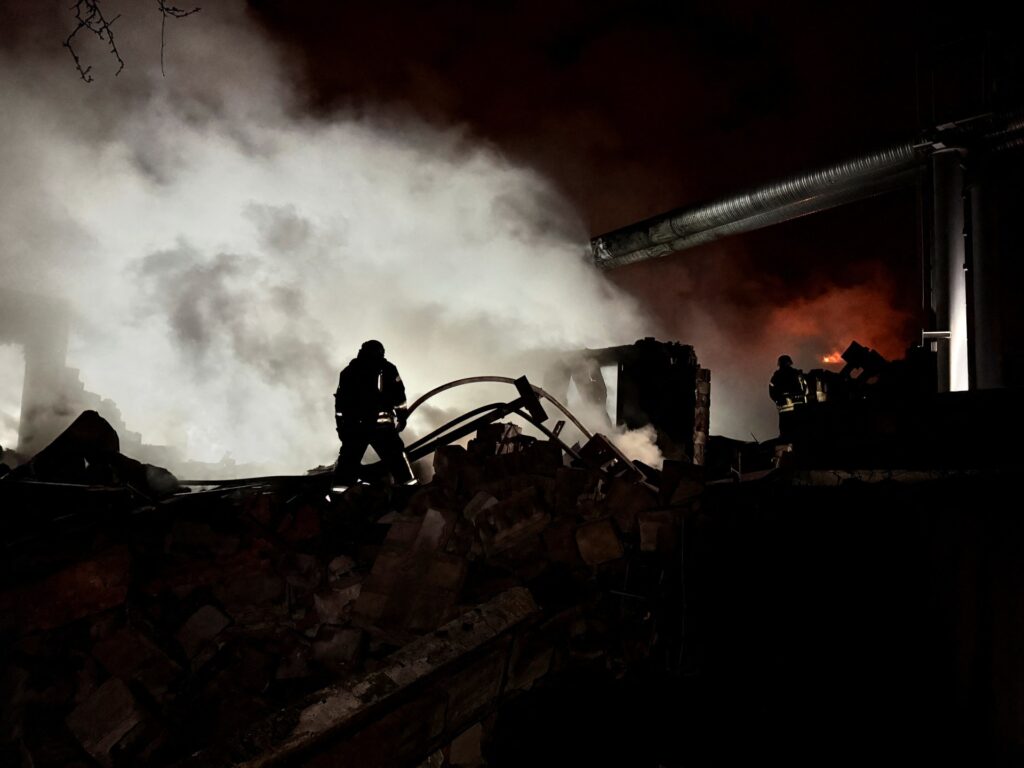
Russia-Ukraine war: List of key events, day 1,127 Here is the roundup of key events as of Thursday, March 27. Fighting Russian forces launched a mass drone attack on Ukraine’s second-largest city, Kharkiv, injuring nine people and causing considerable damage, according to emergency services and Ukrainian officials. A Russian drone attack also triggered fires in the central city of Dnipro, according to regional governor Serhiy Lysak. No casualties were immediately reported. The mayor of Ukraine’s southern port of Mykolaiv said there were emergency power outages early on Wednesday in the city, following an attack by Russian drones. The Ukrainian military said its air defence units shot down 56 of 117 drones launched by Russia. A Russian military court handed long prison sentences to 12 members of Ukraine’s Azov regiment, which led the defence of the city of Mariupol in the early months of the war. The defendants – charged with terrorist activity and with violently seizing or retaining power – were sentenced to between 13 and 23 years in prison. Russian state TV journalist Anna Prokofieva was killed and her cameraman Dmitry Volkov was seriously injured by a landmine allegedly laid by the Ukrainian military in Russia’s Belgorod region. Advertisement Ceasefire Ukraine and Russia accused one another of flouting a truce on attacks against energy facilities brokered by the United States after Washington announced separate agreements on Tuesday to pause strikes in the Black Sea and against energy targets. Senior Ukrainian presidential official Ihor Zhovkva said Russia has attacked at least eight Ukrainian energy facilities since March 18, when Moscow says it halted such attacks. Russian President Vladimir Putin’s order for a moratorium on attacking energy infrastructure in Ukraine is being fulfilled by Russia’s armed forces, Kremlin spokesman Dmitry Peskov claimed. The Ukrainian military rejected as false Russian accusations that it carried out strikes on energy facilities in Russia’s Kursk and Bryansk regions, as well as in Russia-occupied Crimea. Ukrainian President Volodymyr Zelenskyy said the US told Kyiv that the truce deals with Russia were effective as soon as they were announced. But the Kremlin said the Black Sea ceasefire agreement would not enter force until a sanctioned Russian state bank was reconnected to the international payment system, Swift. European leaders said this would not happen until Russia withdraws from Ukraine. Speaking alongside French President Emmanuel Macron in Paris in advance of a European summit to discuss Ukraine, President Zelenskyy said he hopes Washington has enough power to press Russia into an unconditional ceasefire after Moscow put forward its conditions for the Black Sea truce. I want to highlight France’s efforts in helping us defend against Russian strikes. In particular, your “Mirages”—combat aircraft made in France—have performed very well. I am particularly grateful for them—they have already become a part of our air shield and are helping us… pic.twitter.com/ccHbSvWTKM — Volodymyr Zelenskyy / Володимир Зеленський (@ZelenskyyUa) March 26, 2025 Advertisement The Kremlin said Moscow was continuing its intensive contact with the US and was pleased with how talks with Washington had gone so far. “We are satisfied with how pragmatically and constructively our dialogue is developing and by how it is yielding results,” Kremlin spokesman Peskov said. The US will evaluate demands made by Russia after it agreed “in principle” to a US-brokered ceasefire with Ukraine in the Black Sea to allow safe navigation, US Secretary of State Marco Rubio said. Rubio said US officials would work to “more fully understand what the Russian position is, or what they’re asking in exchange”, and then “present that” to US President Donald Trump to make a decision. Trump said in an interview that he thought Russia wanted to end its war with Ukraine, but acknowledged that Moscow could be “dragging its feet”. The Russian-held Zaporizhzhia nuclear power plant in Ukraine could come back online within months of a ceasefire, but it would take more than a year to restart all six reactors, the UN atomic watchdog chief Rafael Grossi said. Ukraine has accused Moscow of being incapable of managing safety at the plant after what it said were reports of a huge spillage of diesel. Russia has dismissed the reports as “fake”. Germany’s Foreign Minister Annalena Baerbock welcomed US mediation efforts but warned against being misled by President Putin, saying genuine dialogue cannot occur when ceasefires are continually tied to new demands and concessions. An agreement on freedom of navigation in the Black Sea to ensure the protection of civilian vessels and port infrastructure “will be a crucial contribution to global food security and supply chains”, UN spokesperson Stephane Dujarric said. Advertisement Military aid President Macron said France will provide some two billion euros ($2.15bn) in extra military aid to Ukraine, as he accused Russia of reinterpreting and rewriting recent limited ceasefire deals. NATO Secretary-General Mark Rutte warned the US and Europe against any temptation to “go it alone” on security, amid increased tensions over the future of the transatlantic alliance and diverging views on Russia. Rutte also said Europe could still trust the US administration after it emerged a journalist was included in a group Signal chat among national security aides to coordinate military strikes on Yemen. Rutte cautioned there will be no normalisation of relations with Russia even after the war in Ukraine is over, saying it “will take decades” due to a “total lack of confidence”. European efforts to create security arrangements for Ukraine are shifting from sending troops to other alternatives as they face political and logistical constraints, and the prospect of Russia and the US opposing their plans, unnamed European officials told the Reuters news agency. Economics US Treasury Secretary Scott Bessent told Fox News that Ukraine may sign an economic deal next week and President Trump will not hesitate to raise sanctions on Russia if the need arises. Relations between Kyiv and Washington are “back on track”, said Andriy Yermak, the chief of staff to Ukraine’s president, after a fraught Oval Office encounter last month between the US and Ukrainian leaders. Italian water heating firm
Screenshots of Yemen attack group chat contradict US officials’ denials
NewsFeed A journalist who was accidentally added to a group chat with top US security officials has shared more screen shots. They show that details on the timing and weapons to be used in a strike on Yemen were discussed, despite members of the group denying this. Published On 26 Mar 202526 Mar 2025 Adblock test (Why?)
Trump administration arrests Turkish student at Tufts, revokes visa
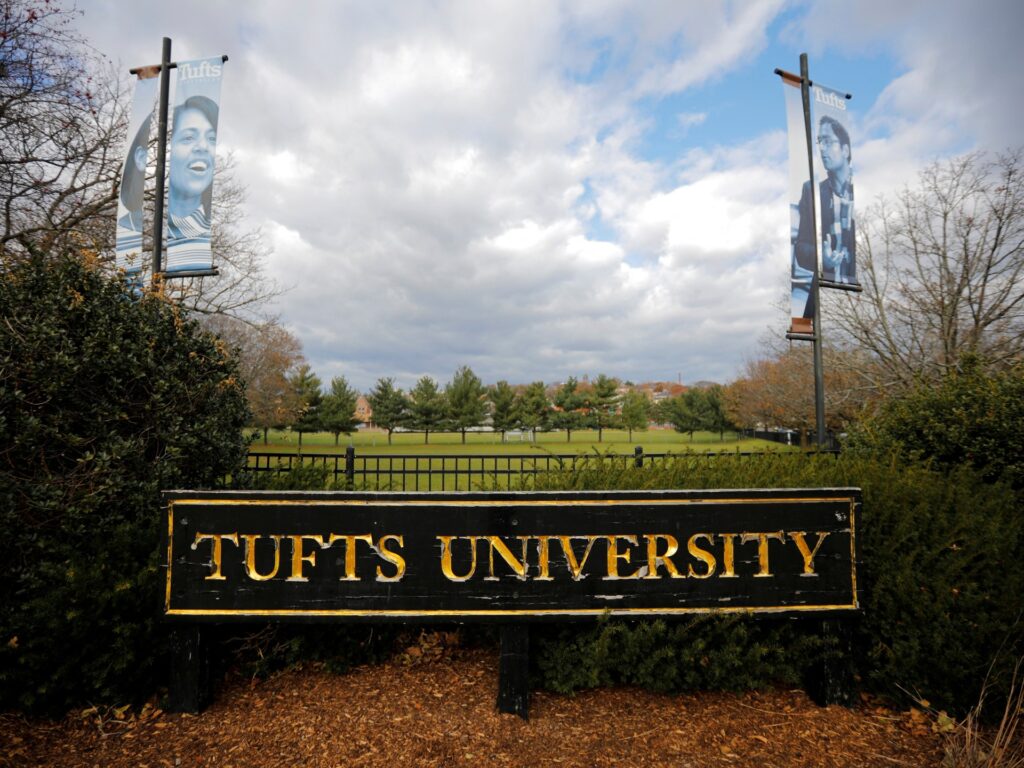
United States immigration authorities have arrested and revoked the visa of a Turkish doctoral student at Tufts University near Boston who had voiced support for Palestinians during Israel’s war in Gaza. Rumeysa Ozturk, 30, had left her home in Somerville on Tuesday night to meet friends and break her Ramadan fast when she was arrested by Department of Homeland Security agents, lawyer Mahsa Khanbabai said in a petition filed in Boston federal court. Ozturk’s supporters say her detention is the first known immigration arrest of a Boston-area student engaged in such activism to be carried out under President Donald Trump. His administration has detained or sought to detain several foreign-born students who are legally in the US and have been involved in pro-Palestinian protests. The actions have been condemned as an assault on free speech, though the Trump administration argues that certain protests are anti-Semitic and can undermine US foreign policy. US Department of Homeland Security spokesperson Tricia McLaughlin in a post on X said authorities determined Ozturk “engaged in activities in support of Hamas, a foreign terrorist organisation that relishes the killing of Americans”. Advertisement “A visa is a privilege, not a right,” McLaughlin said. Rumesya Ozturk is a Turkish national & Tufts University graduate student, granted the privilege to be in this country on a visa. DHS + ICE investigations found Ozturk engaged in activities in support of Hamas, a foreign terrorist organization that relishes the killing of… pic.twitter.com/3sBE6yO8db — Tricia McLaughlin (@TriciaOhio) March 26, 2025 She did not specify what activities. But Ozturk’s arrest came a year after the student co-authored an opinion piece in the school’s student paper, the Tufts Daily, that criticised Tufts’ response to calls by students to divest from companies with ties to Israel and to “acknowledge the Palestinian genocide”. “Based on patterns we are seeing across the country, her exercising her free speech rights appears to have played a role in her detention,” Khanbabai said. ‘Looked like a kidnapping’ Following Ozturk’s arrest, Khanbabai filed a lawsuit late Tuesday arguing she was unlawfully detained, prompting US District Judge Indira Talwani in Boston that night to order US Immigration and Customs Enforcement (ICE) not to move Ozturk out of Massachusetts without at least 48 hours notice. Despite the judge’s order, by Wednesday afternoon, Khanbabai in a motion said she had been unable to locate her client in New England and had just been informed by a US senator’s office that Ozturk was transferred to Louisiana. She sought a court order requiring ICE to permit access to Ozturk. The student’s detention was condemned by Democratic lawmakers, including US Senator Elizabeth Warren of Massachusetts, who said the “arrest is the latest in an alarming pattern to stifle civil liberties”. A rally in her support was expected later Wednesday in Somerville. Advertisement Neighbours said they were left rattled by the arrest, which played out at 5:30pm on a residential block. “It looked like a kidnapping,” said Michael Mathis, a 32-year-old software engineer whose surveillance camera picked up the footage of the arrest. “They approach her and start grabbing her with their faces covered. They’re covering their faces. They’re in unmarked vehicles.” The Trump administration has targeted international students as it seeks to crack down on immigration, including ramping up immigration arrests and sharply restricting border crossings. Trump and Secretary of State Marco Rubio, in particular, have pledged to deport foreign pro-Palestinian protesters, accusing them of supporting Hamas militants, posing hurdles for US foreign policy, and being anti-Semitic. Protesters, including some Jewish groups, say the administration wrongly conflates their criticism of Israel and support for Palestinian rights with anti-Semitism and support for Hamas. Targeting university students Ozturk is a Fulbright Scholar and student in Tufts’ doctoral programme for child study and human development, according to her LinkedIn profile, and had previously studied at Columbia University in New York. She has been in the country on an F-1 visa, which allows students to live in the US while studying, according to the lawsuit. In a statement, Tufts president Sunil Kumar said the school had no advance knowledge of the arrest, which he recognised would be “distressing to some members of our community, particularly the members of our international community”. Advertisement Ozturk was taken into custody less than three weeks after Mahmoud Khalil, a Columbia University graduate and lawful permanent resident, was similarly arrested. He is challenging his detention after Trump, without evidence, accused him of supporting Hamas, which Khalil denies. Federal immigration officials are also seeking to detain a South Korean-born Columbia University student who is a legal permanent US resident and has participated in pro-Palestinian protests, a move blocked by the courts for now. A Lebanese doctor and assistant professor at Brown University in Rhode Island this month was denied re-entry to the US and deported to Lebanon after the Trump administration alleged that her phone contained photos “sympathetic” to Hezbollah. Rasha Alawieh said she does not support the group but holds regard for its slain leader because of her religion. The Trump administration has also targeted students at Cornell University in New York and Georgetown University in Washington. Adblock test (Why?)
23andMe and DNA data
[unable to retrieve full-text content] The DNA testing company, 23andMe, has filed for bankruptcy. What does it mean for people’s genetic data?
What’s the fallout of the US security breach?
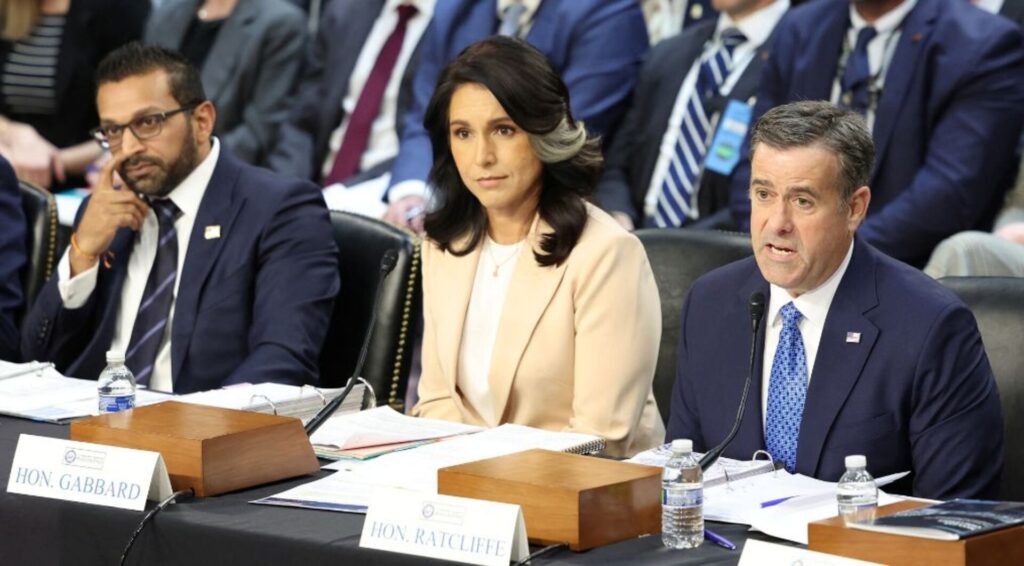
Donald Trump downplays the disclosure of sensitive military information. “Damage control” is how many are describing the Trump administration’s handling of a leak of highly sensitive information. Eighteen senior officials – including the CIA director, the defence secretary, the national security adviser and the vice president – were part of an online group chat that’s gone viral. An American journalist was also on that chat, and was made privy to US plans to strike Houthi positions in Yemen – before they happened. The breach is raising questions about the handling of military intelligence and top-secret information. So, will there be consequences beyond Washington? And how will longtime allies in Europe respond to being criticised in the chat? Presenter: James Bays Guests: Glenn Carle – US national security specialist and former CIA officer Jamie Gaskarth – Professor of foreign policy and international relations at Open University PJ Crowley – Former US assistant secretary of state and senior director on the National Security Council Adblock test (Why?)
Palestinian journalists protest targeting of colleagues in Gaza
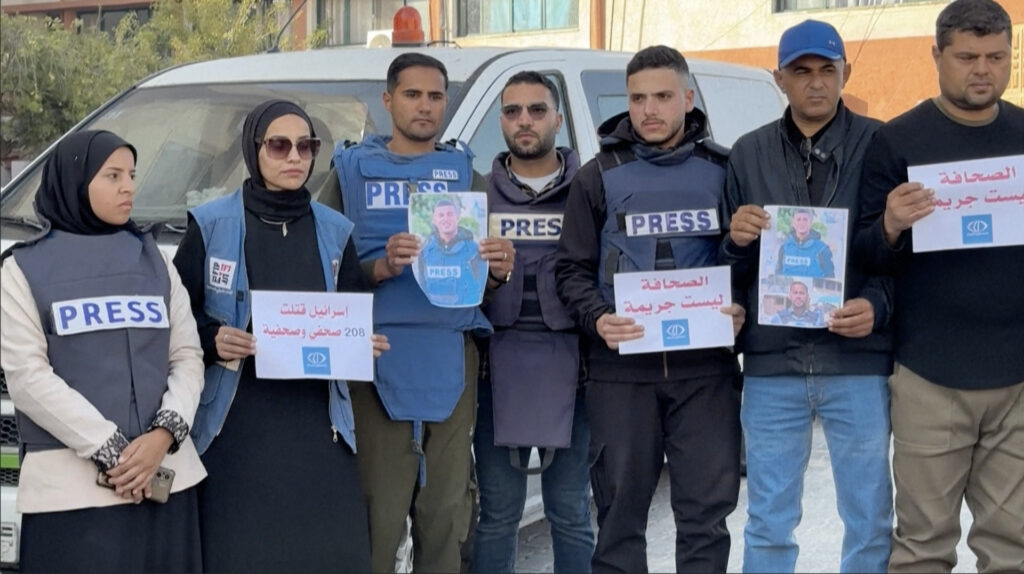
NewsFeed Palestinian journalists rallied in front of Nasser Hospital in Gaza’s Khan Younis to protest the targeting of their colleagues Mohammad Mansour and Al Jazeera journalist Hossam Shabat, killed in Israeli strikes two days ago. Published On 26 Mar 202526 Mar 2025 Adblock test (Why?)
Sudan’s army says it’s taken control of Khartoum as RSF retreat
[unable to retrieve full-text content] Sudan’s army chief Abdel Fattah al-Burhan has arrived in Khartoum and announced that the city “is free”.
NATO chief says four US soldiers dead in Lithuania in training
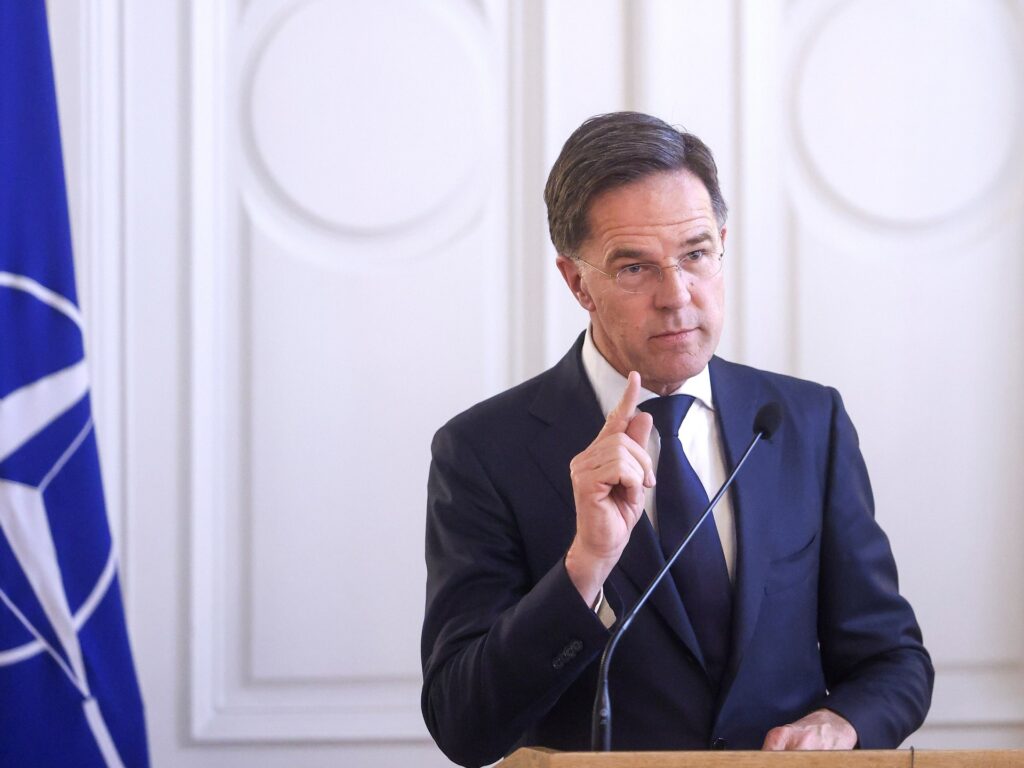
Lithuania’s military said four US soldiers and a tracked vehicle had gone missing on Tuesday afternoon. NATO Secretary-General Mark Rutte has announced that four missing United States Army soldiers have died in Lithuania during training. Rutte, who told reporters of the deaths of the four on Wednesday, said they were killed in an “incident”, adding that he did not know further details. “This is still early news, so we do not know the details. This is really terrible news and our thoughts are with the families and loved ones,” Rutte said in the Polish capital, Warsaw. Lithuania’s military had said earlier that a search was under way for the four US soldiers and a tracked vehicle which had gone missing on Tuesday afternoon. According to a statement by the US Army, the soldiers had been training near Pabrade in eastern Lithuania near the border with Belarus. “The soldiers, all from 1st Brigade, 3rd Infantry Division, were conducting scheduled tactical training at the time of the incident,” the statement read. Adblock test (Why?)
No rest for Gaza’s dead
[unable to retrieve full-text content] Al Jazeera’s investigation unit uncovers unprecedented destruction to cemeteries across Gaza.
Brazil’s Supreme Court announces it will try Bolsonaro for coup attempt
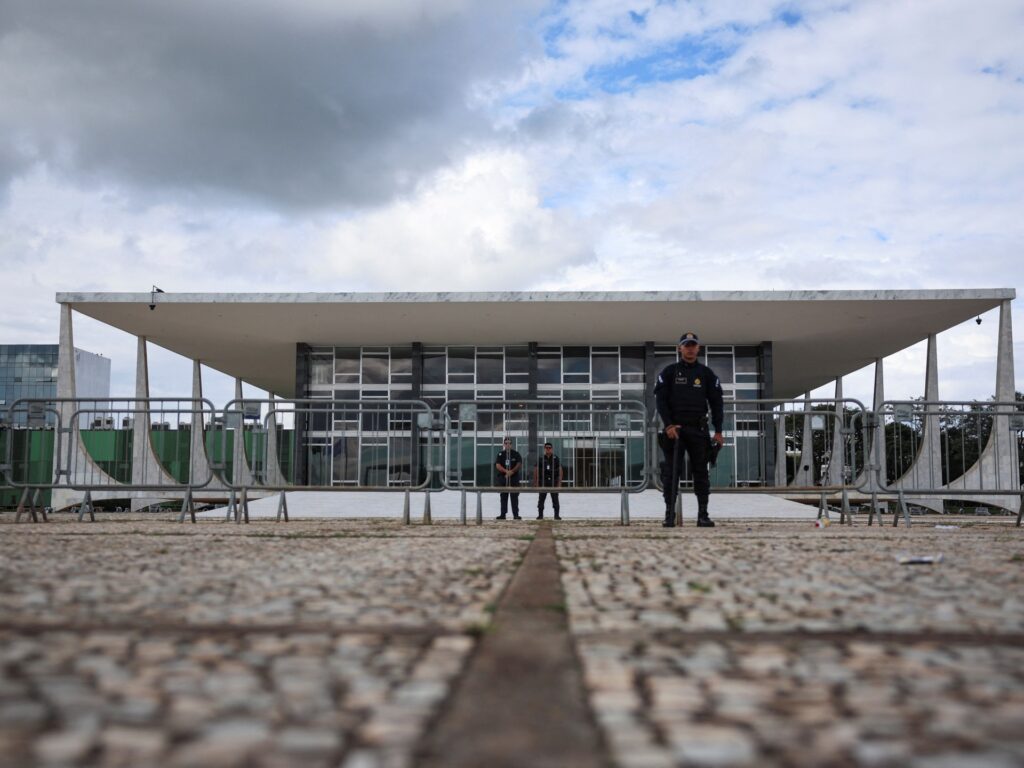
The former president has been accused of five crimes including attempting a coup d’etat. Brazil’s Supreme Court has ordered former President Jair Bolsonaro to stand trial on charges of attempting a coup d’etat after failing to win the re-election in 2022. Bolsonaro, a far-right former army captain who served as Brazil’s president from 2019 to 2022, is accused of five crimes, including an alleged attempt to violently abolish the democratic rule of law. He has denounced the accusations against him as “grave and unfounded”. On Wednesday, a five-judge panel decided unanimously to put Bolsonaro on trial. If found guilty in the court proceedings, expected later this year, Bolsonaro could face a long prison sentence, further isolating him. He has not named a political heir. In his opening remarks, Justice Alexandre de Moraes, who is overseeing the case, screened dramatic footage of Bolsonaro’s supporters storming government buildings in violent scenes that unfolded just a week after the inauguration of President Luiz Inacio Lula da Silva in January 2023. Moraes added that Bolsonaro led “a systematic effort to cast doubt on the electronic voting machines” used in Brazil, part of his efforts to undermine the election he lost. Advertisement Reporting from Buenos Aires, Al Jazeera’s Teresa Bo recalled the chaotic and violent scenes in January 2023, when Bolsonaro’s supporters stormed the capital Brasilia, refusing to accept the new president’s inauguration. “A week after Lula was sworn in, we saw thousands of supporters of President Bolsonaro storming buildings in Brazil .. there were scenes of chaos in the capital … around 1,500 people were detained,” she said. The Supreme Court began reviewing charges against Bolsonaro and seven of his closest allies on Tuesday in a session that Bolsonaro voluntarily attended, sitting silently in the first row in an echo of his ally, US President Donald Trump’s trial last year. In the run-up to the landmark court hearing, Bolsonaro called a beachfront rally in Rio de Janeiro, hoping to seize on Lula’s waning popularity and pressure Congress to pass an amnesty bill favouring him and his jailed supporters. The demonstration, which some allies suggested could draw more than a million backers, was widely considered a washout after two independent polling firms found that only between 20,000 and 30,000 people showed up. Meanwhile, Bolsonaro has continued to insist that he will run for president again next year, despite a ruling by Brazil’s Superior Electoral Court that barred him from running for public office until 2030 for his efforts to discredit the country’s voting system. Bolsonaro’s handling of the COVID-19 crisis while president has also drawn intensive legal scrutiny. Advertisement Adblock test (Why?)