

Gaza is being starved and bombed again. Why are we allowing it?
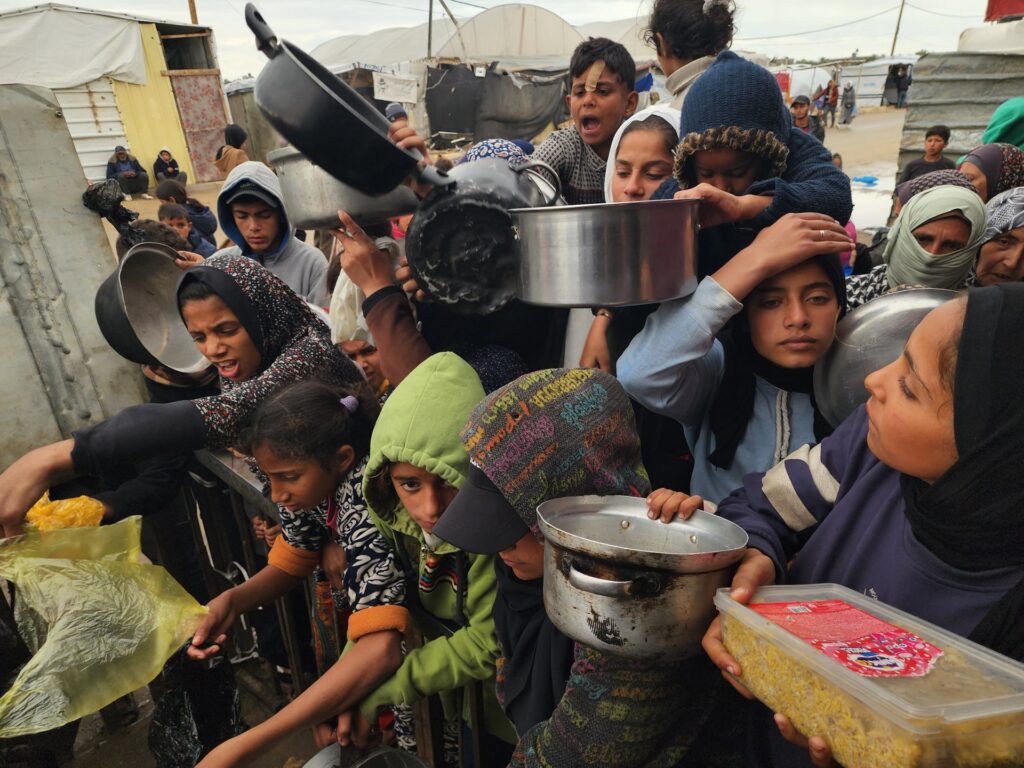
“My family’s situation is very difficult, sister. I couldn’t afford food. Everything here is expensive.” These words were sent to me on March 15 by Ramez, a 17-year-old boy living in Gaza. “I don’t have anything to eat tomorrow. I don’t know what to do. Hunger has come back again.” Three days later, just before suhoor, the last meal before the daily fast begins during the holy month of Ramadan, Israel unleashed a huge campaign of bombardment, killing more than 430 Palestinians, including more than 180 children. “Only God knows what we are going through,” Ramez messaged me the next day. “We left without taking anything with us, and now we are on the street. The situation is extremely bad. Everything happened suddenly, and we didn’t expect it. A massacre occurred right in front of us, and they asked us to evacuate under the shelling.” Last year, Ramez had reached out to me on Instagram, a platform that has become a lifeline for countless people in Gaza calling out to the world for help. I do not know Ramez’s family personally nor do I have any historical connection to Gaza. Yet, out of the millions of accounts on Instagram, his message found its way to mine. Advertisement In the following months, his messages became a window into the daily suffering of the Palestinian people in Gaza. The ceasefire offered a temporary respite from the bombing and allowed Ramez to return to his home. Then, on the second day of Ramadan, Israel cut off all aid, triggering starvation again. On the 18th day of the holy month, it renewed its mass slaughter. As I break my fast, here in Berlin, I think of all the Palestinian families that have almost nothing on their iftar tables, who instead of the call to prayer, hear Israeli bombing. This can’t be real life, can it? Humans, just a few thousand kilometres away, are literally starving and dying under bombs. And here I am in the heart of the Western world, which professes values of democracy and freedom and yet, directly contributes to the mass murder of the people of Gaza. The taxes I pay as a German citizen go directly to a government that fully supports Israel in its genocidal war on the Palestinians. The thought of it makes me feel horrified. Hunger and genocide in Gaza Ramez has been writing sporadically. I have hesitated to ask him for more detail, unable to bear the suffering he and his family face daily. I know there were days when he only ate a few falafel balls and some pita bread. His dreams are to finish high school and to study accounting. Instead, day after day, he is forced to reach out to Instagram users, asking them to donate and share his fundraising link. His father got injured before the war and now lives in constant pain, urgently needing a shoulder replacement. He has left Ramez responsible for the family. Advertisement Ramez has two brothers, aged 15 and 14, and three sisters, aged 20, 12, and 8. His father used to work as a water and electrical mechanic, while his mother is a housewife. “Destruction and hunger remain in Gaza,” Ramez posted a few weeks after the ceasefire was announced. His family’s situation was still dire. While they received some food donations from humanitarian organisations, it was not enough to meet their needs. They had returned to their home in southern Gaza, in an area where Israeli bombardment had decimated civilian infrastructure and buildings alike. Ramez had to travel long distances to reach a humanitarian distribution centre – often, the transportation costs were higher than the value of the aid he received. Though commercial goods were available in the market, his family couldn’t always afford them. They have no source of income apart from the occasional donation they would receive from strangers on Instagram. After Israel blocked all aid into Gaza, food prices skyrocketed. Humanitarian aid has dwindled, food charities and soup kitchens have closed for the lack of supplies. Ramez’s family hasn’t received any aid in weeks. Now there is only canned food and some vegetables in the market, he told me. “I cannot provide anything. I need about $100 a day for food because of the high prices.” On March 15, almost two weeks into Israel’s full blockade on Gaza, UNICEF reported that malnutrition rates of children under the age of 2 in northern Gaza have risen from 15.6 percent in January to 31 percent at present; 23 children had died of malnutrition and dehydration in the span of a few weeks. Advertisement The rest of the Strip has also seen a sharp rise, with Catherine Russell, UNICEF executive director, noting that “the speed at which this catastrophic child malnutrition crisis in Gaza has unfolded is shocking.” Experiencing malnutrition during childhood can have lifelong consequences, including a higher likelihood of developing noncommunicable diseases and reduced immune system functionality. Furthermore, malnutrition-induced developmental delays can lead to irreversible deficits in cognitive and motor abilities, an elevated risk of behavioural challenges, and substantially diminished educational outcomes. In other words, Israel’s starving of children in Gaza right now is destroying the next generation. Egging on war crimes In November, the International Criminal Court (ICC) issued an arrest warrant for Israeli Prime Minister Benjamin Netanyahu and former Defense Minister Yoav Gallant. It accused the two of – among other crimes – intentionally starving civilians in Gaza. Western countries that claim to uphold international law have readily declared that they will violate it and host Netanyahu. Among them are Hungary, Italy, Poland, and Germany. Friedrich Merz, who is set to become the next German chancellor, recently stated: “Under my leadership, the Israeli prime minister will be able to travel to Germany without any trouble. I’ll find ways to make that happen.” These declarations have signalled that the West had no intention of holding Israeli leaders to account for their crimes. Unsurprisingly, after facing no consequences for his ICC arrest
Niger declares three days of mourning after mosque attack kills 44
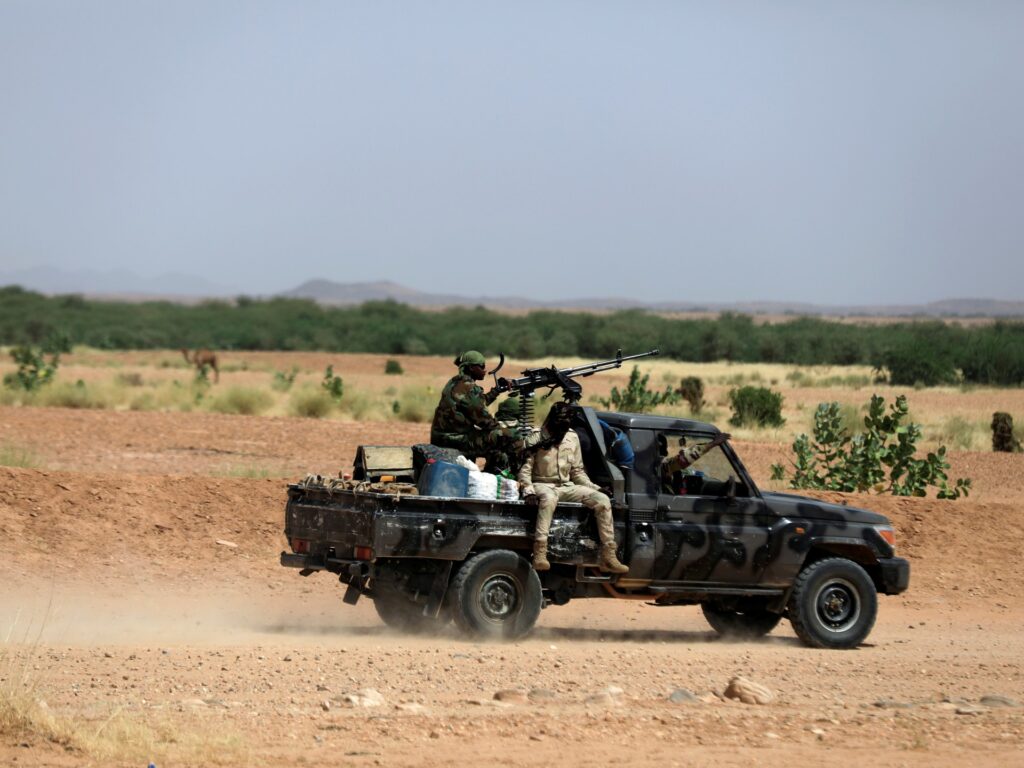
Authorities have blamed the deadly attack in the town of Kokorou on the Islamic State in the Great Sahara, an ISIL affiliate. The government of Niger has declared three days of mourning following an attack on a mosque in the country’s southwest that killed at least 44 people. The victims were killed in a “savage” armed assault in the Fambita quarter of the rural border town of Kokorou, the interior ministry said in a statement broadcast on state television on Friday. The ministry said another 13 people were wounded. West Africa’s Sahel region has seen an uptick in violence in recent years following the rise of armed fighters linked to the al-Qaeda and ISIL (ISIS) armed groups that took over territory in north Mali after the 2012 Tuareg rebellion. Since then, it has spread into neighbouring Niger and Burkina Faso, and more recently into the north of coastal West African countries such as Togo and Ghana. Niger’s interior ministry said the latest attack occurred early in the afternoon as people were attending a prayer service at the mosque during the Muslim holy month of Ramadan. “The heavily armed terrorists surrounded the mosque to carry out their massacre with unusual cruelty,” it said, adding that the attackers also set fire to a local market and homes. Advertisement The defence ministry blamed the attack on the Islamic State in the Great Sahara, or EIGS, an affiliate of ISIL, in a statement late on Friday. EIGS had no immediate reaction to the allegation. Previous attacks in Niger were claimed by al-Qaeda affiliate groups. The government has promised to hunt down the perpetrators and put them on trial. The military-run government of Niger frequently fights armed groups in the region, and civilians are often victims of the violence. Since July 2023, at least 2,400 people have been killed in Niger, according to the database of ACLED, a non-governmental organisation that gives armed conflict location and event data. Across the greater Sahel region that encompasses several countries, hundreds of thousands more have been killed and millions displaced as armed groups attack towns and villages as well as government security outposts. The failure of governments to restore security contributed to two coups in Mali, two in Burkina Faso and one in Niger between 2020 and 2023. All three remain under military rule despite regional and international pressure to hold elections. Since the coups, authorities have turned away from traditional Western allies and have sought military support from Russia instead. Adblock test (Why?)
New Zealand vs Pakistan: fourth T20I; teams, preview, how to follow, stream
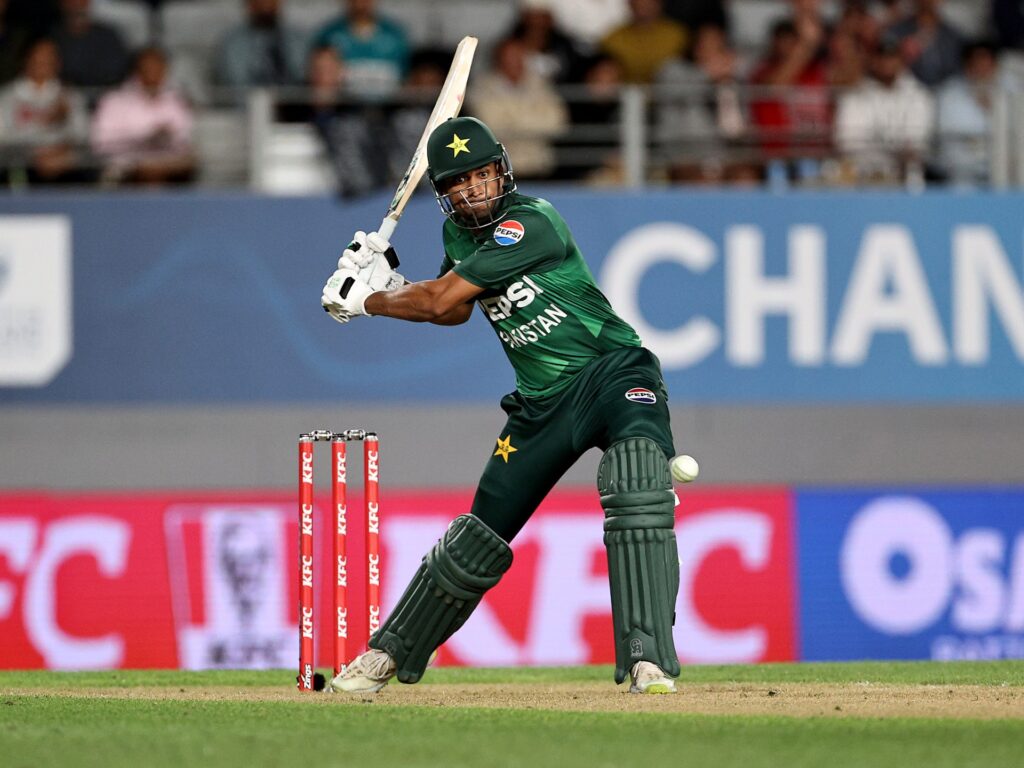
Who: New Zealand vs PakistanWhat: Fourth T20I of five-match seriesWhere: Bay Oval, Mount Maunganui, New ZealandWhen: Sunday at 5:15pm (06:15 GMT) Pakistan has kept alive their hopes of winning the five-match T20 series in their tour of New Zealand with their stunning win in the third match on Thursday. It reduced New Zealand’s lead in the series to a 2-1 advantage and throws open the possibility of a dramatic turnaround after a tough opening to Pakistan’s tour. Al Jazeera looks at the series so far and to the fourth match. What happened in the first two matches of Pakistan’s tour? New Zealand stormed into a 2-0 series lead as Pakistan limped through their opening games. The Kiwis claimed the first game with a nine-wicket win in Christchurch after the tourists were skittled for 91. Kyle Jamieson was Pakistan’s chief tormentor as he claimed 3-8 off his four overs and played a large part in reducing Salman Ali Agha’s side to 11-4 in the fifth over. Their total was the lowest by a Pakistan side in New Zealand. Advertisement The second match in Dunedin didn’t bring much more joy for Pakistan as the Kiwis stormed to a five-wicket win – propelled by a volley of sixes. Agha’s side mustered 135-9 batting first, but the opening stand in the chase saw Tim Seifert and Finn Allen hit seven of the first eight scoring shots for sixes. How did Pakistan reverse their fortunes against New Zealand? After the surprise move to drop captain Mohammad Rizwan and experienced batter Babar Azam from the T20 side, the pressure was growing on Pakistan by the third match in Auckland. Enter one of the new generation, Hasan Nawaz. The 23-year-old opener registered ducks in the first two games – his first taste of international cricket – but held onto his place for the third game, an unusual move in modern-day Pakistan cricket. Nawaz rewarded the faith with an unbeaten 105 as the tourists raced to 207-1 in response to New Zealand’s 204. The Islamabad-born right-hander reached the milestone off only 44 balls, the fastest century by any Pakistan player in a T20 international. 🚨 CENTURY IN HIS THIRD T20I 🚨 Hasan Nawaz smacks the FASTEST T20I hundred by a Pakistan batter, off 44 balls 🔥#NZvPAK | #BackTheBoysInGreen pic.twitter.com/UTduvlnxM4 — Pakistan Cricket (@TheRealPCB) March 21, 2025 New Zealand team news Matt Henry has been ruled out of the remainder of the T20 series. The seamer missed the final of the Champions Trophy due to a shoulder injury and has stepped out of the squad to continue his rehabilitation. Zak Foulkes retains his place for the remaining two matches of the series, having only been listed for the first three originally. Advertisement Will O’Rourke will also stay on for the final two games, having similarly been scheduled to sit them out, as a replacement for Kyle Jamieson. The latter was the Player of the Match in the first game of the series but endured a tough time in the third match under Nawaz’s onslaught. Pakistan team news Pakistan have a far more straightforward set-up for the remainder of the series and, with no new injury concerns, are expected to name the same team that won the third match of the series. Along with the dropped Babar and Rizwan, Pakistan were already missing the injured duo of Saim Ayub and Fakhar Zaman for the series. Where will the final game of the series be played? The fifth and final T20 of the series, which could well be a decider, will be played at Sky Stadium in Wellington on Wednesday. Ball striking 💥 Mark Chapman belted his 2nd highest T20I score on his home ground in Auckland on Friday night, however it wasn’t enough as Pakistan kept the series alive ahead of Sunday’s 4th game at Bay Oval. 📷 = @PhotosportNZ pic.twitter.com/mh42NXswWm — BLACKCAPS (@BLACKCAPS) March 22, 2025 Head-to-head This will be the 48th T20 meeting between the sides with Pakistan claiming victory on 24 occasions while New Zealand have won 21 of the fixtures. What comes next for the two teams? Pakistan’s tour of New Zealand will continue after the completion of the T20 series with a three-match one-day international series. The international game itself then takes something of a break around the world with many of the top stars competing in the Indian Premier League from late March through mid-April. Advertisement Pakistan’s next fixtures are in the West Indies in a three-match T20 series starting in July, followed by a three-match ODI series. New Zealand resume their games in July with a tour of Zimbabwe. How to follow the fourth T20 of the series There is live coverage of the game on free-to-air TV in New Zealand on TVNZ 1, TVNZ+ and Sport Nation NZ. Ten Sports will broadcast the game in Pakistan while Tapmad will carry a livestream. New Zealand squad Michael Bracewell (captain), Finn Allen, Mitchell Hay, Tim Robinson, Tim Seifert, Mark Chapman, Zakary Foulkes, Daryl Mitchell, James Neesham, Jacob Duffy, Will O’Rourke, Ben Sears, Ish Sodhi Pakistan squad Salman Ali Agha (captain), Shadab Khan, Abdul Samad, Abrar Ahmed, Haris Rauf, Hasan Nawaz, Jahandad Khan, Khushdil Shah, Mohammad Abbas Afridi, Mohammad Ali, Mohammad Haris, Muhammad Irfan Khan, Omair Bin Yousaf, Shaheen Shah Afridi, Sufyan Moqim and Usman Khan Adblock test (Why?)
Chinese F1 GP: Hamilton hails ‘mega’ first Ferrari win
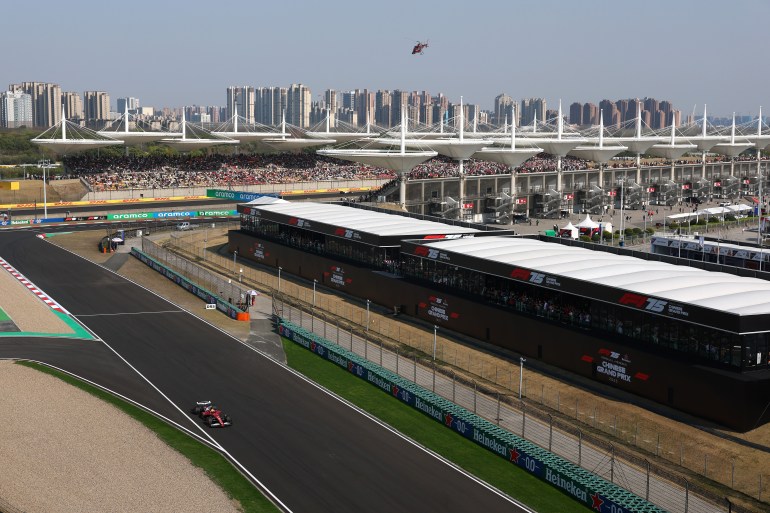
Ferrari’s Lewis Hamilton leads from start to finish in the sprint race before Sunday’s Chinese Grand Prix. Lewis Hamilton says his first Formula One sprint race win for Ferrari feels “mega” and he hopes for more after qualifying fifth for Sunday’s Chinese Grand Prix. The seven-times world champion led from start to finish on Saturday in the sprint, only his second race for Ferrari, in a stunning response to critics after his disappointing 10th in last weekend’s Melbourne season opener. The 40-year-old Briton managed his tyres superbly to take the chequered flag ahead of McLaren’s Oscar Piastri, who will start Sunday’s Grand Prix on pole, and Red Bull’s Max Verstappen in the 100km (62-mile) race. It was the first time Ferrari and Hamilton, who joined from Mercedes in January, had won a sprint race since the shortened format was introduced in 2021. “Starting from pole, starting from first in a Ferrari and winning in a Ferrari is next level, man. It’s mega,” the six-times Chinese Grand Prix winner said. “And I definitely didn’t expect to have it at the second race.” Lewis Hamilton of Great Britain drives the Scuderia Ferrari SF-25 before the F1 Grand Prix of China [Clive Rose/Getty Images] Hamilton, who will start the Grand Prix from fifth on Sunday, said he and Ferrari would not be getting ahead of themselves: “I know the tifosi [fans] – the team wants to win, and it means everything – but Rome wasn’t built in a day.” Advertisement The Briton felt his qualifying lap for the main event was not the cleanest and he could have been a couple of tenths quicker. “Tonight, I’m just going to make a master plan about the win. And then I’m going to try and execute it,” he said. “That’s where my mindset is at.” Hamilton’s teammate Charles Leclerc finished fifth and said he had set up his car slightly differently to the 105-times race winner on the other side of the garage. “I wouldn’t really blame the car as Lewis is doing a great job,” the Monegasque said. “I really struggle with this track historically, and there’s no exception this weekend. But it’s not an excuse, and I need to react, and qualifying will be a good start to turn things around.” Team boss Fred Vasseur pinned the difference in their performances on how they were able to manage the tyres, noting it is easier to do so from the front rather than in the pack, where Leclerc was battling to get back past the Mercedes of George Russell. “As soon as you are in the dirty air, you struggle to overtake,” Vasseur said. “It’s much more difficult to manage.” Adblock test (Why?)
Pope Francis to leave hospital on Sunday, needs two months rest: Doctors
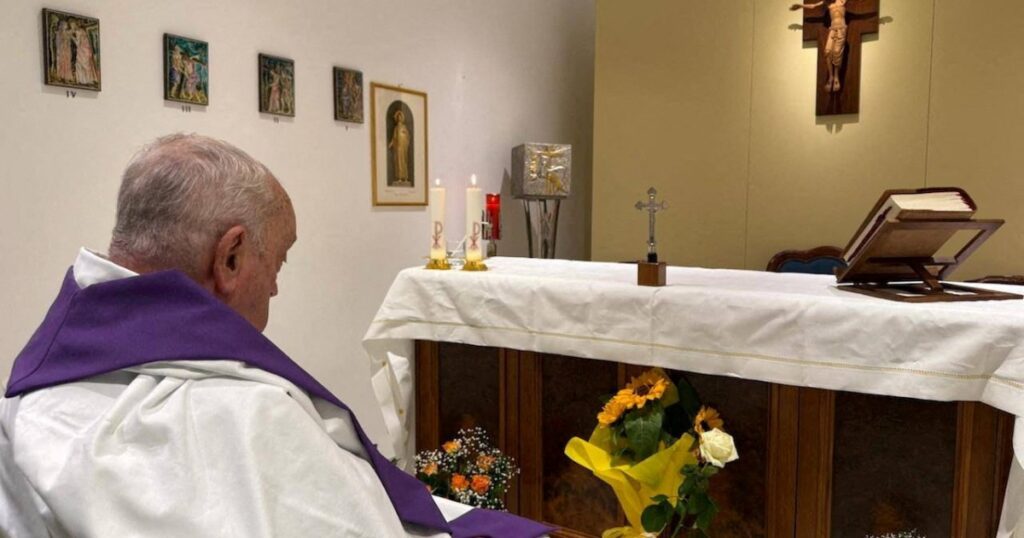
Francis was admitted to Rome hospital on February 14 with a severe respiratory infection. Pope Francis will be discharged from hospital on Sunday and will need two months of rest at the Vatican, one of the doctors treating him says. Francis, 88, was admitted to a Rome hospital on February 14 with a severe respiratory infection that has required evolving treatment. Catholics and others worldwide have been praying for his recovery. Many have been leaving flowers, candles and notes for Francis outside Gemelli University Hospital, where he is admitted. Francis will make his first public appearance since becoming ill on Sunday from the hospital. “Pope Francis intends to wave and offer a blessing from the Agostino Gemelli hospital in Rome after Angelus prayers,” the Vatican said on Saturday. The Angelus prayers are normally recited by the pope at midday (11:00 GMT) every Sunday. But due to his hospitalisation, the pope has missed these prayers for five straight weeks for the first time since his election in March 2013. Francis has made public appearances from Gemelli hospital during previous hospitalisations. On July 11, 2021, he recited the Angelus prayer from his balcony on the 10th floor of the hospital after colon surgery. Advertisement The current hospitalisation, however, is the longest of his papacy. The Vatican said on Wednesday that Francis had suspended the use of an oxygen mask and his clinical condition was “improving”, raising questions over who might lead the busy schedule of religious events leading up to Easter on April 20, the holiest period in the Christian calendar. The Vatican said no definite decisions had been taken yet in that regard. Despite Francis’s improvement, speculation abounds that he could step down due to his fragility, following in the footsteps of his predecessor, Benedict XVI. On Monday, Vatican Secretary of State Pietro Parolin told reporters that he had noted an improvement in Francis’s health. But asked whether the conversation had turned to the pope’s resignation, he replied: “No, no, no, absolutely not.” Adblock test (Why?)
Sudanese army’s advancement is a “symbolic victory”
[unable to retrieve full-text content] “The bigger picture here is that Sudan continues to be a divided country.”
Sudan’s army seizes control of central bank amid steady gains in Khartoum
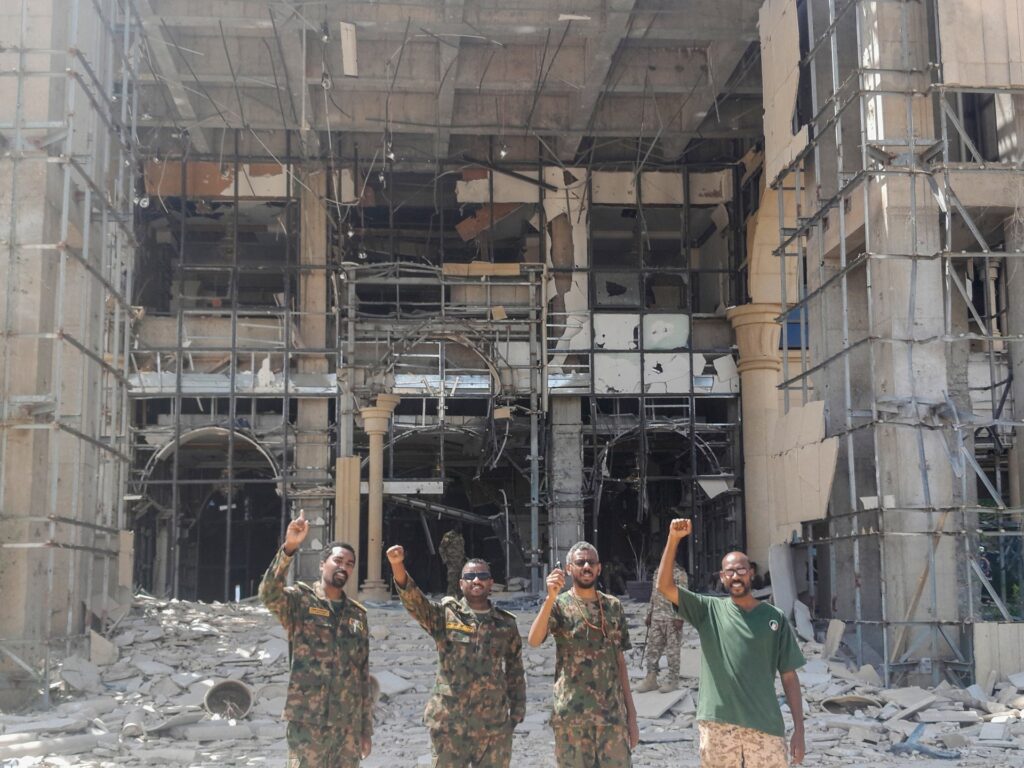
The capture of the bank comes a day after Sudanese army forces celebrated the seizure of the presidential palace. The Sudanese army claims to have seized control of the main headquarters of the country’s central bank from the paramilitary Rapid Support Forces (RSF) as it continues to make advances in the capital. Nabil Abdallah, an army spokesman, said in a statement to the AFP news agency on Saturday that the soldiers had “eliminated hundreds of militia members who tried to escape through pockets in central Khartoum”. The bank’s takeover comes a day after the army seized control of the presidential palace in a significant military victory. But the RSF retaliated to Friday’s takeover with a drone attack that killed three journalists and several army personnel. Army sources told AFP that RSF fighters on Friday fled into buildings in al-Mogran, an area west of the palace housing banks and business headquarters. In the area, paramilitary forces posted snipers in high-rises that overlook the city of Omdurman across the Nile River and the ministries in central Khartoum. However, the battle for the government and the financial district could strengthen the army’s hold on the capital and give it a significant advantage in the conflict. Advertisement Reporting from Khartoum, Al Jazeera’s Hiba Morgan said the army had been making “steady gains” in the past few months. “They’ve been taking ground from the Rapid Support Forces in the northern part of the capital, in the eastern part of the capital, but there are still areas where the RSF are present and these are specifically around the western part of the country,” Morgan said. “Effectively, where this leaves Sudan right now is divided into two, with the army controlling the eastern, northern and parts of the southeast, and the RSF controlling the western and southwestern parts of the country,” she added. Since April 2023, the military, led by army chief Abdel Fattah al-Burhan, has been in an ongoing conflict with the RSF, headed by Burhan’s former deputy commander, Mohamed Hamdan Daglo. But the two-year-long conflict has left the country in a deep humanitarian crisis, with tens of thousands of people killed and more than 12 million people displaced. Adblock test (Why?)
Lebanon warns of ‘new war’ as Israel launches fresh deadly strikes
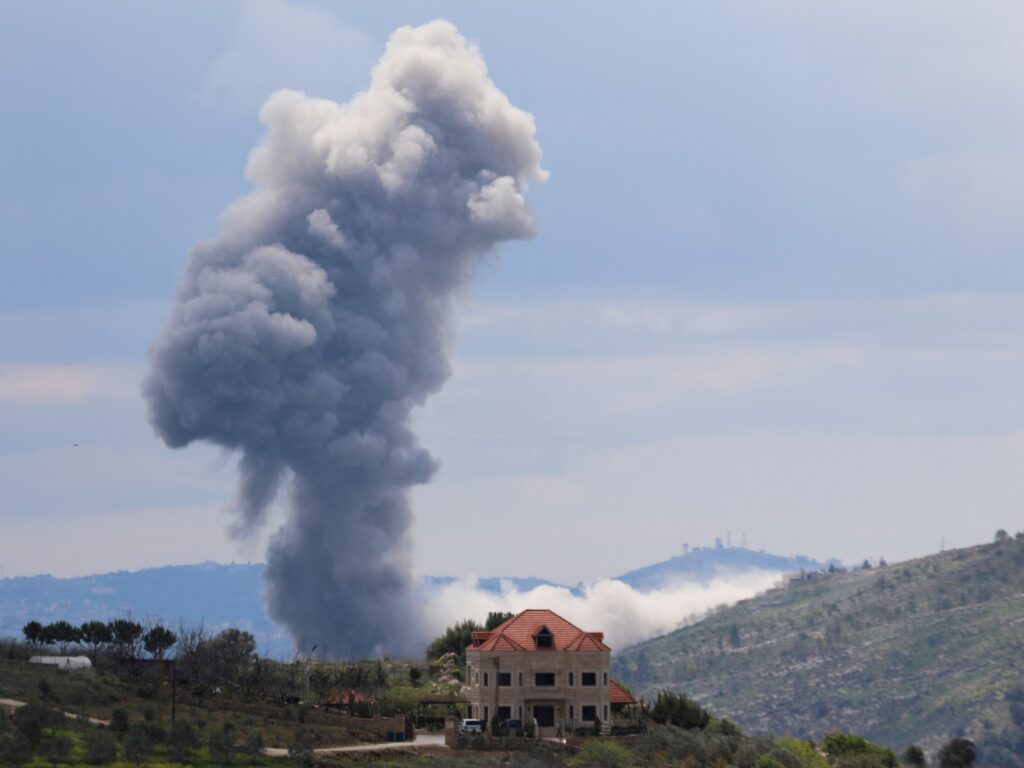
Lebanese Prime Minister Nawaf Salam has said his country is at risk of being drawn into a “new war”, as dozens of new Israeli air strikes against the Hezbollah armed group killed at least two people. Salam issued the warning on Saturday, saying Israel’s “renewed military operations on the southern border” would bring “woes to Lebanon and the Lebanese people”. At least two people are confirmed killed and eight others injured by Israeli air raids, according to reports from Lebanon’s National News Agency.Three of the victims, including one of those killed, are children, it said, citing the country’s government-run Public Health Emergency Operations Center. Earlier in the day, Israeli artillery and air strikes hit southern Lebanon, after its military claimed it had intercepted three rockets launched from a Lebanese district about 6km (4 miles) north of the border. Israel said it targeted rocket launchers it claims belong to Hezbollah, which it holds responsible for the assault. The Israeli military said earlier it had intercepted Advertisement The Lebanese group Hezbollah issued a statement denying any involvement in the series of rocket attacks on northern Israel from southern Lebanon. In its statement, Hezbollah accused Israel of creating a pretext to renew its air attacks and reiterated its commitment to the ceasefire agreement signed in November. Quoting two security sources, Israel’s Army Radio has reported that the military response in southern Lebanon has not finished. “There will be additional strikes in the coming hours,” the sources said. Protracted conflict Saturday’s reported exchange was the first since Israel abandoned a separate ceasefire in the Gaza Strip with Palestinian group Hamas. Lebanon has also blamed Israel for the protracted conflict, after failing to withdraw from all Lebanese territory since a ceasefire deal was declared in November last year. Under the deal, a January deadline was set for an Israeli withdrawal but was later extended to February 18. Since then, Israel has remained in five locations inside Lebanon, and has carried out dozens of deadly strikes against supposed Hezbollah targets. On Saturday, Salam declared that “all security and military measures must be taken to show that Lebanon decides on matters of war and peace”. In a separate statement, Lebanese President Joseph Aoun condemned “attempts” to destabilise his country and reignite violence, as he called for action to prevent further escalation of the conflict. Israel has also justified the latest attacks on Hezbollah, saying Israeli Prime Minister Benjamin Netanyahu’s order was “in response to the rocket fire at Israel this morning”. Advertisement In a statement, Netanyahu said that he and Defence Minister Israel Katz instructed the Israeli military “to act forcefully against dozens of terror targets in Lebanon”. Netanyahu said Israel was holding Lebanon’s government responsible for “everything taking place within its territory”. Al Jazeera’s Zeina Khodr, reporting from Beirut, said there is “a lot of concern that the situation will spiral out of control”. “What we understand is Lebanese officials are holding talks with the US-led committee monitoring the ceasefire to try to de-escalate tensions,” she said. Gaza war spillover The conflict in Lebanon marked the deadliest spillover of the Gaza war, rumbling across the border for months before escalating into a blistering Israeli offensive that wiped out Hezbollah’s top commanders, many of its fighters and much of its arsenal. The United Nations peacekeeping force in Lebanon, known as UNIFIL, said in a written statement on Saturday that it was “alarmed” by the border violence. “Any further escalation of this volatile situation could have serious consequences for the region,” it said. In an interview with Al Jazeera, political analyst Sultan Barakat of Hamad Bin Khalifa University in Doha warned that “as long as the [Israeli] occupation continues … the resistance will continue”. Adblock test (Why?)
India’s ‘political iftars’ once stopped riots. Are they corrupt stunts now?
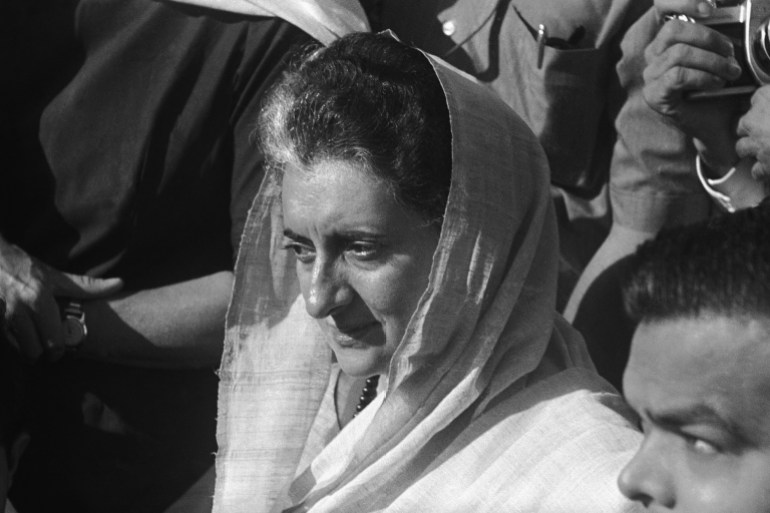
New Delhi, India – It was the month of Ramadan in 1974, and the northern city of Lucknow, a hub of India’s Shia community, was on the boil. Hemwati Nandan Bahuguna, a stalwart of India’s then-ruling Indian National Congress party, had taken over as the chief minister of the state of Uttar Pradesh, whose capital is Lucknow, only a few months earlier. Shia-Sunni clashes had erupted at a time on the Muslim calendar that represents peace, prayer, reflection and a sense of community. To push for a truce, Bahuguna invited Shia leader Ashraf Hussain for a meeting. Hussain refused, saying he was unable to come because he was fasting. So Bahuguna made Hussain an offer: He could break his fast at the chief minister’s residence. Hussain accepted. The menu included fruit, sherbet, sheermal, kebabs and Lucknow’s famous biryani. And successful truce talks. At a time when Hindu-Muslim tensions in Uttar Pradesh and many other parts of India were also on the rise, Bahuguna’s iftars became a yearly affair. In subsequent years, the meals were planned, and guest lists started expanding. Advertisement In his book An Indian Political Life: Charan Singh and Congress Politics, Paul R Brass noted that Bahuguna established “a happy rapport with the Muslims” by acting boldly to suppress “anti-Muslim rioting”. The veteran politician started a phenomenon that has since become a staple of India’s political calendar: Ramadan is crammed with iftars hosted by parties and politicians eager to host influential Muslims as they court the community’s votes. Over the past 50 years, these iftars have become shows of political strength and platforms to forge alliances or to forgive past skirmishes to move on. On the one hand, analysts said, political iftars help underscore India’s secular identity – non-Muslim political leaders hosting Muslims for a meal during the holy month. “Iftar reflected a certain notion of plurality, an idea of celebrating differences in commonality,” sociologist Shiv Visvanathan told Al Jazeera. But political iftars have also attracted increasing pushback — and not just from current Prime Minister Narendra Modi’s Bharatiya Janata Party, which has for the most part shunned these events. Critics have argued that these iftars are performative acts that are more about the interests of the leaders hosting them than about the Muslim community. “It was not sought by Muslims, and we must always remember that. Political iftar parties were not a creation of the Muslims,” said Rasheed Kidwai, a political analyst who has attended several such events. “Political iftar was a kind of religious outreach programme.” Advertisement “It was envisaged by non-Muslim political actors, and the Muslims were guests. They were just the showpieces.” Indian Prime Minister, Indira Gandhi invited elite Muslims to her iftars but failed to hold on to enough Muslim voters to win the 1977 elections [File: AP Photo] When Indira Gandhi used iftars for revival — but failed By the mid-1970s, Prime Minister Indira Gandhi’s relations with Bahuguna, her party leader in charge of the politically critical state of Uttar Pradesh, India’s most populous, often dominated headlines. The narrative: Bahuguna’s popularity in Uttar Pradesh, across all communities, unsettled Gandhi, whose courtiers tried to shape her mind against the state leader. In 1975, Bahuguna resigned. Some said he was pushed into quitting. That year would prove the start of one of independent India’s most tumultuous periods. Faced with a student movement against her and an emboldened political opposition, Gandhi was also found guilty by a High Court of misusing state resources to win the 1971 elections. A day after India’s Supreme Court upheld that verdict, which also barred her from contesting elections for six years, Gandhi imposed a state of national emergency, arresting opposition leaders and suspending civil liberties. The state of emergency would also strain the Congress party’s ties with one of its most loyal support bases: India’s Muslims. Since independence in 1947, the community — India today has 200 million Muslims, behind only Indonesia and Pakistan — had largely voted for the Congress party, initially under the nation’s first prime minister, Jawaharlal Nehru, and then under Gandhi. Survivors of the bloody partition of British India, which killed more than 2 million people and displaced millions, India’s Muslims faced questions about their place in the new nation, and a secular Nehru, who committed himself to safeguarding their security, was seen as their best bet. Advertisement That pattern held all the way up until and including the 1971 elections, which Gandhi won, Theodore P Wright Jr, the late political scientist known for his work on South Asian politics, wrote in 1977 in Asian Survey, a California-headquartered journal. However, during the national emergency, Gandhi’s government oversaw two campaigns that alienated Muslims. An aggressive family planning initiative aimed at controlling population growth used forced sterilisations that spawned fears among Muslims that a Hindu majority country was in essence trying to end the growth of their community. In several instances, men from villages with large Muslim populations were rounded up and taken to sterilisation camps, where they were forced to undergo vasectomies. In some cases, the men fought back, leading to deadly clashes with security forces. In all, from 1974 to 1979, India sterilised more than 18 million people — double the number that underwent sterilisation in the previous five years. At the same time, Gandhi’s government led a large slum demolition campaign as part of an urban beautification effort that sought to clear informal settlements in cities. Tens of thousands of people were forcibly evicted from their homes as bulldozers tore down their shanties. In many cases, they were not offered any alternative housing. Muslims, India’s poorest community by religion, were disproportionately impacted. Gandhi’s younger son, Sanjay Gandhi, was the face of these campaigns, which stirred widespread resentment among Muslims. Advertisement After the state of emergency was lifted, Bahuguna left the Congress to join a newly formed group of other defectors called the Congress for Democracy (CFD). Religious leaders like Abdullah Bukhari, the shahi imam of Delhi’s Jama Mosque, openly backed the new group,
Russia-Ukraine war: List of key events, day 1,122
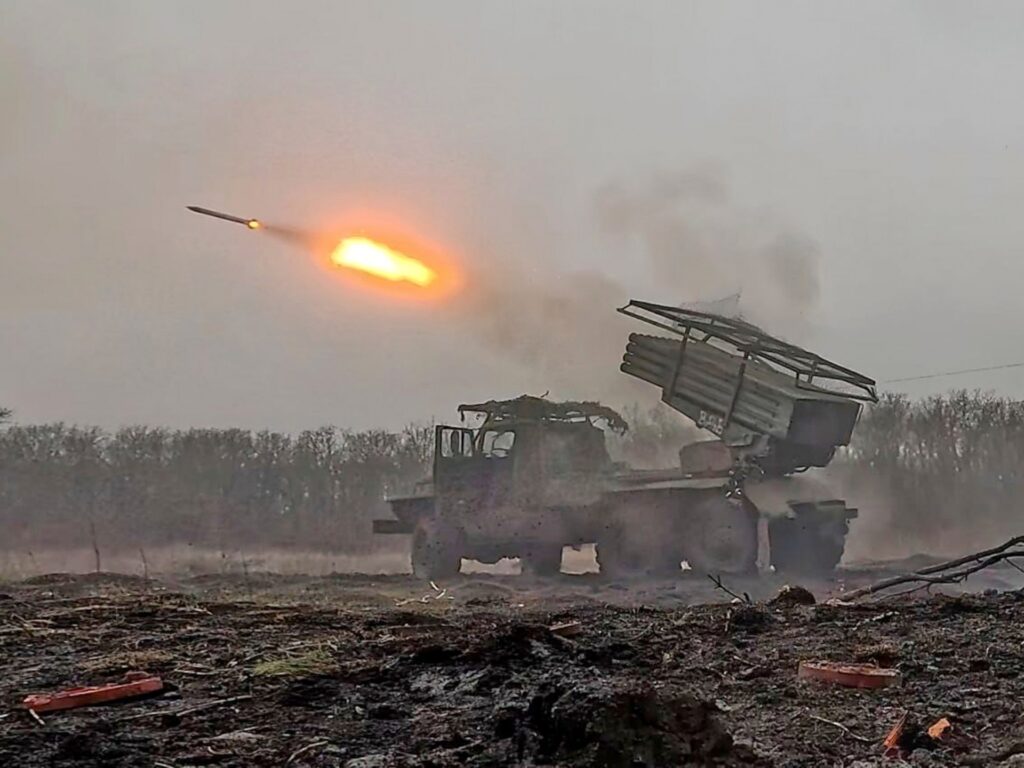
These are the key developments on day 1,122 of Russia’s war on Ukraine. Here is the roundup of key events on Saturday, March 22. Fighting Russian attacks killed two people late on Friday in Ukraine’s southeastern city of Zaporizhzhia and three more in the country’s north and east, officials said. Zaporizhia regional governor, Ivan Fedorov, said nine people were also injured in the attack and the city had been struck more than 10 times. CCTV footage recorded on Friday showed debris falling outside an apartment building following a loud explosion in Russia’s southern city of Rostov-on-Don. Rostov-on-Don’s acting regional governor, Yury Slyusar, said a Ukrainian drone struck an apartment building on the 17th floor, injuring two people. Attacks took place in the southern Russian region of Voronezh, where regional governor Alexander Gusev said more than 10 Ukrainian drones were destroyed. No damage or casualties were reported. Ukraine’s public prosecutor’s office said that Russia had dropped six glide bombs on the village of Krasnopillya in Ukraine’s Sumy region. In another village, two people were injured. Air raid warnings were issued in the Ukrainian capital Kyiv and other parts of the country, with Kyiv Mayor Vitali Klitschko calling on people to seek shelter. According to Klitschko, debris from a downed flying object hit a building in the capital, causing a fire. Satellite imagery showed craters and damaged bunkers at Russia’s Engels strategic bomber base after Ukraine struck it with drones on Thursday. The attack triggered a major blast and fire. The base in Engels hosts Russia’s Tupolev Tu-160 nuclear-capable heavy strategic bombers. Ukraine accused Russia of illegally pressuring Ukrainians in occupied territory to change their legal status or leave and said it would report the practice to the International Criminal Court. Advertisement Russia – which now controls nearly a fifth of Ukraine’s territory – issued a presidential decree on Thursday saying Ukrainian citizens living “in Russia without legal grounds” should “regulate” their status by September. Russia’s Ministry of Defence accused Ukrainian forces of blowing up a gas metering station near the town of Sudzha in Russia’s Kursk region, in what it described as a “deliberate provocation by the Kyiv regime … to discredit the US president’s peaceful initiatives”. Ukraine’s military General Staff rejected Moscow’s accusations and blamed the Russian military for shelling the Sudzha gas metering station as part of Russia’s “discrediting campaign”. The gas metering station serves a major pipeline that had pumped Russia’s natural gas to Europe until supplies were halted last year. Ceasefire Talks between Ukrainian and United States representatives in Saudi Arabia on Monday will focus primarily on technicalities surrounding a potential limited ceasefire between Russia and Ukraine, Ukrainian Foreign Ministry spokesman Heorhii Tykhyi said. Tykhyi reiterated that Ukraine had agreed to the US proposal for a full ceasefire lasting 30 days and again blamed Russia for the failure to implement any sort of ceasefire so far. Ukrainian Foreign Minister Andrii Sybiha will not travel to Saudi Arabia for the talks, but Defence Minister Rustem Umerov is set to participate. Western military planning to enforce a potential ceasefire in Ukraine is set to intensify in London next week as the United Kingdom said “nothing is off the table” over possible troop deployment for Kyiv. “Thousands” of personnel would be required to support any operation whether by “sea, on land or in the air” as allies prepare “for all eventualities” amid diplomatic efforts to end the war, the UK said. Ukraine does not consider a United Nations mission an alternative to the deployment of a contingent of foreign troops or security guarantees to end the war with Russia, President Volodymyr Zelenskyy said. “With all due respect, the UN will not protect us from the occupation or [Russian President Valdimir] Putin’s desire to come back,” Zelenskyy said at a joint news conference with Czech President Petr Pavel in Kyiv. Advertisement Politics and diplomacy North Korean leader Kim Jong Un expressed his unwavering support for Russia’s war in Ukraine during a meeting with a top Russian security official in Pyongyang, North Korean state media said. Friday’s meeting between Kim and Sergei Shoigu, Russia’s Security Council secretary, followed a South Korean intelligence assessment in late February that North Korea had likely sent additional troops to Russia after its forces suffered heavy casualties fighting in the Russia-Ukraine war. Shoigu conveyed a message from Putin, who extended his greetings to Kim and expressed gratitude for North Korea’s “solidarity with Russia’s position on all critical geopolitical issues, particularly on the Ukrainian issue”, according to his televised comments. South Korea’s Foreign Minister Cho Tae-yul said military cooperation between North Korea and Russia must stop, and North Korea should not be rewarded for its wrongdoings in supporting the war in Ukraine. Japan’s foreign minister told his Chinese and South Korean counterparts on Saturday that unilaterally changing the status quo by force was unacceptable. “On the situation in Ukraine, I emphasised the need for the international community to unite in calling out that any attempt to unilaterally change the status quo by force will not be tolerated anywhere in the world,” Takeshi Iwaya told reporters following trilateral talks in Tokyo with Beijing and Seoul. Thousands of people demonstrated against Slovak Prime Minister Robert Fico on Friday, charging that he has authoritarian tendencies and a pro-Russian stance. Serbia’s deputy prime minister said Russia’s spy services had helped Belgrade authorities respond to months of antigovernment protests, remarks which critics said revealed that the government had become dependent on Moscow. “I am very grateful to Russia’s special services, which always support us in our fight against colour revolutions, primarily with information,” Deputy Prime Minister Alexandar Vulin said in an interview with Russia’s RIA state news agency. Advertisement Russia criticised the European Union’s plans to significantly boost the bloc’s defences. The UK government said it had frozen more than 25 billion pounds ($32bn) in Russian assets since the start of the war in Ukraine three years ago. Military aid Germany’s Bundestag budget committee approved $3.25bn in additional military aid for Ukraine