

Djokovic-led tennis players’ union files lawsuit against professional tours
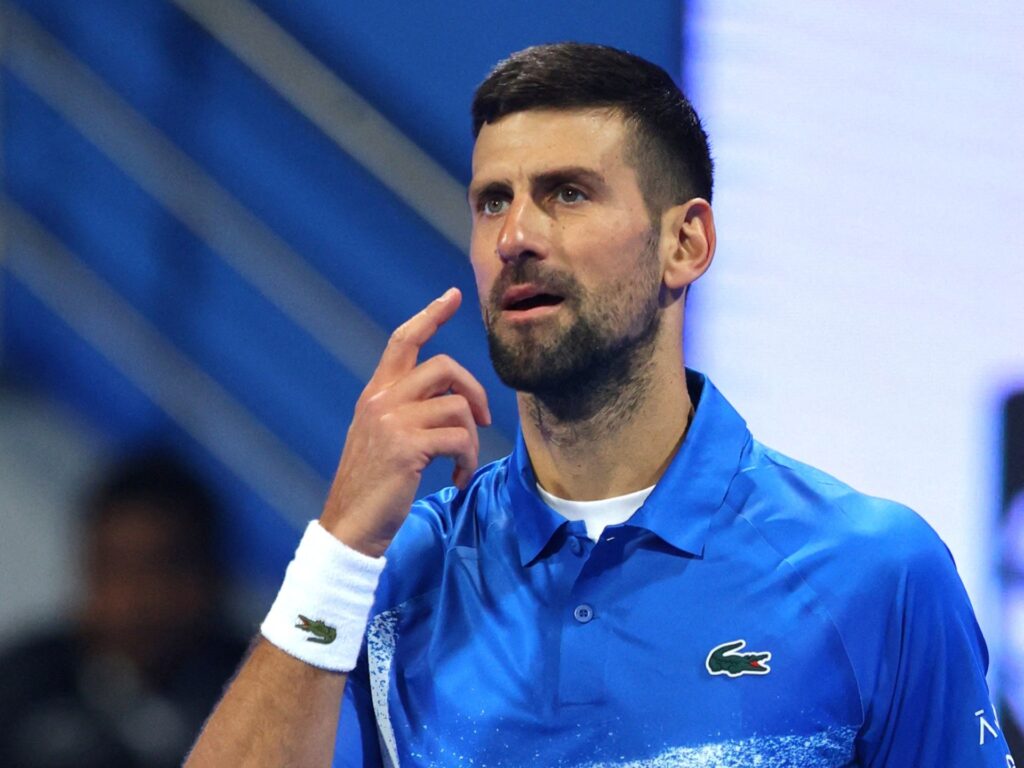
The Professional Tennis Players Association (PTPA) has filed a lawsuit against the sport’s governing bodies, accusing them of anti-competitive practices and a disregard for player welfare. The PTPA, an independent players’ union co-founded by Novak Djokovic in 2019, said on Tuesday that after years of good-faith efforts to reform professional tennis, it had been forced to take legal action to end “monopolistic control” of the sport. It said in a statement that, along with more than a dozen players, the PTPA had filed papers in a New York court against the ATP Tour, the WTA Tour, the International Tennis Federation (ITF) and the International Tennis Integrity Agency (ITIA). “Tennis is broken,” Ahmad Nassar, executive director of the PTPA, said in the statement. “Behind the glamorous veneer that the defendants promote, players are trapped in an unfair system that exploits their talent, suppresses their earnings, and jeopardises their health and safety. “We have exhausted all options for reform through dialogue, and the governing bodies have left us no choice but to seek accountability through the courts. Fixing these systemic failures isn’t about disrupting tennis, it’s about saving it for the generations of players and fans to come.” Advertisement In response, the ATP accused the PTPA of choosing “division and distraction” and having no meaningful role in the sport. “We strongly reject the premise of the PTPA’s claims, believe the case to be entirely without merit, and will vigorously defend our position,” the ATP said in a statement. “ATP remains committed to working in the best interests of the game – towards continued growth, financial stability, and the best possible future for players, tournaments, and fans.” The WTA defended its record of growing women’s tennis, describing the lawsuit as “baseless”. “Every decision taken at the WTA Board level includes the input of players via their elected Board representatives, and athletes receive substantial financial rewards and other benefits from participation in the WTA,” the organisation said. Today marks a pivotal moment in the battle for fairness and integrity in tennis. I take pride in standing alongside a group of fellow players, both men and women, as one of the named plaintiffs in a comprehensive lawsuit targeting the ATP and WTA Tours, the ITIA, and the ITF. The… https://t.co/XohSsD38vB — Vasek Pospisil (@VasekPospisil) March 18, 2025 ‘A big day for tennis’ Meanwhile, Australian tennis player Nick Kyrgios believes the lawsuit marks a “special moment” and that it was high time players’ voices were heard. Former Wimbledon finalist Kyrgios, who is among 12 current and former players listed as plaintiffs along with the PTPA in the suit, said the group was determined to do something for the future of the game. Advertisement “I know that myself and many of the players aren’t happy with the structures and everything that’s going on in tennis at the moment,” Kyrgios told Sky Sports. “This will be a special moment in tennis, for sure. “Things needed to change. It’s a big day for tennis.” The PTPA was formally established by Novak Djokovic and Vasek Pospisil in 2019 to advocate for players. Pospisil said the PTPA had spoken to more than 250 players and had plenty of support, including from the top players. “The ATP/WTA has spread so much fear over the years that it’s not easy to put your name on this publicly. Player support for this initiative is undeniable,” he added. While player associations are common in professional sports, tennis is different in that the players operate as independent contractors. “We’re the only sport in the world that doesn’t have a players’ association. That was the PTPA’s first goal, to get the players to be heard,” Kyrgios said. “The ATP just had so much power, they don’t have to show anything to anyone. Now things will have to change, they’ll have to show things, how things operate and that’s when people really realise that it hasn’t really been done correctly. “I don’t think players ultimately have been very happy with what they earn on the tour compared to other sports and I think that’s definitely one of the main reasons.” Describing the various governing bodies as ‘a cartel’, the PTPA, which has also begun legal action in the United Kingdom and the European Union, accuses them of paying “artificially low compensation to professional tennis players” and imposing a “draconian” ranking system that forces them to compete in certain tournaments. Advertisement The lawsuit calls the schedule unsustainable, says players are made to play in extreme heat and often in the early hours of the morning, that tennis balls chosen by the tournaments are a factor in chronic injuries, and that players’ privacy rights are being abused by random drug tests. Before filing the lawsuit, the PTPA said it met more than 250 players across the tours, including the majority of the men’s and women’s top 20. Adblock test (Why?)
Israeli attacks on Gaza kill 14 Palestinians overnight

Attacks follow Israeli air raids that killed more than 400 Palestinians on Tuesday, breaking a months-long ceasefire. At least 14 Palestinians have been killed in overnight and early morning Israeli attacks on Gaza, a day after more than 400 were killed across the besieged enclave. The deadly Israeli attacks early on Wednesday targeted Khan Younis and Rafah in southern Gaza, as well as Gaza City’s Sabra neighbourhood in the north. Tents housing forcibly displaced people were also hit, killing a mother and a child. The Israeli army claimed in a statement that it struck a “Hamas military site” in northern Gaza overnight. The attacks come after at least 404 Palestinians, many of them children, were killed as Israel resumed its full-fledged bombing of Gaza on Tuesday, shattering a fragile ceasefire with Hamas that had been in place since January 19. Mourners pray next to the bodies of Palestinians killed in Israeli strikes, at Nasser Hospital in Khan Younis, March 19, 2025 [Hussam al-Masri/Reuters] In central Gaza, Palestinians reported an attack on a home near a mosque in the Deir el-Balah area, while Israeli helicopter fire and artillery shelling were reported east of the Bureij refugee camp on Wednesday. Advertisement Al Jazeera’s Hind Khoudary, reporting from Deir el-Balah, said people in Gaza were left “terrified, helpless and devastated” following the attacks amid the Israeli blockade of aid and electricity cuts. “People are starving. They do not have access to food. The water desalination plant that was providing water for 500,000 Palestinians is not working [due to Israel cutting off electricity],” she said. “With all this happening, Palestinians wake up to a massive series of attacks in different areas of Gaza.” Prime Minister Benjamin Netanyahu said on Tuesday the renewed bombing of Gaza was “only the beginning” and that Israel would press ahead until it achieves all of its war aims — destroying Hamas and freeing all the captives. Global condemnation Tuesday’s attacks attracted widespread condemnation, including from United Nations Secretary-General Antonio Guterres who said he was “outraged by the Israeli air strikes in Gaza”. China’s European envoy Fu Cong regretted the “harm done to the hard-won ceasefire”. Several lawmakers in the United States also condemned the Israeli attacks, with Senator Bernie Sanders calling for an end to US military aid to Israel. Protests erupt in Israel Israel’s opposition leader and former Prime Minister Yair Lapid called on the public to rally against Netanyahu’s government, accusing it of having “no red lines” after resuming war in Gaza. The entire nation must “come together and say: ‘Enough!’”, wrote Lapid in a post on X on Wednesday. “I’m calling on all of you – this is our moment, this is our future, this is our country. Take to the streets!” he added. Advertisement Thousands of Israelis packed a Tel Aviv square on Tuesday evening to demand the government resume negotiations for a captive deal. The main group representing the families of the captives held in Gaza accused the government of “deliberately dismantling” the ceasefire. “Today Netanyahu did not open the gates of hell on Hamas. He opened the gates of hell on our loved ones,” said Einav Zangauker, whose son is among the captives. Adblock test (Why?)
Israeli air strikes on Gaza: beginning of a “larger campaign”?
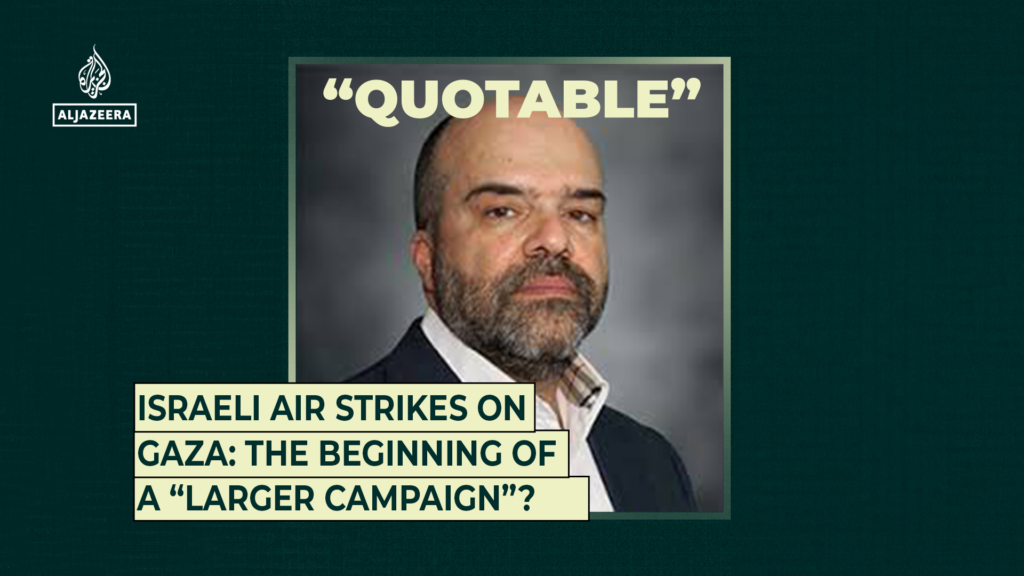
Quotable Mouin Rabbani, Middle East analyst, breaks down Israel’s latest airstrikes on Gaza. Read more Mouin Rabbani, a Middle East analyst, discusses the new wave of Israeli air strikes on Gaza, and whether this is a one off or the beginning of a larger campaign. Published On 18 Mar 202518 Mar 2025 Adblock test (Why?)
Judge says Musk and DOGE ‘likely violated’ constitution in USAID shutdown
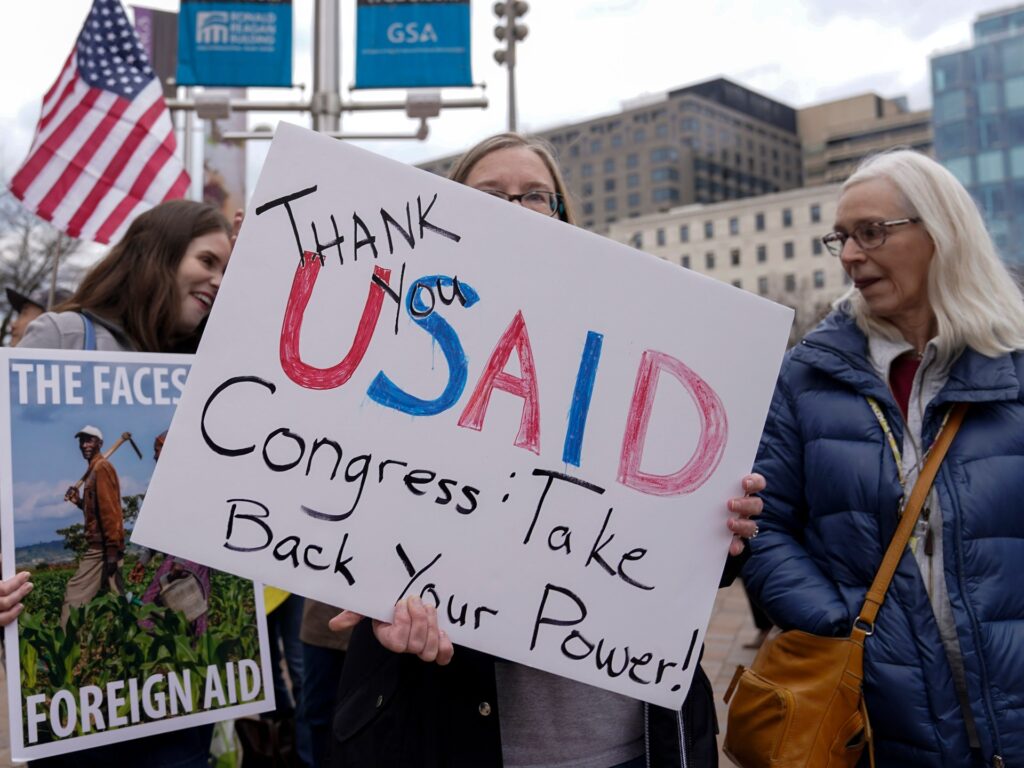
A federal district judge in Maryland has found that Elon Musk and his Department of Government Efficiency (DOGE) appear to have breached the United States Constitution through their efforts to dismantle an agency dedicated to distributing foreign aid. Judge Theodore Chuang issued the preliminary ruling on Tuesday, in response to a complaint filed by 26 employees and contractors for the US Agency for International Development (USAID). “The Court finds that Defendants’ actions taken to shut down USAID on an accelerated basis, including its apparent decision to permanently close USAID headquarters without the approval of a duly appointed USAID Officer, likely violated the United States Constitution in multiple ways,” Chuang wrote in his decision. Not only were the plaintiffs harmed, he added, but the “public interest” was also. DOGE and Musk “deprived the public’s elected representatives in Congress of their constitutional authority to decide whether, when and how to close down an agency created by Congress”, Chuang said. Advertisement As a result of that finding, the judge approved a temporary injunction that would prevent DOGE and Musk from continuing with USAID-related staff cuts, contract cancellations, building closures and the destruction of USAID materials. “The restrictions will assist in maintaining the status quo so as to delay a premature, final shutdown of USAID,” Chuang wrote. It was a significant blow to Musk, whose role in the government has been ambiguous – but who has wielded significant power due to his close relationship with US President Donald Trump. A tech billionaire and one of the wealthiest men in the world, Musk is considered a “special government employee”, a temporary role often given to outside advisers. In that role, however, he has led DOGE in a vast campaign to restructure the federal government, through downsizing its workforce, ending contracts and attempting to shutter entire agencies. USAID was one of the first in DOGE’s crosshairs. Upon taking office for a second term on January 20, Trump issued a presidential order calling for a 90-day freeze on all foreign aid – a central part of USAID’s work. Established in 1961 by an act of Congress, USAID had become the US’s primary arm for distributing foreign assistance abroad. But under Trump’s order, only aid that aligned with the president’s foreign policy would be allowed to continue. Musk became the face of the campaign to close USAID entirely. “USAID is a criminal organization,” he wrote on his social media platform X on February 2, without offering proof. “Time for it to die.” Advertisement Later that day, Musk posted another message on X: “We spent the weekend feeding USAID into the wood chipper. Could [have] gone to some great parties. Did that instead.” By the end of February, the agency’s headquarters in Washington, DC, was effectively closed, with employees given only 15 minutes to collect their belongings. An estimated 1,600 workers were fired, and another 4,700 were put on leave. Secretary of State Marco Rubio eventually announced that 83 percent of all USAID contracts had been cancelled. To justify the cuts across government, Musk and Trump have repeatedly accused departments and agencies of having perpetrated “waste” and “fraud”, without offering proof. Given that USAID was established as an independent agency under Congress’s Foreign Assistance Act, Judge Chuang ruled that Musk’s actions “likely violates the constitutional principle of Separation of Powers”. As part of Tuesday’s injunction, Chuang required DOGE to restore USAID employees’ access to electronic systems and called for the department to restore any deleted emails. Trump allies, however, quickly slammed Chuang – an appointee of former President Barack Obama – for his temporary injunction. Musk reposted a social media message from conservative commentator Charlie Kirk which accused Chuang of partisanship. “Indeed”, Musk wrote in a one-word reply. Adblock test (Why?)
Zelenskyy open to halting strikes on energy but needs details from Trump
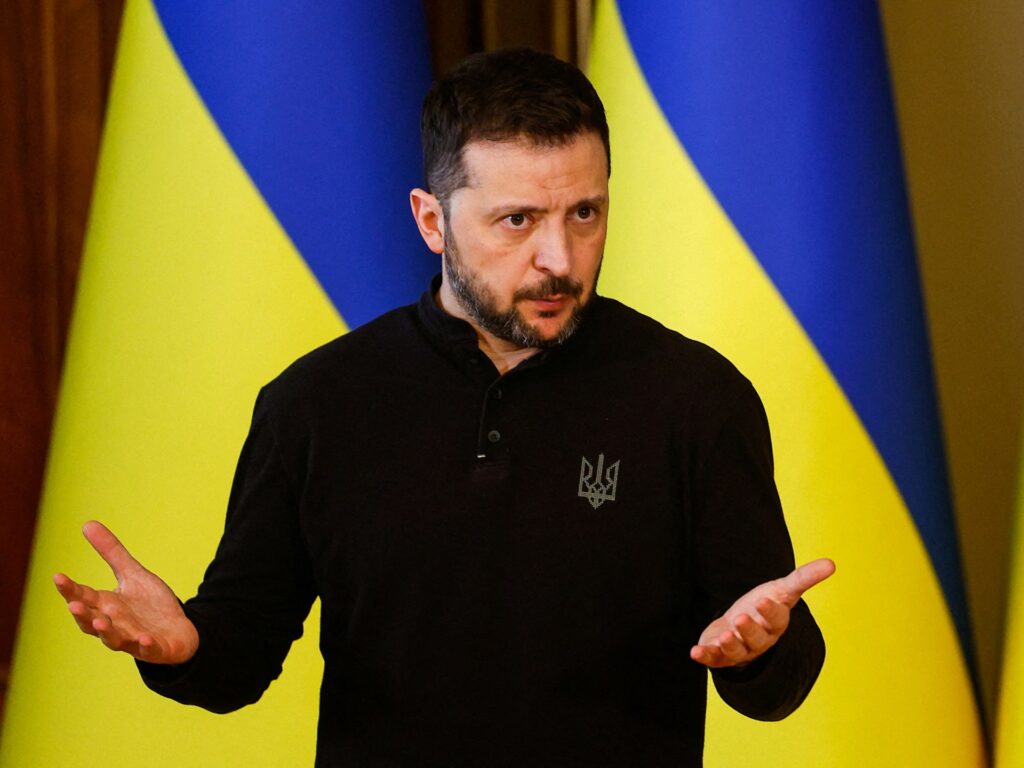
NewsFeed Ukrainian President Volodymyr Zelenskyy says he would support a proposal to stop strikes on energy infrastructure for one month, but he must first learn the details of the offer that emerged during a phone call between Donald Trump and Vladimir Putin. Published On 18 Mar 202518 Mar 2025 Adblock test (Why?)
Congolese, Rwandan leaders meet in Qatar, call for ceasefire in eastern DRC
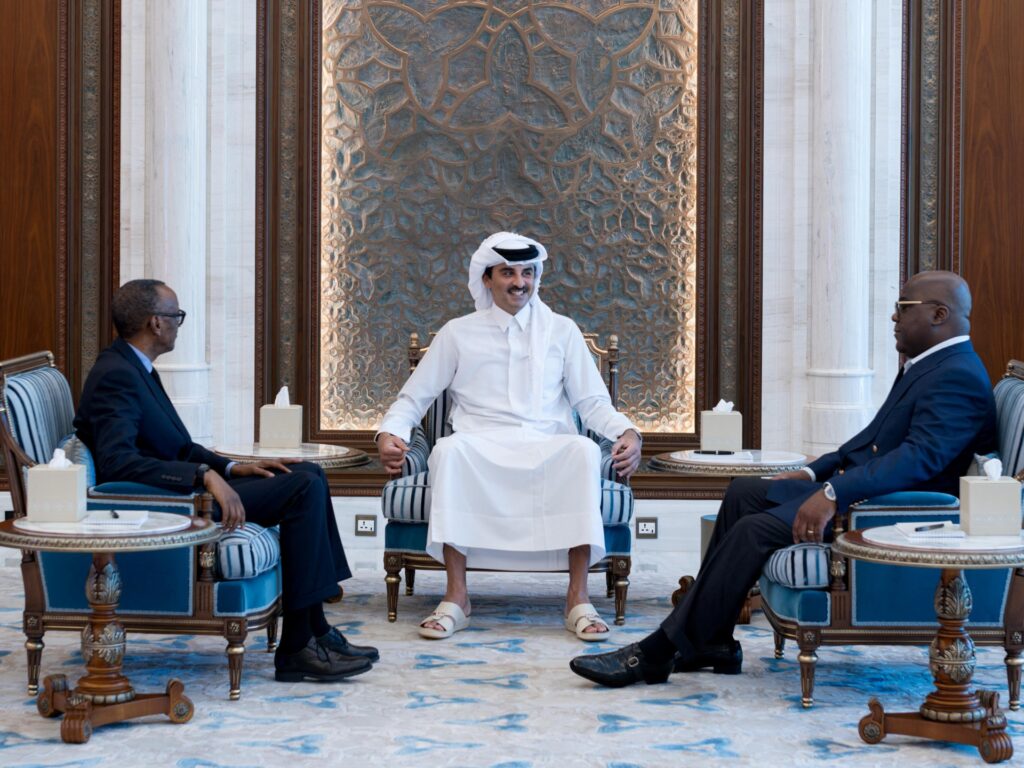
The three countries call for ‘immediate and unconditional ceasefire’ in eastern DRC. Democratic Republic of the Congo (DRC) President Felix Tshisekedi and Rwandan President Paul Kagame have held direct talks for the first time since Rwanda-backed M23 rebels seized two major cities in eastern DRC. In a joint statement issued with Qatar, whose emir mediated the talks in Doha, the countries called for an “immediate ceasefire” in eastern DRC. “The Heads of State then agreed on the need to continue the discussions initiated in Doha in order to establish solid foundations for lasting peace,” the statement said. The DRC has accused Rwanda of sending weapons and troops to support the M23 rebels, which Rwanda has denied. The talks came after M23 representatives pulled out of a planned meeting with the DRC government in Angola on Tuesday, after the European Union imposed sanctions on some of the group’s senior members, including leader Bertrand Bisimwa. In a statement, M23 said the sanctions “seriously compromise direct dialogue and prevent any advance”. The EU also sanctioned three Rwandan military commanders and the country’s mining agency chief over support for the M23 fighters. Advertisement The conflict in eastern DRC escalated in January when the rebels advanced and seized the strategic city of Goma, followed by Bukavu in February. M23 is one of about 100 armed groups that have been vying for a foothold in the mineral-rich eastern DRC near the border with Rwanda. The conflict has created one of the world’s most significant humanitarian crises, with more than 7 million people displaced. The rebels are supported by about 4,000 Rwandan troops, according to United Nations experts. Adblock test (Why?)
Why has Israel shattered the ceasefire in Gaza?
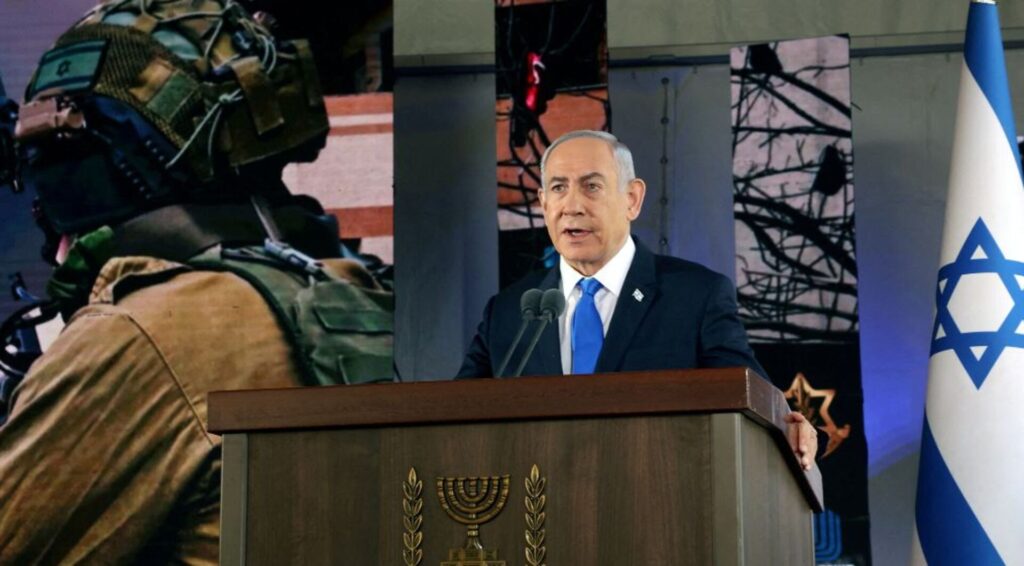
Israeli Prime Minister Benjamin Netanyahu has refused to implement phase two of the ceasefire agreed upon with Hamas. Israel has launched its biggest assault on Gaza since January 19, when a ceasefire was agreed upon between Hamas and Israel. Hundreds of Palestinians have been killed and many more have been forced to flee their homes. Israel says the strikes were ordered due to a lack of progress in talks to extend the ceasefire. The White House has confirmed it was consulted about the attacks before they were carried out. Hamas is calling on Israel to be held responsible for violating the agreement. So, can Netanyahu achieve his goals through war? Presenter: James Bays Guests: Mustafa Barghouti – secretary-general of the Palestinian National Initiative Scott Lucas – professor of US and international politics at University College Dublin Daniel Levy – president of the US Middle East Project Adblock test (Why?)
Is Trump helping other world leaders gain popularity back home?
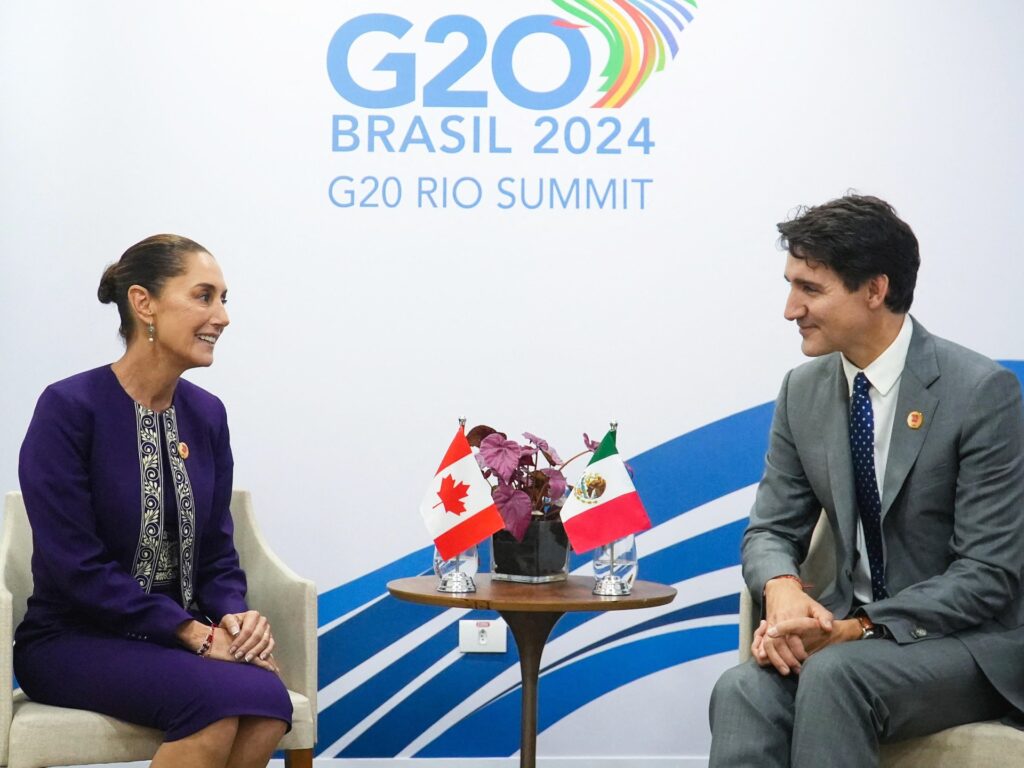
From tariffs to the Ukraine war, United States President Donald Trump has picked diplomatic squabbles with leaders worldwide since his January 20 inauguration. However, while Trump has framed his combative approach as putting “America first”, many of these leaders have benefitted politically, too. Data suggests that leaders who are seen to be proactively negotiating with Trump without compromising too much are gaining in polls and in terms of approval ratings. Mexican President Claudia Sheinbaum is enjoying the highest approval rating of any Mexican head of state since 1985. Canada’s ruling Liberal Party has closed a wide gap with the opposition Conservative Party, which has been leading in polls ahead of national elections. And they are not the only ones. But to what extent are these poll gains because of how these leaders are dealing with Trump? Are other factors at play? Here is what the numbers look like, and what analysts think might be going on. Canada and Justin Trudeau Prime minister since 2015, Canada’s Justin Trudeau stepped down on March 9 to make way for economist Mark Carney – also from his Liberal Party – who was sworn in as the PM of Canada last Friday. Advertisement Trudeau had been under mounting pressure to resign for months before he finally quit, amid rising costs of living, increasing intraparty fights, resignations from his cabinet and questions about his immigration policies. That pressure only grew as Trump threatened hefty tariffs against Canada after he was elected. Trudeau’s longtime deputy and finance minister Chrystia Freeland resigned in mid-December 2024 amid disagreements over how to deal with Trump. Trudeau initially didn’t respond to a series of barbs from Trump, who repeatedly said that he wanted Canada as the 51st state of the US and referred to the Canadian PM mockingly as “governor”. Instead, as Trump accused Canada of allowing fentanyl to enter the US through their border, Trudeau appointed a “fentanyl czar” to tackle the issue. But as Trump – after deferring tariffs on Canada for a month – eventually carried out his threat against most Canadian exports to the US early in March, Trudeau took a more firm, public position. “Canadians are reasonable, and we are polite. But we will not back down from a fight. Not when our country and the wellbeing of everyone in it is at stake,” Trudeau said on March 4. What do Canadian federal polls show? Several polls show that while Conservatives under their leader, Pierre Poilievre, were consistently leading by a considerable margin throughout 2024, the Liberal Party jumped up in the polls starting from February 2025 and significantly closed the gap. Averages of polls by the Canadian Broadcasting Corporation (CBC) show that the Conservatives were leading the Liberals by 24 percentage points in early January. Now that gap has shrunk to just 5.5 percentage points as of March 17, with the Conservatives at 38.9 percent support, and Liberals at 33.4 percent. Advertisement “In Canadian polling history, at least in this century, it is the first time I’ve ever seen this. To come back from a 25-point deficit is very unheard of, especially for a government that’s been in power for almost a decade,” Philippe J Fournier, analyst and creator of electoral projection model and website 338Canada, told Al Jazeera. What explains this? The Liberals closing such a major gap in the polls can be explained by a combination of factors, experts say. The factors include “Justin Trudeau’s departure, the arrival of Mark Carney, the tariff attacks by Donald Trump and discomfort with Conservative Party leader Pierre Poilievre,” Darrell Bricker, CEO of public affairs at research agency Ipsos, told Al Jazeera. Fournier of 338Canada explained that many Canadian parliamentarians were pressuring Trudeau to step down for months. “When [Trudeau] finally announced that he would resign in early January, the tension eased. Then, Trump got inaugurated and right away, started his threat of tariffs. “More than tariffs, it was the threat to Canada’s sovereignty,” Fournier said, referring to Trump’s calls for Canada to become a part of the US. Fournier also argued that Poilievre’s approach to politics – and similarities some voters have noted with Trump’s style – could be working against him. “Poilievre is using the same style and the same language and the same tactics as Trump,” Fournier said. “With Trump threatening Canada, many swing voters are looking towards the conservative leader and thinking ‘Is that the direction we want this country to be in?’ Advertisement He added that it is not just Conservative voters who are switching sides, but also voters who would typically vote for other parties. “Carney seems to be able to reach people from across the spectrum,” he said. Mexico and Claudia Sheinbaum Sheinbaum was sworn in on October 1, 2024, as the first female president of Mexico, taking over from predecessor and mentor Andres Manuel Lopez Obrador. As a response to Trump’s tariff threats, Sheinbaum deployed 10,000 National Guard troops to the US-Mexico border to help curb unregulated immigration. Trump had initially ordered that 25 percent tariffs be imposed on all Mexican and Canadian imports, but these were delayed for a month amid negotiations with Sheinbaum and Trudeau. Days before the tariffs were to be finally imposed, Trump announced further delays on several products from Mexico, and some from Canada, until April 2. These were products that fell under the US-Mexico-Canada Agreement (USMCA), a free-trade agreement. Trump wrote on his Truth Social platform that he had made this decision after speaking with Sheinbaum and “out of respect” for her. What do Sheinbaum’s approval ratings show? Data from different pollsters in Mexico shows that Sheinbaum has enjoyed high approval ratings since her inauguration. The Buendia y Marquez polls show that 80 percent of respondents approved of their president in mid-February. Polls by Mexican national daily newspaper El Financiero show that 85 percent of respondents approved of Sheinbaum in February. This is the highest approval rating achieved in the country in the last 30 years, El Fiannciero reported. Sheinbaum’s approval ratings
Ukraine presses for unconditional ceasefire ahead of Trump-Putin talks
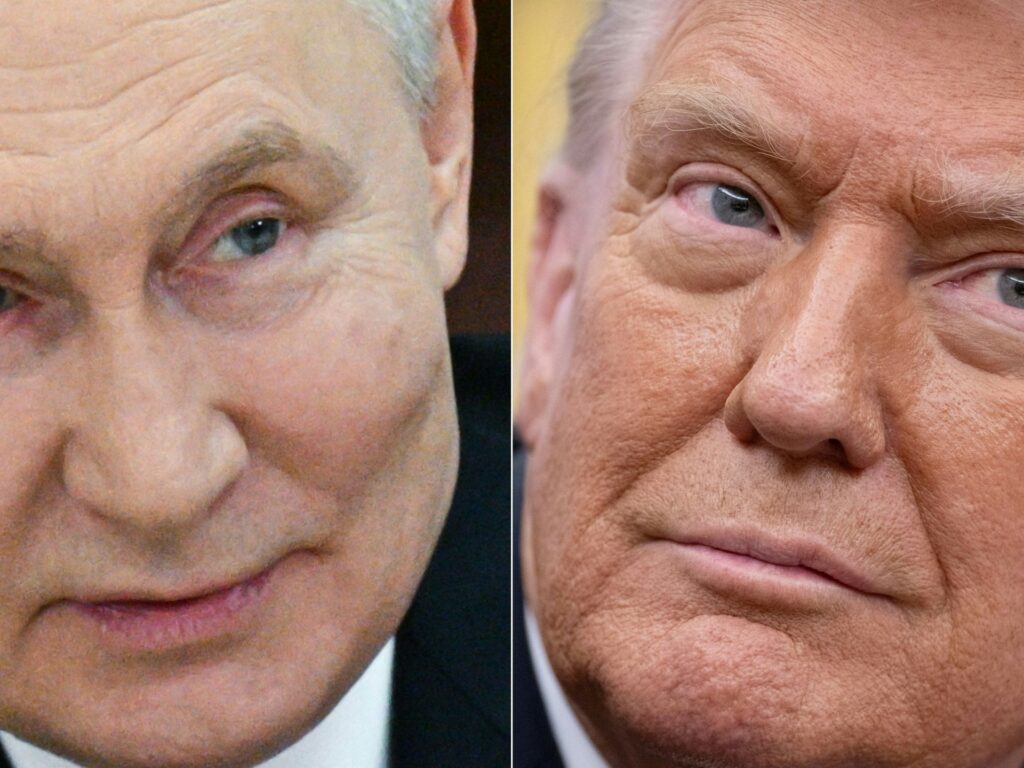
Ukraine’s foreign minister says it is time for Russia to show it ‘wants peace’ as US, Russian leaders set to discuss ceasefire proposal. Ukraine has pressed Russia to accept an unconditional ceasefire ahead of a highly anticipated phone call in which United States President Donald Trump is set to discuss the war with Russia’s President Vladimir Putin. Kyiv and its European allies are demanding that Putin agree to an unconditional US-proposed 30-day ceasefire during the call, which is scheduled to take place later on Tuesday, according to the Kremlin. “We expect the Russian side to unconditionally agree to this proposal,” said Ukraine’s Foreign Minister Andrii Sybiha ahead of the meeting. “It is time for Russia to show whether it really wants peace.” Trump said on Monday that Washington and Moscow had already discussed “dividing up certain assets” – including territory and power plants – between Ukraine and Russia as part of the ceasefire deal. In the run-up to talks, the Semafor news website published a report that cited two sources saying the Trump administration was considering recognising Crimea, which Russia annexed from Ukraine in 2014, as Russian territory. Advertisement The Kremlin has repeatedly said that Crimea, where Russia’s Black Sea Fleet is based and where the pre-annexation population was mostly Russian speakers, is already formally part of Russia. Kyiv has said it wants the Black Sea peninsula – internationally recognised as Ukrainian territory by most countries – back. Ukraine’s President Volodymyr Zelenskyy said on Monday that Putin does not want peace, accusing him of continuing “to drag out this war” in a bid to better the country’s military position ahead of any halt in fighting. Putin’s spokesperson Dmitry Peskov told reporters on Tuesday that Trump and Putin will discuss the war in Ukraine but added that there are also a “large number of questions” regarding the normalisation of US-Russia relations. Nuclear plant US Secretary of State Marco Rubio persuaded senior Ukrainian officials during talks in Saudi Arabia to agree to the ceasefire framework. In preparation for the Trump-Putin call, White House special envoy Steve Witkoff met last week with Putin in Moscow to discuss the proposal. He suggested that US and Russian officials had discussed the fate of the Zaporizhzhia Nuclear Power Plant in southern Ukraine. The plant, caught in the crossfire since Moscow seized it after invading Ukraine in 2022, is a significant asset, producing nearly a quarter of Ukraine’s electricity in the year before the war. Trump claimed on Monday that Russian forces had “surrounded” Ukrainian troops who took control of 1,300 square kilometres (500 square miles) of Russia’s Kursk region last year. Advertisement Zelenskyy has acknowledged that the Ukrainian forces are facing difficulties there, but refutes Russian claims that they have encircled his troops. Adblock test (Why?)
Why is Israel bombing Gaza again?
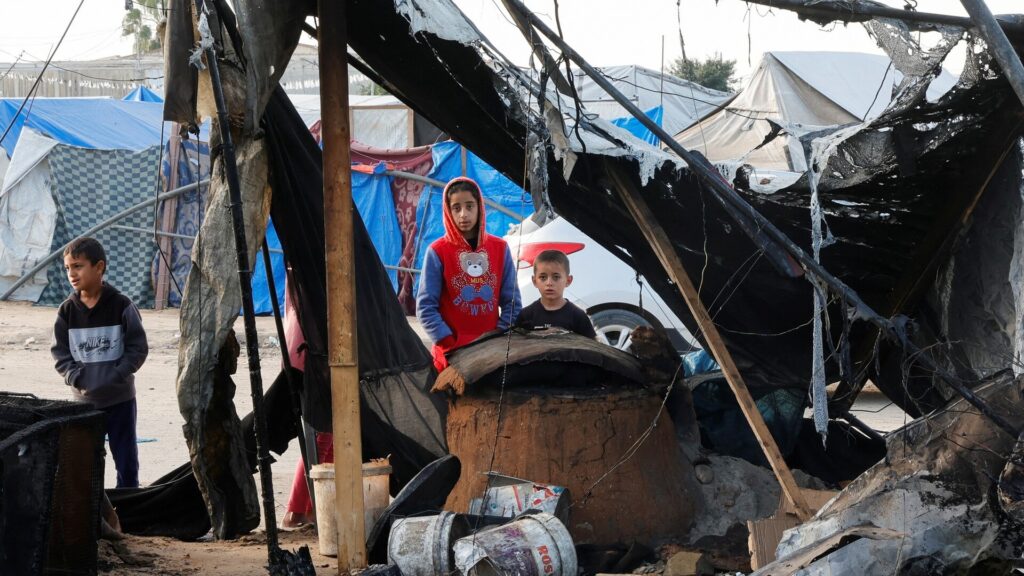
NewsFeed Hundreds of people have been killed as Israel launched the most intense strikes on Gaza since the ceasefire began. Prime Minister Benjamin Netanyahu is accused of shattering the ceasefire. But why now? Soraya Lennie explains. Published On 18 Mar 202518 Mar 2025 Adblock test (Why?)