

Russian forces use gas pipeline in attack on Ukranian positions
[unable to retrieve full-text content] Russian special forces crept miles through a gas pipeline, in an attempt to launch a surprise attack Ukrainian units.
Beauty in Gaza: Noor’s tent salon in the rubble
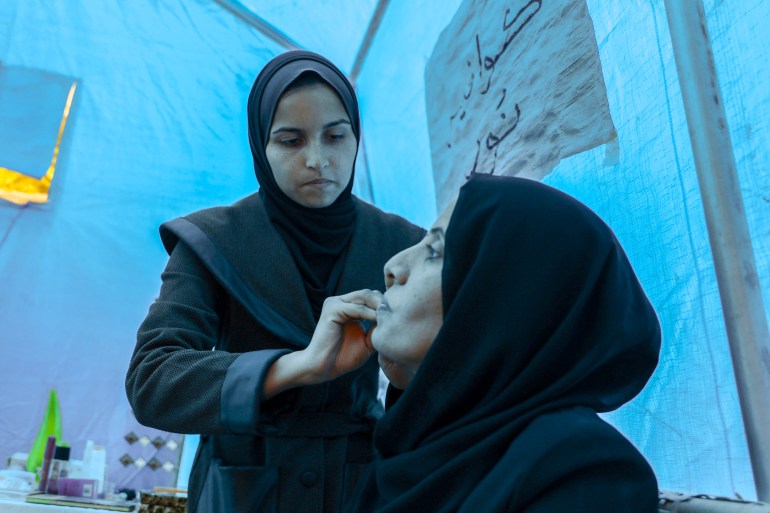
Gaza City – Amani Dweima has come to the salon with her 16-year-old daughter, Aya. The 39-year-old wants her eyebrows shaped, and Aya wants a full face of makeup; there’s a wedding planned for that evening after iftar. “My niece’s wedding,” Amani says. “We’re celebrating the bride with a small family gathering before the groom takes her to their tent.” Noor’s Salon The salon is a small blue tent with a single table inside topped with a damaged mirror, depilation tools, moisturisers, and some makeup. Outside the tent in al-Shujaeya east of Gaza City, a white handwritten sign reading: “Noor’s Salon” hangs near the curtained entrance. This is Noor al-Ghamari’s salon, a dream project for the young woman who quit nursing college to pursue her love of hair and makeup. She set it up about three weeks ago on a destroyed pavement, the only option available when she and her family returned to the north from their displacement to the south. After greeting Amani and Aya, she starts softening a small piece of sugaring paste, gently kneading it in her hands, and begins working. Advertisement “Since I opened, so many women have come to me with heartbreaking stories … about losing their families and loved ones. They arrive exhausted, their faces drained of light,” Noor said. The idea of a beauty salon in the midst of war may seem odd, Amani and Noor agree, but the act of self-care can help women. Amani, seated, says: ‘Looking after myself changes my mood,’ as Noor works on her face [Abdelhakim Abu Riash, Al Jazeera] “Women come to me from tents, overcrowded schools, or the ruins of their destroyed homes. “I try to offer them a moment of comfort, a small escape. My main goal is for them to leave feeling even just a little lighter, a little happier.” Amani, who was displaced to Deir el-Balah and has recently returned to the north, as well, didn’t think about going to a beautician at all in the early days of the war. Eventually, she came across a similar salon in Deir el-Balah and started to go as regularly as she could. “Looking after myself changes my mood, especially when I see my reflection in the mirror. I always want to look presentable. “The tragedies around us never end. Visiting a beauty salon is … a small escape from all the hardships around us,” she adds. Back in the north, she was “thrilled” when she saw Noor’s Salon and immediately spread the good news to her neighbours and relatives. Beauty amid war Noor believes the war has been particularly cruel to women in Gaza – stripping them of their homes and security and of their capacity for self-care as they poured their energy into survival. “I saw many women whose skin was completely burned by the sun from living in tents, constantly cooking over wood fires, washing clothes by hand, and carrying heavy water containers,” she says. “On top of that, they have no privacy in the overcrowded displacement camps, not to mention the fear, bombings, and all the horrors of war.” Noor stands in front of her tent salon, on a destroyed street in Shujaeya [Abdelhakim Abu Riash, Al Jazeera] And yet, she says, she has had clients of all ages who feel that self-care is essential for them. Advertisement “I met many women who couldn’t stand a single stray hair on their face or eyebrows. Some came to me every week, others regularly or occasionally,” Noor says. She recalls a client she got once, a woman in her early 30s who had been through a huge trauma when her parents and all her siblings were killed in an Israeli air raid. Coping with her loss meant the woman lost all desire to do anything. “I felt so deeply for her,” Noor says. “I gave her a full treatment – threading, eyebrow shaping, a haircut, even a free face massage and masque. “When she looked in the mirror, her eyes filled with happy tears.” Holding on to dreams Israel’s war on Gaza began right as Noor was dreaming, laying out the plans for her own – bricks-and-mortar – salon. Like everyone in Gaza, her life and plans were turned upside down as she, her parents and her eight siblings were forced to flee south after Israeli evacuation orders. For the first two months, her only thoughts were of survival and helping her family, she says. “But after the initial months, when we settled in a displacement camp in the south, I heard women say things like: ‘If only there were a hairdresser or a salon nearby so we could take care of ourselves a little.’ “I would respond: ‘I’m a beautician!’” Noor laughs. Noor stops to check the makeup she’s applying to Aya’s face for the wedding later [Abdelhakim Abu Riash, Al Jazeera] “The women would grab me like they had just found a treasure, and I would start working immediately.” Some women came to her, while she went to others in their tents – depending on their needs. Advertisement Now, her work has become an essential source of income for her and her family during the war, even though she can’t charge her five to eight customers a day much. “I live here, I understand the reality,” she says, explaining why she keeps her prices low. ‘War aged us’ Amani seems restless as Noor finishes threading her face. She asks if Noor can dye her hair, but Noor can’t. “There’s no water in this area,” she explains. “Dyeing needs running water, and my tent is on the pavement, surrounded by destruction – there’s no water, no electricity, nothing. “I make do with the simplest equipment and only offer basic services.” Amani sighs, running her fingers through her greying hair beneath her hijab. “I only used to have a few grey hairs. But now, it’s everywhere. This war aged us,” she says with a sad smile. Noor shifted her attention to Aya, discussing
Video: The silence of feminists in the face of genocide in Gaza
[unable to retrieve full-text content] Western feminist movements have mobilised for women’s rights around the world—except when it comes to Palestine.
What threat does the surge in violence in Syria pose?
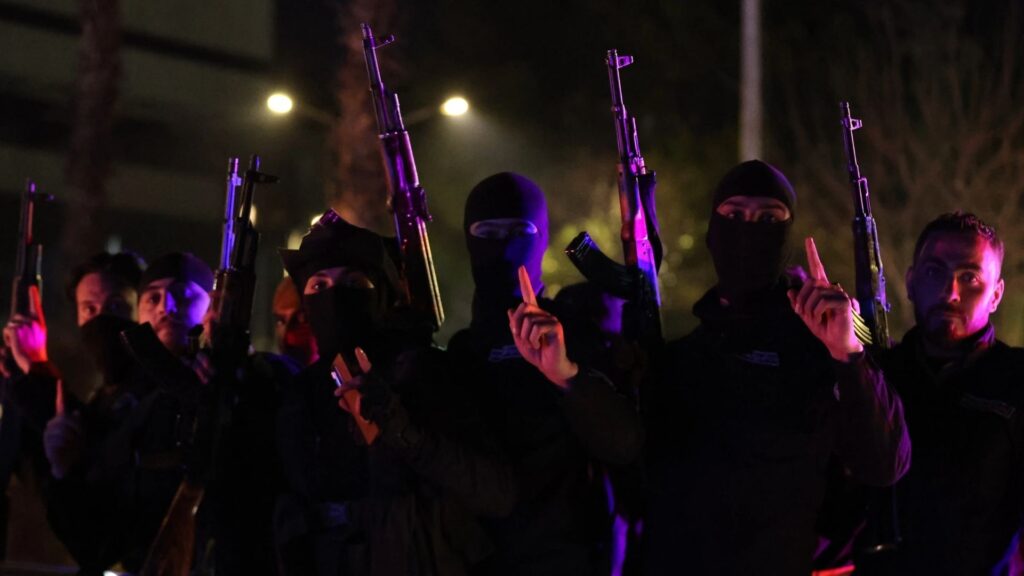
UN envoy expresses alarm and urges restraint on all sides amid clashes between security forces, Civilians have reportedly been among the hundreds killed in violence in Syria, as government forces surge to the country’s northwest to respond to fighters loyal to the ousted leader Bashar al-Assad. The situation represents the greatest challenge yet to interim President Ahmed al-Sharaa, who has promised accountability for anyone attacking civilians. The UN has expressed alarm, while appealing for calm from all sides. So what’s the risk of escalation? Presenter: Adrian Finighan Guests: Marie Forestier – Senior adviser at the European Institute of Peace Ammar Kahf – Executive director of the Omran Center for Strategic Studies Hind Kabawat – Professor of conflict resolution at George Mason University and former deputy head of the Syrian Negotiation Commission Adblock test (Why?)
‘Alarming regression’ in path to peace in South Sudan, UN commission warns
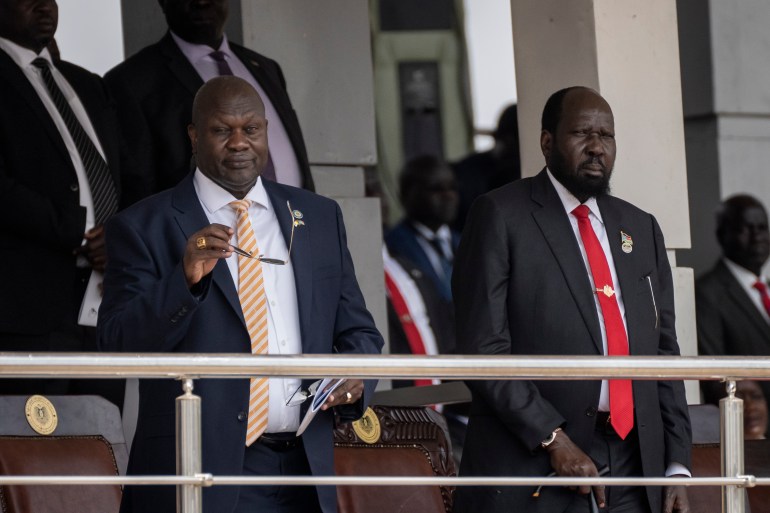
South Sudan has seen an “alarming regression” as clashes in recent weeks in the country’s northeast threaten to undo years of progress towards peace, the United Nations commission on human rights for the country has warned. The statement on Saturday from Yasmin Sooka, chairperson of the UN Commission on Human Rights in South Sudan, comes amid a spate of violence between security forces overseen by President Salva Kiir and an armed group his government has alleged is linked to First Vice President Riek Machar. The situation has put in peril the pair’s fragile power-sharing agreement reached in 2018 to end five years of civil war. It has also sparked fears of war in the country’s Upper Nile state. “We are witnessing an alarming regression that could erase years of hard-won progress,” Sooka said. “Rather than fuelling division and conflict, leaders must urgently refocus on the peace process, uphold the human rights of South Sudanese citizens, and ensure a smooth transition to democracy,” Sooka said. Advertisement The chairperson of the African Union Commission, Moussa Faki Mahamat, also expressed “deep concern” on Saturday. In a statement, he called for an “immediate end to all hostilities.” Eruption of violence The latest flare-up began when fighting erupted between the Sudanese armed forces and a group identified by Human Rights Watch (HRW) as an “armed youth militia” in Nasir County in the Upper Nile state in February. While it remains unclear what started the fighting, HRW noted rumours of forced disarmament may have fueled the unrest. Several clashes have since taken place, with fighters using “heavy weaponry”, according to the United Nations Mission in South Sudan (UNMISS). The agency has also reported fighting in Western Equatoria state in the southwestern part of the country. Earlier this week, South Sudan’s information minister, Michael Makuei Lueth, blamed the violence, in part, on the White Army, a Nuer armed group operating in Upper Nile. He accused the group of working in league with Machar’s party, the Sudan People’s Liberation Movement in Opposition (SPLM/IO). South Sudan’s President Salva Kiir, right, and Vice President Riek Machar, left, attend a Holy Mass led by Pope Francis at the John Garang Mausoleum in Juba, South Sudan [File: Ben Curtis/AP] Tensions rose further earlier this week when Kiir ordered the arrests of two officials and several senior military officials allied with Machar. The army also surrounded Machar’s home, effectively putting him under house arrest. Advertisement Then on Friday, a UN helicopter attempting to rescue soldiers in the state was attacked, killing one crew member and wounding two others. An army general was also killed in the failed rescue mission, the UN Mission in South Sudan (UNMISS) said Friday. Speaking late Friday, Kiir urged calm following the incident. “The government I lead will handle this crisis. We will remain steadfast on the path of peace,” he said. ‘Reckless power struggles’ South Sudan is the world’s youngest country, having gained independence in 2011. However, the independence movement, led by Kiir’s Sudan People’s Liberation Movement (SPLM), quickly splintered. By 2013, the country had descended into full-scale civil war. The fighting killed more than 400,000 people and displaced more than a million others. In 2018, the two sides signed the Revitalised Agreement on Resolution of the Conflict in South Sudan (R-ARCSS). The agreement was meant to see the two warring factions unite their armies under a single unit, write a new constitution, prepare for general elections, organise a census and disarm all other armed groups. However, none of the reforms have been instituted. In the statement released on Saturday, Barney Afako, another member of the UN Commission on Human Rights in South Sudan, warned observers are witnessing “a return to the reckless power struggles that have devastated the country in the past”. He said that the South Sudanese had endured “atrocities, rights violations which amount to serious crimes, economic mismanagement, and ever-worsening security”. Advertisement “They deserve respite and peace, not another cycle of war,” he said. Adblock test (Why?)
Women worldwide march to demand end to violence, inequality
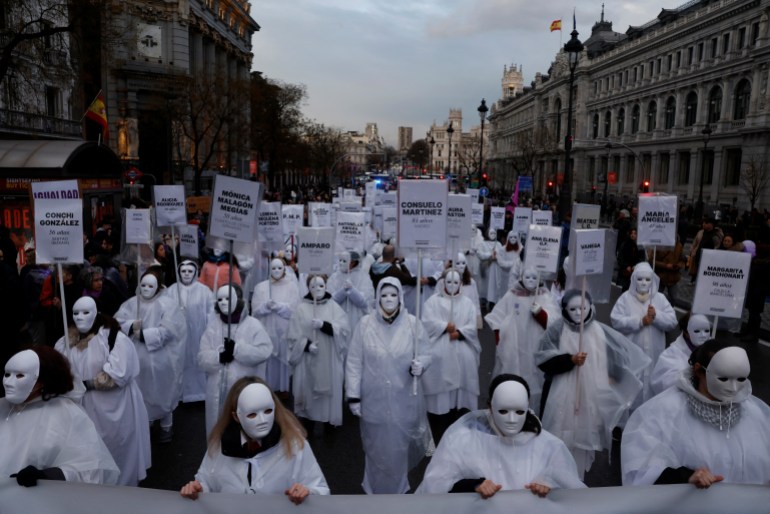
Demonstrations from Buenos Aires to Lagos demand justice for victims of femicide and urge reforms to protect women. Demonstrators have taken to the streets across Asia, Africa, Europe and the Americas to mark International Women’s Day, with many demanding an end to gender-based violence and inequality. In cities like Buenos Aires, Argentina on Saturday, those warnings were particularly grave, as protesters railed against austerity plans put forth by President Javier Milei that they say will roll back services for women. Milei’s government has shut down the country’s Ministry of Women, Genders and Diversity and plans to strike “femicide” – the term for the murder of women in the context of gender violence – from the country’s penal code. His justice minister has called the term a “distortion of the concept of equality”, claiming it indicates a higher value for women’s lives. Reporting from Buenos Aires, Al Jazeera’s Teresa Bo said demonstrators say the move is particularly harmful given that one woman is killed every 30 hours in the country. A UN report released last year found that about 60 percent of women and girls killed in 2023 were murdered by their intimate partner or a close relative. Advertisement “Women here say that they’ve been fighting for too long, that they won’t back down, that they won’t be silent,” Bo said. “They say that their fight is too important, and that’s why they say that they will continue with their struggle on the streets.” Women wearing masks hold signs with the names of those who, according to them, are victims of gender-based violence [Susana Vera/Reuters] Hundreds of women in Ecuador marched in the capital Quito holding signs that opposed violence and the “patriarchal system”. “Justice for our daughters!” demonstrators yelled in support of women slain in recent years. In Bolivia, thousands of women began marching late Friday, with some scrawling graffiti on the walls of courts, demanding that their rights be respected and denouncing impunity in femicides, with less than half of those cases reaching sentencing. Placards and a cutout depicting Ecuador’s President Daniel Noboa are attached to a monument in Quito, Ecuador [Karen Toro/Reuters] In many European countries, women also protested against violence, for better access to gender-specific healthcare, equal pay and other issues in which there are still disparities with men. In Poland, activists opened a centre across from the parliament building in Warsaw where women can go to have medical abortions, also known as non-surgical abortions, either alone or with other women. Opening the centre on International Women’s Day across from the legislature was a symbolic challenge to authorities in the traditionally Roman Catholic nation, which has one of Europe’s most restrictive abortion laws. People attend a demonstration to call for gender equality and demand an end to violence against women to mark International Women’s Day in Paris, France [Gonzalo Fuentes/Reuters] Protesters also took to the streets in Madrid, Spain. Advertisement Some protesters held up hand-drawn pictures depicting Gisele Pelicot, a French woman who was drugged by her now ex-husband in France over the course of a decade so that she could be raped by dozens of men while unconscious. Pelicot has become a symbol for women all over Europe in the fight against sexual violence. A woman holds a poster honouring Gisele Pelicot, the victim of a mass rape orchestrated by her then-husband Dominique Pelicot [Susana Vera/Reuters] In the Nigerian capital of Lagos, thousands of women gathered at the Mobolaji Johnson Stadium, dancing and singing and celebrating their womanhood. Many were dressed in purple – the traditional colour of the women’s liberation movement. In Russia, the women’s day celebrations had more official overtones, with honour guard soldiers presenting yellow tulips to girls and women during a celebration in St Petersburg. In Ukraine, a ceremony was held in the city of Kharkiv to commemorate female soldiers who had died fighting Russia’s invasion. Adblock test (Why?)
Women on the front line
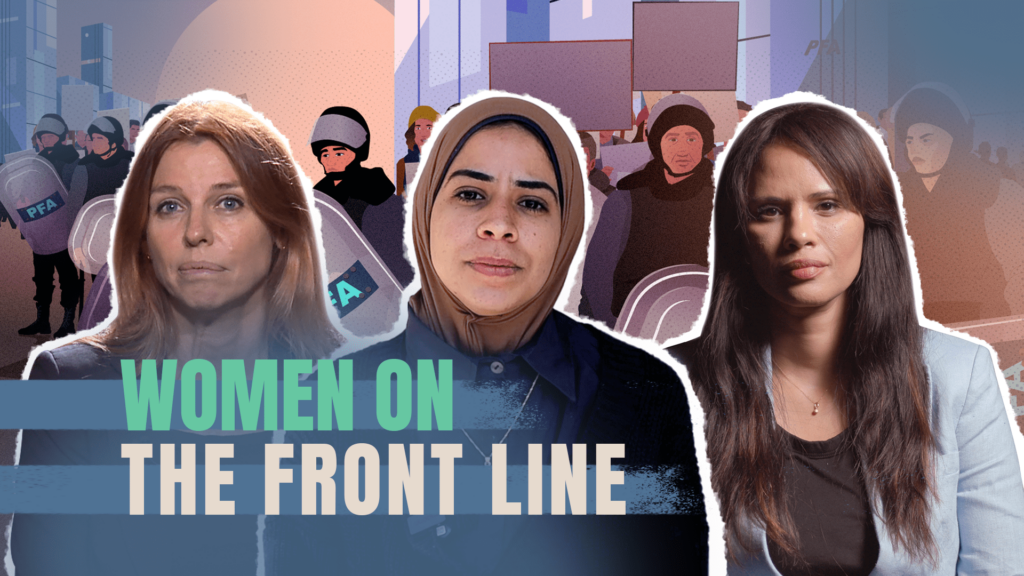
On International Women’s Day, Al Jazeera’s journalists Teresa Bo, Fahmida Miller, and Maram Humaid reflect on what it’s like to report from some of the world’s most challenging regions. From their experience, it’s clear that women’s voices are not only vital in journalism but also in the communities they serve. Adblock test (Why?)
International Women’s Day is for the few, not the many
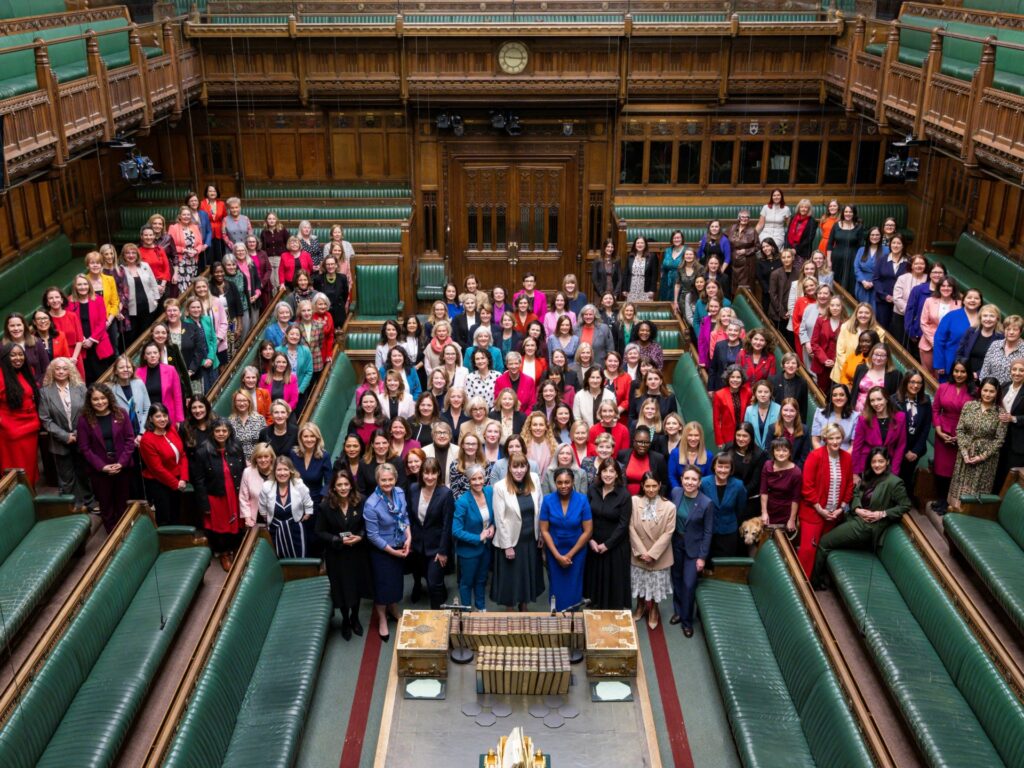
Every March 8, the world is flooded with glossy campaigns urging us to “accelerate action” and “inspire inclusion”. International Women’s Day has become a polished, PR-friendly spectacle where corporate sponsors preach empowerment while the women most in need of solidarity are left to fend for themselves. I can only hope that this year’s call to “accelerate action” means action for all women – not just those who fit neatly into corporate feminism, media-friendly activism, and elite success stories. But if history is any guide, the only action that will be accelerated is the branding of feminism as a marketable commodity, while the women enduring war, occupation, and systemic violence face erasure. Year after year, International Women’s Day is paraded as a global moment of solidarity, yet its priorities are carefully curated. The feminist establishment rallies behind causes that are palatable, media-friendly, and politically convenient- where women’s struggles can be framed as individual success stories, not systemic injustices. Advertisement When Iranian women burned their hijabs in protest, they were met with widespread Western support. When Ukrainian women took up arms, they were hailed as symbols of resilience. But when Palestinian women dig through rubble to pull their children’s bodies from the ruins of their homes, they are met with silence or, worse, suspicion. The same feminist institutions that mobilise against “violence against women” struggle to even utter the words “Gaza” or “genocide”. In the UK, in the run-up to this year’s International Women’s Day, an MP and feminist organisations have hosted an event on “Giving a Voice to Silenced Women in Afghanistan”, featuring feminists who had spent months calling for boycotts of the Afghan cricket team. Because, of course, that’s how you take on the Taliban – by making sure they can’t play a game of cricket. This is what passes for international solidarity: Symbolic gestures that do nothing for the women suffering under oppressive regimes but make Western politicians feel morally superior. Let me be clear: Afghan women deserve every ounce of solidarity and support. Their struggle against an oppressive regime is real, urgent, and devastating – and yes, what they are enduring is gender apartheid. But acknowledging their suffering does not excuse the rank hypocrisy of those who wield feminism as a political tool, showing up for Afghan women while staying silent on the Palestinian women being starved, bombed, and brutalised before our eyes. The Taliban’s rise was not some act of nature – it was a direct product of UK and US intervention. After 20 years of occupation, after handing Afghan women back to the very men the West once armed and enabled, these same voices now weep over their fate. Advertisement Where were these women MPs, prominent feminists, and mainstream feminist organisations when pregnant Palestinian women were giving birth in the streets of Gaza because hospitals had been bombed? Where was the outcry when Israeli snipers targeted women journalists, like Shireen Abu Akleh? Where were the boycotts when Palestinian girls were pulled from the rubble of their homes, killed by US-made bombs? Time and time again, we see the same pattern: Feminist outrage is conditional, activism is selective, and solidarity is reserved for those whose struggles do not challenge Western power. Afghan women deserve support. But so do Palestinian women, Sudanese women, Yemeni women. Instead, their suffering is met with silence, suspicion, or outright erasure. International Women’s Day, once a radical call for equality, has become a hollow spectacle – one where feminist organisations and politicians pick and choose which women deserve justice and which women can be sacrificed at the altar of Western interests. Feminism has long been wielded by the powerful as a tool to justify empire, war, and occupation – all under the pretence of “saving women”. During the Algerian War of Independence, the French launched a campaign to “liberate” Algerian women from the veil, parading unveiled women in propaganda ceremonies while simultaneously brutalising and raping them in detention centres. The French, of course, were never concerned about gender equality in Algeria; they readily restricted education and employment for Algerian women. Their actions under the guise of helping women were about domination. Advertisement This same narrative of the helpless brown woman in need of white saviours has been used to justify even more recent Western military interventions, from Afghanistan to Iraq. Today, we see the same playbook in Palestine, as well. The West frames Palestinian women as victims – but not of bombs, displacement, or starvation. No, the real problem, we are told, is Palestinian men. Israeli officials and their Western allies rehash the same Orientalist trope: Palestinian women must be saved from their own culture, from their own people, while their actual suffering under occupation is ignored or dismissed. The systematic slaughter of women and children is treated as an unfortunate footnote to the conflict, rather than its central atrocity. We see the same pattern again and again – concern for women’s rights only when it serves a political agenda, silence when those rights are crushed under the weight of Western-backed airstrikes and military occupation. This is not solidarity. It is complicity wrapped in feminist rhetoric. So, who will actually benefit from International Women’s Day this year? Will it be the women whose oppression fits neatly into Western feminist narratives, allowing politicians, feminist organisations, and mainstream women’s advocacy groups to bask in their self-congratulatory glow? Or will it be the women who have been silenced, erased, and dehumanised – those for whom “accelerate action” has meant 17 months of genocide and 76 years of settler colonial violence? Is this just another “feel-good” exercise, where you can claim to support women across the world without confronting the fact that your feminism has limits? Because if this is truly about accelerating action, then after 17 months of bombing, starvation, and displacement, we should finally hear you stand for Palestinian women. Advertisement But we know how this goes. The speeches will be made, the hashtags will trend, the panel discussions will be held – but
ICC Champions Trophy 2025 final: India have ‘no advantage’ over New Zealand
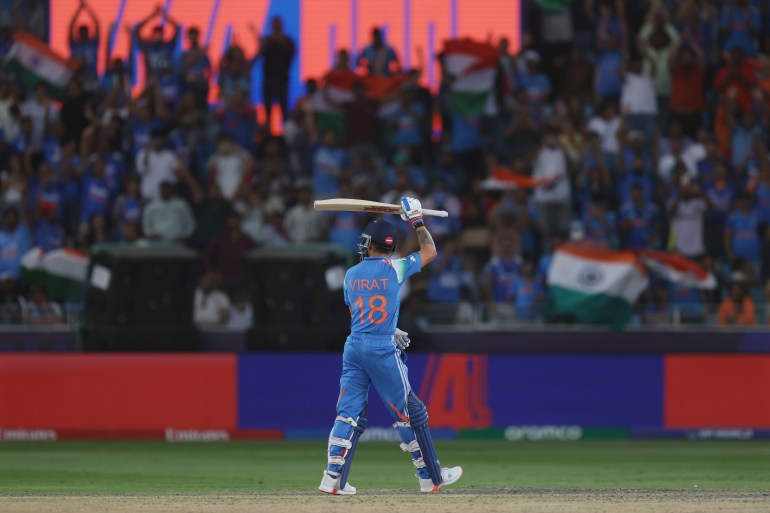
India’s batting coach Sitanshu Kotak blasts back at assertion that India’s Champions Trophy hopes boosted by Dubai venue. India playing all their Champions Trophy matches in Dubai was a pre-tournament decision, and talk of it giving India an unfair advantage is baseless, the team’s batting coach says as he blasts back against the criticism. Rohit Sharma’s India face New Zealand in the title clash on Sunday at the Dubai International Stadium, where the tournament favourites have been unbeaten in their four matches. India refused to tour hosts Pakistan in the eight-nation tournament due to political tensions and were given Dubai as their venue in the United Arab Emirates. “The draw that happened, it happened before,” batting coach Sitanshu Kotak told reporters before the final. “After India winning four matches, if people feel that there is an advantage, then I don’t know what to say about it.” The tournament’s tangled schedule with teams flying in and out of the UAE from Pakistan while India have stayed put has been controversial. South Africa batsman David Miller said “it was not an ideal situation” for his team to fly to Dubai to wait on India’s semifinal opponent and then fly back to Lahore in less than 24 hours. Advertisement Even nominal hosts Pakistan had to jump on a jet and fly to Dubai to play India rather than face them on home soil. India’s Virat Kohli salutes the crowd in Dubai after achieving a century against Australia in the semifinal [Christopher Pike/AP] The pitches have been vastly different in the two countries. Pakistan tracks produced big totals in contrast to the slow and turning decks of the Dubai stadium. “End of the day, I think in a game you have to play good cricket every day when you turn up,” Kotak said. “So the only thing they [critics] may say is that we play here. But that is how the draw is.” “So nothing else can happen in that. It is not that after coming here, they changed something, and we got an advantage,” he added. India have been the team to beat after they topped Group A, in which they faced New Zealand, Pakistan and Bangladesh. They then beat Australia in the first semifinal. New Zealand, led by Mitchell Santner, lost the last group game to India by 44 runs before they beat South Africa in the second semifinal in Lahore. India’s Varun Chakravarthy, centre, celebrates the wicket of New Zealand’s Glenn Phillips , right, in Dubai during the final Champions Trophy group-stage match [Altaf Qadri/AP] Kotak said the previous result between the two teams will have no bearing on their mindset going into the final. “That depends how the New Zealand team thinks, but I think we should not think that,” Kotak said. “We should just try and turn up and play a good game of cricket because there is no use thinking about the last match.” Advertisement New Zealand head coach Gary Stead said they are not too worried about India’s advantage. “I mean, look, the decision around that’s out of our hands,” Stead said. “So it’s not something we worry about too much. India have got to play all their games here in Dubai. But as you said, we have had a game here, and we’ll learn very quickly from that experience there as well.” “And if we’re good enough to beat India on Sunday, then I’m sure we’ll be very, very happy,” he added. Adblock test (Why?)
Bosnia’s top court suspends separatist laws adopted by Bosnian Serbs
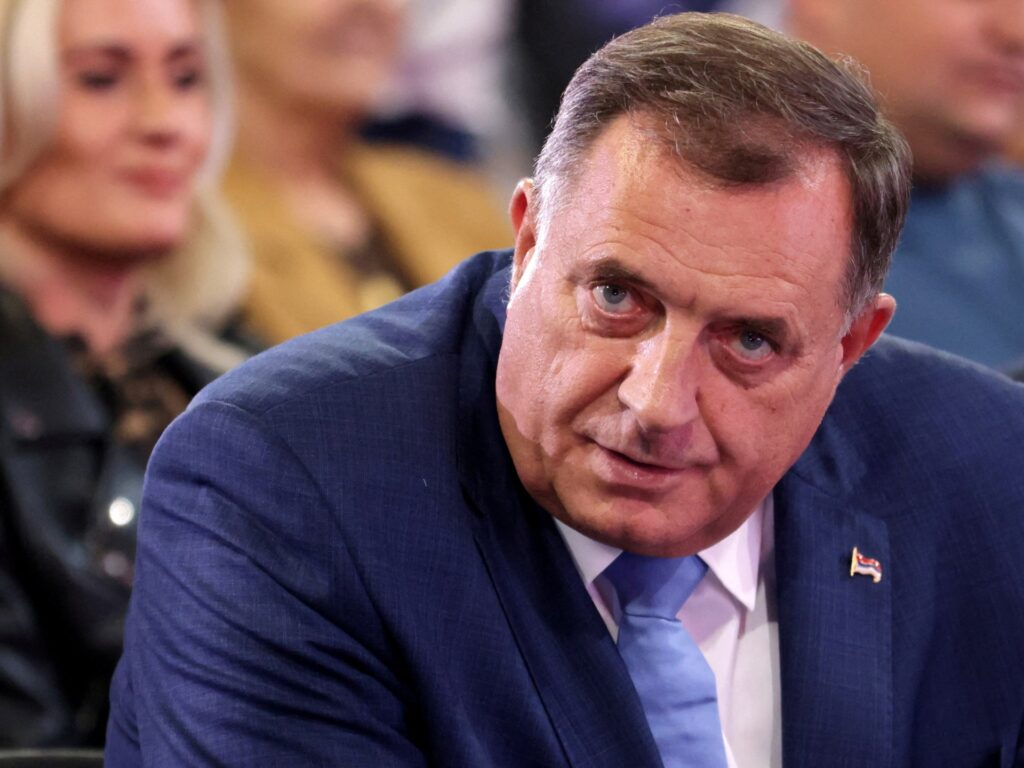
Laws passed by the autonomous Republika Srpska region reject the authority of the federal police and judiciary. Bosnia’s Constitutional Court has suspended legislation passed by the autonomous Republika Srpska region which rejects the authority of the federal police and judiciary on its territory. The court said on Friday that it was “temporarily suspending” the laws that Bosnian Serb President Milorad Dodik pushed through the regional parliament earlier this week. The laws were passed days after a court in Sarajevo sentenced Dodik to a year in prison and banned from office for six years for refusing to comply with decisions made by Christian Schmidt – the international high representative charged with overseeing Bosnia’s peace accords. Since the end of Bosnia’s inter-ethnic conflict in the 1990s, the country has consisted of two autonomous regions – Republika Srpska and a Muslim-Croat federation, which are linked by a weak central government. Bosnian officials say that Dodik’s laws violate the Dayton Peace Agreement that ended the country’s 1992-95 war, binding the two entities under joint institutions, including the army, top courts and tax authorities. Advertisement Dodik on Thursday said he would ignore a summons from Bosnian state prosecutors investigating him for allegedly undermining the country’s constitutional order. On Friday, he doubled down on his separatist drive, calling on ethnic Serbs to quit the federal police force and courts and join the government of Republika Srpska. “We have ensured them a job, while preserving their legal status, ranks, and positions. They will receive the same salary, or even a higher salary than they had,” said Dodik. Dodik later added there were no plans for violent escalation but insisted that Republika Srpska had “the ability to defend itself, and we will do that”. On Friday, local media reported that the Bosnian Serb Republic’s police had forced federal agents from the State Information and Protection Agency (SIPA) out of their premises in the city of Banja Luka. But SIPA head Darko Culum later labelled the reports incorrect, insisting that the security situation in Bosnia and Herzegovina was “stable and calm”. The situation in Republika Srpska remained tense on Friday. The Srebrenica Memorial Centre – where most of the 8,000 victims killed by ethnic Serb forces in July 1995 are buried – said it had closed its doors “until further notice”, citing uncertainty triggered by the ongoing political crisis. “This decision has been made due to the inability to ensure adequate security guarantees for our employees, collaborators, guests, and visitors,” said the centre, which is located in the village of Potocari, in an online statement. Advertisement Adblock test (Why?)